In This Guide
- What weekend rv rental RV Rental Costs in Zambia (2026)
- Seasonal Pricing - Peak vs. Shoulder vs. Off-Season in Zambia
- What's Included vs. What's an Add-On
- Hidden Costs to Budget For in Zambia
- How to Save on weekend rv rental RV Rental in Zambia
- What are the detailed costs for RV travel in Zambia, including fuel, park entry, and camping fees?
- What are the road conditions like for RVs in Zambia and how do I navigate them?
- What permits are needed for RV travel and camping in Zambian national parks?
- What non-safari attractions can RV travelers visit in Zambia?
- How can RV travelers ensure connectivity and resupply for fuel, water, and food in Zambia?
- What RV vehicle considerations are essential for Zambian terrain?
- What emergency preparedness is crucial for RV travel in Zambia?
- What are the local cultural norms and responsible travel practices for RVers in Zambia?
- What You Shouldn't Miss
Embarking on a rented RV adventure through Zambia is an extraordinary way to experience the heart of Africa, from the thundering Victoria Falls to vast wildlife reserves. Planning your journey and understanding the costs involved is key to a smooth and unforgettable trip. For live availability and current prices, start with our RV Rental Zambia - Complete Guide 2026 guide. We're here to help you navigate all aspects of your motorhome rental, offering full transparency and unwavering support before and after your booking.
What weekend rv rental RV Rental Costs in Zambia (2026)
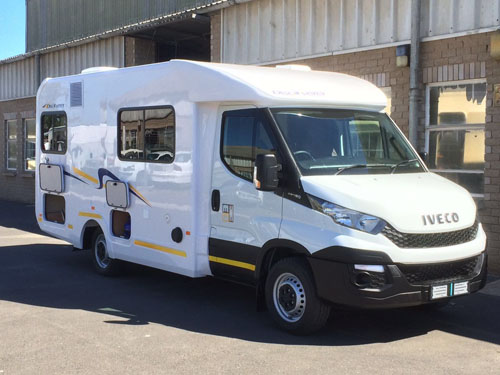
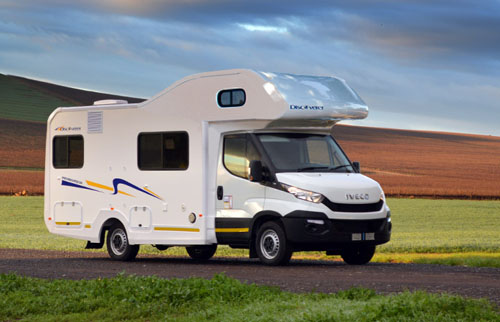
RV rental costs in Zambia are dynamic, varying significantly based on the vehicle class, rental duration, and seasonal demand, with April generally being the most affordable month. For instance, a compact campervan like the "Category Van" ideal for a couple might range from $100-$200 USD per day during the shoulder season, offering a cozy and efficient way to explore. Larger Class C motorhomes, suitable for families of 2+2 or small groups (such as the "Glamys 40" with a 157/220cm bed over cab), can typically cost between $180-$350 USD daily. Prices are fluid, much like airline tickets, and are finalized at the time of actual booking. We pride ourselves on full transparency, ensuring what you see is what you pay, with no hidden fees or surprises.
For a week-long RV driving tour in Zambia, budgeting around $1,200-$2,500 USD for the rental alone is a reasonable starting point, depending on your chosen motorhome size and travel dates. Longer trips, such as a two-week adventure or a month-long excursion, often benefit from lower per-day rates, encouraging slow travel at a comfortable pace of around 100-150 km per day. Couples can consider a smaller, more fuel-efficient campervan, while families might prefer a Class C motorhome offering more space and amenities like a separate shower and toilet, seen in models such as the "cruise america rv rental example Explorer" with an 82-liter fresh water tank and a gas stove. We compare final prices across numerous suppliers, handling the details so you can simply live the journey. On the routes offered through RV PLANET routes, you can itemize and track every expense along the way for easy budgeting.
Seasonal Pricing - Peak vs. Shoulder vs. Off-Season in Zambia
RV rental prices in Zambia are heavily influenced by the country's distinct seasons, with peak demand and highest rates occurring from July to August due to ideal weather for safaris. During this dry season, wildlife congregates around water sources, making viewing exceptional. Shoulder seasons, typically May-June and September-October, offer a fantastic balance of good weather conditions and more moderate rental prices, often saving travelers 10-15% compared to peak rates. For instance, a "Category Large" motorhome for a family of six might be $350/day in peak season but drop to $280/day in shoulder season.
The off-season, spanning from November to April, generally presents the lowest rental rates, with April being particularly affordable. However, this period coincides with Zambia's rainy season, which can bring lush landscapes but also more challenging road conditions in certain areas. This is a great time for spontaneous travelers who prefer to book day-to-day, as availability is higher, although some remote parks may be less accessible. Renters seeking the best deals on a rented RV should aim for the shoulder or off-peak seasons and book their "Week-Long RV Driving Tour in Zambia 2026" several months ahead.
What's Included vs. What's an Add-On
When renting an RV in Zambia, basic insurance is universally included, covering essential liabilities to ensure a secure journey. Beyond this, inclusions vary significantly by motorhome model and rental station, making it essential to verify details for each specific booking. For example, a "Category Camp AT" campervan might include a basic kitchen kit and a 30-liter fresh water tank, while a larger "rv rentals utah example Sunrise Escape" for 5 people could feature an oven, microwave, and a 170-liter refrigerator. To enhance your peace of mind, you can often upgrade to a top-level deductible for extra protection against unforeseen incidents, a key differentiator that we offer.
Common add-ons to consider for your rented RV include comprehensive insurance tiers, additional mileage packages for extensive travel, and convenience items like kitchen kits and bedding. Generator usage may also be an extra charge, depending on the supplier and vehicle model. Our platform makes it easy to compare what's included and to toggle desired options like kitchen utensils, tableware, and bedding during your search, ensuring full transparency in your booking. As true RV specialists, we ensure you have a clear understanding of all costs upfront, so there are no surprises when you pick up your campervan.
How to Save on weekend rv rental RV Rental in Zambia
Savvy RV travelers can significantly save on their rental costs in Zambia by strategically planning their trip during the shoulder season, such as May-June or September-October, when daily rates are typically 15-20% lower than peak season. Opting for longer rental durations also generally results in a lower per-day cost; for example, a two-week rental often has a better daily rate than a one-week trip. Booking your chosen motorhome, be it a compact "Category Van" or a spacious "Category Family 5" (which has 6 sleeping places), three to six months in advance can also secure better prices, with early birds sometimes saving up to 25%.
Flexibility with your travel dates is a powerful tool for finding the cheapest weekend RV rental in Zambia. If your schedule allows, playing with your pickup and drop-off dates by a few days can reveal substantial savings. Consider less popular pickup locations if available. Choosing an RV class that comfortably fits your group without excessive space is also crucial, as smaller campervans generally cost less to rent and are more fuel-efficient. Continuously monitoring flex-rate drops by regularly checking prices through comparison platforms like ours can also yield last-minute deals if you are a spontaneous traveler.
What are the detailed costs for RV travel in Zambia, including fuel, park entry, and camping fees?
Detailed costs for RV travel in Zambia encompass several key areas: fuel, which can vary significantly by region, national park entry fees per person and vehicle, and diverse camping fees ranging from basic wilderness sites to equipped facilities. Fuel prices are generally consistent at major stations along principal routes but can increase in remote areas or national parks; budget for higher consumption on unpaved roads, with some larger motorhomes like the "rv rentals utah example Sunrise Escape" consuming 20-25 Liters per 100 km (for its 6.8L/295KW Gas engine) compared to 10-15 Liters per 100 km for smaller Class C options like the "cruise america rv rental example Explorer".
National park entry fees typically include a per-person daily rate (e.g., $20-30 USD for international visitors) and a separate charge for your RV, which might be an additional $10-20 USD per day. These fees vary by park, so always confirm for destinations like South Luangwa or Kafue National Park. Camping fees differ based on amenities: basic national park campsites with minimal facilities might cost $20-40 USD per night, while private lodges or campsites offering more extensive services (like powered sites, ablution blocks, or restaurants) could range from $30-70 USD per night. For finding campsites and campgrounds during your trip, we recommend using RV PLANET (rvplan.net) - a great resource for locating available spots along your route. Additionally, for easy budgeting, remember that RV PLANET routes allow travelers to itemize and track every expense, including these ancillary costs.
What permits are needed for RV travel and camping in Zambian national parks?
For RV travel and camping in Zambian national parks, visitors typically require individual entry permits, vehicle entry permits, and, for wilderness or specific sites, advance camping permits or reservations. National park entry permits for individuals and vehicles are usually purchased upon arrival at park gates or, for certain parks, can be pre-arranged through the Department of National Parks and Wildlife (DNPW). For example, entering Mosi-oa-Tunya National Park in Livingstone requires these permits upon arrival.
Some remote wilderness areas or conservancies, particularly those offering unique experiences like the world's largest bat migration in Kasanka National Park, may require additional specialized permits or guided entry, which should be researched and secured well in advance. Always verify the specific permit requirements for each national park or protected area you plan to visit, as rules can vary and often require proof of payment for multiple days. It's wise to carry physical copies of all permits and booking confirmations, and always refer to official park websites or local tourism authorities for the most up-to-date information before you set off on your "Luxury RV Driving in Zambia - Scenic Routes 2026" adventure.
What non-safari attractions can RV travelers visit in Zambia?
Beyond traditional safaris, RV travelers in Zambia can explore a rich tapestry of non-safari attractions, including vibrant cultural village visits, bustling local markets, historical sites, and lesser-known natural wonders. In towns like Livingstone, you can immerse yourself in local culture by visiting Chief Mukuni's Village, engaging with residents, and learning about traditional Zambian life and crafts. Exploring local markets in urban centers is an excellent way to stock up on fresh produce, unique spices, and artisanal goods for your RV kitchen, making for delightful RV-friendly recipes playlist on the road.
Zambia also offers significant historical sites, such as the David Livingstone Memorial near Chitambo, commemorating the explorer's death, or remnants of colonial architecture in various towns. While often associated with wildlife, natural wonders like the magnificent Victoria Falls are a distinct experience accessible by RV; consider visiting during the full moon to witness the rare 'lunar rainbow'. Don't miss exploring lesser-frequented waterfalls, hot springs, or even ancient rock art sites across the country. Remember, travel slowly, max 100-150 km per day on average, to take time to feel the place, connect to the culture, the food, and the scenery. A rented motorhome gives you the flexibility to linger and truly discover these hidden gems.
How can RV travelers ensure connectivity and resupply for fuel, water, and food in Zambia?
RV travelers in Zambia can ensure connectivity and consistent resupply by planning routes around major towns for modern amenities like ATMs and large supermarkets, and utilizing strategic resupply points for fuel and water in more remote areas. Upon arrival, purchasing a local SIM card from providers like MTN or Airtel is highly recommended, as mobile signal strength varies widely across the country. While urban centers and major tourist hubs offer reliable Wi-Fi, off-grid travelers venturing into national parks or very remote regions should consider carrying a satellite communication device for emergencies, as mobile coverage may be limited or nonexistent.
For food and water, plan your itinerary to include regular stops at larger towns. Cities like Lusaka, Livingstone, and Kitwe have well-stocked supermarkets to replenish food supplies. Smaller towns along main roads will have local markets offering fresh produce and basic necessities. For fuel, stations are prevalent along main roads and in major towns; however, it's crucial to monitor your fuel tank capacity and fill up whenever possible, especially before entering national parks or remote stretches, as stations can be sparse. For example, a larger Class A motorhome like the "MHLUX" boasts a 320-liter fuel tank, offering extended range. Always carry extra water, particularly if dry camping. Our "Budget RV Driving in Zambia - Save on Fuel 2026" guide offers more tips on managing resources efficiently.
What RV vehicle considerations are essential for Zambian terrain?
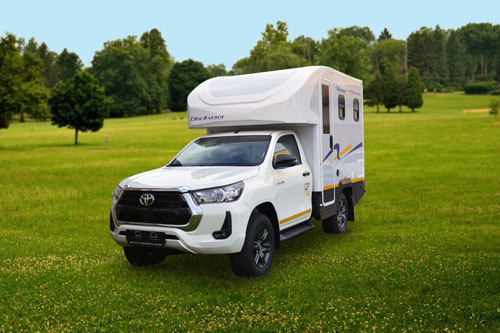
For navigating Zambian terrain, essential RV vehicle considerations include robust capabilities, sufficient ground clearance, critical extra fuel and water capacity, and necessary recovery gear to handle diverse road conditions and remote environments. While many main routes are paved, venturing off to national parks or less-traveled areas will involve unpaved roads, requiring a capable vehicle. Class C motorhomes, often available for rental, provide a good balance of comfort and maneuverability. However, if deep safari experiences are your priority, consider renting a dedicated 4x4 campervan like a "4x4 Camper B - THOR", which is specifically designed for tougher conditions and provides better traction.
Vehicles equipped with reinforced suspension and high-profile, all-terrain tires are highly beneficial for resilience against corrugated gravel roads. Adequate fresh water tank capacity (e.g., 120-200 liters found in many Class C and Class A motorhomes) and extra fuel capacity (a "rv rentals utah example Sunrise Escape" has a 208-liter fuel tank, while the "MHLUX" has a substantial 320-liter tank) are paramount for extended stays in areas where resupply points are scarce. Dual battery systems are also highly recommended for extended off-grid stays, ensuring power for refrigeration and charging devices without constantly running the engine. Essential recovery gear, such as a high-lift jack, shovel, and tow rope, is crucial for self-sufficiency in remote breakdowns. Discuss these specifics with your rental supplier to choose the best vehicle for your "One-Way RV Driving in Zambia - Route Planner 2026" adventure.
What emergency preparedness is crucial for RV travel in Zambia?
Crucial emergency preparedness for RV travel in Zambia involves knowing breakdown protocols for remote areas, identifying locations of medical facilities, establishing reliable communication strategies, and having specific emergency contact numbers for local services and tour operators. In case of a breakdown in a remote area, prioritize safety by staying with the vehicle and displaying visible warning signs. If mobile signal is absent, use emergency communication devices like a satellite phone or personal locator beacon if you opted to carry one. Familiarize yourself with the locations of major medical clinics and pharmacies along your planned route, especially in larger towns like Livingstone or Lusaka.
Always carry a comprehensive first-aid kit, and it is highly advisable to have travel insurance that includes emergency medical evacuation, which can be critical in remote African locations. Keep a list of local emergency numbers (police: 991, ambulance: 992, fire: 993) readily accessible, along with contact details for your RV rental company and any local tour operators you might be using. Before your trip, verify what kind of 24/7 support your rental company provides, and remember that our team is with you before, during, and after your booking to ensure you have all the information you need, coordinating any necessary post-booking support.
🎬 Video coming soon
What are the local cultural norms and responsible travel practices for RVers in Zambia?
Responsible RV travel in Zambia includes understanding and respecting local cultural norms, practicing appropriate etiquette, and adhering to ethical wildlife viewing distances to ensure positive interactions with communities and minimize environmental impact. When visiting rural villages or religious sites, dressing modestly is a sign of respect. When interacting with local communities, always ask for permission before taking photographs of people, and engage children respectfully without encouraging begging. Learning a few basic phrases in a local language like Nyanja or Bemba can also greatly enhance your interactions.
Familiarize yourself with tipping guidelines for various services, as it is a common practice for guides, porters, and restaurant staff. For wildlife viewing, always maintain safe and respectful distances from animals, avoid disturbing their natural behavior, and never feed wild animals, as this can habituate them to humans and lead to dangerous situations. Stay on designated tracks in national parks to protect fragile ecosystems. By embracing these practices, your rented RV journey through Zambia will be enriching not only for you but also for the communities and environments you encounter.
What You Shouldn't Miss
- Victoria Falls: Witness the awe-inspiring Mosi-oa-Tunya, "The Smoke that Thunders," one of the Seven Natural Wonders of the World, easily accessible from Livingstone. Consider a helicopter flight for panoramic views.
- South Luangwa National Park: Experience the birthplace of the walking safari, offering unparalleled intimate wildlife encounters with leopards, lions, elephants, and diverse birdlife.
- Kasanka National Park Bat Migration: Plan your trip between October and December to witness the world's largest mammal migration as millions of straw-coloured fruit bats descend into a small forest patch.
- Lower Zambezi National Park: Enjoy unique canoe safaris and tiger fishing on the Zambezi River, often combined with traditional game drives, all from a comfortable base in your rented motorhome.
- Local Market Immersion: Spend time in bustling local markets in cities like Lusaka or Ndola, a vibrant way to connect with Zambian culture and find fresh ingredients for your RV kitchen.
- Slow Travel through Rural Zambia: Embrace the advice to travel slowly, averaging 100-150 km per day. This allows you to truly connect with the country's diverse landscapes, local communities, and the authentic rhythm of life beyond the major attractions.
Looking for expert insights from Avi Bandana? Top 5 Adventures - recommendations from Avi Bandana.
Final Thoughts
Exploring Zambia in a rented RV offers an unparalleled sense of freedom and adventure, allowing you to immerse yourself in its stunning natural beauty and rich culture at your own pace. While budgeting for your trip involves more than just the daily rental rate, understanding the various costs and planning ahead can ensure a smooth and enjoyable journey. From the roar of Victoria Falls to the silent majesty of a walking safari, every day brings new discoveries.
Remember, we're here to support you every step of the way, from comparing prices and choosing the perfect campervan to ensuring you have all the information for a transparent and stress-free booking. So, pack your bags, prepare for an incredible African road trip, and let the adventure begin!