In This Guide
- Can You Drive an RV in Zambia? License & Age Rules
- Road Conditions & Terrain in Zambia
- RV Size Limits, Bridges & Restricted Zones
- Fuel: Diesel vs. Petrol & Cost per 100 km
- Tolls, Vignettes & Border Rules
- Driving Tips for Rv Rental Travelers
- Recommended RV Class for Zambia Roads
- Should I Choose a Compact Van Instead of a Large RV in Zambia?
- Can I Park Anywhere? Free & Wild Camping Rules in Zambia
- Can I Drive an RV Into the City Center? Heights, Tunnels & Local Signage
- Can you rent an RV in Zambia?
- What are the best RV rental companies in Zambia?
- How much does it cost to rent a motorhome in Zambia?
- Is it safe to drive a motorhome in Zambia?
- What is the best time of year to rent an RV in Zambia?
- Are there RV campgrounds in Zambia?
- Can you take an RV on safari in Zambia?
- Is RV travel popular in Zambia?
- Top Cities for RV Rental in Zambia
- Country-Wide Practical Info for RV Travel in Zambia
- What You Shouldn't Miss
Imagine yourself traversing the vast, untamed landscapes of Zambia, with the freedom of your own rented RV, encountering breathtaking wildlife and vibrant cultures at every turn. RV travel in Zambia offers an unparalleled adventure, allowing you to explore this incredible African nation at your own pace. Whether you're a seasoned RVer or a first-timer, understanding the ins and outs of driving and renting a motorhome in Zambia is key to an unforgettable trip.
Here at Bandana Caravan, we've been helping tens of thousands of travelers explore the world by RV since 2001, providing direct partnerships with over 50 leading RV suppliers worldwide. Our expertise, especially for destinations like Zambia, ensures you receive not just a vehicle, but also comprehensive support and honest advice. For live availability and current prices, start with our RV Rental Zambia - Complete Guide 2026 guide. We compare final prices across 50+ suppliers so you don't have to worry about hidden fees or surprises.
Can You Drive an RV in Zambia? License & Age Rules
Drivers generally need a valid national driving license and often an International Driving Permit (IDP) to operate a rented RV in Zambia, though the IDP is highly recommended for visitors from non-English speaking countries for ease of identification and is not mandatory in all cases. The minimum driving age for an RV rental in Zambia is 21 years old across most suppliers, and there are no young driver surcharges or vehicle class restrictions based on age. Furthermore, a standard car driver's license is sufficient for driving all motorhome classes (Class A, Class B, and Class C) available for rental in Zambia, meaning no special license or commercial driver's license (CDL) is required.
Before embarking on your adventure, always ensure your driving license is current and consider acquiring an IDP if your national license is not in English. It's also wise to carry copies of all your documents, including your passport, visa, and rental agreement, in a separate, secure place. For those wondering about Pet-Friendly RV Rental in Zambia - Pricing 2026, remember to check supplier-specific rules regarding pets as well.
Road Conditions & Terrain in Zambia
Zambia's main arterial roads, such as the T1 (Great North Road) and T2 (Great East Road), are generally paved and in reasonable condition, making them suitable for comfortable RV travel. However, secondary and rural roads, especially those leading to national parks and remote areas, can be gravel, dirt, and are prone to severe potholes, particularly during specific seasons. Travelers should expect varied terrain, from relatively flat plains in the south to more undulating areas around river valleys and plateaus, which naturally encourages slow and scenic driving. Drive slowly and carefully, and you can drive almost anywhere without issues. No need to stress - just use common sense and pay attention.
Seasonal changes significantly impact road navigability; particularly during the rainy season (November-April), where some unpaved routes may become impassable due to heavy rains and flooding. This seasonal impact on RV travel in Zambia means that a two-wheel-drive RV might struggle on certain routes, and travelers should factor this into their RV-optimized route planning and itineraries. During the dry season (May-October), most roads are accessible, but dust can be a significant factor. For those planning a Winter RV Rental in Zambia - Pricing Guide 2026, the dry season is usually considered the winter period, offering the best driving conditions.
RV Size Limits, Bridges & Restricted Zones
While specific height or weight restrictions are less common on major Zambian roads compared to some other countries, drivers of larger RVs should exercise caution, especially on rural routes or when entering national parks. It is crucial to be aware of potential low-hanging branches or less-maintained bridges in remote areas, and always check for local signage that might indicate restrictions. Access to certain national parks or protected areas might have vehicle type restrictions or even require 4x4 capability, which some larger Class A or Class C motorhomes may lack.
For example, some roads within South Luangwa National Park might be challenging for a large Class A motorhome, but a smaller Class B Camper Van like a "Duo" (5.99m length) or a Class C "MH19 Small - Economy" (6.17m length) could navigate more easily. Always research your specific route, especially if it involves venturing into less-traveled areas or crossing small bridges. Prioritizing RV-specific safety protocols, such as checking for up-to-date road information, is a critical step before heading out.
Fuel: Diesel vs. Petrol & Cost per 100 km
Diesel is the predominant fuel type for RVs and is widely available at service stations across Zambia's main routes, while petrol availability is also common, especially in urban centers and along major highways. When planning your route, it's wise to locate fuel stations in advance, as distances between towns can be substantial. Based on Bandana's global fleet averages, a Class SI Semi-integrated RV typically consumes 10-11 Liters/100 km, a Class C Alcove motorhome 10-12 Liters/100 km, and a Class B Camper Van like a "Combi Van" (5m length) 8-10 Liters/100 km.
Fuel costs in Zambia are variable and can be influenced by global oil prices and local supply chains; travelers should budget realistically and always ensure a full tank before embarking on long stretches between towns or entering national parks where fuel might not be available. For a detailed RV budget breakdown, remember that RV PLANET routes allow travelers to itemize and track every expense along the way for easy budgeting. This includes not just fuel, but also campsite fees, park entry fees, and groceries for your RV kitchen. If you're planning to cook many of your meals on board, remember to check out our RV-friendly recipes playlist for inspiration. On the routes offered through RV PLANET routes, you can itemize and track every expense along the way for easy budgeting.
Tolls, Vignettes & Border Rules
Zambia has a national toll road system where RV drivers will encounter toll gates on major highways, particularly as you approach larger cities or main routes connecting them. These tolls are typically paid in cash, though some newer toll plazas may accept electronic payments. Vignettes, which are common in some European countries, are not typically used in Zambia; tolls are usually point-to-point charges at designated booths. The cost for these tolls is generally modest, but it's important to carry sufficient local currency (Zambian Kwacha) for convenience.
When planning cross-border RV trips from Zambia to neighboring countries like Botswana, Namibia, or Malawi, be prepared for additional vehicle import permits, varying road user charges, and potential carbon taxes at each border post. Each country has its own requirements, so thorough research and preparation are vital to avoid delays. For instance, temporary import permits (TIP) are often required for vehicles, and these can range from $20-$50 depending on the country and duration. Ensure all vehicle registration and rental documents are easily accessible, as border crossings require careful scrutiny of paperwork.
Driving Tips for Rv Rental Travelers
Driving a rented motorhome in Zambia requires a mindful approach to ensure a safe and enjoyable journey. Firstly, drive defensively and constantly monitor road conditions; be exceptionally alert for pedestrians, livestock, and large animal crossings (especially at dawn and dusk, when visibility is low), and sudden changes in road surface, including severe potholes. Zambia drives on the left-hand side of the road, which is crucial for international visitors to remember.
Secondly, plan your route carefully: utilize GPS alongside up-to-date physical maps, prioritizing well-maintained roads and accounting for slower average speeds of around 80 km/h on main highways and much less on rural tracks. We always recommend slow travel, aiming for a maximum of 100-150 km per day on average, allowing you to take time to feel the place, connect to the culture, the food, and the scenery. Thirdly, prioritize safety and security: avoid night driving outside urban areas due to poor visibility and increased hazards, always secure your rented RV and valuables, and be mindful of your surroundings, especially when parking overnight. For instance, the RV PLANET routes offers pre-planned routes by professionals, helping with RV-optimized route planning and itineraries, incorporating local insights.
Fourthly, stay connected and self-sufficient: carry sufficient water, food, and have contingency plans for breakdowns, as cellular coverage can be sporadic in remote areas. A local SIM card from providers like MTN, Airtel, or Zamtel will help ensure better connectivity. Finally, embrace cultural immersion: engage respectfully with local communities, stop at local markets for fresh produce and unique crafts, and try local cuisine, practicing responsible tourism while traveling independently in your RV.
Recommended RV Class for Zambia Roads
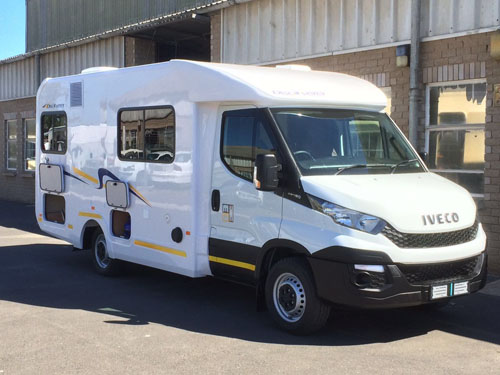
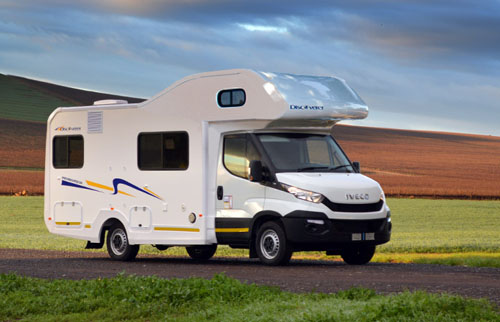
For comfortable travel on Zambia's main roads and accessible national parks, a Class SI (Semi-integrated) or Class C (Alcove) RV from Bandana's global fleet offers a good balance of space and navigability. These classes, such as a "Comfort Family 5" (a Class C Alcove motorhome) or a "Category Family 5" (averaging 7m in length with a fresh water tank of 100 Liters and 6 sleeping places), provide ample living space and amenities for families or groups. Bandana's Class SI RVs average 6.9m in length, providing sufficient ground clearance for most paved and well-maintained gravel routes, while Class C Alcove RVs, averaging 7.5m, offer more sleeping places (around 5.8) ideal for larger families or groups up to 7, like the "MHC28" or "MHC30".
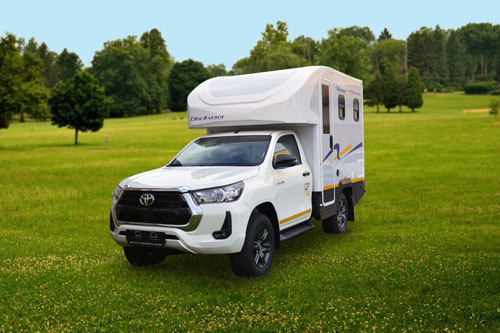
However, for more rugged routes, deeper safari access, or those seeking greater maneuverability and fuel efficiency, a Class B Camper Van (averaging 5.8m length, like a "Paradise Camper 4x4 double cab" or "2 Berth Hi Top") might be considered. These smaller campervans often offer better agility on narrower tracks and potentially better fuel economy (Bandana's Class B averages 8-10 Liters/100 km with a 70 Liter fuel tank), though they offer less internal space and load capacity. Ultimately, your choice of vehicle class should align with your itinerary, group size, and comfort preferences, and Bandana Caravan offers a range of options to match your needs.
Should I Choose a Compact Van Instead of a Large RV in Zambia?
While Zambia's primary roads generally accommodate all RV sizes, the choice between a compact van and a larger RV depends on your travel priorities and specific itinerary in Zambia. A compact van (like a Class B Camper Van, such as a "Active Pop Top" at 5.99m in length with 90 Liter fresh water tank) offers easier maneuverability and potentially better fuel economy (Bandana's Class B averages 8-10 Liters/100 km), which can be advantageous on narrower rural roads or in busier towns like Lusaka or Livingstone. These vehicles are also often easier to park and can sometimes access smaller, more remote campsites.
However, a larger RV, such as a Class C Alcove motorhome ("C-LARGE" at 8.1m length, 182 Liter fresh water tank, 208 Liter fuel tank), provides significantly more living space, amenities, and comfort, which is often a priority for extended trips or families traveling with kids. Crucially, a larger RV usually doesn't pose a significant disadvantage on Zambia's main touring routes, as long as you drive slowly and carefully. So, if comfort and ample space are priorities, a larger motorhome is an excellent choice, while a compact van suits those prioritizing agility and economy.
Can I Park Anywhere? Free & Wild Camping Rules in Zambia
Wild camping in Zambia is generally discouraged and can be risky due to the presence of wildlife and security concerns; it is largely restricted to designated campsites or private land with explicit permission from landowners. National parks and game management areas strictly prohibit wild camping and require visitors to stay within official campsites for safety and conservation reasons, adhering to specific camping regulations and etiquette for RVs. For example, many national park campsites, like those in South Luangwa or Lower Zambezi, are unfenced, meaning wildlife can and does walk through camps, necessitating extreme caution and adherence to park rules.
Rules vary by region and property, so always check local regulations and follow local law before parking overnight. Prioritizing safety and responsible waste management practices is paramount when RVing in Zambia. For finding campsites and campgrounds during your trip, we recommend using RV PLANET (rvplan.net) - a great resource for locating available spots along your route and understanding local amenities. Many designated campsites offer essential RV logistics and infrastructure such as water refill points, ablution blocks, and sometimes even dump stations.
Can I Drive an RV Into the City Center? Heights, Tunnels & Local Signage
Yes, you can generally drive a rented RV into city centers in Zambia, such as Lusaka or Livingstone, without encountering widespread physical restrictions like low bridges or narrow tunnels common in some older European cities. However, caution is certainly advised due to the realities of urban traffic, congestion, and parking challenges. Drive slowly and carefully, and you can drive almost anywhere without issues. No need to stress - just use common sense and pay attention to your surroundings.
While explicit height limits on underpasses or parking garages are less common, always pay close attention to local signage, especially around commercial areas or older infrastructure. The primary challenge will likely be navigating busy streets, negotiating with local drivers, and finding suitable and secure parking spaces for a larger vehicle. It’s often best to find a secure campsite or designated parking area on the outskirts of the city and use public transport or taxis for city exploration, making your urban visit more relaxed.
Can you rent an RV in Zambia?
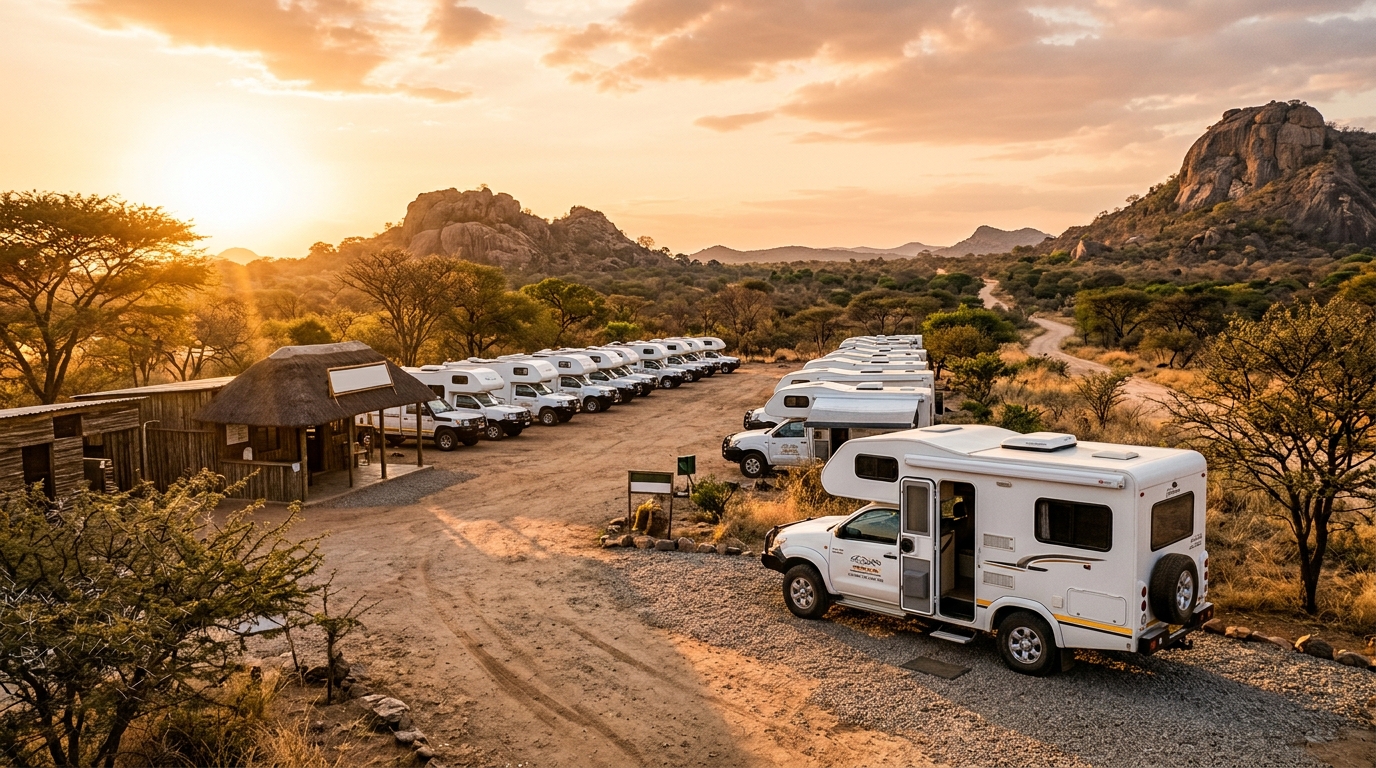
Yes, RV rentals are available in Zambia, though the market is somewhat smaller compared to more established RV destinations globally. Options are typically found in major tourist hubs and entry points like Lusaka and Livingstone. These vehicles usually range from compact campervans (Class B) suitable for couples, to more spacious motorhomes (Class C) that can accommodate families of 4-6 people, often equipped for self-sufficient travel across varied terrains.
Booking an RV rental in Zambia well in advance, especially during the peak dry season (May to October), is highly recommended to secure your preferred RV type and ensure availability. Using a comparison platform like Bandana Caravan, which partners with major suppliers including global brands like Apollo, helps streamline this process, offering full price transparency and a wide selection to match your adventure needs. For detailed pricing, consult our guide RV Rental in Zambia - Prices and Best Deals 2026.
What are the best RV rental companies in Zambia?
Identifying the "best" RV rental companies in Zambia largely depends on individual needs and travel styles, but reputable operators prioritize vehicle reliability and comprehensive support. Bandana Caravan partners with a network of trusted suppliers, ensuring you have access to a range of well-maintained motorhomes and campervans. When choosing a company, prioritize those that offer robust insurance options, such as the ability to upgrade to a top-level deductible for extra peace of mind, and readily available 24/7 support (for pre-booking comparison, booking support, and post-booking coordination) to assist before and after your rental. We handle the details, you live the journey – personal service from day one until your booking is confirmed.
Beyond the vehicle itself, consider companies known for transparent pricing with no hidden fees or surprises, and those that offer local expertise. Reading recent customer reviews and checking the age and maintenance records of the fleet are crucial steps to ensure a quality rental experience. We compare final prices across 50+ suppliers so you don't have to, making your choice easier and more confident. Look for suppliers offering well-equipped Class C motorhomes, like the "24' Class C Motorhome" (7.46m length, 166 Liter fresh water tank) or Class B campervans that are well-suited for Zambian conditions.
How much does it cost to rent a motorhome in Zambia?
The cost to rent a motorhome in Zambia varies significantly based on RV size, rental duration, season (peak dry season is May-October), and included amenities, typically ranging from $150 to $300+ per day. For example, a compact Class B Camper Van might start at the lower end, while a larger, more amenity-rich Class C Alcove motorhome (like a "Jayco Conquest Royale 6" at 8.9m, 175 Liter fresh water tank, and 6 sleeping places) will be at the higher end. Prices are dynamic, similar to flight tickets, changing daily based on availability and supplier decisions, so the final price is set at the actual booking time.
A detailed RV budget breakdown should also account for additional costs such as fuel (e.g., Bandana's Class C averages 10-12 Liters/100 km), varying campsite fees (national parks often charge $20-$40 per night, while private sites might be $10-$30), national park entry fees ($25-$40 per person per day), and potential cross-border permits if you plan to visit neighboring countries. Insurance, mileage limits, and one-way fees (which can range from $150-$500 depending on distance) can also impact the total rental price, so always request a comprehensive quote. To help with budgeting, Bandana offers RV PLANET routes where travelers can itemize and track every expense along the way.
Is it safe to drive a motorhome in Zambia?
Driving a motorhome in Zambia can be safe with careful planning and adherence to specific safety protocols, though it requires vigilance due to varying road conditions and local driving practices. RV-specific safety protocols include being aware of road hazards unique to RVs such as extreme potholes on secondary roads, large animal crossings (especially in rural and national park areas), and significant risks associated with night driving due to poor visibility and unlit vehicles or pedestrians. Zambia has generally good relations with tourists, but common sense precautions are always recommended.
It is advisable to secure parking overnight at designated campsites, utilize reputable campgrounds, and avoid traveling at night outside of major urban areas. Always keep your doors locked while driving and parked, and do not display valuables openly. With Bandana Caravan, you benefit from our full transparency and supportive approach, knowing that we are true RV specialists, not a travel agency side department, ensuring we genuinely know what you need for a secure trip. You can also upgrade to a top-level deductible for extra peace of mind during your journey.
What is the best time of year to rent an RV in Zambia?
The best time of year to rent an RV in Zambia is during the dry season, from May to October, offering optimal road conditions and excellent wildlife viewing opportunities. During this period, roads are generally in better condition with minimal mud, river crossings are less challenging, and national parks are more accessible for RVs. Wildlife is also easier to spot as animals congregate around fewer water sources. Temperatures during this time are pleasant, ranging from 20-30°C (68-86°F), making for comfortable travel and outdoor activities.
The rainy season (November-April) can make some roads impassable and obscure wildlife, significantly affecting RV travel logistics and accessibility. While the landscape is lush and green, heavy rainfall can lead to severe potholes and washed-out bridges, making navigation challenging for any vehicle, including motorhomes. Therefore, for an enjoyable and unrestricted RV adventure in Zambia, the dry season is unequivocally the superior choice. This also aligns with peak travel times, so early booking is advised; many national/state parks reserve only 25-30% of spots, with the rest being first-come-first-serve. However, don't worry, you'll find a spot. If not at the first campground, then the next one. Call ahead before driving.
Are there RV campgrounds in Zambia?
Yes, Zambia offers a network of RV campgrounds, particularly around popular tourist destinations, national parks, and key transport routes, providing essential facilities for motorhome travelers. These campgrounds typically offer amenities such as water refill points, basic ablution blocks (toilets and showers), and often shaded parking spots. Some larger or more developed sites also provide electricity hook-ups and dump stations for grey and black water, which are crucial for extended self-sufficient travel. For finding campsites and campgrounds during your trip, we recommend using RV PLANET (rvplan.net) - a great resource for locating available spots along your route and checking their facilities and contact information.
Booking campsites in advance is highly recommended, especially for national parks and during the peak dry season (May-October), as popular spots can fill up. Many national and state parks reserve only 25-30% of their spots, leaving the rest for first-come-first-serve arrivals. Reassurance: You'll find a spot. If not at the first campground, then the next one. Call ahead before driving to confirm availability. Understanding local camping regulations and etiquette, including responsible waste management, is crucial for a smooth and respectful trip in Zambia.
Can you take an RV on safari in Zambia?
Yes, you can certainly take a rented RV on safari in Zambia, particularly to self-drive national parks like Kafue National Park, which is one of Africa's largest and most accessible for self-drivers. Many national parks have designated RV-friendly campsites where you can park your motorhome and embark on game drives in your vehicle or with local guides. However, it's important to note that access to certain interior sections or more remote parks, especially during the rainy season, may require a 4x4 vehicle due to challenging road conditions, which larger Class A or Class C motorhomes may not be equipped for.
RV-optimized route planning is essential for safaris, carefully selecting routes suitable for your vehicle's size and ensuring campsites are available within or near the park boundaries. Always confirm park regulations regarding RV access and any specific entry requirements well in advance. Ensure your rented vehicle is game-drive ready with good tires and a spare, and be prepared for potential road closures during the wet season, which can affect your seasonal impact on RV travel. A 2-berth "RV rental denver example Category Van" or a 4-berth "Group C" Class B Camper Van could be ideal for navigating certain safari trails, offering a balance of comfort and maneuverability.
Is RV travel popular in Zambia?
While not as mainstream as in some other regions like North America or Europe, RV travel in Zambia is steadily gaining popularity among adventurous travelers seeking flexibility and an immersive way to explore the country's diverse landscapes. The allure lies in the freedom to create personalized itineraries, stay at various campsites nestled in nature, and experience Zambia's renowned wildlife and rich culture at one's own pace, away from rigid tour schedules. Many local and international travelers are discovering the unique benefits of a rented motorhome or campervan for extended road trips.
As tourism infrastructure continues to improve and awareness grows through platforms like Bandana Caravan, the trend for self-drive RV holidays in Zambia is expected to continue its upward trajectory. The increasing availability of reliable RV rental options and professional planning tools, like the 1,300+ pre-planned routes across 5 continents via RV PLANET (rvplan.net) – Bandana's sister company – makes RV travel in Africa, including Zambia, more accessible and appealing than ever. It offers a truly authentic and unforgettable experience for families, couples, and groups of friends.
Top Cities for RV Rental in Zambia
Zambia offers several key cities that serve as excellent starting points or must-visit destinations for your RV rental adventure. These hubs provide convenient access to major attractions and essential services:
- Lusaka: As the capital city, Lusaka is the primary point of entry for many international travelers and the largest hub for RV rentals in Zambia. It provides a wide range of services, including mechanics, supermarkets for stocking your RV kitchen, and various campgrounds nearby.
- Livingstone: Home to the majestic Victoria Falls, Livingstone is a major tourist center in southern Zambia. It offers multiple RV-friendly campsites and is a gateway to Mosi-oa-Tunya National Park, making it an ideal base for exploration. For specific rental options, check out our guide on RV Rental Livingstone 2026 and RV Rental Livingstone - Airport 2026.
- Ndola: Located in the Copperbelt Province, Ndola serves as a commercial hub with good road connections to neighboring regions. It can be a practical stop for refueling and resupply for those exploring the northern parts of Zambia.
- Kitwe: Another significant city in the Copperbelt, Kitwe offers amenities and access to local culture. While not a primary tourist destination, it can be a useful logistical stop on longer RV trips.
- Mfuwe: While a smaller town, Mfuwe is the gateway to South Luangwa National Park, one of Africa's premier wildlife destinations. It has several quality bush camps and lodges that often accommodate RVs, providing an authentic safari experience.
- Siavonga: Situated on the shores of Lake Kariba, Siavonga is a popular leisure destination offering beautiful lake views, fishing opportunities, and a relaxed atmosphere. RV-friendly accommodation is available, making it a great spot for water-based activities.
These cities, combined with detailed RV-optimized route planning, offer a comprehensive way to experience the diversity of Zambia from the comfort of your rented motorhome.
Country-Wide Practical Info for RV Travel in Zambia
Navigating Zambia in a rented RV requires a few practical considerations to ensure a smooth and enjoyable trip. Firstly, Zambia operates on **left-hand side driving**, a crucial detail for international visitors. Speed limits are generally 50 km/h in urban areas, 100 km/h on open roads, and often lower within national parks (typically 40 km/h), so always adhere to posted signage and exercise caution. The national currency is the Zambian Kwacha (ZMW), and it's advisable to carry some cash, especially for tolls and rural purchases, though credit cards are accepted in most urban establishments.
For emergencies, the national emergency number is **999** for police, fire, and ambulance services. Mobile phone connectivity is generally good in urban areas and along major routes, with providers like MTN, Airtel, and Zamtel offering SIM cards and data bundles. However, expect sporadic or no coverage in remote regions and national parks, making it essential to inform your rental company of your itinerary and potential off-grid periods. Always ensure your RV logistics and infrastructure needs, such as water, food, and communication, are well-planned before venturing into remote areas. Consider getting a local SIM card shortly after arrival in Lusaka or Livingstone for better connectivity.
What You Shouldn't Miss
Zambia is a land of incredible natural beauty and rich cultural experiences, offering an abundance of must-do activities for RV travelers. Here are some top adventures to consider for your trip with a rented campervan or motorhome:
- Victoria Falls: Witness the awe-inspiring Mosi-oa-Tunya, or "The Smoke that Thunders," one of the Seven Natural Wonders of the World. You can park your RV at nearby campsites in Livingstone and spend days exploring viewpoints, taking a scenic helicopter ride, or even daring a bungee jump from the bridge.
- Safari in South Luangwa National Park: Embark on an unforgettable self-drive or guided safari in South Luangwa, renowned for its abundant wildlife, including leopards, lions, elephants, and hippos. The park offers various RV-friendly campsites, allowing you to immerse yourself in the wilderness.
- Kafue National Park: Explore Zambia's largest national park, a vast expanse of diverse habitats perfect for RV-optimized route planning. It's less crowded than some other parks and offers excellent opportunities for game viewing and birdwatching, with several campsites accessible to motorhomes.
- Lake Kariba: Drive your RV to the shores of Lake Kariba, one of the world's largest man-made lakes, near Siavonga. Enjoy fishing, houseboat excursions, or simply relax by the water, taking in the stunning sunsets.
- Local Markets in Lusaka: Experience the vibrant energy of Lusaka's local markets, such as Soweto Market. This is a fantastic opportunity for cultural immersion, to interact with locals, and stock up on fresh, affordable produce for your RV kitchen.
- Livingstone Island & Devil's Pool: For the ultimate thrill, visit Livingstone Island during the dry season and take a dip in Devil's Pool, a natural rock pool right on the edge of Victoria Falls. This exclusive experience offers unparalleled views and bragging rights.
Looking for expert insights from Avi Bandana? Top 5 Adventures – recommendations from Avi Bandana
🎬 Video coming soon
Final Thoughts
Embarking on an RV adventure in Zambia promises a journey of discovery, offering an unparalleled blend of majestic wildlife, stunning landscapes, and rich cultural encounters. With a rented motorhome or campervan, you gain the ultimate flexibility to craft your own itinerary, explore at a leisurely pace, and immerse yourself deeply in this incredible country. From the thunderous Victoria Falls to the vast wilderness of its national parks, Zambia is best experienced when you have the freedom to follow your own path.
Remember, thorough planning, especially regarding road conditions, campsites, and local regulations, will ensure a smooth and memorable trip. Bandana Caravan is here to support you every step of the way, offering transparent pricing, expert advice, and a wide selection of vehicles to suit your needs. So, get inspired for your next trip and start dreaming of your Zambian RV escape!
Ready to discover the magic of Zambia on wheels? Find RV Rentals in Zambia Now and begin planning your extraordinary journey. Life is now!