In This Guide
- Can You Drive an RV in Zambia? License & Age Rules
- Road Conditions & Terrain in Zambia
- RV Size Limits, Bridges & Restricted Zones in Zambia
- Fuel: Diesel vs. Petrol & Cost per 100 km in Zambia
- Tolls, Vignettes & Border Rules for Zambia RV Travel
- Driving Tips for Weekly RV Rental Travelers in Zambia
- Recommended RV Class for Zambia Roads
- Should I Choose a Compact Van Instead of a Large RV in Zambia?
- Can I Park Anywhere? Free & Wild Camping Rules in Zambia
- Can I Drive an RV Into the City Center in Zambia? Heights, Tunnels & Local Signage
- What documents do I need to rent an RV in Zambia?
- What are Zambia's RV laws, camping permits, and park fees?
- How does seasonality affect weekly RV travel in Zambia?
- How to prepare for emergencies on a weekly RV rental in Zambia?
- What are the wildlife safety protocols for RV campers in Zambia?
- What cultural etiquette should RVers know in Zambia?
- How do RVers manage water and food on a weekly rental in Zambia?
- What RV modifications and gear are recommended for Zambian terrain?
- What are the best RV rental companies in Zambia?
- How much does it cost to rent an RV for a week in Zambia?
- Are there specific RV rental insurance options for Zambia?
- Can I cross borders with a weekly RV rental from Zambia?
- What are the best campsites for RVs in Zambia?
- What are the best weekly RV itineraries in Zambia?
- What are sustainable RVing practices for Zambia?
Imagine yourself traversing the vast, untamed landscapes of Zambia, your mobile home carrying you from the thunderous Victoria Falls to the wildlife-rich plains of South Luangwa. A weekly RV rental in Zambia offers an unparalleled sense of freedom and immersion, allowing you to discover the heart of Africa at your own pace. With Bandana Caravan, you're not just renting a vehicle; you're gaining a partner dedicated to making your adventure smooth and memorable. For live availability and current prices, start with our RV Rental Zambia - Complete Guide 2024 guide, where you'll find all the essentials to begin your planning.
Can You Drive an RV in Zambia? License & Age Rules
Yes, you can absolutely drive a rented RV in Zambia, provided you hold a valid driving license for the vehicle's class and meet the minimum age requirements. Drivers must typically be at least 21 years old for most RV rentals, and there are no young driver surcharges or vehicle class restrictions based on age with Bandana's partners. A standard Class B or equivalent driving license is generally sufficient for motorhomes up to 3,500 kg (7,700 lbs) gross vehicle mass (GVM). For foreign drivers, an International Driving Permit (IDP) is highly recommended and often required alongside your national license, serving as a valuable translation of your official documents. Motorhomes exceeding 3,500 kg GVM may require a higher license category, but typically, a standard car license is all you need for the available rental fleet.
Navigating the roads of Zambia with your rented campervan is a truly enriching experience. Our partners, true RV specialists, ensure that the rental process is transparent, with no hidden fees or surprises. We're with you before, during, and after your booking, providing support and peace of mind as you plan your week-long adventure or even a longer trip. For more detailed insights into budget-friendly travel, explore our "Weekly RV Rental in Zambia - Pricing 2024" which provides comprehensive information on costs.
Road Conditions & Terrain in Zambia
Zambia's main arterial roads are generally paved and in reasonable condition, suitable for RV travel, though quality can vary significantly between stretches. Expect significant lengths of gravel and dirt roads, especially when venturing into national parks, game management areas, or more remote regions like parts of Kafue National Park. Terrain types range from relatively flat plateaus to more undulating landscapes, with river crossings and occasional mountainous sections depending on your chosen route. For a weekly RV rental, embracing a slow, scenic driving pace, averaging max 100-150 km per day, is essential; this allows you to absorb the landscape, connect to the culture, and account for varying road surfaces. Potholes are common on both paved and unpaved roads, particularly after the rainy season (November to April), requiring vigilance and reduced speeds.
Planning your route to accommodate these conditions is part of the adventure. You can find excellent RV PLANET routes that offer pre-planned routes by professionals, helping you navigate the diverse terrain with confidence. Remember, a Bandana motorhome rental provides you with a comfortable base from which to explore, regardless of the road ahead.
RV Size Limits, Bridges & Restricted Zones in Zambia
Zambia generally does not have strict RV-specific size limits, but drivers should be mindful of vehicle dimensions for practical navigation and planning. Most main bridges and infrastructure can accommodate standard RV sizes; however, smaller, local bridges, especially in rural or off-road areas, may have weight or height restrictions, so it's always wise to check route specifics if venturing off the main arteries. There are no specific environmental zones or low emission zones that restrict RV access in Zambian cities, unlike some European counterparts, giving you freedom of movement. Ferry crossings, particularly for accessing certain islands or river-separated areas (like the Kazungula ferry before the bridge was completed), might have weight and length restrictions, so researching specific crossings on your route is advised. National parks and game reserves may have internal road restrictions or recommended vehicle types, often favoring 4x4 vehicles for certain tracks, which could impact larger or lower-clearance RVs. Drive slowly and carefully, and you can drive almost anywhere without issues. No need to stress - just use common sense and pay attention.
Fuel: Diesel vs. Petrol & Cost per 100 km in Zambia
Diesel is the predominant fuel type for RVs in Zambia and is widely available at service stations across major routes and towns. While petrol (gasoline) is also available, most Bandana rental motorhomes, especially larger models like a Class C (averaging 10-12 Liters/100 km) and Class SI (averaging 10-11 Liters/100 km), operate on diesel. A typical rented Class B Camper Van consumes around 8-10 Liters/100 km, while a robust Class TC Truck Camper might use 12-17 Liters/100 km, reflecting their more rugged nature. The average cost per 100 km depends on current fuel prices in Zambia; always budget generously for fuel as prices can fluctuate and generally increase in remote areas where supply chains are longer. Fuel discount cards or pre-paid options are not typically part of standard RV rentals in Zambia, so plan for direct payment at stations. Being prepared for fuel costs is one of the many benefits of planning your trip with Bandana Caravan; our focus on full transparency means you'll always understand all potential expenses. On the routes offered through RV PLANET routes, you can itemize and track every expense along the way for easy budgeting.
To help with budgeting your trip, remember that on the RV PLANET routes, travelers can itemize and track every expense along the way for easy budgeting, giving you a clear picture of your total trip cost. This feature is invaluable when exploring an exciting destination like Zambia!
Tolls, Vignettes & Border Rules for Zambia RV Travel
Zambia primarily uses toll gates on major roads and highways, where drivers typically pay a fee directly at the booth, rather than a vignette system common in some other regions. Travelers should anticipate paying tolls at various points along main routes, which are usually cash-based but card payments are becoming more common at larger toll plazas. For border crossings, a 'Temporary Import Permit' for the rented RV is usually required when entering Zambia from neighboring countries like Botswana, Namibia, or Zimbabwe, in addition to visa requirements for travelers. Crossing borders with a rental RV typically requires a letter of authorization from the rental company, proof of ownership (provided by the rental company), and often a cross-border permit specific to each country. Bandana RVs generally do not include pre-purchased toll passes for Zambia; drivers are responsible for paying tolls as they encounter them to avoid fines. Always discuss your cross-border plans with Bandana during the booking process to ensure all necessary documentation is in order for a smooth passage.
🎬 Video coming soon
Driving Tips for Weekly RV Rental Travelers in Zambia
For a rewarding weekly RV rental adventure in Zambia, prioritizing daytime driving is essential to avoid wildlife, pedestrians, and poorly lit roads; aim to reach your destination before dusk. Maintain a moderate speed, especially on unpaved roads, to prevent punctures, manage dust, and ensure passenger comfort, particularly for families. Always carry extra water, fuel, and a spare tire (or two) when venturing into remote areas, as service stations can be scarce; a 75-liter fuel tank on a Class TC Truck Camper will typically give a range of 440-625 km. Be aware of local driving customs, including the presence of livestock, pedestrians, and cyclists on roads, and use caution when overtaking. For budget-conscious travelers, planning your fuel stops in larger towns can help avoid higher prices in remote locations. Remember to slow travel, max 100-150 km per day on average, to truly feel the place, connect to the culture, the food, and the scenery of Zambia.
Recommended RV Class for Zambia Roads
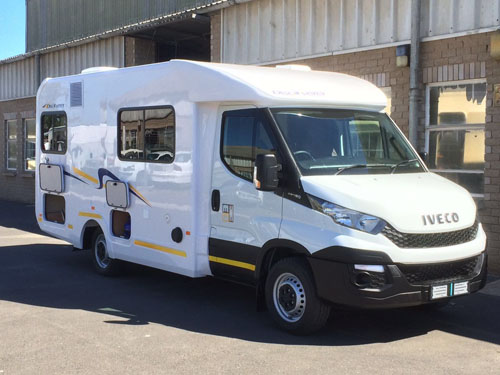
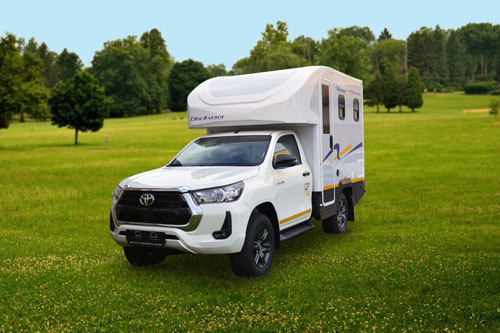
For navigating Zambia's diverse road conditions, including gravel and occasional rough terrain, a Class TC - Truck Camper or a Class B - Camper Van is often highly recommended. Class TC Truck Campers, such as a "Patagonia Camper 4x4 double cab" with 4 wheel drive, averaging 5.5 meters in length, offer robust construction and often come with 4x4 capabilities, making them ideal for venturing into national parks and less-maintained routes. Class B Camper Vans, like an "Active Compact Select" or "VW California Ocean", averaging 5.8 meters in length, provide a good balance of maneuverability for tighter tracks and urban areas, while still offering comfortable sleeping for 2-3 adults. While larger classes like Semi-integrated (e.g., "2 Berth Tamar" at avg. 6.9m) or Alcove (e.g., "6 Berth Deluxe" at avg. 7.5m) offer more space, their longer wheelbase and lower ground clearance may be less suitable for particularly challenging Zambian tracks. Consider the number of travelers and your intended destinations; for serious off-road exploration, the agility and ground clearance of a Truck Camper or a specialized 4x4 camper van are superior.
Should I Choose a Compact Van Instead of a Large RV in Zambia?
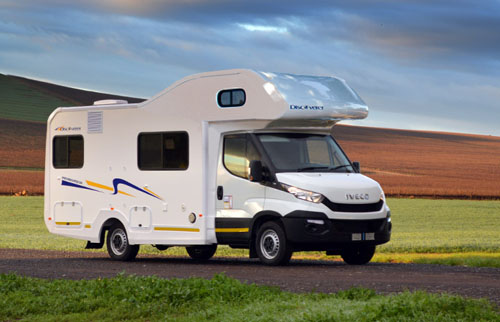
Choosing between a compact van and a large RV in Zambia depends heavily on your comfort priorities and travel itinerary, as most RV sizes can navigate main routes without issue. A compact van, such as a Class B Camper Van (averaging 5.8 meters in length), offers superior maneuverability and fuel efficiency, making it easier to navigate narrower tracks and park in smaller spaces, especially in national parks. For a weekly rental focused on diverse terrain and a preference for off-the-beaten-path exploration, the smaller footprint and potential 4x4 capability of a compact van or a Class TC Truck Camper can be a significant advantage. Larger RVs like Class C Alcoves (e.g., a "32′ Class C Motorhome" averaging 9.75 meters) provide significantly more indoor living space, greater comfort for families or longer stays, and more extensive amenities including larger refrigerators (like the 170-liter refrigerator in the "rv rentals utah example Sunrise Escape") and separate shower/toilet facilities. Unless your itinerary specifically targets extremely tight historic centers (which are less common in Zambia compared to Europe) or highly restricted mountain passes, the added comfort and amenities of a larger RV often outweigh minor maneuverability concerns on main Zambian roads. Drive slowly and carefully, and you can drive almost anywhere without issues. No need to stress - just use common sense and pay attention.
Can I Park Anywhere? Free & Wild Camping Rules in Zambia
In Zambia, free or wild camping is generally restricted, particularly within national parks, protected areas, and private land, where explicit permission is required for overnight stays. It is safest to assume that unauthorized overnight parking outside designated campsites is discouraged to ensure your safety and respect local regulations. Most RVers rely on established campsites within national parks, private lodges, or municipal areas, which offer security, facilities like ablution blocks, and often stunning locations near wildlife viewing areas. Always seek permission from landowners if you wish to park on private property; this respectful approach often leads to positive interactions and unique experiences. Rules vary by region, so always check local regulations and follow local law before parking overnight, especially concerning wildlife zones and community lands. For finding campsites and campgrounds during your trip, we recommend using RV PLANET (rvplan.net) - a great resource for locating available spots along your route.
While many national and state parks only reserve 25-30% of spots, leaving the rest for first-come-first-serve, rest assured that you'll find a spot. If not at the first campground, then the next one. Always call ahead before driving to confirm availability and avoid disappointment. We support you in finding all the information you need for your trip.
Can I Drive an RV Into the City Center in Zambia? Heights, Tunnels & Local Signage
Yes, you can generally drive an RV into most city centers in Zambia, as urban infrastructure is typically accommodating for larger vehicles. Unlike some European cities, Zambian urban centers do not commonly feature restrictive low bridges, narrow tunnels, or widespread environmental/low emission zones that would typically impede RV access. Drivers should always pay close attention to local signage, especially for potential height limits at specific car parks or for restricted access streets during peak hours. Parking within city centers can be challenging for larger RVs; look for designated parking areas or consider parking on the outskirts and using local transport to navigate the bustling areas of cities like Lusaka or Livingstone. Be aware that busy market areas or older parts of cities might have narrower streets, requiring cautious driving. Drive slowly and carefully, and you can drive almost anywhere without issues. No need to stress - just use common sense and pay attention.
What documents do I need to rent an RV in Zambia?
To rent an RV in Zambia, you will typically need a valid national driving license, an International Driving Permit (IDP), and your passport. The IDP acts as an official translation of your national license and is strongly recommended for all foreign drivers in Zambia, though not always mandatory for certain nationalities. Rental companies will also require a major credit card for security deposits and payment, often with the renter's name matching the card to prevent fraud. Proof of travel insurance or specific RV rental insurance may be requested, so have these documents readily accessible; you can even upgrade to a top-level deductible reimbursement for extra peace of mind through Bandana Caravan. For any cross-border travel, a letter of authorization from the RV rental company is mandatory, alongside vehicle registration and temporary import permits for the vehicle in the destination country.
Bandana Caravan, founded in 2001, has over two decades of experience helping tens of thousands of travelers explore the world by RV, and our specialists are here to guide you through all the necessary documentation for your Zambian adventure.
What are Zambia's RV laws, camping permits, and park fees?
RV laws in Zambia largely align with general road traffic regulations; adherence to speed limits (typically 100 km/h on open roads, 50 km/h in towns), proper vehicle registration, and valid driver's licenses are paramount. Camping permits are essential for overnight stays within Zambia's national parks, game management areas, and designated private campsites, with fees often separate from park entry. National park entry fees apply per person and per vehicle; these fees vary by park and by whether you are a resident or non-resident (e.g., non-resident fees for South Luangwa National Park can be around $40 USD per person per day), so budget accordingly. Drone regulations are becoming stricter; generally, a permit is required for drone operation, especially in national parks and protected areas, with severe penalties for unauthorized use. While alcohol consumption is permissible for adults, open container laws apply in vehicles, and strict rules regarding public intoxication and consumption within national parks may exist; always drink responsibly and discreetly.
How does seasonality affect weekly RV travel in Zambia?
Seasonality profoundly impacts RV travel in Zambia, primarily dictated by the dry season (May to October) and the wet season (November to April). The dry season offers optimal road conditions with well-maintained tracks, clearer skies, and concentrated wildlife viewing around water sources, making it the most popular time for weekly RV rentals. During the wet season, many dirt and gravel roads, particularly in national parks like Kafue, can become impassable or require 4x4 vehicles, potentially limiting access to certain areas. Wet season travel can bring lush landscapes, stunning birdwatching, and fewer tourists, but challenges include muddy campsites, increased insect activity (including tsetse flies in some areas), and potential road closures. Always check current road conditions and weather forecasts for your intended route, especially if traveling during the shoulder or wet seasons, to plan your weekly rental effectively. Being flexible with your plans is key to a successful RV trip in Zambia.
For ideas and support in planning, remember that we are true RV specialists, not a travel agency side department. Our expertise comes from genuinely knowing RV travel and loving helping people discover it, so feel free to reach out before you book.
How to prepare for emergencies on a weekly RV rental in Zambia?
Emergency preparedness for a weekly RV rental in Zambia includes having a well-stocked first-aid kit, a satellite phone or reliable communication device, and knowledge of emergency contacts. In case of a mechanical breakdown, ensure you have the rental company's emergency roadside assistance contact number and potentially a local mechanic's number handy. Carry spare parts like extra tires, a jack, and basic tools, especially if venturing into remote areas where assistance might be hours away; having a "24' Class C Motorhome" with a 75-liter fuel tank and robust spares is a good starting point. For medical emergencies, know the location of the nearest medical facilities (e.g., in major cities like Lusaka or Livingstone) and have a comprehensive travel insurance policy that covers medical evacuation. Reliable communication is crucial; while cell service is available in populated areas, it becomes sporadic in remote regions, making a satellite phone or emergency beacon a valuable asset. Bandana Caravan is with travelers before, during, and after their booking to ensure they are well-prepared for any situation.
What are the wildlife safety protocols for RV campers in Zambia?
Wildlife safety protocols for RV campers in Zambia include always keeping a safe distance from animals, especially larger, potentially dangerous wildlife like elephants, buffalo, and hippos. Never feed wild animals, as this can make them habituated to humans and aggressive, and ensure all food waste is securely stored in your RV or disposed of to avoid attracting scavengers. When camping in unfenced areas or designated bush camps, remain inside your RV after dark, and exercise extreme caution when moving outside, especially near water sources where animals congregate. Be aware of your surroundings at all times, listen for animal sounds, and never approach animals on foot unless accompanied by an experienced and armed guide. Follow all national park guidelines and campsite rules regarding wildlife interactions, and report any unusual or aggressive animal behavior to park authorities or camp management immediately. Your safety and the well-being of Zambia's wildlife are paramount.
What cultural etiquette should RVers know in Zambia?
RVers in Zambia should practice respectful cultural etiquette, which includes greeting locals politely (e.g., 'Muli bwanji' - How are you? or 'Zikomo' - Thank you) and asking for permission before taking photos of people, especially in rural communities. Dress modestly, particularly when visiting rural communities or religious sites; shoulders and knees should ideally be covered as a sign of respect. Bargaining is common in markets, but do so respectfully and with a smile, understanding that even small purchases make a big difference to local vendors. When interacting with local communities, be mindful of privacy and personal space, and avoid making assumptions about local customs or lifestyles. Consider supporting local economies by purchasing goods from local markets or artisans, and dispose of waste responsibly to preserve Zambia's natural beauty and community environments. Traveling slowly, max 100-150 km per day on average, allows you ample time to connect to the culture, the food, and the scenery, fostering genuine cultural exchange.
How do RVers manage water and food on a weekly rental in Zambia?
RVers on a weekly rental in Zambia should prioritize water sourcing and purification strategies, as potable water may not always be readily available in remote areas. Always carry sufficient bottled water or a reliable water purification system (e.g., filter, purification tablets) for drinking and cooking, supplementing your RV's 82-liter fresh water tank (typical for a "cruise america rv rental example Explorer"). Refill your RV's freshwater tank whenever possible at established campsites or reputable water sources, ensuring it is clean and safe. For stocking up on food, local markets in towns and cities, as mentioned in our fun facts, offer fresh produce, meats, and staple items like maize meal, providing a glimpse into Zambian culinary culture. Plan your meals and grocery stops strategically, especially before venturing into areas with limited access to shops or fresh supplies, and ensure proper food storage in your RV's refrigerator (e.g., 90-liter in an "Explorer") to prevent spoilage. For inspiration on meals on the go, check out our RV-friendly recipes playlist.
What RV modifications and gear are recommended for Zambian terrain?
For tackling Zambian terrain effectively, recommended RV choices and gear include opting for vehicles with higher ground clearance, ideally 4x4 capability, such as a Class TC Truck Camper or a specialized 4x4 campervan like a "4x4 Camper B - TYR". Ensure your rented RV is equipped with robust off-road tires, and carry at least one (preferably two) fully inflated spare tires, along with tire repair kits and a compressor for managing diverse road conditions. Essential recovery gear should include a high-lift jack, a shovel, recovery straps or ropes, and perhaps a winch, especially if planning to drive on challenging tracks within national parks. Consider supplementary fuel tanks or jerry cans for extended journeys into areas where fuel stations are sparse, like the more remote parts of Kafue National Park. Interior modifications such as secure storage for all belongings and robust cabinetry are beneficial to withstand vibrations on corrugated roads, ensuring comfort and safety during your weekly rental. Bandana Caravan partners with suppliers offering a range of suitable vehicles for African adventures.
What are the best RV rental companies in Zambia?
When seeking the best RV rental companies in Zambia, look for operators with established reputations for well-maintained fleets, comprehensive insurance options, and reliable roadside assistance. Prioritize companies that offer a diverse range of RV classes, including robust 4x4 options like Truck Campers or capable Camper Vans, suitable for Zambian roads. Bandana Caravan partners directly with over 50 leading RV suppliers worldwide, including trusted names like Apollo and Britz (in regions they operate), offering you a wide selection of vehicles. Check customer reviews and testimonials focusing on vehicle reliability, customer service, and responsiveness in case of issues during a weekly rental. Evaluate the inclusivity of their rental packages, noting what's covered in the base price versus optional extras like unlimited mileage, camping equipment, or cross-border permits. Engage directly with potential rental companies, asking specific questions about their vehicle preparation for Zambian conditions, emergency protocols, and support services to ensure a smooth trip.
How much does it cost to rent an RV for a week in Zambia?
The cost to rent an RV for a week in Zambia can vary significantly based on the RV class, rental company, time of year, and included amenities, typically ranging from $1,000 to $3,000+ USD per week. Compact options like a Class B Camper Van or Class TC Truck Camper tend to be on the lower end, starting from around $140-$200 USD per day, while larger, more luxurious RVs or specialized 4x4 vehicles will command higher prices. Peak season (dry season, June-October) generally sees higher rental rates due to increased demand, so booking your "Weekly RV Rental in Zambia - Pricing 2024" in advance can sometimes secure better deals. Factor in additional costs such as fuel, national park entry fees, campsite fees (which can range from $15-$50+ USD per night), insurance, and any optional extras like mileage packages or camping equipment. Always request a detailed quote from rental companies that breaks down all costs, including taxes and fees, to understand the total weekly expense for your RV adventure in Zambia. Remember, prices are dynamic and change daily based on availability, seasonality, and supplier marketing decisions, so the final price is set at actual booking time.
For those interested in premium options, explore "Luxury RV Rental in Zambia - Premium Prices 2024" to find what suits your style. And for more value, check out "RV Rental Deals in Zambia - Latest Offers 2024" to ensure you get the best possible rate.
Are there specific RV rental insurance options for Zambia?
Yes, specific RV rental insurance options are available for Zambia, and securing comprehensive coverage is highly recommended due to varying road conditions and potential risks. Most RV rental companies in Zambia will offer basic collision damage waiver (CDW) or loss damage waiver (LDW) as part of their rental agreement, often with a significant deductible or excess, typically ranging from $1,500 to $5,000 USD. Travelers should consider additional insurance, such as excess reduction insurance, to lower their financial liability in case of an accident or damage; this is an optional upgrade you can purchase to reduce your deductible to a top-level for extra peace of mind. Look for policies that specifically cover vehicle breakdown, roadside assistance in remote areas, and third-party liability, which is crucial for protecting against claims from other parties. Review your personal travel insurance policy to see if it offers any coverage for rental vehicles, but typically, dedicated RV rental insurance provides more tailored protection for a weekly rental in Zambia. Bandana Caravan offers full price transparency, ensuring you know all insurance costs upfront.
Can I cross borders with a weekly RV rental from Zambia?
Yes, you can often cross borders with a weekly RV rental from Zambia, but it requires prior authorization from the rental company and adherence to specific customs and immigration procedures. Common neighboring countries for cross-border RV trips include Botswana (via Kazungula), Namibia, Zimbabwe (via Victoria Falls or Chirundu), and Malawi, each with its own entry requirements for vehicles and travelers. You will need a letter of authorization from your RV rental company explicitly stating permission for cross-border travel, which is a mandatory document at border posts and can take up to 7-10 business days to arrange. Expect to pay temporary import permits for the vehicle in each country you enter (e.g., around $20-30 USD per vehicle per entry), along with carbon taxes, road access fees, and potentially visa fees for travelers. Always inform your rental company of your cross-border plans well in advance to ensure all necessary paperwork, including vehicle registration and insurance, is prepared correctly to avoid delays or penalties. Our "One-Way RV Rental in Zambia - Price Guide 2024" can provide more details on cross-border options and associated fees.
What are the best campsites for RVs in Zambia?
The best campsites for RVs in Zambia are often found within or adjacent to national parks and private game reserves, offering a blend of natural beauty, wildlife viewing, and necessary facilities. Popular choices include campsites in South Luangwa National Park, Kafue National Park, and along the Lower Zambezi, providing access to diverse ecosystems and activities. Look for campsites that offer essential amenities such as secure parking, ablution blocks with hot showers and flush toilets, and often a designated braai (barbecue) area. Many lodges and resorts also offer dedicated campsites with access to their facilities, providing a more comfortable and secure option for your weekly RV rental, though rates might be higher (e.g., $30-70 USD per night). Booking campsites in advance is highly recommended, especially during the peak dry season (June-October), to secure your spot and ensure availability, particularly in popular national parks. If you're traveling spontaneously, many parks reserve a portion of spots for first-come-first-serve, so you'll usually find a place to stay, or at least at the next camp, just call ahead!
What are the best weekly RV itineraries in Zambia?
One of the best weekly RV itineraries in Zambia involves a loop from Lusaka to South Luangwa National Park, offering premier wildlife viewing over roughly 700 km each way, allowing for 3-4 days within the park itself. Alternatively, a week could be spent exploring Kafue National Park, one of Africa's largest, with multiple bush camps and diverse ecosystems, easily accessible (approximately 200 km) from Lusaka. For a mix of adventure and iconic sights, an itinerary to Livingstone and Victoria Falls is ideal, allowing for 2-3 days of exploration of the falls, Zambezi River activities, and nearby attractions like the local markets. Consider combining a wildlife safari with cultural experiences by visiting local villages or markets en route to national parks, enhancing your RV journey. When planning, factor in realistic driving times on varying road conditions, allowing for ample time at each destination to relax and experience the local environment, rather than rushing between spots. Bandana Caravan offers a 25% planning discount when you use rvplan.net for your routes, making your trip planning even more rewarding.
Whether you're looking for a "Family RV Rental in Zambia - Pricing Guide 2024" or a route for a couple, remember to travel slowly, max 100-150 km per day on average. Take time to feel the place, connect to the culture, the food, and the scenery.
What are sustainable RVing practices for Zambia?
Sustainable RVing practices in Zambia include minimizing environmental impact by adhering to 'leave no trace' principles, ensuring all waste is properly managed and removed from campsites and natural areas. Conserve water (e.g., a "Class I Van" has an 80-liter fresh water tank) and electricity within your RV, using resources responsibly, especially in remote areas where utilities are scarce. Support local economies by purchasing goods and services from local communities, such as fresh produce from markets or guided tours from local operators, contributing directly to their livelihoods. Drive responsibly on designated roads and tracks to avoid damaging sensitive ecosystems, and adhere to all national park rules regarding speed limits and off-road driving. Educate yourself on local wildlife and cultural norms to ensure respectful interactions, contributing positively to the conservation efforts and communities you encounter during your weekly RV rental. By being a conscious traveler, you help preserve Zambia's natural and cultural heritage for future generations.
What You Shouldn't Miss
- **Victoria Falls (Mosi-oa-Tunya):** Witness the awe-inspiring spectacle of the world's largest waterfall, a UNESCO World Heritage site shared with Zimbabwe. Experience its sheer power from various viewpoints and perhaps even a thrilling helicopter ride.
- **South Luangwa National Park:** Embark on unparalleled walking safaris, widely considered some of the best in Africa, to spot leopards, lions, elephants, and a rich diversity of birdlife in their natural habitat.
- **Kafue National Park:** Explore one of Africa's largest national parks, offering vast tracts of wilderness, diverse ecosystems, and excellent opportunities for game viewing, particularly along the Kafue River.
- **Lower Zambezi National Park:** Enjoy incredible river-based safaris, canoeing excursions, and fishing for tigerfish, with abundant wildlife viewing from the water, often spotting elephants, hippos, and crocodiles.
- **Lusaka's Cultural Heart:** Dive into the bustling capital city, visiting local markets like Soweto Market for vibrant crafts and local produce, and the Lusaka National Museum to connect with Zambian history and culture.
- **Liuwa Plain National Park:** For a truly remote and unique experience, visit Liuwa Plain for its second-largest wildebeest migration in Africa and a chance to spot rare species like cheetahs and wild dogs.
Looking for expert insights from Avi Bandana? Top 5 Adventures - recommendations from Avi Bandana
Final Thoughts
A weekly RV rental in Zambia promises an adventure filled with breathtaking wildlife, stunning natural wonders, and rich cultural encounters. With the freedom of your own rented motorhome, you can embrace the pace of slow travel, allowing each destination to unfold before you. From the majestic Victoria Falls to the wild heart of South Luangwa National Park, Zambia offers a canvas for unforgettable memories.
At Bandana Caravan, we are dedicated to making your journey seamless and enjoyable. Our commitment to full transparency, comprehensive support, and expert knowledge ensures you have all the tools and confidence to embark on your Zambian expedition. Whether you're a seasoned RVer or planning your first African road trip, we're here to help you every step of the way.
Ready to explore the wonders of Zambia? Compare RV Rental Prices for Zambia now and start planning your incredible week-long adventure with Bandana Caravan!