In This Guide
- Best Norway RV Itinerary for weekend rv rental — Overview
- 7-Day Classic Route in Norway
- 14-Day Extended Journey in Norway
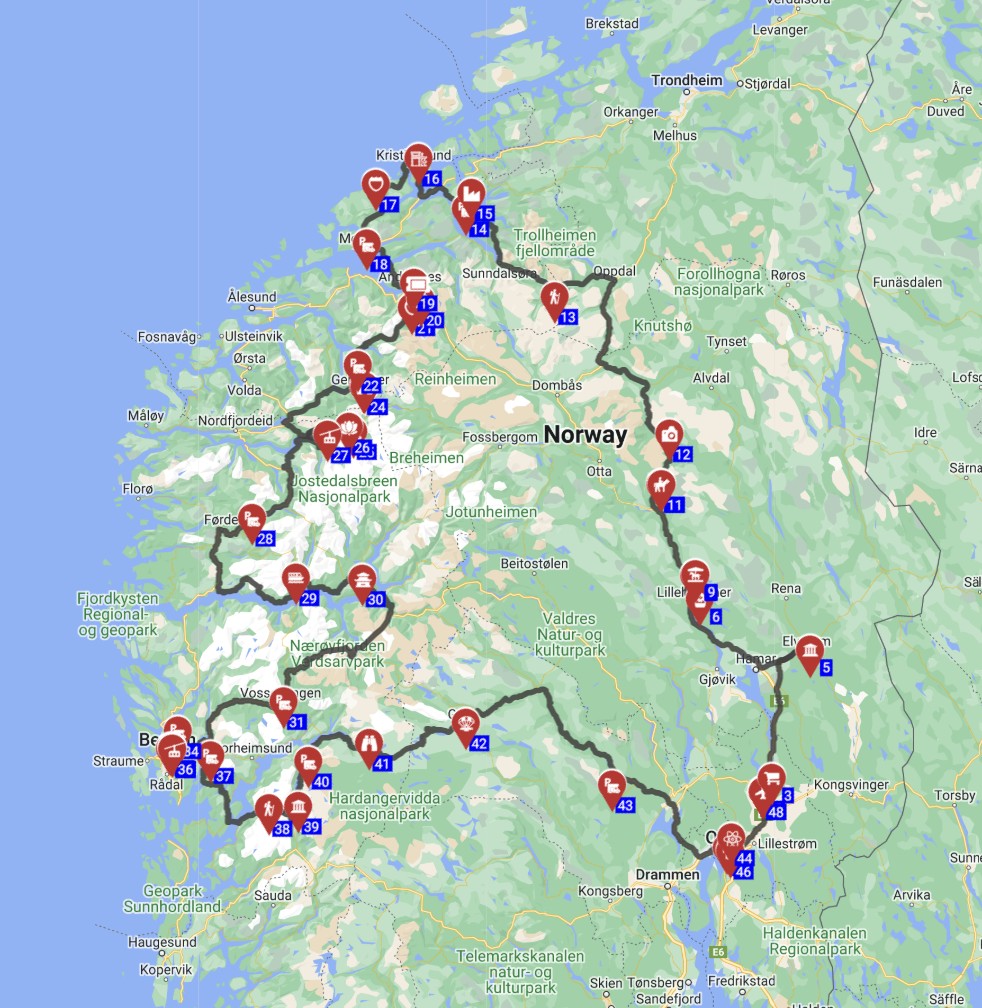
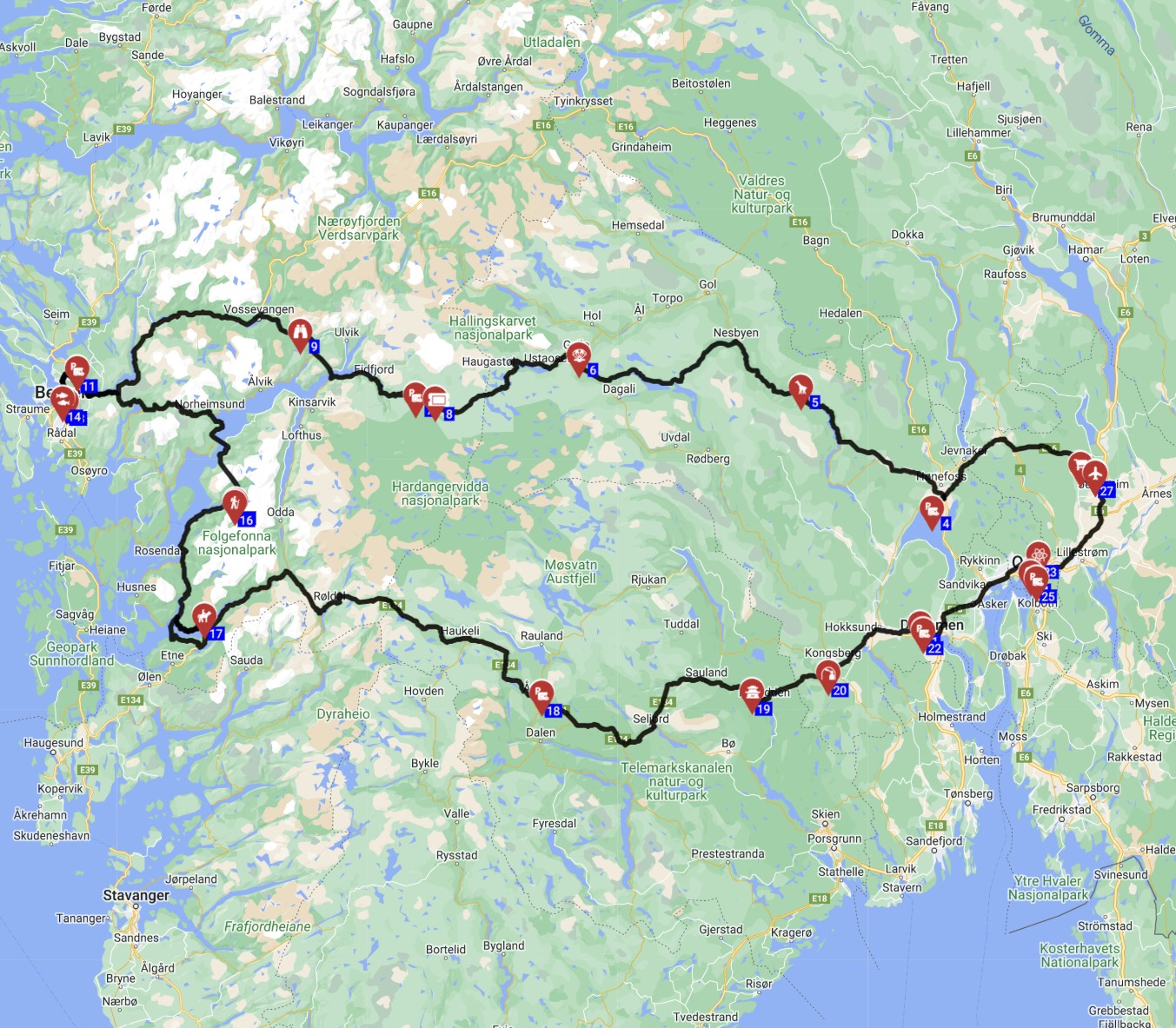
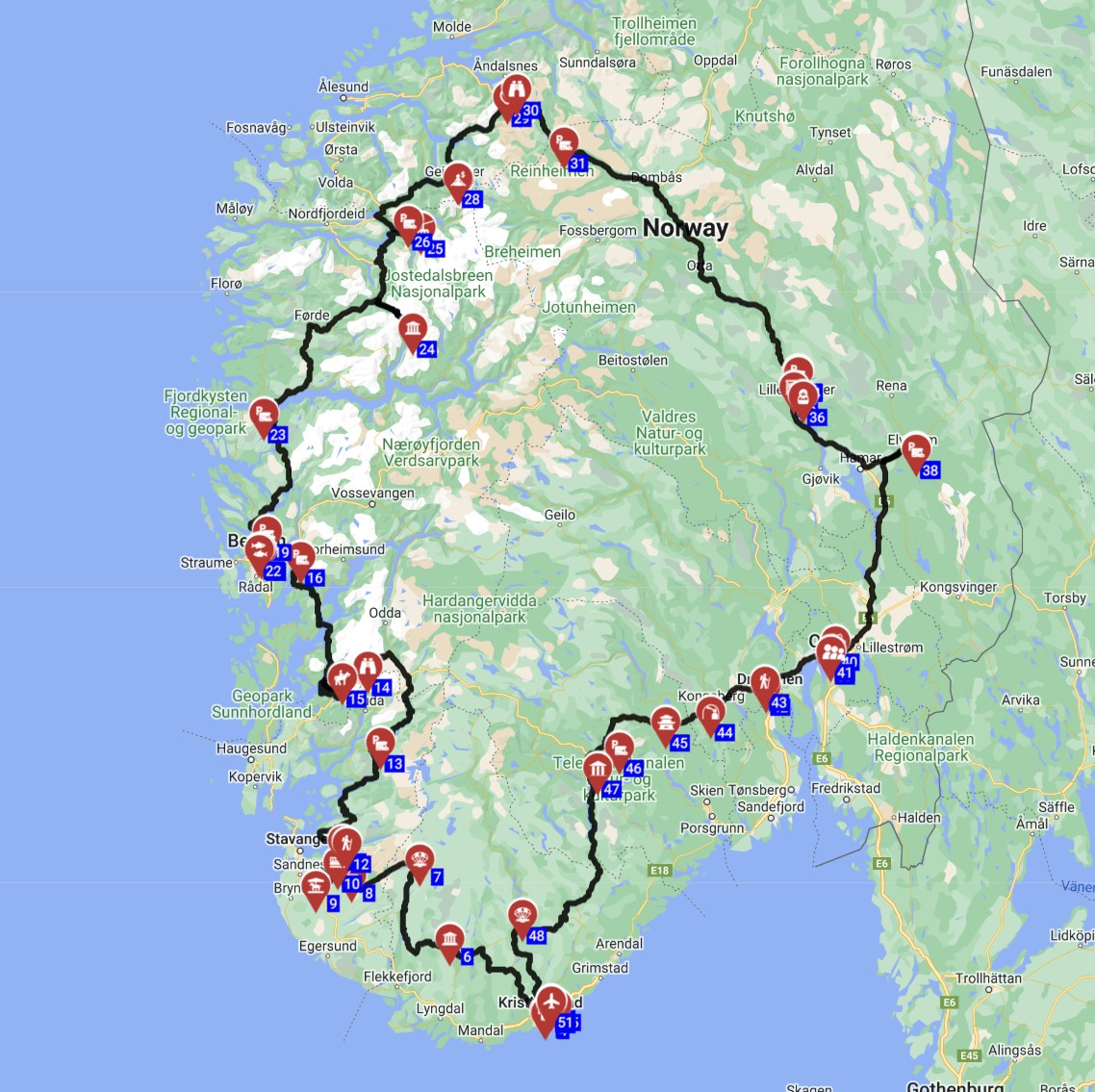
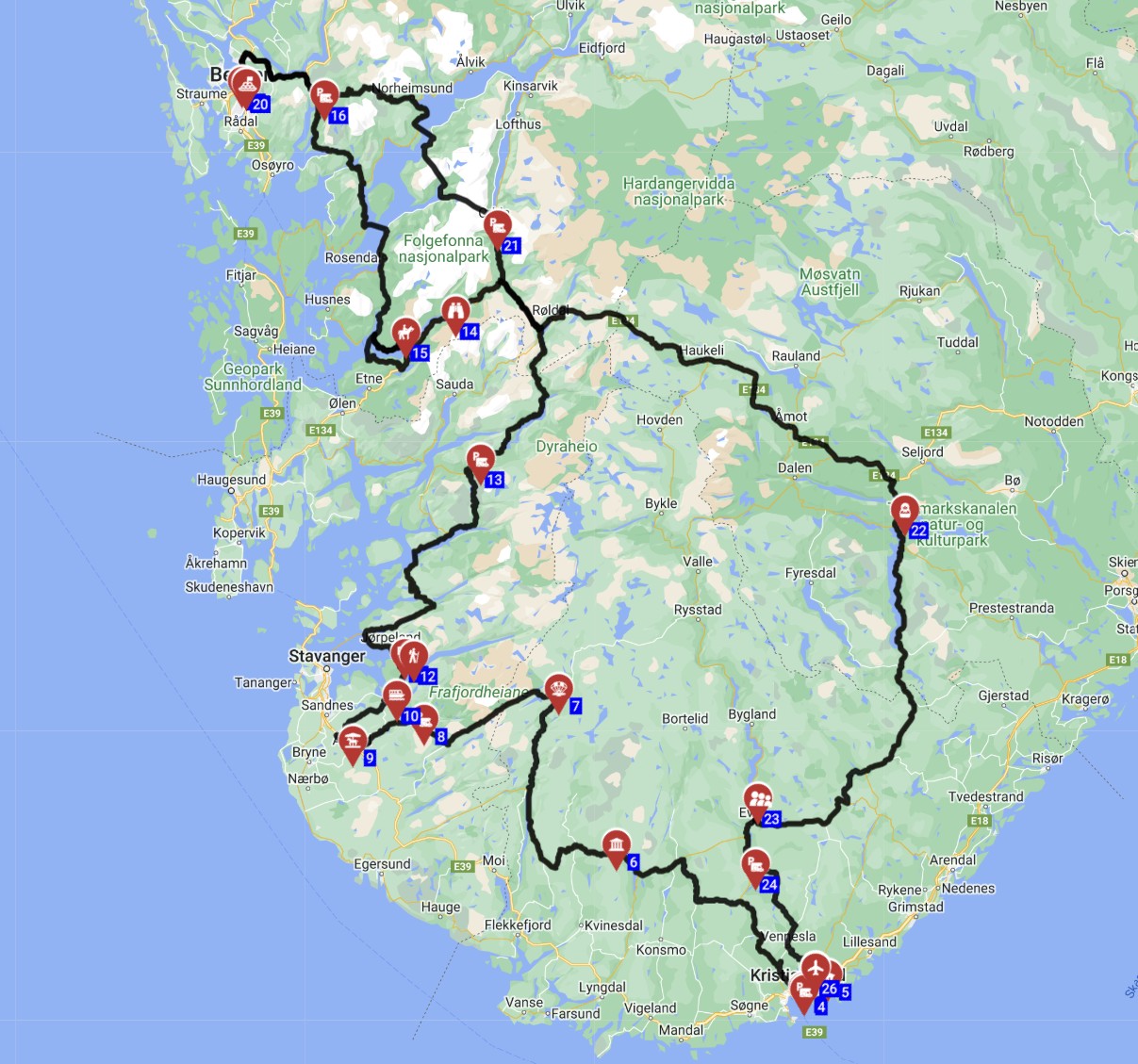
- Recommended RVPlan Trip for Norway
- Daily Driving Distances & Drive Times in Norway
- Best RV Class for This Itinerary — Couple & Family Picks
- How much does it cost to rent an RV for a weekend in Norway?
- What are the road rules and navigation tips for RVs in Norway?
- How do Norway's AutoPASS tolls and RV ferries work?
- Where can I find unique local experiences and food while RVing in Norway?
- How to travel sustainably and responsibly with an RV in Norway?
- What is mobile coverage like for RV travelers in remote Norway?
- Is RVing in Norway good for families or pet owners?
Best Norway RV Itinerary for weekend rv rental — Overview
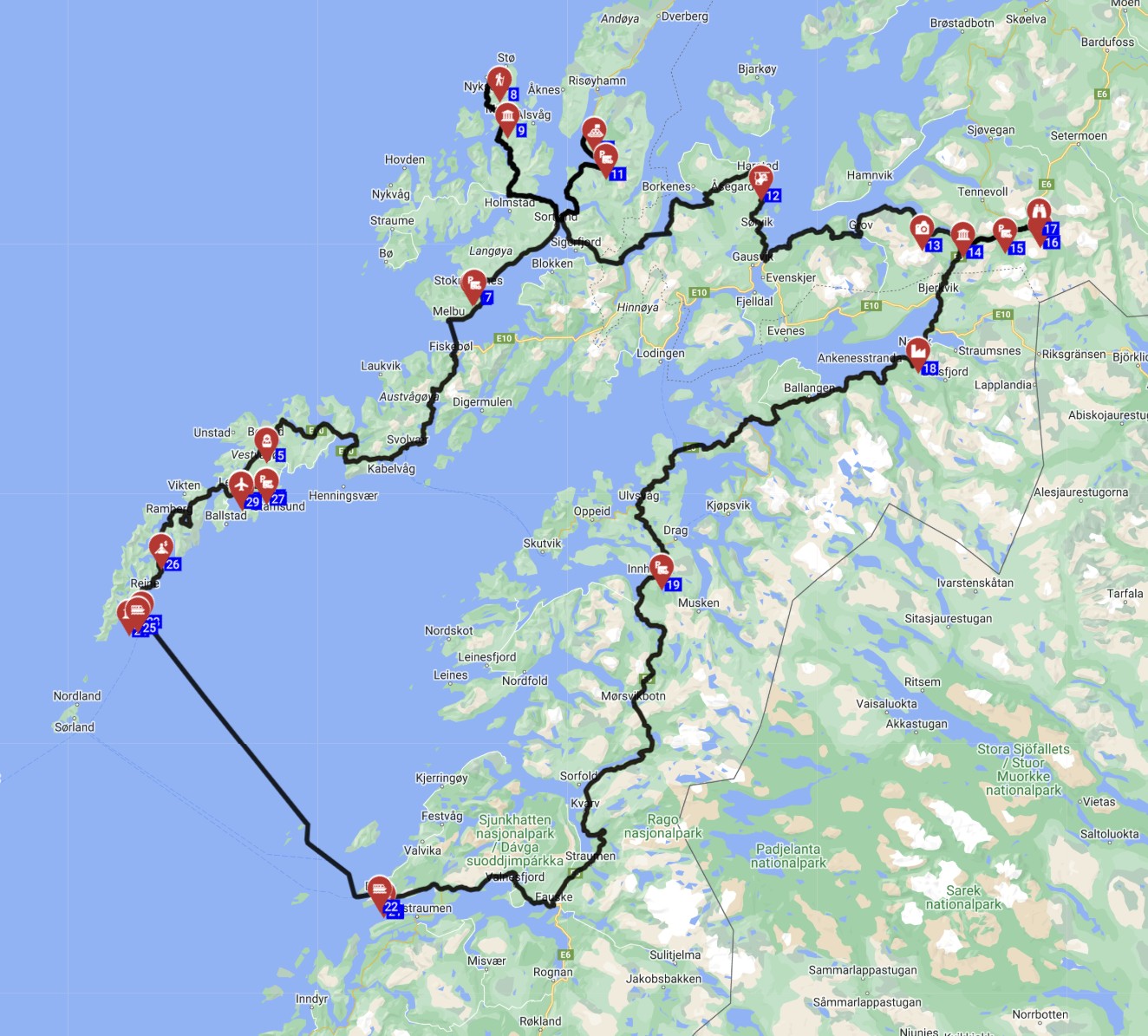
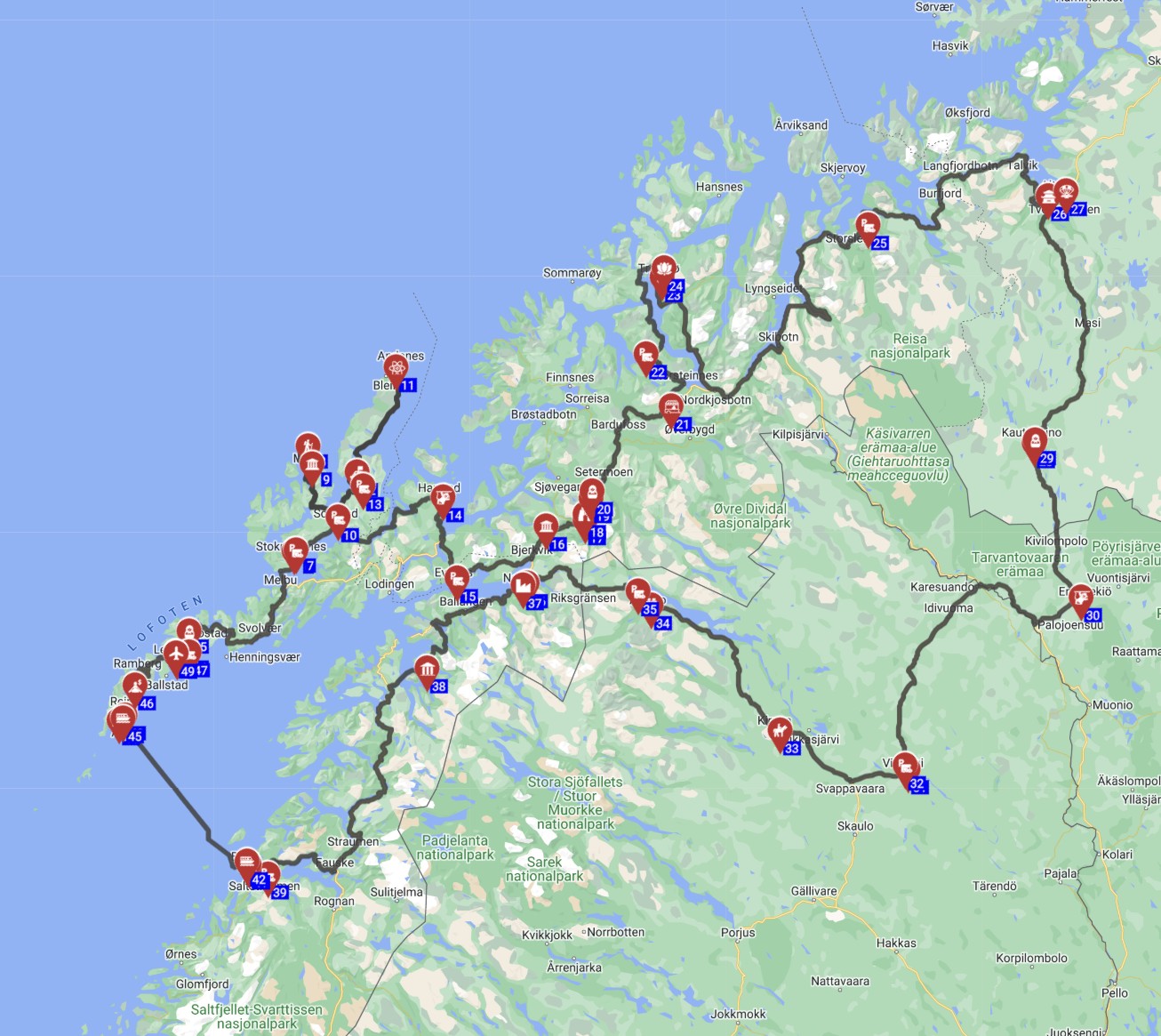
While a true "weekend" RV rental in Norway (2-3 days) is ambitious due to the country's vastness and stunning, often winding, routes, it's still possible to craft a memorable short escape. A compact regional loop, ideally covering 200-300 km, is your best bet for a focused experience without excessive driving. However, to truly immerse yourself in Norway's diverse and breathtaking landscapes, a minimum of 7 days is highly recommended. The prime season for RV travel in Norway spans from late spring through early autumn (May to September), providing the most favorable weather conditions and ensuring most roads are accessible. This guide will help you plan, offering insights from a classic 7-day journey to a more extended 25-day adventure, ensuring there's an itinerary to match your travel style. For a seamless experience, consider leveraging the pre-planned routes available, such as the "Hamburg Roundtrip - To Denmark & Norway" from RVPlan, which is a 25-day loop covering over 3,400 km and offers a fantastic way to see significant parts of Norway.
7-Day Classic Route in Norway
Embarking on a classic 7-day RV journey through Norway's Southwestern Fjords is a quintessential experience, allowing you to witness iconic landscapes and visit charming towns at a comfortable pace. Adhering to Avi Bandana's wise advice of covering no more than 150 km (around 100 miles) per day ensures you can truly savor the scenery and avoid rushing. This itinerary is designed for an immersive exploration of this stunning region:
Day 1: Bergen to Voss (approx. 100 km) Begin your adventure by exploring Bergen's historic Bryggen Wharf before enjoying a scenic drive to Voss, a gateway to the fjords. Consider staying at Voss Camping for a pleasant overnight stop.
Day 2: Voss to Flåm (approx. 70 km) Today’s journey takes you to Flåm, renowned for its spectacular Flåm Railway and fjord cruises. Flåm Camping & Vandrarheim is a recommended spot to rest.
Day 3: Flåm to Balestrand (approx. 100 km, including ferry) Experience the dramatic beauty of the Nærøyfjord and a picturesque drive along the Sognefjord. Balestrand Camping offers a lovely place to stay.
Day 4: Balestrand to Førde (approx. 80 km) Explore Førde's Art Nouveau architecture and local markets. Jølster Camping is a good option for your overnight.
Day 5: Førde to Olden/Loen (approx. 100 km) Visit the stunning Briksdal Glacier and take the Loen Skylift for breathtaking views. Loen Camping is a great choice for the night.
Day 6: Olden/Loen to Geiranger (approx. 110 km, including ferry) Drive the iconic "Eagle Road" to reach Geiranger, a UNESCO World Heritage site famed for its majestic fjord. Geiranger Camping is a popular choice.
Day 7: Geiranger to Ålesund (approx. 100 km) Conclude your fjord adventure in Ålesund, a charming town celebrated for its unique Art Nouveau architecture. Ålesund Camping provides a convenient final stop.
14-Day Extended Journey in Norway
For those with more time, a 14-day RV itinerary in Norway allows for a deeper dive into the Fjordland and the opportunity to explore further afield, perhaps including the dramatic Atlantic Road or venturing into Southern Norway. This extended journey ensures a more leisurely pace and accommodates spontaneous discoveries.
Days 1-7: Follow the '7-Day Classic Route,' concluding in the Art Nouveau city of Ålesund.
Day 8: Ålesund to Kristiansund (approx. 130 km) Today’s highlight is the iconic Atlantic Ocean Road, a series of bridges and causeways offering stunning coastal views. Atlanten Turistsenter is a recommended campground.
Day 9: Kristiansund to Trondheim (approx. 200 km) Continue your journey along the coast towards Trondheim, home to the magnificent Nidaros Cathedral. Trondheim Camping offers a convenient base.
Day 10: Explore Trondheim Dedicate this day to soaking in Trondheim's historical sites, vibrant culture, and picturesque riverside architecture.
Day 11: Trondheim to Lillehammer (approx. 250 km) Head inland towards Lillehammer, famous for its Olympic history and the extensive Maihaugen open-air museum. Lillehammer Camping is a good choice for your stay.
Day 12: Lillehammer to Oslo (approx. 180 km) Travel south to Norway's capital, Oslo, exploring attractions like Vigeland Sculpture Park and the city's numerous museums. Ekeberg Camping offers fantastic city views.
Day 13: Explore Oslo Immerse yourself in Oslo's capital offerings, visiting the Royal Palace, Akershus Fortress, and the renowned Munch Museum.
Day 14: Departure/Return Conclude your Norwegian RV adventure, perhaps returning to Oslo or heading towards Kristiansand for ferry connections, depending on your onward travel plans.
For a truly comprehensive experience that connects multiple countries, consider the "Hamburg Roundtrip - To Denmark & Norway" route from RVPlan. This 25-day, 3400+ km journey offers an extensive exploration of Northern Europe, dedicating significant time to Norway's majestic fjords and cultural highlights, providing a detailed itinerary for a seamless experience across multiple countries.
Must-See Stops Along the Way (Avi Bandana Picks)
To truly capture the essence of Norway beyond the famous landmarks, Avi Bandana suggests integrating stops that highlight local culture and industries. His advice is to seek out traditional markets, local industry tours, and unique community visits to gain a deeper appreciation for Norwegian life.
Traditional Markets: Don't miss Bergen's famous Fish Market, or smaller "Bondens Marked" (Farmers' Markets) found in towns along your route. These are excellent places to discover regional delicacies, from cured meats and local cheeses to fresh, seasonal produce.
Traditional Visits: While technically in Germany, the Viking Museum Haithabu captures the spirit of Norway's Viking heritage. Closer to home, cultural open-air museums like Maihaugen in Lillehammer offer profound insights into Norwegian history and rural life, making them essential stops for understanding the nation's past.
Local Industry Tours: Keep an eye out for opportunities to visit artisanal food producers, such as cheese farms or cideries in the Hardanger region. Engaging with small craft workshops also provides a unique glimpse into traditional Norwegian livelihoods and skilled craftsmanship.
Family Activities: For those traveling with children, the RVPlan itinerary description for "Hamburg Roundtrip - To Denmark & Norway" mentions destinations like Voss Active High Rope & Zip-Line Park, offering excellent entertainment and engagement for the whole family.
Daily Driving Distances & Drive Times in Norway
Avi Bandana strongly recommends embracing slow travel, averaging no more than 100 miles or 150 km per day. This mindful approach allows you to truly savor Norway's breathtaking scenery and safely navigate its often winding and unique road infrastructure. Prioritize soaking in the views and making spontaneous stops over rushing to your next destination; the real beauty of Norway often lies in the journey itself.
Example Drive Time: Oslo to Bergen (approx. 460 km) this route typically takes 7-9 hours of pure driving. It's best enjoyed over a leisurely 3-4 day segment rather than a single day, allowing for exploration along the way.
Example Drive Time: Bergen to Flåm (approx. 170 km) a mere 2-3 hour drive, this segment is perfect for splitting into two relaxed days to truly explore the charming countryside and small villages dotting the route.
Example Drive Time: Ålesund to Geiranger (approx. 100 km) this route takes about 2-3 hours, including a scenic ferry crossing, fitting perfectly within a single day's recommended driving limit and offering incredible fjord views.
Always factor in additional time for ferry crossings, navigating mountain passes, and those countless photo opportunities that will inevitably extend your travel times. These are the moments that truly make an RV trip memorable.
Best RV Class for This Itinerary — Couple & Family Picks
Choosing the right RV class is crucial for enhancing your Norwegian road trip. Bandana Caravan's diverse fleet offers options specifically suited for both couples and families, ensuring both comfort and optimal maneuverability on Norway's scenic roads.
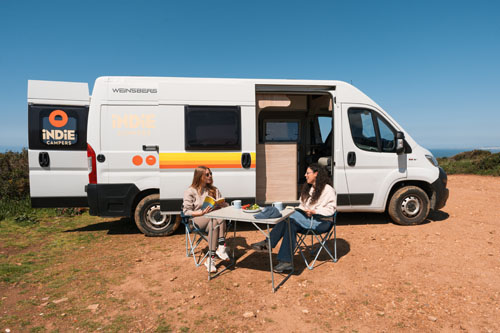
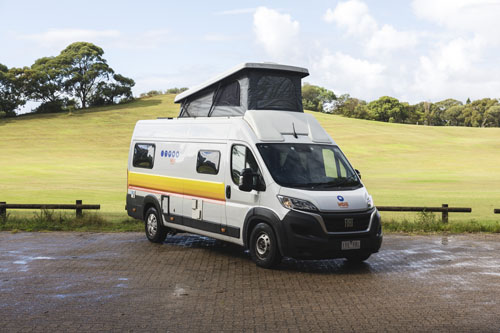
For Couples: Class B - Camper Van is the ultimate choice for two travelers. Its agility and compact size make navigating Norway's often narrow and winding fjord roads significantly easier. A typical Class B Camper Van from Bandana is around 5.8 meters in length, comfortably accommodating up to 3.2 people and using approximately 10 Liters/100 km.
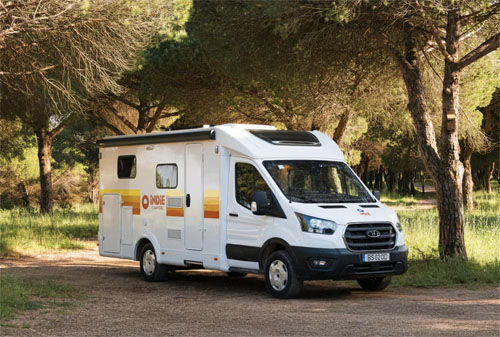
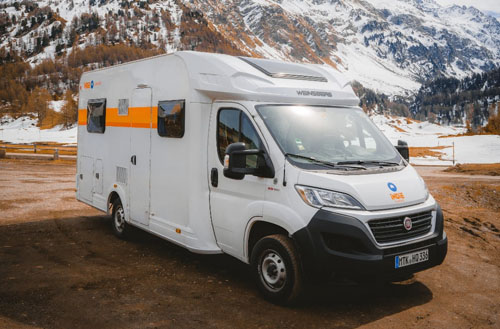
For Families: Class C - Alcove models provide ample space and essential amenities, making them perfect for families traveling with children. These RVs ensure everyone has room to relax and enjoy the journey. Bandana's Class C Alcove RVs are generally around 7.5 meters long, offering space for up to 4.4 adults and consuming around 10-12 Liters/100 km, striking a balance between comfort and maneuverability.
To further simplify your adventure, Bandana's "Rent & Plan" service can pair your RV rental with a ready-made itinerary, expertly crafted to maximize your experience. This service, combined with access to trip-planning software, removes the stress of detailed organization, leaving you free to enjoy Norway's wonders.
How much does it cost to rent an RV for a weekend in Norway?
When planning your Norwegian RV adventure, it's essential to budget for all aspects of the trip. A weekend RV rental in Norway for the vehicle itself can range from approximately €300 to over €700, with prices fluctuating based on the RV class, season, and rental duration. However, it’s crucial to remember that these costs are just the beginning; you must also account for significant additional expenses like fuel, tolls, ferries, and campsite fees, which can easily double your overall budget. On the routes offered through RV PLANET routes, you can itemize and track every expense along the way for easy budgeting.
Rental Cost: Expect daily rates for a mid-range RV to be around €150-€350, with peak summer months naturally commanding higher prices.
Fuel Expenses: Norway is known for its high fuel prices. Budget for approximately 10-12 Liters/100 km (based on Bandana's fleet averages) at roughly €2 per liter.
Tolls (AutoPASS): Almost all major roads, bridges, and tunnels in Norway are tolled. Registering your foreign RV with AutoPASS (via a tag provider like Fjellinjen) is highly recommended to ensure correct billing and avoid higher manual invoice charges. Budget around €20-€50 per day, depending on your travel distance.
Ferry Costs: Ferries are an integral part of navigating Norway's fjords. Prices vary based on RV length and passenger count; budget €20-€60 per crossing for typical fjord ferries.
Campsite Fees: Plan for approximately €30-€60 per night for a powered site with amenities at a standard Norwegian campground.
Groceries & Activities: Allocate an additional €50-€100+ per person per day for food and entrance fees to attractions, depending on your dining preferences and chosen activities.
For travelers who are flexible with their dates, seeking out RV rental deals in Norway during the shoulder seasons or off-peak months can lead to significant savings. Exploring the diverse range of vehicle classes available also helps in finding a more budget-friendly option that suits your needs.
What are the road rules and navigation tips for RVs in Norway?
Navigating Norway's stunning yet challenging road network in an RV requires careful planning and adherence to specific rules. Being aware of narrow fjord roads, serpentine mountain passes, and tunnel regulations is key to a safe and enjoyable journey.
Speed Limits: Always observe posted speed limits. Generally, they are 80 km/h on rural roads, 50 km/h in urban areas, and up to 100 km/h on select motorways. However, RVs often have lower limits on specific routes, particularly scenic or mountain roads.
Mandatory Headlights: In Norway, dipped headlights must be used 24/7, even during daylight hours, for all vehicles.
Narrow Roads & Mountain Passes: Many of the most scenic routes, especially in the fjord regions like Trollstigen or the winding roads near Geiranger, are exceptionally narrow with limited passing points. Larger RVs may find these challenging. Careful route planning is essential, and for greater maneuverability, consider opting for a smaller RV class.
Tunnels: Norway features numerous long tunnels, including impressive underwater ones. Always be aware of your vehicle's height and weight for any specific restrictions, though most standard RVs will pass without issue.
Courteous Driving: On narrow sections, be considerate of other drivers. Utilize designated pull-outs or wider spots to safely allow faster traffic to pass.
How do Norway's AutoPASS tolls and RV ferries work?
Norway's AutoPASS system streamlines toll payments, while its extensive ferry network is crucial for navigating the stunning fjord landscapes. Understanding how these systems operate is vital for RV travelers.
AutoPASS Registration: For foreign RVs, registering with AutoPASS, often through a tag provider like Fjellinjen or EPC, is highly recommended. This ensures correct toll billing and helps avoid potentially higher administrative charges associated with manual invoicing.
Toll Stations: Most toll stations are electronic, allowing for seamless passage without stopping. Your registered tag or license plate is automatically scanned, simplifying the payment process.
Ferry System: Fjord ferries act as extensions of the road network. For most local crossings, simply drive to the terminal, wait for the next departure, and pay onboard or at a kiosk. Be prepared for ferry charges to be calculated based on your RV's total length and the number of passengers.
Ferry Booking: For longer domestic routes or international ferry crossings, advance booking for RVs is often essential. Ensure you have your RV's exact dimensions (length, height, weight) ready for accurate pricing and space allocation.
Where can I find unique local experiences and food while RVing in Norway?
To truly discover authentic Norwegian experiences and cuisine during your RV trip, actively seek out local farmers' markets, roadside stands, and traditional "husmannskost" (home-style food) eateries. Engaging with local tourism offices can also reveal community events and hidden gems.
Farmers' Markets: Look for "Bondens Marked" (Farmers' Markets) in larger towns or at local "torget" (town squares). These vibrant hubs offer fresh, seasonal produce, artisanal cheeses, cured meats, and delicious baked goods.
Roadside Stands: Keep an eye out for small, often unmanned, roadside stalls ("selvbetjent" or "gårdsutsalg") that sell local berries, homemade jams, or fresh vegetables, frequently operating on an honor system.
Local Eateries: Prioritize "husmannskost" restaurants or traditional diners over larger tourist establishments for an authentic taste of Norwegian home cooking. Dishes like "kjøttkaker" (meatballs) or freshly caught local fish are highly recommended.
Cultural Events: Check local tourism websites or community notice boards for information on festivals, concerts, or unique sporting events happening in smaller towns along your route. This is a fantastic way to connect with the local culture.
Nature & Outdoor Activities: Participate in activities enjoyed by locals, such as fishing, responsible foraging (with proper knowledge), or exploring less-trafficked hiking trails recommended by campground hosts or local guides.
How to travel sustainably and responsibly with an RV in Norway?
Embracing sustainable and responsible RV travel in Norway means strictly adhering to "Leave No Trace" principles, respecting the "allemannsretten" (right to roam) with caution, and managing waste properly. Making environmentally conscious choices is crucial for preserving Norway's pristine natural environment.
Leave No Trace: Always pack out everything you pack in, including all waste. Dispose of garbage and recycling in designated bins, and utilize approved dump stations for grey and black water.
Allemannsretten & RVs: While Norway's "right to roam" is generous, it primarily applies to tent camping and hiking. RVs are generally restricted from wild camping on private land or within sight of dwellings without explicit permission. Always use designated parking areas or established campgrounds.
Ethical Wildlife Viewing: Observe Norway's diverse wildlife from a respectful distance. Never feed animals, and avoid disturbing their natural habitats, especially during breeding seasons.
Water & Energy Conservation: Practice responsible consumption of water and electricity at campgrounds. Consider using refillable water bottles to reduce plastic waste.
Eco-Certified Campgrounds: Opt for campgrounds certified as "Miljøfyrtårn" (Environmental Lighthouse) to support businesses committed to sustainable and environmentally friendly practices.
What is mobile coverage like for RV travelers in remote Norway?
Mobile data coverage in Norway is generally excellent in populated areas and along major roads, but it can become intermittent or non-existent in remote fjord valleys, high mountain passes, and wilderness areas. This necessitates planning for offline navigation and communication.
Major Networks: Telenor and Telia typically offer the most extensive coverage. Consider purchasing a local SIM card or an e-SIM for better rates and data allowances if your home plan doesn't adequately cover Norway.
Fjord Areas: Expect coverage to be intermittent or completely drop out within deep fjord valleys due to the challenging topography.
Mountain Plateaus: High-altitude regions and remote wilderness areas can also have limited to no mobile service, making offline preparations essential.
Wi-Fi Hotspots: Most campgrounds, cafes, and tourist information centers offer free Wi-Fi, which can be a crucial resource for planning and communication when mobile data is unavailable.
Offline Tools: Download offline maps (e.g., Google Maps, Maps.me, or RV-specific navigation apps) and essential travel documents to your devices before venturing into areas with uncertain connectivity.
Charging Facilities: Ensure your RV is equipped with sufficient USB ports or power outlets for charging your devices, and utilize electrical hook-ups at campgrounds.
Is RVing in Norway good for families or pet owners?
RVing in Norway is exceptionally family-friendly, offering freedom and flexibility for exploration. It's also quite accommodating for pet owners, provided you manage specific regulations and considerations effectively.
For Families:
- Child-Friendly Campgrounds: Many Norwegian campgrounds boast excellent amenities, including playgrounds, trampolines, swimming areas, and organized activities specifically designed for children.
- Outdoor Activities: Norway provides endless opportunities for family-friendly adventures, from gentle hiking trails and swimming in pristine lakes to engaging in fishing.
- Flexibility: RVs offer a comfortable and convenient base, allowing for spontaneous stops, flexible meal times, and easy nap breaks—all essential when traveling with children.
- Specific RVs: Class C Alcove models, like Bandana's fleet averaging 5.8 sleeping places and capacity for 4.4 adults, are ideal for families, providing dedicated sleeping areas and more living space.
For Pet Owners:
- Import Regulations: Ensure your pet meets Norway's strict import requirements well in advance. This includes microchipping, up-to-date vaccinations, a pet passport, and necessary deworming treatments.
- Pet-Friendly Options: Many RV rental companies (always confirm Bandana's specific pet policies) and most campgrounds in Norway welcome pets, often for a small additional fee.
- Ferry Travel: Pets are generally permitted on ferries, typically in designated vehicle areas or specific pet-friendly zones, but usually not in passenger lounges.
- Wildlife & Leash Laws: Always keep dogs on a leash when in natural areas to protect local wildlife and livestock, and to respect other travelers.
- Veterinary Care: Research the locations of veterinary clinics along your planned route for peace of mind and in case of any pet emergencies.
What You Shouldn't Miss
- Drive the Atlantic Road: This spectacular stretch of coastal highway, connecting islands via a series of bridges and causeways, offers unparalleled ocean views and an unforgettable RV driving experience.
- Cruise the Geirangerfjord: A UNESCO World Heritage site, this majestic fjord is flanked by dramatic cliffs and cascading waterfalls, best experienced from the water via a ferry or cruise.
- Ride the Flåm Railway: Journey through stunning Norwegian mountain scenery on one of the world's steepest railway lines, offering breathtaking vistas of fjords and waterfalls.
- Explore Bergen's Bryggen Wharf: Wander through the historic Hanseatic wharf, a UNESCO World Heritage site, with its colorful wooden buildings, offering a glimpse into Norway's medieval trading past.
- Visit the Jostedalsbreen National Park: Home to the Briksdal Glacier, this park offers incredible opportunities for hiking and experiencing Norway's glacial landscapes up close.
- Discover Ålesund's Art Nouveau Charm: Explore the beautifully rebuilt town center, renowned for its unique Art Nouveau architecture, particularly striking after its reconstruction following a fire in 1904.
Final Thoughts
Renting an RV in Norway for a weekend offers a unique glimpse into the country's dramatic landscapes and charming culture. While a short trip requires focused planning on a specific region, even a brief escape can leave you with lasting memories of fjords, mountains, and coastal beauty. Remember to embrace slow travel, allow for spontaneous detours, and connect with the local culture for an authentic Norwegian experience.
Whether you opt for a compact campervan for a couple's retreat or a spacious motorhome for a family adventure, Bandana Caravan is here to help you plan your perfect Norwegian road trip. Our commitment to transparency and expert route planning ensures you get the most out of your rental, making your journey as smooth and enjoyable as possible.
Get inspired for your next trip and discover top destinations and planning tips all in one place. Plan your itinerary in advance with minimal effort and maximum enjoyment – your unforgettable Norwegian RV adventure awaits!
For ideas you can prep on the road, watch our RV-friendly recipes playlist on YouTube.