In This Guide
- Can You Drive an RV in Texas? License & Age Rules
- Road Conditions & Terrain in Texas
- RV Size Limits, Bridges & Restricted Zones
- Fuel: Diesel vs. Petrol & Cost per 100 km
- Tolls, Vignettes & Border Rules
- Driving Tips for Weekend RV Rental Travelers
- Recommended RV Class for Texas Roads
- Should I Choose a Compact Van Instead of a Large RV in Texas?
- Can I Park Anywhere? Free & Wild Camping Rules in Texas
- Can I Drive an RV Into the City Center? Heights, Tunnels & Local Signage
- How Much Does a Weekend RV Rental Cost in Texas?
- When is the Best Time to RV in Texas?
- What are the Best Texas RV Destinations for a Weekend Trip?
- Can You Find Free or Budget-Friendly RV Camping in Texas?
- What Safety and Emergency Tips Are Essential for RVing in Texas?
- How Can I RV Responsibly in Texas?
Texas, the Lone Star State, offers an expansive canvas for RV adventurers, making a weekend RV rental in Texas an incredibly popular choice for exploring its diverse landscapes, from Gulf Coast beaches to rugged deserts. With Bandana Caravan, your journey begins with full transparency and no hidden fees, ensuring you know exactly what to expect from the moment you compare prices to when you hit the open road. For live availability and current prices, start with our RV Rental Texas - Complete Guide 2026 guide. Whether you're seeking a quick escape or planning an extended road trip across the vast USA, understanding the specifics of RV travel in Texas is key to a smooth and unforgettable adventure.
Can You Drive an RV in Texas? License & Age Rules
Yes, you can absolutely drive an RV in Texas with a standard driver's license for most rental vehicles. Most recreational vehicles (RVs) in Texas, particularly Class B campervans, Class C alcove motorhomes, and even many Class A integrated motorhomes rented for shorter trips, can be operated with a standard Class C driver's license, provided their Gross Vehicle Weight Rating (GVWR) is under 26,001 pounds. This means no special license or CDL is required for the vast majority of motorhomes you'll rent. The minimum age to rent an RV in Texas is typically 21 years old, and Bandana Caravan proudly offers options without young driver surcharges or vehicle class restrictions based on age, making RV adventures accessible to more travelers. Foreign drivers holding a valid driver's license from their home country can generally drive in Texas for up to one year, though an International Driving Permit (IDP) is highly recommended for easy translation and to avoid potential misunderstandings with local authorities. Texas proudly welcomes responsible RV drivers of all experience levels to explore its magnificent roads.
Road Conditions & Terrain in Texas
Texas boasts generally well-maintained highway systems highly suitable for rented RV travel, though road quality can vary slightly in very rural areas or smaller towns. The state's terrain is incredibly diverse, ranging from the flat plains of the Panhandle to the rolling hills of the famous Texas Hill Country, the dense pine forests of East Texas, and the dramatic mountains of West Texas. When navigating these varied landscapes with your motorhome, be prepared for long stretches of highway, especially in West Texas, which can be remote and feature fewer services than more populated regions. Strong crosswinds are common in open areas, particularly for larger Class A or C RVs, necessitating careful driving and attention to road conditions. While urban areas like Houston, Dallas, Austin, and San Antonio can experience significant traffic congestion during peak hours, driving slowly and carefully allows you to navigate almost anywhere without issues, no need to stress-just use common sense and pay attention. We always recommend embracing slower, scenic drives, particularly on state highways and FM (Farm to Market) roads, to truly appreciate Texas's varied and beautiful landscapes.
RV Size Limits, Bridges & Restricted Zones
In Texas, the maximum legal length for a single motorhome is 45 feet (13.7 meters), providing ample space for even the largest Class A RVs. For a combination (an RV with a towed vehicle), the general limit is 65 feet (19.8 meters), which is good to know if you're considering bringing a small car for local excursions. The maximum height limit for vehicles on Texas roads is 14 feet (4.27 meters), and while most rental RVs are well below this, it's always wise to be aware of specific low bridges or underpasses, especially on local roads or in older city sections. Weight restrictions are less common for recreational motorhomes but can apply to certain older bridges or rural roads; always observe all posted signage to ensure safe passage. Unlike some European cities, there are no state-wide environmental zones in Texas that restrict RVs based on emissions. If your route includes ferry services, such as the Galveston-Bolivar Ferry, remember to check their specific length, height, and weight limits in advance to ensure your rented caravan can be accommodated without issue.
Fuel: Diesel vs. Petrol & Cost per 100 km
When planning your RV journey in Texas, understanding fuel types and costs is essential. The majority of modern rental RVs, including many Class SI - Semi-integrated, Class C - Alcove, and Class A - Integrated models, typically run on diesel fuel, offering better fuel efficiency for longer distances. In contrast, many Class B - Camper Vans may use petrol, which is readily available. Diesel is widely accessible at most major gas stations throughout Texas, though stations in very rural areas might have fewer diesel pumps, so plan your refills carefully. Based on Bandana Caravan's global fleet averages, typical RVs consume approximately: Class SI (10-11 Liter/100 km), Class C (10-12 Liter/100 km), Class B (8-10 Liter/100 km), and Class A (8-12 Liter/100 km). As of 2026, the average cost per 100 km for an RV in Texas will vary significantly based on fluctuating fuel prices and the specific RV's efficiency, but you can generally expect a range from $15-$30 USD per 100 km. To manage these expenses effectively, consider using fuel discount apps or loyalty programs. For a detailed breakdown of all potential trip costs, from fuel to campground fees and groceries, remember that RV PLANET routes allow you to itemize and track every expense along the way for easy budgeting. Planning your cooking inside your RV can also help save on food costs. You can find inspiration on our RV-friendly recipes playlist. On the routes offered through RV PLANET routes, you can itemize and track every expense along the way for easy budgeting.
Tolls, Vignettes & Border Rules
Texas has numerous toll roads, particularly concentrated around its major metropolitan areas such as Dallas-Fort Worth, Houston, Austin, and San Antonio; it's important to note that there are no 'vignettes' like those found in some European countries. Tolls are typically collected electronically via transponders, known locally as TxTag, EZ Tag, or TollTag, or through a Pay By Mail system, which can unfortunately incur higher rates and additional administrative fees. It is crucial to understand how your rental RV handles tolls; many Bandana Caravan partner suppliers offer options to pre-purchase toll passes or include transponders with your rented mobile home, which greatly helps to avoid unexpected fines and simplifies your travel experience. Driving your RV across Texas's borders into neighboring states like New Mexico, Oklahoma, Louisiana, or Arkansas is generally straightforward, but always double-check your rental agreement for any geographical restrictions. For international travel into Mexico, specific insurance requirements and vehicle import permits are typically needed, and most RV rental companies strictly prohibit taking their vehicles into Mexico, so plan accordingly.
Driving Tips for Weekend RV Rental Travelers
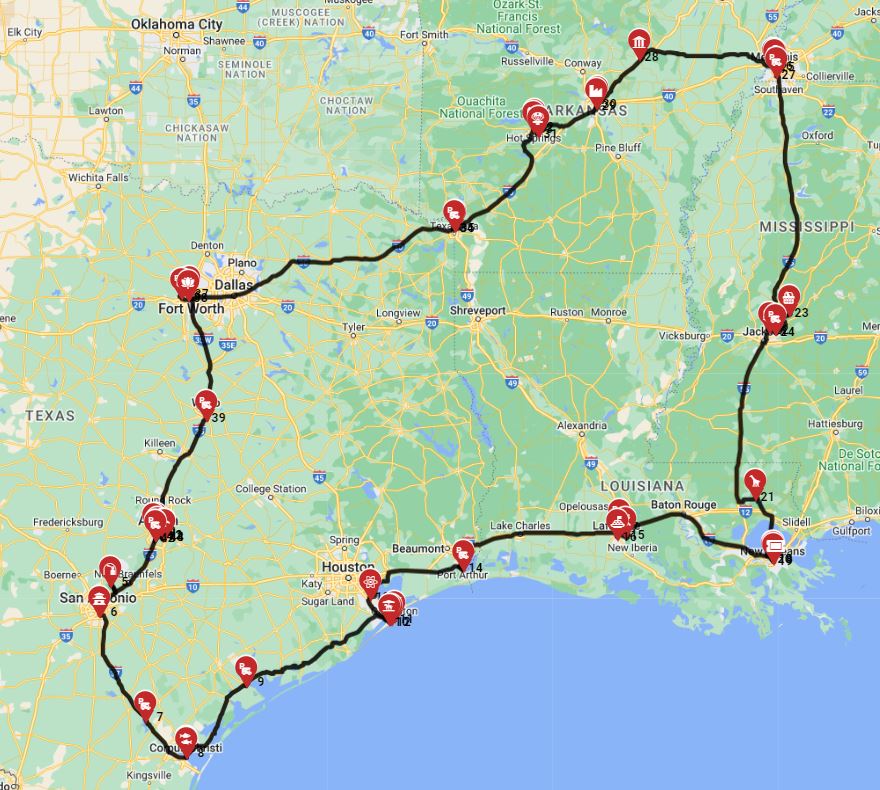
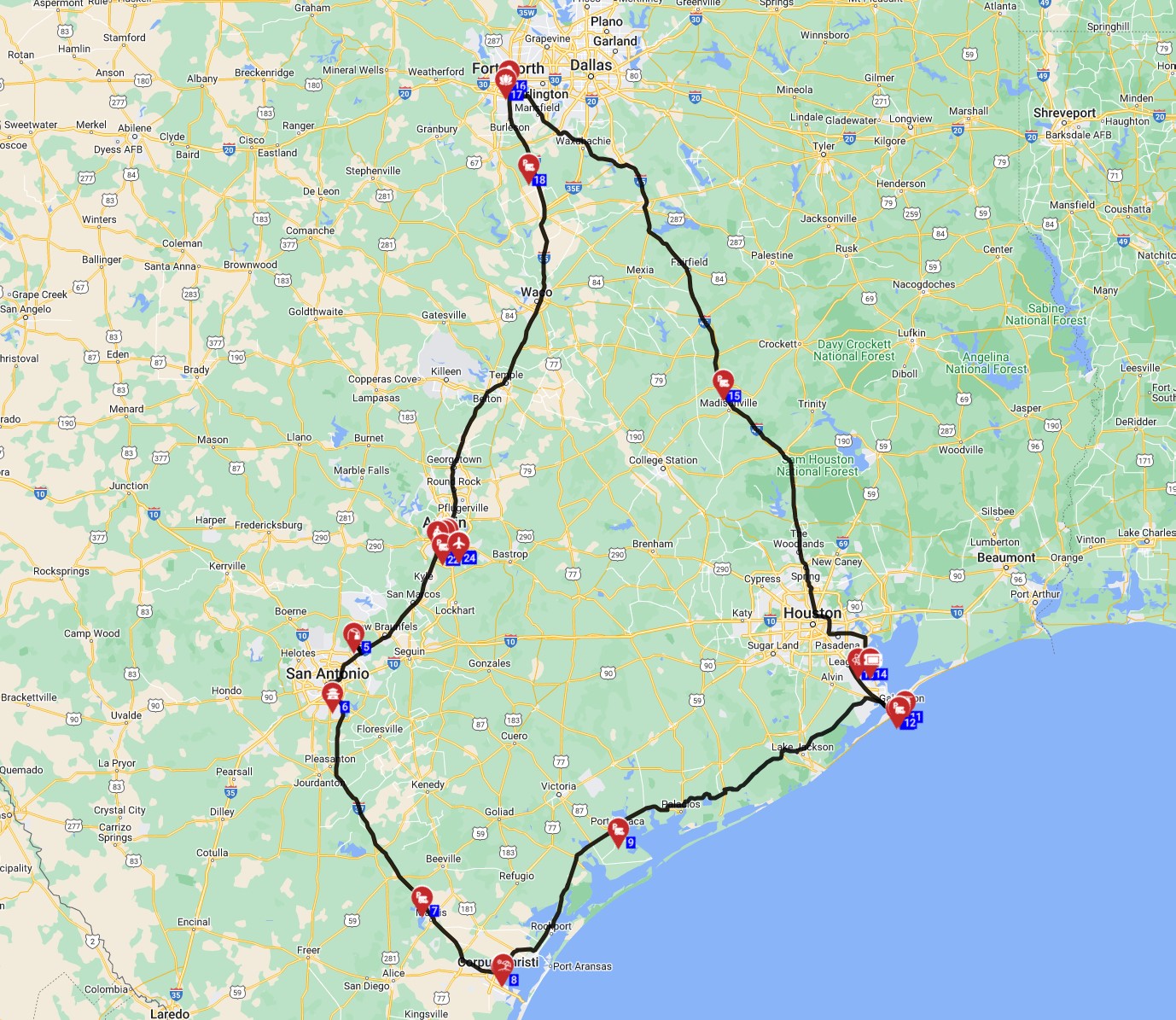
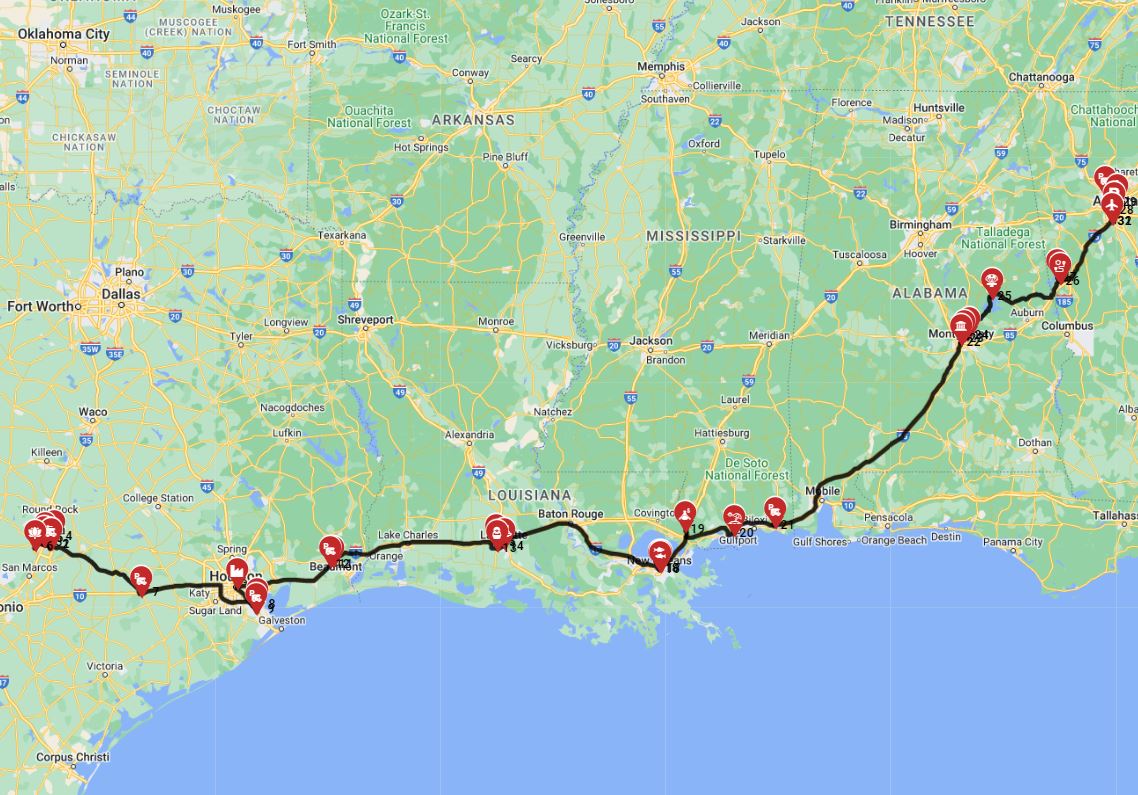
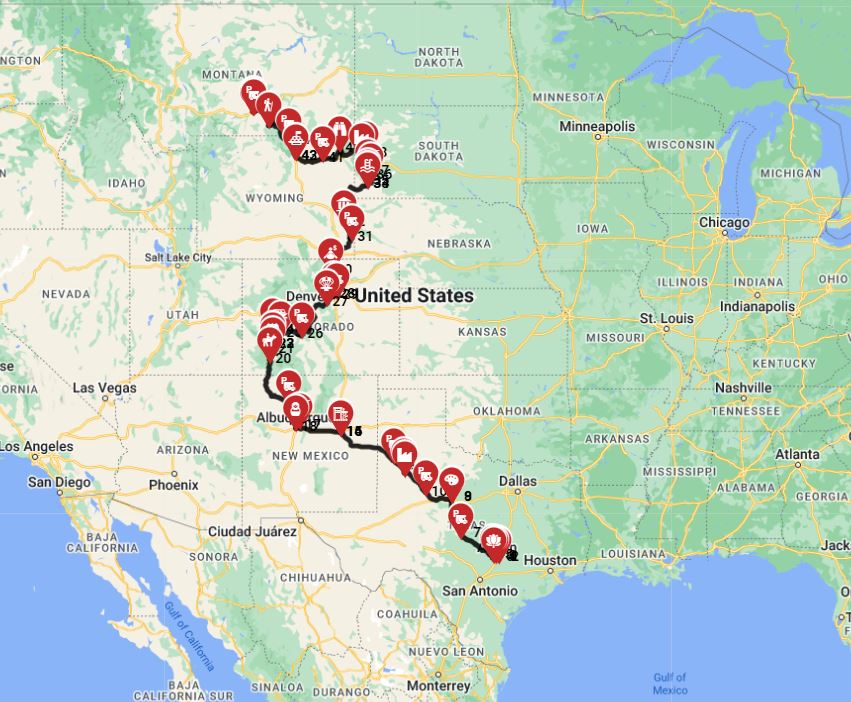
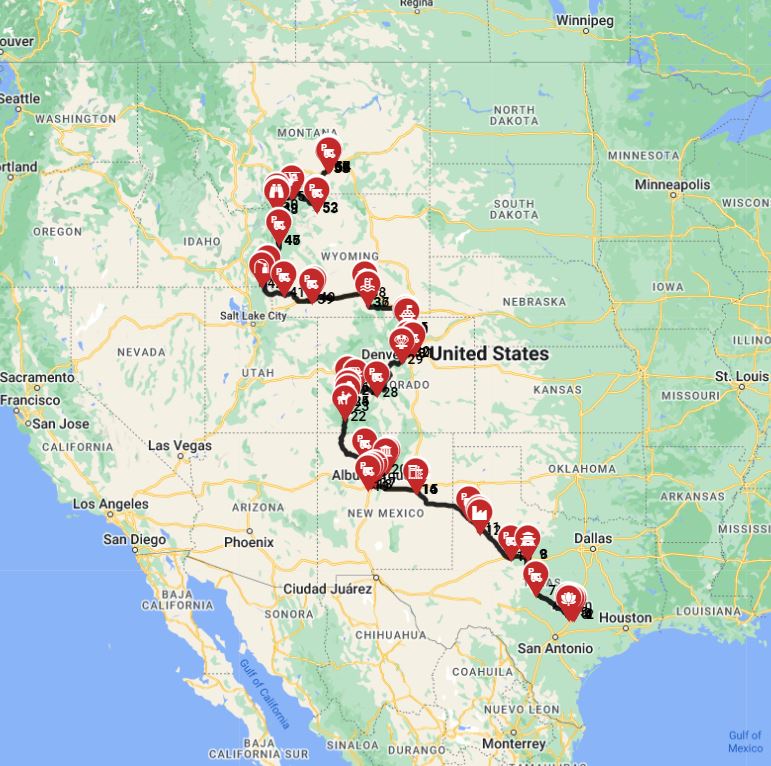
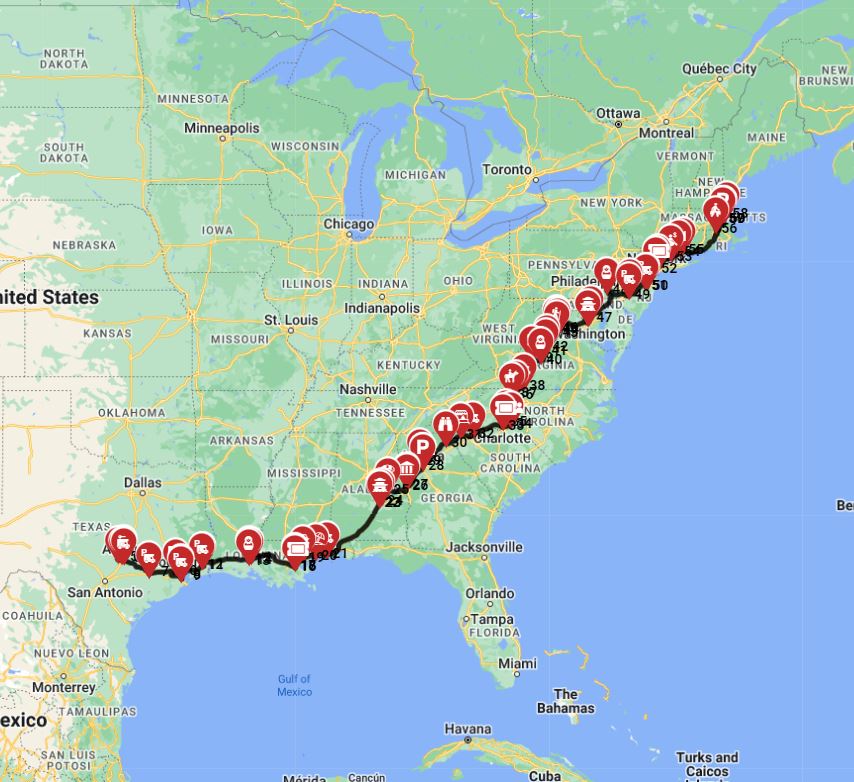
Embarking on a weekend RV rental adventure in Texas promises freedom and flexibility, and a few driving tips can make your journey even smoother. Firstly, always plan your route carefully: use RV-specific GPS or navigation apps that take into account your vehicle's height and weight, helping you avoid low bridges or restricted roads, which is especially important when you have limited time. If traveling with family, plan frequent stops every 2-3 hours at state parks or roadside attractions to stretch legs and keep everyone comfortable, particularly given Texas's vast distances. Managing fuel and water is paramount; Texas can have long stretches between towns, so always ensure your fuel tank is at least half full and your fresh water tank is topped off before venturing into remote areas. Monitor weather forecasts daily, as Texas weather can be unpredictable, with sudden thunderstorms, strong winds, or extreme heat; be prepared to adjust plans if conditions become challenging. Finally, budget for tolls: understand your rental company's toll policy or consider scenic routes that avoid toll roads, even if it means slightly longer travel times, as this can help you manage overall trip costs. Travel slowly, a maximum of 100-150 km per day on average, to truly take time to feel the place, connect to the culture, the food, and the scenery.
For those looking for an immersive experience, consider the "
Recommended RV Class for Texas Roads
For a comfortable and manageable RV experience in Texas, a Class B - Camper Van or a Class C - Alcove RV often strikes the ideal balance between interior comfort and driving ease. A Class B - Camper Van, such as the "rv rental denver example Category Van" or "Active Pop Top Select" is perfect for couples or small families, typically averaging 5.8 meters in length and offering sleeping places for 3.2 adults. Their compact size, similar to a large van, makes them incredibly easy to drive, park, and navigate through smaller towns or bustling city sections like Austin or San Antonio. For those needing more space, a Class C - Alcove, like the "24' Class C Motorhome" with a 166 Liter fresh water tank and seating for 5, is a popular choice for families. These rented motorhomes, averaging 7.5 meters in length and providing sleeping places for up to 5.8 adults, offer more living space, often a separate sleeping area over the cab, and ample storage, making them comfortable for even extended road trips without being overly cumbersome on Texas highways. Both classes are well-suited for the generally good road conditions found across Texas and provide easy access to most campgrounds and attractions.
Should I Choose a Compact Van Instead of a Large RV in Texas?
For most of Texas, there is usually no inherent issue driving larger RVs, such as a Class A or larger Class C motorhome, as the state features wide roads and ample parking at major attractions and campgrounds. A larger rented RV offers significant advantages in terms of comfort and indoor space, which can be particularly beneficial for longer week-long trips or if traveling with family and needing more room to spread out, perhaps choosing a "Glamys 265" for its spacious layout. A compact van (Class B - Camper Van), on the other hand, genuinely helps if your plans involve navigating very tight historic city centers, frequently parking in standard parking spots, or exploring narrow, unpaved backroads in some state parks. However, the trade-off with a compact van is reduced living space, smaller bathrooms, and often less storage, which might feel cramped for more than two people or for an extended period. Consider your travel priorities: do you prefer maximum comfort and amenities for a relaxed trip, or is maximum maneuverability for specific, tight itineraries your main concern? Regardless of your choice, Bandana Caravan offers a wide range of rented campers to match your adventure style.
Can I Park Anywhere? Free & Wild Camping Rules in Texas
Generally, you cannot simply 'park anywhere' for overnight camping in Texas; most free or 'wild camping' is restricted to designated public lands or requires explicit permission on private property. Texas Parks and Wildlife Department (TPWD) operates numerous state parks that offer affordable camping, but free overnight parking is not permitted in these areas without a reservation, often costing $15-$35 per night for electric/water hookups. Boondocking or dispersed camping is typically allowed on certain federal lands, such as National Forests (like Sam Houston National Forest) or Bureau of Land Management (BLM) lands in West Texas, but these areas can be quite remote and usually lack amenities. Many businesses, including popular chains like Walmart, Cabela's, Bass Pro Shops, and various truck stops, may allow overnight RV parking; however, always ask management for permission before settling in for the night to avoid any issues. Rules vary significantly by region and specific land management agency, so always check local regulations and follow local law before parking overnight to avoid fines or towing. For finding campsites and campgrounds during your trip, we recommend using RV PLANET (rvplan.net) - a great resource for locating available spots along your route.
Can I Drive an RV Into the City Center? Heights, Tunnels & Local Signage
Yes, you can generally drive a rented RV into most Texas city centers, but careful attention to local signage, especially regarding height limits and parking, is crucial. Major Texas cities like Houston, Dallas, Austin, and San Antonio have well-developed road networks, and most main thoroughfares can accommodate motorhomes. Be particularly aware of posted height limits for tunnels, underpasses, and parking garages; many urban parking structures are too low for RVs, so always look for alternative surface parking. It is not necessary to stress about navigating city streets with a larger rig, just drive slowly and carefully, and you can drive almost anywhere without issues. Always pay close attention to local signage for weight restrictions, one-way streets, residents-only parking, or specific environmental zones, though these are rare for RVs in Texas. Often, it's recommended to park your RV at an outskirts campground or a designated RV-friendly parking area and use public transportation or a towed vehicle to explore the immediate city center, offering a more relaxed experience.
How Much Does a Weekend RV Rental Cost in Texas?
The cost of a weekend RV rental in Texas is dynamic, much like flight tickets, changing daily based on availability, seasonality, and supplier marketing decisions. However, you can expect typical nightly rates to range from $150 to $400, depending on the RV class, specific rental duration (e.g., a week-long trip versus a quick weekend), the season, and included amenities. For instance, a compact Class B Camper Van, ideal for a couple, might be on the lower end, while a larger Class C motorhome like a "cruise america rv rental example Explorer" (which sleeps 4 with a 82-liter fresh water tank) or a spacious Class A for a family with kids will be at the higher end. Expect additional expenses beyond the daily rental rate, including fuel (which can be significant for Texas's long distances, potentially $15-$30 per 100 km), mileage fees, optional insurance upgrades (you can upgrade to a top-level deductible for extra peace of mind), cleaning fees, and campground fees (typically $30-$70 per night for a spot with hookups). For a 1-week RV trip in Texas, a budget for couples might start around $1500-$2500 including rental, fuel, and basic campgrounds. A 2-week adventure could range from $2800-$4500, while a 1-month extended road trip could be $5000-$8000+. These are estimates, as prices are always subject to change at the actual booking time. Budget-conscious travelers can reduce costs by choosing smaller RVs, renting during off-peak seasons (late fall or early spring), and opting for free or low-cost camping options. If you're flexible with your dates, you can often find the cheapest RV rental rates by traveling mid-week or during less popular months. Last-minute RV rental deals in Texas can exist, especially during shoulder seasons, but availability may be limited, and prices are dynamic. Using comparison tools on Bandana Caravan allows you to easily compare final prices across suppliers, ensuring what you see is what you pay, with no surprise fees at pickup. We also offer a 25% planning discount when you use rvplan.net to craft your perfect route plans.
🎬 Video coming soon
When is the Best Time to RV in Texas?
The best time to plan your RV adventure in Texas is generally during the spring (March to May) and fall (September to November) when temperatures are mild and most pleasant across the vast state. Spring is particularly ideal for experiencing Texas wildflowers, especially the vibrant bluebonnets in the famous Hill Country, with comfortable temperatures typically ranging from 60-80°F (15-27°C). Fall offers similarly cooler temperatures, making it perfect for hiking, exploring state parks, and enjoying outdoor festivals, often with fewer crowds than the peak summer months. Winters (December to February) are mild in South Texas, making it a popular destination for 'snowbirds' seeking warmer climates, though North and West Texas can experience colder temperatures and occasional freezing weather. Summers (June to August) are notoriously hot, especially in Central and West Texas, with temperatures often exceeding 90°F (32°C), requiring constant air conditioning and planning for water activities or indoor attractions. Consider a flexible itinerary if you are a spontaneous traveler, as many national and state parks reserve only 25-30% of spots, with the rest available first-come-first-serve. You’ll find a spot; if not at the first campground, then the next one, just call ahead before driving.
What are the Best Texas RV Destinations for a Weekend Trip?
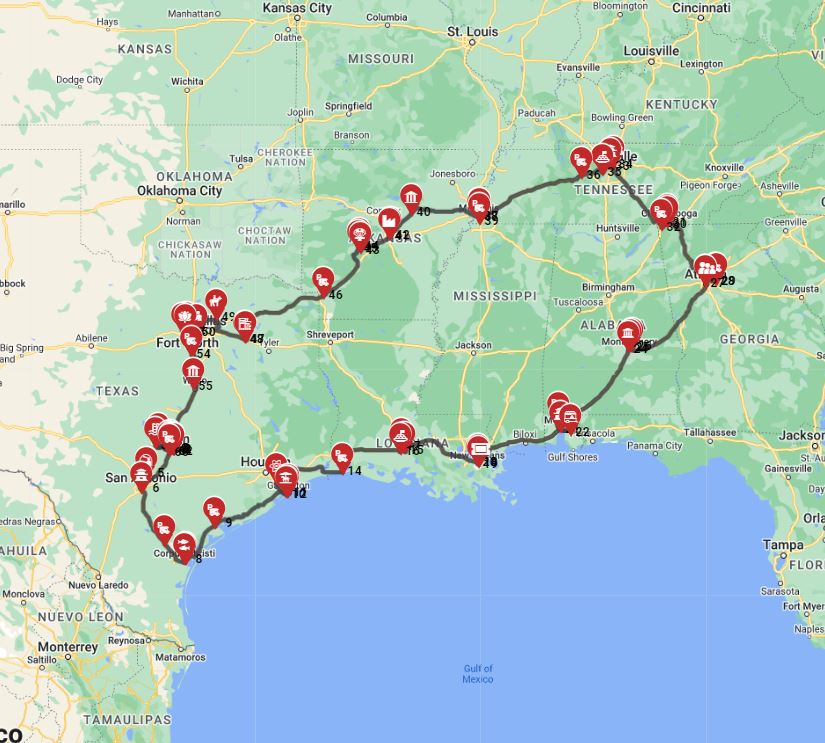
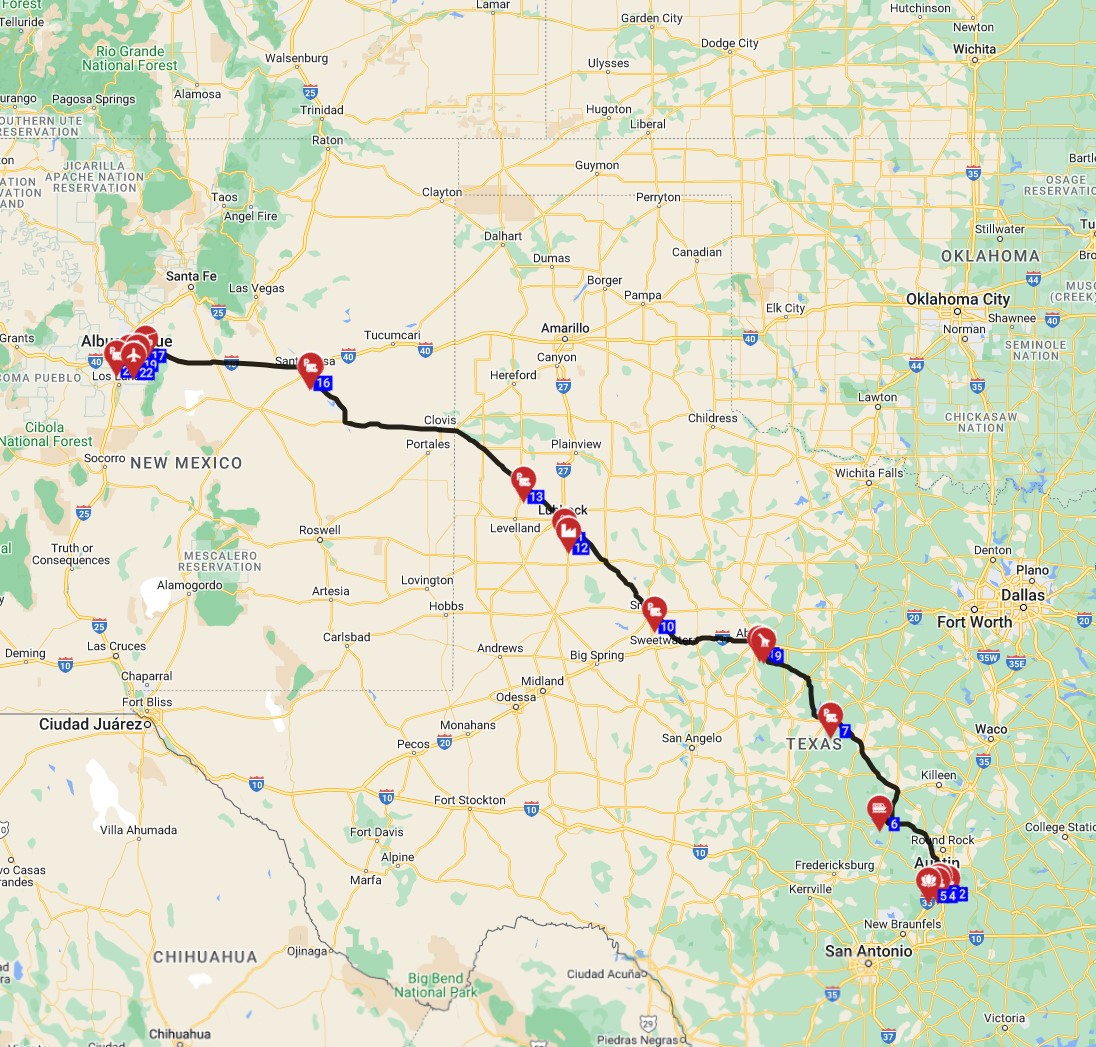
For a diverse and enriching RV trip, several Texas destinations stand out, offering varied experiences perfect for a week-long or even longer adventure. For scenic drives, wineries, natural springs (like Jacob's Well), and charming towns such as Fredericksburg and Wimberley, consider the iconic Texas Hill Country. Big Bend National Park in remote West Texas offers unparalleled stargazing and rugged beauty for adventurous RVers, though it requires a longer drive and careful planning due to its isolation. Galveston Island provides a fantastic coastal experience with its historic sites, family-friendly attractions, and several RV parks offering beach access for your rented mobile home. Another excellent choice in the Texas Panhandle is Palo Duro Canyon State Park, often called the 'Grand Canyon of Texas,' which is perfect for hiking and exploring stunning geological formations. For unique local experiences beyond the well-trodden paths, explore smaller towns like Salado, known for its historic theatre, or Gruene, home to the oldest dance hall in Texas. If you head down to the coast, Port Aransas is fantastic for birding and fishing, allowing you to move beyond typical tourist itineraries and truly connect with local culture. Plan a trip itinerary in advance with minimal effort and maximum enjoyment by checking out available routes. Consider the "

For exploring the USA more broadly, our RV Rental USA - Complete Guide 2026 provides an excellent overview.
Can You Find Free or Budget-Friendly RV Camping in Texas?
While truly 'free' camping is limited, budget-friendly RV options are indeed available in Texas, primarily through dispersed camping on specific federal lands and via hospitality programs. Dispersed camping, often without fees but with minimal amenities, is permitted in certain areas of Texas's National Forests, such as Sam Houston National Forest, and on Bureau of Land Management (BLM) land in West Texas. Many retail stores and businesses, including popular chains like Walmart, Cabela's, Bass Pro Shops, and various truck stops, frequently offer free overnight parking for self-contained RVs, but it is always essential to ask management for permission first. State Park campgrounds present a more budget-friendly alternative to private RV resorts, typically costing $15-$35 per night for electric/water hookups, though a Texas State Parks Pass or daily entrance fee may also apply. Websites and apps like Campendium, FreeCampsites.net, and iOverlander are excellent resources for locating free and low-cost RV parking options across Texas, but always verify current rules upon arrival to ensure a smooth stay. When planning your budget, remember to consider all ancillary costs, as outlined in our Cheap RV Rental in Texas - Budget Guide 2026 and RV Rental in Texas - Prices and Best Deals 2026.
What Safety and Emergency Tips Are Essential for RVing in Texas?
Preparing for your RV trip in Texas includes understanding essential safety and emergency tips to ensure a worry-free journey. Firstly, prepare for extreme weather; Texas experiences everything from severe thunderstorms and occasional tornadoes to extreme heat, so monitor weather forecasts daily, have an emergency kit readily accessible, and know local shelter procedures. Staying hydrated and carrying ample water is crucial, especially during warmer months, as dehydration can be a serious risk, particularly in remote or arid regions like Big Bend. Be aware of local wildlife, including snakes, scorpions, and various insects; practice caution when hiking and secure all food to prevent attracting animals. Given Texas's vast distances, subscribing to a reputable RV-specific roadside assistance program is highly recommended for tire issues, mechanical breakdowns, or towing, providing peace of mind. Finally, be mindful of communication in remote areas, as cell service can be spotty in parts of West Texas and other isolated regions; consider carrying a satellite communication device for emergencies. Remember that a standard car driver's license is sufficient for driving all our rental motorhome classes.
How Can I RV Responsibly in Texas?
RVing responsibly in Texas means embracing practices that preserve its natural beauty and respect local communities. Always practice Leave No Trace principles: pack out everything you pack in, properly dispose of all waste (including gray and black water at designated dump stations), and leave natural areas as you found them to protect Texas's diverse ecosystems. Conserve water and energy, especially when boondocking or in drought-prone areas, by taking shorter showers and conserving electricity by using natural light and unplugging unused appliances. When exploring, stay on designated paths and trails to prevent erosion and protect fragile habitats. Always observe wildlife from a distance, never feed animals, and store food securely in your rented campervan or motorhome to avoid attracting pests or habituating animals to human presence. Lastly, understand and adhere to local regulations for campfires, waste disposal, and noise levels at each campground or public land you visit to ensure an eco-conscious and respectful trip for everyone. For insights into pricing and planning, check out our One-Way RV Rental in Texas - Price Guide 2026 and Weekly RV Rental in Texas - Pricing 2026 resources.
What You Shouldn't Miss
- **Explore Big Bend National Park:** Witness incredible desert landscapes, hike diverse trails, and experience some of the darkest night skies in the contiguous USA for unparalleled stargazing.
- **Drive the Willow City Loop in the Texas Hill Country:** Especially beautiful in spring (March-April) when wildflowers like bluebonnets blanket the hills, this scenic drive offers picturesque views and charming small towns.
- **Experience San Antonio's Riverwalk & The Alamo:** Immerse yourself in rich history and vibrant culture with a stroll along the historic Riverwalk and a visit to the iconic Alamo.
- **Relax on Padre Island National Seashore:** Enjoy miles of undeveloped coastline where you can drive your RV directly onto the beach and camp by the Gulf of Mexico for a truly unique experience.
- **Discover Palo Duro Canyon State Park:** Hike or drive through the 'Grand Canyon of Texas,' marveling at its dramatic geological formations and vibrant colors.
- **Taste Texas BBQ:** Stop at local smokehouses throughout the state for authentic, mouth-watering brisket, ribs, and sausage.
Looking for expert insights from Avi Bandana? Top 5 Adventures - recommendations from Avi Bandana.
Final Thoughts
Embarking on an RV adventure in Texas, even for a quick route, opens up a world of possibilities, from the vibrant cityscapes of Houston and Dallas to the serene beauty of Big Bend and the charming Hill Country. With the right preparation and a spirit of adventure, you'll find that navigating Texas in a rented motorhome is not only manageable but incredibly rewarding. Our aim at Bandana Caravan is to make your booking experience as smooth and transparent as possible, so you can focus on the joy of discovery.
Remember to take your time, savor the moments, and let the open road of Texas lead you to unexpected delights. Whether you're a first-timer or a seasoned RVer, the Lone Star State is ready to welcome you with its unique blend of natural wonders and cultural richness. Plan a trip itinerary in advance with minimal effort and maximum enjoyment, and get ready to create lasting memories on your Texas RV journey!
Get inspired for your next trip and compare Motorhome Prices for Texas now.