In This Guide
- Can You Drive an RV in North West US? License & Age Rules
- Road Conditions & Terrain in North West US
- RV Size Limits, Bridges & Restricted Zones
- Fuel: Diesel vs. Petrol & Cost per 100 km
- Tolls, Vignettes & Border Rules
- Driving Tips for weekend rv rental Travelers
- Recommended RV Class for North West US Roads
- Should I Choose a Compact Van Instead of a Large RV in North West US?
- Can I Park Anywhere? Free & Wild Camping Rules in North West US
- Can I Drive an RV Into the City Center? Heights, Tunnels & Local Signage
- What states have banned RVs?
- What is the 3-3-3 rule for RV driving?
- Which state is the most RV friendly?
- What is the 4-4-4 rule for RV travel?
- Why are RV travelers being restricted in some Western cities?
- What states require a special RV license?
- What is the largest RV you can drive without a special license?
- What is the new RV law in Florida?
- Can you get temporary RV insurance?
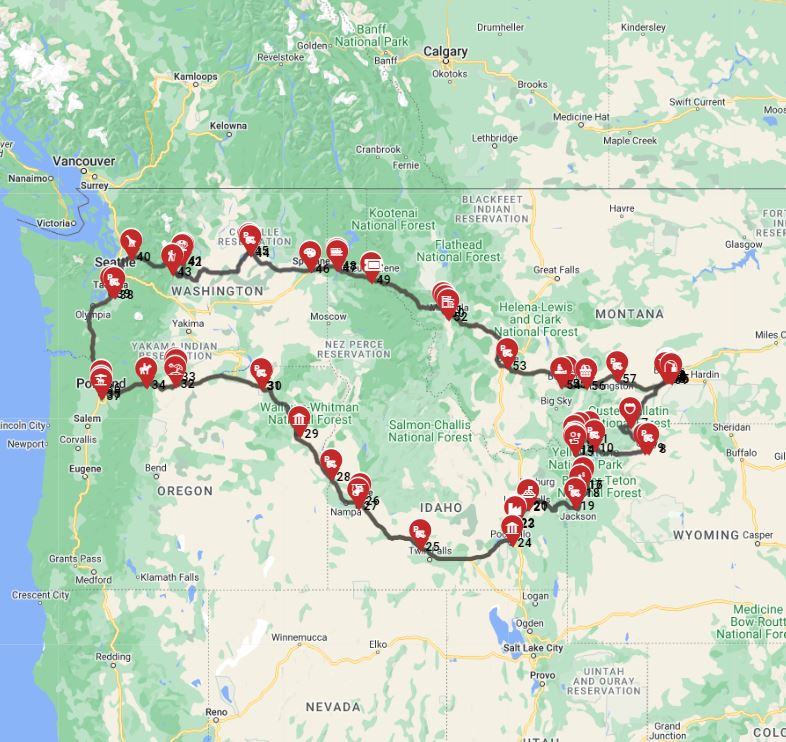
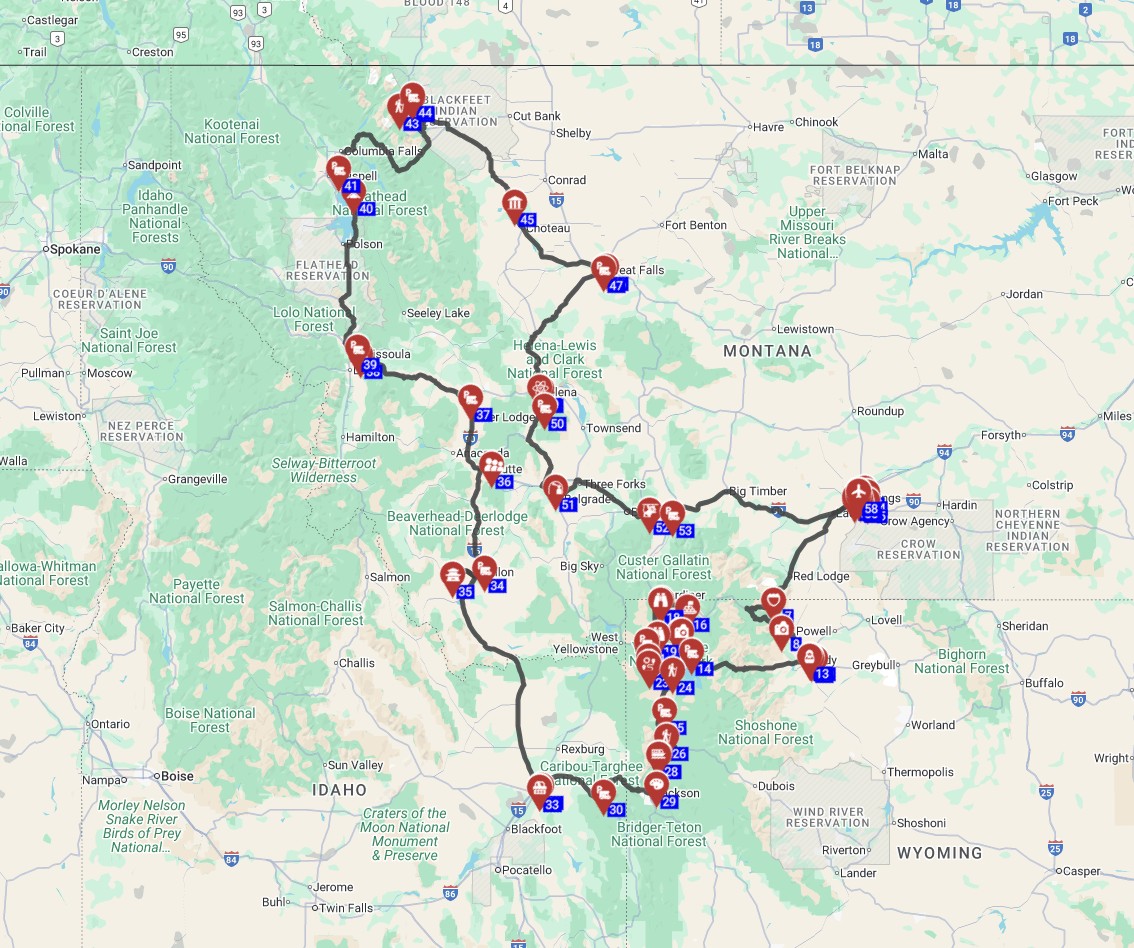
The Pacific Northwest is a region of astounding natural beauty, beckoning adventurers to explore its diverse landscapes by motorhome or campervan. Imagine waking up to the sound of crashing waves on the Oregon coast, or the crisp mountain air of Montana, all from the comfort of your own mobile home. With a rented RV in North West US, you unlock unparalleled freedom to chase stunning vistas and immerse yourself in nature. Whether you're planning a week-long journey through national parks or a flexible extended road trip, understanding the local driving regulations and terrain is key to a smooth adventure.
At Bandana Caravan, we pride ourselves on being true RV specialists, dedicated to making your travel experience seamless and memorable. We've been helping tens of thousands of travelers explore the world by RV since 2001, offering direct partnerships with over 50 leading RV suppliers worldwide, including trusted names like El Monte and Cruise America. Our commitment to full transparency means no hidden fees and no surprises, ensuring you always know exactly what you're paying for. For live availability and current prices, start with our RV Rental North West US - Complete Guide 2026 guide, designed to give you all the information you need.
Can You Drive an RV in North West US? License & Age Rules
Most standard RVs, specifically those under 26,000 pounds Gross Vehicle Weight Rating (GVWR), can be driven in the North West US with a regular Class D driver's license, provided the driver meets the minimum age requirement, typically 21 for Bandana's rentals. A standard car driver's license is sufficient for operating nearly all rental motorhomes and campervans, as they are designed to be accessible to a wide range of drivers without the need for commercial or specialized permits. This simplifies the planning process, making RV adventures more accessible for everyone.
While a standard license is generally sufficient, rental companies in the North West US typically require drivers to be at least 21 years old due to insurance policies. Some suppliers might have an age 25 requirement for very large Class A motorhomes, but for the majority of Class B campervans and Class C motorhomes, 21 is the common minimum. For international visitors, a valid driver's license from your home country is usually accepted. However, an International Driving Permit (IDP) is highly recommended as a supplementary document, especially if your home country license is not in English, to ensure clear communication with local authorities if needed. No young driver surcharges or vehicle class restrictions based on age apply with Bandana Caravan, ensuring straightforward pricing.
Road Conditions & Terrain in North West US
The North West US features a diverse range of road conditions and terrains, from well-maintained interstate highways to steep mountain passes, winding coastal roads, and gravel forest service roads, making slow, scenic driving often the best approach for rented RVs. Travelers embarking on a rented motorhome journey will encounter varied geographical features, including the rugged peaks of the Rocky Mountains in Montana and Idaho, the volcanic landscapes of the Cascade Range in Washington and Oregon, the dramatic Pacific Coast Highway, and vast high desert plains further inland. These varied terrains offer breathtaking scenery but require attentive driving.
Road quality is generally excellent on major routes like Interstate 5 (I-5) along the coast, and Interstate 90 (I-90) crossing the mountains. However, secondary roads and picturesque scenic byways, especially those leading into national forests, state parks, or more remote areas, can be narrower, feature steeper grades, and may sometimes be unpaved. It's always a good idea to consult local road conditions before venturing off the main arteries. Be prepared for potential weather-related challenges; heavy rain is common on the coast, mountain passes can experience significant snow and ice during cooler months, and high winds are possible in open areas. Driving slowly and carefully, you can navigate almost anywhere without issues. No need to stress - just use common sense and pay attention to conditions.
RV Size Limits, Bridges & Restricted Zones
While most major routes in the North West US accommodate large RVs, drivers must be vigilant for specific height and weight restrictions, low bridges, and potential environmental or wilderness area access limitations, particularly on secondary roads or in national parks. Knowing your rented motorhome’s dimensions is crucial for safe and stress-free travel. The typical maximum legal height for vehicles in most North West states (including Washington, Oregon, Idaho, and Montana) is 14 feet, but always pay close attention to local signage, especially when approaching older bridges, tunnels, or the entrances to state and national parks where limits can be lower.
Weight restrictions primarily apply to bridges and can vary significantly; it's essential to know your rented RV’s Gross Vehicle Weight (GVW) and adhere strictly to posted limits. Some popular destinations, particularly within national parks or sensitive ecological zones, may impose length limits for motorhomes or campervans on specific scenic drives or within certain campground loops. For instance, some roads in Glacier National Park or parts of the Olympic National Park may have restrictions for vehicles over a certain length (e.g., 21-30 feet). Always check park regulations in advance using resources like rvplan.net to avoid surprises. While environmental zones are less common than in Europe, they can exist for specific sensitive areas, though they are generally not a concern for typical RV travel in the North West US.
Fuel: Diesel vs. Petrol & Cost per 100 km
Most motorhomes and campervans in Bandana's fleet typically run on diesel, offering better fuel efficiency than petrol (gasoline), with average consumption for a Class SI - Semi-integrated RV around 10-11 Liters/100 km, while a Class B - Camper Van can be around 8-10 Liters/100 km in the North West US. Our Class C - Alcove models average 10-12 Liters/100 km, for example, the "cruise america rv rental example Explorer" has a 75 Liter fuel tank and consumes about 11 Liters/100 Km. Diesel fuel is widely available across the North West US, although fewer stations in very rural areas might carry it compared to petrol, which is ubiquitous. When planning your route, especially for longer trips, it’s wise to keep an eye on fuel stops.
Fuel costs are dynamic and fluctuate based on global markets and regional taxes, so budgeting for an average cost per 100 km based on your specific rental RV's consumption and current regional fuel prices is essential. You can factor these costs into your overall trip budget, and through RV PLANET routes, travelers can itemize and track every expense along the way for easy budgeting. Keep in mind that a 208-liter fuel tank, like that on an "rv rentals utah example Sunrise Escape" or "C-MEDIUM PLUS" motorhome, allows for longer stretches between fill-ups. Bandana does not offer fuel discount cards on rentals; however, our transparent pricing ensures you're aware of all costs upfront. On the routes offered through RV PLANET routes, you can itemize and track every expense along the way for easy budgeting.
Tolls, Vignettes & Border Rules
While the North West US has fewer tolled roads compared to other regions of the United States, some bridge or tunnel tolls may be encountered, and there are no statewide vignette systems; however, cross-border travel into Canada would involve customs checks and separate regulations. Generally, major interstate highways in Washington, Oregon, Idaho, and Montana are toll-free, allowing for broad exploration without frequent toll stops. Specific tolls you might encounter include bridges like the Tacoma Narrows Bridge in Washington or certain express lanes in urban areas.
Tolls are typically electronic (requiring a transponder or online payment) or can be paid at a booth. To avoid potential fines and streamline your travel, some rented motorhomes may offer optional pre-purchased toll passes. If you plan to cross into Canada, be prepared for international border procedures. This includes mandatory passport checks for all travelers, presentation of vehicle registration documents for your rented RV, and declarations for any goods you are transporting. These checks can add significant time to your journey, so plan accordingly and check current border wait times. Always remember that Bandana provides full transparency in pricing, ensuring you understand any potential toll-related costs before your trip.
Driving Tips for weekend rv rental Travelers
For RV travelers exploring the North West US, focusing on fatigue management, planning routes carefully to avoid unexpected restrictions, and being mindful of local driving etiquette can greatly enhance the trip experience. Even on a shorter excursion, you want to make the most of every moment. We always recommend slow travel, averaging a maximum of 100-150 km per day, to truly feel the place and connect with the culture, food, and scenery.
- Plan Shorter Drives: Maximize your time at scenic destinations rather than spending the entire trip driving. Guidelines like the 3-3-3 rule (drive no more than 300 miles, arrive by 3 PM, stay 3 nights) or 4-4-4 rule (drive no more than 4 hours, arrive by 4 PM, stay 4 nights) are excellent for ensuring a relaxed pace, especially for first-time RVers.
- Pre-Book Campgrounds: Particularly during peak season (June-September) or for popular destinations like National Parks (e.g., Olympic National Park, Glacier National Park), securing your campsite in advance is crucial for a stress-free experience. However, remember many national/state parks reserve only 25-30% of spots, leaving the rest as first-come, first-serve. You’ll find a spot; if not at the first campground, then the next one. Always call ahead before driving. For finding campsites and campgrounds during your trip, we recommend using RV PLANET (rvplan.net) - a great resource for locating available spots along your route.
- Check Weather & Road Conditions: Mountain passes and coastal routes in the North West US can experience rapid weather changes. Always check forecasts and road advisories from state departments of transportation before heading out, especially during spring and fall.
- Practice Parking & Maneuvering: Rented motorhomes and campervans handle differently than regular cars. Practice wide turns and backing up in an empty lot before navigating busy roads or campgrounds.
- Budget for Fuel & Unexpected Costs: Fuel can be a significant expense, and it's wise to set aside extra funds for unforeseen expenses or emergencies during your trip. Remember that on RV PLANET routes, travelers can itemize and track every expense along the way for easy budgeting, giving you full transparency on your total trip cost.
Recommended RV Class for North West US Roads
For the diverse roads of the North West US, a Class SI - Semi-integrated motorhome or a Class B - Camper Van from Bandana's fleet is highly recommended, balancing comfort, maneuverability, and fuel efficiency for a memorable journey. These vehicles offer a fantastic blend of amenities and ease of driving, perfect for navigating everything from bustling city outskirts to winding mountain passes. For example, a Class B - Camper Van, averaging around 5.8m in length, is ideal for 2-3 adults and offers excellent maneuverability for narrower roads, tighter city streets, and smaller campsites, making it perfect for exploring national park scenic drives or more remote locations. The "cruise america example EX-Group A" is a compact Class B Camper Van at 5.99m long, ideal for a couple, achieving about 8 Liters/100 km fuel consumption.
A Class SI - Semi-integrated motorhome, averaging around 6.9m in length, is suitable for 3-4 adults. This class, such as an "Active Standard Auto" or "Class I SG" model, provides a comfortable balance of living space with features like a shower, toilet, and full kitchen (perfect for preparing RV-friendly recipes playlist) while still being manageable on the road. Both of these classes typically fall well within the standard driver's license requirements and offer favorable fuel consumption in the 8-11 Liters/100 km range, making them economical choices for an extensive road trip or even a quick getaway. Bandana Caravan ensures you can compare various options from our direct partners like El Monte, Cruise America, Apollo, and Britz to find the perfect rental RV for your needs.
Should I Choose a Compact Van Instead of a Large RV in North West US?
In the North West US, while larger RVs offer more comfort and indoor space, a compact van or Class B Camper Van generally provides easier maneuverability for navigating narrower mountain roads, tight city streets, and smaller campsites, though most roads can accommodate any RV size. Your choice depends on your travel style and priorities. Compact vans, like a "Category Van" (ideal for a couple), excel in agility. They are perfect for urban exploration or accessing more secluded spots within national forests and state parks where parking can be challenging, often offering better fuel economy (e.g., 8-10 Liters/100 km).
Larger RVs, such as Class C Alcoves like a "29′ Class C Motorhome" (averaging 8.8m in length with slide-outs) or even some Class A integrated motorhomes (e.g., "Class A - Thor ACE 30" at 9.37m long), provide more extensive living space, amenities, and storage. These enhance comfort, especially for families (e.g., "MHC24" for 6 people) or longer trips, without typically encountering major road access issues on main routes. Drive slowly and carefully, and you can drive almost anywhere without issues. No need to stress - just use common sense and pay attention. Ultimately, the decision comes down to balancing your desire for agility and access against the need for space and onboard amenities. Bandana helps you compare final prices and features across many suppliers to find the best fit.
Can I Park Anywhere? Free & Wild Camping Rules in North West US
Free and wild camping (often called boondocking) in the North West US is possible on designated public lands like National Forests or BLM (Bureau of Land Management) land, but is generally prohibited in city limits, national parks outside of designated campgrounds, or on private property without explicit permission. The North West offers extensive federal lands where dispersed camping is permitted. Specifically, lands managed by the Bureau of Land Management and the U.S. Forest Service often allow boondocking for periods typically up to 14 days within a 28-day span.
When practicing dispersed camping with your rented campervan or motorhome, it’s crucial to follow 'Leave No Trace' principles, camp at least 200 feet from water sources, and ensure your vehicle is parked legally and safely. Overnight parking is generally restricted in urban areas, at most rest stops (with some exceptions for short durations, usually 8-10 hours), and in commercial parking lots unless specific permission is granted by the property owner. Rules vary significantly by county and specific land management agency. Always check local regulations and follow local law before parking overnight. Remember, while Bandana doesn't help find campsites during your rental, you can find valuable resources for locating available spots and understanding rules at RV PLANET (rvplan.net).
Can I Drive an RV Into the City Center? Heights, Tunnels & Local Signage
Yes, you can almost always drive a rented RV into city centers in the North West US, but drivers must pay close attention to local signage indicating height restrictions for tunnels and low bridges, environmental zones (less common but possible), and resident-only parking regulations. Urban areas such as Seattle, Portland, Boise, and Spokane are generally accessible by motorhome, with the primary challenge often being finding suitable and legal parking for larger vehicles like a "Denali Searcher 30 - Gold" (large Class C). Always be acutely aware of posted height limits for tunnels, underpasses, and parking garages, which can be considerably lower than standard road limits (e.g., some city parking garages may be as low as 6-8 feet).
While specific low emission or environmental zones are less prevalent than in European cities, some Western cities may have specific streets or zones with restricted access or parking for oversized vehicles. Always look for local signage and be prepared to use an RV-friendly navigation app that considers your vehicle's dimensions to avoid problematic routes. For inner-city exploration, consider parking your rented motorhome or campervan at the periphery of city centers in designated RV parks or large parking lots and then utilizing public transport or ride-sharing services. This allows for easier maneuvering and a more relaxed experience without the stress of urban parking. Drive slowly and carefully, and you can drive almost anywhere without issues. No need to stress - just use common sense and pay attention.
What states have banned RVs?
No state in the North West US, or indeed the entire United States, has a blanket ban on RVs; however, specific cities, counties, or local jurisdictions may impose restrictions on RV parking, overnight sleeping in RVs, or access to certain roads or areas. Motorhomes and campervans are generally allowed on all public roads and highways throughout Washington, Oregon, Idaho, and Montana, subject to standard traffic laws and vehicle dimension limits. For instance, you won't find a statewide ban on a "Category Large" Class C motorhome.
Restrictions most commonly arise at the municipal level, particularly in populous urban areas like Seattle or Portland. Here, ordinances may limit the duration of street parking for RVs or prohibit overnight camping on city streets due to concerns about housing, sanitation, and public safety. These local regulations are usually aimed at preventing long-term occupancy on public streets, rather than restricting short-term tourist travel. Always check local government websites or park regulations for specific details in areas you plan to visit with your rented RV to ensure compliance.
What is the 3-3-3 rule for RV driving?
The 3-3-3 rule for RV driving is a popular guideline for safe and manageable travel, recommending that you drive no more than 300 miles (approximately 480 km) a day, arrive at your destination by 3 PM, and stay for a minimum of 3 days. This rule is designed to prevent driver fatigue, which is crucial when operating a larger vehicle like a rented motorhome, and allows ample time for campsite setup before dark. It also encourages a more relaxed pace, providing sufficient time to unwind and explore each location without feeling rushed, perfectly aligning with our slow travel philosophy of averaging 100-150 km per day.
Adhering to the 3-3-3 rule helps manage travel costs by reducing the frequency of setting up and breaking down camp, as well as optimizing fuel stops. It also provides flexibility for spontaneous detours to scenic overlooks, local attractions, or to find a great spot for an outdoor meal using your RV's kitchen facilities. For instance, a "MH-A" Class C motorhome with its 208-liter fuel tank offers good range for such a pace. While the title mentions "quick routes," applying the 3-3-3 rule ensures even a shorter trip (e.g., a 7-day adventure) feels relaxed and enjoyable, rather than a race against the clock.
Which state is the most RV friendly?
While 'RV friendly' can be subjective and depend on individual preferences, states like Oregon, Washington, Idaho, and Montana in the North West US are generally considered highly RV friendly due to their abundant natural beauty, extensive public lands for boondocking, and numerous RV parks and amenities. Oregon is often cited for its vast network of state parks (many with RV-specific facilities), its legally protected "People's Coast" offering public beach access, and numerous scenic byways like the Columbia River Gorge. Many campsites average over 100 spots.
Washington offers diverse landscapes, ranging from temperate rainforests and dramatic coastlines to volcanic peaks and high deserts, with RV-friendly infrastructure supporting visits to national parks like Olympic and Mount Rainier. Idaho and Montana are particularly favored by RVers seeking more remote experiences, with ample opportunities for dispersed camping on BLM and National Forest lands. These states also offer prime access to iconic destinations like Yellowstone and Glacier National Parks, making them exceptional choices for a rented motorhome adventure. The prevalence of nature and outdoor activities across all these states solidifies their reputation as incredibly welcoming to RV travelers, providing diverse options for all types of itineraries or route plans.
What is the 4-4-4 rule for RV travel?
The 4-4-4 rule for RV travel is a less common but similar guideline to the 3-3-3 rule, suggesting that RVers should ideally drive no more than 4 hours a day, aim to arrive at their campsite by 4 PM, and stay for at least 4 nights at each location. This rule emphasizes an even slower pace than the 3-3-3 rule, allowing for maximum relaxation, deeper exploration of destinations, and significantly less stress on travel days. For example, a family in a "Comfort Family 5" motorhome might find this rule ideal for a two-week adventure, ensuring everyone has time to enjoy each stop.
Implementing the 4-4-4 rule is particularly beneficial for those seeking a more immersive travel experience, for families with young children, or for first-time RVers who may prefer shorter driving stints to gain confidence with their rented motorhome. This approach allows ample time for setting up camp, exploring local attractions, enjoying leisurely meals, and simply relaxing in nature. It's a fantastic way to fully embrace the freedom and flexibility that RV travel offers, making memories at each unique spot in the North West US. Remember to check rvplan.net for pre-planned routes and campground availability that align with a slower travel pace.
Why are RV travelers being restricted in some Western cities?
RV travelers are being restricted in some Western cities primarily due to concerns over urban blight, sanitation, safety, limited parking, and resident complaints related to long-term street parking or unauthorized overnight stays, particularly in areas facing housing crises. Major cities like Seattle and Portland, for instance, have implemented ordinances to regulate or restrict RV parking on city streets. These measures are often a response to the growing challenges associated with homelessness and the perceived impact of long-term vehicle occupancy on public health and safety.
The high demand for parking in dense urban areas, coupled with the large size of motorhomes and campervans, frequently leads to conflicts with residents and businesses over limited street space. To avoid issues, RV travelers should plan to stay at designated RV parks or campgrounds located on the outskirts of cities and then utilize public transportation or ride-sharing services for convenient city center access. For example, rather than driving a "C-LARGE" Class C motorhome into downtown Portland, consider a campground outside the city and take a local bus. This ensures a smoother experience while respecting local regulations and community concerns.
What states require a special RV license?
Generally, in the North West US and most other states, a special RV license is not required unless the RV exceeds a Gross Vehicle Weight Rating (GVWR) of 26,000 pounds, which typically applies only to very large Class A motorhomes or RVs towing substantial trailers. For instance, you won't need a special license for a "Category Medium" Class SI motorhome or a "Deuce Plus" Class B campervan. For rented RVs under 26,000 lbs GVWR, a standard Class D (or equivalent) driver's license, which most people already possess, is sufficient. This policy makes RV travel widely accessible.
Very few rental RVs, especially those suited for the popular week-long trips or quick routes, exceed this 26,000-pound weight threshold. This means that the vast majority of Bandana's rental fleet, including all our Class B and C motorhomes, can be driven with your regular driver's license. There are no additional permits or Commercial Driver's Licenses (CDLs) required for any rental motorhome from our partners. Our full transparency commitment ensures that any specific license requirements for a particular vehicle, though rare, would be clearly communicated during the booking process.
What is the largest RV you can drive without a special license?
In the North West US, you can typically drive a rented RV with a Gross Vehicle Weight Rating (GVWR) up to 26,000 pounds (approximately 11,793 kilograms) without needing a special commercial driver's license, which encompasses most rental RVs, including many Class A, Class C, and all Class B and Class SI models. This 26,000-pound threshold allows for a wide range of sizes and types, from compact Class B campervans like a "Happy 1" to most Class C alcoves (averaging 7.5m in length) and even many larger Class A integrated motorhomes (averaging 7.5m in length) available through Bandana's direct partnerships. For instance, a "MHC30" motorhome, designed for 9 people with a GVWR of 20,500 lbs, still falls under this limit.
This means that renters don't need to worry about obtaining special permits or commercial licenses for their adventure in North West US. Always double-check the specific GVWR of your chosen rental RV, although reputable rental companies like Bandana Caravan typically provide vehicles that are standard-license compliant. Our team of true RV specialists is here to help you compare final prices and features, ensuring you select the right size motorhome or campervan for your comfort and confidence on the road.
What is the new RV law in Florida?
While specific new RV laws in Florida are not directly relevant to a North West US RV rental, Florida, like other states, periodically updates regulations regarding RV parking, residency requirements, and road usage. For a North West US RV trip, the relevant laws and regulations will be those of Washington, Oregon, Idaho, and Montana. For example, Washington State law addresses issues like vehicle length and weight limits, and cities within these states may have local ordinances concerning overnight parking. It's always prudent for RV travelers to research local and state regulations for any region they plan to visit, as laws can change and vary significantly by jurisdiction.
Relying on current information from official state Department of Motor Vehicles (DMV) websites or local government pages will provide the most accurate and up-to-date details. While planning your route, consider using resources like RV PLANET (rvplan.net), which can help you find suitable campgrounds and understand local rules specific to your itinerary. Our team of true RV specialists can assist with pre-booking comparison and post-booking coordination, offering support before and after your journey, but always recommend checking local regulations for your in-trip planning.
Can you get temporary RV insurance?
Yes, it is often possible to get temporary RV insurance, which can be essential for a rented motorhome or campervan trip, especially if your primary auto policy doesn't fully cover the rental vehicle, with many rental companies offering supplemental coverage options directly. Before picking up your rental, it’s always wise to check with your personal auto insurance provider to see if your existing policy extends coverage to rental RVs. Some policies may include this, while others specifically exclude larger vehicles or those used for recreational purposes.
Most reputable RV rental suppliers, including Bandana's direct partners like El Monte, Cruise America, Apollo, and Britz, offer optional collision damage waiver (CDW) or supplemental liability insurance (SLI) that can provide comprehensive coverage for the rental period. Additionally, you can choose to upgrade to a top-level deductible for extra peace of mind, ensuring you travel with confidence. Temporary RV insurance can also be purchased from third-party providers for specific durations, offering coverage for damages, theft, and roadside assistance during your week-long or extended road trip adventure. Bandana provides full transparency on all insurance options and costs, ensuring no hidden fees or surprises.
What You Shouldn't Miss
- Drive the Pacific Coast Highway (Highway 101) in Oregon: Experience dramatic cliffs, pristine beaches, and charming coastal towns with ample opportunities for ocean views and fresh seafood.
- Explore Glacier National Park, Montana: Hike through alpine meadows, spot wildlife, and drive the iconic Going-to-the-Sun Road (check seasonal closures for RVs).
- Visit Seattle's Pike Place Market, Washington: Immerse yourself in the vibrant atmosphere, grab some local produce, and watch the famous fish toss.
- Raft the Snake River in Hells Canyon, Idaho: Embark on a thrilling whitewater adventure through North America's deepest river gorge.
- Wander through the Columbia River Gorge, Oregon: Discover over 90 waterfalls, including the magnificent Multnomah Falls, and stunning viewpoints.
- Looking for expert insights from Avi Bandana? Top 5 Adventures - recommendations from Avi Bandana
Final Thoughts
Exploring the North West US by rented motorhome or campervan is an unparalleled way to experience its stunning natural beauty and vibrant cities. With the freedom of your own schedule and the comfort of your mobile home, every turn in the road promises a new discovery. Remember to embrace slow travel, allowing yourself time to truly soak in the diverse landscapes, local cultures, and delicious cuisine.
Don't let the practicalities of RV driving deter you; with a little planning and awareness of local rules, you'll find that navigating the North West is a joyful experience. From bustling city centers to serene national park campgrounds, your rented RV is your ticket to adventure. We are here to support you every step of the way, making the booking process as easy and transparent as possible. Get inspired for your next trip and discover top destinations, planning tips, all in one place!
Ready to hit the open road? Compare Motorhome Prices for North West US now and start planning your unforgettable journey!