In This Guide
- Can You Drive an RV in New Zealand? License & Age Rules
- Road Conditions & Terrain in New Zealand
- RV Size Limits, Bridges & Restricted Zones
- Fuel: Diesel vs. Petrol & Cost per 100 km
- Tolls, Vignettes & Border Rules
- Driving Tips for RV Rental Travelers
- Recommended RV Class for New Zealand Roads
- Should I Choose a Compact Van Instead of a Large RV in New Zealand?
- Can I Park Anywhere? Free & Wild Camping Rules in New Zealand
- Can I Drive an RV Into the City Center? Heights, Tunnels & Local Signage
- Do you need a special license to drive an RV in New Zealand?
- What is the 4 second rule in New Zealand?
- Is it difficult for Americans to drive in New Zealand?
- Can I park my motorhome anywhere in New Zealand?
- How hard is it to drive a motorhome in New Zealand?
- What is the 333 rule for campervan?
- Is it easy to drive a motorhome in New Zealand?
- Who insures motorhomes in NZ?
- What are typical RV rental insurance deductibles in New Zealand?
- Top Cities for RV Rental in New Zealand
- What You Shouldn't Miss
- Why Book with Bandana Caravan
- Final Thoughts
- Frequently Asked Questions
New Zealand is a dream destination for a motorhome adventure, offering unparalleled natural beauty, from pristine beaches to majestic mountains and geothermal wonders. Experiencing this incredible country with a rented RV provides the ultimate freedom and flexibility to explore at your own pace. Whether you're planning an extended road trip or looking for quick routes during a week-long stay, understanding the local driving rules, road conditions, and camping regulations is key to an unforgettable journey. For live availability and current prices, start with our RV Rental New Zealand - Complete Guide 2026 guide.
Can You Drive an RV in New Zealand? License & Age Rules
Yes, most international visitors with a valid overseas driver's license can drive an RV in New Zealand for up to 12 months, provided the vehicle is under 3,500 kg Gross Laden Weight (GLW). For RVs over 3,500 kg GLW, a specific heavy vehicle license (Class 2 or higher) is required, which is typically not held by international tourists, so most rental options will fall under the standard car license category. Drivers must be at least 21 years old for most RV rentals and have held their license for a minimum of one year. An International Driving Permit (IDP) is highly recommended or required if your overseas license is not in English, ensuring a smooth experience with local authorities and rental suppliers.
Road Conditions & Terrain in New Zealand
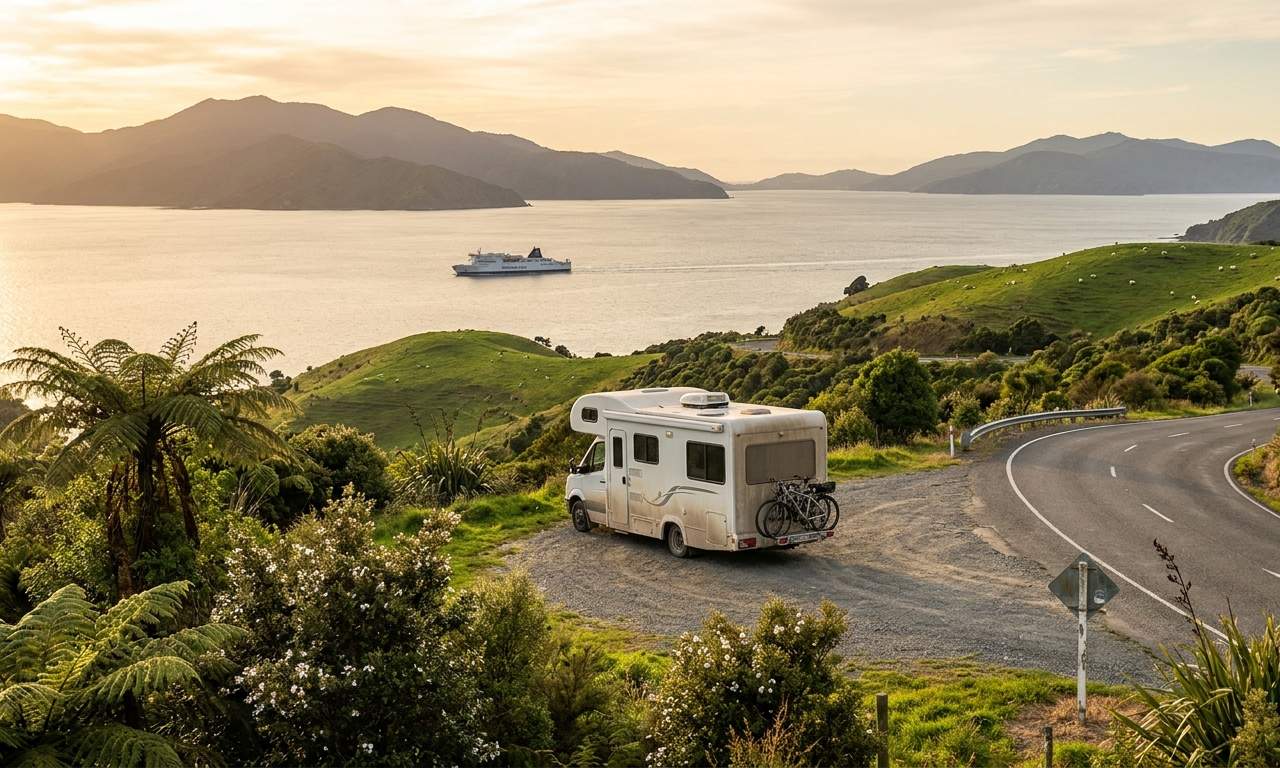
New Zealand's roads, while generally well-maintained and scenic, feature diverse and often challenging terrain including narrow, winding roads, steep mountain passes, and numerous one-lane bridges. Drivers should anticipate slower travel times than expected due to varying road conditions, particularly on popular scenic routes. Gravel roads are common, especially when accessing remote natural attractions or freedom camping spots, requiring careful driving and reduced speeds for rented RVs. Adhering to lower speed limits and taking frequent breaks is crucial for safely navigating New Zealand's unique road network in an RV, allowing you to truly soak in the breathtaking scenery.
RV Size Limits, Bridges & Restricted Zones
While there are no universal strict size limits for rented RVs on New Zealand's general road network, drivers must be aware of specific height, width, and weight restrictions in certain areas. Low bridges and tunnels, such as the historic rock arch tunnel leading to Milford Sound, require drivers to check signage carefully for clearance limits before proceeding. Some urban areas or national parks may have restricted zones or limited parking for larger vehicles, necessitating pre-trip planning, especially for a large Class C or Class A motorhome. Ferry crossings between the North and South Islands require booking well in advance, and your RV's length and height directly impact the cost and availability of space.
Fuel: Diesel vs. Petrol & Cost per 100 km
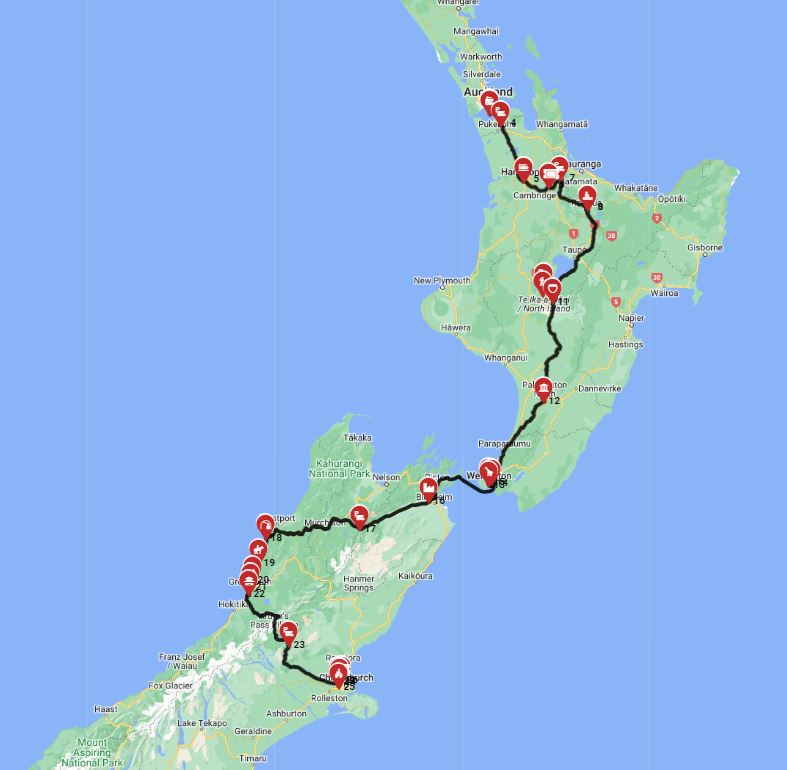
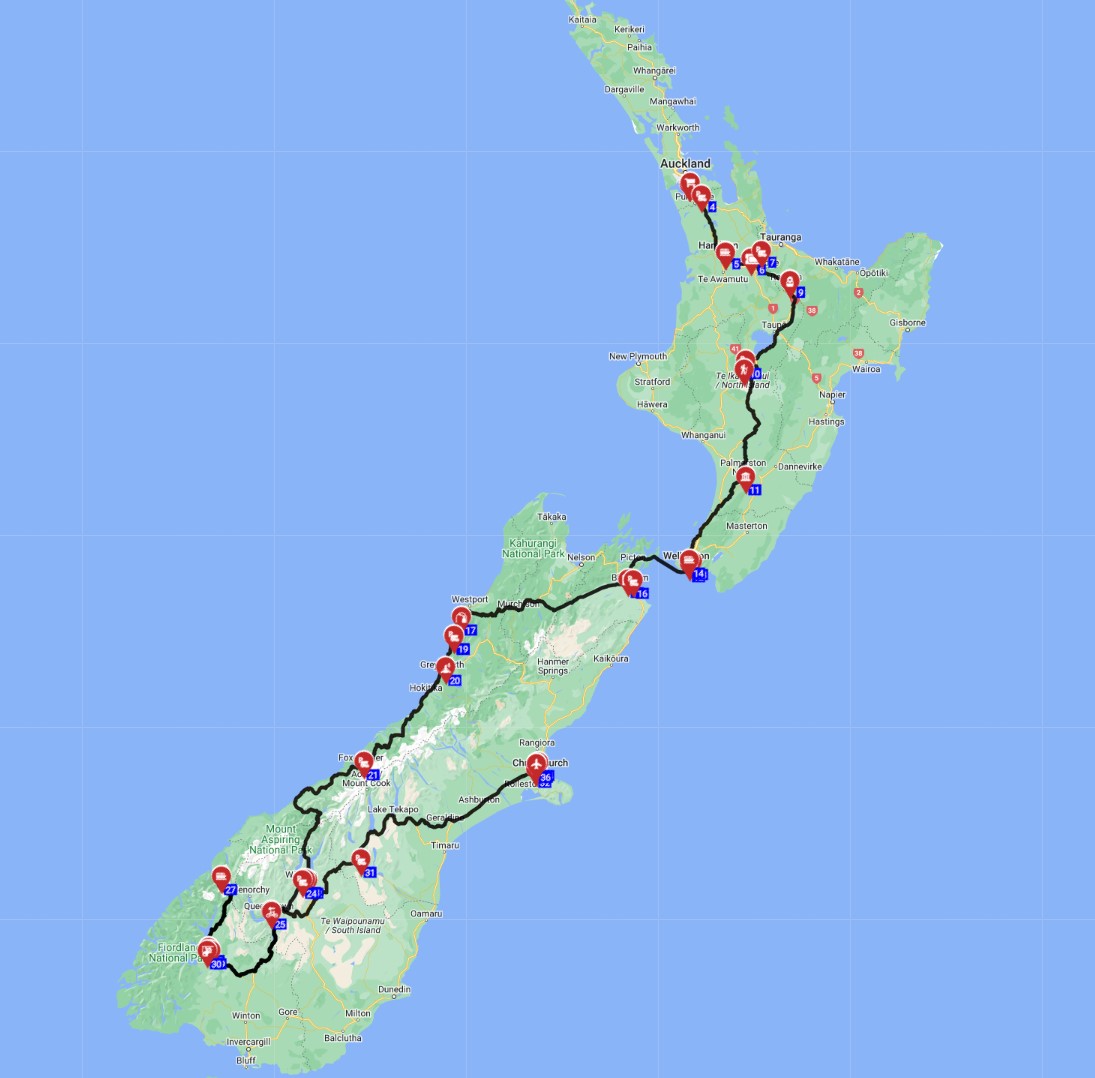
Most larger rented RVs in New Zealand operate on diesel fuel, while smaller campervans or mobile homes may use petrol (gasoline), with both fuel types widely available across the country. Bandana's typical Class SI - Semi-integrated RVs consume 10-11 Liters/100 km, Class C - Alcove RVs 10-12 Liters/100 km, and Class B - Camper Vans around 10 Liters/100 km. Diesel vehicles in New Zealand are subject to a Road User Charge (RUC) on top of the pump price, which is often managed by the rental company and might be prepaid or charged post-rental, so always clarify this with your supplier. Some RV rental companies may offer fuel discount cards, providing savings at specific petrol station chains, which can help manage overall travel costs. For overall trip budgeting, remember that on RV PLANET routes, travelers can itemize and track every expense along the way. On the routes offered through RV PLANET routes, you can itemize and track every expense along the way for easy budgeting.
Tolls, Vignettes & Border Rules
New Zealand has a limited number of electronic toll roads, primarily located around Auckland (Northern Gateway Toll Road) and Tauranga (Takitimu Drive Toll Road and Tauranga Eastern Link Toll Road). Unlike some European countries, New Zealand does not use vignettes; tolls are specific to these designated roads and are generally managed electronically. Tolls can be paid online, via phone, or at service stations, but many rental companies, including some offered by Bandana, allow pre-purchasing toll passes or include toll management to simplify travel and avoid potential fines. As New Zealand is an island nation, there are no land borders with neighboring countries, meaning RV rentals are typically confined within New Zealand's borders.
Driving Tips for RV Rental Travelers
When driving a rented RV in New Zealand, allow ample travel time because the scenic, winding roads mean distances take longer than anticipated; factor in extra time for breathtaking photo stops and rest areas. Always remember to keep left, a common challenge for visitors from right-hand drive countries like the USA. Utilize designated passing lanes when available to allow faster traffic to overtake, and pull over when safe if you are holding up a queue of vehicles on narrower roads. Prepare for mountain passes by downshifting to a lower gear when descending steep hills to control speed and prevent brake overheating, especially with a heavier motorhome. Lastly, plan frequent stops every two hours to combat driver fatigue, particularly important when navigating unfamiliar and demanding terrain.
🎬 Video coming soon
Recommended RV Class for New Zealand Roads
For navigating New Zealand's diverse roads, a Class B - Camper Van or Class SI - Semi-integrated RV is often recommended, balancing comfort with maneuverability. Class B - Camper Vans, with an average length of 5.8 meters according to Bandana's global fleet data (e.g., "Active Classic" with toilet/shower), are agile enough for narrower roads and easier to park, perfect for couples or solo adventurers. Class SI - Semi-integrated RVs, averaging 6.9 meters in length (like the "2 Berth Rover" or "2 Berth Tamar"), offer a good compromise with more living space and amenities while still being manageable on winding routes for a family of 2+2. While larger Class C - Alcove (avg. 7.5m, such as "4 Berth Deluxe") and Class A - Integrated (avg. 7.5m) RVs provide extensive comfort and are readily available, their size can make navigating tight corners and one-lane bridges more challenging, especially for first-time RV renters. Our "RV Rental New Zealand - Prices and Best Deals 2026" guide can help you compare options.
Should I Choose a Compact Van Instead of a Large RV in New Zealand?
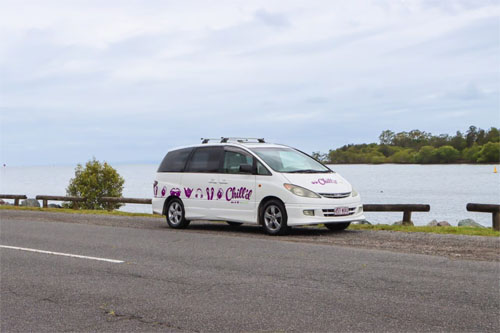
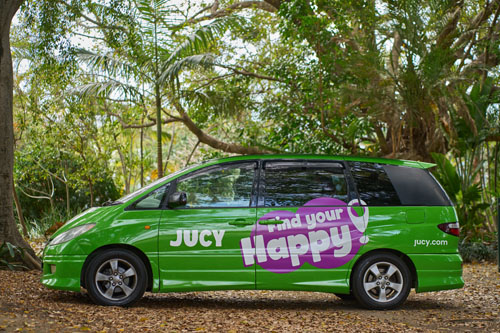
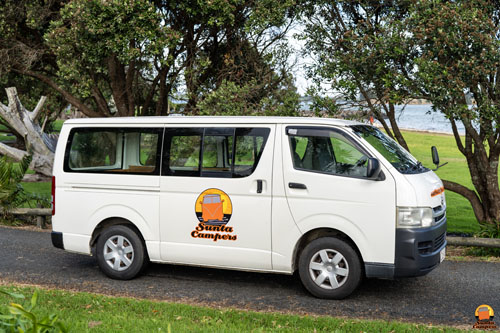
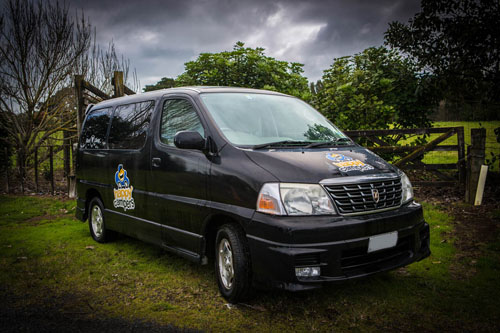
The decision between a compact van (Class B - Camper Van) and a larger RV (Class SI - Semi-integrated, Class C - Alcove, Class A - Integrated) in New Zealand depends on your priorities for comfort, amenities, and driving experience, as you can drive almost anywhere without issues in any RV size. Compact vans, like a Category Van, offer superior maneuverability, easier parking in towns, and often better fuel economy, which can be advantageous on very narrow or winding routes, making them ideal for couples. Larger RVs provide significantly more indoor space, full kitchen facilities, and greater comfort for longer trips or families of 4-6 people, allowing you to prepare delightful meals onboard from our RV-friendly recipes playlist. While compact vans are generally easier to navigate in tighter spots, the enhanced living space and amenities of a larger RV often outweigh the minor trade-off in maneuverability for many travelers exploring New Zealand, especially when you drive slowly and carefully.
Can I Park Anywhere? Free & Wild Camping Rules in New Zealand
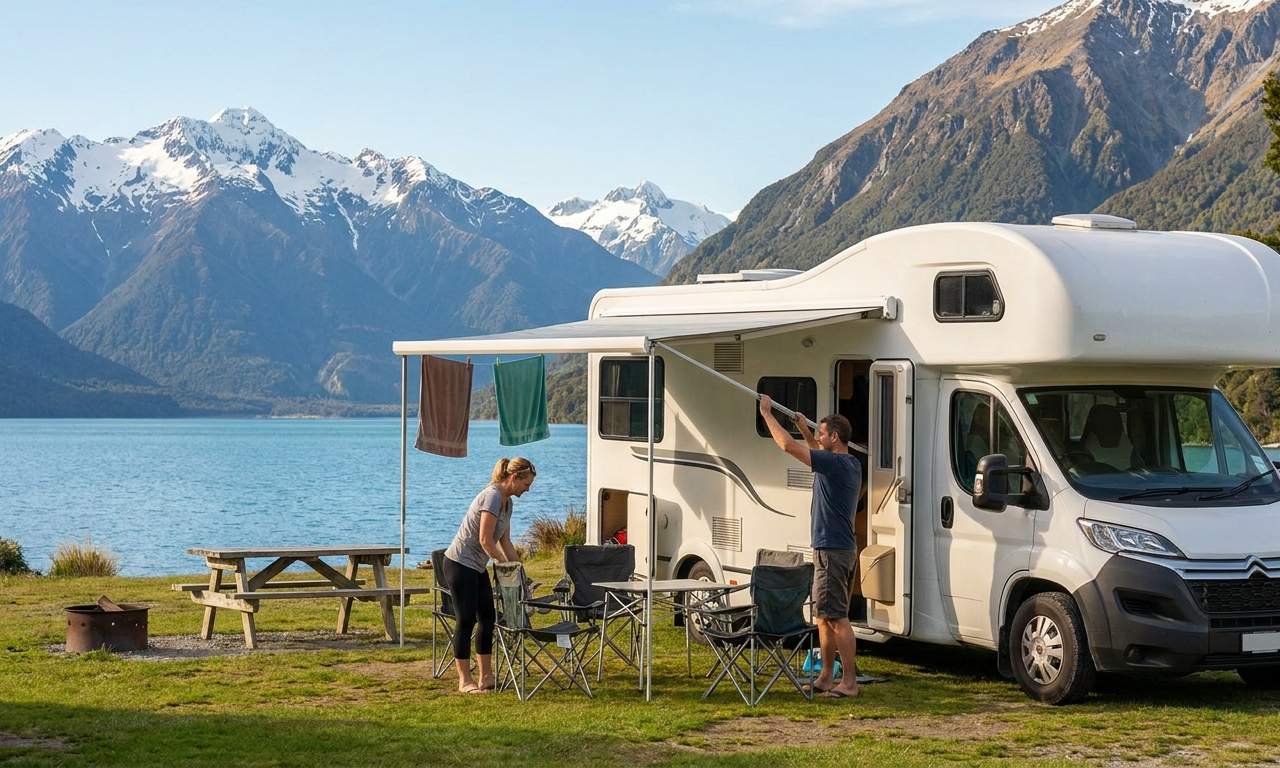
No, you cannot park a rented motorhome anywhere in New Zealand for overnight stays; strict freedom camping regulations require vehicles to be certified self-contained and only park in designated areas. The New Zealand Freedom Camping Act 2026 stipulates that vehicles must have a fixed toilet, fresh water, and grey/black water tanks of sufficient capacity (typically 3 days per person) to be considered 'self-contained' and display a blue sticker. Designated freedom camping sites are managed by local councils or the Department of Conservation (DOC), and signage clearly indicates where freedom camping is permitted or prohibited. Violating freedom camping rules can result in significant fines (up to NZD $200-$400), so always check local regulations and follow local law before parking overnight. Many DOC campsites, as detailed in our "RV Travel Guide to New Zealand - Tips and Top Spots 2026", offer basic facilities or none at all, perfect for self-contained RVs.
Can I Drive an RV Into the City Center? Heights, Tunnels & Local Signage
Yes, you can generally drive a rented RV into most New Zealand city centers, though drivers must pay close attention to local signage regarding vehicle restrictions, such as "new zealand motorhome hire example Explorer" or "new zealand motorhome hire example Venturer". Specific watchouts include height limits for underground car parks, multi-story garages, and some tunnels, which are clearly marked. Many city centers have limited on-street parking suitable for large RVs, so planning parking in advance or using designated RV-friendly car parks on the outskirts is advisable. Always adhere to local environmental zones, residents-only streets, and clear signage that may indicate restrictions for larger vehicles, ensuring a stress-free urban experience. Remember, drive slowly and carefully, and you can drive almost anywhere without issues.
Do you need a special license to drive an RV in New Zealand?
For most standard RVs in New Zealand (under 3,500 kg Gross Laden Weight, which covers the majority of rental motorhomes and campervans), a full and valid overseas driver's license is sufficient for visitors. If your overseas license is not in English, an International Driving Permit (IDP) is highly recommended, although not always legally mandatory, to ensure clarity with local law enforcement and rental agencies. A special license, typically a Class 2 or higher heavy vehicle license, is only required for driving RVs or motorhomes exceeding 3,500 kg GLW, which are less common for tourist rentals. Drivers should verify the Gross Laden Weight of their specific rental RV model, like a "24' Class C Motorhome" at 7.46 meters, to confirm licensing requirements, usually detailed by the rental provider.
What is the 4 second rule in New Zealand?
The 4-second rule in New Zealand is a recommended safe following distance for all vehicles, particularly crucial for larger vehicles like rented RVs and motorhomes due to their increased braking distance. To apply this rule, drivers should pick a fixed point on the road ahead (e.g., a sign or tree) and count four seconds from when the vehicle in front passes it until their own vehicle reaches the same point. This extended following distance provides greater reaction time for RV drivers, especially on wet roads, gravel, or in challenging New Zealand terrain, compared to the standard 2-second rule for cars. Adhering to the 4-second rule helps prevent nose-to-tail collisions and allows for smoother, safer stops when driving a heavier RV or campervan.
Is it difficult for Americans to drive in New Zealand?
Driving in New Zealand can present some initial challenges for Americans primarily due to driving on the left-hand side of the road, combined with New Zealand's unique road conditions. Key adjustments include navigating roundabouts, understanding different road signage, and adapting to often narrower, winding roads and one-lane bridges, especially outside major urban centers. However, with careful attention, patience, and adherence to local road rules like the 4-second rule, American drivers typically adapt quickly, finding the experience rewarding. Rental RVs often have automatic transmissions, which can ease the transition, allowing drivers to focus more on road conditions and less on shifting gears, making the transition manageable.
Can I park my motorhome anywhere in New Zealand?
No, you cannot legally park your rented motorhome anywhere you choose for overnight stays in New Zealand; strict regulations govern where 'freedom camping' is permitted. Overnight parking (freedom camping) is only allowed in designated areas, which typically require your motorhome to be certified as 'self-contained' with onboard facilities for fresh water, waste water, and a toilet, such as a "Koru Star 4 Freedom" campervan. Unauthorized overnight parking can result in substantial fines, so always look for official signage indicating permitted camping areas, such as those managed by local councils or the Department of Conservation (DOC). For daytime parking, most standard parking rules apply, but RV drivers should be mindful of vehicle length and height restrictions in urban areas or specific car parks.
How hard is it to drive a motorhome in New Zealand?
Driving a rented motorhome in New Zealand can be moderately challenging, especially for those accustomed to wider, straighter roads, but it is manageable with caution and practice. The primary difficulties arise from New Zealand's often narrow, winding roads, numerous blind corners, steep gradients in mountainous regions, and frequent one-lane bridges that require giving way. Larger motorhomes (like a 29′ Class C Motorhome) require more careful handling on these roads, and drivers must adjust speed accordingly, particularly on gravel surfaces or in adverse weather conditions. Despite the challenges, the stunning scenery and flexibility of RV travel make it a popular and rewarding way to explore New Zealand, provided drivers remain vigilant and plan their routes. Remember to travel slowly, a maximum of 100-150 km per day on average.
What is the 333 rule for campervan?
The '333 rule' for campervans in New Zealand is a general guideline for responsible and respectful freedom camping, promoting sustainable tourism. It advises campers to 'Stay 3 nights maximum' in one spot (to avoid overstaying and impacting local areas), 'Drive 3 kilometers off the main road' (to find less crowded spots and reduce roadside congestion), and 'Leave 3 meters from other vehicles' (to ensure personal space and reduce impact). While not a legal requirement, adhering to the 333 rule helps minimize environmental impact, respects local communities, and contributes to a positive experience for all freedom campers. This guideline is part of broader responsible camping practices encouraged by tourism bodies in New Zealand to protect the country's pristine natural environment.
Is it easy to drive a motorhome in New Zealand?
Driving a rented motorhome in New Zealand can be easy if you approach it with awareness and respect for the country's unique road conditions, though it requires more attention than driving a standard car. The ease of driving depends on your experience with larger vehicles, your willingness to adapt to left-hand driving, and your comfort with winding, narrow roads. Many rental motorhomes and campervans offered by Bandana's suppliers (e.g., El Monte, Apollo, Britz) come with automatic transmissions and power steering, making the physical act of driving less strenuous. While not inherently difficult, the key to an easy experience lies in planning your journey, allowing plenty of time, and prioritizing safety over speed on New Zealand's diverse terrain. No need to stress - just use common sense and pay attention!
Who insures motorhomes in NZ?
Rented motorhomes in New Zealand are typically insured by the rental company as part of the rental agreement, with various levels of coverage and excess options available to the renter. International travelers should review the rental company's insurance policy carefully, as standard coverage often includes a high excess (deductible) in case of damage. Additional insurance options, such as excess reduction waivers or third-party travel insurance that specifically covers RV rental excesses, are widely offered by rental providers and independent insurers to provide extra peace of mind. Bandana partners with over 50 leading RV suppliers worldwide, ensuring a wide range of transparent insurance choices.
What are typical RV rental insurance deductibles in New Zealand?
Typical RV rental insurance deductibles in New Zealand can range significantly, often starting from NZD $2,500 to $7,500 or more, depending on the supplier and vehicle class. Renters commonly purchase excess reduction options from their rental company, which can lower the deductible to as little as NZD $0-$500, with daily costs for these waivers usually between NZD $25 to $70+ per day. Bandana offers the option to upgrade to a top-level deductible reimbursement policy, allowing you to travel with added financial peace of mind. Always compare these costs and coverage levels carefully before finalizing your booking to avoid any hidden fees or surprises.
Top Cities for RV Rental in New Zealand
New Zealand offers several excellent cities for picking up your rented RV, providing convenient starting points for your adventure. Auckland, on the North Island, is New Zealand's largest city and a major international gateway, offering the widest selection of rental vehicles and suppliers. Christchurch serves as the primary hub for exploring the South Island, with numerous rental depots and easy access to alpine and coastal routes. Queenstown, the adventure capital of the South Island, is another popular pick-up point, especially for those looking to immediately immerse themselves in thrilling activities and stunning landscapes. Other cities like Wellington and Dunedin also provide RV rental options, catering to different regional exploration preferences. Bandana helps you compare motorhome prices for New Zealand from all these key locations.
What You Shouldn't Miss
- **Fiordland National Park (South Island):** Drive the breathtaking Milford Sound Road, passing through the Homer Tunnel, and take a scenic cruise amidst towering fjords.
- **Tongariro Alpine Crossing (North Island):** Hike one of the world's most spectacular day walks through volcanic landscapes, with your RV as a comfortable base nearby.
- **Queenstown and Wanaka (South Island):** Experience adventure activities like bungee jumping or skydiving, then relax by the stunning glacial lakes.
- **Rotorua (North Island):** Immerse yourself in Māori culture and witness bubbling mud pools and active geysers in this geothermal wonderland.
- **Abel Tasman National Park (South Island):** Explore golden beaches and turquoise waters by kayak or on foot, leaving your rented campervan at a nearby campground.
- **West Coast Glaciers (South Island):** Visit Franz Josef and Fox Glaciers, unique for descending into temperate rainforest, often accompanied by scenic helicopter flights.
Looking for expert insights from Avi Bandana? Top 5 Adventures - recommendations from Avi Bandana
Final Thoughts
Exploring New Zealand by rented RV is an unparalleled adventure, offering the freedom to chase stunning landscapes and connect with unique culture at your own pace. While the roads present their own character, they are entirely manageable with a little preparation and a commitment to safe, leisurely driving. Remember, the journey is just as important as the destination in Aotearoa!
At Bandana, we're dedicated to making your RV rental experience seamless and enjoyable from start to finish. We offer full transparency in pricing, unmatched personal experience from true RV specialists, and comprehensive support to guide you through your planning and booking. So go ahead, imagine yourself cruising through the South Island's majestic fiords or the North Island's geothermal wonders.
It's time to make those dreams a reality. Compare Motorhome Prices for New Zealand now and start planning your epic road trip!