In This Guide
- Can You Drive an RV in Chile License and Age Rules
- Road Conditions and Terrain in Chile
- RV Size Limits Bridges and Restricted Zones
- Fuel Diesel vs Petrol and Cost per 100 km
- Tolls Vignettes and Border Rules
- Driving Tips for weekend rv rental Travelers
- Recommended RV Class for Chile Roads
- Should I Choose a Compact Van Instead of a Large RV in Chile
- Can I Park Anywhere Free and Wild Camping Rules in Chile
- Can I Drive an RV Into the City Center Heights Tunnels and Local Signage
- What are the best RV routes in Chile for a weekend trip
- How much does it cost to rent an RV for a weekend in Chile
- What is the best time of year for an RV trip in Chile
- What do I need to know about insurance for an RV rental in Chile
- Are there 4x4 RV rentals available in Chile for off-road adventures
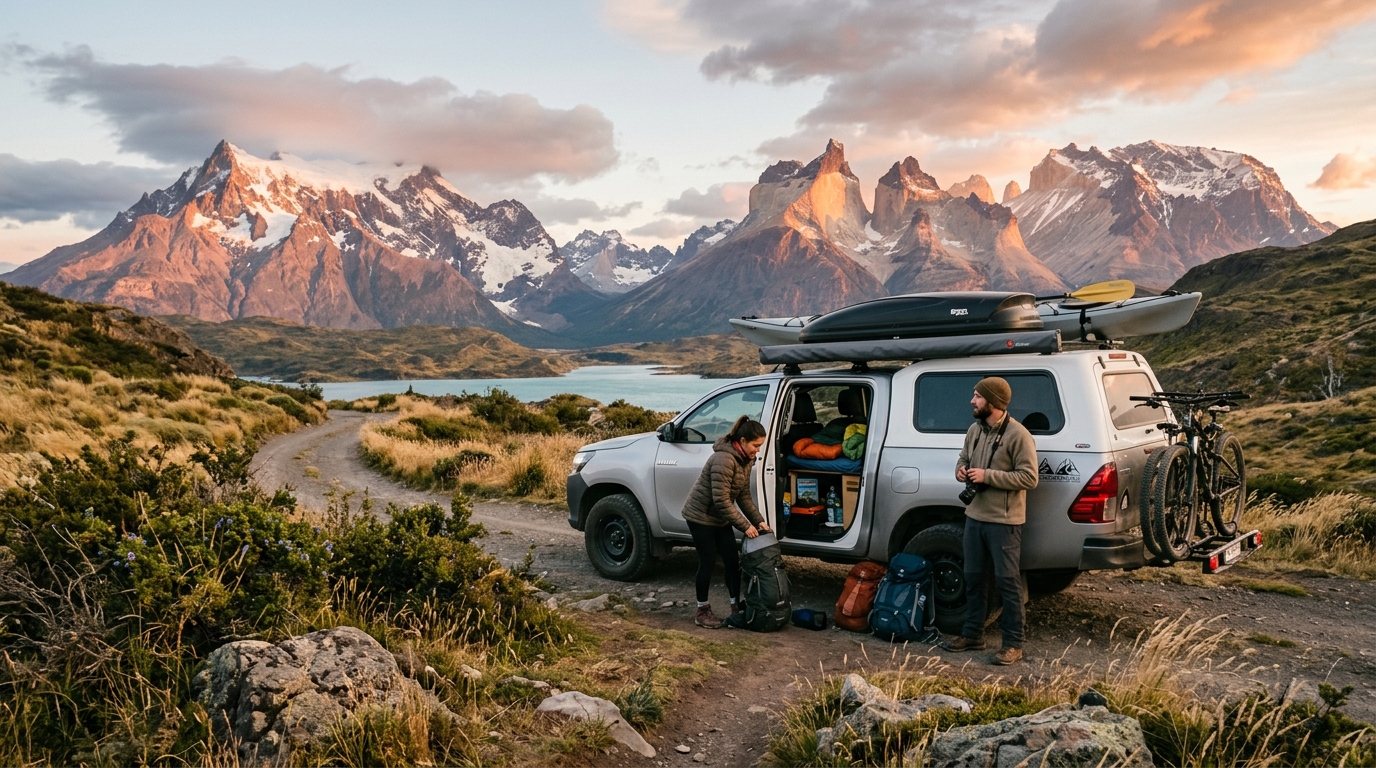
Imagine yourself embarking on a spontaneous adventure, with the freedom of a mobile home to explore the stunning and diverse landscapes of Chile. From the driest desert to towering glaciers, a rented RV, motorhome, or campervan offers unparalleled flexibility for any journey. Whether you're planning a quick getaway or an extended exploration, understanding the practicalities of RV driving in Chile is key to an unforgettable experience. For live availability and current prices, start with our RV Rental Chile - Complete Guide 2026 guide, providing a comprehensive overview to kickstart your planning.
Can You Drive an RV in Chile License and Age Rules
Foreign visitors generally need a valid national driver's license and an International Driving Permit (IDP) to legally drive a rented RV in Chile. A standard Class B driver's license is typically sufficient for all motorhome classes, including Class A, Class B, and Class C vehicles, as long as the vehicle's gross vehicle weight rating (GVWR) is under 3,500 kg.
Rental companies in Chile, as with Bandana RV's global partners, usually require drivers to be at least 21 years old. There are no young driver surcharges or vehicle class restrictions based on age when renting through our platform. It's always a good idea to confirm specific terms with your chosen supplier during the booking process to ensure a smooth pickup and journey.
Road Conditions and Terrain in Chile
Chile features a diverse road network, from well-maintained paved highways like the Pan-American Highway (Ruta 5) to challenging gravel roads, particularly in Patagonia and higher elevations. RV travelers should anticipate varied terrain, including mountains, deserts, and coastal roads, and plan routes accordingly, allowing ample time for travel.
Many popular tourist routes, including significant sections of the Carretera Austral (Route 7), still involve unpaved gravel, requiring slower speeds and careful driving. Always check local road conditions and weather forecasts before setting out, especially when heading into more remote or mountainous regions. Remember, driving slowly and carefully, you can drive almost anywhere without issues. No need to stress - just use common sense and pay attention.
RV Size Limits Bridges and Restricted Zones
While most major Chilean roads accommodate standard RV rental sizes, drivers must be aware of vehicle height and weight for ferries, especially when navigating to islands like Chiloé, and potential low bridges in older urban areas. Ferry services often have strict length and weight restrictions, and booking in advance is highly recommended for RVs, particularly during peak travel seasons.
Specific environmental or restricted zones for large vehicles are less common outside of major city centers, but local signage should always be observed. When venturing into city centers, watch for "Altura Máxima" (Maximum Height) signs, especially for covered parking or underpasses. Planning your route with a tool like RV PLANET (rvplan.net) can help you identify potential restrictions along your journey. Our vast network, built since 2001, provides the local expertise needed to navigate these details.
Fuel Diesel vs Petrol and Cost per 100 km
Most RVs in Bandana's global fleet, including Class SI Semi-integrated motorhomes (averaging 10-11 Liter/100 km) and Class C Alcove motorhomes (averaging 10-12 Liter/100 km), typically run on diesel, which is widely available across Chile. Fuel prices, however, vary and can be higher in remote regions, particularly in Patagonia.
Bandana's Class B Camper Vans generally consume 8-10 Liter/100 km, while Class TC Truck Campers consume 12-17 Liter/100 km. It's crucial to budget for fuel costs by researching current prices, especially before venturing into more isolated areas where availability may be limited and prices higher than in major cities. For detailed budgeting, remember that RV PLANET routes allow travelers to itemize and track every expense along the way. On the routes offered through RV PLANET routes, you can itemize and track every expense along the way for easy budgeting.
Tolls Vignettes and Border Rules
Chile primarily uses per-passage tolls on its major highways rather than vignettes, with payment options including cash or electronic systems. For easy travel, some Bandana RV rental partners may offer options to pre-purchase electronic toll passes, which can simplify your journey and help you avoid unexpected fines.
For international RV border crossings, such as to Argentina, essential documents include the rented RV's registration, a notarized permit from the rental company, international insurance (often Mercosur coverage), and valid passports/International Driving Permits (IDPs) for all occupants. Always confirm these requirements well in advance, as crossing borders with a rented vehicle involves specific legalities. Our 25+ years of experience, partnering with 50+ leading RV suppliers worldwide like El Monte and Apollo, means we're specialists in these kinds of travel logistics.
Driving Tips for weekend rv rental Travelers
Pacing yourself is crucial for any RV trip in Chile, whether a short escape or a longer adventure. Given Chile's diverse landscapes, allow extra travel time, especially on gravel roads or winding mountain passes, aiming for a maximum of 100-150 km per day on average. Plan regular stops for scenic views and rest to truly feel the place, connect to the culture, the food, and the scenery.
Always ensure your rental agreement includes comprehensive roadside assistance and have local emergency contacts readily available. Utilize offline maps (e.g., Google Maps, Maps.me) as cell service can be intermittent in remote areas, and consider a local SIM card for better connectivity. Stock up on groceries in larger towns before heading to remote areas, and pack versatile layers of clothing to suit Chile's varied climates, from desert heat to Patagonian cold. Always carry extra water, a first-aid kit, and basic tools, especially for trips into more isolated regions, and maintain situational awareness regarding local driving etiquette.
Recommended RV Class for Chile Roads
For most Chilean road conditions, a Class B Camper Van or a Class SI Semi-integrated RV from Bandana's fleet offers the best combination of maneuverability and comfort for a rented RV trip. Class B Camper Vans, averaging 5.8m in length and sleeping up to 3.2 adults, are highly agile, fuel-efficient (consuming 8-10 Liter/100 km), and easy to navigate on narrow or winding routes.
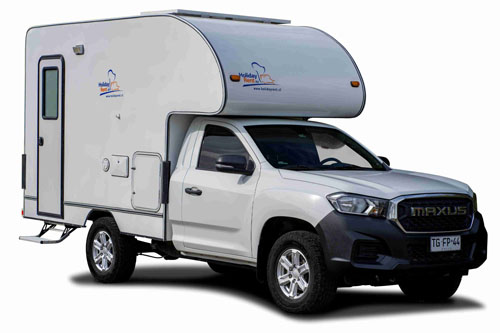
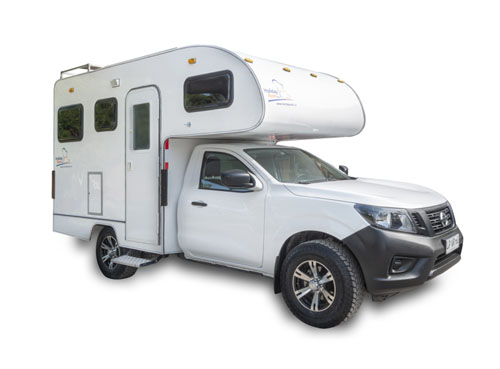
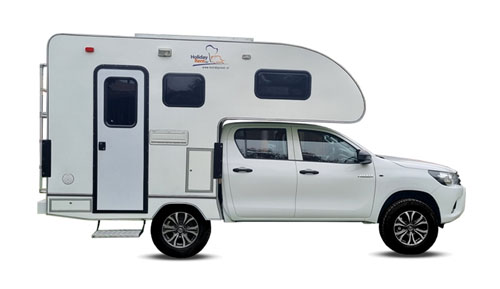
Class SI Semi-integrated RVs, averaging 6.9m in length and sleeping up to 3.4 adults, provide more interior space and amenities, consuming around 10-11 Liter/100 km, while still being manageable on most main roads and well-maintained gravel sections. For adventurous travelers considering remote Patagonian routes, some specialized 4x4 options are available, like a "Patagonia Camper 4x4 double cab" or "4x4 Scout Adventure Truck Camper Gold" which offer enhanced capability.
Should I Choose a Compact Van Instead of a Large RV in Chile
While a compact campervan offers superior maneuverability and fuel efficiency, a larger motorhome generally provides significantly more comfort and living space, which often outweighs the maneuverability benefits for a quick trip in Chile, as most roads accommodate standard RV sizes. Compact vans, like Bandana's Class B Camper Vans, excel in tight city centers or very narrow mountain passes and offer easier parking, making them suitable for minimalist travel.
Larger RVs, such as Class SI or Class C Alcove (which averages 7.5m in length), provide full kitchens, bathrooms, and ample storage, enhancing the overall comfort and convenience for travelers prioritizing amenities on their journey. With a well-equipped kitchen on board, preparing your own meals is easy and delicious; check out our RV-friendly recipes playlist for inspiration. The choice truly depends on your travel style and how much space and amenities you desire. Regardless of size, compare final prices across suppliers with Bandana RV, so what you see is what you pay, with no surprise fees at pickup.
Can I Park Anywhere Free and Wild Camping Rules in Chile
Wild camping in Chile is generally tolerated in many rural and non-private areas, but regulations vary by region, and it is always safer and more respectful to seek permission or utilize designated campgrounds for overnight stays. National Parks and protected areas strictly prohibit wild camping outside of official, often pre-booked, campsites, which typically offer amenities like toilets, water sources, and dump stations.
When considering wild camping, adhere to 'Leave No Trace' principles, ensure you are not on private land without consent, and prioritize locations that are safe and secure. Rules vary by region, so always check local regulations and follow local law before parking overnight. Many established campgrounds, which you can find and reserve via rvplan.net, provide essential services and a secure environment for your rented motorhome, such as those listed in our "RV Camping in Chile - Best Campgrounds 2026" guide.
Can I Drive an RV Into the City Center Heights Tunnels and Local Signage
Yes, you can generally drive a rented RV into most Chilean city centers, but it's critical to pay close attention to local signage, which will indicate specific height limits for tunnels or parking garages, as well as any environmental or residents-only zones. Be vigilant for 'Altura Máxima' (Maximum Height) signs, especially when entering covered parking structures or passing under older infrastructure. For example, a standard Class C Alcove might have a height of around 3.2m.
City centers can be congested, making parking challenging for larger RVs; consider utilizing park-and-ride options or parking on the outskirts and using public transportation for urban exploration. Always be aware of local road signs indicating 'No Estacionar' (No Parking), 'Solo Residentes' (Residents Only), or temporary restrictions that may apply to larger vehicles. Drive slowly and carefully, and you can navigate almost anywhere without issues. No need to stress - just use common sense and pay attention.
What are the best RV routes in Chile for a weekend trip
For a quick RV trip in Chile, the Central Valley's vineyard regions offer accessible and scenic drives for wine enthusiasts and cultural experiences, often within a short distance of Santiago. The Lakes District, particularly around Pucón or Puerto Varas, provides stunning volcanic landscapes, hot springs, and lakeside activities ideal for nature-focused getaways, perfect for a two-day adventure if you start from Puerto Montt.
Alternatively, coastal routes near Valparaíso and Viña del Mar blend vibrant urban culture with relaxing beach access, perfect for a short escape from the capital. These routes typically involve well-paved roads suitable for most Class B Camper Vans or Class SI Semi-integrated motorhomes. Remember to embrace slow travel, dedicating ample time to enjoy each stop.
🎬 Video coming soon
How much does it cost to rent an RV for a weekend in Chile
The typical cost to rent an RV for a weekend (a short 2-3 day trip) in Chile ranges from $150-$300 USD per night, influenced by the RV class, rental season (peak season is December-February), and specific inclusions. Prices are dynamic, similar to flight tickets, changing daily based on availability and supplier decisions.
Beyond the rental fee, budget for significant additional expenses such as fuel (Bandana's fleet averages 8-17 Liter/100 km), campground fees (typically $20-50 USD/night), food, and activities. Always inquire about potential hidden costs like cleaning fees, mileage limits, additional driver charges, and security deposits when booking your rental. For a detailed breakdown of costs and ways to save, consult our "Cheap RV Rental in Chile - Budget Guide 2026" and "RV Rental in Chile - Prices and Best Deals 2026" pages. You can upgrade to a top-level deductible for extra peace of mind, minimizing your financial exposure in case of an incident.
What is the best time of year for an RV trip in Chile
The ideal time for a rented RV trip in Chile largely depends on your destination, with summer (December to February) being prime for Patagonia and the Lakes District due to warmer weather and longer daylight hours. During this period, availability for popular 4-berth motorhomes can be limited, so booking 3-6 months in advance is advisable.
For exploring the Central Valley and vineyard regions, spring (September to November) and autumn (March to May) offer pleasant temperatures and fewer crowds, making it an excellent time to find "RV Rental Deals in Chile - Latest Offers 2026". The Atacama Desert is generally suitable year-round, but spring and autumn provide the most comfortable daytime temperatures, avoiding the extreme heat of summer. Spontaneous travelers can often find day-to-day availability in campgrounds, as many national and state parks reserve only 25-30% of spots for advance booking, leaving the rest for first-come-first-serve. Just call ahead before driving.
What do I need to know about insurance for an RV rental in Chile
Comprehensive insurance is essential for an RV rental in Chile, typically covering collision damage, theft, and third-party liability, and it's vital to fully understand your rental company's policy and associated deductibles. Basic third-party liability insurance (SOAP) is legally required in Chile, but most Bandana RV rental partners offer additional insurance packages, such as a Collision Damage Waiver (CDW), to minimize your financial responsibility.
Bandana RV offers the option to upgrade to a top-level deductible reimbursement, providing extra peace of mind during your adventure. If you plan to cross international borders, ensure your insurance policy explicitly includes coverage for international travel, such as Mercosur insurance, which is often a requirement for entering neighboring countries like Argentina. Being prepared with the right coverage is part of our supportive approach, accompanying travelers before, during, and after their booking.
Are there 4x4 RV rentals available in Chile for off-road adventures
Yes, 4x4 RV rentals are available in Chile, primarily through specialized rental providers who partner with Bandana RV, and are highly recommended for travelers planning to tackle challenging terrains like remote sections of the Carretera Austral, high-altitude desert tracks, or unpaved routes within national parks. A 4x4 RV, or a robust truck camper like Bandana's Class TC Truck Camper (averaging 5.5m length and consuming 12-17 Liter/100 km), offers increased ground clearance and traction necessary for difficult roads.
Due to their specialized nature and the smaller fleet size, 4x4 RVs should be booked well in advance, especially if you're eyeing a "Luxury RV Rental in Chile - Premium Prices 2026" experience. Drivers should possess experience with off-road conditions and be prepared for potentially limited roadside assistance in very remote areas. Exploring off the beaten path requires preparation, and our Rent&Plan service can help design unique itineraries for such adventures, while our "One-Way RV Rental in Chile - Price Guide 2026" can assist with cross-country planning.
What You Shouldn't Miss
- **Drive the Carretera Austral:** Experience one of the world's most epic road trips, stretching over 1,240 kilometers (770 miles) through pristine Patagonia, offering stunning glaciers, fjords, and national parks.
- **Explore the Atacama Desert:** Witness the otherworldly landscapes of the driest desert on Earth, including geysers, salt flats, and incredible stargazing opportunities near San Pedro de Atacama.
- **Visit the Lakes District:** Discover the beauty of Chile's southern lakes, active volcanoes like Villarrica, and charming towns such as Pucón and Puerto Varas, perfect for outdoor activities.
- **Wine Tasting in the Central Valley:** Indulge in Chile's world-renowned wine regions, like the Colchagua Valley, accessible and beautiful for a relaxing RV tour.
- **Explore the City of Valparaíso:** Navigate the colorful, bohemian hills of Valparaíso, a UNESCO World Heritage site, and immerse yourself in its vibrant art and culture.
Looking for expert insights from Avi Bandana? Top 5 Adventures - recommendations from Avi Bandana.
Final Thoughts
Exploring Chile by rented RV, motorhome, or campervan offers an incredible sense of freedom, allowing you to discover its diverse landscapes at your own pace. From the arid beauty of the Atacama to the wild frontiers of Patagonia, every mile is an opportunity for discovery. While a short trip offers a fantastic taste of what RV travel in Chile is like, we encourage you to embrace the joy of slow travel, spending more time connecting with each unique place.
With Bandana RV, you're choosing a partner dedicated to transparency, support, and genuine expertise. We ensure your booking process is seamless, so you can focus on the adventure ahead. So, why wait? Start comparing prices and planning your next rented RV trip today!
Ready to hit the road? Compare Motorhome Prices for Chile now and find the perfect vehicle for your adventure!