In This Guide
- Can You Drive an RV in Central North US? License & Age Rules
- Road Conditions & Terrain in Central North US
- RV Size Limits, Bridges & Restricted Zones
- Fuel: Diesel vs. Petrol & Cost per 100 km
- Tolls, Vignettes & Border Rules
- Driving Tips for Weekend RV Rental Travelers
- Recommended RV Class for Central North US Roads
- Should I Choose a Compact Van Instead of a Large RV in Central North US?
- Can I Park Anywhere? Free & Wild Camping Rules in Central North US
- Can I Drive an RV Into the City Center? Heights, Tunnels & Local Signage
- What is the 3-3-3 rule for RV driving?
- What states require RVs to stop at weigh stations near?
- What size RV can you drive without a special license?
- Can you sleep in an RV while driving in the USA?
- What states have banned RVs?
- What is the 4-4-4 rule for RV travel?
- Can you drive 600 miles in a day?
- What is the largest RV you can drive without a special license?
- What states require a special RV license?
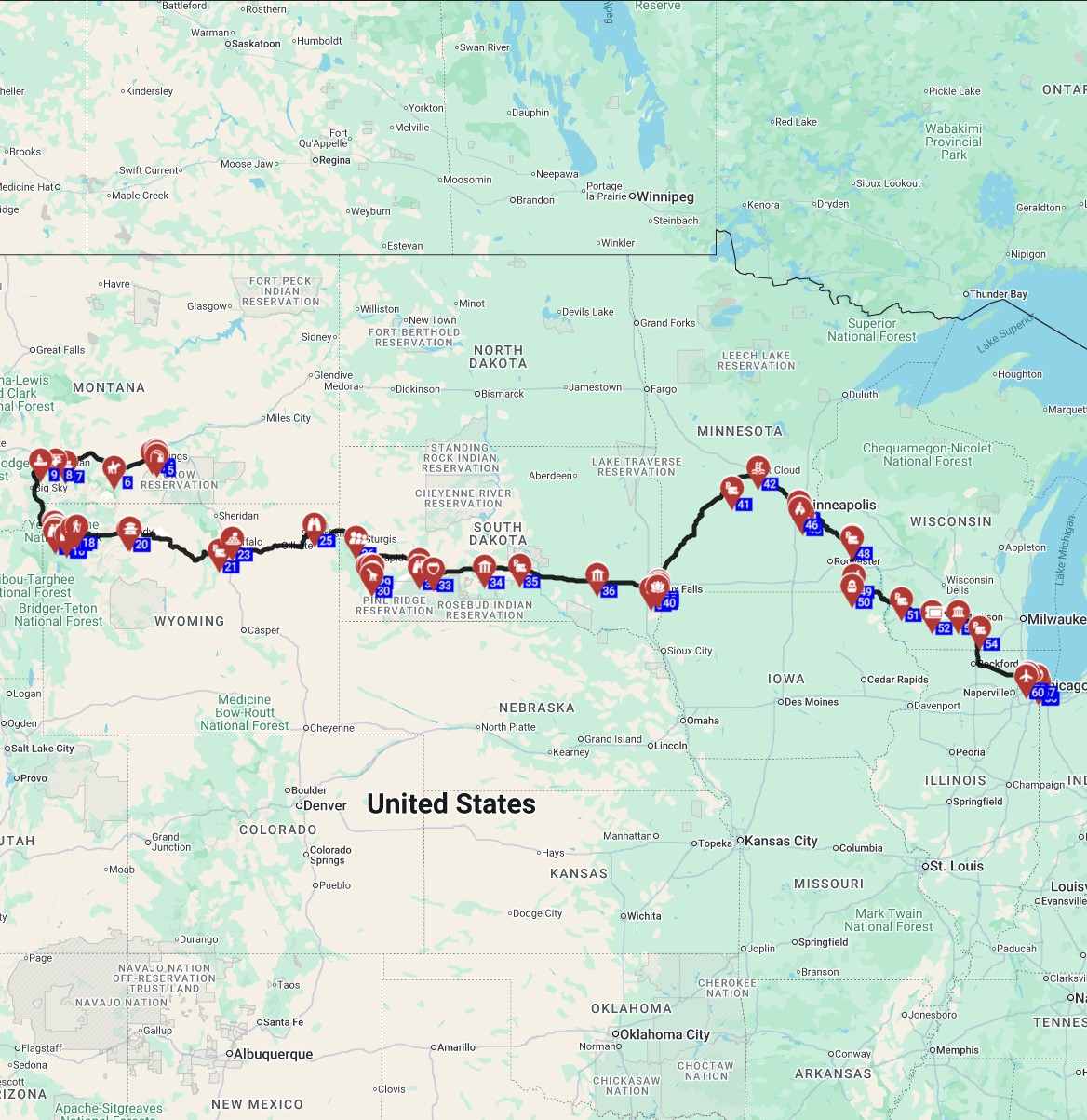
Exploring the heartland of America, the Central North US, with a rented RV or campervan offers an incredible sense of freedom and adventure. Imagine yourself driving through vast prairies, along pristine lake shores, and past charming small towns, all from the comfort of your mobile home. This region, encompassing states like Minnesota, Wisconsin, Michigan, Ohio, Illinois, Iowa, North Dakota, South Dakota, Nebraska, Kansas, and Missouri, is perfect for those seeking scenic drives and diverse experiences. For live availability and current prices, start with our RV Rental Central North US - Complete Guide 2026 guide, providing everything you need to know for your upcoming journey. With Bandana RV, you're not just getting a vehicle; you're gaining a partner who genuinely knows RV travel and loves helping people discover it, offering full transparency with no hidden fees and dedicated support before and after your booking.
🎬 Video coming soon
Can You Drive an RV in Central North US? License & Age Rules
Yes, you can confidently drive a rented RV in Central North US states like Minnesota, Wisconsin, and Michigan with a standard Class D driver's license. The key factor is the Gross Vehicle Weight Rating (GVWR), which typically needs to be below 26,001 pounds for recreational vehicles to avoid requiring a Commercial Driver's License (CDL) or special endorsement.
For most recreational motorhome rentals, including Class B campervans and Class C motorhomes, this 26,001 lbs GVWR threshold is rarely an issue, making the process straightforward for travelers. Regarding age, the minimum driver age for Bandana's rental fleet is 21 years old across all vehicle classes, and importantly, there are no young driver surcharges in Central North US, offering great flexibility for younger adventurers. Foreign drivers should carry a valid driver's license from their home country; an International Driving Permit (IDP) is highly recommended as a useful translation supplement, though it is not always a legal requirement for short visits to the USA. Always feel supported, as we're with you before, during, and after your booking, ensuring clarity on all requirements.
Road Conditions & Terrain in Central North US
The Central North US boasts generally well-maintained interstates and state highways that are perfectly suited for comfortable RV travel, though the quality of rural roads can vary. The terrain is diverse yet largely manageable for motorhomes and campervans, featuring flat plains in states such as North Dakota, South Dakota, Nebraska, Iowa, and Illinois, complemented by rolling hills, dense forests, and countless lakes in Minnesota, Wisconsin, and Michigan.
This varied landscape encourages a relaxed, scenic driving pace, which is ideal for a week-long RV trip or an extended road trip for families exploring charming small towns, expansive state parks, and stunning natural attractions without the challenge of steep mountain passes or winding coastal roads. Drivers can expect smooth journeys on major routes, with occasional minor adjustments for narrower roads when venturing deep into state forests or lakeside areas. Remember to travel slowly, aiming for a maximum of 100-150 km per day on average, allowing you to truly feel the place, connect to the local culture, savor the food, and immerse yourself in the scenery, whether you are on a route plan in Iowa or enjoying the pristine lakes of Minnesota.
RV Size Limits, Bridges & Restricted Zones
Most rental motorhomes and campervans in the Central North US comfortably fit within general state and federal limits, with common vehicle height restrictions typically ranging from 13'6" to 14' and RV lengths rarely exceeding 40-45 feet for single vehicles. While low bridges are less common on main thoroughfares such as interstates, they can be encountered in older city centers, specific rural areas, or within state parks.
Always pay close attention to posted height limit signs, especially when deviating from major highways. Unlike some regions, environmental zones or widespread emissions restrictions for RVs are not prevalent in the Central North US. However, it's wise to be aware that specific national or state parks might have length limits or access restrictions for certain smaller, more sensitive roads. Planning ahead with resources like RV PLANET (rvplan.net) can help you identify any such limitations on your route, ensuring a smooth and surprising-free journey.
Fuel: Diesel vs. Petrol & Cost per 100 km
Most of Bandana's modern rental RVs and campervans are diesel-powered, which is readily available at fuel stations throughout the Central North US, including in states like Illinois and Ohio. Based on our global fleet averages, fuel consumption typically ranges from 10–12 Liters/100 km for Class SI and Class C RVs, and 8-10 Liters/100 km for Class B Camper Vans. For larger Class A motorhomes, you might see figures around 8-12 Liters/100 km, while Class TC Truck Campers are generally between 12–17 Liters/100 km.
At an approximate diesel cost of $1.05 per liter (reflecting an example $4.00/gallon), you can expect to spend roughly $8.45 to $17.95 per 100 km, depending on your chosen RV class and specific driving conditions. Some of our rental motorhomes may include fuel discount cards, offering potential savings on your journey through the Central North US. For easy budgeting and tracking all trip costs, from fuel to campground fees, RV PLANET routes allow you to itemize every expense along the way. On the routes offered through RV PLANET routes, you can itemize and track every expense along the way for easy budgeting.
Tolls, Vignettes & Border Rules
Tolls are less common in the Central North US when compared to other regions of the USA, but they are present on specific major arteries designed to efficiently move traffic. Notable toll roads include the Ohio Turnpike, Indiana Toll Road, and sections like the Chicago Skyway in Illinois.
It's important to understand that vignettes, which are common for road usage in many European countries, are not utilized in any Central North US state or across the United States. For an extended road trip with a rented RV, crossing into Canada is generally straightforward with appropriate identification such as a passport, but it's crucial to confirm that your specific rental agreement allows international travel. Many Bandana partner suppliers offer options for pre-purchasing toll passes or electronic transponders, which can help you avoid unexpected fines and ensure seamless travel on any toll roads you encounter, especially when exploring border regions between Michigan and Ontario, Canada.
Driving Tips for Weekend RV Rental Travelers
When embarking on a Central North US adventure with a rented RV, a few key driving tips will ensure a smooth and enjoyable journey. First, plan frequent stops, ideally every 2-3 hours, to stretch your legs, refresh, and allow children to play; this aligns perfectly with the relaxed pace ideal for RV travel. Second, remember that motorhomes require significantly more space for wide turns and have longer braking distances than passenger vehicles; practicing these maneuvers in an empty parking lot before hitting the road is a smart move.
Third, always utilize GPS apps or devices that allow you to input your RV dimensions. This will help you avoid low bridges, tight roads, or weight-restricted routes, particularly when exploring scenic backroads in states like Wisconsin or Michigan. Fourth, consistently monitor your fuel and fresh/grey water levels, as rural areas in the Central North US can have stretches with fewer service stations; plan fuel and dump stops in advance. Finally, always check your mirrors constantly, as RVs have larger blind spots than regular cars, especially before changing lanes or making turns, ensuring safety on busy highways and quiet country roads alike. Your peace of mind is paramount, and we're here to support you in every detail.
Recommended RV Class for Central North US Roads
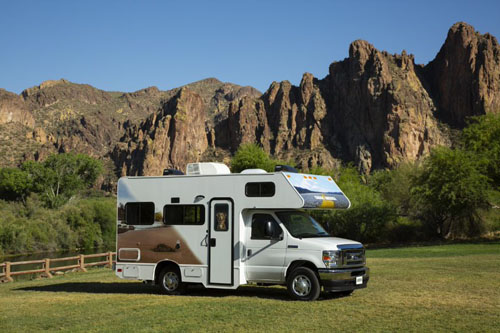
For a fantastic week-long RV trip in the Central North US, Class B Camper Vans and Class C Alcove RVs are highly recommended due to their excellent balance of maneuverability, comfort, and suitability for the region's diverse road conditions. Class B Camper Vans, like the "Active Pop Top" with its average length of 5.99 meters and sleeping for around 4 people in Bandana's fleet, offer a compact size that's easy to navigate through charming smaller towns and into state park campgrounds, yet they provide sufficient amenities for a comfortable adventure.
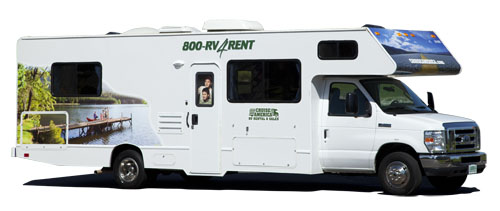
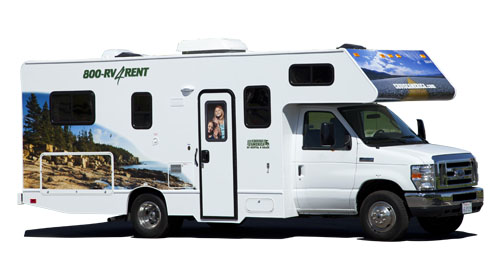
Class C Alcove RVs, such as the "cruise america rv rental example Explorer" averaging 7.1 meters in length and sleeping 4, provide more interior space, a dedicated bed over the cab, and enhanced amenities while remaining manageable to drive. These are ideal for couples or small families seeking a bit more comfort without feeling overwhelmed on the road, perfect for exploring the lakes of Minnesota or the badlands of South Dakota. No matter which Class C motorhome, camper, or caravan you choose, remember that a standard car driver's license is all you need.
Should I Choose a Compact Van Instead of a Large RV in Central North US?
For most journeys across the Central North US, choosing a larger motorhome over a compact campervan presents no significant driving issues, as the region's generally wide roads and ample parking at most attractions and campgrounds accommodate various RV sizes. While a compact van (like a Class B Camper Van such as a "Combi Van", averaging 5 meters in length) offers superior maneuverability and easier parking in denser urban areas or tight state park loops, these situations are rare concerns across the wider Central North US.
The added comfort, living space, and amenities of a larger RV, such as a Class C or Semi-integrated motorhome (like the "24' Class C Motorhome"), often outweigh the marginal maneuverability benefits for a memorable trip. In this region, where outdoor exploration and comfortable travel are primary draws, the extra room for relaxation, cooking meals (RV-friendly recipes playlist), and sleeping often enhances the overall experience without creating major driving challenges. Drive slowly and carefully, and you can drive almost anywhere without issues. No need to stress - just use common sense and pay attention.
Can I Park Anywhere? Free & Wild Camping Rules in Central North US
Generally, 'wild camping' or free overnight parking on public lands in the Central North US is more restricted than in western states, but opportunities do exist. Many states within the region, such as Michigan, Wisconsin, and Minnesota, offer dispersed camping opportunities within their extensive state forests, though these often require adherence to specific regulations or permits, so always check local guidelines.
Many businesses, including large retailers like Walmart, restaurant chains like Cracker Barrel, and some truck stops across the Central North US, frequently permit rented RVs to park overnight for free. It is always courteous and recommended to ask a manager for permission first before settling in for the night. Overnight parking on private land always requires explicit permission from the landowner, and local municipal ordinances strictly regulate parking on city streets or in residential areas. Rules vary significantly by region and specific jurisdiction - always check local regulations and follow local law before parking overnight to avoid fines or towing. For finding campsites and campgrounds during your trip, we recommend using RV PLANET (rvplan.net) – a great resource for locating available spots along your route.
Can I Drive an RV Into the City Center? Heights, Tunnels & Local Signage
Yes, you can almost always drive a rented RV or motorhome into city centers across the Central North US, with primary considerations being careful attention to local signage, especially for height limits, tunnels, and low bridges. While large-scale environmental zones with specific RV restrictions are not common for motorhomes in this region, some cities might have restricted access roads, residents-only parking, or specific height restrictions for parking garages.
Major cities like Chicago, Minneapolis, and Detroit have well-marked roads and infrastructure that generally accommodate RVs, but navigating can be challenging due to traffic and limited large vehicle parking. Always be vigilant for posted warnings about maximum vehicle height before entering tunnels or underpasses, and be prepared for limited street parking for larger RVs in bustling downtown areas. Designated RV parking or peripheral lots with shuttle services are often a more convenient and stress-free option. Drive slowly and carefully, and you can drive almost anywhere without issues. No need to stress - just use common sense and pay attention to make your city explorations worry-free.
What is the 3-3-3 rule for RV driving?
The 3-3-3 rule for RV driving is a widely adopted guideline that suggests driving no more than 300 miles a day, arriving at your destination by 3 PM, and staying for a minimum of 3 days. This rule is particularly beneficial for those taking a week-long RV rental trip in the Central North US, as it promotes a relaxed pace, minimizes driver fatigue, and allows ample time to set up camp and thoroughly explore each destination.
Following the 3-3-3 rule ensures you have sufficient daylight hours for navigating unfamiliar roads and safely setting up your rented motorhome, enhancing both safety and enjoyment. This approach is perfect when visiting the numerous state parks and scenic areas across states like Wisconsin or Michigan, giving you plenty of time to enjoy nature and local attractions without feeling rushed. It's about living the journey, not just rushing through it, which is our core philosophy at Bandana RV.
What states require RVs to stop at weigh stations near?
Most states in the Central North US, including Minnesota, Wisconsin, Michigan, Iowa, Illinois, Indiana, Ohio, North Dakota, South Dakota, Nebraska, Kansas, and Missouri, generally exempt non-commercial recreational vehicles from stopping at weigh stations. This means that for the vast majority of RV rentals, you won't need to pull over at these stations.
However, an RV is typically only required to stop if its Gross Vehicle Weight Rating (GVWR) exceeds a certain threshold that categorizes it as a commercial vehicle (usually 26,001 pounds or more) or if the weigh station signage explicitly states "All Trucks and RVs" or "All Vehicles Over X Weight." It is crucial for all RV drivers to always obey posted signs at weigh stations; if a sign specifically includes RVs or recreational vehicles, regardless of assumed exemption, stopping is mandatory. For the vast majority of weekend rv rentals in the Central North US, which fall under the commercial weight threshold, stopping at weigh stations is not a common requirement, ensuring a smoother and more efficient travel experience on your extended road trip.
What size RV can you drive without a special license?
In the Central North US, the largest motorhome you can typically drive without requiring a special license is any recreational vehicle with a Gross Vehicle Weight Rating (GVWR) under 26,001 pounds. This weight limit is consistent across most US states, simplifying licensing for many RV enthusiasts.
If a rented RV's GVWR falls below this 26,001-pound threshold, a standard Class D (or equivalent) driver's license is entirely sufficient. This includes the vast majority of rental RVs available through Bandana, from compact Class B Camper Vans (with models like the "Active Classic" averaging 5.8m in length) to larger Class C Alcove motorhomes (like the "29′ Class C Motorhome" averaging 8.8m) and many Class A Integrated RVs, all designed for recreational use. It's always prudent to confirm the specific GVWR of your chosen rental motorhome and check the most current state Department of Motor Vehicles (DMV) requirements for the states you plan to visit in the Central North US, though for a trip like this, your regular license should be perfectly adequate.
Can you sleep in an RV while driving in the USA?
No, it is generally illegal and extremely unsafe for passengers to sleep in an RV while it is in motion in the USA unless they are properly secured in a designated seat with an operational seatbelt. Most states, including those in the Central North US like Iowa and Nebraska, have seatbelt laws that require all occupants to be belted whenever the vehicle is in motion, prohibiting sleeping in beds, couches, or other areas not equipped with seatbelts.
Beyond legality, allowing passengers to sleep unsecured while driving poses a significant safety risk; in the event of a sudden stop or accident, they could be severely injured. Always ensure all passengers are safely seated and buckled up before the rented RV is put into motion, even for short distances within campgrounds. Safety is paramount on your Central North US journey, and adherence to seatbelt laws ensures peace of mind for everyone on board.
What states have banned RVs?
No states in the Central North US, or anywhere in the USA, have outright 'banned RVs' from their roads; the notion that a state would ban such a popular mode of travel is a common misconception. RV travel is a celebrated way to explore the USA, and the Central North US wholeheartedly embraces it.
However, specific local ordinances within towns, cities, or even state parks in states like Michigan or Wisconsin might restrict overnight RV parking in certain areas, particularly on residential streets or in designated 'no overnight parking' zones. These restrictions are usually related to parking capacity, noise, or public safety rather than a ban on RVs themselves, and are common in densely populated areas or protected natural spaces. Always check local signage and regulations regarding overnight parking and access before settling in for the night to ensure compliance with local laws. Planning your stops and consulting resources like RV PLANET (rvplan.net) will help you find suitable campgrounds and parking, ensuring a smooth and enjoyable RV rental experience in the Central North US.
What is the 4-4-4 rule for RV travel?
The 4-4-4 rule for RV travel is a variation of the popular 3-3-3 rule, recommending that RVers drive no more than 400 miles in a day, aim to arrive at their campsite by 4 PM, and ideally stay for at least 4 nights. This guideline is designed for slightly longer trips or for those who wish to cover a bit more ground while still maintaining a relaxed pace and thoroughly enjoying their destinations.
For an RV rental adventure in the Central North US, sticking to either the 3-3-3 or 4-4-4 rule helps ensure drivers remain fresh, have ample time to navigate and set up camp, and truly experience the region's diverse landscapes and attractions rather than spending all their time on the road. Adhering to an arrival time by 4 PM ensures you have sufficient daylight for campsite setup and allows you to explore campground amenities or nearby attractions before dark, making your travel in states like Illinois or Ohio more enjoyable.
Can you drive 600 miles in a day?
While technically possible for some drivers, driving 600 miles in a rented RV in a single day is generally not recommended for most travelers, especially for those on a vacation in the Central North US, due to significant fatigue and increased safety risks. RV travel is inherently slower than car travel due to the vehicle's size, weight, and the need for more frequent breaks, meaning 600 miles can easily translate into 10-12 hours or more of concentrated driving.
Such long distances often lead to driver exhaustion, impairing reaction times and judgment, which is especially dangerous in a larger vehicle like a Class C motorhome or Class A RV. For an extended road trip, aiming for closer to 100-150 km (approximately 60-90 miles) per day on average, or certainly no more than 200-300 miles, allows for more enjoyable stops, relaxation, and a genuine experience of the Central North US landscapes and attractions, truly embodying the spirit of RV travel. We handle the details, you live the journey.
What is the largest RV you can drive without a special license?
The largest recreational RV you can typically drive in Central North US states without requiring a special license is any vehicle with a Gross Vehicle Weight Rating (GVWR) under 26,001 pounds. This consistent federal weight limit means that a standard Class D (or equivalent) driver's license is all you need for the vast majority of motorhome rentals.
This includes popular rental options such as Class B Camper Vans (like a "Camper Van"), Class C Alcove RVs (similar to a "CA-25"), and many Class A Integrated RVs (like a "Class A - Thor ACE 30") that are specifically designed for recreational use and fall below this weight threshold. For example, a Class C motorhome like the "MHC28" has a length of 7.3m and a GVWR well within limits, allowing easy driving with a standard license. It's always prudent to confirm the specific GVWR of your chosen rented motorhome and check the most current state Department of Motor Vehicles (DMV) requirements for the states you plan to visit in the Central North US, but you'll find that most vacation RVs are accessible to standard license holders.
What states require a special RV license?
Most states in the Central North US, including Minnesota, Wisconsin, Michigan, Iowa, Illinois, Indiana, Ohio, North Dakota, South Dakota, Nebraska, Kansas, and Missouri, do not require a special license for recreational vehicles, provided their Gross Vehicle Weight Rating (GVWR) is below 26,001 pounds. A standard Class D driver's license is entirely sufficient for driving the vast majority of recreational motorhomes rented for trips in this region, including spacious Class C or Class A models.
States that generally require a special, non-commercial driver's license for larger RVs (typically those with a GVWR of 26,001 lbs or more, or exceptionally long vehicles) are primarily found outside the Central North US, such as California, New York, Texas, Pennsylvania, and Maryland. For a memorable RV rental experience in the Central North US, it is highly unlikely you will need anything beyond your standard driver's license, allowing for straightforward planning and travel. Remember, we compare final prices across 50+ suppliers so you don't have to, ensuring you find the easiest, safest, and most affordable way to rent an RV.
What You Shouldn't Miss in Central North US
- Explore the Great Lakes Shorelines: Drive along the stunning coasts of Lake Michigan or Lake Superior in Michigan and Wisconsin, discovering picturesque towns, lighthouses, and sandy beaches perfect for parking your rented RV and enjoying the view.
- Discover the Badlands and Black Hills of South Dakota: Experience the dramatic, eroded landscapes of Badlands National Park and the iconic monuments of Mount Rushmore and Crazy Horse Memorial in the Black Hills, offering incredible photo opportunities and rich history.
- Canoe the Boundary Waters in Minnesota: Combine the comfort of your motorhome with a wilderness adventure by camping at an RV-friendly site near the Boundary Waters Canoe Area Wilderness and taking a day trip into its pristine, paddle-only lakes.
- Visit the National Parks: Theodore Roosevelt National Park in North Dakota and Cuyahoga Valley National Park in Ohio offer unique natural beauty and RV-accessible campgrounds, from prairie landscapes to scenic rivers.
- Experience Midwestern Charm in Iowa and Illinois: Drive through America's agricultural heartland, visiting historical sites, farmers' markets, and enjoying the serene beauty of the vast plains and river towns.
- Looking for expert insights from Avi Bandana? Top 5 Adventures – recommendations from Avi Bandana for Central North US can help you plan your ideal route.
Final Thoughts
Embracing a rented RV adventure in the Central North US opens up a world of scenic beauty, cultural immersion, and unforgettable experiences. From the expansive plains to the serene lakes, this region invites you to slow down, explore at your own pace, and create lasting memories. With Bandana Caravan, you’re equipped with all the essential knowledge and supported by experts who genuinely care about your journey, ensuring a transparent and enjoyable rental experience.
We handle the details, so you can truly live the journey, discovering everything from bustling city centers to tranquil state parks with confidence. Whether you're traveling as a couple or with a family, the Central North US by motorhome or campervan is an accessible and rewarding way to explore a unique part of the USA.
Get inspired for your next trip! Discover top destinations, planning tips, all in one place, or plan a trip itinerary in advance with minimal effort and maximum enjoyment using RV PLANET. Your adventure in Central North US awaits!