In This Guide
- Where to Camp in North West US - Top Options
- Campground Types in North West US (National, Private, Wild)
- Featured RV Park or Campground in North West US
- Hookups & Amenities - What to Expect
- Booking Windows & Reservations in North West US
- Nearby Supermarkets & Resupply Points
- Best RV Class for Camping in North West US
- How to Save on Campgrounds in North West US
- What is the 3-3-3 rule for RVing?
- Where can I park my RV for free in the US?
- What is the 2-2-2 rule for RV?
- Can I sleep in a Walmart parking lot with my RV?
- What are the best RV parks in the Pacific Northwest?
- What is the 3-3-3 rule for RVs?
- What are the best RV campgrounds on the West Coast?
- What is the nicest RV park in the United States?
- What is the 200 rule for camping?
- What is the 4-4-4 rule for RV?
- What You Shouldn't Miss
- Why Book with Bandana Caravan
- Final Thoughts
- Frequently Asked Questions
Exploring the North West US by rented RV offers an unparalleled sense of freedom, allowing travelers to immerse themselves in diverse landscapes, from rugged coastlines to volcanic peaks and lush rainforests. Imagine yourself driving slowly, perhaps just 100-150 km per day, taking the time to feel the unique culture and natural beauty of places like Oregon, Washington, Idaho, and Montana. For live availability and current prices, start with our RV Rental North West US - Complete Guide 2026 guide.
Where to Camp in North West US - Top Options
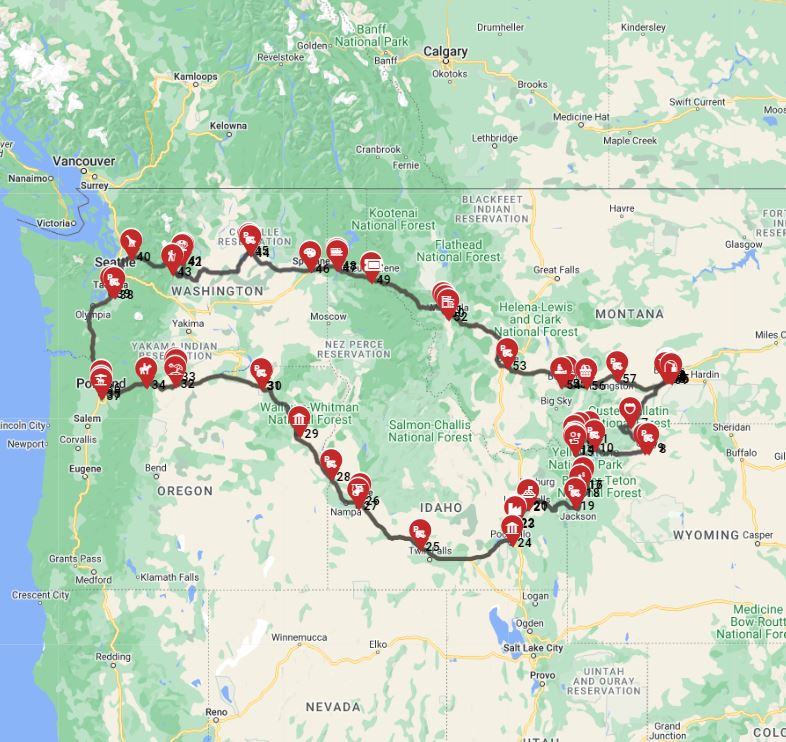
The North West US offers diverse RV camping experiences, ranging from coastal beauty to mountain wilderness and high desert, with numerous public and private campgrounds available. Popular destinations for your extended RV road trip include the iconic Olympic National Park in Washington, offering rainforests and rugged beaches; Mount Rainier National Park, with its stunning glaciated volcano; the scenic Columbia River Gorge; and the breathtaking Oregon Coast, dotted with charming state parks and national forest campgrounds. Consider the lush rainforests of Western Washington/Oregon, the dramatic volcanic landscapes of Central Oregon, or the rugged peaks of Idaho and Montana for varied adventures. Seasonal planning is vital, as certain mountain passes and higher elevation campgrounds may be inaccessible in winter, while wildfire season can impact eastern regions in late summer, so always check local conditions before setting out.
When searching for a campsite, a fantastic resource is RV PLANET (rvplan.net), which helps you locate available spots along your planned route. From the vast forests of Gifford Pinchot National Forest to the dramatic basalt cliffs of the Snake River in Idaho, there are countless places to make your temporary home on wheels. For those considering an even broader adventure, our "RV Rental USA - Complete Guide 2026" offers a comprehensive overview of motorhome travel across the entire country.
Campground Types in North West US (National, Private, Wild)
In the North West US, RVers can choose from a wide array of campground types, including National Park campgrounds, State Parks, private RV resorts, and abundant options for wild camping (also known as boondocking or dispersed camping). National and State Parks like those along the Oregon Coast often provide scenic spots with basic to partial hookups (water and electricity) and typically require reservations several months in advance, especially for peak season travel. For example, some Oregon State Parks open reservations up to 9 months ahead. Private RV parks and resorts, commonly found near popular attractions or along highways like I-5, usually offer full hookups (electric, water, and sewer), extensive amenities such as pools and Wi-Fi, and often cater to larger motorhomes. Wild camping is generally permitted on Bureau of Land Management (BLM) land and in National Forests throughout Oregon, Washington, Idaho, and Montana, where it's legal and frequently free; however, always verify local regulations and adhere to Leave No Trace principles to preserve these beautiful areas.
Featured RV Park or Campground in North West US
When selecting a fantastic RV park in the North West US, it's wise to prioritize locations that offer a balance of natural beauty, essential amenities, and proximity to regional attractions. Look for parks providing full hookups (electricity, water, sewer), clean bathhouses, laundry facilities, and dependable Wi-Fi, particularly for a comfortable week-long stay. An ideal choice might be Fort Worden Historical State Park in Port Townsend, Washington, which combines historic charm with stunning coastal views and direct access to Puget Sound, offering 50-amp full hookups and rates around $45-$60 per night. Other top-rated parks in the Pacific Northwest provide unique experiences, such as wine country access in Oregon's Willamette Valley or mountain serenity near Glacier National Park in Montana. These spots are perfect for setting up a comfortable base and enjoying local culinary delights or outdoor adventures.
Hookups & Amenities - What to Expect
RV campgrounds in the North West US typically provide a spectrum of hookups and amenities, varying from basic to luxurious, designed to suit diverse camping preferences. Most private RV parks and numerous state/national park campgrounds offer electrical connections, water, and sewer services (either a dump station or full hookups) for convenience. You'll commonly find amenities such as clean restrooms, showers, and laundry facilities, alongside picnic tables and fire rings for enjoying evenings under the stars. For example, a 24' Class C Motorhome like the one available from Bandana's partners, includes a gas stove, 90-liter refrigerator, microwave, and a 82-liter fresh water tank, ensuring a comfortable experience. While Wi-Fi and cell service can be intermittent in remote areas of the North West, many developed campgrounds do offer Wi-Fi, and it’s always a good idea to check connectivity reviews or consider a cell signal booster for reliable communication needs. If you're planning to cook many meals on board, check out our RV-friendly recipes playlist for inspiration. On the routes offered through RV PLANET routes, you can itemize and track every expense along the way for easy budgeting.
Booking Windows & Reservations in North West US
Securing an RV campsite in the North West US, especially for popular spots and longer rental periods, often requires advance planning, with booking windows opening several months ahead. For national and state parks like those in Washington or Idaho, reservations can frequently be made 6 to 12 months out, particularly for peak season (summer) and major holidays. This approach suits pre-planners who prefer everything organized. However, many national park campgrounds only release 25% to 30% of their spots for advance reservations; the remaining sites are usually first-come, first-served, offering ample opportunities for spontaneous travelers. If you're embarking on a two-week adventure or an extended road trip with a rented RV, we always recommend calling campgrounds directly before driving there. You'll almost certainly find a place-if not at the first campground, then at the next one-especially during shoulder seasons or by arriving early on a weekday.
Nearby Supermarkets & Resupply Points
Access to supermarkets and resupply points is generally convenient throughout the North West US, although options can become sparser in highly remote or mountainous regions. Major grocery chains such as Fred Meyer (Kroger), Safeway, Albertsons, and WinCo Foods are commonly found in urban and suburban areas of Oregon and Washington, offering comprehensive selections for RVers to stock up on groceries and other essentials. For those seeking more local or organic options, stores like Whole Foods, Trader Joe's, or local farmers' markets are available, especially in larger towns like Portland, Seattle, or Boise. Always plan your route to pass through towns with these stores for restocking necessities like food, water, propane, and basic RV supplies, particularly before venturing into wilderness areas such as the North Cascades or parts of Montana. Keeping track of all these expenses is easy with RV PLANET routes, which allow you to itemize and track every cost.
Best RV Class for Camping in North West US
The ideal RV class for camping in North West US depends on your trip's focus, whether you prioritize maneuverability for mountain passes or ample space for extended stays. For easy navigation on narrow roads and city streets, a Class B Camper Van, with an average length of 5.8m and a fuel efficiency of around 10 Liters/100 Km, is an excellent choice for couples or solo adventurers. They are perfect for boondocking in remote areas. A Class SI - Semi-integrated motorhome, averaging 6.9m in length with 3.8 sleeping places, offers a comfortable balance of size and amenities, suitable for small families and consuming 10-11 Liters/100 km. For families seeking more living and sleeping space, a Class C - Alcove motorhome (average 7.5m length, 5.8 sleeping places) is ideal for established campgrounds, though its larger size (10-12 Liters/100 km fuel consumption) requires more careful driving on winding mountain roads. For the most spacious and luxurious experience, a Class A - Integrated motorhome (average 7.5m length, 4.4 sleeping places) is best suited for full-hookup resorts and longer trips, but be prepared for higher fuel budgets (11-12 Liters/100 Km) and potential access limitations in some state parks.
How to Save on Campgrounds in North West US
Saving on campground fees in the North West US can significantly reduce overall RV rental costs, with several effective strategies available to savvy travelers. One excellent way is to leverage campground discount cards, which some rental companies or national associations offer, providing notable savings at participating RV parks throughout Oregon, Washington, Idaho, and Montana. Traveling during the shoulder seasons-spring (April-May) and fall (September-October)-often means lower demand and significantly reduced prices, coupled with pleasant weather and fewer crowds. Opting for municipal, county, or regional campgrounds over private RV resorts can also lead to lower rates, while often still providing excellent amenities and scenic locations. For instance, many county parks offer full hookups for around $30-$40 per night, compared to $60-$80 at private resorts. Additionally, staying for three or more nights at a single location frequently unlocks weekly rates that are more economical than nightly charges, promoting a slower, more immersive travel pace.
What is the 3-3-3 rule for RVing?
The 3-3-3 rule for RVing is a popular guideline advising RVers to travel no more than 300 miles (approximately 480 km) in a day, arrive at their destination by 3 PM, and stay for at least 3 nights. This rule is designed to promote a more relaxed, safer, and enjoyable RV trip by preventing driver fatigue, especially when navigating the diverse terrains of the North West US. Adhering to the 'arrive by 3 PM' aspect helps ensure you find an open spot, particularly for first-come, first-served campgrounds or popular areas like national parks, and allows ample daylight for comfortable setup. The 'stay for at least 3 nights' recommendation encourages a slower travel pace, reducing the stress of constant packing and unpacking, and enabling deeper immersion in your chosen destination's culture, food, and scenery.
Where can I park my RV for free in the US?
Free RV parking in the US is widely available on public lands, primarily managed by the Bureau of Land Management (BLM) and National Forests, especially prominent across the North West US. Extensive areas across eastern Oregon, Washington, Idaho, and Montana allow for dispersed camping (boondocking) for up to 14 days within a 30-day period, offering primitive but free sites. For instance, specific state forest regulations in Washington and Oregon also permit free camping in designated areas, sometimes requiring appropriate permits, differing from generic 'BLM land' guidance. Other options for temporary overnight stops include certain highway rest areas (check signage for time limits) and some retail parking lots, like Walmart, but always with explicit manager permission. Local ordinances vary widely, so it's essential to verify regulations and look for posted signs before setting up for the night.
What is the 2-2-2 rule for RV?
The 2-2-2 rule for RV travel is a simplified version of the 3-3-3 rule, suggesting drivers aim to travel no more than 200 miles (approximately 320 km) a day, stop by 2 PM, and stay for at least 2 nights. This rule is particularly beneficial for new RVers, those traveling with children, or anyone seeking an even more relaxed pace than the 3-3-3 rule provides. Stopping earlier (by 2 PM) maximizes daylight for campsite setup and allows more time for spontaneous exploration or dealing with unexpected issues, which is especially helpful when navigating the varied landscapes of the North West US. The slightly shorter daily travel distance helps reduce fatigue and makes the journey more manageable, particularly for those less accustomed to driving a larger vehicle like a Class C motorhome.
Can I sleep in a Walmart parking lot with my RV?
Sleeping in a Walmart parking lot with a rented RV is often permissible at many locations across the US, but it is crucial to always check with the specific store manager for permission upon arrival in the North West US. While Walmart's corporate policy generally allows overnight RV parking, individual store managers or local city ordinances have the final say and can override this, especially in busier urban areas or where alternative camping options are abundant. In regions of the North West, some cities or counties may have specific bans on overnight RV parking in retail lots, so verifying local regulations or looking for posted signs is essential. If granted permission, remember to park considerately away from store entrances, avoid deploying slides or outdoor furniture, and always leave the area clean to help maintain this privilege for other RVers.
What are the best RV parks in the Pacific Northwest?
The best RV parks in the Pacific Northwest are often defined by their scenic locations, excellent amenities, and proximity to unique regional attractions and outdoor activities. Top-rated parks frequently include those offering waterfront access along the stunning Oregon or Washington coasts, sites nestled within old-growth forests of national parks like Olympic, or those boasting panoramic views of iconic mountains like Mount Hood or Mount Rainier. For example, Bay Point Landing in Oregon offers luxury with ocean views, while highly-rated state parks provide closer access to nature. Beyond traditional camping, many PNW RV parks serve as excellent bases for exploring local craft breweries and wineries, discovering quirky small towns such as Leavenworth, Washington, or accessing less-traveled natural wonders like the Ape Caves in Washington. When planning your route, consider our "RV Travel Guide to North West US - Tips and Top Spots 2026" for more detailed recommendations.
What is the 3-3-3 rule for RVs?
The 3-3-3 rule for RVs is a well-regarded travel strategy that recommends driving no more than 300 miles (approximately 480 km) in a day, stopping by 3 PM, and staying at least 3 nights at each location. This guideline, identical to the '3-3-3 rule for RVing,' aims to prevent driver fatigue by limiting daily travel, ensuring safe arrival times for campsite setup, and promoting a more leisurely exploration of destinations. For extended RV rental trips in the North West US, applying this rule ensures you have ample time to navigate mountain passes, like those in the Cascades, and fully enjoy the diverse landscapes without feeling rushed. By adhering to this guideline, RVers can significantly enhance their enjoyment and safety on the road, making for a more relaxing and memorable trip.
What are the best RV campgrounds on the West Coast?
The best RV campgrounds on the West Coast, extending from the Pacific Northwest down through California, offer diverse experiences, ranging from stunning coastal bluffs to serene redwood forests and dramatic desert landscapes. In the Pacific Northwest specifically, highly-rated campgrounds often provide direct beach access, proximity to national parks like Olympic National Park or Redwood National and State Parks, and a thoughtful balance of nature with essential amenities. Many top West Coast campgrounds, whether private resorts or state parks, are situated near unique cultural experiences such as vibrant arts communities in Oregon or local food tours in Washington. When planning a West Coast RV trip, travelers should consider specific regions like the Oregon Coast for panoramic ocean views, California's Wine Country for culinary delights, or the Olympic Peninsula for lush rainforests. You can find more detailed pricing information in our "RV Rental in North West US - Prices and Best Deals 2026" guide.
What is the nicest RV park in the United States?
Identifying the 'nicest' RV park in the United States is subjective, largely depending on an RVer's personal preferences for amenities, location, and atmosphere, as luxury can mean different things to different travelers in the North West US. Many consider resorts with extensive amenities like golf courses, private beaches, gourmet dining, and concierge services as the 'nicest,' often found in popular warm-weather destinations. However, for those valuing pristine natural beauty and tranquil settings, the 'nicest' might be a highly-rated state or national park campground in the North West, offering unparalleled access to nature, such as those near Crater Lake in Oregon or Yellowstone National Park. When researching, look for parks that consistently receive high ratings for cleanliness, staff helpfulness, the quality of their hookups, and the overall experience they offer, whether it's opulent luxury or rugged charm. You can also explore our "Luxury RV Rental in North West US - Premium Prices 2026" guide for premium options.
What is the 200 rule for camping?
The 200 rule for camping, often discussed among RVers, generally refers to not traveling more than 200 miles (approximately 320 km) in a single day, a guideline that prioritizes a slower, more enjoyable pace over covering long distances. This rule, similar to the 2-2-2 rule, is particularly useful for those on an extended RV rental in the North West US, allowing more time to soak in the scenery and less time behind the wheel. By limiting daily mileage, RVers can significantly reduce stress, conserve fuel, and have more opportunities for spontaneous stops at local attractions or scenic overlooks, like a roadside berry stand or a short hike. Adhering to the 200-mile limit helps ensure a truly relaxing camping experience, allowing you to settle into your campground early and make the most of your adventure.
What is the 4-4-4 rule for RV?
The 4-4-4 rule for RV travel is a guideline suggesting travelers aim to travel no more than 400 miles (approximately 640 km) in a day, stop by 4 PM, and stay for at least 4 nights. This rule is typically adopted by more experienced RVers or those on longer journeys who want to cover more ground while still allowing ample time for setup and enjoyment at each destination. Compared to the 2-2-2 or 3-3-3 rules, the 4-4-4 allows for greater daily distances, which can be beneficial for covering larger regions of the North West US, such as traveling between national parks in Montana and the Oregon Coast. While it offers increased mileage, the rule still emphasizes arriving with daylight and committing to a longer stay, promoting a balanced approach to covering distances and experiencing locations more deeply.
What You Shouldn't Miss
- **Explore the Oregon Coast's Lighthouses**: Drive US Route 101 with your rented motorhome, stopping at historic lighthouses like Cape Meares and Heceta Head, offering breathtaking ocean views and hiking trails.
- **Hike in Olympic National Park**: Immerse yourself in the lush Hoh Rainforest or enjoy coastal hikes at Ruby Beach in Washington, experiencing some of the most biodiverse ecosystems in North America.
- **Discover Mount Rainier's Beauty**: Journey to Mount Rainier National Park to witness its stunning wildflowers in summer and expansive glacier-capped peak, with numerous scenic overlooks and accessible trails.
- **Taste Local Flavors in Portland**: Park your campervan and explore Portland, Oregon's vibrant food truck scene, craft breweries, and unique local markets. Remember to drive slowly and carefully, and you can drive almost anywhere without issues. No need to stress - just use common sense and pay attention.
- **Whitewater Raft the Salmon River**: For an adventurous twist, consider a guided whitewater rafting trip on Idaho's "River of No Return," accessible from several RV-friendly towns.
- **Witness the Grandeur of Glacier National Park**: While a bit further east, no RV trip through the North West is complete without traversing Going-to-the-Sun Road in Montana (seasonal access), offering unparalleled alpine scenery.
Looking for expert insights from Avi Bandana? Top 5 Adventures - recommendations from Avi Bandana
Final Thoughts
Embarking on an RV camping adventure in the North West US, even for shorter stays, promises an incredible experience filled with breathtaking natural beauty and unparalleled freedom. From the misty coastal redwoods to the soaring peaks of the Cascades and the stark beauty of the high desert, a rented motorhome or campervan is your ticket to exploring this diverse region at your own pace. Remember to plan thoughtfully, embrace the journey, and drive slowly to truly connect with each place you visit.
Whether you're a meticulous pre-planner or a spontaneous explorer, the North West US offers countless possibilities for an unforgettable trip. With Bandana Caravan, you have a supportive partner every step of the way, providing transparent pricing and expert insights. So, what are you waiting for? Your next great adventure is calling!
🎬 Video coming soon
Discover top destinations, planning tips, all in one place! Compare Motorhome Prices for North West US and start planning your escape today.