In This Guide
- Can You Drive an RV in West Canada? License & Age Rules
- Road Conditions & Terrain in West Canada
- RV Size Limits, Bridges & Restricted Zones
- Fuel: Diesel vs. Petrol & Cost per 100 km
- Tolls, Vignettes & Border Rules
- Driving Tips for weekly rv rental Travelers
- Recommended RV Class for West Canada Roads
- Should I Choose a Compact Van Instead of a Large RV in West Canada?
- Can I Park Anywhere? Free & Wild Camping Rules in West Canada
- Can I Drive an RV Into the City Center? Heights, Tunnels & Local Signage
- What is the best way to rent an RV for a week?
- How much does it cost to rent an RV for a week in Canada?
- Where can I rent an RV in West Canada?
- What RV is best for West Canada?
- What is a good length for an RV?
- Can you RV in West Canada in winter?
- Is it hard to drive an RV in Canada?
- What is the best month to RV in Western Canada?
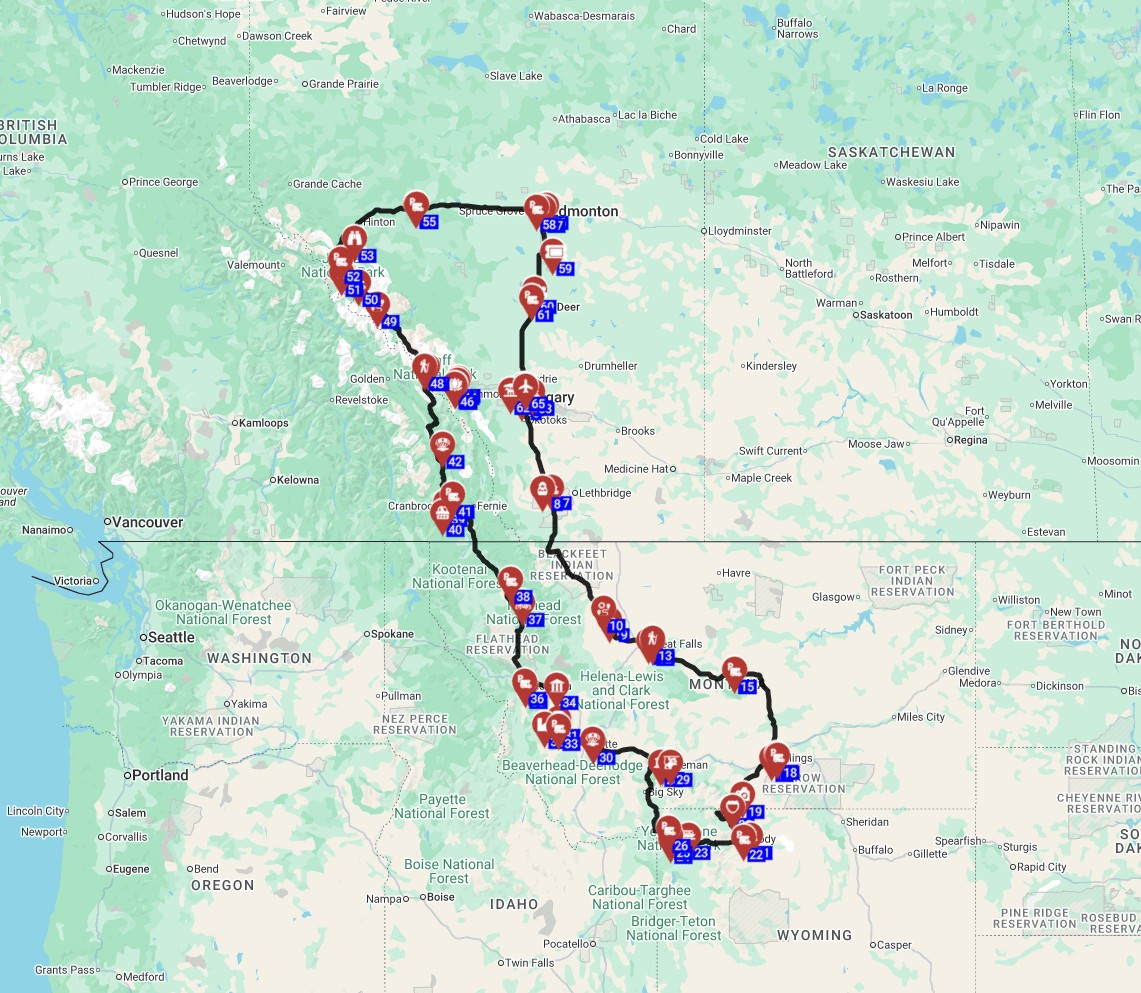
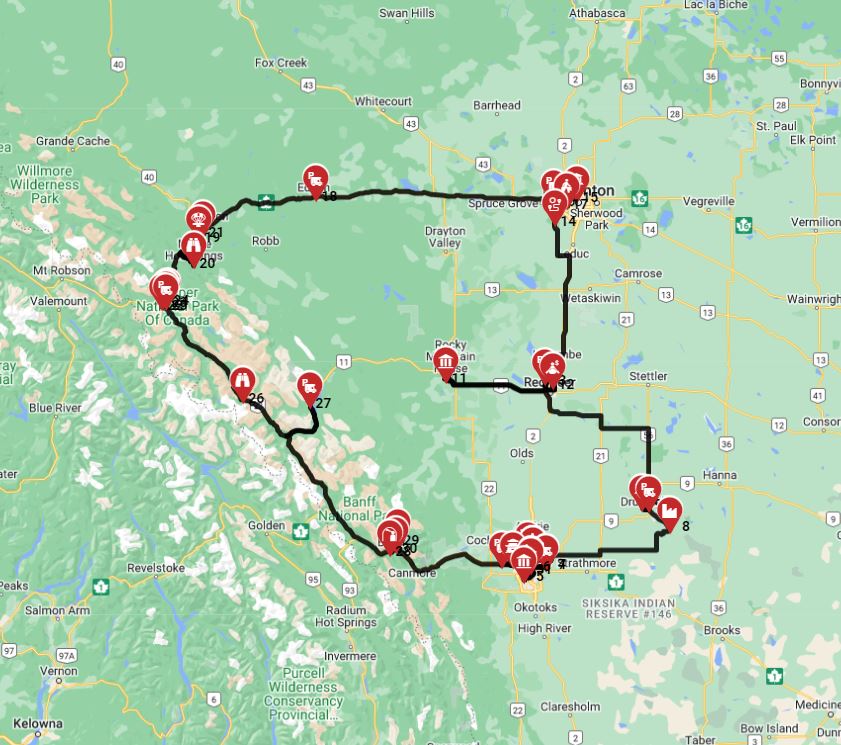
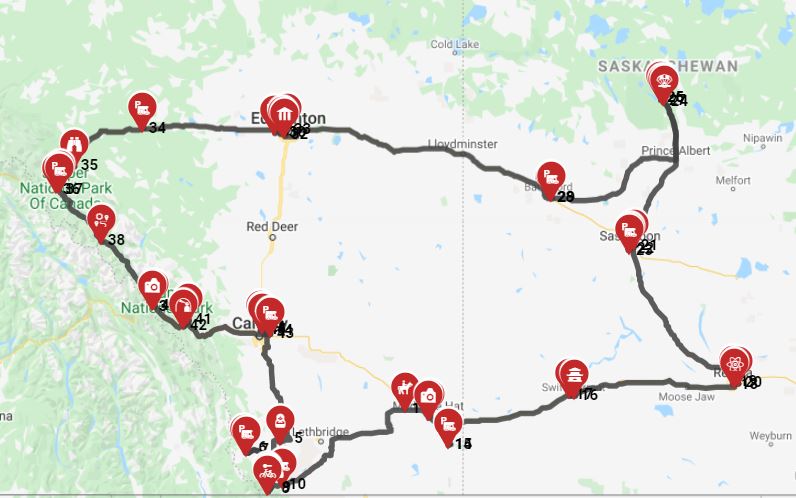
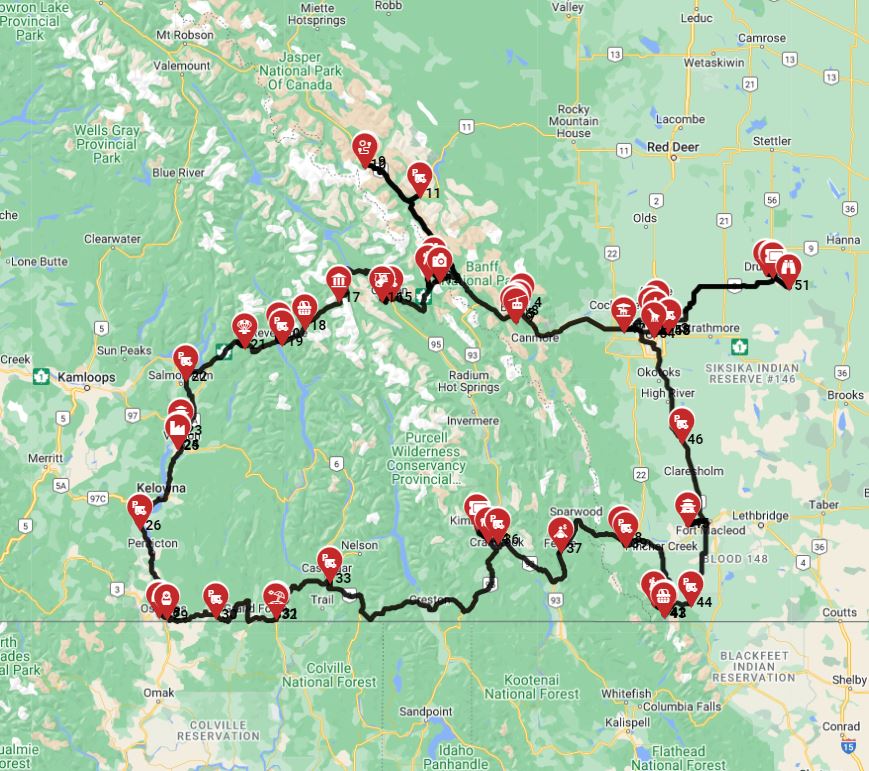
West Canada offers unparalleled natural beauty, from the majestic Rocky Mountains to the rugged Pacific coastline, making it an ideal destination for a weekly RV rental adventure. Imagine waking up to mountain views from your mobile home or parking alongside a pristine lake, ready to explore at your own pace. For live availability and current prices, start with our RV Rental West Canada - Complete Guide 2026 guide.
At Bandana Caravan, we believe in full transparency, which means no hidden fees and no surprises when you book your perfect weekly RV rental in West Canada. We want you to travel with peace of mind, knowing exactly what to expect from your adventure. We're true RV specialists, not just a side department of a larger travel agency, and our passion is helping you craft an unforgettable journey.
🎬 Video coming soon
Can You Drive an RV in West Canada? License & Age Rules
Yes, you can absolutely drive a rented RV in West Canada with a standard car driver's license, provided the vehicle meets specific weight requirements. Most recreational vehicles (RVs) available for weekly rental in Western Canada, including Class A, Class B, and Class C motorhomes, can be driven with a standard Class 5 (or equivalent) driver's license, as long as their gross vehicle weight (GVW) is under 11,000 kg (approximately 25,000 lbs).
The minimum age for RV rentals in West Canada is 21 years old across all motorhome classes, with no young driver surcharges or age-based vehicle restrictions. Foreign drivers must present a valid driver's license from their home country; if it's not in English, an International Driving Permit (IDP) is recommended for easy verification, though not always mandatory. A higher license class (e.g., Class 1-4) is generally not required for standard weekly rental RVs but is necessary for very large commercial vehicles or combinations exceeding the 11,000 kg threshold. We're here to support you before your booking with any licensing questions, ensuring you're confident and prepared.
Road Conditions & Terrain in West Canada
West Canada boasts well-maintained paved highways, yet RVers will encounter diverse terrain ranging from flat prairies to challenging mountain passes and sometimes unpaved gravel roads leading to scenic routes or remote camping. Mountain passes in British Columbia and Alberta, such as the Coquihalla Highway or the Trans-Canada Highway through the Rockies, feature steep grades and winding roads. These conditions require careful driving, appropriate gear selection, and effective engine braking to ensure safety, especially when descending from elevations like the 1,244-meter Coquihalla Summit.
Many provincial parks, recreation sites, and boondocking locations are accessed via Forest Service Roads (FSRs), which are often gravel, narrower, and may have potholes or washboarding. This necessitates slower speeds and increased caution, typically around 30-50 km/h. Encourage slower, scenic driving, averaging a maximum of 100-150 km per day, to fully appreciate the stunning landscapes and account for wildlife crossings, especially at dawn and dusk. Always remember, just drive slowly and carefully, and you can drive almost anywhere without issues. No need to stress - just use common sense and pay attention.
RV Size Limits, Bridges & Restricted Zones
While major highways in Western Canada generally accommodate all RV sizes, specific restrictions may apply to length, height, or weight on certain secondary roads, in national/provincial parks, or when utilizing ferries. Always pay attention to posted signage for height clearances, especially for tunnels, underpasses, and older city infrastructure, as many RVs are too tall for multi-story parking garages. Weight limits on smaller bridges also require vigilance.
BC Ferries, essential for island travel to places like Vancouver Island, categorize vehicles by length and require advance booking for RVs. Costs increase significantly for longer vehicles; for example, a 7.5-meter RV will cost more than a 6-meter campervan. Environmental zones are not widely implemented for RVs in Western Canada, but always check local regulations for specific municipalities or protected areas that might have vehicle restrictions. Consulting resources like RV PLANET (rvplan.net) for detailed route planning can help identify any such limitations before you travel, ensuring a seamless weekly RV rental experience.
Fuel: Diesel vs. Petrol & Cost per 100 km
Most modern weekly rental RVs in Western Canada operate on diesel fuel, which is widely available at gas stations across the region, including in many smaller towns. For example, a Class C motorhome like the "cruise america rv rental example Explorer" has a 2.5 Liter Turbo diesel engine with a 75 Liter fuel tank.
Based on Bandana's global fleet averages, Class SI (Semi-integrated) and Class C RVs typically consume 10-12 Liters/100 km, while Class B Camper Vans average 8-10 Liters/100 km. Larger Class A units can range from 11-17 Liters/100 km. To estimate cost, if diesel averages $1.90/Liter, a Class SI RV consuming 11 Liters/100 km would cost approximately $20.90 CAD per 100 km (11L * $1.90/L), making fuel a significant budget consideration for your weekly RV rental. Some RV rental packages may offer fuel discount cards, which can provide cost savings on longer weekly trips in Western Canada. When planning your budget, remember that RV PLANET routes allow you to itemize and track every expense along the way for easy budgeting, which can be invaluable for managing fuel and other ancillary costs. On the routes offered through RV PLANET routes, you can itemize and track every expense along the way for easy budgeting.
Tolls, Vignettes & Border Rules
Western Canada does not utilize vignettes, and major highway tolls are largely absent, making road trips straightforward without needing to pre-purchase passes. Specific bridges or tunnels may have localized fees, which are typically easy to pay on-site using cash or card, such as the Golden Ears Bridge in Metro Vancouver. This simplifies budgeting for your weekly RV rental, as you won't encounter unexpected fees for general road usage.
For weekly RV rental travelers entering from the U.S., border crossing involves presenting valid passports, vehicle registration, and rental agreements for all occupants. Specific rules on prohibited items are important to follow; these include firearms, certain agricultural products (like fresh produce, meat, and dairy), and even some over-the-counter medications that might be restricted in Canada. To ensure a smooth border crossing, declare all goods, be prepared for questions regarding your travel plans and duration, and always adhere to Canadian import regulations. While not common for RVs in this region, rental companies like Bandana sometimes offer options to pre-purchase toll passes for other regions, minimizing the risk of fines.
Driving Tips for weekly rv rental Travelers
For weekly RV renters in Western Canada, safe driving in mountain terrain means utilizing lower gears on descents to engine brake and prevent overheating brakes, and being prepared for slower speeds on ascents. Roads like the Trans-Canada Highway through the Rockies require careful attention to grade signs, and maintaining a safe distance from other vehicles is crucial, especially with a larger RV. Remember to travel slowly, averaging a maximum of 100-150 km per day, allowing ample time to enjoy the scenery.
Wildlife awareness is paramount; drive defensively, particularly at dawn, dusk, and night, as animals like deer, elk, and bears can be prevalent on or near roads. Maintain safe distances, never feed wildlife, and carry bear spray ethically and know how to use it. Emergency preparedness is also vital: carry an emergency kit, extra water, and a first-aid kit. Learn basic troubleshooting for common RV issues like flat tires or power loss, especially when traveling in remote areas with limited cell service. For example, a typical Class C motorhome like the "MHC24" can have a 150 Liter fresh water tank and 200 Liter fuel tank, offering good self-sufficiency for remote stops. Connectivity solutions are important too; recognize that cellular service can be spotty in remote parts of Western Canada, so consider carrying a satellite communication device or a cell booster for safety and connectivity. Finally, practice Leave No Trace principles rigorously, packing out all waste, respecting wildlife, and staying on designated routes to protect Western Canada's sensitive ecosystems.
Recommended RV Class for West Canada Roads
For a weekly RV rental in Western Canada, a Class SI - Semi-integrated RV or a Class B - Camper Van offers an excellent balance of comfort, maneuverability, and fuel efficiency suitable for diverse road conditions. Class SI - Semi-integrated RVs, with an average length of 6.9 meters, provide ample living space and amenities for small families or couples, while still being manageable on mountain roads and in smaller towns. These include features like a shower and toilet, ensuring a comfortable journey. For insights into pricing for various types, explore "Weekly RV Rental in West Canada - Pricing 2026".
Class B - Camper Vans, averaging 5.8 meters in length, are ideal for solo travelers or couples seeking greater agility, easier parking, and better fuel economy (typically 8-10 Liters/100 km) for navigating both scenic routes and some tighter spots. While larger Class C - Alcove and Class A - Integrated RVs are also suitable for highways, their increased length (around 7.5m) and weight may require more cautious driving on winding mountain passes and could limit access to some smaller campgrounds or challenging unpaved roads. With 24/7 support for pre-booking and booking, Bandana Caravan can help you compare different vehicle classes to find the perfect fit for your West Canada adventure.
Should I Choose a Compact Van Instead of a Large RV in West Canada?
Choosing between a compact van (Class B Camper Van) and a larger RV (Class C or SI) for a weekly rental in Western Canada largely depends on your priorities for space, maneuverability, and group size, as most roads can accommodate larger vehicles without issues. Compact vans like the "Combi Van," typically around 5 meters long with a 60 Liter fresh water tank, excel in ease of driving, parking, and navigating tighter spots, making them ideal for urban exploration or for accessing more remote, unpaved campsites with length restrictions.
Larger RVs, such as a Class C Alcove motorhome like the "24' Class C Motorhome" which is 7.46 meters long and sleeps 5, offer significantly more indoor living space, greater storage, separate sleeping areas, and typically larger bathrooms and kitchens, which are a considerable comfort advantage for longer trips or families. While a compact van offers better fuel efficiency and agility, the added comfort and amenities of a larger RV often outweigh the minor maneuverability challenges on Western Canada's generally RV-friendly road network, especially for a week-long trip. Drive slowly and carefully, and you can drive almost anywhere without issues. No need to stress - just use common sense and pay attention. If you're looking for luxury options, consider "Luxury RV Rental in West Canada - Premium Prices 2026".
Can I Park Anywhere? Free & Wild Camping Rules in West Canada
In Western Canada, free and wild camping (also known as boondocking or dispersed camping) is generally permitted on vast tracts of Crown Land, particularly along Forest Service Roads (FSRs) in British Columbia and Alberta, but it is typically restricted or prohibited within national and provincial parks. Campers on Crown Land must be self-sufficient, practice strict Leave No Trace principles, and ensure they are not on private property or within designated protected areas where overnight parking is prohibited. Always be prepared to carry out all your waste and leave no trace of your stay.
Regulations vary by region; some municipalities have 'no overnight parking' bylaws, and specific FSRs may have temporary fire bans or camping restrictions, so always check local signage and official provincial resources (e.g., BC Recreation Sites and Trails, Alberta's Public Land Use Zones) before settling in. While free camping is a fantastic way to save on costs, prioritizing designated campgrounds for services like fresh water and dump stations is often a wise choice, particularly if you're planning on cooking meals in your RV and need to manage waste. You can find many great meal ideas on our RV-friendly recipes playlist. Rules vary by region - check local regulations and follow local law before parking overnight, prioritizing designated campgrounds for services and security. We also offer top-level deductible reimbursement as an optional upgrade for added peace of mind on your travels.
Can I Drive an RV Into the City Center? Heights, Tunnels & Local Signage
Yes, you can generally drive a rented RV into most city centers in Western Canada, as main thoroughfares are designed to accommodate larger vehicles, though parking and navigating tight urban streets require heightened awareness. Always pay close attention to local signage, especially for height restrictions on parkade entrances, tunnels, and underpasses, as most RVs are too tall for multi-story parking garages. Some larger RVs, like a Class A motorhome "Class A - Thor ACE 30" with a height of 3.66m, would find many city parking garages inaccessible.
Be aware of local traffic regulations, including potential restrictions on certain streets for large vehicles or residential parking zones, particularly in historic or densely populated areas. While driving in cities like Vancouver, Calgary, or Edmonton is feasible, consider parking your RV on the outskirts or at a dedicated RV park and using public transportation or ride-sharing services for easier urban exploration. This approach allows you to experience city attractions without the stress of maneuvering a larger vehicle in heavy traffic. Drive slowly and carefully, and you can drive almost anywhere without issues. No need to stress - just use common sense and pay attention.
What is the best way to rent an RV for a week?
The best way to rent an RV for a week in Western Canada is to use a reputable comparison platform like Bandana Caravan, which offers a wide selection of vehicles from over 50 leading RV suppliers worldwide, including trusted partners like El Monte, Cruise America, Apollo, and Britz. Begin by defining your needs: consider the number of travelers (a "MH2 - IDUNN" campervan is ideal for 2, while a "MHC30" Class C motorhome sleeps 9), desired amenities, and preferred RV class (e.g., Class B for nimble travel, Class C for family comfort) to narrow down options. You can compare Motorhome Prices for West Canada easily on our platform.
Book well in advance, especially for peak season (July-August), to secure your preferred vehicle and potentially better rates; booking 3 months ahead can save you up to 25% on peak rates. A weekly rental offers flexibility to explore diverse regions at a leisurely pace, adhering to our recommendation of traveling max 100-150 km per day. Thoroughly review the rental agreement, insurance options (including our optional top-level deductible reimbursement), and included mileage. We provide 24/7 support before, during, and after your booking to ensure a smooth planning process. We're true RV specialists, ready to assist you every step of the way.
How much does it cost to rent an RV for a week in Canada?
The cost to rent an RV for a week in Western Canada typically ranges from $1,000 to $2,500 CAD, varying significantly based on the RV class, time of year, rental duration, and included amenities. Compact Class B Camper Vans, such as a "Combi Van" which might start around $150 CAD/day, are generally the most affordable for a "Weekly RV Rental in West Canada - Pricing 2026", while larger Class C Alcoves or Class A Integrated RVs, especially those with luxury features, will be at the higher end, easily reaching $350+ CAD/day in peak season.
Beyond the dynamic base rental fee, budget for additional costs such as fuel (expect $20-30 CAD per 100 km), campground fees ($30-70 CAD per night), optional insurance upgrades, mileage overages, propane, and potentially cleaning or preparation fees. For finding the cheapest weekly RV rental, consider traveling during shoulder seasons (late spring or early fall) when prices are lower, opting for an RV with better fuel efficiency, planning meals to cook in the RV using your kitchen (check our RV-friendly recipes playlist for ideas!), and researching free camping (boondocking) options on Crown Land where permissible. Remember, prices are dynamic like flight tickets, changing daily based on availability and seasonality, with the final price set at actual booking time.
Where can I rent an RV in West Canada?
You can rent an RV in Western Canada from major cities like Vancouver, Calgary, and Edmonton, as these locations offer the widest selection of vehicles and convenient access to popular touring routes. For instance, Vancouver is a prime starting point for coastal adventures, while Calgary is perfect for launching into the Rocky Mountains. Online platforms like Bandana Caravan connect renters directly with private RV owners and major suppliers across British Columbia, Alberta, and Saskatchewan, offering a diverse fleet beyond traditional rental company options.
Look for rental depots near international airports for convenient pick-up upon arrival, or consider smaller towns for a more localized experience and potentially unique RV options. Always verify pick-up and drop-off locations, explore one-way rental options if your itinerary requires it (for example, renting in Vancouver and dropping off in Calgary, though a fee may apply), and confirm the specific availability of RV classes in your desired starting region. For an in-depth look, consult our "One-Way RV Rental in West Canada - Price Guide 2026". We compare final prices across 50+ suppliers so you don't have to, ensuring full transparency in your booking.
What RV is best for West Canada?
The best RV for Western Canada depends on your travel style, group size, and desired balance between comfort and maneuverability, with Class SI - Semi-integrated and Class B - Camper Vans often being top choices for weekly rentals. Class SI RVs, averaging 6.9 meters in length, offer a great compromise, providing comfortable living spaces and amenities for small families while remaining manageable on winding mountain roads. These are excellent for couples or small families, fitting well into many provincial park campgrounds.
Class B Camper Vans, averaging 5.8 meters in length, are ideal for couples or solo adventurers seeking ease of driving, better fuel economy, and access to more secluded campsites or urban areas. For example, a "rv rental denver example Category Van" is a small RV ideal for a couple with a shower and toilet. For larger families or those prioritizing luxurious space and amenities, Class C - Alcove or Class A - Integrated RVs (average 7.5m+) are excellent, provided drivers are comfortable with their larger footprint on mountain passes and in crowded areas. Remember, you can drive almost anywhere without issues – just take your time. You can compare options for "Family RV Rental in West Canada - Pricing Guide 2026" through Bandana Caravan, your true RV specialists.
What is a good length for an RV?
A good length for an RV in Western Canada typically falls between 5.5 meters (18 feet) and 7.5 meters (25 feet) for weekly rentals, offering a balanced blend of interior comfort and ease of driving on diverse terrain. Shorter RVs, such as Class B Camper Vans (averaging 5.8m), are highly maneuverable, easier to park, and more fuel-efficient, making them ideal for navigating city streets and tight campground spots, especially if your itinerary includes urban stops in places like Vancouver or Calgary.
Medium-length RVs, like Class SI Semi-integrated models (averaging 6.9m), provide a comfortable amount of living space and amenities without being overly challenging to drive on Western Canada's highways and mountain passes. For example, the "2 Berth Tamar" is a Class SI RV of medium size, ideal for a couple. While longer RVs (7.5m and above) offer more spacious interiors, they can be more cumbersome on winding roads, in crowded areas, and may incur higher ferry fees; however, they are perfectly suitable for highway travel, especially for longer, more relaxed routes. Our goal is to make RV travel accessible and joyful for everyone, so we help you find the right size for your journey.
Can you RV in West Canada in winter?
Yes, you can RV in Western Canada in winter, offering a unique and often serene experience, but it requires specific preparation, a winterized rental RV, and careful route planning due to challenging conditions. Many RVs are equipped with insulation, heated tanks, and furnaces for colder temperatures, but it's crucial to confirm with your rental provider that the vehicle is specifically 'winterized' and suitable for sub-zero conditions before booking.
Expect snowy and icy road conditions, especially in mountain passes, necessitating vehicles with appropriate tires (winter or M+S rated) and potentially requiring chains for certain routes. Some roads, particularly high mountain passes in national parks, may even close seasonally due to heavy snowfall or avalanche risk. While many private campgrounds close, some national and provincial parks offer winter camping, often with limited services; planning for reduced daylight hours and limited amenities is crucial for a safe and enjoyable trip. For instance, a "2 Berth Hi Top" is listed as Winter Ready. Always remember, God is in the small details, and we take care of them, helping you prepare for all conditions.
Is it hard to drive an RV in Canada?
Driving an RV in Western Canada is generally not hard for experienced drivers, but it does require increased awareness and a cautious approach, especially when navigating mountain passes or unpaved roads. The main challenges include the vehicle's larger size, which affects braking distances, turning radius, and parking, as well as the need for careful gear management on steep inclines and descents. However, Canadian roads are well-maintained, and many RVs are equipped with automatic transmissions for easier handling.
Road conditions are excellent on major highways, but you'll encounter diverse terrain from flat plains to winding mountain roads, sometimes with wildlife present, requiring constant vigilance. With practice, patience, and adherence to safe driving practices tailored for larger vehicles, most drivers will find weekly RV travel in Western Canada a rewarding and manageable experience. Remember the golden rule: drive slowly and carefully, and you can drive almost anywhere without issues. No need to stress - just use common sense and pay attention. If you're looking for expert insights, check out our "RV Travel Guide to West Canada - Tips and Top Spots 2026" for more helpful advice.
What is the best month to RV in Western Canada?
The best month to RV in Western Canada is typically July or August for peak summer weather and full accessibility to all attractions and campgrounds, though the shoulder seasons (June and September) offer a quieter experience with beautiful conditions. July and August provide the warmest temperatures, longest daylight hours (up to 16 hours in Calgary in July), and ensure all roads, trails, and seasonal attractions, like national park visitor centers, are fully open and operational. This is the ideal time for exploring high mountain passes and enjoying water activities.
June is ideal for experiencing lush green landscapes, powerful waterfalls from snowmelt, and potentially fewer crowds before the peak summer rush, while offering good weather for outdoor activities. September boasts stunning fall foliage, particularly in the Rockies and Okanagan Valley, cooler temperatures perfect for hiking, and significantly reduced crowds, making it excellent for a more tranquil weekly RV adventure. While it might be tempting to chase a "RV Rental Deals in West Canada - Latest Offers 2026", consider the season for the best experience. Planning a trip itinerary in advance with minimal effort and maximum enjoyment is key to a successful journey.
What You Shouldn't Miss
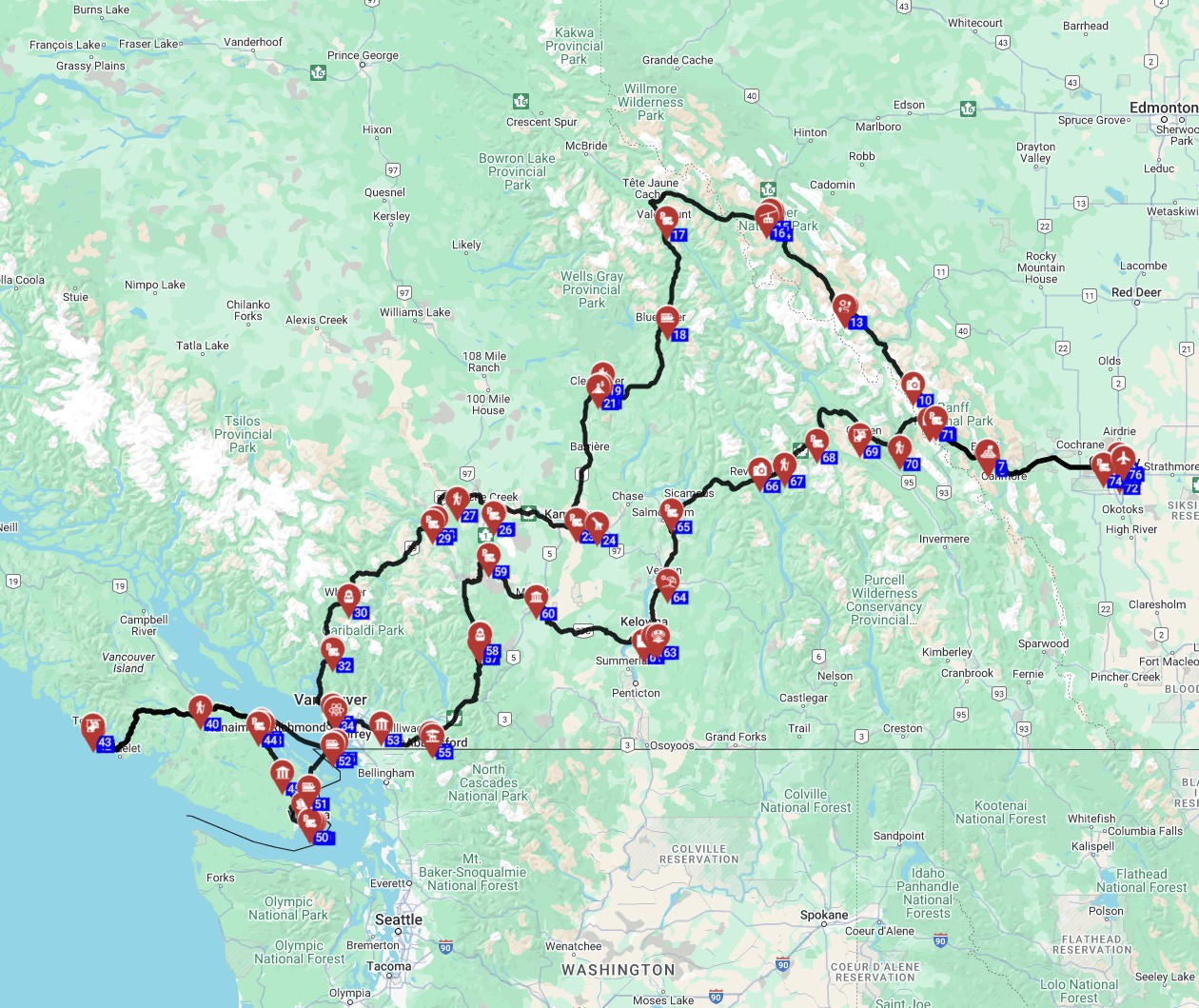
- Drive the Icefields Parkway: This 232 km (144 mile) scenic highway connects Banff and Jasper National Parks, offering glacier views, turquoise lakes, and abundant wildlife. It's truly an iconic experience.
- Explore Banff National Park: Canada's first national park boasts stunning mountain vistas, the iconic Lake Louise, and plentiful hiking opportunities. Tunnel Mountain Campground offers great amenities.
- Experience Vancouver Island: Take a BC Ferry to Victoria and explore the charming capital, then head to Tofino for wild Pacific Ocean beaches and rainforest hikes.
- Wander through Jasper National Park: Visit Maligne Lake and Spirit Island, or brave the Glacier Skywalk. Don't forget to look up at night, as it's the world's second-largest Dark Sky Preserve!
- Discover the Okanagan Valley: Enjoy the warm climate, sandy beaches, and numerous wineries around Kelowna and Penticton, perfect for a relaxing RV stop.
- Journey through Alberta's Badlands: Head to Dinosaur Provincial Park, a UNESCO World Heritage site, for an otherworldly landscape and incredible dinosaur fossil discoveries.
Looking for expert insights from Avi Bandana? Top 5 Adventures - recommendations from Avi Bandana.
Final Thoughts
A weekly RV rental in West Canada offers an incredible opportunity to immerse yourself in some of the world's most breathtaking landscapes, from the serene beauty of national parks to vibrant city experiences. With the right preparation and a comfortable mobile home, you're set for an adventure that combines flexibility, comfort, and unforgettable memories. Remember to embrace slow travel, allowing yourself to truly connect with the culture, food, and scenery of each destination.
At Bandana Caravan, we're here to make your journey as smooth and enjoyable as possible. With our commitment to full transparency, expert advice as true RV specialists, and unwavering support before and after your booking, you can embark on your West Canada road trip with confidence. Imagine the freedom of the open road, the joy of discovery, and the comfort of your rented RV.
Ready to plan your escape? Discover top destinations, planning tips, all in one place! Find weekly rv Rentals in West Canada now and start dreaming up your perfect itinerary.