In This Guide
- Can You Drive an RV in Dusseldorf? License & Age Rules
- Road Conditions & Terrain in Dusseldorf
- RV Size Limits, Bridges & Restricted Zones
- Fuel: Diesel vs. Petrol & Cost per 100 km
- Tolls, Vignettes & Border Rules
- Driving Tips for weekly rv rental Travelers
- Recommended RV Class for Dusseldorf Roads
- Should I Choose a Compact Van Instead of a Large RV in Dusseldorf?
- Can I Park Anywhere? Free & Wild Camping Rules in Dusseldorf
- Can I Drive an RV Into the City Center? Heights, Tunnels & Local Signage
- What do I need to drive my motorhome in Germany?
- How long can I stay in Europe in my motorhome?
- Are RVs allowed in Germany?
- Can you sleep anywhere in a campervan in Germany?
- What do I need to drive a motorhome in Germany?
- Can you get temporary RV insurance?
- How much is insurance on a $200,000 RV?
Can You Drive an RV in Dusseldorf? License & Age Rules
A standard Category B driving license is sufficient for RVs up to 3,500 kg (7,700 lbs) in Germany, covering most camper vans and smaller semi-integrated models. For RVs between 3,500 kg and 7,500 kg, a Category C1 license is required, which applies to many larger semi-integrated, alcove, and integrated models. The minimum driver age for renting an RV in Dusseldorf is typically 21, with some rental companies requiring drivers to be 25 for larger vehicles and possess a minimum of 1-3 years of driving experience. Non-EU/EEA license holders usually need an International Driving Permit (IDP) presented alongside their valid national driver's license.
Road Conditions & Terrain in Dusseldorf
Dusseldorf and the surrounding North Rhine-Westphalia region boast excellent, well-maintained asphalt roads, providing a comfortable and smooth experience for RV travelers. The terrain around Dusseldorf is predominantly flat or gently rolling, especially along the scenic Rhine River, making it ideal for relaxed RV cruising without challenging inclines. While urban areas may present denser traffic, major routes and access roads are generally wide enough to accommodate RVs of various sizes. Exploring the region outside the city offers picturesque drives through varied landscapes, encouraging a slower pace to fully appreciate the scenery.
RV Size Limits, Bridges & Restricted Zones
Dusseldorf operates an 'Umweltzone' (environmental zone) covering its city center, where only vehicles displaying a valid green environmental sticker (Grüne Plakette) are permitted entry. Most modern rental RVs provided for weekly rentals in Dusseldorf typically meet the necessary emission standards for a green sticker; renters should confirm this with their provider. Drivers must consistently pay attention to specific local signage for height and weight restrictions, particularly regarding low bridges, tunnels, and restricted access roads, especially when venturing into older town areas. General road infrastructure in Germany is well-suited for RVs, with clear signage indicating any limitations on vehicle dimensions.
Fuel: Diesel vs. Petrol & Cost per 100 km
The vast majority of rental RVs in Dusseldorf and throughout Germany run on Diesel fuel, which is readily available at numerous service stations. Based on Bandana's local fleet data for Dusseldorf, Class B - Camper Vans typically consume 11-15 Litres per 100km, Class SI - Semi-integrated RVs average 9-13 L/100km, Class C - Alcove RVs are generally 10-14 L/100km, and Class A - Integrated RVs range from 9-14 L/100km. Factoring current fuel prices, an estimated cost per 100 km for an RV trip would typically range from €15 to €25, varying based on the specific RV model and individual driving habits. While some rental companies may offer fuel discount cards, it's advisable to budget for fuel as a significant component of your weekly RV rental expenses. On the routes offered through RV PLANET routes, you can itemize and track every expense along the way for easy budgeting.
Tolls, Vignettes & Border Rules
Private RVs under 7.5 tonnes (7,500 kg) are generally exempt from tolls on Germany's federal highways (Autobahnen), making domestic RV travel largely toll-free. Tolls specifically apply to heavy goods vehicles (HGVs) over 7.5 tonnes in Germany, so only exceptionally large rental RVs might be affected. When planning international trips from Dusseldorf, such as to Austria or Switzerland, RV travelers will need to purchase a 'vignette' (a road tax sticker) for highway use in those countries. Some rent-motorhome providers may offer options for pre-purchasing toll passes for neighboring countries, which can streamline cross-border travel and help avoid potential fines.
Driving Tips for weekly rv rental Travelers
Always adhere to posted speed limits; while some sections of the German Autobahn have advisory speed limits, many areas, especially around cities like Dusseldorf, have mandatory limits. Germany drives on the right-hand side of the road, and overtaking is strictly permitted only on the left. Consider using an RV-specific GPS system that allows input of vehicle dimensions to help navigate around potential height, weight, or environmental zone restrictions. Familiarize yourself with common German road signs, including those indicating environmental zones, no parking areas, and specific vehicle restrictions. For weekly family RV trips, planning frequent stops every 2-3 hours at well-equipped rest areas is recommended to ensure comfort and prevent driver fatigue.
Recommended RV Class for Dusseldorf Roads
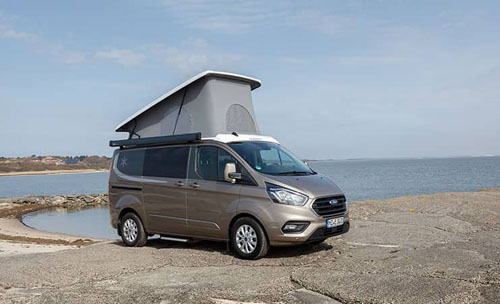
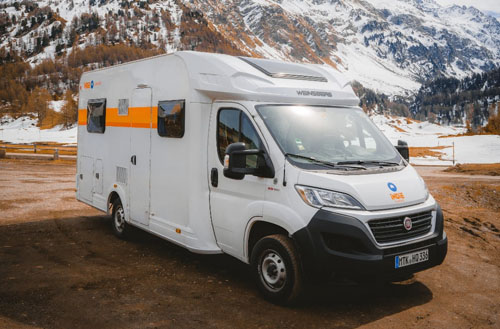
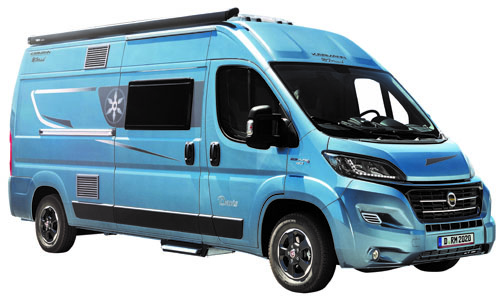
For navigating Dusseldorf and exploring the surrounding Rhineland on a weekly rental, Class B - Camper Vans and Class SI - Semi-integrated RVs are highly suitable. Class B - Camper Vans, with an average length of 5.7 meters (according to Bandana's local fleet data), offer superior maneuverability for urban environments and easier parking in most areas. Class SI - Semi-integrated RVs, averaging 7.1 meters in length (per Bandana's local fleet data), strike an excellent balance between spacious living and comfortable driving on Germany's well-maintained road network. Both recommended classes provide ample comfort and amenities for 2-4 adults, making them ideal for a week-long RV adventure without feeling overly cumbersome.
Should I Choose a Compact Van Instead of a Large RV in Dusseldorf?
While a compact camper van (such as a Class B) offers undeniable advantages in terms of urban maneuverability and fitting into tighter parking spaces, most RV sizes can be comfortably driven on Dusseldorf's main roads without significant issues. The primary consideration for a weekly rental typically revolves around balancing interior comfort and living space against the slight increase in parking effort or navigation through very narrow, historic city centers. For many weekly travelers, the added comfort of a larger RV (like a Semi-integrated or even an Alcove) with separate sleeping areas, a full kitchen, and a dedicated bathroom often outweighs the minor parking challenges. Choose a compact van if your itinerary prioritizes extensive city center driving and a minimal footprint; otherwise, opting for a larger RV generally offers a more comfortable and amenity-rich experience for your week-long trip. For ideas you can prep on the road, watch our RV-friendly recipes playlist on YouTube.
Can I Park Anywhere? Free & Wild Camping Rules in Dusseldorf
Wild camping, or parking overnight outside of designated campgrounds or Stellplätze (motorhome parking spots), is generally illegal across Germany, including the Dusseldorf region. A single overnight stay for the purpose of 'recovery of driving fitness' (i.e., sleeping to avoid driver fatigue) is usually tolerated in public parking areas or rest stops, provided no 'camping' activities (awnings, chairs outside, cooking) are undertaken. Düsseldorf and its surroundings offer numerous well-equipped Stellplätze, which are often free or low-cost and provide essential services like water and waste disposal. For more comprehensive facilities and a full camping experience, there are many excellent full-service campgrounds available for booking. Rules vary by region — always check local regulations and follow local law before parking overnight.
Can I Drive an RV Into the City Center? Heights, Tunnels & Local Signage
Yes, it is generally possible to drive an RV into Dusseldorf's city center, but drivers must exercise caution and adhere strictly to local signage. Düsseldorf's city center is designated as an 'Umweltzone' (environmental zone), meaning all vehicles, including RVs, require and must display a valid green environmental sticker (Grüne Plakette) for entry. Drivers should pay close attention to signs indicating height restrictions for underpasses or tunnels, weight limits, and 'residents-only' parking zones, which can be found in older or more congested areas. While main arterial roads leading into the city are typically RV-friendly, parking directly within the core downtown can be challenging for larger vehicles, making peripheral parking and utilizing public transport often a more convenient option.
What do I need to drive my motorhome in Germany?
To legally drive a motorhome in Germany, you need a valid Category B driver's license for vehicles up to 3,500 kg, or a Category C1 for those between 3,500 kg and 7,500 kg. Non-EU/EEA drivers must carry their national driver's license accompanied by an International Driving Permit (IDP) or a certified German translation. Your motorhome must possess and display a green environmental sticker (Umweltplakette) to enter designated environmental zones, including Dusseldorf's city center. It is mandatory to carry your vehicle's registration documents (provided by the rental company) and proof of insurance while driving.
How long can I stay in Europe in my motorhome?
Non-EU citizens can generally stay within the Schengen Area, which includes Germany and 25 other European countries, for a maximum of 90 days within any 180-day period using a standard tourist visa. This '90/180-day rule' applies regardless of your mode of travel, including motorhome tours, and it's strictly enforced upon entry and exit. For longer stays exceeding 90 days, you would typically need to apply for a specific long-stay visa or residency permit from an individual Schengen country, which is a more complex process. While internal border checks within the Schengen Area are minimal, your passport will be stamped upon entry and exit to monitor your compliance with the duration limits.
Are RVs allowed in Germany?
Yes, RVs are absolutely allowed and are an exceptionally popular mode of travel and holidaymaking throughout Germany, including the Dusseldorf region. Germany boasts a highly developed infrastructure specifically catering to motorhome tourism, featuring an extensive network of well-maintained roads, numerous campgrounds, and dedicated 'Stellplätze' (motorhome parking areas). While RVs are widely welcomed, travelers must adhere to specific national and local traffic laws, environmental zone regulations, and parking rules. From compact camper vans to large integrated motorhomes, Germany is well-equipped to host all types of recreational vehicle adventures.
Can you sleep anywhere in a campervan in Germany?
No, sleeping anywhere in a campervan or motorhome, commonly referred to as 'wild camping,' is generally illegal in Germany outside of officially designated areas. However, a single overnight stay for the specific purpose of 'restoring driving fitness' (i.e., sleeping to avoid fatigue) is usually tolerated in public parking lots, service areas, or lay-bys, provided no camping equipment (like awnings or chairs) is set up outside the vehicle. For comfortable and legal overnight stays or multi-day camping, you must utilize official campgrounds or the widespread 'Stellplätze' (motorhome parking areas), which often provide essential amenities. Always respect private property and observe local signage, as rules and enforcement can vary by municipality and region.
What do I need to drive a motorhome in Germany?
Beyond a valid driver's license and, if applicable, an International Driving Permit, several items are legally required or strongly recommended for driving a motorhome in Germany. Every vehicle must legally carry a reflective safety vest (one for each occupant is recommended), a warning triangle, and a first-aid kit, easily accessible within the cabin. For entry into Dusseldorf's environmental zone and many other German cities, a valid green environmental sticker (Grüne Plakette) must be prominently displayed on your RV's windshield. It is also crucial to carry your vehicle registration documents, proof of insurance, and copies of your rental agreement provided by the rental company.
Can you get temporary RV insurance?
When you rent an RV for a weekly period in Germany, comprehensive basic insurance is typically included as part of your rental agreement, covering third-party liability and often collision damage, usually with an excess (deductible). Many rental companies offer the option to purchase additional coverage, such as a 'Reduced Excess' or 'Zero Deductible' policy, allowing you to significantly lower or eliminate your financial responsibility in case of damage. It is also highly advisable to arrange personal travel insurance that covers medical emergencies, trip cancellations, and personal belongings, as these are generally not included in the vehicle's rental insurance. For privately owned RVs, temporary insurance policies are available; however, for rental vehicles, the insurance structure is integral to the rental package.
How much is insurance on a $200,000 RV?
For a weekly RV rental in Dusseldorf, the specific value of the RV (e.g., $200,000) does not directly dictate your immediate out-of-pocket insurance costs, as basic coverage is included within the overall rental price. Your primary insurance consideration for a rental will be the 'excess' or 'deductible,' which represents the maximum amount you are liable for in the event of damage to the vehicle. Rental companies commonly require a security deposit that matches or exceeds this excess, which is refunded provided the RV is returned undamaged. You typically have the option to reduce this excess, sometimes to zero, by paying an additional daily fee, which usually ranges from €15 to €40 per day, depending on the rental provider and the level of protection chosen.
What You Shouldn't Miss
- Explore the picturesque Rhine Promenade, perfect for a leisurely stroll or cycling with your rented RV.
- Discover the historic Altstadt (Old Town), famously known as the "longest bar in the world," and enjoy a local Altbier. Consider a Class B camper van for easier navigation in these charming, narrower streets.
- Visit the MedienHafen, a modern district with stunning architecture and waterfront dining, accessible by larger RVs due to wider access roads.
- Take a day trip to the Neanderthal Museum in Mettmann, a short RV drive from Dusseldorf, to step back into prehistoric times.
- Experience the vibrant Japanese Quarter, a unique cultural immersion with authentic cuisine, accessible via city parking facilities near your RV.
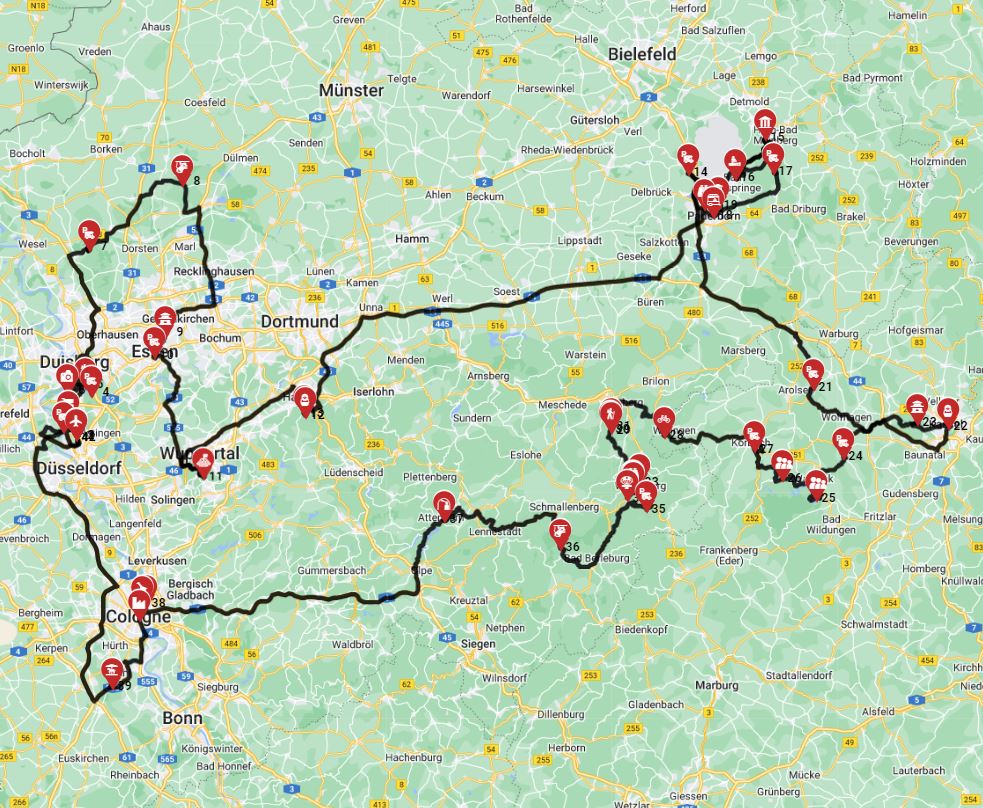
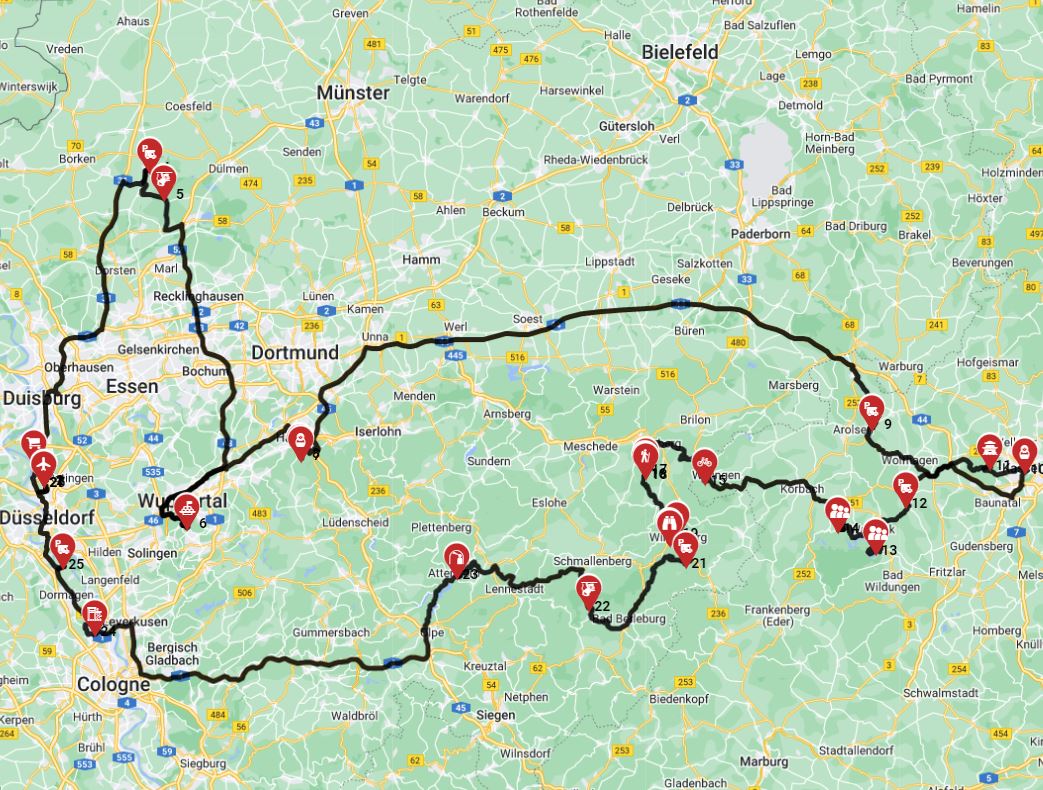
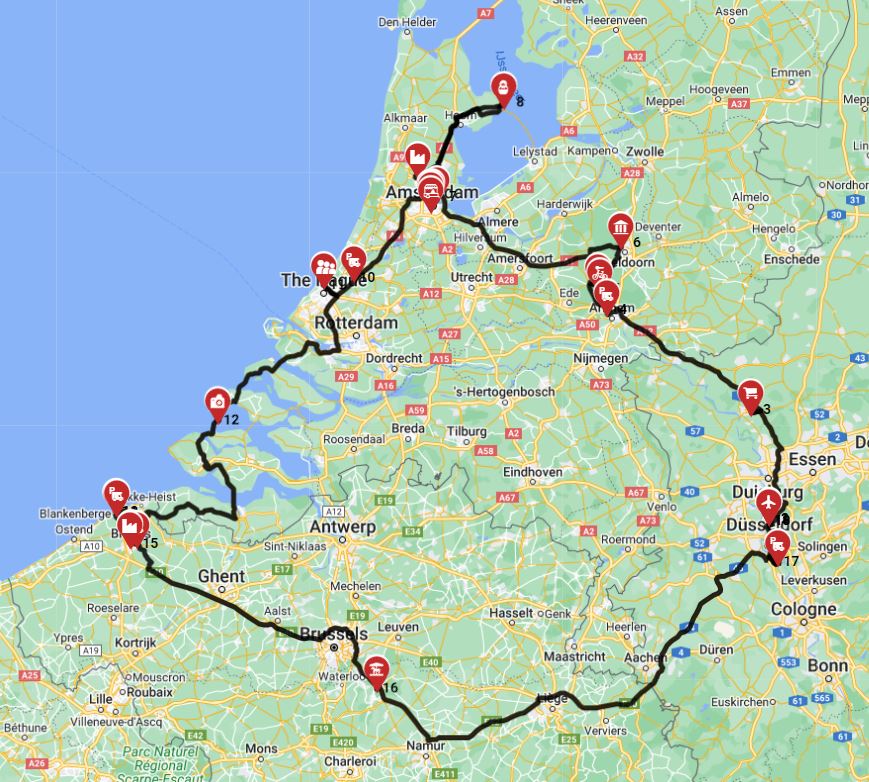
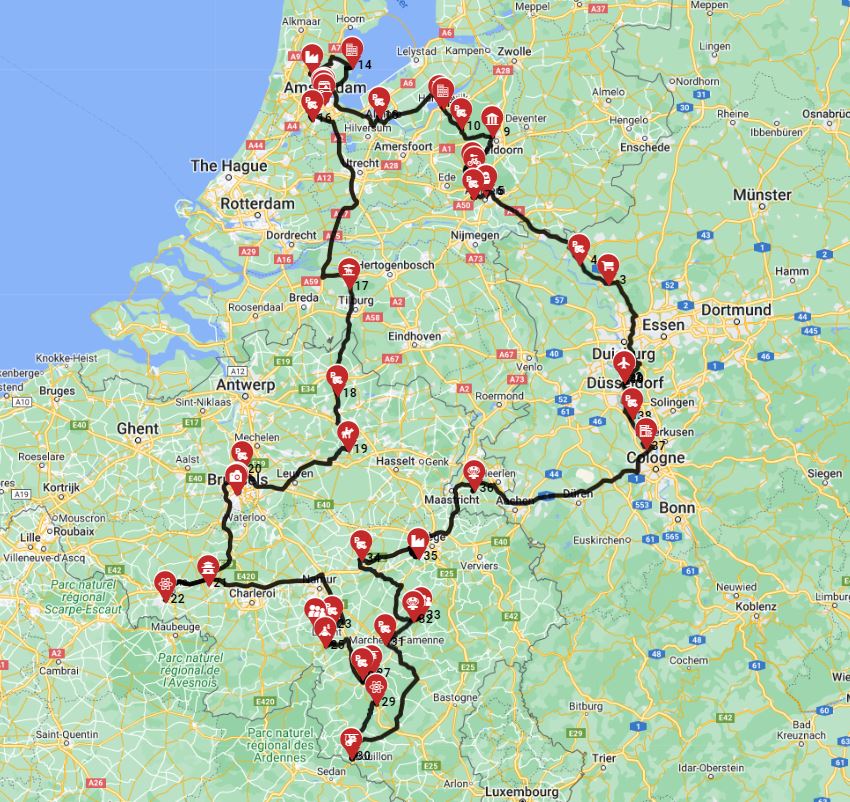
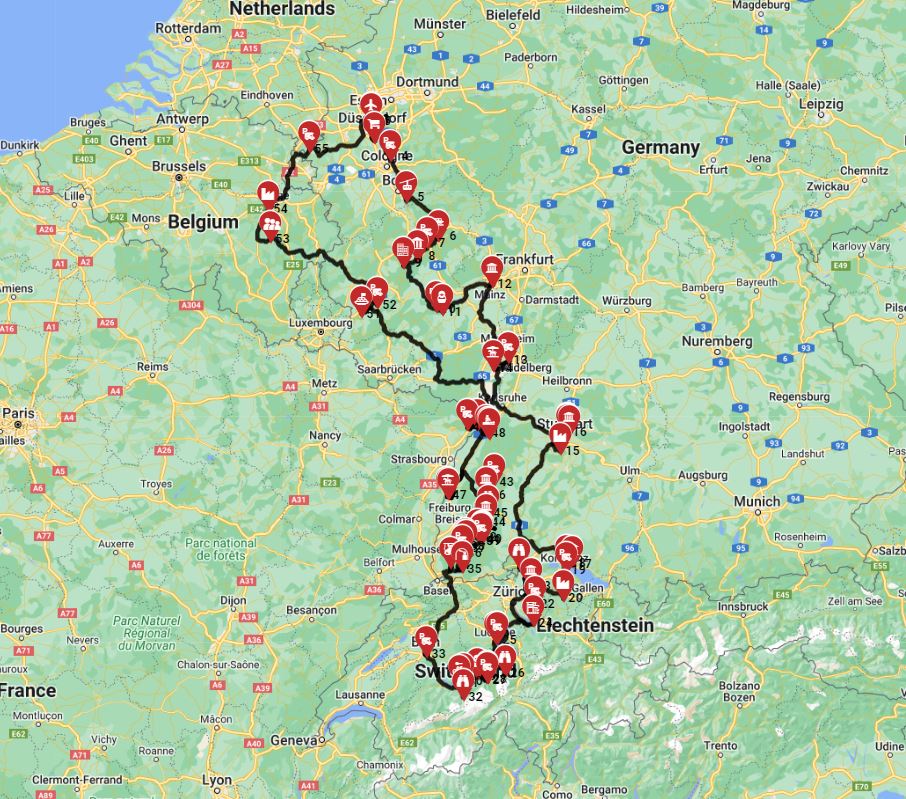
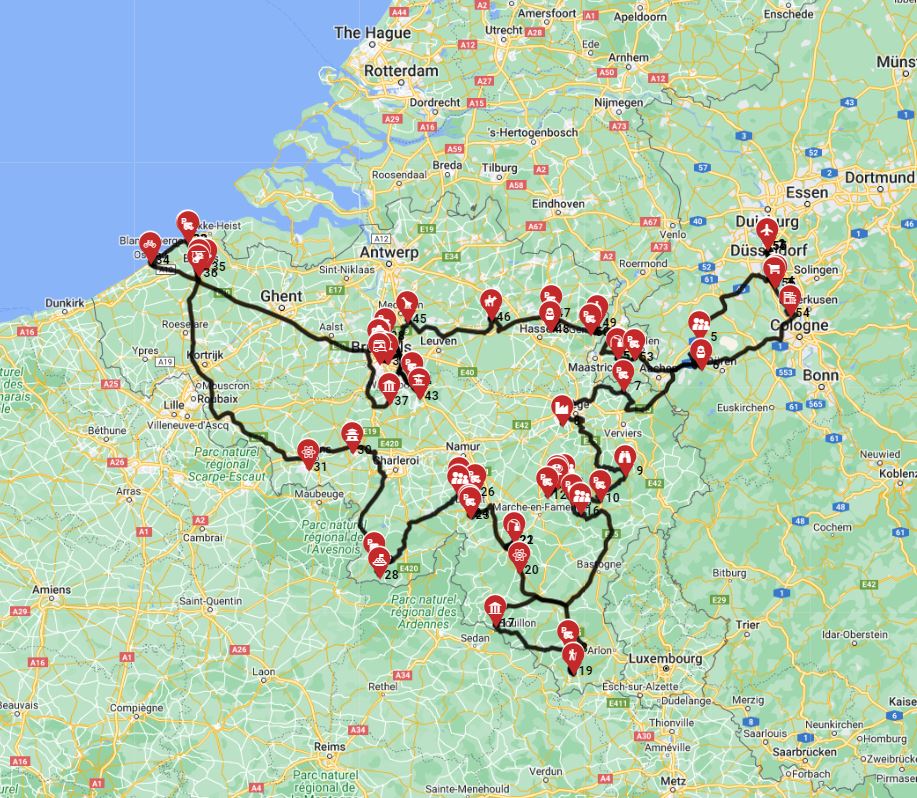
- Consider the "Dusseldorf Roundtrip - Germany / Netherlands / Belgium" itinerary from RV PLANET for an 8-day, 1076.2 km journey hitting key attractions.
Final Thoughts
Renting an RV for a week-long trip in Dusseldorf offers unparalleled freedom to explore Germany and beyond at your own pace. From the well-maintained roads to the rich cultural experiences, an RV adventure here promises comfort and convenience.
Remember to plan ahead, especially regarding environmental zones and campsite availability. By choosing the right RV class and familiarizing yourself with local driving regulations, you're setting yourself up for a truly memorable journey.
Find Motorhome Rentals in Dusseldorf