In This Guide
- Can You Drive an RV in Christchurch? License & Age Rules
- Road Conditions & Terrain in Christchurch
- RV Size Limits, Bridges & Restricted Zones
- Fuel: Diesel vs. Petrol & Cost per 100 km
- Tolls, Vignettes & Border Rules
- Driving Tips for weekly rv rental Travelers
- Recommended RV Class for Christchurch Roads
- Should I Choose a Compact Van Instead of a Large RV in Christchurch?
- Can I Park Anywhere? Free & Wild Camping Rules in Christchurch
- Can I Drive an RV Into the City Center? Heights, Tunnels & Local Signage
- What licence do I need to drive a motorhome in NZ?
- How much does it cost to rent a campervan in New Zealand for 2 weeks?
- Do you need a special license to drive a motorhome in New Zealand?
- How much is it to rent an RV for a week?
- Can you get temporary RV insurance?
- How much is RV insurance each month?
Can You Drive an RV in Christchurch? License & Age Rules
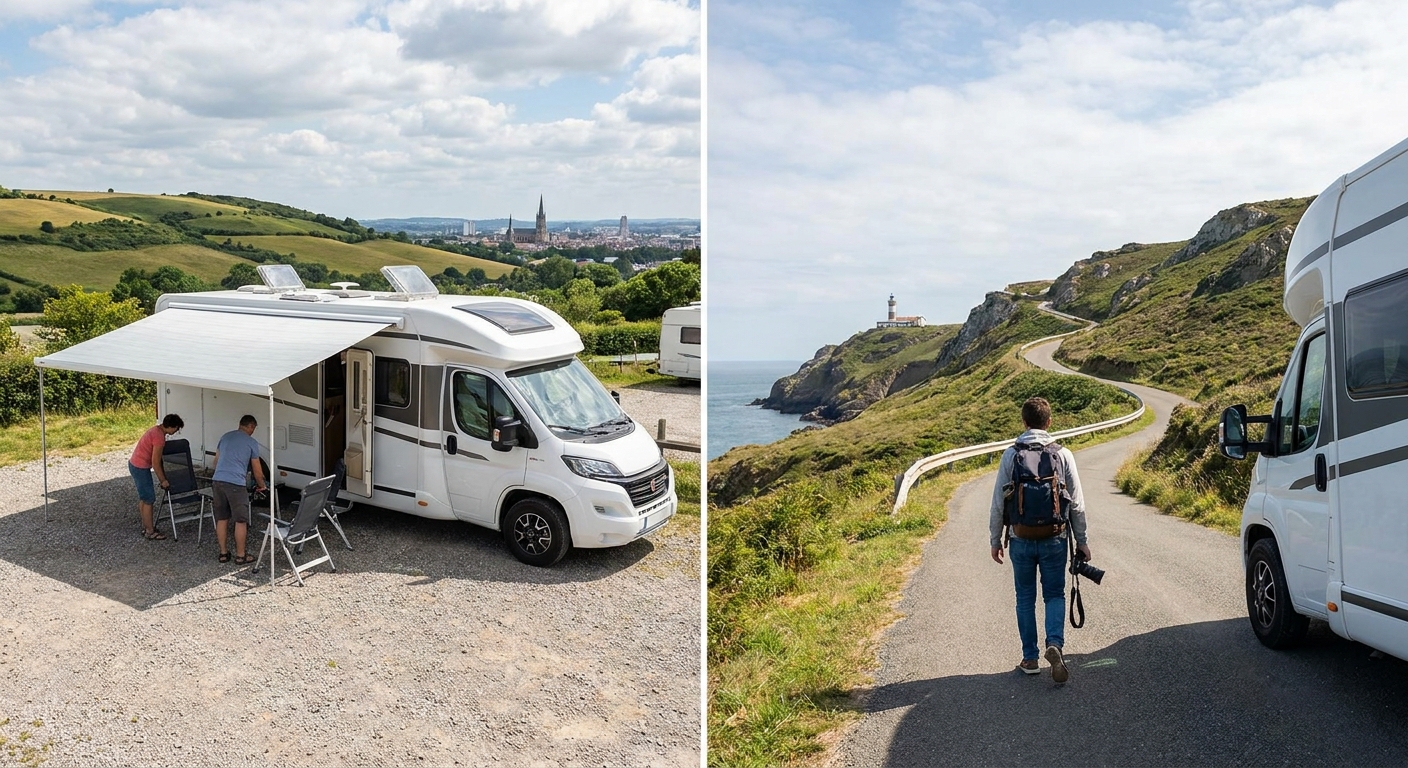
Most rental RVs in New Zealand, including those available for weekly rental in Christchurch, can be driven with a standard Class 1 (car) driver's licence. This license generally permits driving vehicles with a Gross Laden Weight (GLW) of up to 6,000 kg, which encompasses the majority of our campervans and motorhomes, so there’s no need for a special commercial driver's license. For international drivers, an International Driving Permit (IDP) or a certified English translation of their valid overseas driver's licence is legally required when driving in New Zealand, ensuring you're fully prepared for your adventure. Rental companies typically enforce a minimum driver age of 21, and thankfully, Bandana RV has no young driver surcharges or vehicle class restrictions based on age, making RV travel accessible to more adventurers.
Road Conditions & Terrain in Christchurch
Roads within Christchurch city are generally flat, well-maintained, and easy to navigate for RVs of all sizes, making your initial exploration a breeze. Venturing outside Christchurch, the South Island terrain rapidly changes, encompassing flat plains, rolling hills, and challenging mountain passes, particularly towards popular destinations like Arthur's Pass or the Southern Alps. New Zealand roads are often narrower and more winding compared to those in many other countries, demanding slower speeds and increased caution, especially when driving a larger vehicle. Drivers should be prepared for single-lane bridges, particularly on rural routes, and adhere to specific 'give way' rules clearly marked on signage. While most main tourist routes are sealed, some scenic detours or access roads to Department of Conservation (DOC) campsites may be unsealed gravel roads, requiring careful driving at reduced speeds. Travel slowly, aiming for a maximum of 100-150 km per day on average, to truly connect with the culture, food, and scenery.
RV Size Limits, Bridges & Restricted Zones
While Christchurch itself does not typically impose specific RV size limits, drivers should be mindful of vehicle dimensions for navigation and parking, especially in older or more congested areas. Throughout the South Island, some historic bridges or low-lying underpasses may have specific height or weight restrictions, which are always clearly signposted. The majority of rental RVs, like a 4-berth "cruise america rv rental example Explorer" at 7.1 meters long, or a 5-berth "rv rentals utah example Sunrise Escape" at 7.6 meters, require extra space for turning and parking. For larger families, consider options like the "C-30" motorhome, which measures 9.1 meters long and sleeps up to 7 people. Environmental zones with restricted vehicle access are not a common feature in New Zealand's cities, including Christchurch, unlike some European destinations, so you won't encounter unexpected restrictions. If planning to travel between the North and South Islands, be aware that inter-island ferries (Interislander or Bluebridge) price tickets based on vehicle length, making RV size a significant cost factor to consider in your overall trip budget.
Fuel: Diesel vs. Petrol & Cost per 100 km
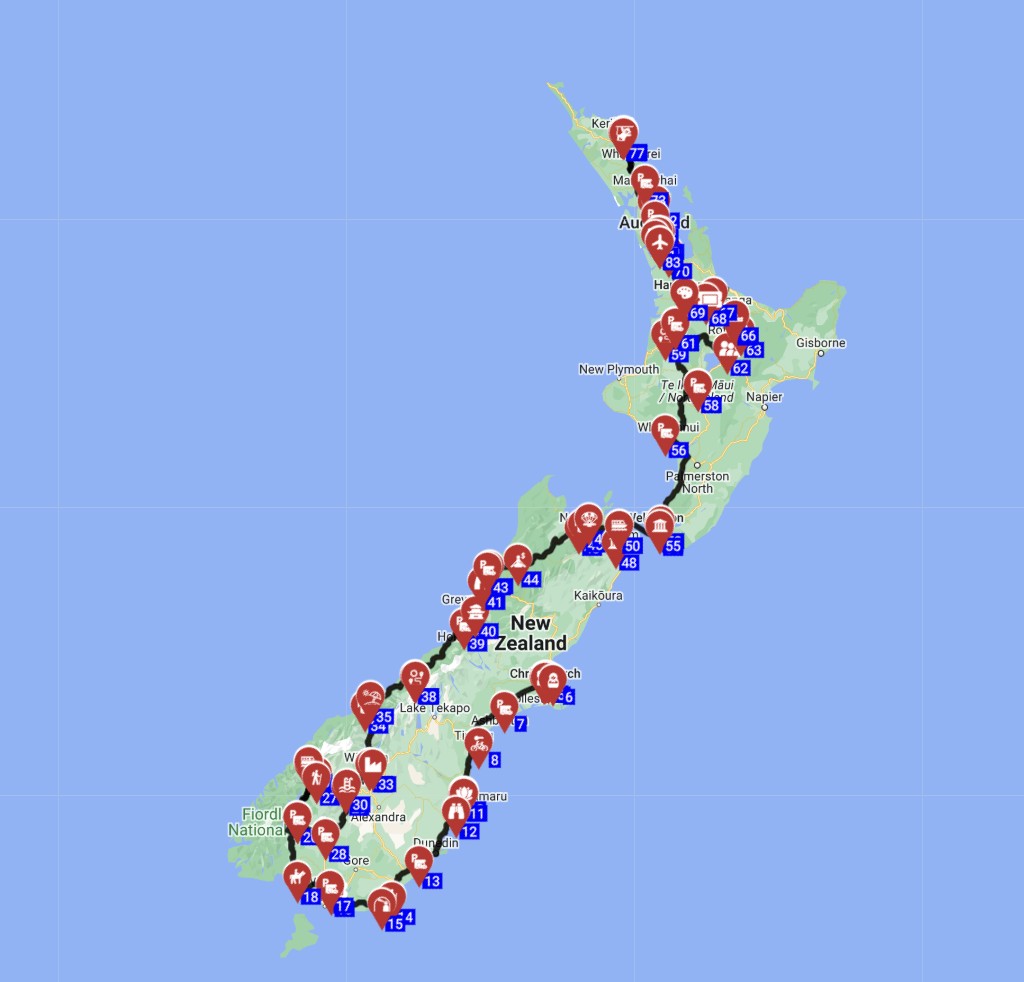
Most rental RVs in New Zealand operate on diesel fuel, which is generally more fuel-efficient than petrol but is subject to New Zealand's Road User Charges (RUC). Petrol and diesel are widely available across Christchurch and throughout New Zealand, though prices can fluctuate and may be higher in remote areas. For Class B - Camper Vans, common fuel consumption is typically 8-13 Liters per 100 km, while Class SI - Semi-integrated RVs average 8-12 Liters per 100 km. Larger Class C - Alcove and Class A - Integrated RVs usually consume more, with averages of 11-13 Liters per 100 km and 11-12 Liters per 100 km, respectively. Road User Charges (RUC) are pre-paid or paid post-trip by the rental company for diesel vehicles, and this cost is typically passed on to the renter as a per-kilometre charge. When planning your budget, remember that on RV PLANET routes, travelers can itemize and track every expense along the way for easy budgeting.
Tolls, Vignettes & Border Rules
New Zealand has very few toll roads, and importantly, there are no tolls, vignettes, or internal border rules that affect travel in Christchurch or anywhere else on the South Island. The only significant toll roads in New Zealand are located in the North Island (e.g., Northern Gateway Toll Road north of Auckland, Tauranga Eastern Link, Takitimu Northern Link), which means your weekly rv rental tour from Christchurch will be toll-free. Weekly RV renters in Christchurch will not encounter any tolls directly relevant to their South Island travel, simplifying your route planning and budgeting. Unlike some countries, New Zealand does not use vignettes for road access, nor are there any border controls or special passes required when traveling between regions within the country. This means you can freely explore the diverse landscapes from Christchurch to Queenstown without extra paperwork or payments.
Driving Tips for weekly rv rental Travelers
Always remember to drive on the **left-hand side** of the road in New Zealand; international drivers should take extra care, especially at intersections and roundabouts in and around Christchurch. Allow ample travel time as New Zealand's winding roads, especially in mountainous regions like those on a "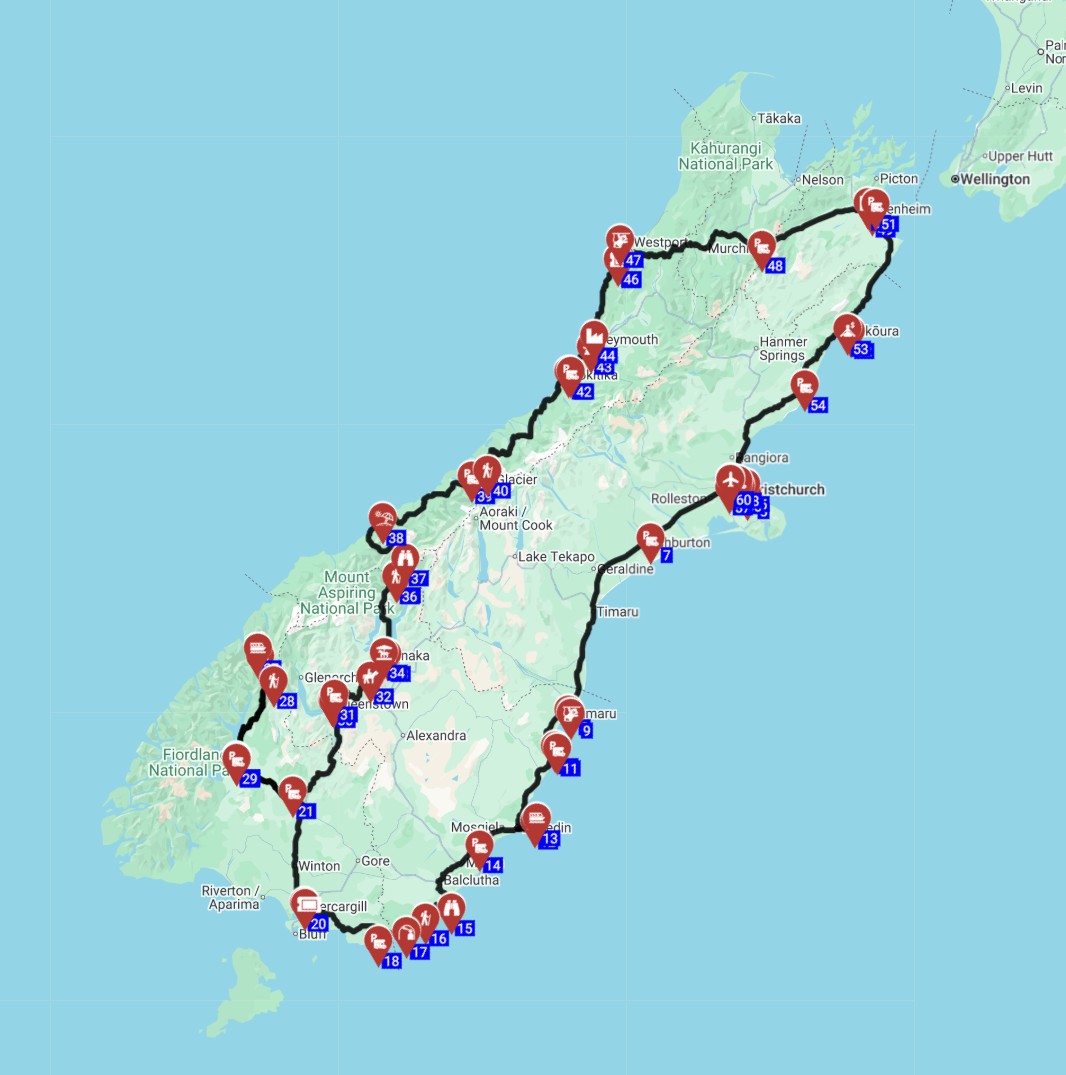
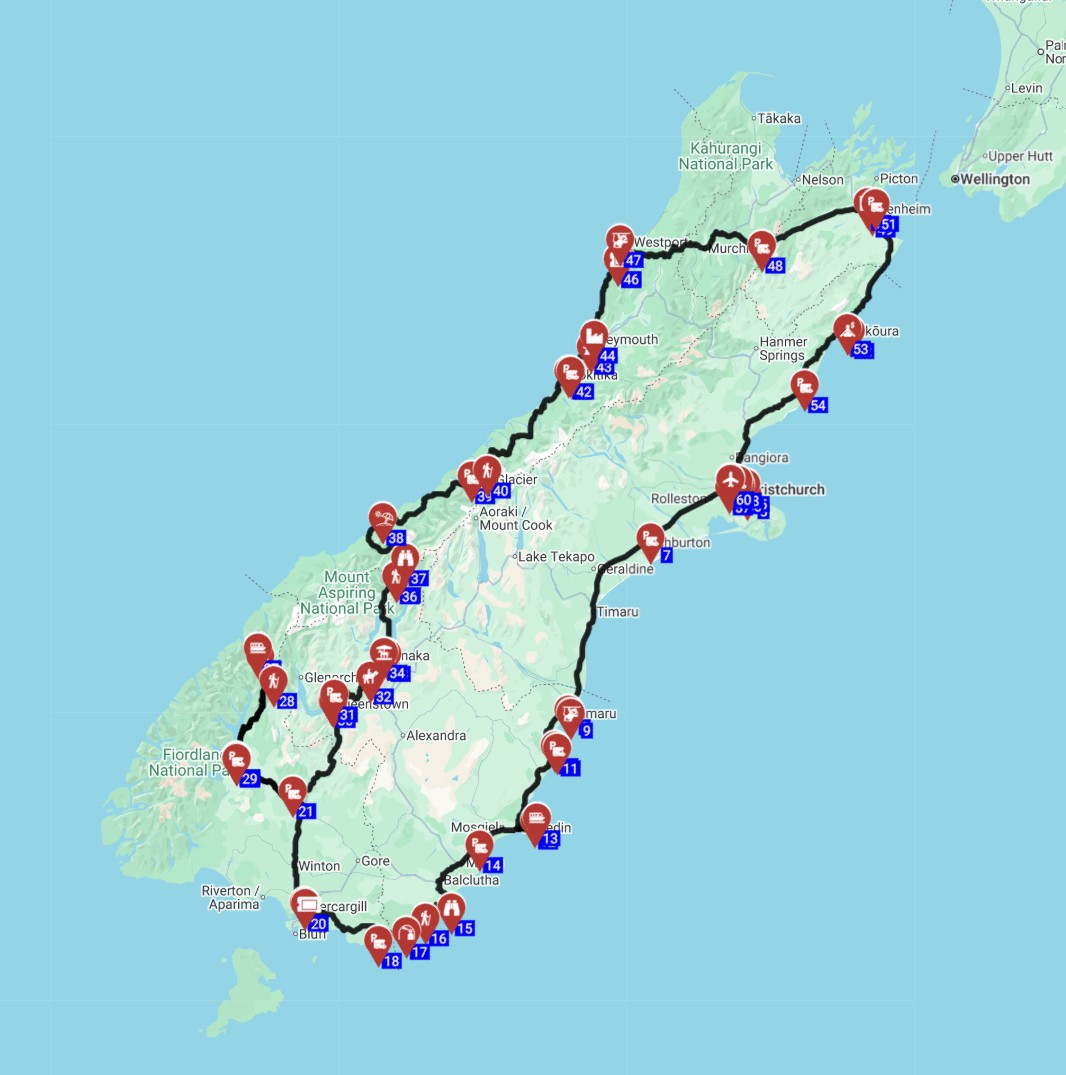
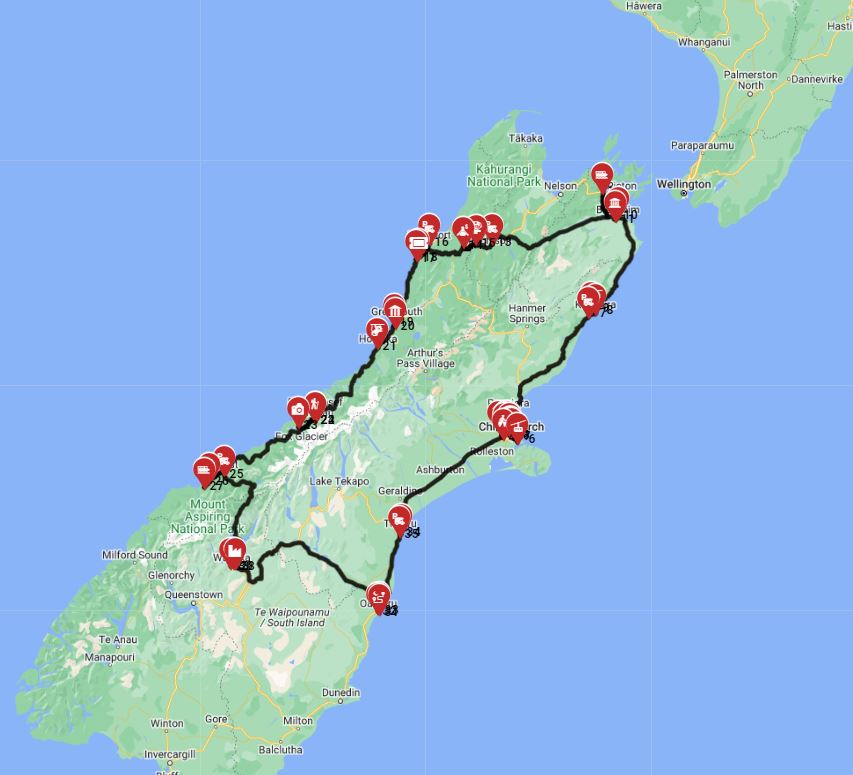
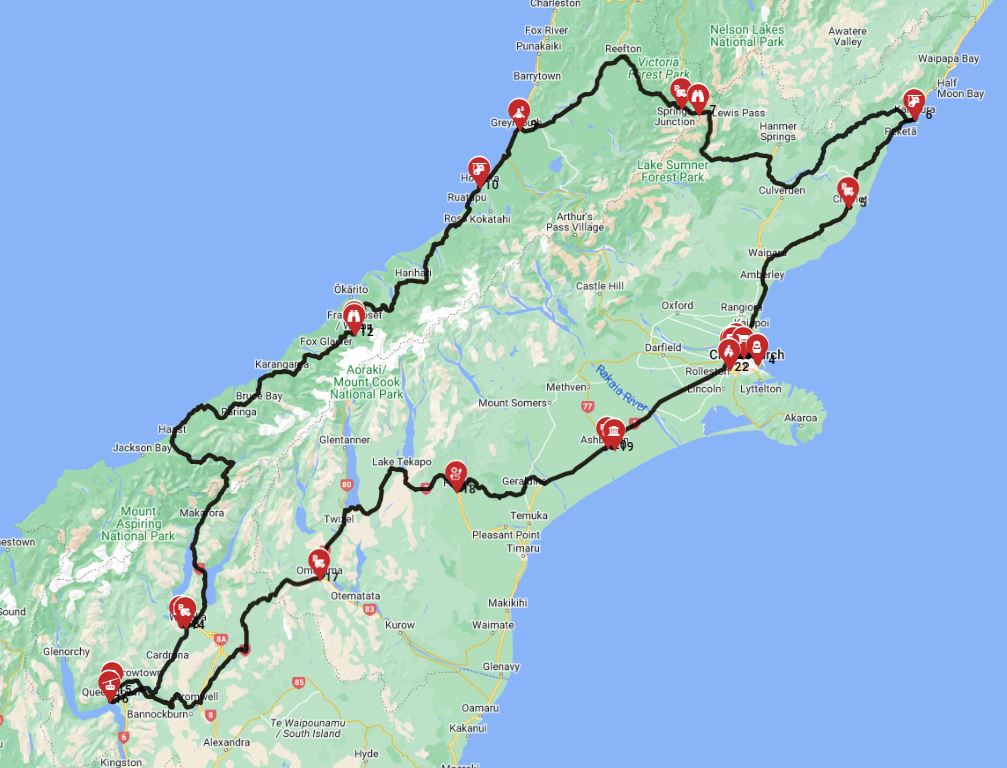
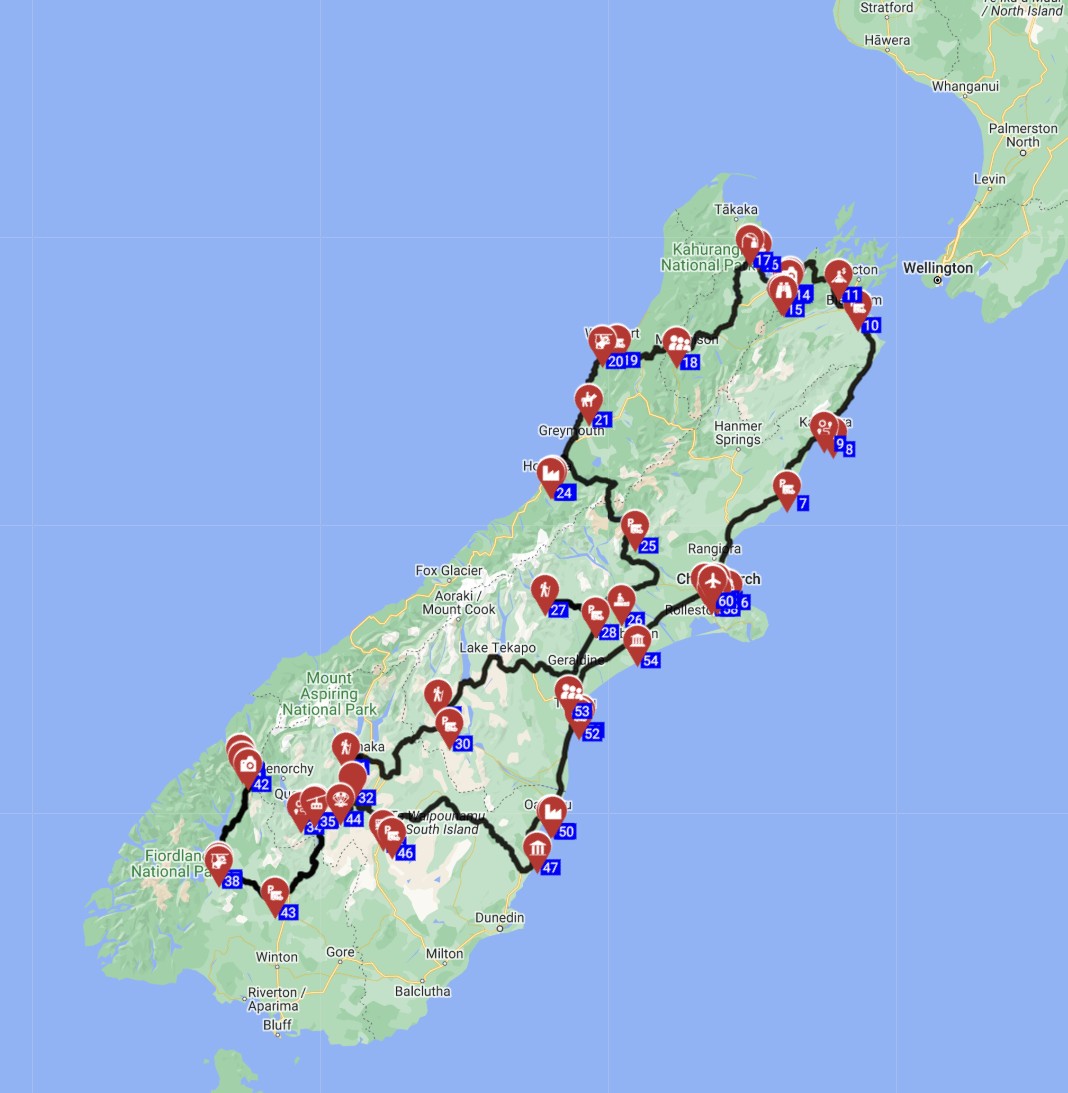
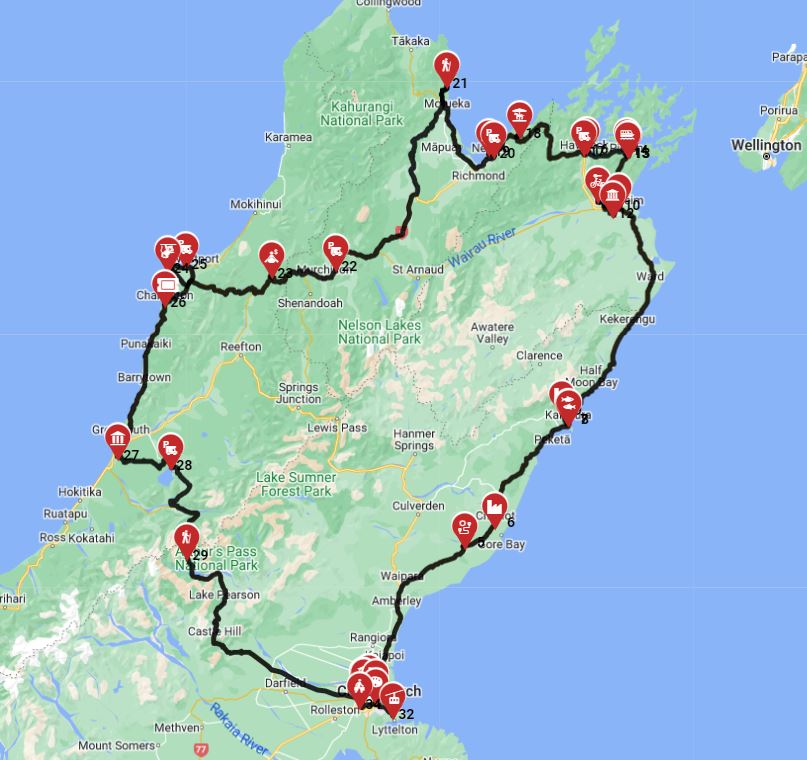
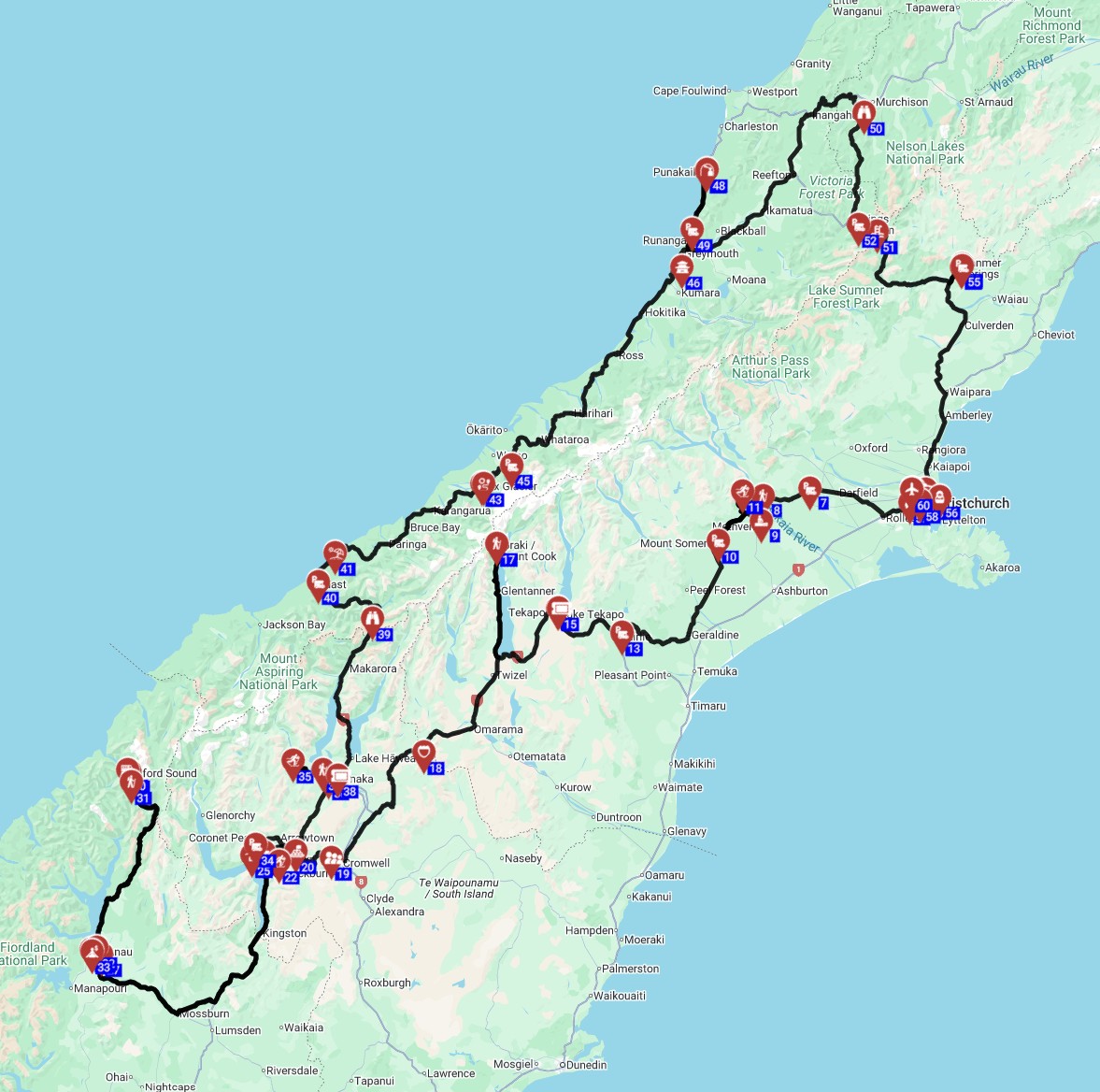
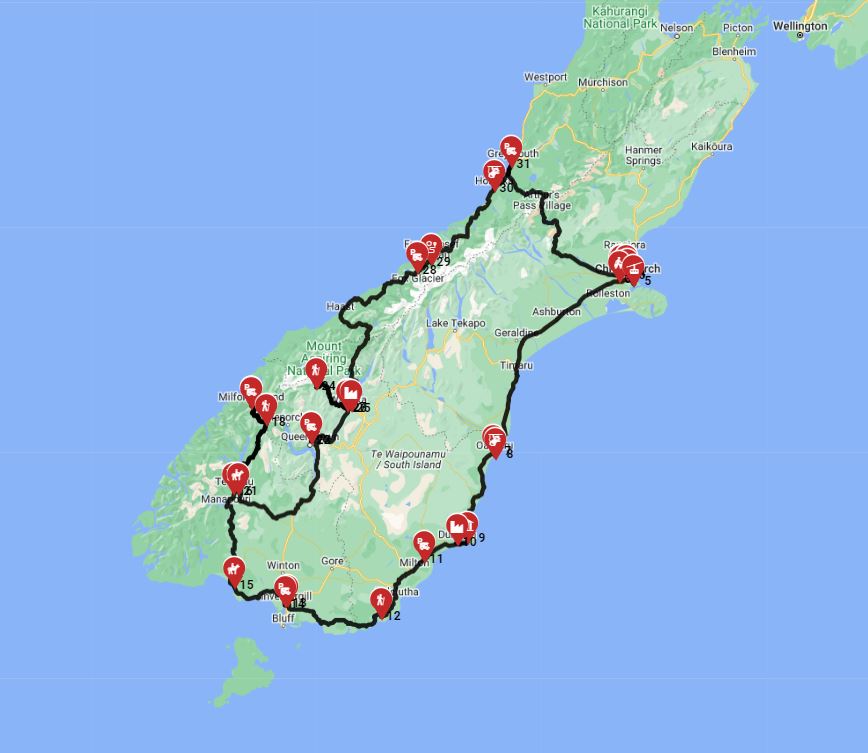
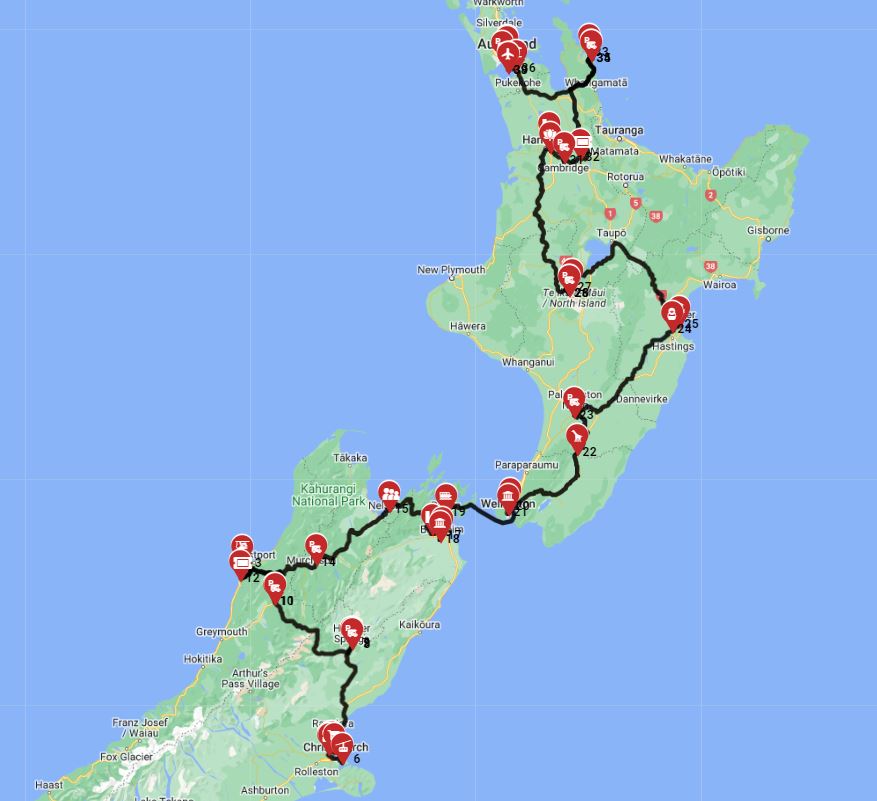
Christchurch Roundtrip - Around the South Island
Recommended RV Class for Christchurch Roads
For a weekly RV rental based in Christchurch, the Class SI (Semi-integrated) and Class C (Alcove) RVs are highly recommended, offering an excellent balance of comfort, space, and manageable driving on South Island roads. Class SI - Semi-integrated RVs, averaging 7 meters in length, with 3.4 sleeping places and accommodating 3.1 adults, are ideal for couples or small families seeking modern amenities and a less bulky profile. For example, a "2 Berth Rover" or "2 Berth Tamar" are excellent semi-integrated options, perfect for a cozy and well-equipped adventure. Class C - Alcove RVs, slightly larger at an average of 7.3 meters in length, typically offer 5.3 sleeping places and space for 4.6 adults, making them perfect for families or larger groups desiring more living space and separate sleeping areas. Consider a "24' Class C Motorhome" or a "4 Berth Deluxe" for greater family comfort. Both classes provide sufficient interior space for a comfortable weekly trip, are commonly equipped with self-contained facilities (essential for freedom camping rules), and are well-suited for both city access and navigating scenic South Island routes. Their size offers a good compromise, providing more comfort than a compact campervan while remaining easier to drive and park than the largest Class A models, like the "Comfort Space Select", which while luxurious, might be more suited for longer tours beyond the immediate Christchurch area.
Should I Choose a Compact Van Instead of a Large RV in Christchurch?
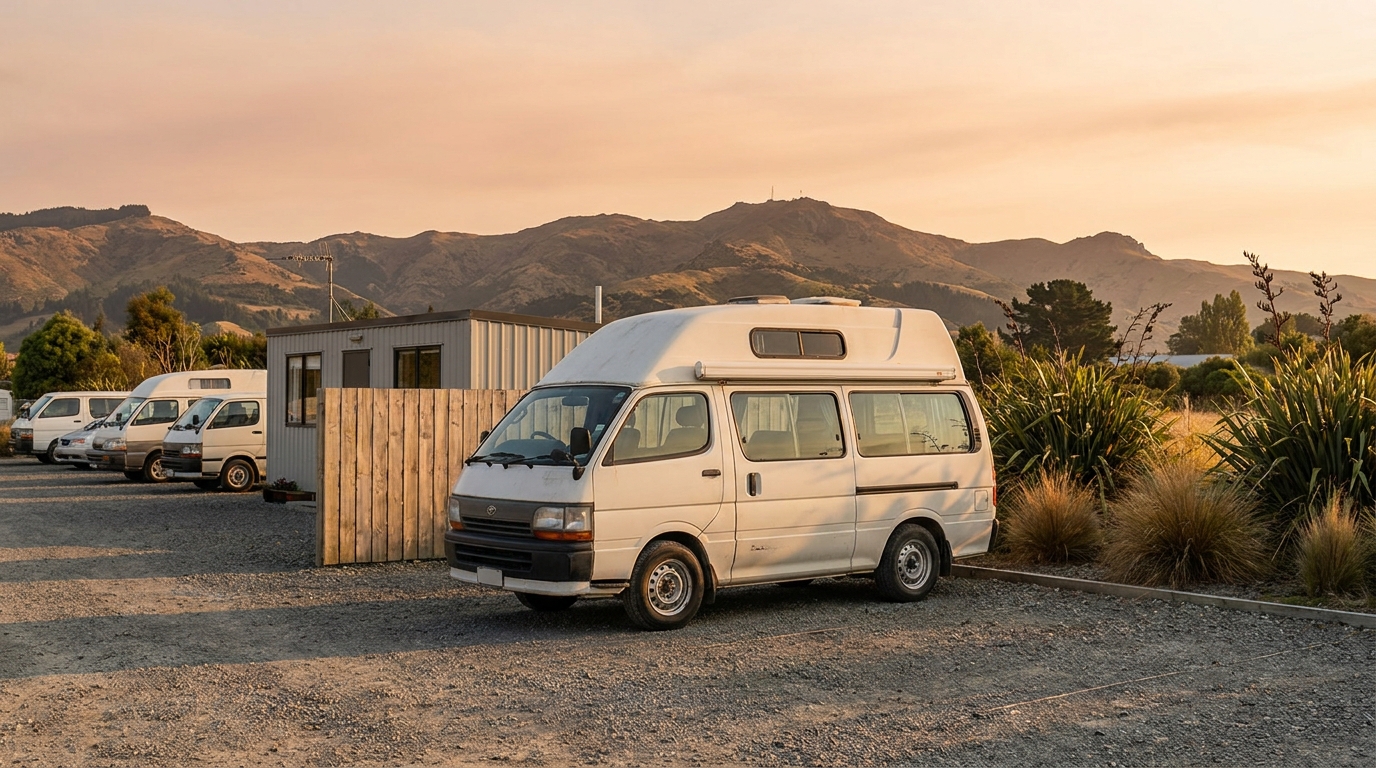
While a Class B - Camper Van (averaging 5.8 meters in length) offers superior maneuverability and easier city parking, a larger RV generally provides significantly more comfort, internal space, and amenities, which are often more beneficial for a weekly rental in Christchurch and exploring the South Island. For example, a compact "Active Classic" campervan offers agility for city parking near popular spots like Cathedral Square. However, for a week-long trip, the added space for cooking, dining, and relaxation in a Class SI (Semi-integrated) or Class C (Alcove) RV typically outweighs the minor parking advantages of a compact van, especially when you factor in gear for a family or group. The comfort of a full bathroom, proper kitchen (perfect for preparing meals from your RV-friendly recipes playlist), and dedicated sleeping areas in a larger RV can greatly enhance the overall experience, particularly during longer stays or inclement weather. Most main roads and tourist routes around Christchurch and the South Island are well-suited for mid-sized RVs, meaning the maneuverability advantage of a compact van is often overstated for typical travel itineraries. Compact vans, such as a "2 Berth Hi Top", are best suited for solo travelers or couples prioritising budget and maximum agility, whereas larger RVs offer better value for families or those seeking a more luxurious and self-sufficient weekly adventure. If budget is a primary concern, you might want to look at "Cheap RV Rental in Christchurch - Budget Guide 2026".
Can I Park Anywhere? Free & Wild Camping Rules in Christchurch
No, freedom camping (also known as wild camping) in Christchurch and throughout New Zealand is strictly regulated and is generally only permitted for certified self-contained vehicles in specifically designated areas. A 'certified self-contained' vehicle has a blue or green sticker indicating it meets specific standards for wastewater, fresh water, and toilet facilities, allowing it to hold waste for at least three days. Illegal freedom camping carries significant on-the-spot fines of NZD 200 or more, and local authorities actively enforce these regulations, particularly around popular spots like Lake Tekapo or the Banks Peninsula. Designated freedom camping sites are typically managed by local councils or the Department of Conservation (DOC), and details can often be found on local visitor information websites or through apps like 'CamperMate'. Rules vary by region, so always check local regulations and follow posted signage at specific sites before parking overnight. For finding campsites and campgrounds during your trip, we recommend using RV PLANET (rvplan.net) - a great resource for locating available spots along your route.
Can I Drive an RV Into the City Center? Heights, Tunnels & Local Signage
Yes, you can generally drive an RV into Christchurch city center; however, drivers must pay close attention to local signage regarding parking availability, height restrictions for multi-story car parks, and one-way streets. Drive slowly and carefully, and you can drive almost anywhere without issues. No need to stress - just use common sense and pay attention. Unlike some European cities, Christchurch does not have specific low-emission or environmental zones that would restrict RV access to the city center based on vehicle type or age. While there are no major tunnels or notoriously low bridges directly within the central city area that would pose significant problems, drivers should remain aware of their vehicle's height when considering underground parking structures. Finding suitable parking for larger RVs in the busiest parts of the city center, such as near New Regent Street or the Botanic Gardens, can be challenging, with street parking often limited or designated for smaller vehicles. It is always advisable to use navigation with RV-specific settings if available, or to look for designated RV-friendly parking areas on the outskirts of the central business district for easier access to public transport or walking routes.
What licence do I need to drive a motorhome in NZ?
In New Zealand, a standard Class 1 (car) driver's licence is typically sufficient to drive most motorhomes up to 6,000 kg Gross Laden Weight (GLW), which covers the vast majority of rental RVs. This means if you hold a valid car licence from your home country, and it's either in English or accompanied by an International Driving Permit (IDP) or certified English translation, you're generally good to go for your weekly RV driving tour in Christchurch. The Class 1 licence threshold of 6,000 kg GLW for motorhomes is more generous than the standard 3,500 kg for other light vehicles, specifically accommodating recreational vehicles. Minimum age requirements for renting an RV are set by individual rental companies, usually starting from 21 years old with Bandana RV, and there are no young driver surcharges or class restrictions based on age. Only exceptionally large or custom-built motorhomes exceeding 6,000 kg GLW would require a Class 2 heavy vehicle licence, which is very rare in the standard rental fleet you'd consider for a "Weekly RV Rental in Christchurch - Pricing 2026".
How much does it cost to rent a campervan in New Zealand for 2 weeks?
The cost to rent a campervan or motorhome in New Zealand for two weeks varies significantly based on vehicle type, rental season, and booking lead time, typically ranging from NZD 1,500 to NZD 4,000+ for the rental fee alone. Rental rates are highest during peak summer (December-February) and school holidays, with off-peak seasons (May-September) offering the best value, sometimes saving up to 25% by booking 90+ days in advance. Beyond the base rental, expect to budget for fuel (e.g., a Class SI uses 8-12 litres/100km, plus diesel Road User Charges), which can add NZD 500-1000+ for a 2-week South Island trip. Campsite fees are another major expense: Department of Conservation (DOC) sites cost NZD 15-25 per adult per night, while powered sites at commercial holiday parks near Christchurch range from NZD 25-50+ per night. Additional costs include optional excess reduction insurance options (NZD 30-80+ per day), one-way rental fees (if applicable, typically NZD 150-500 from Christchurch to Auckland), and a refundable bond (often NZD 2,500-7,500). For a detailed cost breakdown, consult "RV Rental in Christchurch - Prices and Best Deals 2026".
Do you need a special license to drive a motorhome in New Zealand?
No, a special license is generally not required to drive common rental motorhomes in New Zealand, as most fall within the weight limits of a standard Class 1 (car) driver's licence. The New Zealand Transport Agency (NZTA) rules allow Class 1 licence holders to drive motorhomes with a Gross Laden Weight (GLW) up to 6,000 kg, which includes virtually all recreational vehicles offered by suppliers like Apollo or Britz for your weekly RV adventure from Christchurch. This generous weight allowance means that Class B - Camper Vans (average length 5.8m), Class SI - Semi-integrated (average length 7m), Class C - Alcove (average length 7.3m), and even many Class A - Integrated (average length 7.5m) models are covered by a standard licence. For international drivers, a valid overseas licence must be presented, accompanied by an International Driving Permit (IDP) or an approved English translation if the original is not in English. You would only need a higher licence class (e.g., Class 2) for very large commercial motorhomes or vehicles with a GLW exceeding 6,000 kg, which are typically not part of standard rental fleets available for an "Auckland to Christchurch - The best of the north island" trip.
How much is it to rent an RV for a week?
Renting an RV for a week in Christchurch can range from approximately NZD 750 to NZD 2,000 or more for the base rental fee, depending significantly on the RV's size, the rental season, and how far in advance you book. Compact Class B - Camper Vans like a "rv rental denver example Category Van" are usually at the lower end of the scale, while larger Class C - Alcove or Class A - Integrated RVs will command higher weekly rates, especially if you opt for a "Luxury RV Rental in Christchurch - Premium Prices 2026". This weekly rental cost typically includes basic insurance cover and unlimited kilometres, but excludes fuel, Road User Charges for diesel vehicles, additional optional excess reduction insurance, and campsite fees. During peak seasons (summer holidays, school breaks), demand drives prices up, sometimes doubling or tripling compared to off-peak weeks (e.g., May to September), so flexibility on dates can lead to significant savings. Be aware of potential charges such as one-way rental fees if picking up in Christchurch and dropping off elsewhere, cleaning fees if the vehicle isn't returned in good condition, or credit card surcharges. Our commitment to full transparency means you'll always see the complete cost upfront.
Can you get temporary RV insurance?
While direct 'temporary RV insurance' as a standalone product is not commonly offered for rental vehicles in New Zealand, rental companies universally provide a basic level of insurance as part of the rental agreement for your weekly RV rental in Christchurch. This standard rental insurance typically comes with a high excess (deductible), often ranging from NZD 2,500 to NZD 7,500, which is the maximum amount you would be liable for in case of damage or accident. To reduce this high excess, rental companies offer daily excess reduction options (often referred to as 'insurance waivers' or 'damage liability reduction'), which are essentially an additional daily fee. These daily fees can range from NZD 30 to NZD 80+ per day, lowering your liability to a much smaller amount (e.g., NZD 0-500) or even zero, depending on the level purchased. Travel insurance policies may also offer coverage for rental vehicle excess, providing an alternative to purchasing the rental company's daily reduction, but it's crucial to check policy details carefully to understand your coverage for your specific "Weekly RV Rental in Christchurch - Pricing 2026". We offer top-level deductible reimbursement as an optional upgrade for extra peace of mind during your journey.
How much is RV insurance each month?
For a rental RV in New Zealand, insurance costs are almost exclusively structured as a daily fee to reduce the excess (deductible) rather than a monthly premium, aligning with the typical short-term rental model for a weekly RV rental in Christchurch. These daily excess reduction fees, which act as a form of temporary insurance, commonly range from NZD 30 to NZD 80+ per day, depending on the rental company, vehicle type, and the level of excess reduction chosen. A typical weekly RV rental, therefore, would incur an insurance cost of approximately NZD 210 to NZD 560+ for excess reduction over seven days, if purchased from the rental provider. The total monthly cost for RV insurance would simply be the daily rate multiplied by the number of rental days in that month, if you were to rent for a full month. It's important to understand that regardless of the excess reduction purchased, a security bond or deposit (often equivalent to the remaining excess) is typically held on your credit card for the duration of the rental. Bandana RV offers options to upgrade to a top-level deductible for extra peace of mind, ensuring clarity on all financial aspects.What You Shouldn't Miss
- **Christchurch Botanic Gardens**: Explore these stunning, expansive gardens right in the city center. They're a perfect spot for a leisurely stroll or a picnic after you park your RV in a nearby RV-friendly zone.
- **International Antarctic Centre**: Located near Christchurch Airport, this award-winning attraction offers an immersive experience of Antarctica, complete with Hagglund rides and penguin encounters. It’s an easy stop for your RV on arrival or departure.
- **Drive the Scenic Route to Akaroa**: Embark on a picturesque 90-minute drive from Christchurch to Akaroa, New Zealand's only historic French settlement on the Banks Peninsula. Enjoy charming cafes, artisan shops, and consider a wildlife cruise to spot Hector's dolphins.
- **Explore Arthur's Pass National Park**: Head west from Christchurch for a day trip or overnight stay at Arthur's Pass, showcasing dramatic alpine scenery, incredible hiking trails (with at least 5 hiking areas on a typical route plan), and stunning waterfalls. RV camping is available in designated areas.
- **Stargazing in the Aoraki Mackenzie International Dark Sky Reserve**: While a 2.5-3 hour drive from Christchurch, this reserve is a must-see. Find a designated campground around Lake Tekapo or Mount Cook (2 Natural Features on most routes) and witness one of the world's clearest night skies.
- **Visit Lyttelton Harbour**: A short drive over the Port Hills from Christchurch, Lyttelton is a vibrant port town with a rich history, unique shops, and a bustling Saturday market. It's a great spot for a scenic lunch overlooking the water.
Looking for expert insights from Avi Bandana? Top 5 Adventures - recommendations from Avi Bandana
Final Thoughts
A week-long RV driving tour from Christchurch is an invitation to discover the breathtaking beauty and unique culture of New Zealand's South Island. With the flexibility of your rented motorhome or campervan, you're free to chase sunsets, explore hidden gems, and create memories that will last a lifetime. Remember, planning ahead with resources like RV PLANET can enhance your experience, while our commitment to transparency and support ensures your journey is as smooth as the open road. Whether you're a seasoned RVer or embarking on your very first adventure, Christchurch offers an ideal starting point for a truly inspiring exploration. Pack your bags, set your sights on the horizon, and let the magic of New Zealand unfold before you. Find Motorhome Rentals in ChristchurchOn the routes offered through RV PLANET routes, you can itemize and track every expense along the way for easy budgeting.