In This Guide
- Can You Drive an RV in Central North US? License & Age Rules
- Road Conditions & Terrain in Central North US
- RV Size Limits, Bridges & Restricted Zones
- Fuel: Diesel vs. Petrol & Cost per 100 km
- Tolls, Vignettes & Border Rules
- Driving Tips for weekly rv rental Travelers
- Recommended RV Class for Central North US Roads
- Should I Choose a Compact Van Instead of a Large RV in Central North US?
- Can I Park Anywhere? Free & Wild Camping Rules in Central North US
- Can I Drive an RV Into the City Center? Heights, Tunnels & Local Signage
- What is the 3-3-3 rule for RV driving?
- What size RV can you drive without a special license?
- What states require RVs to stop at weigh stations in Central North US?
- What states have banned RVs in Central North US?
- Extended RV Stays and Practicalities in Central North US
- Navigating Year-Round RV Trips in Michigan
- What is the largest RV you can drive without a special license?
- Can I sleep in RV while driving?
- Planning an Extended RV Base in Central North US
- Top Cities for RV Rental in Central North US
- Country-Wide Practical Information for RV Travelers
- What You Shouldn't Miss
- Why Book with Bandana Caravan
- Final Thoughts
- Frequently Asked Questions
🎬 Video coming soon
Can You Drive an RV in Central North US? License & Age Rules
Most RVs, including Class B campervans, Class C alcove models, and many Class A motorhomes, can be driven in the Central North US with a standard Class D (or equivalent) driver's license, provided their Gross Vehicle Weight Rating (GVWR) is under 26,001 pounds (approximately 11,793 kg). This federal standard means that a special commercial driver's license (CDL) is generally not required for recreational RV rentals. The minimum age to rent an RV in the Central North US is typically 21 years old, with no young driver surcharges and no vehicle class restrictions based on age across Bandana's platform. For foreign drivers, a valid driver's license from your home country is sufficient, though an International Driving Permit (IDP) is highly recommended for translation, particularly if your license is not in English. We make sure that all the information regarding licensing and age is fully transparent, so there are no surprises when you pick up your camper or motorhome.Road Conditions & Terrain in Central North US
Road conditions in the Central North US generally range from well-maintained interstate highways to scenic, sometimes less-paved, state and county roads, making it highly suitable for weekly RV rentals. The terrain across the region primarily consists of vast plains and prairies, particularly in states like North Dakota, South Dakota, Nebraska, and Kansas, which offer relatively flat and easy driving experiences. Further east, states such as Michigan, Wisconsin, Minnesota, and parts of Missouri and Illinois feature more rolling hills and forested areas, adding diverse landscapes to your journey. Travelers should be prepared for potential strong crosswinds on the open plains, especially when driving taller RVs, and be mindful of seasonal variations which can include heavy snow and ice in winter or thunderstorms in summer. We always recommend taking slower, scenic routes on state highways, averaging a maximum of 100-150 km per day, to fully appreciate the region's unique landscapes, local culture, and charming small-town attractions, rather than rushing through on faster-paced interstates.RV Size Limits, Bridges & Restricted Zones
While specific RV size limits can vary slightly by state, most states in the Central North US comfortably accommodate standard RV lengths, typically up to 45 feet (approximately 13.7 meters), and widths without issue on major roadways. Drivers of a rented motorhome or campervan should always pay close attention to road signage for height restrictions, which are more common for older bridges, tunnels, or certain national/state park entrances, and weight limits, though these typically apply more to commercial trucks than recreational RVs. Unlike some European cities, there are generally no widespread 'environmental zones' that restrict RV access based on emissions in the Central North US. However, specific ferry limits may apply for island destinations, such as crossings to Mackinac Island in Michigan, where RVs are often not allowed on the island itself and must be parked on the mainland. Always verify these details in advance for your specific route to ensure a smooth and surprise-free trip. To help you plan your itinerary, consider exploring resources like "RV Travel Guide to Central North US - Tips and Top Spots 2026" for more specific route information.Fuel: Diesel vs. Petrol & Cost per 100 km
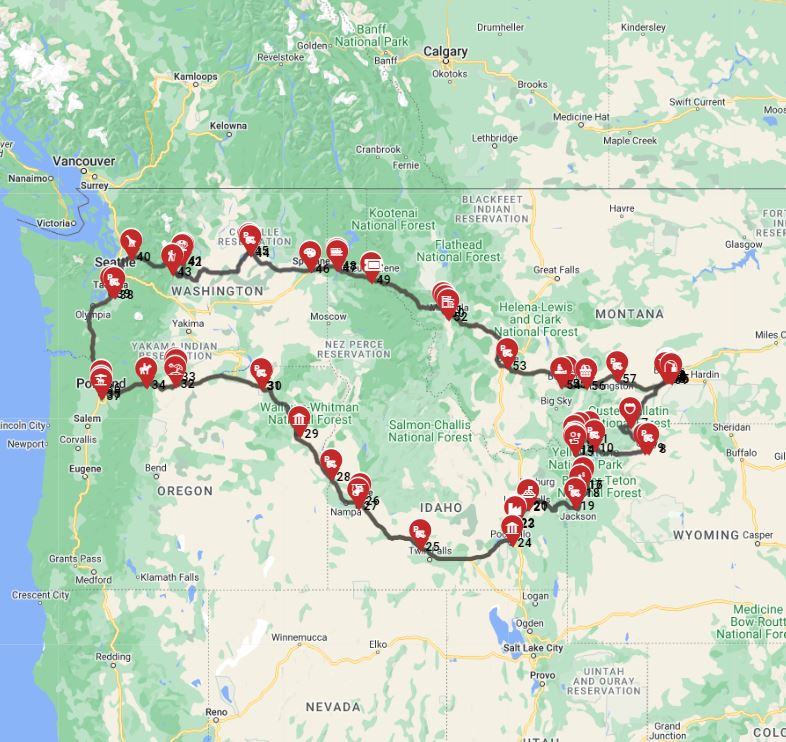
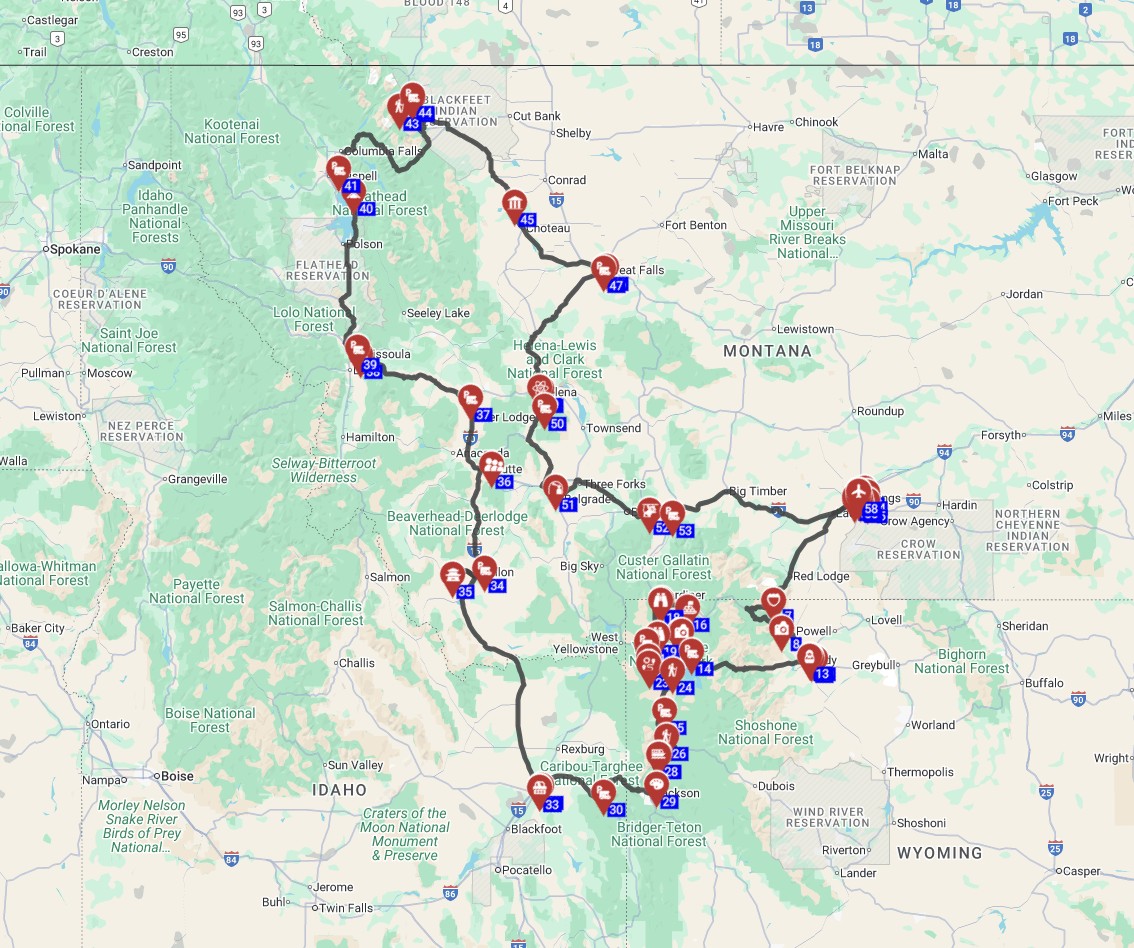
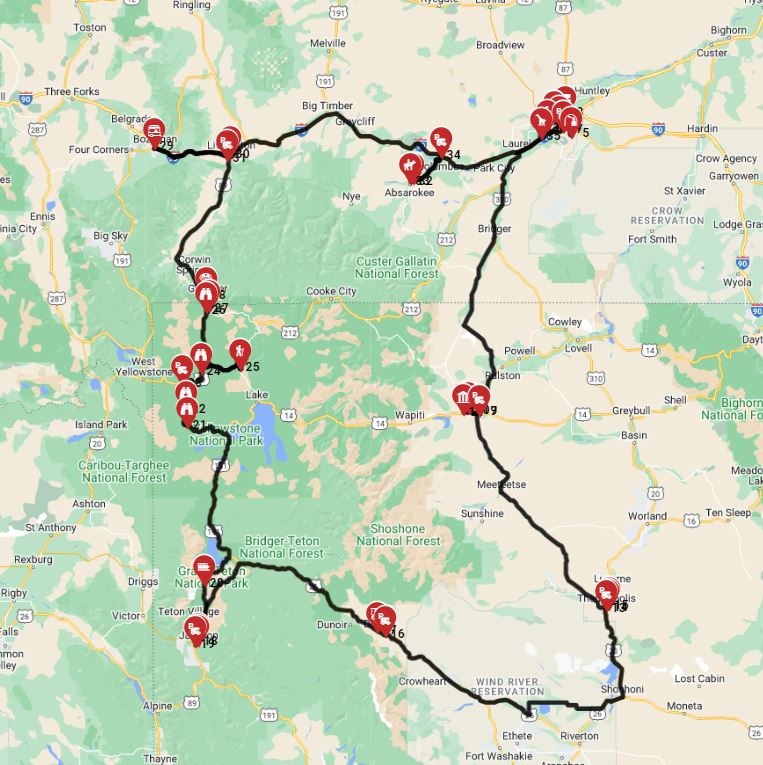
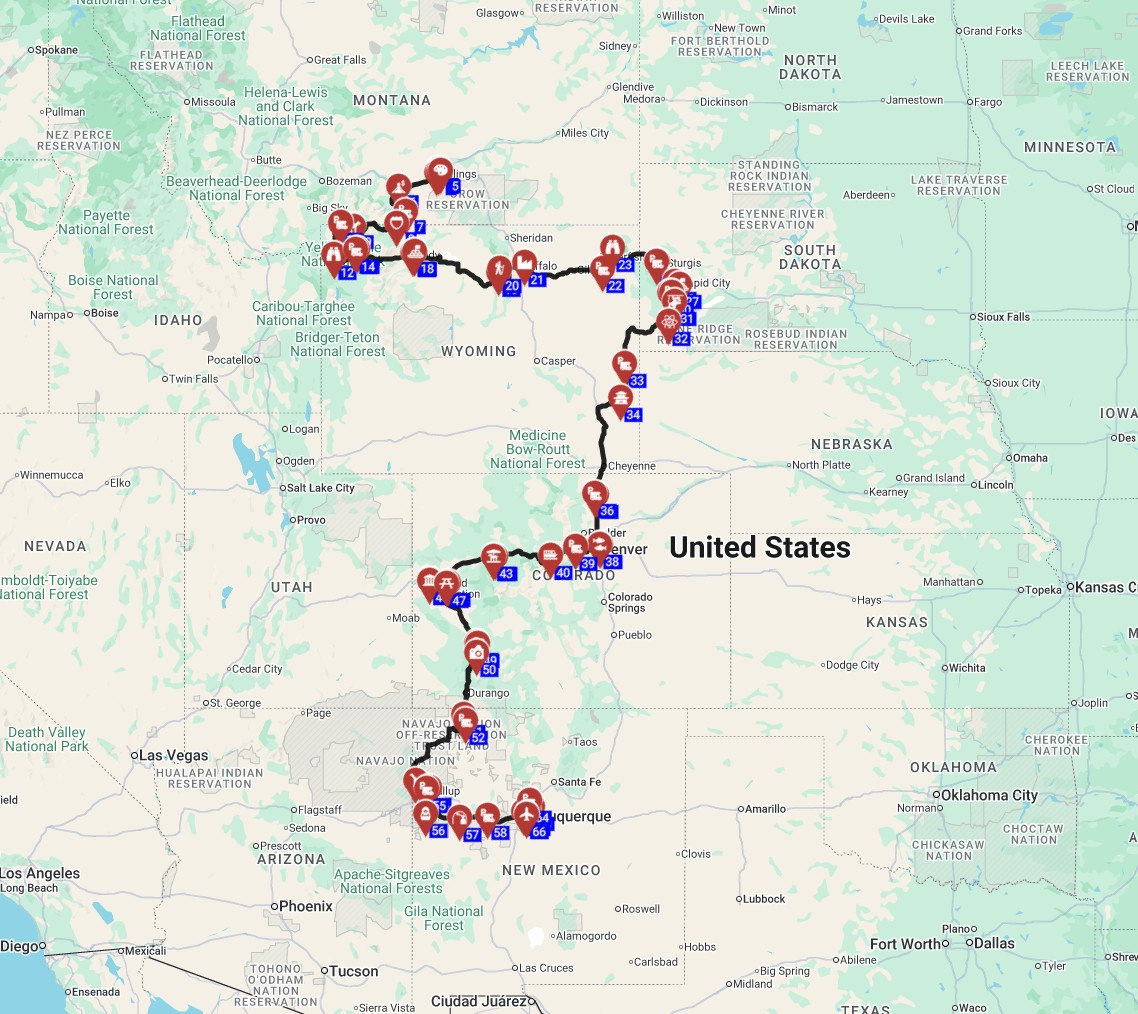
Most motorhomes in Bandana's fleet, including Class SI Semi-integrated, Class C Alcove, and Class B Camper Van models, primarily run on diesel fuel, which is widely available at fuel stations across the Central North US. Smaller Class B vans or some Class A motorhomes might use petrol (gasoline), also readily accessible. Based on Bandana's global fleet averages, a Class SI Semi-integrated RV typically consumes 10-11 Liters/100 km, while a Class C Alcove averages 10-12 Liters/100 km. For those seeking greater fuel efficiency, a Class B Camper Van averages 8-10 Liters/100 km, making it a good choice for flexible travel. To realistically estimate fuel costs for your weekly RV rental, multiply your chosen motorhome's average fuel consumption by the current average fuel price per liter in the Central North US and the total distance in kilometers you plan to travel. Remember that fuel prices fluctuate seasonally and by state. For budgeting and tracking all your trip expenses, including fuel and campground fees, we recommend utilizing the tools available through RV PLANET routes, where you can itemize every cost along the way.Tolls, Vignettes & Border Rules
Tolls are present on some highways, expressways, and bridges in specific Central North US states, including Illinois, Indiana, Ohio, Kansas, and parts of Michigan and Missouri, but they are not a universal feature across the entire region. Unlike some European countries, vignettes, which are fixed-period road usage stickers, are not utilized in the United States for RV travel. As all Central North US states are part of the contiguous United States, there are no internal 'border rules' or customs checks when traveling between them, ensuring seamless transitions as you cross state lines. Many weekly RV rental providers offer convenient options for pre-purchasing electronic toll passes, such as an E-ZPass or similar systems, which can save valuable time at toll plazas and help avoid potential fines by ensuring automatic payment. This upfront planning contributes to a stress-free road trip.Driving Tips for weekly rv rental Travelers
For an enjoyable week-long RV rental adventure in the Central North US, careful planning and mindful driving are key. Plan your route to include frequent stops every 2-3 hours for breaks, sightseeing, and stretching, which not only prevents driver fatigue but also enhances passenger comfort, especially for families. Always monitor the weather forecast daily, as the Central North US can experience varied conditions from summer thunderstorms and high heat to strong winds on the open prairies, requiring you to adjust your driving plans for safety. Budget carefully for fuel and tolls, and keep an eye on your fuel gauge, planning stops in advance, especially in less populated areas where stations might be sparse. Utilizing a co-pilot for navigation, watching for road signs, and spotting potential hazards is highly recommended, particularly in unfamiliar urban areas or during parking maneuvers. Before setting off, practice turns, backing up, and judging your RV's size in a large, empty parking lot if you're new to driving a larger vehicle. Remember, slow travel, averaging 100-150 km per day, allows you to truly immerse yourself in the culture, food, and scenery, making your journey more rewarding. You can also gain valuable insights from our comprehensive "RV Travel Guide to Central North US - Tips and Top Spots 2026".Recommended RV Class for Central North US Roads
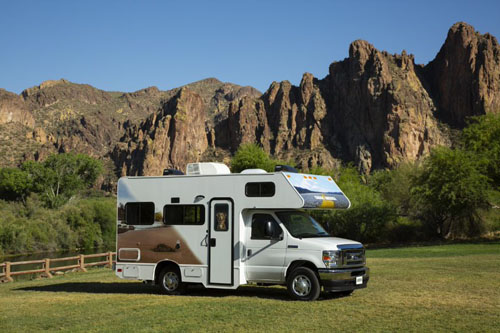
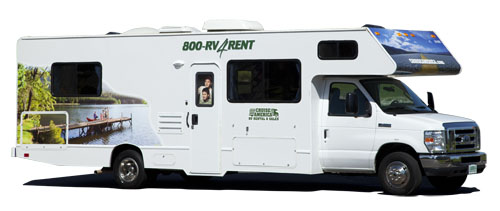
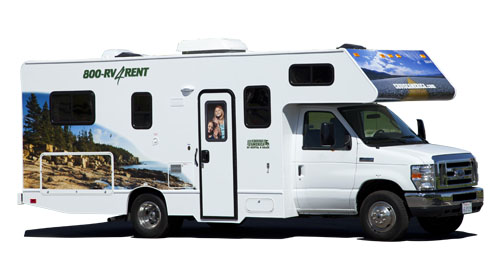
For weekly RV rentals exploring the diverse roads of the Central North US, Class C Alcove and Class SI Semi-integrated motorhomes offer an excellent balance of comfort, space, and maneuverability. Class C Alcove RVs, like the "cruise america rv rental example Explorer" (7.1m long with 4 sleeping places and a 82 liter fresh water tank) or the "C-MEDIUM PLUS" (8.1m long with 5 sleeping places and a 158 liter fresh water tank), are ideal for families. They provide ample living space, often include a dedicated over-cab sleeping area, and feature amenities such as a refrigerator, shower, and toilet, making them perfect for longer stays and varied terrain. Similarly, Class SI Semi-integrated RVs, such as the "K3" (6.99m long with 4 sleeping places and a 140 liter fresh water tank) or "Luxury Small" (6.75m long with 2 sleeping places), are a great choice for couples or smaller families. These offer a more compact profile for easier driving and parking while still providing significant onboard amenities for a comfortable week-long trip. Both classes are equipped with standard features like front air conditioning and heating, ensuring a pleasant journey regardless of the weather. As true RV specialists, we understand that finding the right vehicle is crucial for your adventure, and these options provide a fantastic starting point.Should I Choose a Compact Van Instead of a Large RV in Central North US?
Generally, there is no inherent issue driving almost any size RV, including larger Class A or Class C models, across the vast and well-maintained roadways of the Central North US. Your comfort and indoor space are often more significant considerations than extreme maneuverability, given the region's wide roads. A compact Class B Camper Van, such as the "rv rental denver example Category Van" (a small RV ideal for a couple, featuring shower and toilet), might genuinely be advantageous if your weekly rental itinerary frequently involves navigating tight historic city centers with narrow streets or if you prioritize ease of parking in standard spots and desire a more car-like driving experience. However, for most Central North US travel, especially if you plan to visit national parks, open prairies, or primarily stay in campgrounds, opting for a larger Class C or Semi-integrated motorhome often provides a superior trade-off in terms of living space, storage, onboard amenities, and overall comfort for a week-long trip, without presenting significant driving disadvantages. The decision truly comes down to your itinerary and personal preference for space versus vehicle size.Can I Park Anywhere? Free & Wild Camping Rules in Central North US
While truly 'wild camping' (setting up camp anywhere without explicit permission) is generally restricted and not recommended in the Central North US, various options exist for free or low-cost overnight RV parking. Many large retailers like Walmart often permit overnight RV parking in their lots, though it's crucial to always check with store management upon arrival, as policies can vary by individual location. Designated public lands, such as Bureau of Land Management (BLM) land (primarily in western states but some areas might exist within or near the Central North US) and certain national forests, frequently allow for dispersed camping (often called boondocking) without fees, provided you adhere strictly to Leave No Trace principles. Truck stops and highway rest areas can sometimes offer overnight parking, but these are typically intended for short-term stops and not extended camping, and local regulations should always be observed. Rules for free and wild camping vary significantly by state, county, and even specific public land management agency, so always check local regulations and follow posted laws before parking overnight to avoid fines or unwelcome encounters. For finding campsites and campgrounds during your trip, including many private and public options, we recommend using RV PLANET (rvplan.net), a great resource for locating available spots along your route.Can I Drive an RV Into the City Center? Heights, Tunnels & Local Signage
You can almost always drive an RV into city centers across the Central North US, but it requires heightened awareness of local signage, especially concerning vehicle dimensions and parking restrictions. There's no need to stress about driving a large vehicle in a city, just drive slowly and carefully, and you can drive almost anywhere without issues. Pay particular attention to signs indicating height limits for tunnels, underpasses, and low bridges, which are more common in older urban infrastructures. For example, some city bridges might have clearance as low as 3 meters (around 10 feet), so knowing your rental motorhome's height is crucial. Be aware of weight restrictions on certain roads or bridges, although these typically impact commercial vehicles more than standard recreational RVs. Some cities may have environmental zones or 'residents-only' parking areas, which could affect where you can drive or park your RV; always look for local signage for guidance. For navigating unfamiliar city streets, especially with a larger motorhome, utilize RV-specific navigation apps or GPS devices that can route you around height-restricted areas to avoid potential hazards.What is the 3-3-3 rule for RV driving?
The '3-3-3 rule' for RV driving is a popular guideline recommending that you drive no more than 300 miles a day, arrive at your destination by 3 PM, and stay for at least 3 days. This rule is designed to promote safer, more relaxed RV travel by preventing driver fatigue, ensuring you reach campgrounds during daylight hours for easier setup, and allowing sufficient time to enjoy each location and truly feel the place. Adhering to the 3-3-3 rule is particularly beneficial for weekly RV rentals in the Central North US, as it encourages a more leisurely pace to explore diverse regions and reduces the stress of constant travel, enhancing the overall vacation experience. For instance, traveling at this pace allows you ample time to prepare delicious meals in your RV's kitchen, making your trip feel even more like a home away from home. Consider checking our RV-friendly recipes playlist for meal ideas on the go!What size RV can you drive without a special license?
In the Central North US, most recreational vehicles, including Class B campervans, Class C alcove models, and many Class A and Semi-integrated RVs, can be driven with a standard Class D (or equivalent) driver's license, provided their Gross Vehicle Weight Rating (GVWR) is under 26,001 pounds (approximately 11,793 kg). This 26,001-pound threshold is the federal standard that typically distinguishes between requiring a standard driver's license and a Commercial Driver's License (CDL) or specialized non-commercial license for heavier vehicles. It's always prudent to check the specific GVWR of your rented RV and verify any unique state-specific requirements in the Central North US states you plan to visit. However, for typical weekly RV rentals, requiring additional endorsements for very large non-commercial vehicles is rare.What states require RVs to stop at weigh stations in Central North US?
In the Central North US, recreational vehicles (RVs) are generally NOT required to stop at weigh stations, as these facilities are primarily designated for commercial vehicles. For example, a typical Class C motorhome like the "MHC24" with a GVWR far below commercial limits, would not usually need to stop. However, some states, like Michigan, may have signage indicating 'All Trucks and RVs Must Enter Weigh Station,' and while enforcement for non-commercial RVs is rare, it's safest to obey the signage, especially if your RV is exceptionally large or towing a significant load. The primary purpose of weigh stations is to ensure commercial vehicles comply with weight limits and safety regulations, which do not typically apply to privately-owned or rented recreational RVs unless they are being used for commercial purposes. When in doubt, a quick internet search for the specific state's Department of Transportation rules regarding RVs and weigh stations can provide clarity, but for most weekly RV renters, this is not a common concern.What states have banned RVs in Central North US?
No state in the United States has a blanket ban on RVs; motorhomes and campervans are legally permitted to travel and camp across all 50 states. This means you can freely explore the entirety of the Central North US in your rented RV. However, individual cities, counties, or specific recreational areas within states may impose localized restrictions on RV parking, overnight camping, or vehicle size, typically for reasons like traffic management, environmental protection, or local noise ordinances. For example, some urban areas might prohibit overnight street parking for RVs, or certain national park roads could have length restrictions for larger vehicles (like those on Needles Highway in South Dakota). Travelers with a weekly RV rental in the Central North US should always check local ordinances for their specific destinations to avoid any unexpected restrictions and ensure a smooth trip.Extended RV Stays and Practicalities in Central North US
For rental travelers seeking extended RV trips in the Central North US, certain states offer excellent conditions for longer stays, though the term "living year-round" typically refers to permanent residency which is not our focus for rentals. While North Carolina (NC) is often cited as popular for its mild climate, it is located outside the Central North US region. Within the Central North US, states like Michigan, Wisconsin, and Missouri also provide a variety of RV parks that cater to longer rentals, offering amenities like full hookups and community activities. For those planning an extended stay, careful consideration of seasonal weather is vital; proper RV winterization is essential for comfortable long-term rentals during the harsh winters experienced in many northern Central North US states. For comprehensive pricing on longer journeys, including multi-week options, our guide "RV Rental in Central North US for Couples - Pricing 2026" can provide useful estimates.Navigating Year-Round RV Trips in Michigan
Yes, planning an extended RV trip in Michigan year-round is certainly possible, but it presents significant logistical and comfort challenges, primarily due to the state's harsh winter weather. To comfortably enjoy a year-round rental in Michigan, you would typically need to secure a spot in an RV park that offers long-term, year-round sites, as continuous parking on unregulated land is generally not feasible or legal. Motorhome travelers choosing extended rentals in Michigan during colder months must ensure their campervan is extensively winterized. This includes features like insulated skirting, heated water hoses, and often supplemental heating systems to effectively withstand freezing temperatures and heavy snowfall. While Michigan offers beautiful summers and vibrant autumns for RV travel, the extreme cold from late fall through early spring makes it one of the more challenging Central North US states for continuous habitation without specialized preparations.What is the largest RV you can drive without a special license?
The largest RV you can generally drive without a special license in the Central North US (and most of the U.S.) is one with a Gross Vehicle Weight Rating (GVWR) of 26,000 pounds (approximately 11,793 kg) or less. This weight limit means that almost all Class B (Camper Van), Class C (Alcove), and Class SI (Semi-integrated) RVs, along with many Class A (Integrated) motorhomes, fall within the standard driver's license requirements. For instance, a Class C motorhome like the "MH-A" which has 6 sleeping places and a 208 Liter fuel tank, or a large Class A like the "Class A - Thor ACE 30" (6 sleeping places, 302 Liter fuel tank) typically remain within this limit. While federal guidelines set this 26,000-pound threshold, it is always wise to double-check the specific GVWR of your rental RV and confirm any additional state-specific non-commercial license requirements for the Central North US states you plan to visit, as some may have length-based endorsements for vehicles over 40 feet, though these are uncommon for typical weekly rentals.Can I sleep in RV while driving?
No, it is illegal and extremely unsafe for passengers to sleep in the main living area of a rented RV while it is in motion, as they must be properly secured with seatbelts, just like in any other vehicle. Federal and state laws in the Central North US, and across the United States, require all passengers to be seated in designated seats with functioning seatbelts whenever the motorhome is being driven. Sleeping in beds, dinettes, or other unsecured areas of an RV while it is moving poses significant safety risks in the event of a sudden stop or accident. For your weekly RV rental, ensure all passengers are buckled up, and plan your stops for rest or naps to maintain safety for everyone on board. Safety on the road is always paramount, and taking regular breaks will make your Central North US adventure much more enjoyable.Planning an Extended RV Base in Central North US
For rental travelers seeking an extended RV base in the Central North US, the "best" state is often one that offers flexible RV park options and convenient services, rather than focusing on permanent residency for full-time living. South Dakota is widely regarded as an excellent option for RVers looking for logistical ease during longer rental periods within the Central North US region, due to its low vehicle registration fees and streamlined processes for establishing mail forwarding services. These services are crucial for nomadic lifestyles and are generally known for their RV-friendly laws and communities, simplifying aspects like receiving correspondence during your multi-week motorhome adventure. States like South Dakota allow you to establish a temporary administrative base efficiently, freeing you up to explore the region's expansive landscapes in your rented campervan. The most suitable state ultimately depends on individual circumstances, but for Central North US travelers, South Dakota frequently stands out as a top contender for these practical benefits.Top Cities for RV Rental in Central North US
The Central North US offers several fantastic cities to begin or end your RV rental adventure, each providing easy access to the region's diverse landscapes and attractions.- Chicago, Illinois: A major hub with excellent access to Lake Michigan shores, vibrant city life, and a starting point for routes heading west across the plains or north towards the Great Lakes.
- Minneapolis-St. Paul, Minnesota: Known as the "Twin Cities," this area provides gateways to Minnesota's beautiful 10,000 lakes region and routes further west into the Dakotas.
- Detroit, Michigan: Offers a unique blend of automotive history, urban resurgence, and proximity to the Great Lakes and Canada, making it a great starting point for exploring the upper Midwest.
- St. Louis, Missouri: Positioned on the Mississippi River, it's a historical city with the iconic Gateway Arch, offering a launching pad for southern Central North US adventures.
- Omaha, Nebraska: A welcoming city with a rich pioneer heritage, providing easy access to the vast prairies and a central location for exploring Nebraska and neighboring states.
- Kansas City, Missouri/Kansas: Famous for its barbecue and jazz scene, it serves as an excellent starting point for exploring the heart of the Great Plains.
- Indianapolis, Indiana: Known for the Indianapolis Motor Speedway, it offers a blend of urban attractions and convenient access to the Midwest's scenic routes.
Country-Wide Practical Information for RV Travelers
Embarking on a rented motorhome adventure in the Central North US means understanding some general country-wide practicalities to ensure a smooth trip. In the United States, you'll always drive on the right-hand side of the road, with passing on the left. Speed limits vary by state and road type, typically ranging from 55 mph (approx. 88 km/h) on state highways to 75-80 mph (approx. 120-128 km/h) on interstate highways, so always adhere to posted signs. Seatbelt laws are strictly enforced, requiring all passengers to be buckled up while the RV is in motion. In case of emergencies, the universal number for police, fire, and medical assistance across the USA is 911. For staying connected, purchasing a local SIM card from major carriers like Verizon, T-Mobile, or AT&T is recommended, as coverage can vary, particularly in more rural stretches of the Central North US. Verizon generally offers the most extensive coverage in remote areas, while T-Mobile can be a budget-friendly option with good urban coverage. Our "RV Rental USA - Complete Guide 2026" offers a broader overview of national travel considerations.What You Shouldn't Miss
- **Black Hills and Badlands, South Dakota:** Explore Mount Rushmore National Memorial, Custer State Park's wildlife loops, and the surreal landscapes of Badlands National Park.
- **The Great Lakes Shorelines:** Drive along the scenic coasts of Michigan, Wisconsin, or Minnesota, visiting charming lakeside towns and enjoying water activities.
- **Gateway Arch National Park, St. Louis, Missouri:** Witness the iconic symbol of westward expansion and explore the vibrant city's history and culture.
- **Starved Rock State Park, Illinois:** Discover stunning canyons, seasonal waterfalls, and abundant hiking trails along the Illinois River, just a short drive from Chicago.
- **North Dakota's Enchanted Highway:** Take a scenic detour to marvel at unique, large-scale scrap metal sculptures dotting the landscape, a true roadside art experience.
- Looking for expert insights from Avi Bandana? Top 5 Adventures - recommendations from Avi Bandana.
Final Thoughts
A week-long RV driving tour in the Central North US offers an incredible opportunity to explore a diverse and beautiful region at your own pace. With Bandana Caravan, you're not just renting a motorhome; you're gaining a partner dedicated to making your adventure seamless and unforgettable. From understanding local driving rules to finding the perfect camping spot, we're here to support you every step of the way, before, during, and after your booking. Imagine waking up to a fresh prairie sunrise or the serene sounds of a Great Lakes morning, with all the comforts of home just steps away. This region is truly ripe for discovery, offering everything from quirky roadside attractions to stunning national parks. So, pack your bags, choose your ideal campervan or motorhome, and get ready to create lasting memories on the open roads of the Central North US. Discover top destinations and planning tips, all in one place! Ready to hit the road? Compare Motorhome Prices for Central North US today and find the perfect weekly RV rental for your journey!On the routes offered through RV PLANET routes, you can itemize and track every expense along the way for easy budgeting.