In This Guide
- Can You Drive an RV in Boston? License & Age Rules
- Road Conditions & Terrain in Boston
- RV Size Limits, Bridges & Restricted Zones
- Fuel: Diesel vs. Petrol & Cost per 100 km
- Tolls, Vignettes & Border Rules
- Driving Tips for Weekly RV Rental Travelers
- Recommended RV Class for Boston Roads
- Should I Choose a Compact Van Instead of a Large RV in Boston?
- Can I Park Anywhere? Free & Wild Camping Rules in Boston
- Can I Drive an RV Into the City Center? Heights, Tunnels & Local Signage
- What is the 3-3-3 rule when RVing?
- What is the 4-4-4 rule for RVing?
- What requirements do you need to drive an RV?
- Do I need a special license to drive an RV in Massachusetts?
- What is the 5 or more rule in Boston?
- Do I need a separate license for an RV?
- How much is RV insurance in Massachusetts?
- Can you get temporary RV insurance?
- Does AAA cover RV insurance?
Embarking on a week-long RV driving tour in Boston offers an unparalleled blend of historic exploration and scenic New England beauty. For live availability and current prices, start with our RV Rental Boston - Complete Guide 2026 guide. Imagine the freedom of waking up near the Atlantic coast, enjoying a freshly prepared breakfast in your rented motorhome (check out our RV-friendly recipes playlist for inspiration), and then heading off to discover iconic landmarks like the Freedom Trail or Fenway Park. At Bandana Caravan, we believe in full transparency with no hidden fees, ensuring you know exactly what you’re paying for before you even pick up your vehicle. We specialize exclusively in RV travel, offering expert insights and support from the moment you consider your trip.
Can You Drive an RV in Boston? License & Age Rules
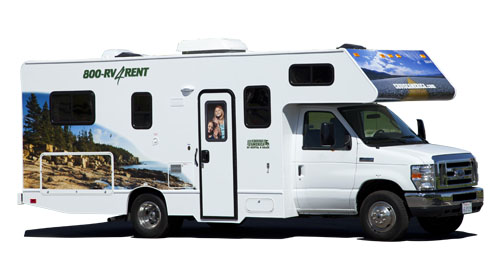
A standard Class D driver's license is generally sufficient for operating most recreational vehicles (RVs) in Massachusetts, provided the Gross Vehicle Weight Rating (GVWR) is under 26,001 pounds. Drivers must typically be at least 21 years old to rent an RV through Bandana Caravan, aligning with common rental policies, though Massachusetts law permits individuals aged 18 and older to drive an RV with the appropriate license. For example, a family renting a 6.1-meter "cruise america rv rental example Explorer" Class C motorhome (which has a GVWR well under 26,001 pounds) would only need a standard license. International visitors from non-English speaking countries are recommended to obtain an International Driving Permit (IDP) for translation, although it is not mandatory in all cases for short-term stays.
Massachusetts does not impose young driver surcharges for RV rentals, nor are there vehicle class restrictions based on age, which offers greater flexibility for travelers aged 21 and over. Our support team helps clarify any licensing questions before you book, ensuring a smooth start to your adventure. You can upgrade to a top-level deductible for extra peace of mind, allowing you to focus on the journey ahead.
Road Conditions & Terrain in Boston
Boston's road conditions range from well-maintained interstate highways to historic, often brick or cobblestoned, and sometimes uneven city streets. The terrain immediately around Boston is largely urban and coastal, featuring relatively flat roads that transition into more rolling hills in the surrounding Massachusetts countryside. Navigating a rented RV through Boston itself requires patience due to dense traffic, frequent construction projects, and narrow, winding streets typical of older neighborhoods like the North End or Beacon Hill. For instance, traveling on I-90 (Massachusetts Turnpike) or I-93 provides a smoother, more predictable driving experience for motorhomes and campervans, perfect for reaching nearby attractions or campgrounds. Drive slowly and carefully, and you can drive almost anywhere without issues. No need to stress - just use common sense and pay attention.
When planning your weekly RV trip, consider that some smaller, less-traveled roads in historic towns just outside Boston might also present challenges for larger RVs due to limited shoulder space and tight turns. Planning your routes using an RV-specific GPS can help avoid unexpected difficulties. For more comprehensive planning assistance, exploring RV PLANET routes offers professional itineraries that factor in road conditions and RV-friendly stops.
RV Size Limits, Bridges & Restricted Zones
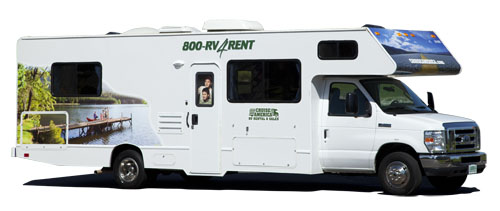
RV travelers in Boston must pay close attention to height and weight restrictions, particularly for the city's numerous bridges, tunnels, and historic areas. Many urban tunnels and underpasses in Boston, especially those related to the Big Dig project, have strict height clearances, often around 13 feet 6 inches (approximately 4.1 meters), which can be challenging for larger Class A or Class C RVs like the 7.1-meter "cruise america rv rental example Explorer" or the 9.1-meter "C-30" model. While specific environmental zones or ferry limits are not predominantly enforced for RVs in Boston, certain historic districts, particularly in downtown, or residential areas may have restrictions on oversized vehicles or limitations on street parking, especially around popular tourist areas like Faneuil Hall. Always consult an RV-specific GPS or a current map for up-to-date bridge clearances and road restrictions when planning your route into and around Boston. For instance, the Sumner Tunnel connecting Logan Airport to downtown has specific rules regarding commercial vehicles, which may sometimes affect larger rental motorhomes, although most leisure RVs are classified differently.
Fuel: Diesel vs. Petrol & Cost per 100 km
Most rental RVs in Bandana Caravan's global fleet, including many Class SI Semi-integrated, Class C Alcove, and Class B Camper Vans, typically run on diesel fuel, which is widely available in Massachusetts. For example, a "V3" campervan with a 2-liter diesel engine averages 11-13 liters/100 km, while a larger "MH-A" motorhome with a 6.8-liter gas engine might consume closer to 25 liters/100 km. The cost per 100 km for an RV in Boston depends on current fuel prices, which fluctuate daily; travelers should budget accordingly, as fuel in the Northeast region can be higher than the national average. You can easily track and itemize every expense along the way for easy budgeting by using RV PLANET routes to plan your trip. On the routes offered through RV PLANET routes, you can itemize and track every expense along the way for easy budgeting.
It's always a good idea to factor fuel costs into your overall weekly RV rental in Boston budget. While Bandana does not currently offer specific fuel discount cards for Boston rentals, checking gas station apps or membership programs can sometimes yield minor savings. Remember to fill up your tank before returning your RV to avoid additional refueling fees.
Tolls, Vignettes & Border Rules
Massachusetts primarily utilizes an all-electronic tolling system, particularly along the Massachusetts Turnpike (I-90) and the Tobin Bridge, without traditional physical toll booths. RV drivers will be billed via E-ZPass (recommended for lower rates) or through "Pay By Plate," where a bill is mailed to the registered owner's address, often at a higher, non-discounted rate. For a week-long RV adventure, an E-ZPass transponder can be a smart investment, as tolls can quickly add up, especially if you plan to explore beyond Boston into other New England states like New Hampshire or Maine. A typical RV trip from Boston to Cape Cod and back on a rented camper could incur $10-$20 in tolls, depending on the exact route and E-ZPass usage.
Massachusetts does not typically use vignette systems like some European countries, relying instead on per-use tolls. Travelers crossing state borders from Massachusetts into neighboring states like New Hampshire, Rhode Island, or New York should be aware that these states also operate various toll systems. A multi-state compatible E-ZPass transponder, which can be purchased at many convenience stores or online, offers the most seamless experience for RV travel across the Northeast, ensuring you are prepared for any tolls along your chosen itinerary.
Driving Tips for Weekly RV Rental Travelers
Planning your routes in advance is essential, especially when navigating urban Boston, using an RV-specific GPS to avoid low bridges, narrow streets, and restricted zones. For example, many Class C motorhomes, like the "24' Class C Motorhome" (7.46 meters long), require careful maneuvering in historic areas. For families on a weekly rental, scheduling regular breaks every 2-3 hours to prevent driver fatigue and allow passengers to stretch is highly recommended. Budget-conscious travelers should consider pre-purchasing an E-ZPass transponder to save on Massachusetts tolls, as "Pay By Plate" can be significantly more expensive. Remember to travel slowly, averaging no more than 100-150 km per day, to truly immerse yourself in the culture, food, and scenery of Massachusetts.
Practice wide turns and allow extra stopping distance; even smaller RVs, like Class B Camper Vans (averaging 5.8 meters in length), handle differently than cars. When picking up your rented RV from a Bandana partner supplier like Cruise America or El Monte, take a few minutes in a low-traffic area to get accustomed to the vehicle's size and handling. Our 24/7 support is there for you before, during, and after your booking to answer any questions about your vehicle, ensuring you feel confident on Boston roads. For finding campsites and campgrounds during your trip, we recommend using RV PLANET (rvplan.net) - a great resource for locating available spots along your route.
Recommended RV Class for Boston Roads
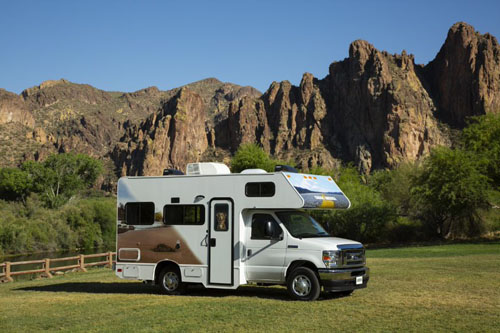
For navigating Boston's mix of urban density and surrounding attractions, a Class B Camper Van or a Class SI Semi-integrated RV is often recommended due to their balanced maneuverability and living space. Class B Camper Vans, averaging 5.8 meters in length (like the "Active Bunk Auto"), offer excellent agility for city driving and easier parking in tighter spots, such as those found near Quincy Market or the Boston Public Garden. These compact RVs are ideal for couples or small families seeking flexibility. Class SI Semi-integrated RVs, with an average length of 6.9 meters (like the "Discovery - 5 berth motorhome with rear U-lounge"), provide more interior comfort and amenities than camper vans while still being manageable for most roads outside the most congested Boston core. These offer a good balance of space and handling for a week-long trip, allowing comfortable living with a full kitchen, shower, and toilet, making meals like those in our RV-friendly recipes playlist a breeze to prepare on the go. While larger Class C Alcove RVs (averaging 7.5 meters) offer more sleeping places and cargo capacity, their size might present more challenges in tight Boston streets and parking scenarios.
Should I Choose a Compact Van Instead of a Large RV in Boston?
While a compact campervan (Class B) offers superior maneuverability for extremely tight urban centers and easier parking, a larger RV (Class SI Semi-integrated or Class C Alcove) is often a better trade-off for comfort and amenities on a week-long rental. Most RV sizes, including larger Class C Alcove models (average 7.5m length, like a "6 Berth Deluxe") and even some Class A Integrated models (average 7.5m length, like an "Active First"), can be driven in and around Boston, provided drivers are mindful of specific height and width restrictions. A compact van, such as a 5.99-meter "cruise america example EX-Group A," genuinely helps in historic districts with very narrow streets or when navigating highly congested areas like Beacon Hill, where finding parking for a larger vehicle is nearly impossible.
For a weekly rental, the additional indoor space, larger kitchen, and separate sleeping areas of a semi-integrated or alcove RV often outweigh the minor parking challenges, especially if you plan to stay in RV parks outside the immediate city center and use public transport for downtown visits. For a family of 2+2, a Class SI Semi-integrated RV offers a comfortable experience without feeling cramped. Ultimately, your choice depends on your comfort level with driving larger vehicles and your priorities for space versus city agility.
Can I Park Anywhere? Free & Wild Camping Rules in Boston
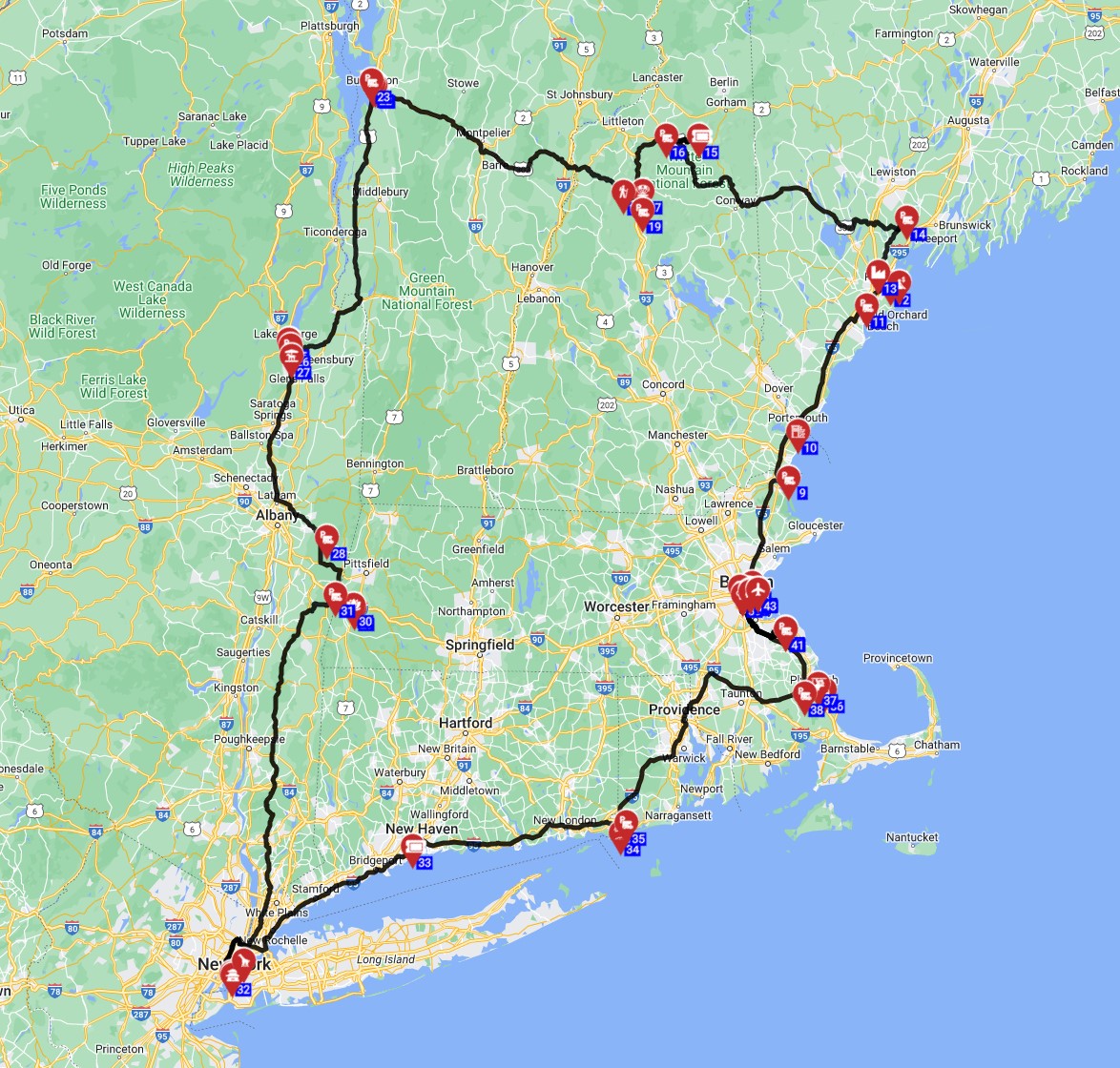
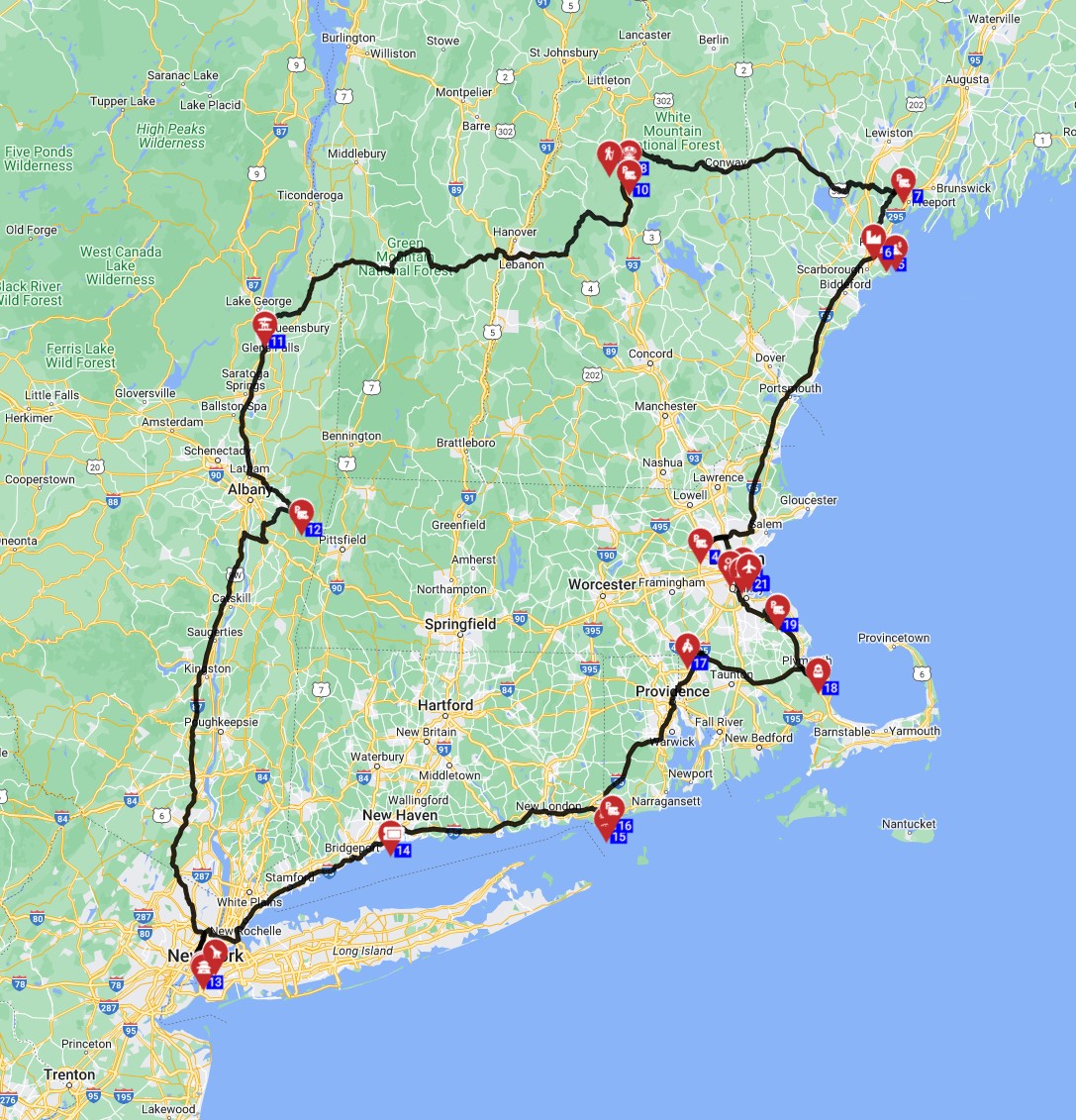
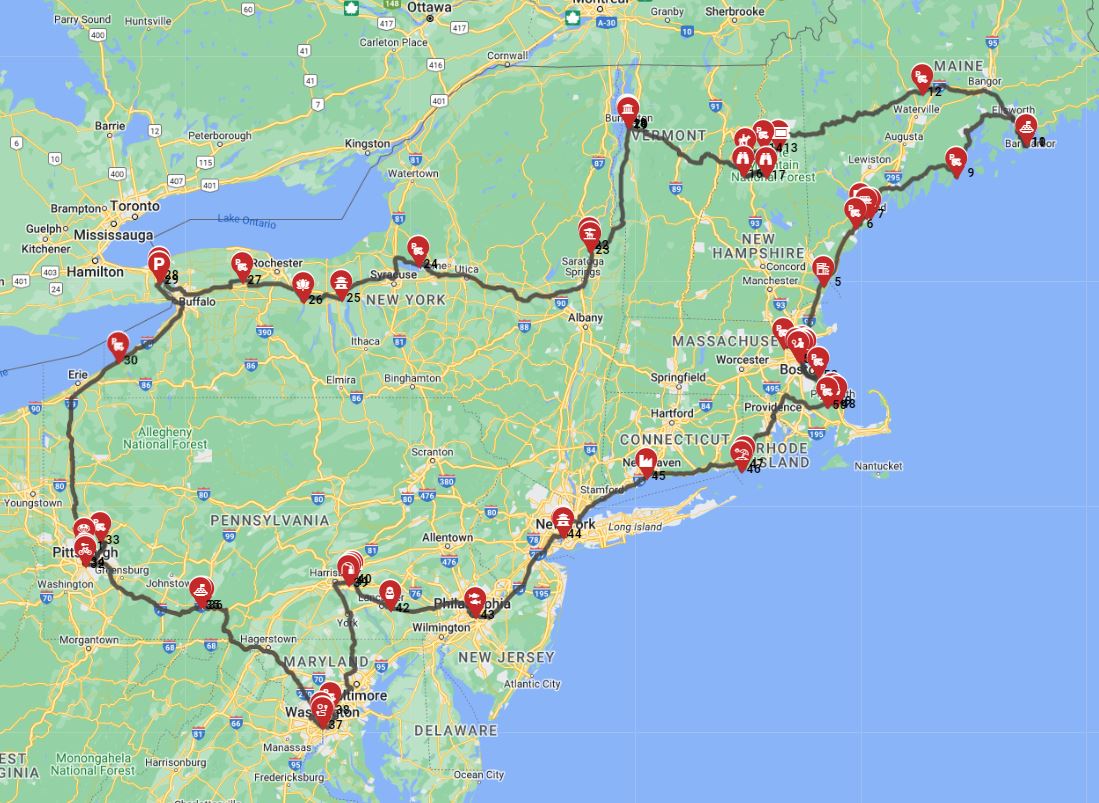
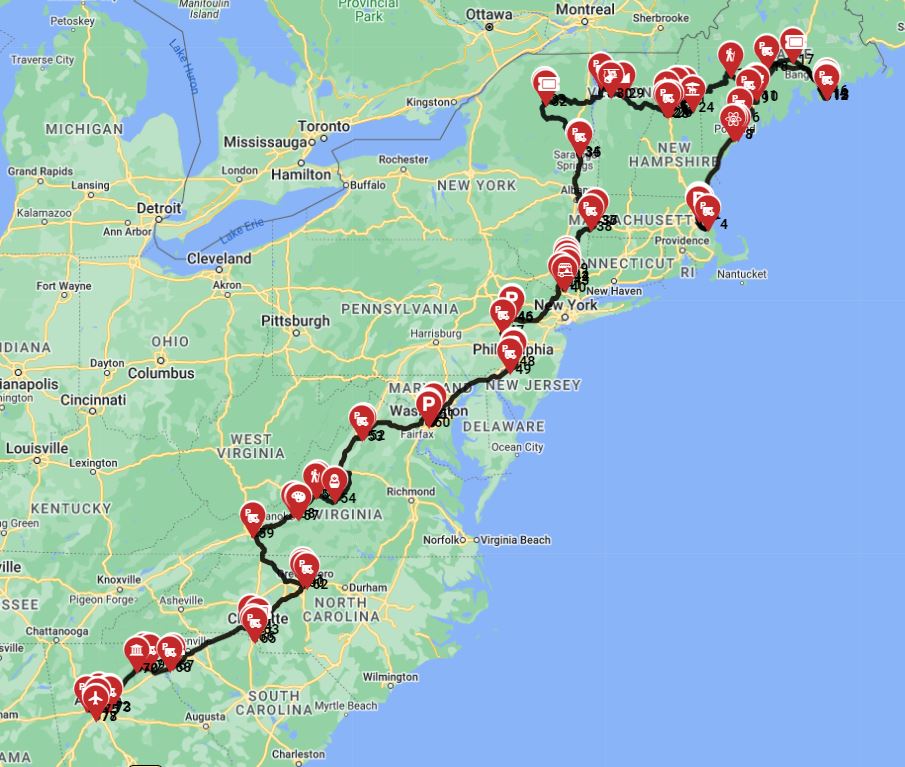
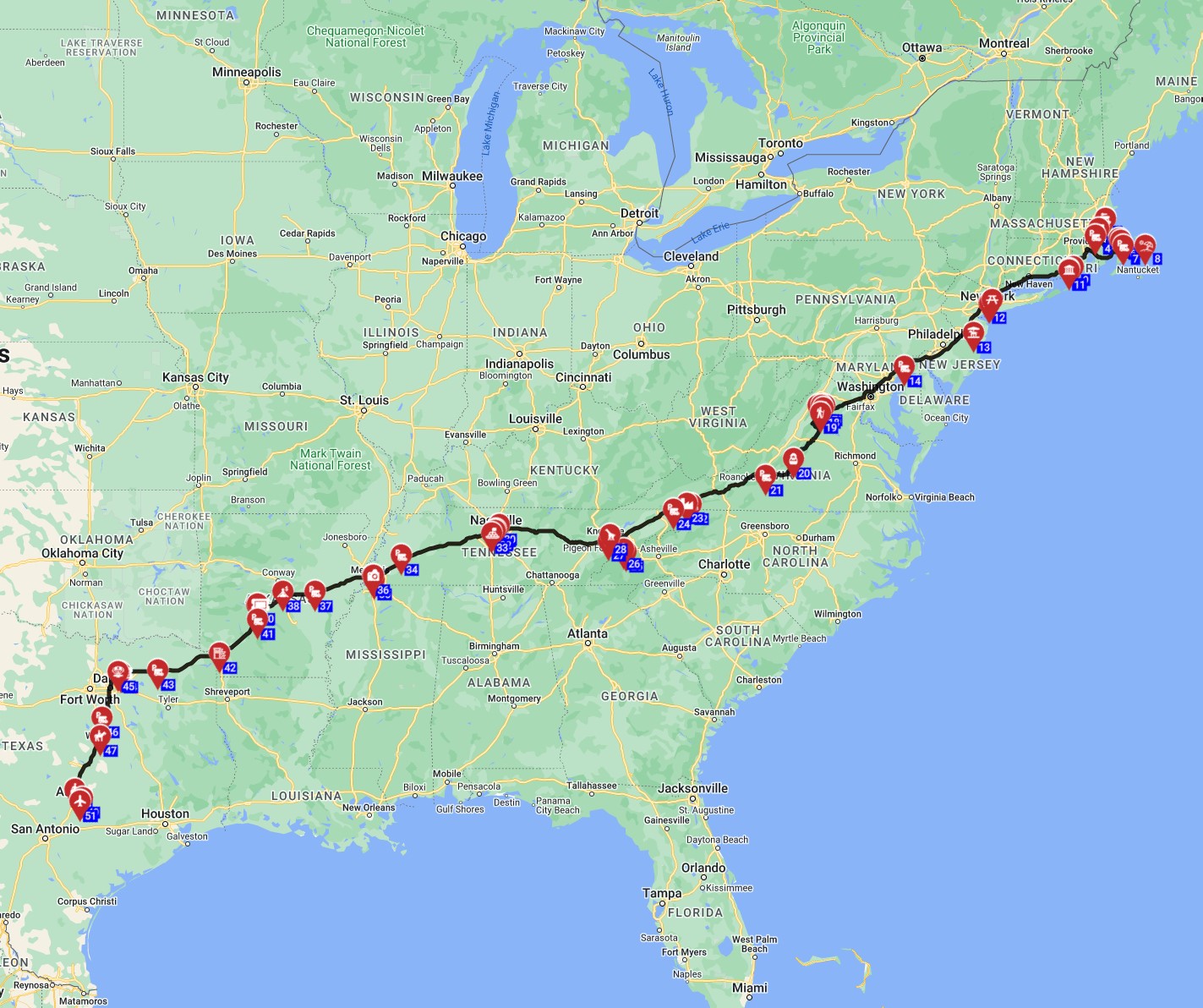
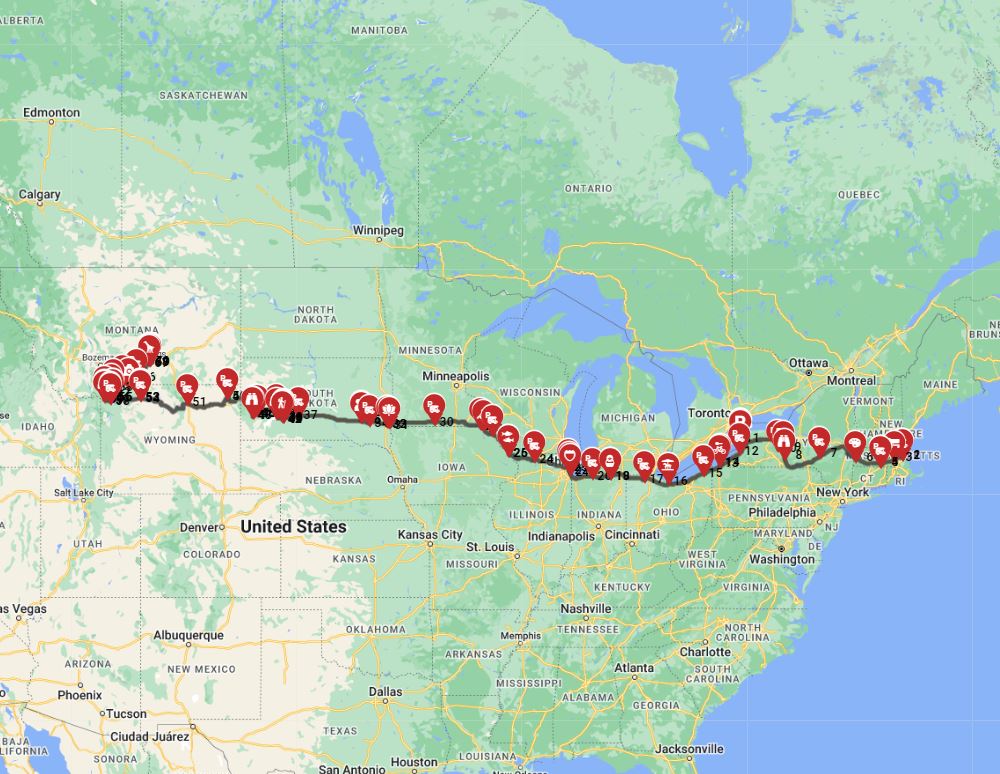
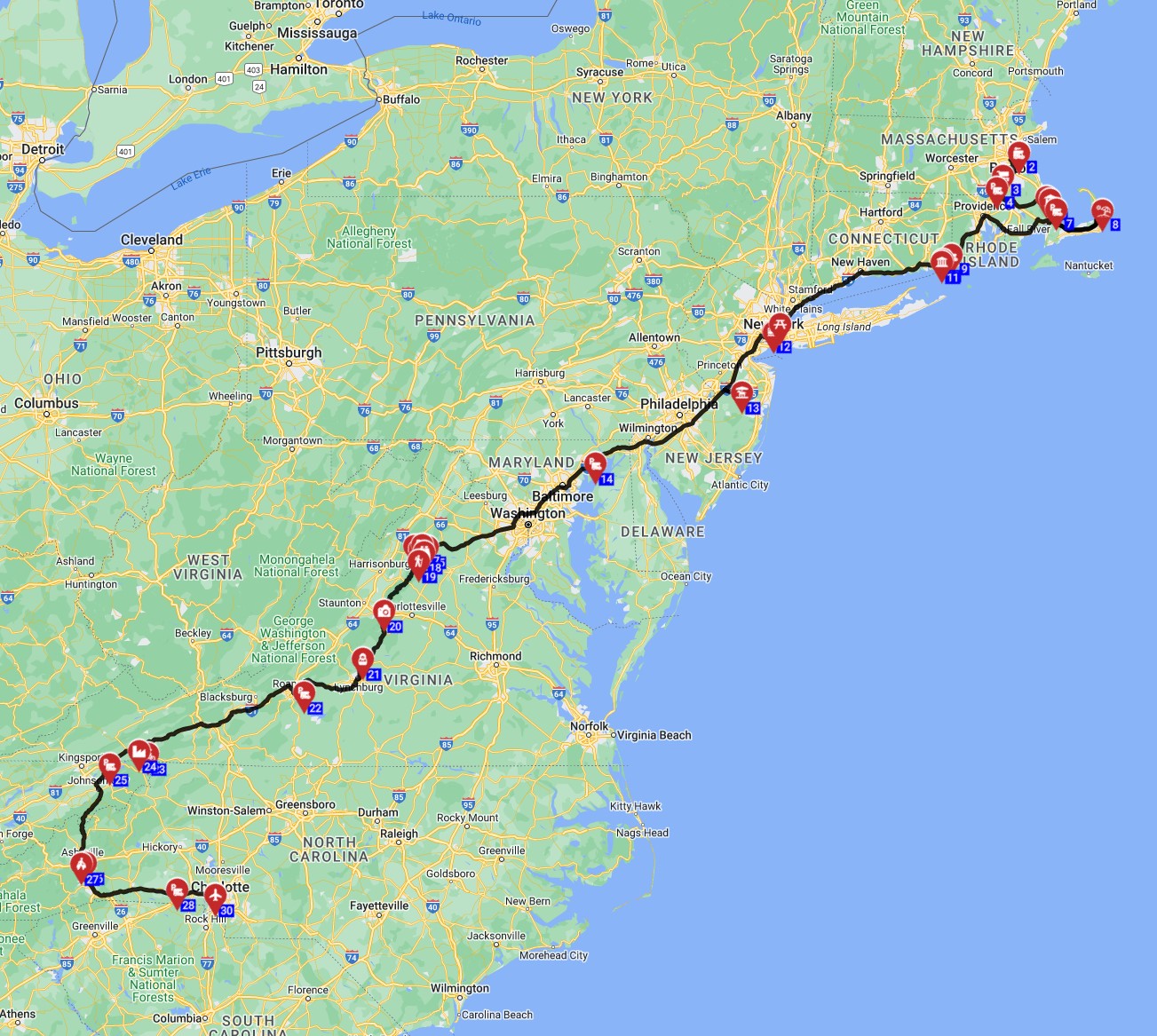
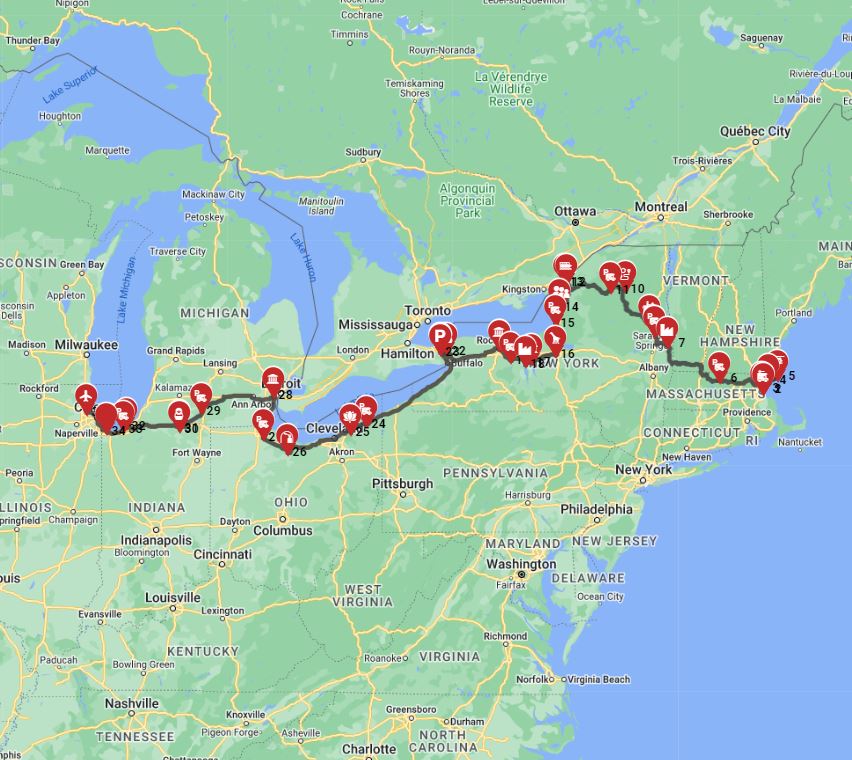
Free or wild camping (boondocking) is generally not permitted within the city limits of Boston or on public streets overnight. Most municipalities surrounding Boston also prohibit overnight RV parking on streets or in public lots without specific permits, due to local ordinances and safety concerns. Travelers should plan to stay at established RV parks or campgrounds located within a reasonable driving distance of Boston, many of which offer shuttle services or easy access to public transportation, such as Wompatuck State Park in Hingham (about 25 miles south of Boston, 275 campsites). Rules vary by region, so always check local regulations and follow local law before parking overnight, as fines for illegal parking can be substantial. For instance, the "Billings to Boston - Mountains, Falls & Freedom Trail: A Family RV Adventure Across 9 States" route plan available on RV PLANET highlights several natural features and historical sites, suggesting appropriate overnight spots outside the dense urban core.
Popular campgrounds like Harold Parker State Forest (North Andover) or Boston Minuteman Campground (Littleton) provide facilities, including dump stations and hookups, making your weekly RV rental experience comfortable and compliant with local rules.
Can I Drive an RV Into the City Center? Heights, Tunnels & Local Signage
Yes, you can drive an RV into Boston's city center, but it requires careful attention to signage regarding height limits, tunnels, and street restrictions. Boston is known for its extensive network of tunnels, particularly those associated with the Big Dig project, which often have height restrictions around 13 feet 6 inches (4.1 meters). Always pay close attention to local signage indicating height clearances, one-way streets, resident-only parking zones, and environmental zones that might limit vehicle access or impose fees. Using an RV-specific GPS that factors in vehicle dimensions is crucial for avoiding routes with low bridges or tunnels that could damage your rental RV. For example, some Class A motorhomes, like a "Class A - Thor ACE 30" (9.37 meters long), would need meticulous route planning.
Local authorities recommend utilizing public transport (the "T") from suburban park-and-ride stations, such as those in Riverside or Braintree, to explore the downtown area. This strategy lets you enjoy Boston's historic sites, like the Old North Church or Paul Revere House, without the stress of urban RV navigation. We believe in being supportive of your journey from the first click until your booking is confirmed, offering guidance on these local specifics.
What is the 3-3-3 rule when RVing?
The 3-3-3 rule for RVing is a popular guideline for trip planning, advising drivers to limit their daily travel to 300 miles (approximately 480 km), arrive at their destination by 3 PM, and stay for at least 3 nights. This rule is designed to promote a relaxed travel pace, prevent driver fatigue, and allow ample time to set up camp, explore the area, and enjoy the RV experience without feeling rushed. For example, a leisurely trip from Boston to the scenic White Mountains of New Hampshire (about 200 km) would align perfectly with this rule, offering time to hike and enjoy the mountain towns. Adhering to the 3-3-3 rule can be particularly beneficial for weekly RV rentals around Boston, encouraging a more immersive visit to fewer locations rather than a hurried tour of many. While a useful guideline, travelers should adapt the 3-3-3 rule to their specific itinerary and preferences, especially if visiting a dense urban area like Boston where mileage might be less but travel time could be longer due to traffic patterns.
What is the 4-4-4 rule for RVing?
The 4-4-4 rule is another RV travel guideline, suggesting drivers limit their driving to no more than 4 hours a day, stay within 400 miles (approximately 640 km) of their starting point, and reserve a campsite at least 4 days in advance. This rule, similar to the 3-3-3 rule, aims to reduce stress and enhance safety by ensuring manageable daily driving distances and promoting thoughtful planning. For a weekly RV rental in Boston, focusing on the '4 hours a day' aspect can be especially helpful for navigating congested areas and allowing more time for sightseeing, perhaps a day trip to Salem (about 30 km north) and then returning to a nearby campground. Reserving campsites 4 days (or even further in advance during peak season) is crucial for popular areas around Boston, as spots fill up quickly at locations like Boston Minuteman Campground. Remember, many national and state parks reserve only 25-30% of spots online, with the rest available first-come-first-serve, so calling ahead is always wise.
What requirements do you need to drive an RV?
To drive most RVs in Massachusetts, including those commonly rented for weekly trips in Boston, a standard Class D driver's license is sufficient. The primary requirement beyond a standard license depends on the RV's Gross Vehicle Weight Rating (GVWR); RVs over 26,000 pounds GVWR or combination vehicles exceeding that weight with heavy towed units necessitate a commercial license (Class A or B). Renters typically need to be at least 21 years old and possess a valid driver's license, often with a clean driving record. For international visitors, a valid foreign driver's license paired with an International Driving Permit (IDP) is usually required to drive an RV in Massachusetts, although the IDP is not mandatory in all cases. Most Class C motorhomes and campervans, such as a "MH23 Medium - Economy" (7.21 meters long), fall well within the standard license requirements, making RV travel accessible for many.
Do I need a special license to drive an RV in Massachusetts?
A special license is generally not required to drive an RV in Massachusetts if its Gross Vehicle Weight Rating (GVWR) is 26,000 pounds or less; a standard Class D license is adequate. For example, a popular 6-berth "Group I" Class C motorhome (7.21 meters long, GVWR under 26,000 lbs) can be driven with a regular license. For RVs with a GVWR exceeding 26,000 pounds, Massachusetts requires a Class B commercial driver's license. If you are towing a trailer with your RV and the combined GVWR of both vehicles exceeds 26,000 pounds, and the towed unit is over 10,000 pounds, a Class A commercial driver's license is necessary. However, Bandana only rents motorhomes and campervans, not towable RVs, so this specific Class A scenario is usually irrelevant for our renters. Therefore, for the majority of weekly RV rentals, your existing standard driver's license is sufficient for operating the vehicle in and around Boston.
What is the 5 or more rule in Boston?
The '5 or more rule' in Boston, sometimes colloquially referred to, typically pertains to occupancy limits in vehicles for rideshare services or for designating carpool lanes, rather than specific RV regulations. This rule is generally not applicable to the operation or parking of recreational vehicles themselves. For example, an RV carrying five people would not be subject to this rule in the same way a passenger car might be on certain roads during rush hour. While not an RV-specific regulation, visitors to Boston should be aware of parking restrictions, residential parking permits, and environmental initiatives that might indirectly affect vehicle access or cost. For RV travelers, the more critical rules to observe in Boston relate to vehicle dimensions (height, length), weight restrictions, and designated parking areas at campgrounds or commuter lots, rather than passenger count.
Do I need a separate license for an RV?
Most recreational vehicles (RVs) in Massachusetts do not require a separate license beyond a standard Class D driver's license, provided their Gross Vehicle Weight Rating (GVWR) is below 26,001 pounds. For instance, a 6.36-meter "V2L" Class B Camper Van, ideal for two people, only requires a standard license. A 'separate' or higher class of license is only necessary if the RV's weight or the combined weight of the RV and a towed vehicle exceeds specific thresholds (26,001 lbs GVWR for Class B commercial; 26,001 lbs combined with a towed unit over 10,000 lbs for Class A commercial). These higher license classifications are typically considered commercial licenses and involve additional testing beyond a standard passenger vehicle license. Therefore, for the majority of weekly RV rentals, your existing driver's license is sufficient for operating the vehicle in and around Boston, offering ease of access to your adventure.
How much is RV insurance in Massachusetts?
The cost of RV insurance in Massachusetts varies widely, based on factors such as the RV's type, age, value, the driver's record, coverage limits, and chosen deductible. For personal RV owners, annual RV insurance in Massachusetts can range from a few hundred dollars for basic coverage on a smaller, older unit to over a thousand dollars for comprehensive coverage on a new, high-value RV. For weekly RV rentals, comprehensive insurance from the rental company is usually mandatory and either included in the rental cost or offered as an optional add-on. Bandana Caravan ensures full transparency on these costs, so what you see is what you pay, with no surprise fees at pickup.
While your personal auto insurance policy might offer some secondary coverage for a rental, it's essential to verify its extent. We highly recommend reviewing the insurance options provided by your chosen supplier through Bandana, and considering the optional upgrade to a top-level deductible for extra peace of mind during your Boston adventure. This ensures you're fully protected on your week-long trip.
Can you get temporary RV insurance?
Yes, temporary RV insurance is available and often necessary for a weekly RV rental, especially if your personal auto insurance policy does not extend sufficient coverage to a rental RV. Most reputable RV rental companies, including Bandana's direct partners like El Monte and Cruise America, offer comprehensive insurance packages as part of their rental agreements or as an optional purchase, effectively acting as temporary coverage for the duration of your rental. For example, a typical package might cover liability up to $1 million and collision with a $1,500 deductible, which you can upgrade. Some private insurance carriers also offer short-term or temporary policies for RVs, which can be useful if you're borrowing an RV or need specific coverage not provided by the rental agency.
It is essential to verify the details of any temporary insurance, including liability limits, collision coverage, and roadside assistance, to ensure full protection during your weekly Boston RV trip. Our team of true RV specialists can help you compare final prices across suppliers, including their insurance offerings, before you finalize your booking.
Does AAA cover RV insurance?
Yes, AAA (American Automobile Association) generally offers RV insurance through its affiliated insurance providers, often providing a range of coverage options tailored for recreational vehicles. AAA's RV insurance typically includes standard coverages like liability, collision, and comprehensive, and may offer specialized RV-specific options such as personal effects coverage, vacation liability, and even full-timer coverage for personal RVs. For example, a basic RV policy through AAA could cost from $500 annually. Members can often receive discounts on RV insurance policies, and AAA's roadside assistance programs usually extend to RVs, providing valuable peace of mind for breakdowns or flat tires during your week-long RV adventure in Boston or across Massachusetts.
For a weekly RV rental in Boston, it's advisable to check with your specific AAA branch or insurance agent to understand if your existing policy extends to rental RVs or what additional coverage might be needed. While Bandana Caravan provides robust insurance options from our suppliers, understanding your personal coverage ensures you choose the best plan for your peace of mind.
What You Shouldn't Miss
- **The Freedom Trail:** Walk a 4 km red-lined path connecting 16 historically significant sites, including the USS Constitution, Paul Revere House, and Faneuil Hall.
- **Fenway Park Tour:** Even if it's not baseball season, take a tour of America's Most Beloved Ballpark, home to the Boston Red Sox since 1912.
- **Boston Harbor Islands National and State Park:** Take a ferry from Long Wharf (Boston) or Hingham to explore these unique islands, offering hiking, swimming, and historic forts with stunning skyline views.
- **Harvard University Exploration:** Visit Harvard Square in Cambridge, walk through the historic Harvard Yard, and soak in the academic atmosphere.
- **Whale Watching Cruise:** Depart from Boston Harbor for a seasonal adventure (April-October) to spot humpback, fin, and minke whales in the Stellwagen Bank National Marine Sanctuary.
- **Scenic Drive to Cape Ann:** Head north of Boston in your rented motorhome for a picturesque drive along the coast to charming towns like Rockport and Gloucester, known for their art galleries, fresh seafood, and rocky beaches.
Looking for expert insights from Avi Bandana? Top 5 Adventures - recommendations from Avi Bandana
🎬 Video coming soon
Final Thoughts
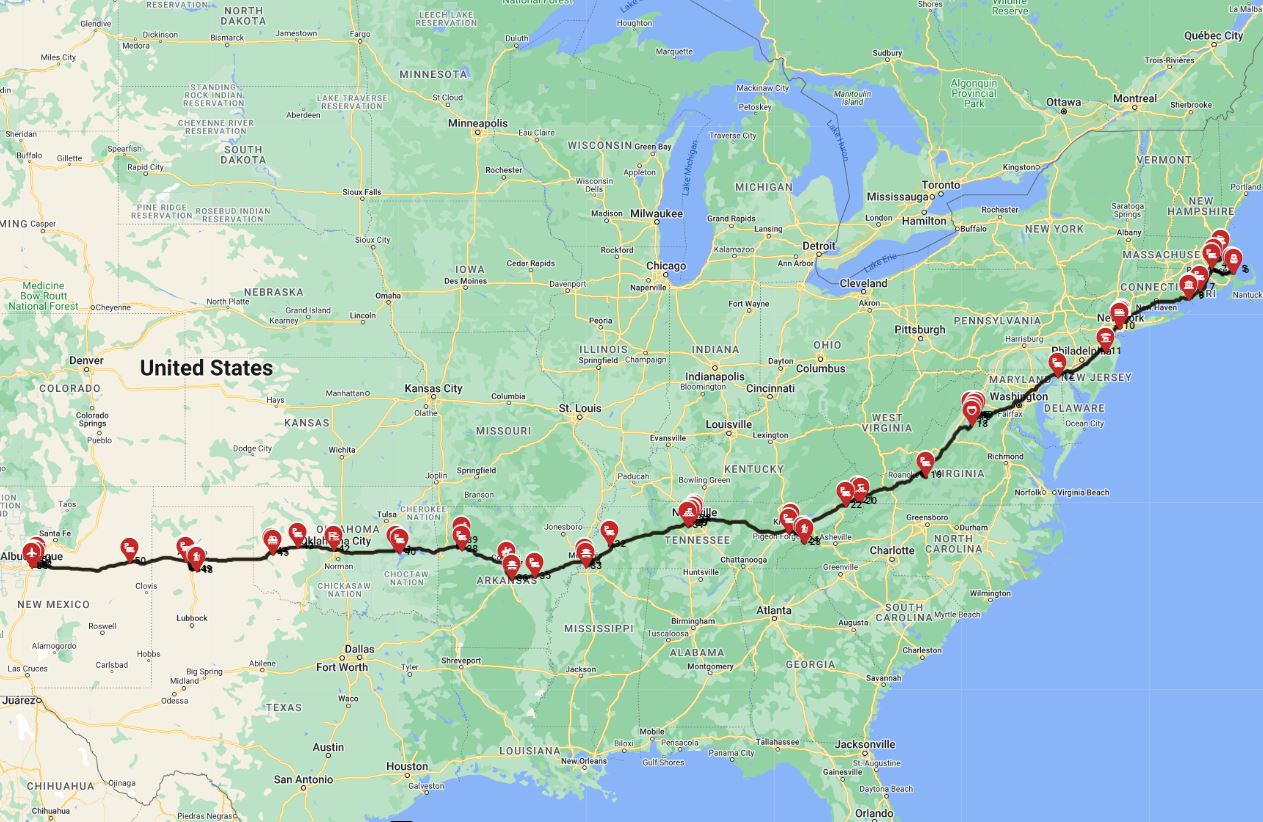
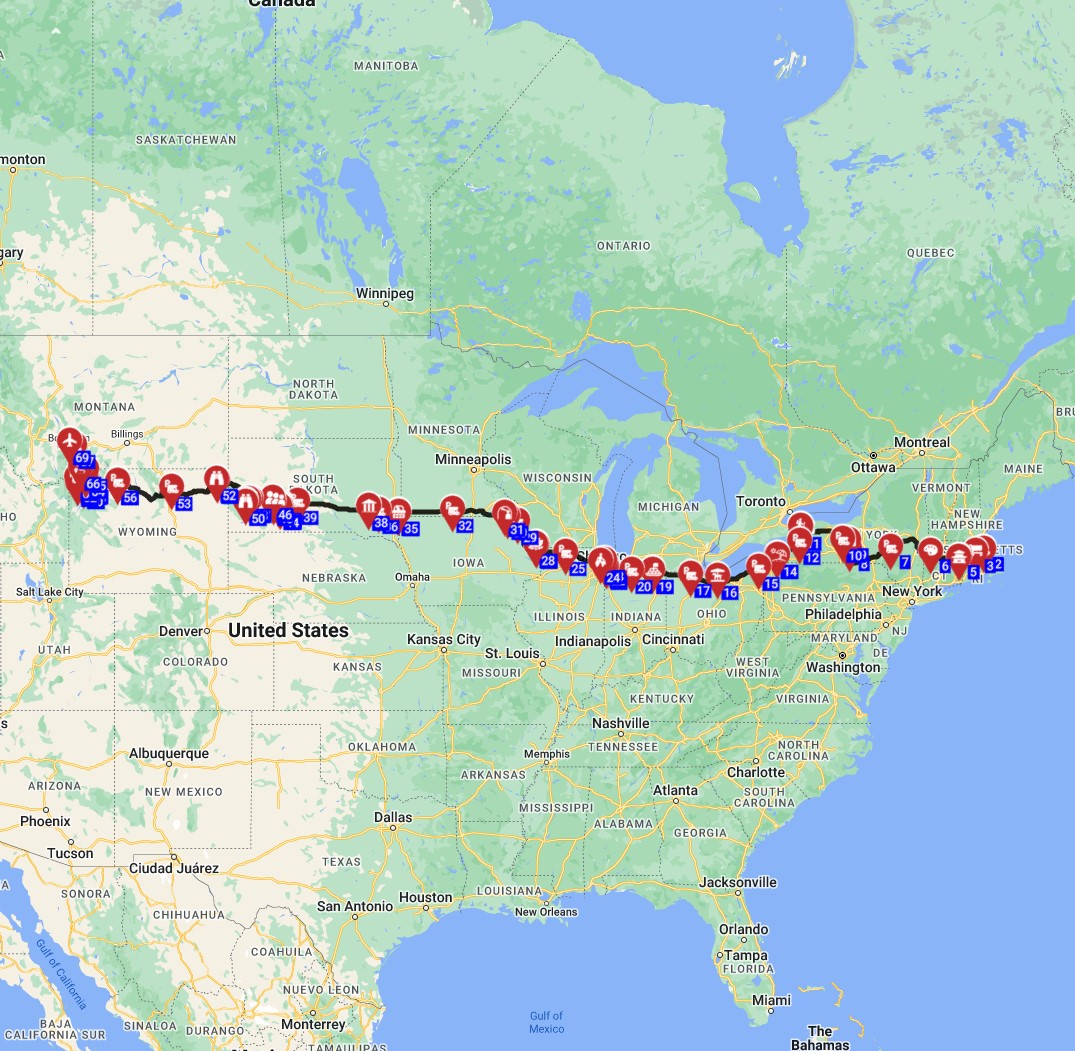
A week-long RV driving tour in Boston promises an unforgettable adventure, blending historic charm with the freedom of the open road. Whether you're navigating the city's unique streets or exploring the picturesque surrounding regions of Massachusetts, a rented campervan or motorhome offers comfort and flexibility like no other. Remember to plan your route carefully, respect local driving regulations, and take advantage of the many beautiful campgrounds just a short drive from the city. Consider adding "Salt Lake City to Boston - Mountains, Monuments, and Memories" to your RV travel bucket list, a comprehensive 29-day route plan available on RV PLANET (rvplan.net).
At Bandana Caravan, we are dedicated to making your RV rental experience in Boston as seamless and enjoyable as possible, from transparent pricing to expert support. Your dream adventure awaits – why not discover top destinations and planning tips all in one place? Plan a trip itinerary in advance with minimal effort and maximum enjoyment. Get inspired for your next trip and hit the road!
Find Motorhome Rentals in Boston