In This Guide
- Top 5 Tips for RV Rental in Canada for Seniors
- Before You Book - Class, Dates, Insurance
- Pre-Trip Prep - Packing Checklist for Canada
- On the Road - Driving, Fueling, Navigation
- At the Campground - Setup, Hookups & Etiquette
- RV Rental for Seniors-Specific Tips for Canada
- Common Mistakes to Avoid in Canada
- What is the best time of year to RV in Canada?
- How much does it cost to rent an RV in Canada for a month?
- Where should I go RVing in Canada?
- Where can I RV for free in Canada?
- Can you camp anywhere in Canada with an RV?
- Are there specific road rules for RVs in Canada?
- What do I need to cross the Canadian border in an RV?
- How long can a US citizen RV in Canada?
- What is the best RV rental company in Canada?
- Is RV travel easy in Canada?
- What documents do I need to rent an RV in Canada?
- What You Shouldn't Miss
- Why Book with Bandana Caravan
- Final Thoughts
- Frequently Asked Questions
Embarking on a motorhome adventure through Canada offers an unparalleled sense of freedom and discovery, especially for seniors seeking comfort and flexibility. Imagine waking up to the serene Canadian Rockies, brewing coffee in your own kitchen, and planning your day's gentle exploration at your leisure. At Bandana RV, we understand that comfortable travel is key, and we're here to make your rv rental for journey in Canada as smooth and enjoyable as possible, providing personal service from day one until your booking is confirmed. For live availability and current prices, start with our RV Rental Canada - Complete Guide 2026 guide.
Top 5 Tips for RV Rental in Canada for Seniors
Planning an rv rental for adventure in Canada as a senior begins with selecting the right vehicle for maximum comfort. Choosing an ergonomic RV class ensures a more relaxed journey, with Class B campervans and smaller Class C motorhomes offering excellent maneuverability and ease of use, often with convenient features like automatic transmissions and comfortable seating.
To secure the best selection and rates for your preferred motorhome or campervan, booking well in advance is highly recommended; planning 3-6 months ahead can yield savings of up to 20% during peak seasons. Factor in all potential costs, including fuel, comprehensive insurance coverage, and campground fees, to build a transparent budget with no hidden fees or surprises. We believe in providing full transparency in all our pricing. On the routes offered through RV PLANET routes, you can itemize and track every expense along the way for easy budgeting.
Prioritizing safety is paramount for any Canadian road trip. Equipping yourself with emergency communication devices like a satellite messenger, especially when traveling in remote areas, and having a well-stocked first-aid kit can provide significant peace of mind. Finally, craft a flexible itinerary with ample rest days, aiming for maximum driving distances of 100-150 km per day on average, allowing plenty of time to truly feel the place, connect to the culture, the food, and the scenery.
Before You Book - Class, Dates, Insurance
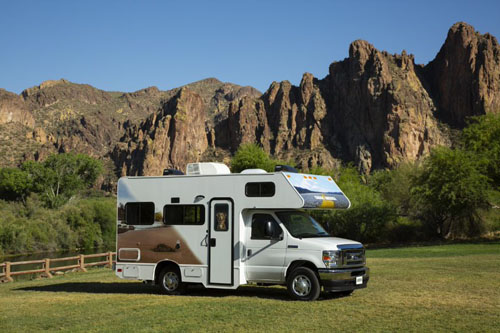
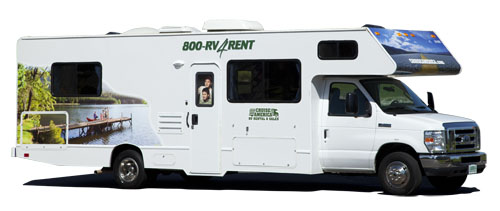
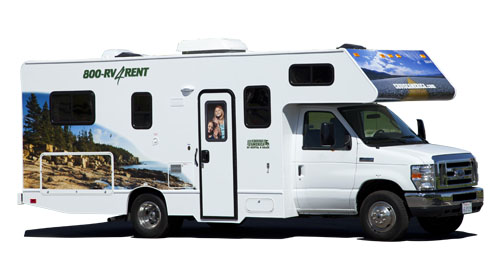
Choosing the right motorhome class is crucial for a comfortable rv rental for experience in Canada. Consider a Class B campervan, like the "Active Pop Top" with a rear double bed of 127/183cm, which offers nimble handling and efficient fuel consumption, typically around 10-15 L/100 km. For a bit more space and amenities without the bulk, a Class C motorhome, such as the "cruise america rv rental example Explorer" with a bed over cub of 160/220cm and a rear double bed of 163/210cm, provides a good balance of comfort and driveability for couples or small families. Both options are suitable for seniors, ensuring ease of driving and comfortable living.
Securing your rental dates early is particularly important for trips to Canada, especially if you plan to visit during the popular summer months of June through September when demand for motorhomes and campervans is highest. Booking 4-6 months out can ensure availability and potentially lower daily rates. Our partners, including major suppliers like El Monte, Cruise America, Apollo, and Britz, offer a wide range of vehicles, but popular models do get reserved quickly.
Understanding your insurance options is a key part of responsible planning for your Canadian adventure. While basic insurance is typically included with your rv rental for, you can upgrade to a top-level deductible reimbursement for extra peace of mind. This optional upgrade can protect you from unexpected out-of-pocket expenses in case of an incident. We champion full transparency, so all insurance details and costs are clearly presented upfront, ensuring no hidden fees or surprises.
Pre-Trip Prep - Packing Checklist for Canada
Packing versatile layers is essential for Canada's varied climate, even during summer months, as temperatures can fluctuate significantly between day and night or across different regions. Think breathable fabrics for daytime and warm sweaters or light jackets for evenings, especially when exploring mountainous areas like the Canadian Rockies.
Bringing essential kitchen items can greatly enhance your rv rental for experience, allowing you to prepare delicious meals on board. Consider a small, collapsible cooler for extra beverage storage, reusable shopping bags to reduce waste, and a favorite sharp knife for cooking. Many rental motorhomes come equipped with a basic kitchen kit, including a gas stove, refrigerator, and sometimes a microwave, as seen in models like the "MH-A" which boasts a 302 Liter refrigerator and a 3-burner gas stove. For inspiration on what to cook, check out our RV-friendly recipes playlist.
Carrying safety gear should always be a top priority for your Canadian road trip. A comprehensive first-aid kit, emergency contact information for your rental company and local services (911 for emergencies nationwide), and a physical map in addition to GPS are crucial. Ensure all necessary travel documents, such as your passport, driver's license, and rv rental for agreement, are easily accessible and stored securely.
On the Road - Driving, Fueling, Navigation
Familiarizing yourself with provincial road rules is key to a smooth rv rental for journey in Canada. Speed limits typically range from 90-110 km/h on highways, but these can vary by province and specific road conditions. Remember that Canadians drive on the right side of the road, and while a right turn on a red light is generally permitted, it's illegal on Montreal Island, a detail worth noting if your route includes Quebec. Drive slowly and carefully, and you can drive almost anywhere without issues. No need to stress - just use common sense and pay attention.
Planning fuel stops in advance is particularly important in Canada's vast and often remote regions where gas stations may be sparse, especially outside major cities or along less-traveled routes. Large Class A motorhomes might consume 20-25 L/100 km, making frequent fuel checks a good habit. You'll find fuel types like regular unleaded, premium, and diesel widely available. It's always a good idea to fill up when you see a station if your tank is below half, as the next one might be farther than you expect.
Utilizing both GPS navigation and physical maps is a smart strategy for exploring Canada, as cell service can be intermittent in many national parks and remote areas. Downloading offline maps to your smartphone or tablet before you depart can be a lifesaver. Take frequent breaks to prevent driver fatigue, especially during longer driving days. Pull over at scenic viewpoints or roadside picnic areas to stretch your legs and enjoy the breathtaking Canadian scenery. Remember our recommendation to travel slowly, max 100-150 km per day on average, allowing you to savor each moment.
At the Campground - Setup, Hookups & Etiquette
Setting up your rented motorhome at a Canadian campground is a straightforward process when approached systematically. First, ensure your RV is level using leveling blocks, which provides comfort and proper functioning of onboard appliances like the refrigerator. Next, connect your electricity (typically 30-amp or 50-amp, adapters often included), then the fresh water hose, and finally, the sewer hose if you have full hookups. Many campgrounds across Canada, including provincial and national parks, offer a range of sites from basic dry camping (no hookups) to full-service sites with electricity, water, and sewer connections.
Understanding different hookup types is crucial for a hassle-free camping experience. Most Canadian campgrounds clearly label their sites for 15, 30, or 50-amp electrical service, as well as water and sewer connections. Always inspect the hookups before connecting and ensure your connections are secure to prevent leaks or electrical issues. For waste disposal, designated dump stations are readily available at most campgrounds and often at truck stops for a small fee, ensuring responsible waste management.
Adhering to campground etiquette helps ensure a pleasant experience for everyone. This includes respecting quiet hours, typically from 10 PM to 7 AM, properly disposing of waste in designated receptacles, and keeping your campsite tidy. When preparing meals in your rv rental for kitchen, remember to store food securely to prevent attracting wildlife. Many campgrounds, especially in national parks, will have strict rules regarding food storage due to wildlife like bears and squirrels. Remember to clean up thoroughly after cooking, and dispose of food waste properly. For tracking your trip expenses, including campground fees and propane refills, RV PLANET routes allow you to itemize and track every expense along the way for easy budgeting.
RV Rental for Seniors-Specific Tips for Canada
When selecting an rv rental for in Canada, seniors should prioritize models with accessible features and comfortable sleeping arrangements for optimal enjoyment. Consider campervans or Class C motorhomes with lower entry steps, larger bathrooms, and permanent beds that don't require daily setup, like the "Paradise Camper 4x4 double cab" or "hire campervan example Paradise S/T" (which feature an ideal setup for a couple), providing convenience and minimizing physical strain.
Planning shorter driving days and incorporating regular rest stops is essential for a relaxed senior rv rental for trip through Canada. Aim for travel distances of no more than 100-150 km per day, allowing ample time for leisurely sightseeing, unexpected detours, and simply unwinding. Many Canadian provinces offer numerous provincial parks and scenic pull-offs perfect for a stretch and a snack. Our pre-planned route plans, available via RV PLANET (rvplan.net), often include recommendations for comfortable pacing and interesting stops.
Choosing an RV with an easily accessible washroom is a significant convenience factor for senior travelers. Most Class B and Class C motorhomes include compact but functional bathrooms, while some campervans might offer a porta-potti or a wet bath design. It's always advisable to confirm these features with your rental supplier. Researching campgrounds that offer amenities like accessible facilities, paved sites for easier leveling, or shuttle services to nearby attractions can also enhance comfort and ease during your rv rental for Canada trip.
Common Mistakes to Avoid in Canada
A common mistake for first-time rv rental for renters in Canada is underestimating travel times, often due to Canada's vast distances and the desire to see everything. Instead, build in extra time for scenic stops, photo opportunities, and unexpected delays; a leisurely pace of 100-150 km per day ensures a more enjoyable and less stressful journey, aligning with our slow travel philosophy.
Many travelers also overlook proper planning for remote areas, which can be found even a short drive from major Canadian cities. Instead, carry ample water, non-perishable food, and ensure you have reliable emergency communication (like a satellite device) before venturing into regions with limited cell service. Wildlife encounters are common in Canada, so educate yourself on bear safety and safe food storage practices to protect both yourself and local fauna.
Another pitfall to steer clear of is forgetting critical border crossing requirements if entering Canada from the USA. Instead, meticulously prepare all documents, including valid passports, your rv rental for agreement, and an International Driving Permit (if from a non-English speaking country, though not always mandatory). Be aware of prohibited items, specifically firewood (to prevent spread of invasive species), certain food items (fruits, vegetables, meat), and strict regulations on firearms and cannabis, to avoid delays or penalties at the border.
What is the best time of year to RV in Canada?
The best time to embark on an rv rental for adventure in Canada typically spans from late May to early October, offering the most pleasant weather and access to the vast majority of attractions and campgrounds nationwide. During these months, temperatures are generally mild, and national and provincial parks are fully operational.
Summer months, particularly July and August, are popular for their consistently warm weather and full slate of campground services and activities. However, this peak season also means higher demand and often higher prices for rv rental for, so early booking is crucial. For example, a "24' Class C Motorhome" might see its CAD 179/day rate increase by 30-50% during these months.
Shoulder seasons, such as late May/June and September/early October, offer fewer crowds, potentially lower rental rates (you might find a "Cheap RV Rental in Canada - Budget Guide 2026" during these times), and stunning scenery like vibrant spring blossoms or spectacular fall foliage. While some northern attractions or services may begin to close in late October, these periods provide a more serene and often more affordable rv rental for Canada experience.
How much does it cost to rent an RV in Canada for a month?
The cost to rent an RV in Canada for an extended month-long trip can range significantly, typically from CAD 3,000 to CAD 8,000 or more, depending on factors such as the chosen RV class, the rental season, and included mileage packages. For instance, a compact campervan like the "Van - Economy" might start from CAD 2,000-4,000 for a month, while a larger Class C or Class A motorhome like the "MHLUX" (a 7-berth Class A motorhome) could easily reach CAD 5,000-8,000+ during peak demand periods. This dynamic pricing is similar to flight tickets, changing daily based on availability and supplier decisions.
Budgeting for a month-long rv rental for in Canada should also meticulously account for ancillary costs beyond the rental fee itself. Fuel expenses, a major component, are significantly impacted by current gas prices (often quoted in CAD per liter) and the RV's fuel efficiency, which for a "22-31" Class A motorhome can be 25-35 L/100 km. Groceries for meals cooked in your motorhome kitchen, campground fees (ranging from CAD 20-80 per night for serviced sites), and dump fees for waste disposal all add up. Remember to budget a buffer for unforeseen expenses like tolls, activity passes, and propane refills for heating and cooking. For managing these, RV PLANET routes offer tools to itemize and track every expense, making budgeting effortless.
Consider additional costs such as insurance upgrades, especially the top-level deductible reimbursement for extra peace of mind, which is an optional purchase. One-way fees, if you choose to pick up in one city and drop off in another (e.g., "
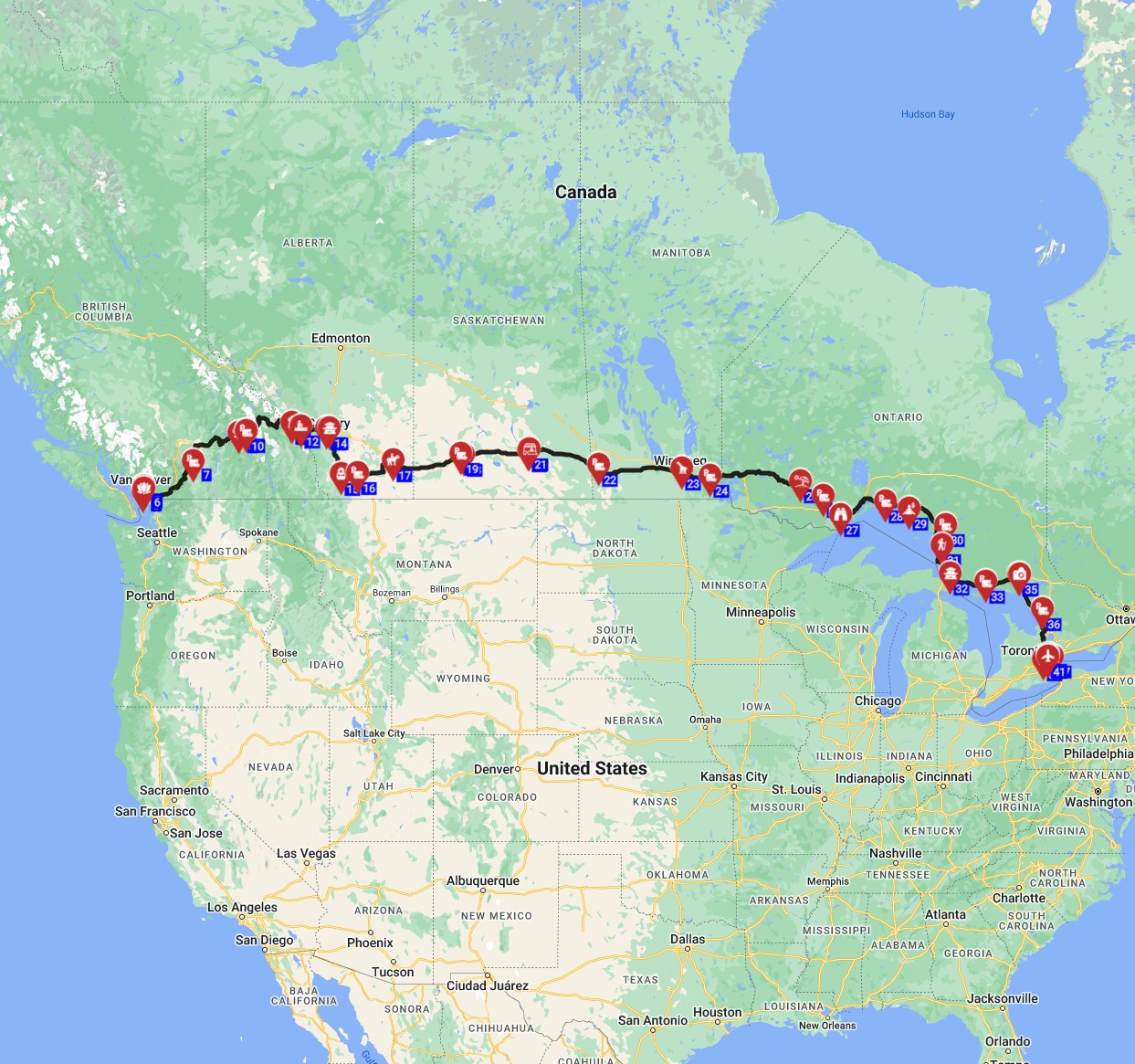
Where should I go RVing in Canada?
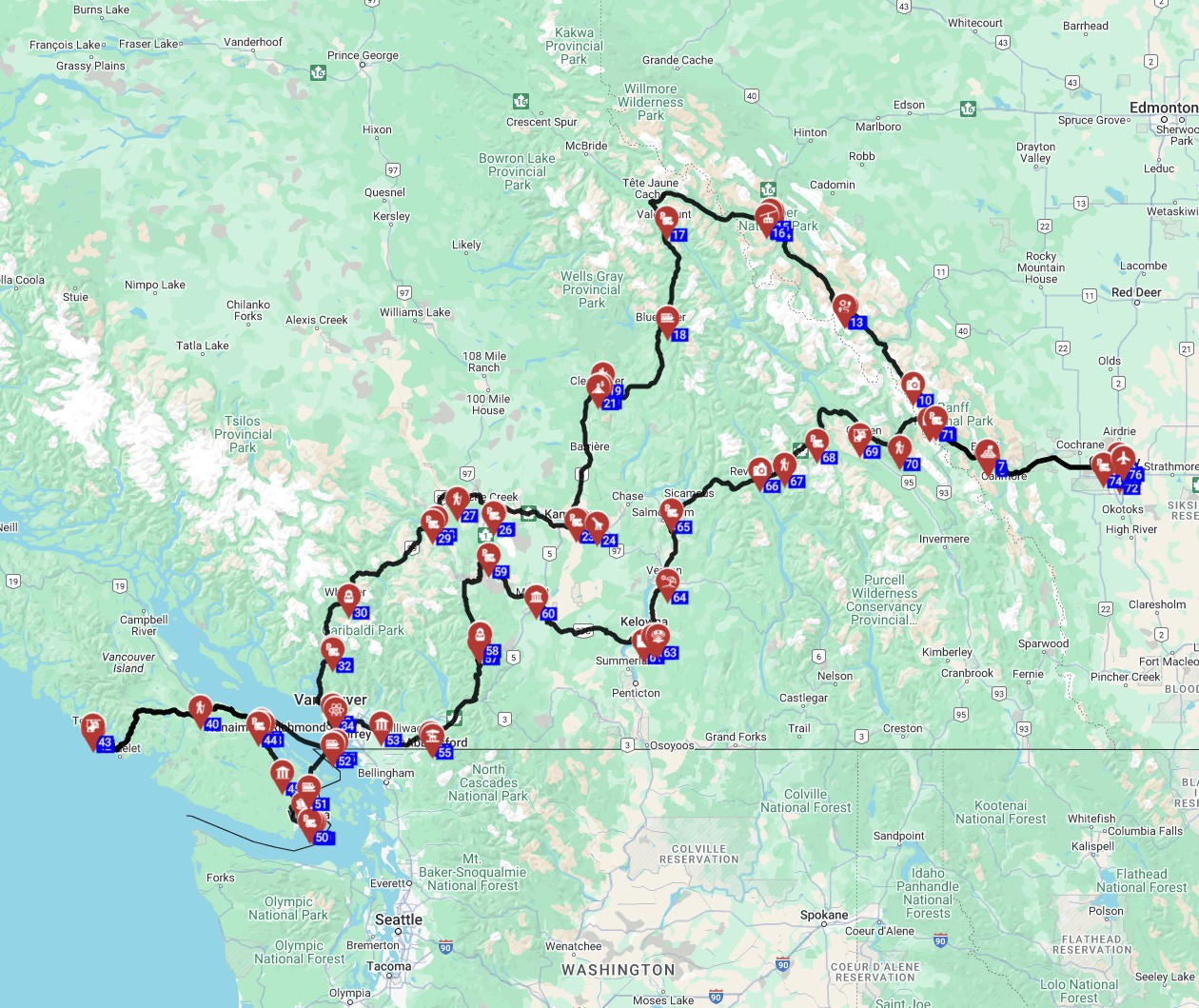
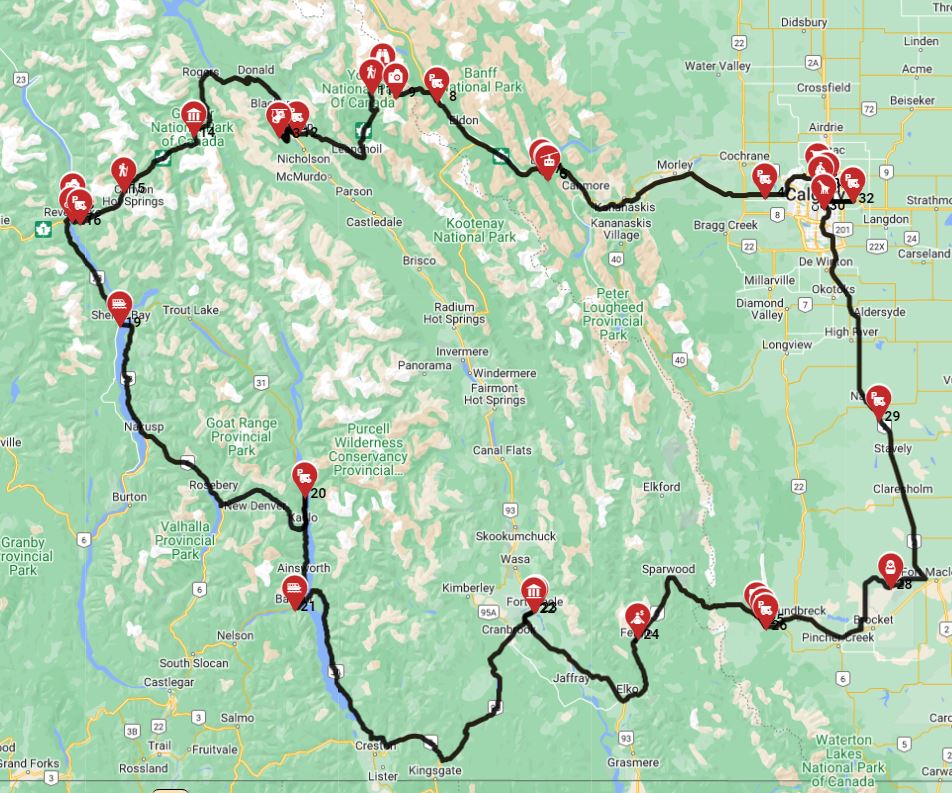
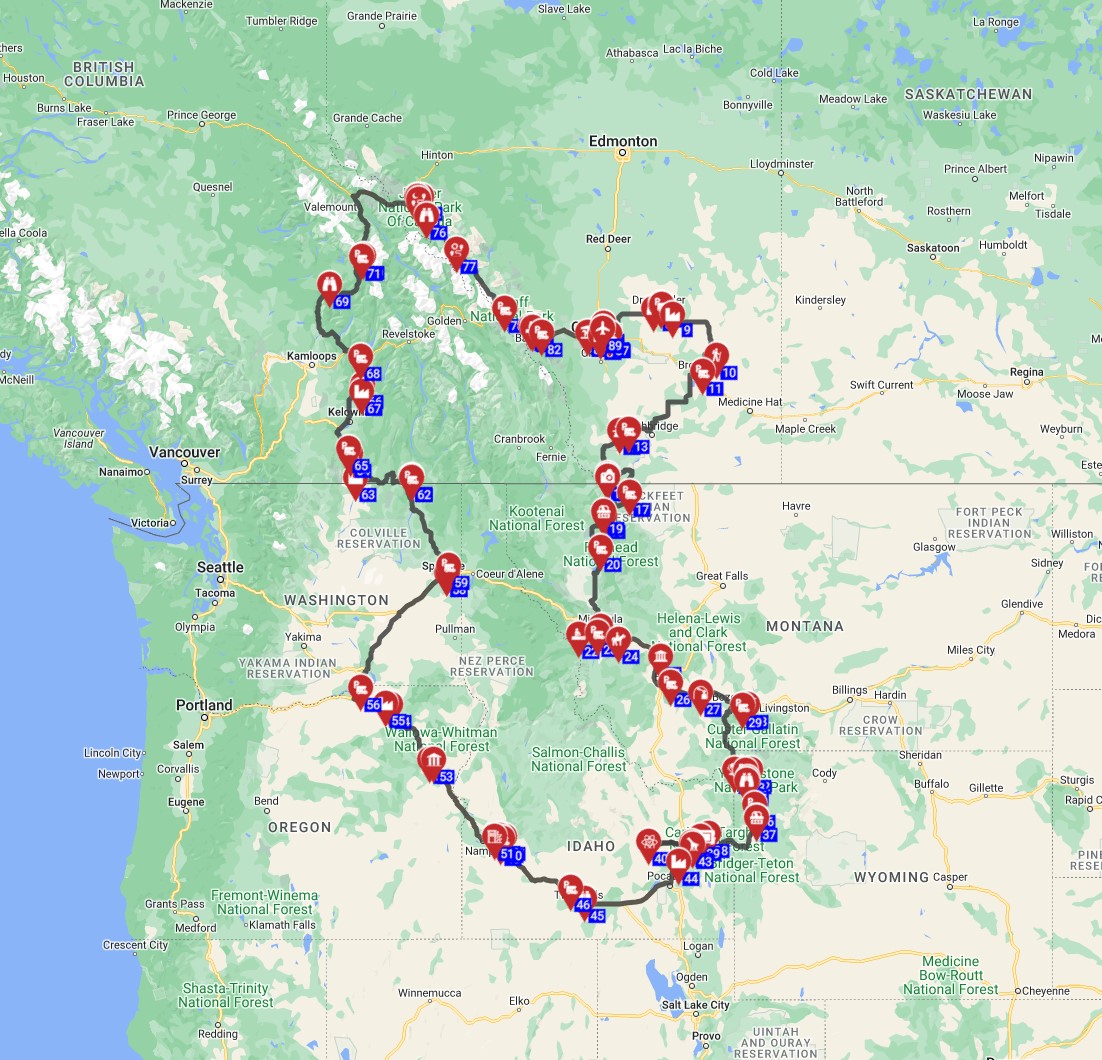
Canada offers an incredibly diverse range of RVing destinations, from the iconic Rocky Mountains in Alberta and British Columbia, encompassing national parks like Banff and Jasper, to the scenic coastal routes of Nova Scotia's Cabot Trail and the rugged, remote beauty of the Yukon Territory. Each region presents unique landscapes and cultural experiences for your rv rental for journey.
For those seeking unique experiences beyond the most popular spots, consider exploring the vast network of provincial parks in Ontario and Quebec, which offer excellent camping facilities and access to pristine lakes and forests. British Columbia's interior, with its Okanagan Valley wineries and Kootenay Hot Springs, provides a different flavor of adventure. Even the often-overlooked scenic routes of Saskatchewan and Manitoba offer tranquil prairies, charming small towns, and surprising natural beauty.
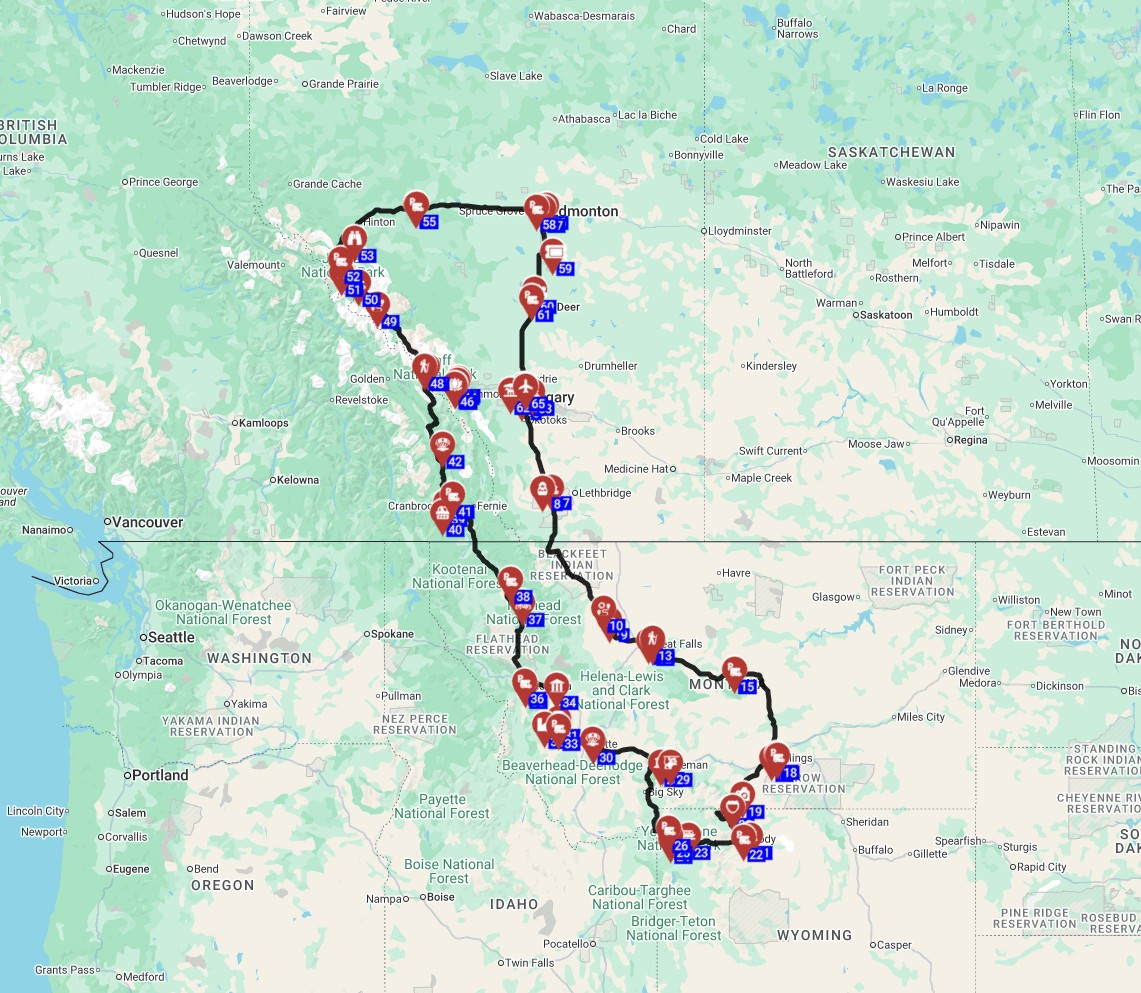
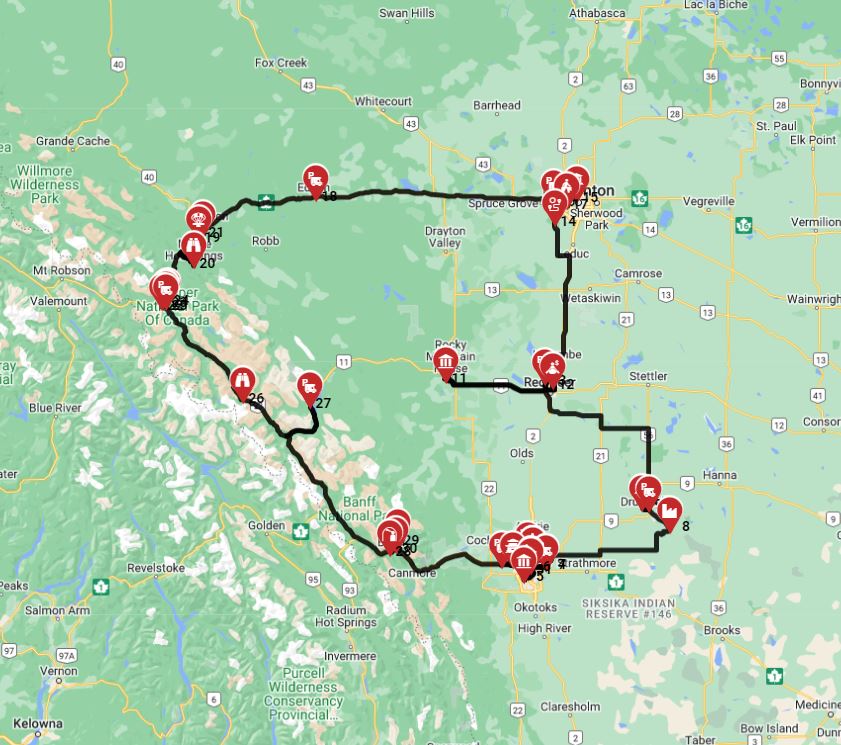
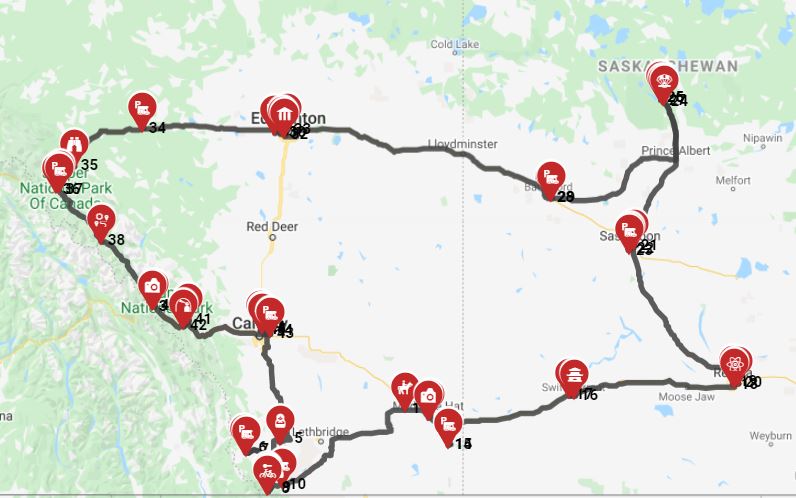
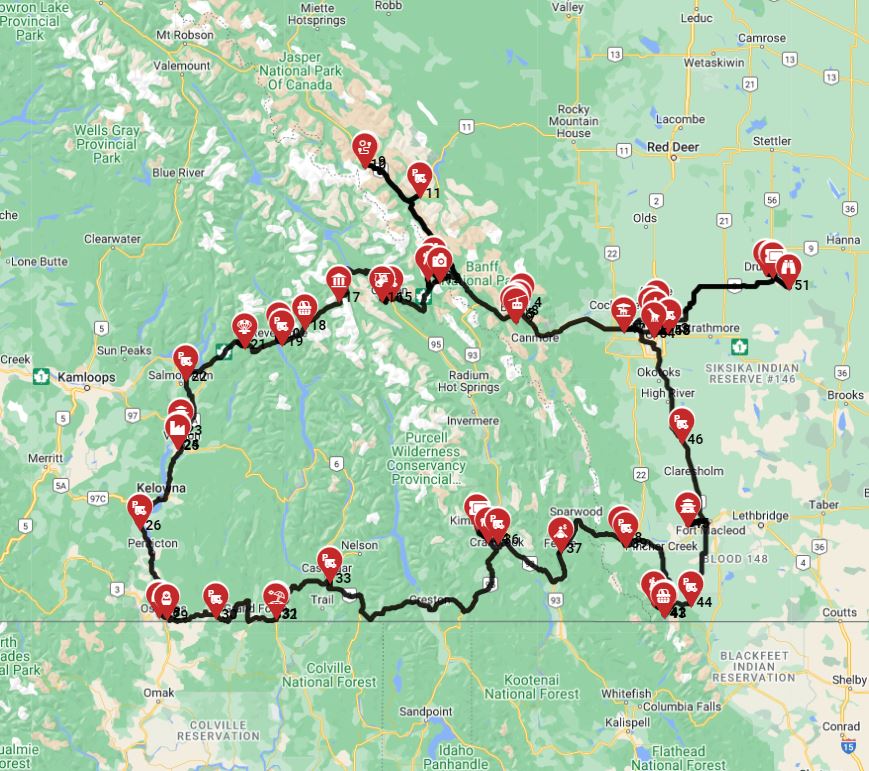
Look for opportunities to engage with local communities and immerse yourself in the rich Canadian culture. Visit farmers' markets for fresh, local ingredients to prepare in your motorhome kitchen, or attend regional festivals to experience authentic music, food, and traditions. Planning a route that includes these local gems, like many of the 1,300+ pre-planned routes on RV PLANET (rvplan.net) - our sister company - can lead to truly memorable encounters and connections with the place. Travel slowly, max 100-150 km per day on average, to allow for these enriching experiences.
Where can I RV for free in Canada?
RVers seeking free camping, also known as boondocking or dry camping, can primarily find opportunities on Crown land across many Canadian provinces, provided they adhere to specific regulations and responsible wilderness practices. This public land, managed by provincial governments, often allows temporary stays for up to 14-21 days in one spot.
It's absolutely essential to research provincial and municipal bylaws regarding overnight parking and camping, as rules vary significantly and are strictly enforced. While some areas explicitly prohibit overnight RV parking on streets or in public lots, others may permit it in designated rest stops or with permission from large retail stores (e.g., Walmart, Cabela's). Websites and apps dedicated to RVing often provide up-to-date information on permissible free camping locations in Canada.
When dry camping, remember that services are minimal or non-existent, meaning you'll need to be self-sufficient with water, power, and waste disposal. Ensure your rented motorhome has adequate fresh water (e.g., a "svc" Class C motorhome has a 167 Liter fresh water tank) and grey/black water tank capacity. Always practice Leave No Trace principles, pack out everything you pack in, and dispose of waste at designated dump stations. This ensures these beautiful free spots remain accessible for future rv rental for travelers.
Can you camp anywhere in Canada with an RV?
No, you cannot simply camp anywhere in Canada with an RV; camping is generally restricted to designated campgrounds, private land with the owner's explicit permission, or specific public lands like Crown land that permit temporary stays. Unauthorized camping on private property or in prohibited public areas can result in fines and other penalties.
Federal and provincial parks across Canada, such as those in the "Halifax to Whitehorse - Exploring Canada’s Heartland in a Motorhome" route (which visits 4 hiking areas and 2 parks), require reservations and fees for overnight stays, especially during peak seasons. Many national parks release a portion of their sites for online booking up to several months in advance (e.g., 25-30% of spots), with the remaining often available on a first-come, first-served basis. Always call ahead before driving to a campground to confirm availability.
Urban areas in Canada typically prohibit overnight rv rental for parking on streets or in public lots due to local bylaws, although some businesses may allow overnight stays with permission. Always verify local regulations for boondocking or free camping, as bylaws concerning overnight parking, waste disposal, and campfires are strictly enforced to protect natural environments and maintain public order. Using resources like RV PLANET (rvplan.net) can help you locate legal camping spots along your route.
Are there specific road rules for RVs in Canada?
Yes, while general Canadian road rules apply to all vehicles, RVs may be subject to specific provincial regulations regarding speed limits, vehicle length restrictions, and weight limits, which vary from province to province. For example, some provinces might have lower speed limits for vehicles over a certain weight or length on certain highways.
It is advisable to check the specific road rules for each Canadian province you plan to visit, as they can differ significantly, particularly regarding maximum permissible dimensions and whether specific lanes are restricted for larger vehicles. All drivers of an rv rental for in Canada only require a standard car driver's license, and there are no special licenses, CDL, or additional permits required for any motorhome class (Class A, B, or C). An International Driving Permit (IDP) is recommended for visitors from non-English-speaking countries but is not mandatory in most cases.
Before hitting the road with your rented motorhome or campervan, ensure your vehicle is properly secured, all external storage compartments are latched, and your lights are functional. Always be aware of your vehicle's height, width, and length, especially when navigating underpasses, ferry crossings, or tight spaces in cities. Drive slowly and carefully, and you can drive almost anywhere without issues. No need to stress - just use common sense and pay attention.
What do I need to cross the Canadian border in an RV?
To cross the Canadian border in an rv rental for, all U.S. citizens need a valid passport, while non-U.S. citizens may require additional visas or an Electronic Travel Authorization (eTA), depending on their country of origin. This documentation is essential for smooth entry.
Beyond personal identification, be prepared with all RV-specific documents, including your rental agreement, proof of insurance (which may be included with your rental or upgraded with a top-level deductible reimbursement), and your valid driver's license. Ensure all passengers also have their necessary identification. It's a good practice to have copies of all important documents stored separately from the originals.
Familiarize yourself with prohibited and restricted items, especially those relevant to RVers, to avoid delays or penalties at the border. This includes restrictions on firewood (to prevent invasive species), certain food items (raw fruits, vegetables, meat, dairy), firearms (highly regulated), and strict Canadian cannabis laws, even if legal in your home state or country. Declare all items as requested by border services officers to ensure full transparency and an easy crossing.
How long can a US citizen RV in Canada?
A U.S. citizen can generally rv rental for in Canada for up to six months within a one-year period without requiring a visa, though the final decision on the length of stay always rests with the Canadian border services officer at the port of entry. This allows for extensive exploration of Canada, from coast to coast.
For those wishing to stay longer than the initial six-month period, visitors from the U.S. may need to apply for a visitor record to extend their stay in Canada. This application should be submitted well in advance of the initial six-month period expiring to avoid any issues with your legal status. Be prepared to show proof of sufficient funds to support your extended trip, a valid passport, and demonstrate no intentions of working or studying without proper authorization, as these are factors border officials consider for extensions.
It's important to understand these regulations to ensure a worry-free and compliant extended road trip. Bandana RV specializes in rentals for vacation travelers, making sure your plans align with travel regulations for a comfortable and enjoyable experience. Long-Term RV Rental in Canada - Monthly Rates 2026 can provide more detail on extended trips.
What is the best RV rental company in Canada?
Identifying the "best" rv rental for company in Canada often depends on individual traveler needs, budget, and desired motorhome class, as different suppliers excel in various areas. Popular and reliable partners we work with include El Monte, Cruise America, Apollo, and Britz, all known for their extensive fleets and wide service networks across Canada.
When comparing companies, consider factors beyond just the base rental price, which, like flight tickets, are dynamic and change daily based on availability and seasonality. Look into fleet age (many suppliers offer "Recent Model" or "Up to 3 years on the road" vehicles like the "24' Class C Motorhome"), customer service reviews (our 24/7 support ensures real people are behind you before, during, and after booking), included amenities, and various insurance options. For example, some suppliers might offer larger fresh water tanks (e.g. "C-MEDIUM PLUS" with 158 Liter fresh water tank) or integrated heating systems for colder climates, adding value to your rental.
Comparing suppliers on aspects such as mileage packages, pet policies, and specific senior-friendly services can help you determine the best fit for your trip. At Bandana RV, as true RV specialists, we offer transparent comparisons across 50+ leading global suppliers, ensuring you find the ideal motorhome or campervan for your Canadian adventure with no hidden fees or surprises. Our expertise helps you navigate choices, from a compact campervan like the "Category Van" (ideal for a couple) to larger Class C motorhomes suitable for families, ensuring you get the right vehicle at a competitive price.
Is RV travel easy in Canada?
RV travel in Canada can be exceptionally accessible and enjoyable, especially with thoughtful planning and awareness of local conditions. The country boasts well-maintained roads and a vast network of campgrounds, making it an ideal destination for exploring at your own pace.
Navigating Canadian roads is generally straightforward, as the country drives on the right side, and signage is clear. However, travelers should be prepared for varying road conditions, from multi-lane highways to narrower roads in rural or mountainous regions, and longer distances between services in some remote areas. Drive slowly and carefully, and you can drive almost anywhere without issues. No need to stress - just use common sense and pay attention, allowing you to cover the recommended 100-150 km per day comfortably.
Safety and preparedness contribute significantly to an easy and worry-free rv rental for trip in Canada. This includes being informed about potential wildlife encounters (like bears or moose, especially in national parks), carrying emergency communication devices in remote areas where cell service is unreliable, and being prepared for diverse Canadian climates with appropriate clothing and supplies. Planning your route with resources like RV PLANET (rvplan.net) can help you anticipate distances and services, ensuring a smooth and memorable journey.
What documents do I need to rent an RV in Canada?
To rent an rv rental for in Canada, you typically need a valid driver's license from your home country (a standard Class 5 or equivalent is sufficient for all motorhome classes), a major credit card for the rental deposit, and your passport or other valid government-issued ID. A standard car driver's license is all that is required for any motorhome class, including Class A, Class B, and Class C.
Rental companies in Canada require drivers to be at least 21 years old, not 25, and there are no young driver surcharges or vehicle class restrictions based on age, making RV travel accessible to a broader range of adults. An International Driving Permit (IDP) is recommended for visitors from non-English-speaking countries to supplement their national license, though it is not strictly mandatory in most cases if your home license is in English or French.
It's also crucial to have your rental agreement and proof of insurance readily available throughout your trip. Ensure all listed drivers meet the rental company's criteria and are noted on the agreement to ensure full coverage. With Bandana RV, our full transparency means you'll know exactly what documents are needed well in advance, ensuring no surprises when you pick up your motorhome.
What You Shouldn't Miss
Looking for expert insights from Avi Bandana? Top 5 Adventures - recommendations from Avi Bandana:
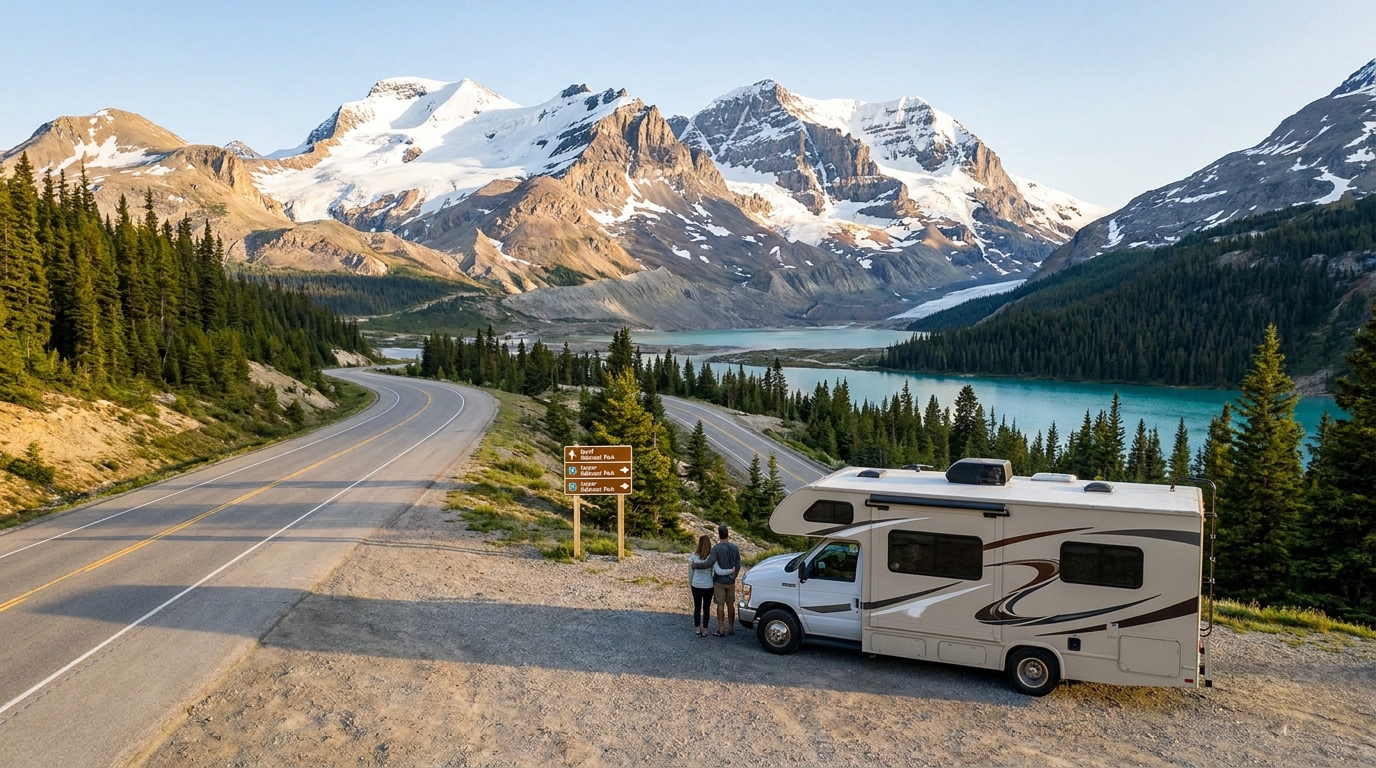
- Explore the Canadian Rockies: Drive the Icefields Parkway between Banff and Jasper National Parks. This 232 km (144 mile) scenic route offers breathtaking glaciers, turquoise lakes, and abundant wildlife. Book a campsite in advance for popular spots like Lake Louise or Moraine Lake.
- Discover the Cabot Trail: Experience the coastal majesty of Cape Breton Island, Nova Scotia. This 298 km (185 mile) loop winds through the Cape Breton Highlands National Park, featuring dramatic cliffside views, charming fishing villages, and 3 hiking areas for all skill levels.
- Whale Watching in British Columbia: Head to Vancouver Island or the Gulf Islands for incredible opportunities to spot orcas, humpbacks, and grey whales. The "
" route includes 1 Aquarium and 2 Tourist Attractions related to marine life.
 Vancouver Round Trip - West Canada Cycling Adventure
 - Manitoulin Island Exploration: Visit the world's largest freshwater island in Lake Huron, Ontario. Accessible by RV via a swing bridge, it offers unique indigenous cultural experiences, over 100 inland lakes, and peaceful lakeside camping.
- Yukon's Wilderness and History: Drive the Alaska Highway to Whitehorse, exploring vast wilderness and Gold Rush history. The "Halifax to Whitehorse - Exploring Canada’s Heartland in a Motorhome" route is a 37-day, 9199.1 km epic journey that includes 3 Historical Sites and 6 Museums, immersing you in the region's rich past.
Final Thoughts
Embarking on an rv rental for adventure in Canada is an experience that promises unforgettable memories, breathtaking landscapes, and the freedom to explore at your own pace. With the right planning and attention to detail, especially considering the tips tailored for seniors, your journey will be as comfortable as it is inspiring. From choosing the perfect motorhome to navigating the open roads and finding cozy campgrounds, every step of your trip can be a joyous discovery.
At Bandana RV, we are passionate about making your RV dreams a reality. We handle the details, so you can truly live the journey, supported by our expertise and commitment to full transparency. God is in the small details, and we take care of them. That's what makes the big difference. Prepare to be captivated by Canada's vast beauty, its friendly communities, and the sheer joy of mobile exploration.
So, whether you're dreaming of the majestic Rockies or the serene Atlantic coast, let this guide be your first step towards an incredible rv rental for experience. Get inspired for your next trip, discover top destinations, and plan a trip itinerary in advance with minimal effort and maximum enjoyment!