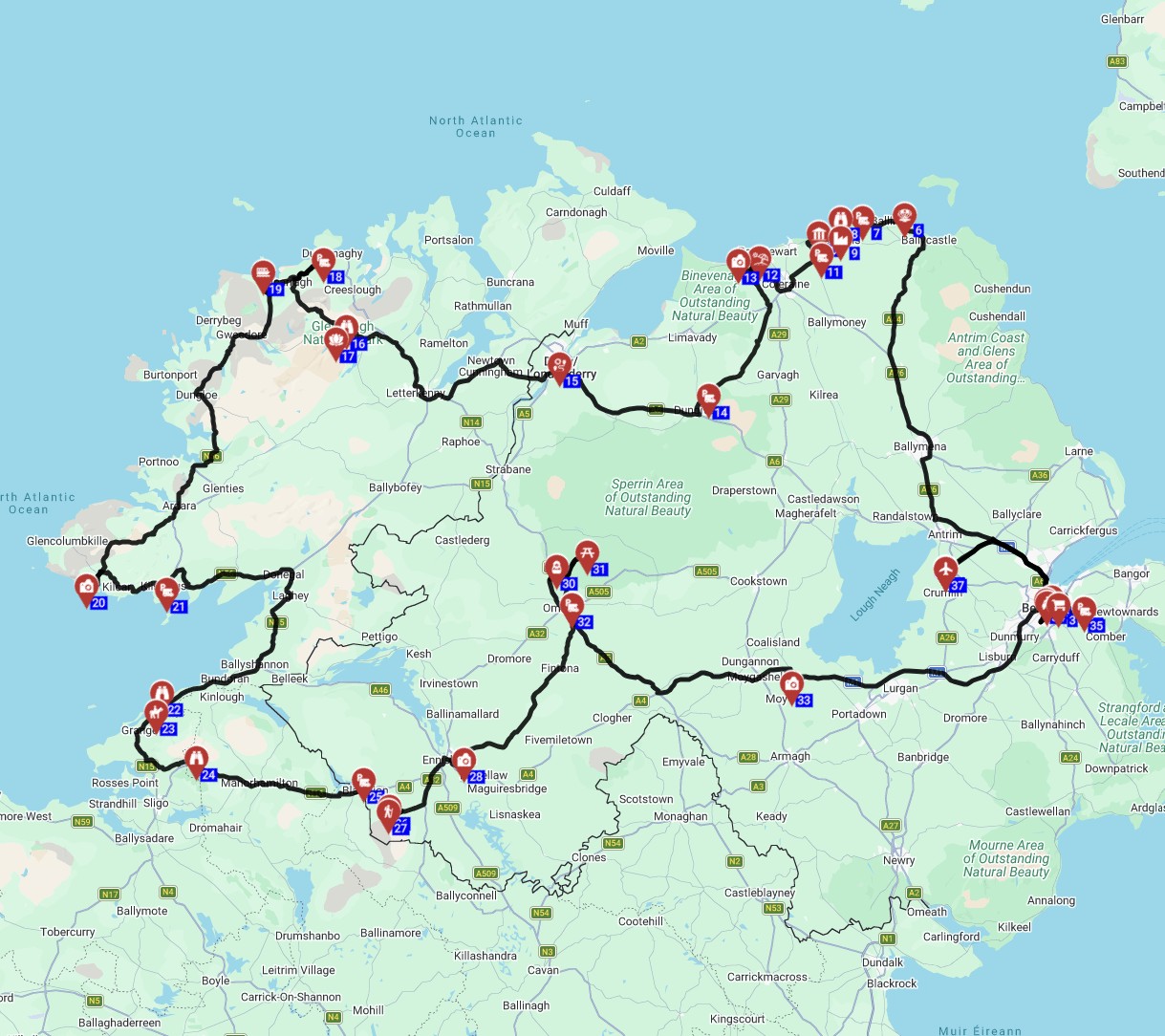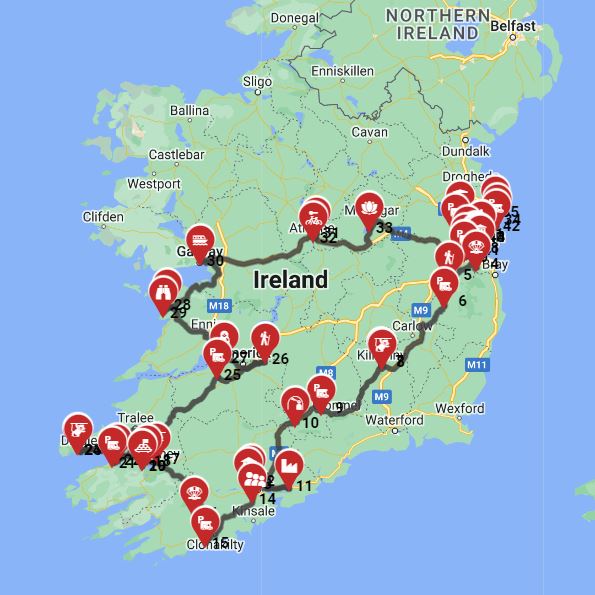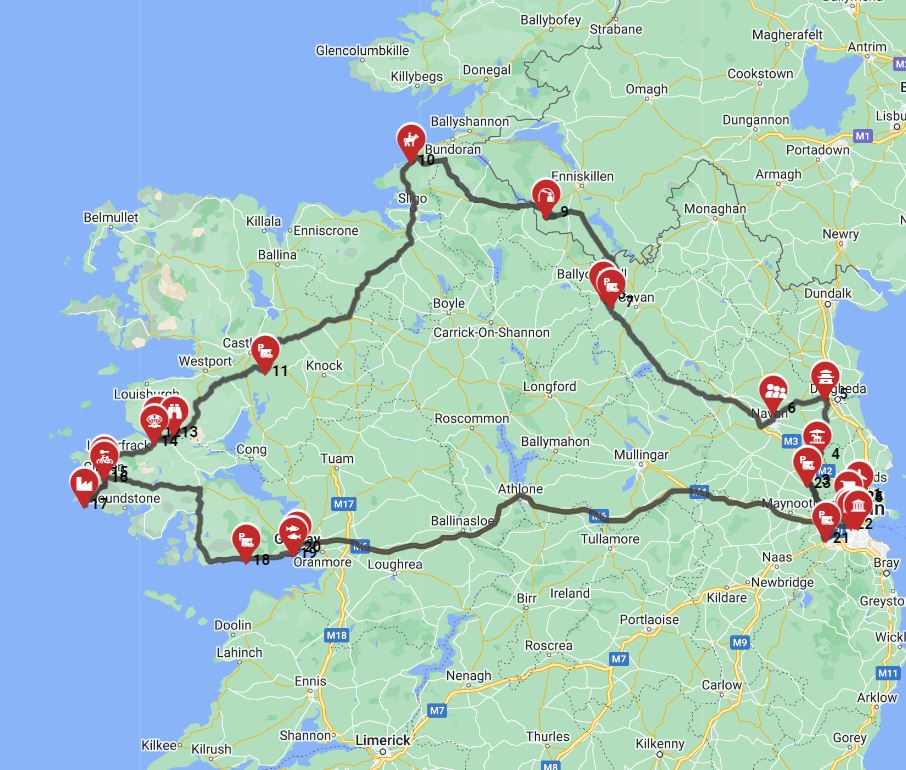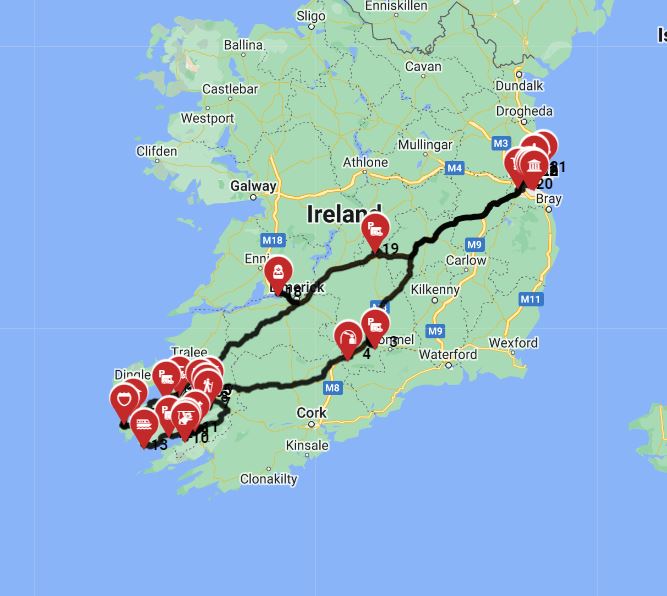
In This Guide
- Top 5 Tips for RV Rental Deals in Ireland
- Before You Book - Class, Dates, Insurance
- Pre-Trip Prep - Packing Checklist for Ireland
- On the Road - Driving, Fueling, Navigation
- At the Campground - Setup, Hookups and Etiquette
- RV Rental Deals-Specific Tips for Ireland
- Common Mistakes to Avoid in Ireland
- What is the cheapest way to rent an RV in Ireland
- How much does it cost to rent an RV in Ireland for a week
- Can you sleep anywhere in an RV in Ireland
- What is the best month to RV Ireland
- What are the roads like in Ireland for RVs
- Is it safe to wild camp in Ireland
- What do you need to know before going to Ireland
- What documents do I need to rent an RV in Ireland
- How long does it take to drive around Ireland in an RV
- What side of the road do you drive on in Ireland
- Is there a lot of crime in Ireland
- What is the main driving rule in Ireland
- Can I use my credit card in Ireland
- Do I need a special license to drive an RV in Ireland
Ireland, with its rugged coastlines, ancient castles, and vibrant green landscapes, is an exceptional destination for a motorhome adventure. Imagine yourself navigating winding coastal roads, stopping whenever a picturesque view or a charming village captures your attention, with the comfort of your rented RV always just a few steps away. For live availability and current prices, start with our RV Rental Ireland - Complete Guide 2026 guide.
Top 5 Tips for RV Rental Deals in Ireland
Securing the best RV rental deals in Ireland requires strategic planning, with booking well in advance being the most impactful factor for savings. By reserving your campervan or motorhome rental at least 3-6 months before your trip, particularly for popular summer dates, you can often save up to 25% on peak-season rates. Always compare prices from multiple reputable suppliers, such as El Monte, Apollo, or Britz, to ensure you're getting the most competitive rate for your chosen vehicle class.
Considering travel during the shoulder seasons (April-May or September-October) offers an excellent balance of lower costs, fewer crowds, and pleasant weather conditions, with daily rental rates typically starting from €100 for a compact Class C motorhome. Opting for smaller, more fuel-efficient RV models, such as a luxury rv rentals example Carthago Malibu 600 or a campervan hire usa example Wavefarer, can significantly reduce your overall fuel expenses, especially with fluctuating fuel prices. Lastly, remember to factor in all ancillary costs beyond the rental fee, including insurance, fuel, campground fees, and activities, to accurately budget your trip, and don't forget that RV PLANET routes allow travelers to itemize every expense for easy budgeting. On the routes offered through RV PLANET routes, you can itemize and track every expense along the way for easy budgeting.
Before You Book - Class, Dates, Insurance
Choosing the right RV class for your adventure in Ireland is crucial for comfort and cost-efficiency. For couples or small groups, a compact campervan like the Luxury Small (a 2-berth with a 110/200cm double bed) or a small Class C motorhome offers excellent maneuverability on Ireland's narrower roads, with average fuel consumption around 10-12 liters/100 km. Families or larger groups might prefer a spacious Class C motorhome like the C-30 (a 7-berth with 3 double beds) providing ample living and sleeping areas for 4-6 people, despite slightly higher fuel costs. For more details on vehicle options, consider consulting a "Family RV Rental in Ireland - Pricing Guide 2026".
Locking in your travel dates early, especially if you plan to visit during popular festivals or school holidays, helps secure better rental rates and guarantees vehicle availability. While basic third-party liability insurance is typically included with your rental, we highly recommend understanding the options for comprehensive coverage or upgrading to a top-level deductible for extra peace of mind. Prices for RV rentals are dynamic, much like airline tickets, changing daily based on availability, seasonality, and supplier decisions, so the final price is set at the actual booking time. Exploring options in "Cheap RV Rental in Ireland - Budget Guide 2026" can also provide valuable cost-saving insights.
Pre-Trip Prep - Packing Checklist for Ireland
Packing layers of clothing is essential for Ireland's famously variable weather, where sunshine, clouds, and rain can all appear within an hour. Include waterproof outer layers, comfortable walking shoes for exploring, and warm sweaters even in summer. To save on dining expenses and enjoy the flexibility of RV travel, pack essential kitchen items such as a sharp knife, reusable containers, and a small cutting board; for inspiration on what to cook, check out our RV-friendly recipes playlist. Most rental motorhomes provide basic cookware, but a few personal items make a big difference.
Ensure all necessary documents, including your valid driving license (a standard car license is sufficient for all motorhome classes), passport, and rental confirmation, are easily accessible and have digital and physical copies. An International Driving Permit (IDP) is recommended for visitors from non-English-speaking countries, although not always mandatory. For connectivity, consider purchasing a local SIM card upon arrival or checking your home provider's international roaming plans, as reliable Wi-Fi can be spotty in remote areas. Finally, include basic safety gear like a first-aid kit, a high-visibility vest, and a warning triangle for emergencies on rural Irish roads, and always have emergency contact numbers readily available.
On the Road - Driving, Fueling, Navigation
Driving on the left-hand side of the road is a fundamental rule in Ireland, and adjusting to this can take some concentration, especially when navigating roundabouts. Ireland's major motorways (M-roads) are generally well-maintained, but regional (R-roads) and local roads are often narrow, winding, and sometimes feature single-lane sections with designated passing places, requiring drivers to be courteous and yield as needed. Drive slowly and carefully, and you can drive almost anywhere without issues; no need to stress - just use common sense and pay attention.
Be particularly mindful of livestock, especially sheep, frequently encountered on rural country lanes. For navigation, reliable GPS apps with offline map capabilities, like Google Maps or Maps.me, are highly recommended, as mobile signal can be intermittent in remote areas. Most RVs in Ireland run on diesel fuel, so be aware of diesel vs. petrol pump labels and refuel regularly in larger towns before venturing into smaller villages where options might be limited. For extended journeys, checking a "Week-Long RV Driving Tour in Ireland 2026" guide can help you plan your stops and mileage. Always have emergency contact information for your rental supplier and local services readily available in case of unexpected breakdowns.
🎬 Video coming soon
At the Campground - Setup, Hookups and Etiquette
Setting up your rented RV at an Irish campground involves a standard sequence for connecting electrical, water, and waste hookups. Familiarize yourself with the process before your trip by reviewing your RV's manual or watching online tutorials, ensuring a smooth arrival at sites like the Nire Valley Glamping & Caravan Park or the Eagle Point Camping. Always adhere to campground quiet hours, typically from 10 PM to 8 AM, and maintain general site cleanliness by disposing of rubbish in designated bins.
When considering wild camping, always practice ethical "Leave No Trace" guidelines, ensuring no rubbish or waste is left behind and human waste is properly managed, and be aware it's generally restricted and requires explicit landowner permission. Many national and state parks only reserve 25-30% of their spots in advance, leaving the majority available on a first-come, first-serve basis, so you'll find a spot; if not at the first campground, then the next one, but call ahead before driving. For finding campsites and campgrounds during your trip, we recommend using RV PLANET (rvplan.net) - a great resource for locating available spots along your route, which often includes details on waste disposal points.
RV Rental Deals-Specific Tips for Ireland
Utilizing free overnight parking spots where legally permitted can significantly reduce accommodation costs during your RV rental trip in Ireland, but always seek local guidance or check signage. Ireland has a growing number of designated overnight parking areas, particularly in rural towns, which offer a budget-friendly alternative to paid campsites. Choosing an ergonomic RV class that balances comfort with fuel efficiency, such as a compact campervan like the alaska rv rental example Juliette Family 5 with a 2.7L unleaded petrol engine or a small Class C motorhome like the C-Small (a 3-berth with an average length of 6.2 meters), is key to managing overall trip expenses.
Planning flexible itineraries allows you to take advantage of spontaneous local events, traditional music sessions in pubs, and artisan workshops, enhancing your cultural immersion beyond typical tourist attractions. Investigate options for local SIM cards from providers like Vodafone or Eir to stay connected for navigation and local information, often available for under €20 for a pre-paid data plan. Lastly, researching local markets and farm shops for fresh, affordable provisions allows you to prepare delicious meals in your RV, further reducing food expenses. These cost-saving strategies are often highlighted in our "RV Rental Deals in Ireland - Latest Offers 2026" guide.
Common Mistakes to Avoid in Ireland
Underestimating driving times is a common mistake in Ireland; instead, plan for slower travel on scenic routes like the Wild Atlantic Way, where a 100 km journey might take two hours due to narrow, winding roads and frequent photo opportunities. Avoid overpacking by focusing on versatile layers and essential items for varying weather, as rental motorhomes have limited storage capacity, typically 1-2 cubic meters in smaller units. Do not rely solely on major highways; exploring smaller regional roads is where you'll find authentic cultural immersion and breathtaking hidden gems, but be prepared for narrower lanes and passing places.
Neglecting to understand your RV insurance options thoroughly before departure is another pitfall; instead, clarify what basic coverage includes and consider upgrading to a top-level deductible for greater peace of mind against unforeseen incidents. Finally, never ignore local etiquette for wild camping; always seek explicit permission from landowners or use designated overnight spots responsibly, adhering to "Leave No Trace" principles. These tips are vital for a smooth and enjoyable trip, and they're part of our commitment to full transparency, ensuring no hidden fees or surprises.
What is the cheapest way to rent an RV in Ireland
Renting an RV in Ireland can be made more affordable by booking during the shoulder seasons (spring or autumn), where daily rates for a campervan might start from €80-€120, a significant saving compared to peak summer. Choosing a smaller, more fuel-efficient model, like a Class B campervan with a 2.0L diesel engine, lowers both rental and fuel costs, which can account for 20-30% of your total trip budget. Comparing prices from multiple rental providers well in advance, often 3-6 months, allows you to leverage early bird discounts that can offer up to 25% off.
For additional flexibility and potential savings, consider self-catering for most meals by utilizing your RV's kitchen facilities, and mixing paid campsites (averaging €25-€40 per night) with legally permitted free overnight spots to manage accommodation expenses. Flexibility with your travel dates, even by a few days, can also unlock lower prices, as rental costs are dynamically priced based on demand and availability. Our True RV Specialists can help you navigate these options to find the best deal.
How much does it cost to rent an RV in Ireland for a week
The cost to rent an RV in Ireland for a week typically ranges from €700 to €1500 or more, depending on the season, RV size, age of the vehicle (e.g., a 2023 model versus a 2018 model), and included amenities. For instance, a compact 2-berth campervan might cost €700-€950 in the shoulder season, while a larger 6-berth Class C motorhome could be €1200-€1800 during peak summer. These figures generally cover the rental fee, with additional expenses like fuel (averaging €150-€300 for a week depending on mileage), campsite fees (€175-€280 for seven nights), and personal groceries or activities adding to the total. Our platform offers full transparency, showing you exactly what's included and what's extra, so there are no hidden fees or surprises.
Can you sleep anywhere in an RV in Ireland
While technically permissible with discretion in some remote public areas, legally sleeping 'anywhere' in an RV in Ireland is generally restricted, and it is always best to use designated campsites or seek explicit permission from landowners. Ireland's wild camping laws are somewhat ambiguous, but the principle of 'leave no trace,' respect for private property, and avoiding obstruction of public ways is paramount. Designated overnight parking spots in some towns or car parks may be available but are often not equipped with services like fresh water or waste disposal.
Many public lands, especially National Parks, strictly prohibit overnight parking or camping to protect the environment. To ensure legality and access to essential facilities like showers and electric hookups, planning stays at official campgrounds, which number over 200 nationwide, is highly recommended. For finding these sites, RV PLANET (rvplan.net) is an invaluable resource, helping you locate available spots along your planned itinerary.
What is the best month to RV Ireland
The best months to RV Ireland for a balance of good weather, manageable crowds, and reasonable costs are generally May, early June, and September. These shoulder seasons offer pleasant temperatures, typically ranging from 10-18°C (50-64°F), longer daylight hours (up to 17 hours in June), and vibrant green landscapes, all before the peak summer tourist rush and higher prices.
May and early June present ideal conditions for hiking and exploring coastal routes without the high demand for campsites. September provides crisp autumn weather, fewer tourists, and potentially better availability for campgrounds, though daylight hours begin to shorten. July and August have the warmest weather and most cultural events but also bring the highest prices, largest crowds, and fully booked campsites, with daily rental rates potentially increasing by 30-50%. Winter travel (November-March) can offer solitude but comes with colder, wetter weather and limited campsite availability, with some sites closing for the season. Our team can help you find "RV Rental Deals in Ireland - Latest Offers 2026" during these optimal times.
What are the roads like in Ireland for RVs
Roads in Ireland can be challenging for RVs, with major motorways (M-roads) offering smooth travel at speed limits of 120 km/h, but rural regional (R-roads) and local roads often being very narrow, winding, and sometimes unpaved. Many scenic routes, particularly along the Wild Atlantic Way, feature single-lane roads with designated passing places, requiring vigilance and common courtesy from drivers. Roundabouts are common in towns and cities and can be intimidating; plan your exit lane in advance to navigate them smoothly.
Parking in small towns can be difficult, especially for larger Class A or Class C RVs measuring 7 meters or more in length, so scouting parking beforehand or utilizing smaller campervans is advisable. Livestock, particularly sheep, are frequently encountered on rural roads, necessitating slow and careful driving, often at speeds below 50 km/h. Drive slowly and carefully, and you can drive almost anywhere without issues; no need to stress - just use common sense and pay attention, and remember that our True RV Specialists genuinely know RV travel and love helping people discover it.
Is it safe to wild camp in Ireland
Wild camping in Ireland can be safe if done discreetly, ethically, and with respect for private property, though it's not universally permitted and requires careful consideration of location. Choosing remote, unobtrusive locations away from homes, farms, and clearly marked private land is crucial, and always adhere to 'Leave No Trace' principles by taking all rubbish with you and properly managing human waste. For added safety, it is always wise to inform someone of your intended location and be aware of your surroundings, especially in very isolated areas, ensuring your RV is securely locked at night.
While Ireland generally has a low crime rate, exercising common sense precautions, as you would in any unfamiliar environment, is advisable. Official campsites offer the highest level of safety and amenities, including security, making them a more secure option for less experienced wild campers or those seeking facilities like fresh water refill and waste dump stations. Many national/state parks only reserve 25-30% of spots, leaving plenty of first-come-first-serve opportunities; call ahead if possible.
What do you need to know before going to Ireland
Before traveling to Ireland, be aware of driving on the left-hand side of the road, and note that vehicles have the steering wheel on the right. The climate is notoriously variable, so packing layers and waterproof clothing is a must, even in summer. The local currency is the Euro (€), and adaptable Type G plugs (three rectangular pins) are needed for electronics, often requiring a voltage converter for some North American appliances. For "RV Rental Europe - Complete Guide 2026" a general overview of this, is a good read.
It's advisable to have a local SIM card or a roaming plan for connectivity, especially in rural areas where Wi-Fi might be scarce. Research local customs and traditions to enhance cultural immersion; for example, tipping in pubs isn't mandatory but appreciated for good service. Understanding emergency procedures and having contact numbers for local services (e.g., 112 or 999 for emergencies) readily available is prudent. Familiarize yourself with basic Irish phrases, like "hello" (Dia dhuit - 'dee-ah gwit') or "thank you" (Go raibh maith agat - 'guh row mah agut'), and be open to engaging with locals for authentic experiences and friendly conversation.
What documents do I need to rent an RV in Ireland
To rent an RV in Ireland, you typically need a valid driving license, which must have been held for a minimum period, often 2 to 5 years, depending on the rental supplier. A standard car driver's license (Category B) is sufficient for all motorhome classes (Class A, Class B, and Class C) rented through Bandana, as none exceed the 3,500 kg Maximum Authorised Mass (MAM) limit requiring a higher license category. You will also need a major credit card, such as Visa or MasterCard, for the security deposit, which can range from €500-€2000. An International Driving Permit (IDP) is recommended for visitors from non-English-speaking countries to assist with translation, though it is not mandatory in most cases if your license is clearly readable in English.
Some rental companies may also request proof of address, such as a recent utility bill, in addition to your passport or national ID. Always confirm the specific license requirements directly with your chosen RV rental company to ensure your documents meet their criteria before your trip. Our team ensures full transparency about all required documents upfront, so there are no surprises when you pick up your motorhome. Find out more on what to consider for "RV Rental in Ireland - Prices and Best Deals 2026".
How long does it take to drive around Ireland in an RV
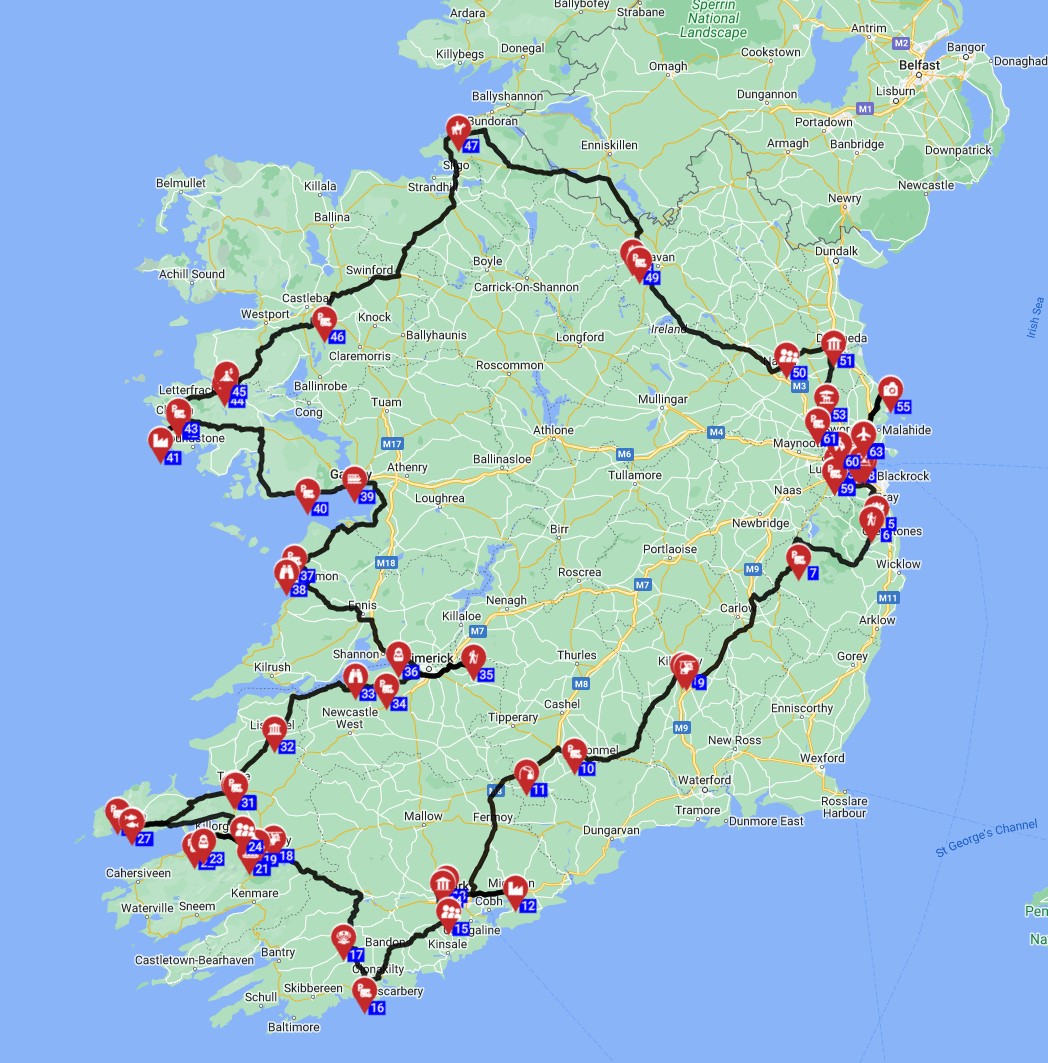
Driving around the perimeter of Ireland in an RV, focusing on a comprehensive route like the Wild Atlantic Way and including detours to major attractions, can take anywhere from 10 days to 3 weeks. A fast-paced trip covering approximately 2,500 km of coastal roads, hitting highlights like the Cliffs of Moher and Ring of Kerry, might be feasible in 10-14 days, averaging 180-250 km per day. However, for a more relaxed and culturally immersive experience, allowing 2-3 weeks or more is highly recommended, adhering to our advice to travel slowly, max 100-150 km per day on average.
This slower pace allows ample time to feel the place, connect to the local culture, savor the food, and fully appreciate the scenery, without rushing. Factor in driving challenges like narrow roads and frequent stops for photos, which can slow travel significantly. Planning your itinerary around key cultural events or festivals, like the Galway International Arts Festival in July, can enrich the experience but may require adjusting your overall travel duration. Our Rent&Plan service can help you craft the perfect itinerary.
What side of the road do you drive on in Ireland
In Ireland, you drive on the left-hand side of the road, and the steering wheel in vehicles is on the right-hand side. This driving convention is consistent with the United Kingdom, Australia, and New Zealand, but it is the opposite of most of mainland Europe and the Americas. Foreign drivers accustomed to right-hand driving should take extra caution, particularly on roundabouts, when turning onto roads, and when overtaking other vehicles. Rental RVs in Ireland will naturally have the steering wheel on the right, which assists with the adjustment for international drivers.
Practice navigating quiet local roads initially to acclimate to the change before venturing onto busier routes or through city centers like Dublin or Cork. Drive slowly and carefully, and you can drive almost anywhere without issues; no need to stress - just use common sense and pay attention. Proper lane positioning and awareness are key to safe driving on the left.
Is there a lot of crime in Ireland
Ireland generally has a low crime rate, making it a safe and welcoming destination for tourists, though petty crime like pickpocketing can occur in crowded urban areas such as Grafton Street in Dublin, similar to any major city worldwide. Serious violent crime is rare and highly unlikely to affect tourists, particularly those traveling in rural areas. RV travelers should take standard precautions to safeguard their belongings: always lock your vehicle, do not leave valuables in plain sight, and be aware of your surroundings, especially when parked overnight in city centers or unattended car parks.
Rural areas, including national parks and scenic routes, are typically very safe, but it is always wise to exercise caution and trust your instincts. Most campgrounds offer secure environments, often with gated access and on-site staff, providing an added layer of security for your rented motorhome. Our 24/7 Support offers real people behind you, providing assistance if any issues arise, before, during, and after your booking, making sure you feel supported throughout your journey.
What is the main driving rule in Ireland
The main driving rule in Ireland, fundamental to all road usage, is to drive on the left-hand side of the road, with the steering wheel on the right. Beyond this primary rule, adhering to posted speed limits is strictly enforced; these are indicated in kilometers per hour (km/h), not miles per hour, with typical limits of 120 km/h on motorways, 100 km/h on national roads, and 50 km/h in urban areas. Drivers must also ensure all occupants wear seatbelts at all times and never drive under the influence of alcohol or drugs, as Ireland has very strict laws and severe penalties for these offenses.
Furthermore, drivers must yield to traffic from the right at roundabouts, and be aware of specific rules for utilizing passing places on narrow rural roads, often involving slowing down or pulling over to allow oncoming traffic to pass. Understanding and respecting these rules are crucial for safe navigation and an enjoyable RV experience in Ireland.
Can I use my credit card in Ireland
Yes, major credit cards such as Visa, MasterCard, and American Express are widely accepted throughout Ireland, especially in urban areas, hotels, restaurants, and larger shops. Contactless payment methods, using cards or mobile devices, are also very common and highly convenient for quick transactions. While credit cards are prevalent, it is always advisable to carry some cash (Euros) for smaller purchases, particularly in very rural shops, local markets, or traditional pubs where card machines might not be available or functional. This is a practical tip for any "RV Rental Ireland - Complete Guide 2026" to make your journey smoother.
Inform your bank of your travel plans to Ireland before your trip to avoid any issues with transactions being flagged as fraudulent or accounts being frozen. Many banks also offer travel-friendly credit cards with no foreign transaction fees, which can save you money on currency conversion commissions. Bandana offers bookings available in 30+ currencies with full price transparency, meaning no hidden fees or conversion commissions when you book your RV rental.
Do I need a special license to drive an RV in Ireland
For most standard RVs or campervans available for rental in Ireland, typically up to 3,500 kg Maximum Authorised Mass (MAM), a regular Category B driving license, which is the standard car license, is sufficient. You must have held this license for a minimum required period, usually 2 to 5 years, depending on the rental supplier's terms. No special license, Commercial Driver's License (CDL), or additional permits are required for any rental motorhome from Bandana, as our fleet falls within this standard license category.
For visitors from non-English-speaking countries, an International Driving Permit (IDP) is recommended to supplement your national license. While it is not mandatory in all cases if your original license is readable in English, having an IDP can ease communication with local authorities and rental agencies. Always confirm the specific license requirements directly with your chosen RV rental company to ensure full compliance before your trip. We believe in full transparency, making sure you have all the facts about licensing and eligibility upfront.
What You Shouldn't Miss
- Drive the Wild Atlantic Way: Traverse the epic 2,500 km coastal route from Donegal to Cork, stopping at natural wonders like the Cliffs of Moher and the Ring of Kerry.
- Explore Ancient History: Visit the prehistoric Newgrange passage tomb, a UNESCO World Heritage site older than the pyramids, or wander through the monastic ruins of Clonmacnoise.
- Immerse in Local Culture: Spend an evening in a traditional Irish pub, especially in a small village, to experience a 'trad session' (traditional music session) and enjoy local hospitality.
- Discover Charming Cities: Park your RV near cities like Cork or Galway and explore their vibrant markets, historic streets, and renowned culinary scenes. Drive slowly and carefully, and you can drive almost anywhere without issues.
- Witness Natural Beauty in Connemara: Drive through the breathtaking landscapes of Connemara National Park, home to wild ponies, sweeping mountains, and tranquil lakes, offering countless opportunities for scenic stops.
- Looking for expert insights from Avi Bandana? Top 5 Adventures - recommendations from Avi Bandana Top 5 Adventures in Ireland.
Final Thoughts
Embarking on an RV rental adventure through Ireland promises a journey filled with breathtaking landscapes, rich history, and warm local encounters. By applying these practical tips for securing the best deals and preparing for the unique aspects of Irish road travel, you’re setting yourself up for an unforgettable experience. Remember that slow travel is the best travel; aim for a maximum of 100-150 km per day on average. This pace allows you to truly feel the place, connect to the culture, savor the delicious food, and immerse yourself in the stunning scenery.
Whether you're exploring the bustling streets of Belfast or the serene beauty of the Ring of Kerry, a rented motorhome offers the freedom and flexibility to craft your perfect Irish getaway. We are here to support you every step of the way, handling the details so you can live the journey, from your initial booking comparison to coordinating your perfect pickup. God is in the small details, and we take care of them, because that's what makes the big difference. So, take the leap, compare RV rental prices for Ireland, and start planning your dream trip today.