In This Guide
- Top 5 Tips for rv rental in France
- Before You Book - Class, Dates, Insurance
- Pre-Trip Prep - Packing Checklist for France
- On the Road - Driving, Fueling, Navigation
- At the Campground - Setup, Hookups & Etiquette
- Rv Rental-Specific Tips for France
- Common Mistakes to Avoid in France
- How much does it cost to rent an RV in France
- What do I need to drive an RV in France
- When is the best time to RV in France
- Can you park an RV anywhere in France
- Is it safe to RV in France
- What is it like to RV in France
- What You Shouldn't Miss
- Why Book with Bandana Caravan
- Final Thoughts
- Frequently Asked Questions
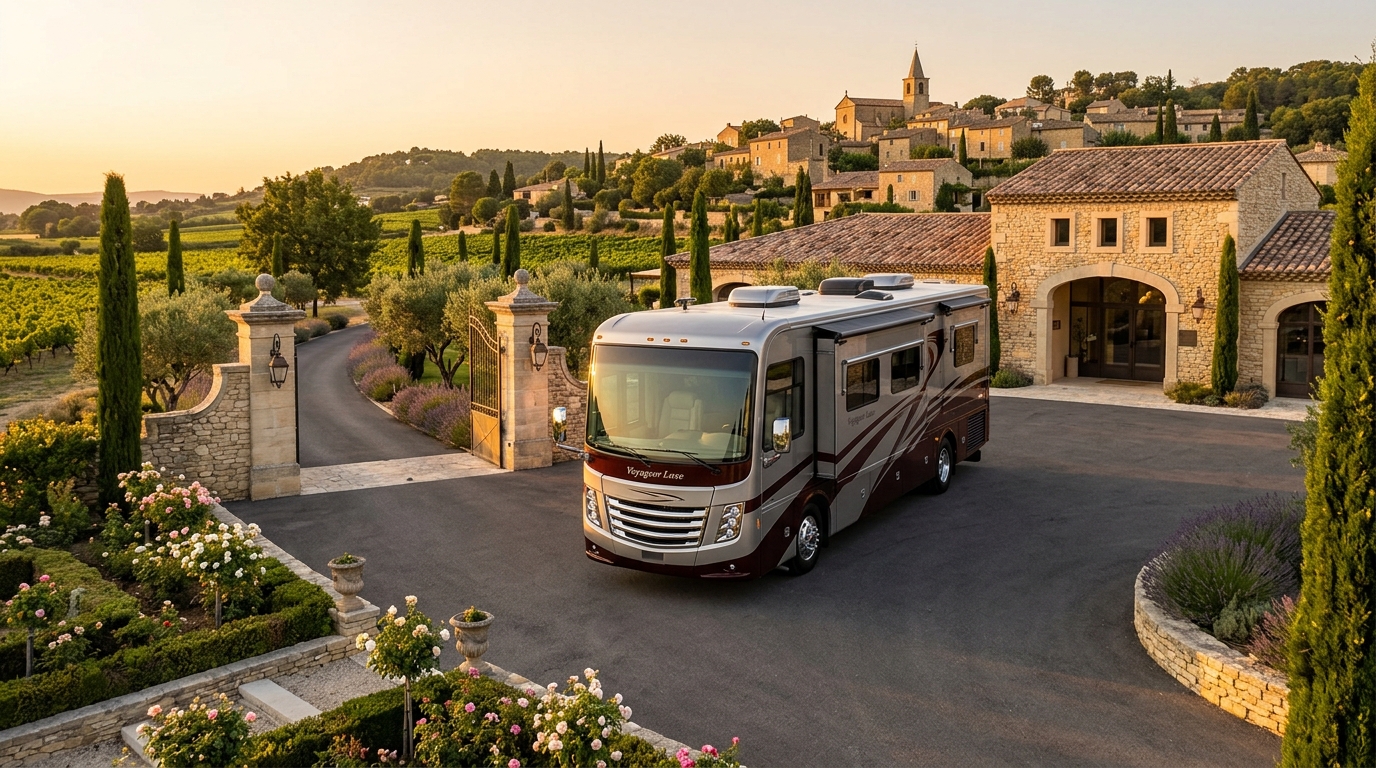
France, with its picturesque landscapes, charming villages, and world-renowned cuisine, is an exceptional destination for a motorhome adventure. Imagine winding through the sun-drenched vineyards of Bordeaux, exploring historic châteaux in the Loire Valley, or waking up to the sound of waves on the Côte d'Azur – all from the comfort of your own rented home on wheels. For live availability and current prices, start with our RV Rental France - Complete Guide 2026 guide.
Top 5 Tips for rv rental in France
Ensuring a smooth RV rental experience in France begins with careful planning and awareness of local specifics. Firstly, it is highly recommended to book your camper or motorhome rental well in advance, especially if you plan to travel during peak seasons from June to August or to popular regions like Provence or the French Riviera, to ensure both vehicle availability and competitive pricing.
Secondly, familiarizing yourself with France's specific road regulations is crucial, including carrying mandatory safety equipment such as a reflective vest for each occupant and a warning triangle, and understanding the need for a Crit'Air vignette for urban areas and low-emission zones (ZFE) to avoid fines of up to €135. Thirdly, utilize the extensive network of over 6,000 "aires de service" and official campgrounds for overnight stays, water replenishment, and waste disposal, planning your route carefully to incorporate these essential stops.
Fourthly, considering a local SIM card or a portable mobile Wi-Fi device will provide reliable GPS navigation and allow you to stay connected throughout your trip, helping with everything from finding campsites to navigating local attractions. Finally, making an effort to learn a few basic French phrases can significantly enhance your interactions with locals, making your journey more pleasant and enriching your overall cultural experience, whether you're ordering a croissant or asking for directions.
Before You Book - Class, Dates, Insurance
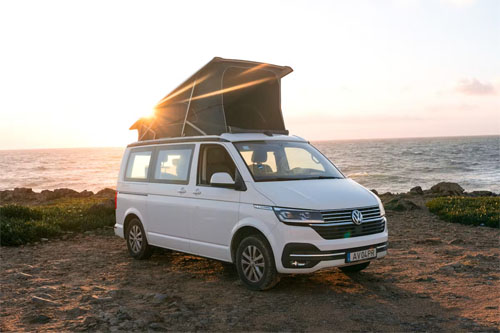
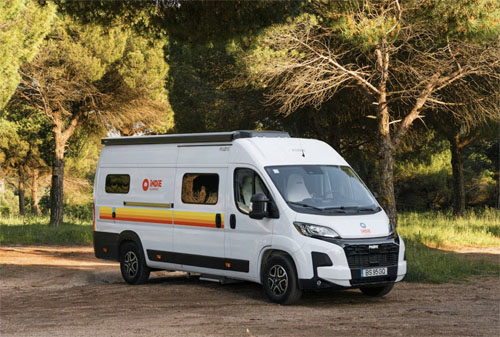
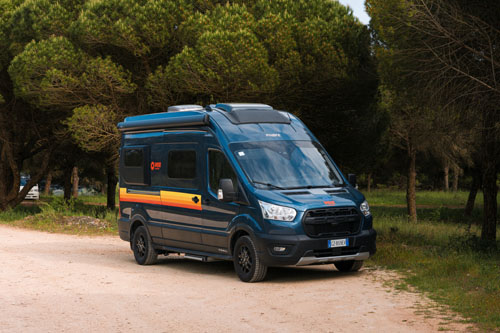
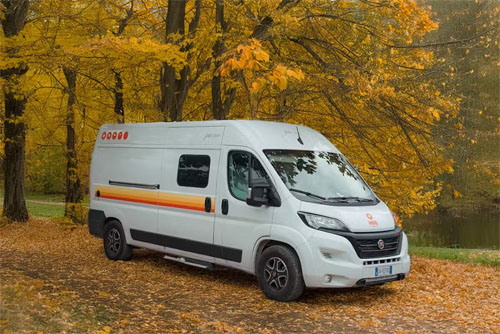
Choosing the right rented RV class for your adventure in France is paramount and depends on your group size, desired comfort level, and budget. Options range from compact campervans like a "Category Van" or "Duo" perfect for a couple, to spacious Class C motorhomes such as the "Euro Deluxe" or a larger "Glamys 40" which comfortably accommodates families of 2+2 or even a big group of friends.
Locking in your rental dates as early as possible, ideally 3-6 months ahead for summer trips, often secures better rates and a wider selection of vehicles. This also gives you ample time to compare different suppliers and models, like a "Luxury Small" model for an intimate trip or a "Category Family 5" for a larger group. Many national and state parks reserve only 25-30% of their spots in advance, leaving the rest for first-come, first-serve arrivals, so don't stress if your plans are a bit spontaneous; you'll find a spot, and if not at the first campground, then the next one. Just call ahead before driving.
Basic insurance is always included with your motorhome rental. To see prices including the most comprehensive coverage, select that option during your search on Bandana RV; then all relevant insurance options, including the ability to upgrade to a top-level deductible for extra peace of mind, will be clearly shown. We pride ourselves on full transparency with no hidden fees and no surprises, so you always know what you're paying for.
Pre-Trip Prep - Packing Checklist for France
An essential packing list for RVing in France should prioritize critical documents, safety gear specific to European roads, and appropriate clothing for varied climates. Ensure you have your valid driver's license (a standard car driver's license is sufficient for all motorhome classes), passport, any necessary visas, and travel insurance details readily accessible. Don't forget the mandatory reflective safety vest for each occupant and a warning triangle for roadside emergencies.
For seamless connectivity and comfort, remember European electrical adapters, a reliable GPS system (preferably one that allows input of vehicle dimensions to avoid narrow roads), and a mobile Wi-Fi solution or a local SIM card to stay connected and use online maps. Packing multi-layered clothing is wise, as temperatures can vary significantly from the sunny south to the cooler northern regions or mountainous areas. Think about reusable bags for groceries from local markets. On the routes offered through RV PLANET routes, you can itemize and track every expense along the way for easy budgeting.
Detailed waste disposal procedures are essential when renting an RV in France; pack eco-friendly cleaning supplies and understand where and how to properly dispose of grey and black water at designated "aires de service" or campgrounds. Having a selection of your favorite spices and a few non-perishable staples will make cooking in your rented camper's kitchen even more enjoyable. For more inspiration on meals you can prepare on the go, check out our RV-friendly recipes playlist.
On the Road - Driving, Fueling, Navigation
Driving a rented motorhome in France requires understanding local traffic laws, speed limits, and navigating toll roads, which are common on major routes like the Autoroutes. For instance, the speed limit on toll roads can be 130 km/h (80 mph), but often lower for larger vehicles, typically 110 km/h (68 mph) or less, so always observe signage carefully. Remember, you can drive slowly and carefully, and you can drive almost anywhere without issues; no need to stress, just use common sense and pay attention.
Fueling up involves recognizing different diesel types, which in France is called 'Gazole' or 'Diesel', and planning for stops, especially for larger RVs with substantial fuel tanks such as the "MH-A" model which can hold 208 liters (approximately 55 gallons). Many smaller towns may have limited station hours, especially on Sundays or holidays. When planning your route, factor in fuel stops, tolls, and other ancillary costs. On RV PLANET routes, travelers can itemize and track every expense along the way for easy budgeting.
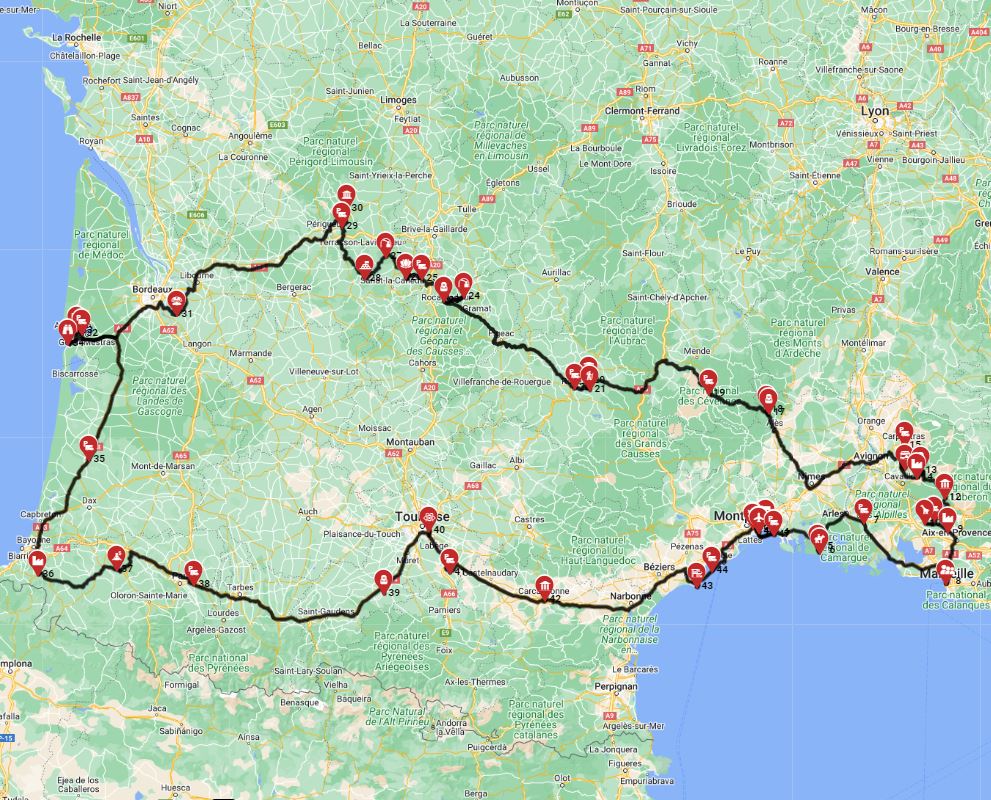
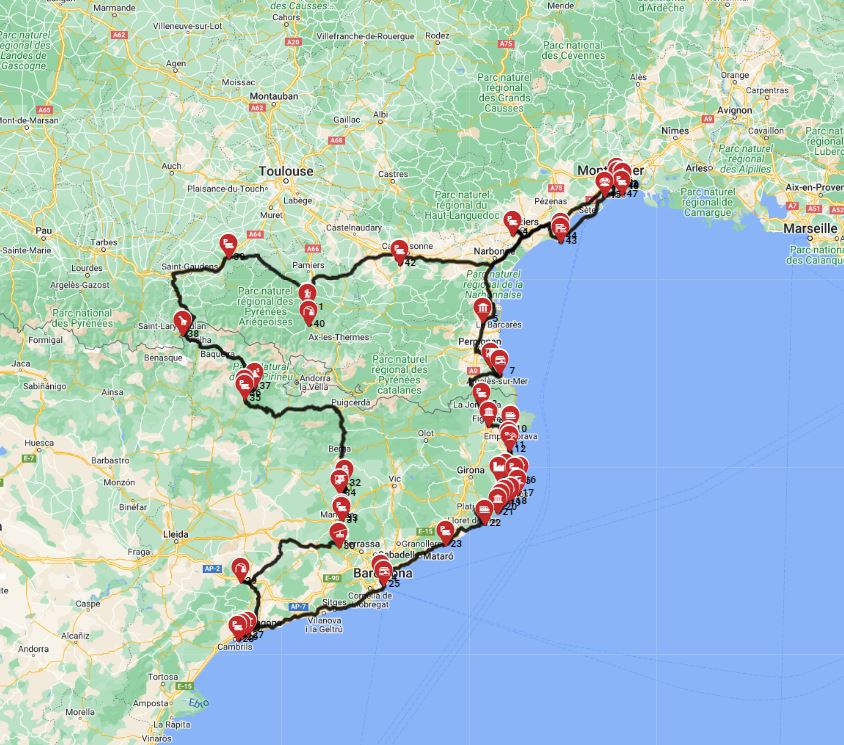
Practical navigation includes using RV-specific GPS systems that account for vehicle dimensions and staying informed about Crit'Air zones in urban areas. These environmental zones regulate vehicle access based on emission levels, requiring a specific sticker on your windshield. Many rental companies will pre-equip their vehicles with this, but it's always good to confirm. For detailed route plans and itineraries across France, consider using RVPLAN.net, our sister company, which offers over 1,300 pre-planned routes across 5 continents, including many in Europe.
At the Campground - Setup, Hookups & Etiquette
Setting up your rented RV at a French campground typically involves a systematic approach to ensure comfort and safety. Upon arrival, carefully position your vehicle, then use leveling blocks to ensure it's stable and comfortable, particularly if your motorhome, like a "C-30" with its three double beds, is on the larger side.
Connecting hookups generally follows a specific order: first, safely connect your electrical cable to the campground's power pedestal, typically a 220V European socket; next, connect your fresh water hose to the water tap; and finally, verify your wastewater disposal points for both grey and black water tanks. Many "aires de service" provide basic water and waste facilities, while full-service campgrounds offer a more comprehensive experience with electricity hookups and showers.
Observing quiet hours, usually from 10 PM to 8 AM, and respecting fellow campers' space are key aspects of campground etiquette in France. This ensures a peaceful environment for everyone, reflecting the communal spirit of RV travel. Many campgrounds in France are pet-friendly, so if you're exploring with a furry companion in a "Pet Friendly" campervan, make sure they are on a leash and their waste is properly managed.
Rv Rental-Specific Tips for France
Families renting an RV in France should prioritize vehicles with ample sleeping and living space, such as a Class C motorhome like the "Euro Deluxe" which often features 3 double beds, planning routes with kid-friendly attractions and regular breaks. Consider a rented motorhome with a functional kitchen to prepare meals, saving on dining out and allowing for more flexibility. Rent&Plan, our pre-planned routes service by professionals, can provide family-friendly itineraries.
Senior travelers might prefer comfort and accessibility, opting for campervans or motorhomes with automatic transmission and easily accessible amenities, like an "Explorer" model. Many rented motorhomes come equipped with heating for cooler evenings and comfortable dining areas. Traveling slowly, averaging a maximum of 100-150 km per day, allows seniors to truly feel the place, connect to the culture, the food, and the scenery at a relaxed pace.
Budget-conscious renters can save by choosing smaller, more fuel-efficient campervans, like a "Category Van," and utilizing the numerous free or low-cost "aires de service" for overnight stays instead of more expensive paid campgrounds. Look for deals on our "Cheap RV Rental in France - Budget Guide 2026" to find affordable options.
Travelers with pets must ensure all necessary paperwork, like a pet passport and up-to-date vaccination records, are complete before entering France. It's also important to research pet-friendly campgrounds and attractions beforehand, as not all places welcome animals. We have pet-friendly options available, so check out our "Pet-Friendly RV Rental in France - Pricing 2026" for more details.
Common Mistakes to Avoid in France
A common mistake first-time RV renters make in France is failing to book campsites in advance during peak season, which can lead to limited availability, especially in popular coastal or wine regions. Instead, secure your spots at official campgrounds or research "aires de service" ahead of time, using resources like RV PLANET (rvplan.net) to locate available spots along your route.
Many travelers underestimate the cost of tolls and fuel for larger motorhomes; instead, budget realistically for these significant expenses, as tolls can easily add €50-€100+ for longer routes, and diesel fuel averages €1.80-€2.00 per liter. Our "RV Rental in France - Prices and Best Deals 2026" guide provides detailed cost breakdowns.
Neglecting to obtain the mandatory Crit'Air vignette can lead to fines of up to €135 in designated urban low-emission zones. Ensure you secure this environmental sticker well before your trip, typically online, and display it on your windshield. Another common oversight is not checking the specific dimensions of your rented motorhome or campervan, which is crucial for navigating narrow village streets or older parking garages.
Overlooking the nuances of wild camping laws is frequent; instead, rely on official "aires de service" or established campgrounds to avoid legal issues and fines. While some areas may permit informal overnight parking, it's best to stick to designated spots. Remember, Bandana RV provides pre-booking comparison, booking support, and post-booking coordination, ensuring you have all the information you need before and during your rental process.
🎬 Video coming soon
How much does it cost to rent an RV in France
The cost to rent an RV in France typically ranges from €70-€200+ per day, varying significantly by vehicle size, rental duration, and the season. For instance, a compact campervan like a "hire campervan example Paradise S/T" for a couple might start around €70-€100 per day in the shoulder season, while a larger, recent model like a "Euro Deluxe" for a family could cost €150-€250+ during peak summer.
Beyond the initial rental fee, a comprehensive budget for your France RV trip must account for realistic ancillary expenses. Fuel, with diesel (Gazole) costing approximately €1.80-€2.00 per liter, can be a significant portion of your budget, especially for longer distances. Tolls on major Autoroutes can add €50-€100+ for longer routes, and the mandatory Crit'Air vignette costs around €4.76.
Overnight stays at the extensive network of "aires de service" may be free or cost €5-€15, offering basic amenities. Official campgrounds usually range from €15-€40 per night for a pitch with electrical hookups and facilities. Daily expenses for food and activities can range from €40-€80+ per person, depending on whether you choose to cook meals in your RV's kitchen or dine out at local restaurants. For comprehensive budget planning, consult our "Cheap RV Rental in France - Budget Guide 2026".
What do I need to drive an RV in France
To drive a rented RV in France, non-EU citizens typically need a valid national driving license from their home country accompanied by an International Driving Permit (IDP). A standard car driver's license (Class B equivalent in Europe) is sufficient for operating most motorhomes and campervans up to 3,500 kg (7,700 lbs), covering all vehicle classes rented by Bandana RV.
Ensure your driving license permits you to operate vehicles of the RV's weight class, although a special license or CDL is not required for any of our rental motorhomes. Mandatory items to carry in your rented RV include a reflective safety vest for each occupant, a warning triangle, and spare bulbs for external lights, all of which are usually provided by your rental supplier.
Familiarize yourself with French road signs, speed limits (which can vary for RVs and are typically lower than for passenger cars, especially on secondary roads), and the prevalence of roundabouts for a smoother driving experience. Don't forget the Crit'Air vignette for low-emission zones. As true RV specialists, we offer transparent information and support before, during, and after your booking, ensuring you are well-prepared.
When is the best time to RV in France
The best time to RV in France for pleasant weather and fewer crowds is typically during the shoulder seasons: April-May and September-October. During these months, temperatures are mild (ranging from 15-25°C or 59-77°F), popular sites are less congested, and prices for a rented campervan, such as a "Category Small", can be significantly lower than in peak summer.
Summer (June-August) offers warm weather, ideal for coastal regions like the Côte d'Azur and outdoor activities across the country, but it is also peak season with higher prices, more crowds, and a necessity to book campsites well in advance. Expect daily rental rates to be at their highest, which you can compare with our "RV Rental in France for Couples - Pricing 2026" guide.
Winter (November-March) presents unique opportunities for RVers, such as visiting charming Christmas markets or accessing ski resorts in the Alps or Pyrenees. However, it requires a rented RV equipped for colder temperatures and awareness of reduced campground availability. Our "Winter RV Rental in France - Pricing Guide 2026" offers specific advice for this season.
Consider regional harvest seasons, like grape harvests in autumn, for unique cultural experiences in regions such as Bordeaux or Burgundy. Planning your trip around local festivals and events can also enrich your adventure. Remember to travel slowly, averaging a maximum of 100-150 km per day, to truly connect to the culture, the food, and the scenery, regardless of the season.
Can you park an RV anywhere in France
No, wild camping or parking a rented RV anywhere is generally not permitted in France, especially in protected natural areas, coastal zones, and many urban centers, with specific fines for illegal parking ranging from €35 to €1,500 depending on the severity and location. Respecting local regulations is key to an enjoyable trip.
France boasts an extensive network of "aires de service" (service areas) which are designated spots, often free or low-cost (typically €5-€15), offering overnight parking and essential services like fresh water and waste disposal for RVs. These are a fantastic resource for responsible and legal overnight stays, providing convenience and peace of mind.
Official campgrounds provide the most comprehensive facilities, including electricity, fresh water, hot showers, and often recreational amenities, making them suitable for longer stays and family trips. Many of these campgrounds, like those detailed in "RV Camping in France - Best Campgrounds & Tips 2026", can be booked in advance, particularly for popular destinations.
Always check local signage and respect municipal regulations, as parking rules for motorhomes can vary significantly between communes and regions, often restricting parking in historical centers or residential areas. For finding suitable campsites and campgrounds during your trip, we recommend using RV PLANET (rvplan.net) - a great resource for locating available spots along your route.
Is it safe to RV in France
RV travel in France is generally considered safe, offering a secure and flexible way to explore the country's diverse regions, from the bustling streets of Paris to the serene beaches of Normandy. Millions of travelers enjoy motorhome holidays in France every year without significant issues.
To enhance safety, always secure your rented vehicle and valuables, particularly when parking overnight in urban areas or popular tourist spots. Consider using additional anti-theft devices if your rental does not come equipped with advanced security features. When stopping for the night, prioritizing secure campgrounds or well-maintained "aires de service" is highly recommended over isolated or unauthorized parking locations.
Adhere to general road safety guidelines, including observing speed limits, avoiding driving while tired, and being aware of specific road conditions, especially in mountainous regions like the Alps or during adverse weather. French roads are generally well-maintained, but rural routes can be narrower and winding. Our 24/7 support (pre-booking, booking, and post-booking coordination) is always available to assist with any questions you might have.
Being prepared and exercising common sense, just as you would in any travel situation, will contribute significantly to a safe and enjoyable RV adventure in France. Rest assured, Bandana RV, with over 20 years of experience since our founding in 2001, is committed to making your rental experience as secure and comfortable as possible.
What is it like to RV in France
RVing in France offers an immersive travel experience, allowing you to discover diverse landscapes, from the vibrant lavender fields of Provence to the historic châteaux of the Loire Valley and the rugged coastline of Brittany, all at your own pace. Imagine setting up your rented campervan, perhaps a "Class B - Camper Van" model, with an unobstructed view of the Mont Saint-Michel at sunset.
Embrace local culture by visiting vibrant French markets ("marchés") for fresh produce, regional cheeses, and artisanal goods, which also provides a wonderful opportunity to practice basic French phrases. Cooking these local ingredients in your rented motorhome's kitchen becomes a culinary adventure in itself. Travel slowly, averaging a maximum of 100-150 km per day, allowing you to truly savor each region and its unique charm.
The extensive network of "aires de service" and campgrounds makes planning stops convenient, offering a blend of basic and amenity-rich options. You'll find everything from simple spots with water and waste disposal to full-service holiday parks with pools and restaurants. Engaging with locals, even with limited French, by learning simple greetings and polite phrases can significantly enrich your travel experience and interactions, making you feel more connected to the heart of France.
France is truly an RV paradise, offering freedom and flexibility to explore its rich heritage and natural beauty. With Bandana RV, you get the benefit of direct partnerships with 50+ leading RV suppliers worldwide, including popular brands, ensuring you find the perfect motorhome for your journey with full price transparency.
What You Shouldn't Miss
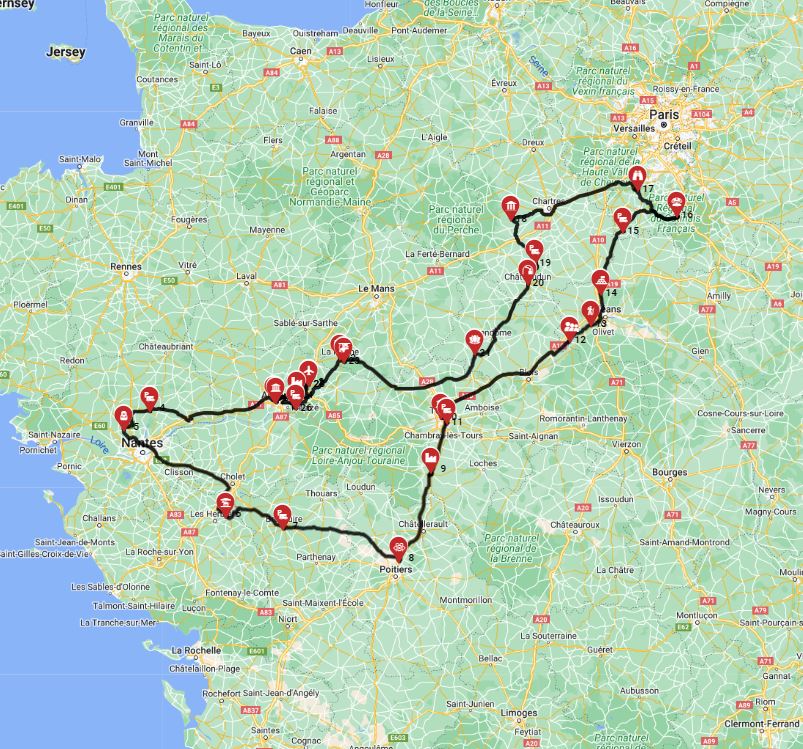
- **The Loire Valley Châteaux:** Embark on a regal route through the Loire Valley, discovering iconic castles like Chenonceau, Chambord, and Villandry. Many offer RV parking and campsites nearby, allowing for slow, immersive exploration.
- **Provence's Lavender Fields:** During summer (late June to mid-July), drive through the fragrant lavender fields around Valensole and Sault. Find local "aires de service" to wake up to breathtaking, aromatic views.
- **Alsace Wine Route:** Explore the charming villages and vineyards of Alsace in your rented campervan. This 170-km route winds through medieval towns like Colmar and Riquewihr, with plenty of local gastronomic stops.
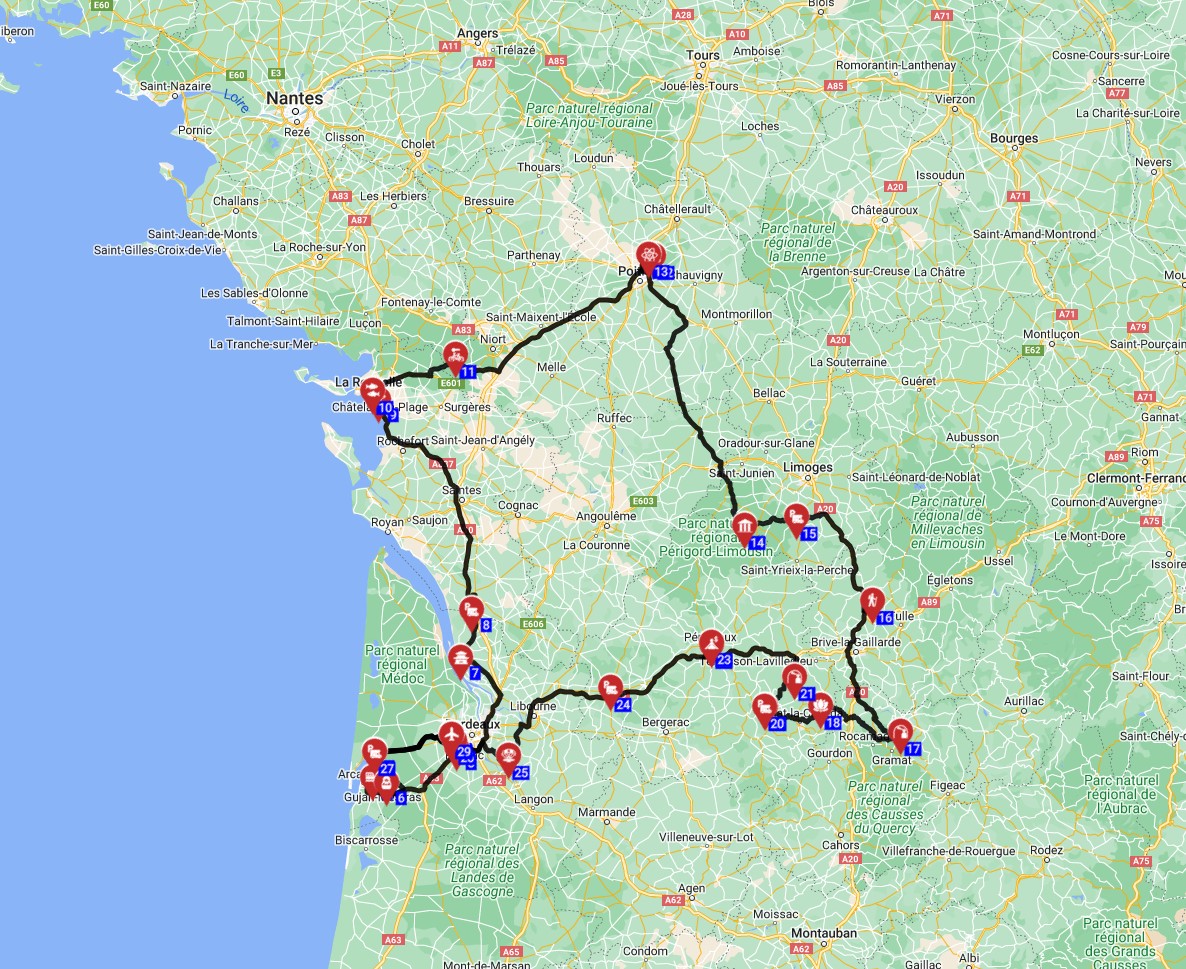
- **Dordogne's Prehistoric Caves:** Journey into the Périgord region to visit ancient cave paintings at Lascaux IV or explore the medieval town of Sarlat. RV-friendly campsites are abundant, offering a base for historical discoveries.
- **The French Alps:** For an active adventure, head to the French Alps. Park your motorhome near Chamonix or Annecy for hiking, cycling, or simply enjoying the spectacular mountain scenery. Don't forget our "Winter RV Rental in France - Pricing Guide 2026" if planning a ski trip.
Looking for expert insights from Avi Bandana? Top 5 Adventures - recommendations from Avi Bandana
Avi Bandana, our founder, often emphasizes that the true joy of RV travel lies in the unexpected discoveries. "Don't just hit the main tourist spots," he advises. "Take that small road leading to a local market, try the regional specialties, and let the culture unfold around you. That's where the magic truly happens."
Final Thoughts
Embarking on a rented motorhome adventure in France is an incredible way to experience this diverse and captivating country. From the sun-drenched beaches to the majestic mountains and charming villages in between, a campervan offers the freedom and flexibility to truly immerse yourself in the culture and scenery. Remember to embrace the slow travel philosophy, allowing yourself to linger longer in places that capture your heart, savoring local flavors, and making unforgettable memories.
With a little preparation and these essential tips, you're well on your way to an extraordinary journey. Whether you're a meticulous planner or a spontaneous explorer, Bandana RV is here to support you in finding the perfect rented RV. We handle the details, so you can focus on living the journey.
So, what are you waiting for? Get inspired for your next trip, discover top destinations, planning tips, all in one place. Let Bandana RV be your trusted partner in planning a trip itinerary in advance with minimal effort and maximum enjoyment.
Ready to hit the open roads of France? Compare Motorhome Prices for France now and start planning your dream getaway!