In This Guide
- Top 5 Tips for RV Rental Deals in Canada
- Before You Book - Class, Dates, Insurance
- Pre-Trip Prep - Packing Checklist for Canada
- On the Road - Driving, Fueling, Navigation
- At the Campground - Setup, Hookups & Etiquette
- RV-Specific Tips for Canada
- Common Mistakes to Avoid in Canada
- How Much Does an RV Rental Trip in Canada Really Cost?
- When is the Best Time to Rent an RV in Canada for Deals?
- Can You Find Free or Boondocking RV Campsites in Canada?
- How to Stay Connected While RVing in Remote Canadian Areas?
- What are Essential Safety Tips for RVing in Canada's Wilderness?
- What are Key Logistics for RV Supplies and Services Across Canada?
- How to Navigate Cultural and Linguistic Differences While RVing in Canada?
Exploring the majestic landscapes of Canada in a rented motorhome offers unparalleled freedom and adventure. From the rugged coastlines of the Maritimes to the towering peaks of the Rockies and the vast northern wilderness, Canada is an RV paradise. To make the most of your journey and secure the best value, understanding the ins and outs of RV rental deals in Canada is key. For live availability and current prices, start with our RV Rental Canada - Complete Guide 2026 guide.
Top 5 Tips for RV Rental Deals in Canada
Securing the best value for your RV rental in Canada hinges on smart planning and flexibility, typically saving travelers between 15% and 30% on overall costs. Firstly, booking 3-6 months in advance for Canada RV rentals, especially for peak summer travel between July and August, often provides better rates and a wider selection of Class B campervans or larger Class C motorhomes. Early birds secure preferred models like a 4-berth "Euro Tourer" with an automatic transmission or a larger "Explorer" for families seeking multiple sleeping areas.
Secondly, considering shoulder seasons in Canada, such as May-early June or September-October, can significantly lower prices by 20% or more, alongside fewer crowds and often stunning natural beauty like spring blooms or autumn foliage. Thirdly, comparing prices across Bandana's network of 50+ leading RV suppliers, including trusted partners like El Monte and Cruise America, is essential to find competitive deals on various vehicle types. This full price transparency means no hidden fees or surprises.
Fourthly, savvy renters should look for one-way specials or last-minute relocation deals, which can sometimes offer discounts of up to 40% for moving a vehicle from one city to another, although these are less common for popular routes. Lastly, being flexible with your travel dates and pickup/drop-off locations can open up a wider array of cheaper options, enabling you to capitalize on dynamic pricing fluctuations. For travelers interested in specific budgeting, our "Cheap RV Rental in Canada - Budget Guide 2026" provides further cost-saving strategies. On the routes offered through RV PLANET routes, you can itemize and track every expense along the way for easy budgeting.
Before You Book - Class, Dates, Insurance
Choosing the right RV class in Canada balances comfort with fuel efficiency and rental cost, typically starting from CAD $100 per day for a compact campervan like the 'Category Van' or up to CAD $300+ for a spacious 6-berth Class C motorhome like the "Explorer" that comfortably sleeps a family of four. A smaller Class B campervan, perfect for couples, offers better maneuverability and fuel economy, while a Class C motorhome (e.g., a "Comfort Family 5" or "MHC24" model with 3-burners gas stove and 4 seat belts) provides more living space, a full kitchen, and a bathroom for families with kids.
Booking your travel dates for a Canadian RV rental 3-6 months in advance is generally recommended, especially for trips during the peak summer months of July and August when demand is highest and prices can be up to 25% higher. However, spontaneous travelers can still find availability, as many national and provincial parks in Canada reserve 25-30% of their spots for first-come-first-serve arrivals; you'll find a spot, and if not at the first campground, then the next one, so always call ahead before driving.
Basic RV rental insurance is always included in the price you see on Bandana RV. For comprehensive peace of mind, you can upgrade to a top-level deductible for extra protection, which will be presented as an option during the booking process. We pride ourselves on full transparency, so what you see in the final price is what you pay, with no hidden fees or surprises at pickup.
Pre-Trip Prep - Packing Checklist for Canada
Packing for an RV trip in Canada requires versatile clothing and essential gear due to the country's varied climates, even in summer, when temperatures can fluctuate by 15-20°C in a single day. You'll want to include a rain jacket and pants, warm layers (like fleece and sweaters), comfortable walking shoes for hiking, a sun hat, sunglasses, and a swimsuit for lake or ocean dips. Don't forget your cooking essentials like pots, pans, utensils, plates, bowls, cutlery, and basic spices; for meal inspiration, check out our RV-friendly recipes playlist.
Safety items such as a well-stocked first-aid kit, an emergency roadside kit, and bear spray (if venturing into wilderness areas like national parks, ensuring you know how to use it) are crucial. Remember to have all travel documents, including your driver's license (a standard car driver's license is sufficient for all motorhome classes in Canada), passport/ID, RV rental agreement, and any campground reservations readily accessible. A physical map is also a smart backup to digital navigation, particularly in remote regions of Canada where cell service can be spotty. Consider purchasing a National Park Pass if you plan to visit multiple parks across the country to save on entrance fees.
On the Road - Driving, Fueling, Navigation
Driving a rented motorhome in Canada requires adherence to metric speed limits, typically posted in km/h, and an understanding of unique Canadian road signs like the flashing green light, which indicates an advanced left turn. Drive slowly and carefully, and you can drive almost anywhere without issues. No need to stress - just use common sense and pay attention. For instance, the maximum speed limit on most Canadian highways ranges from 90 km/h to 110 km/h. Fueling requires planning, especially in remote regions like northern Ontario or the Yukon, where gas stations can be sparse and fuel prices, currently averaging CAD $1.50 - $2.00+ per liter, vary significantly by province.
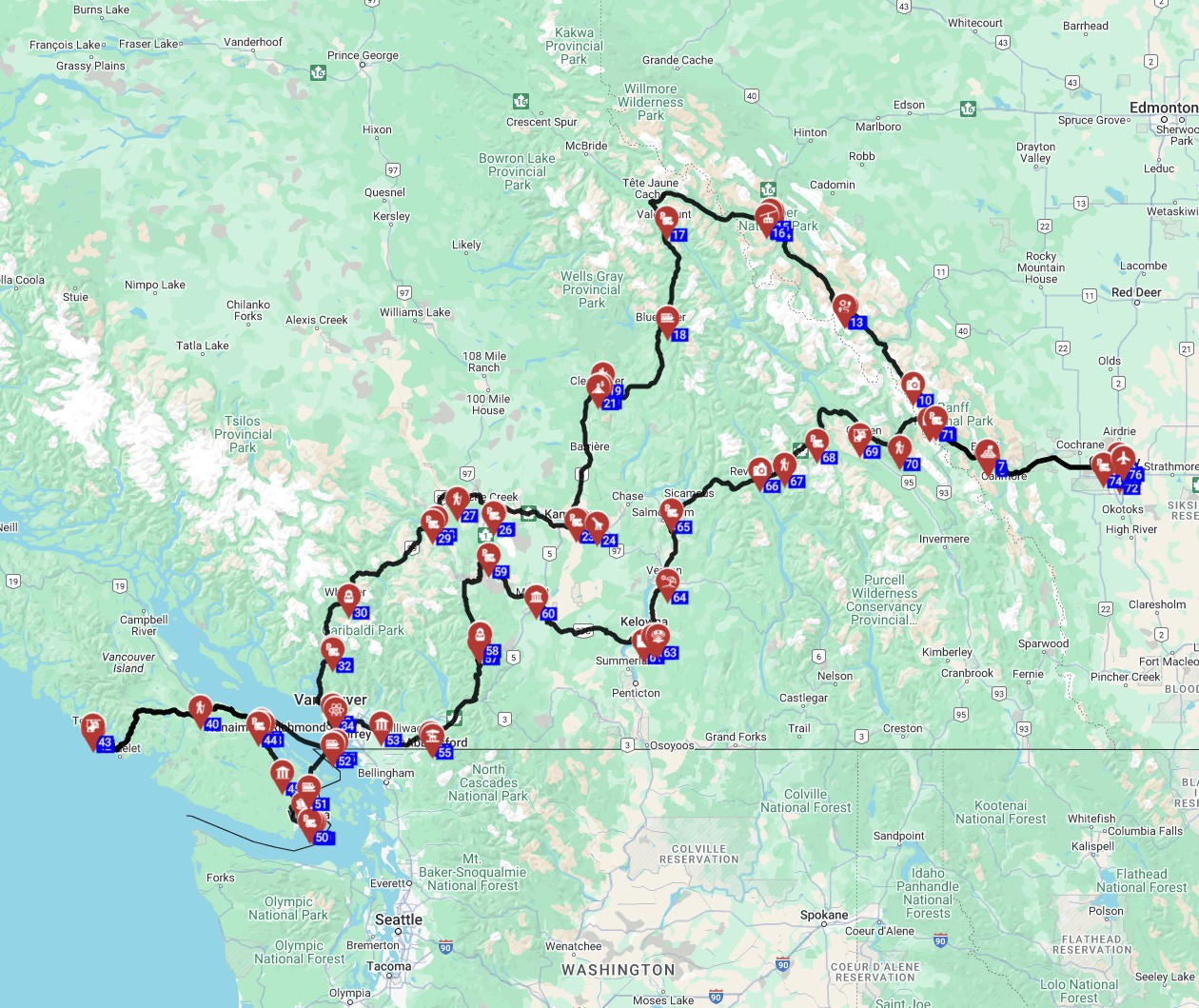
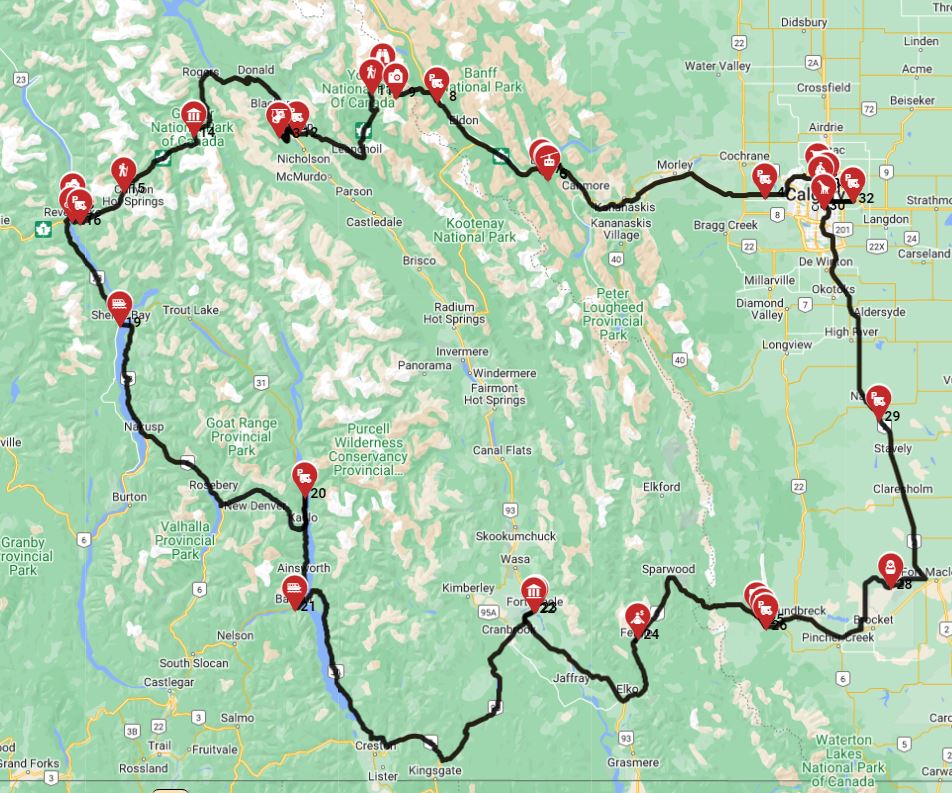
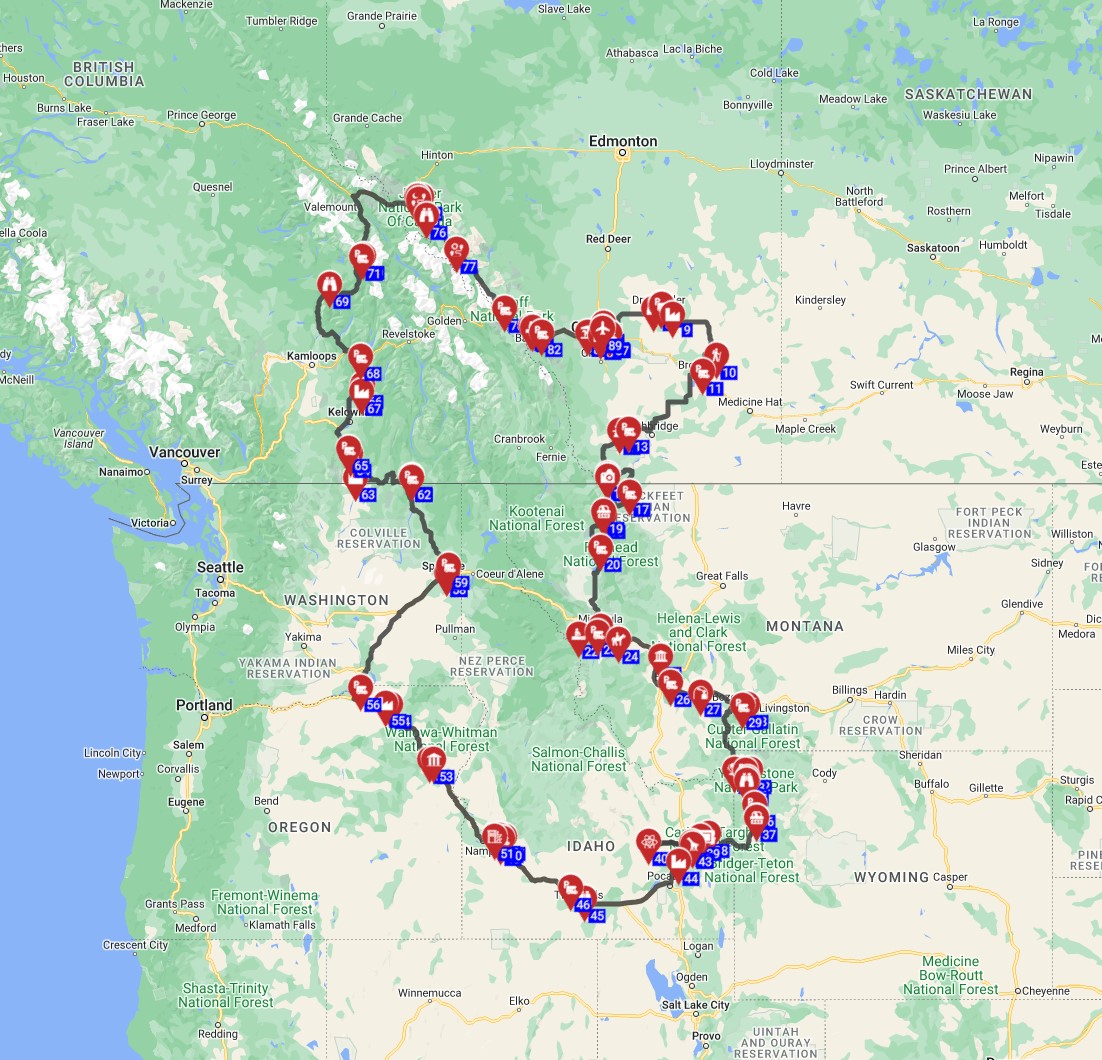
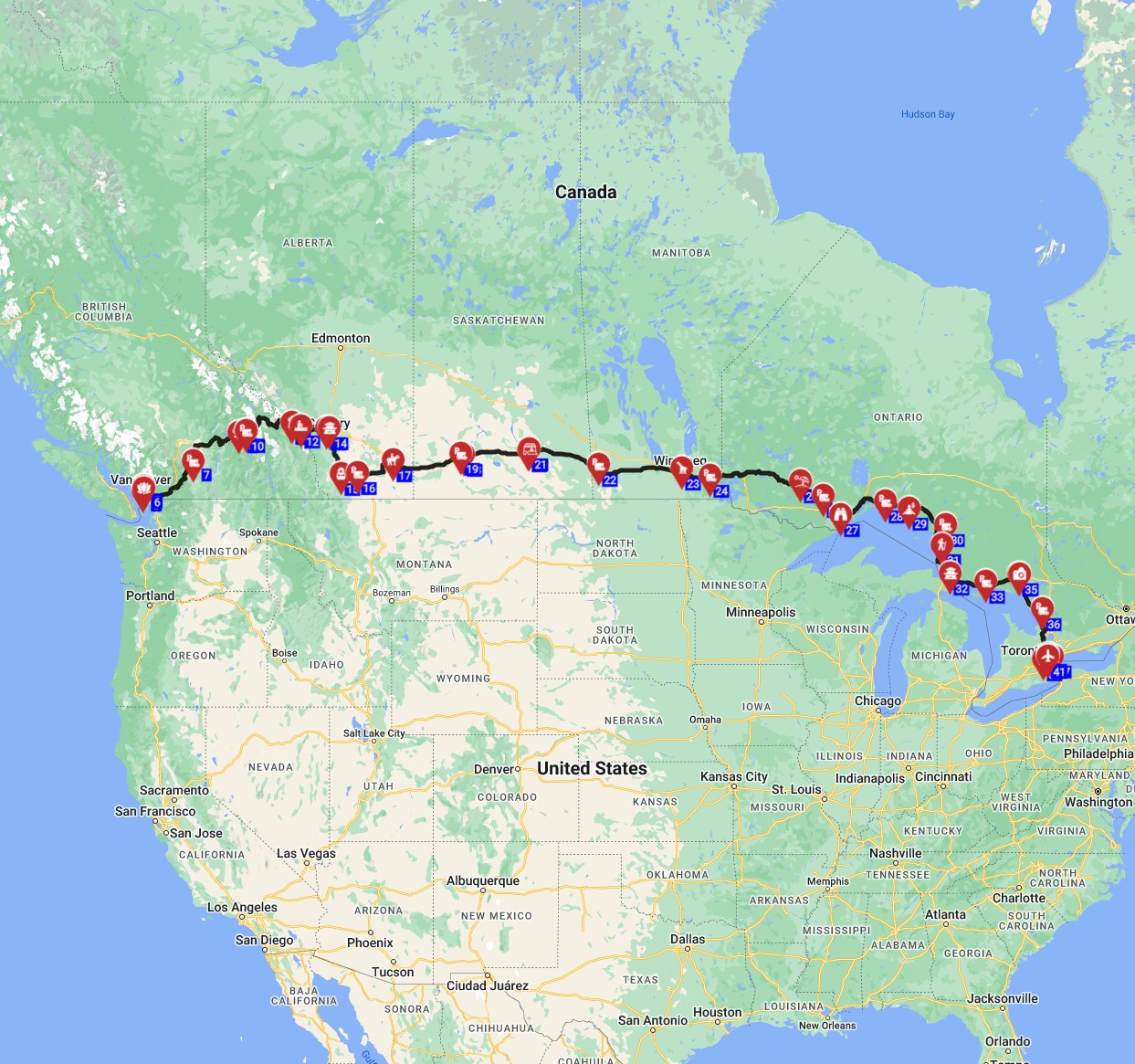
Navigation is best managed with both GPS and downloaded offline maps (such as Google Maps or iOverlander), as cell service can be limited or nonexistent in vast stretches of Canadian wilderness. Always monitor road conditions, particularly when traveling through mountainous regions like the Canadian Rockies or during shoulder seasons when weather can change rapidly, bringing unexpected snow or heavy rain. Whether you're exploring the scenic route from
At the Campground - Setup, Hookups & Etiquette
Upon arrival at a Canadian campground, you should always level your rented RV using blocks before extending slides or engaging hookups, ensuring all internal appliances function optimally. Connecting hookups follows a specific sequence: sewer hose first, then fresh water, and finally electricity, to maintain hygiene and prevent cross-contamination. Most full-hookup sites offer 30-amp or 50-amp electrical service, potable water connections, and sewer drains.
Observing campground etiquette is paramount in Canada. Quiet hours are typically enforced from 10 PM to 7 AM, and generator use is often restricted or prohibited during these times. Keep all pets on a leash and always properly dispose of waste in designated receptacles. Leave your campsite cleaner than you found it, adhering to Leave No Trace principles. For finding campsites and campgrounds during your trip, we recommend using RV PLANET (rvplan.net) - a great resource for locating available spots along your route. Many national and provincial parks allocate 25-30% of their sites for first-come, first-served arrivals, providing flexibility for spontaneous travelers.
RV-Specific Tips for Canada
To maximize savings on your RV adventure in Canada, choosing a Class B campervan or a smaller Class C motorhome like the "C-Small" with a fuel tank capacity of 151 liters can significantly reduce fuel costs, which are a notable expense across the country. These compact rented RVs are easier to maneuver and typically achieve better fuel efficiency than larger Class A motorhomes, especially on Canada's diverse terrain. Fuel consumption for a Class C motorhome can range from 15-25 liters per 100 km, while a campervan might offer 10-15 liters per 100 km.
Exploring opportunities for free overnight parking, also known as boondocking, on Crown Land or at approved businesses can drastically cut down on campground fees, which average CAD $30-$70 per night. Research provincial and territorial regulations for Crown Land access, as rules on length-of-stay (often up to 21 days) vary. Planning meals and grocery shopping at local Canadian supermarkets further reduces overall trip expenses compared to frequent dining out. For example, a week's worth of groceries for a family of four might cost CAD $200-$300. Finally, seeking out RV rental deals during Canada's spring (May-early June) and fall (September-October) shoulder seasons, when demand is lower and natural scenery is often at its most stunning, is a proven strategy for value.
These off-peak periods can offer savings of 15-25% on rental rates. Booking national or provincial park campsites well in advance, even if you are a spontaneous traveler, is wise, as they provide excellent value and amenities such as picnic tables, fire pits, and often electrical hookups for CAD $35-$60 per night. On RV PLANET routes, travelers can itemize and track every expense along the way for easy budgeting. Visit rvplan.net to start planning your cost-effective Canadian RV adventure.
Common Mistakes to Avoid in Canada
A frequent mistake when planning a Canadian RV trip is over-scheduling; instead, plan realistic daily driving distances of max 100-150 km on average, allowing ample time for unexpected stops and enjoying the scenery, which often leads to a more relaxing adventure. Canada is vast, and attempting to cover too much ground in a week-long trip can lead to exhaustion rather than enjoyment. Slow travel lets you truly feel the place, connect to the culture, the food, and the scenery.
Another common oversight is being unprepared for wildlife encounters, especially in wilderness areas. Learn about wildlife safety, including bear etiquette (e.g., storing food in bear-proof containers with a 60-liter capacity) and carrying appropriate deterrents like bear spray. Never rely solely on cell service for navigation; download offline maps and consider a local SIM card (available from providers like Telus, Bell, or Rogers with plans starting around CAD $50 for 10GB data) or a satellite device for remote areas where coverage is limited.
Always pack versatile layers for all types of weather, even in summer, as conditions in Canada can change rapidly, with temperature swings of 10-15°C common in a single day. Finally, be mindful of cultural nuances, particularly in bilingual regions like Quebec, where making an effort to use basic French greetings (e.g., "Bonjour") is appreciated. Understanding provincial taxes (e.g., 5% GST across Canada, plus provincial sales taxes up to 9.975% in Quebec) on purchases and rentals is also important for accurate budgeting.
How Much Does an RV Rental Trip in Canada Really Cost?
An RV rental trip in Canada typically costs between CAD $1,500 and $5,000 for a one-week adventure, varying significantly based on factors like vehicle class, season, and duration. Rental fees generally range from CAD $100-$300 per day for a standard Class C motorhome like the "CA-25" (which has 3 burners gas stove and 5 seat belts), but can go up to CAD $400-$600+ for larger, luxury Class A models during peak season (July-August). Fuel costs are a major component; budget for CAD $1.50 - $2.00+ per liter and estimate consumption based on your rented RV's size and planned mileage. A large motorhome might consume 20-25 liters per 100 km, while a campervan uses 10-15 liters per 100 km.
Campground fees average CAD $30-$70 per night, with national and provincial parks often offering better value and amenities. An additional National Park Pass, like the Discovery Pass (around CAD $75 for an individual or $145 for a family for a year), is usually required for entry to multiple parks. Provincial sales taxes (GST, PST/HST) also apply to rentals and purchases, varying by province from 5% (Alberta) to 15% (Atlantic provinces). Other ancillary costs include propane refills (CAD $20-$40 for a standard 20lb tank), dump fees (CAD $10-$20 at private facilities), and groceries (CAD $100-$200 per person per week). A transparent platform like Bandana RV allows you to compare final prices across suppliers, ensuring you know exactly what you're paying for before you book. For finding the specific details for your trip, consider our "RV Rental in Canada - Prices and Best Deals 2026" guide.
When is the Best Time to Rent an RV in Canada for Deals?
The best time to rent an RV in Canada for deals is during the shoulder seasons, specifically from May to early June and September to October, where rental rates can be 15-30% lower than peak summer. Spring (May-early June) offers blooming landscapes, fewer tourists, and pleasant temperatures, perfect for exploring without the summer crowds. Fall (September-October) provides stunning foliage across Canada, particularly in eastern provinces like Quebec and Ontario, comfortable temperatures, and often significant rental discounts as demand decreases.
While summer (July-August) is Canada's most popular RV season, offering the widest range of activities and longest daylight hours, prices are at their highest and popular spots like the

Can You Find Free or Boondocking RV Campsites in Canada?
Yes, RVers can find extensive opportunities for free camping, or boondocking, in Canada, primarily on vast tracts of 'Crown Land' (public land), which is significantly different from the US BLM system. Provincial and territorial regulations for Crown Land access vary, but generally permit free stays for up to 21 days in one location. For example, in British Columbia, many Forest Service Roads allow dispersed camping.
Apps like iOverlander or websites like FreeCampsites.net are invaluable resources for locating legal boondocking spots and understanding access points across Canada. When utilizing these free sites, it's critical to practice Leave No Trace principles, packing out all trash and leaving no impact. Be prepared for self-sufficiency, as amenities like water, sewer, or electricity are non-existent. Additionally, some businesses, particularly large chain stores like Walmart or casinos, may permit overnight RV parking; always ask management for permission first to avoid any issues.
How to Stay Connected While RVing in Remote Canadian Areas?
Staying connected while RVing in Canada's remote areas can be challenging, as cell service diminishes rapidly outside populated regions. International roaming plans can be expensive, with daily rates ranging from CAD $10-$15. A more cost-effective option is to purchase a local Canadian SIM card from major providers like Telus, Bell, or Rogers, with prepaid data plans starting around CAD $50 for 10GB, offering better coverage, especially along main highways.
Portable Wi-Fi hotspots or "MiFi" devices can provide internet access, but their effectiveness depends heavily on proximity to cell towers, which are infrequent in many wilderness areas. Crucially, download all necessary maps and essential information offline before venturing into areas known for limited or no cell service. For extreme remote areas, a satellite messenger (e.g., Garmin InReach, Spot X) or a satellite phone is highly recommended for emergency communication, often costing around CAD $300-$500 for the device and a monthly subscription of CAD $20-$60.
What are Essential Safety Tips for RVing in Canada's Wilderness?
Essential safety tips for RVing in Canada's wilderness include learning and practicing wildlife safety protocols, especially for encounters with bears, moose, and other large animals that inhabit many national parks and remote routes. Always store food in bear-proof containers, cook away from your sleeping area, and carry bear spray (ensuring you know how to use it effectively). Regularly monitor local weather forecasts, as conditions in Canada's vast wilderness can change rapidly, with sudden temperature drops or severe storms possible, even during summer months.
Equip your rented RV with a comprehensive first-aid kit, and ensure you have roadside assistance contact information readily available. Before heading out, make sure your motorhome is well-maintained for long stretches between service points. Understand Canada's 911 emergency services for police, fire, and ambulance, and consider carrying a satellite communication device for trips far off main routes, where cell service is non-existent. These measures, combined with common sense and attentiveness, will ensure a safer and more enjoyable wilderness adventure.
What are Key Logistics for RV Supplies and Services Across Canada?
Key logistics for RV supplies and services across Canada involve knowing where to find propane, water, and specialized maintenance, which can vary by region. Propane refills are widely available at gas stations, hardware stores like Canadian Tire, and dedicated RV dealerships in most towns and cities; a standard 20lb tank typically costs CAD $20-$40 to refill. Water fill-ups and dump stations are common at campgrounds, many highway rest stops, and some gas stations or truck stops, with dump stations often requiring a small fee of CAD $10-$20.
It's advisable to keep a list of RV service centers or general mechanics along your planned route, as specialized RV repair can be harder to find in Canada's more remote regions. Always ensure your fresh water tank (e.g., 100-liter capacity on a Class B motorhome) and waste water tanks (e.g., 80-liter grey water and 80-liter black water tanks on a Class C) are managed efficiently. Familiarize yourself with local regulations regarding waste disposal and recycling, as these can vary by municipality and province. For more detailed insights into planning your Canadian RV trip, explore "RV Rental Deals in Canada - Latest Offers 2026" and "One-Way RV Rental in Canada - Price Guide 2026".
How to Navigate Cultural and Linguistic Differences While RVing in Canada?
Navigating cultural and linguistic differences while RVing in Canada enhances your travel experience, particularly in regions like Quebec, where French is the official language. While most services are bilingual, making an effort to use basic French greetings such as "Bonjour" or "Merci" is highly appreciated and shows respect for the local culture. Learning a few common phrases can go a long way.
Be mindful that road rules and signage may sometimes vary slightly by province; for example, Quebec uses unique green-and-white signs, and distances are always in kilometers. Understanding that different provinces have unique histories and cultural identifiers will enrich your interactions with locals. Engaging respectfully and openly with the diverse cultures, from Indigenous communities to French-speaking populations and multicultural urban centers across Canada, will provide a deeper, more rewarding RV adventure.
Canada also shares a significant border with the United States; for those considering cross-border adventures, our "RV Rental USA - Complete Guide 2026" offers useful information for seamless travel between the two nations.
🎬 Video coming soon
What You Shouldn't Miss
- **The Icefields Parkway, Alberta:** Drive one of the world's most scenic routes, a 232 km stretch through Banff and Jasper National Parks, offering breathtaking views of glaciers, turquoise lakes like Lake Louise, and abundant wildlife.
- **The Cabot Trail, Nova Scotia:** Explore this 298 km (185 mile) loop on Cape Breton Island, renowned for its coastal beauty, Gaelic culture, and vibrant fall foliage, offering numerous pull-offs for stunning ocean vistas.
- **Niagara Falls, Ontario:** Witness the sheer power and beauty of one of the world's most famous waterfalls, easily accessible with a rented RV and offering various attractions and parklands nearby.
- **Pacific Rim National Park Reserve, British Columbia:** Experience the rugged beauty of Canada's west coast, from ancient rainforests to wild beaches, perfect for hiking, surfing, and spotting marine wildlife.
- **Old Quebec City, Quebec:** Step back in time in North America's only walled city north of Mexico, a UNESCO World Heritage site with charming cobblestone streets, historic architecture, and a distinct European feel.
Looking for expert insights from Avi Bandana? Top 5 Adventures - recommendations from Avi Bandana
Final Thoughts
Embarking on an RV rental adventure through Canada offers an unparalleled way to discover its vast natural beauty and vibrant cultures. With these expert tips on securing the best deals, preparing for your journey, and navigating the open road, you're well-equipped for a memorable experience. Remember to embrace slow travel, allowing yourself to soak in every moment and truly connect with the incredible landscapes and welcoming communities.
Whether you're planning a week-long trip through the Canadian Rockies or an extended road trip across multiple provinces, choosing a rented motorhome or campervan ensures comfort and flexibility. At Bandana RV, we're dedicated to making your Canadian RV rental experience as easy, safe, and affordable as possible, backed by our transparent pricing and specialist support. Get ready to create unforgettable memories on Canada's open roads!
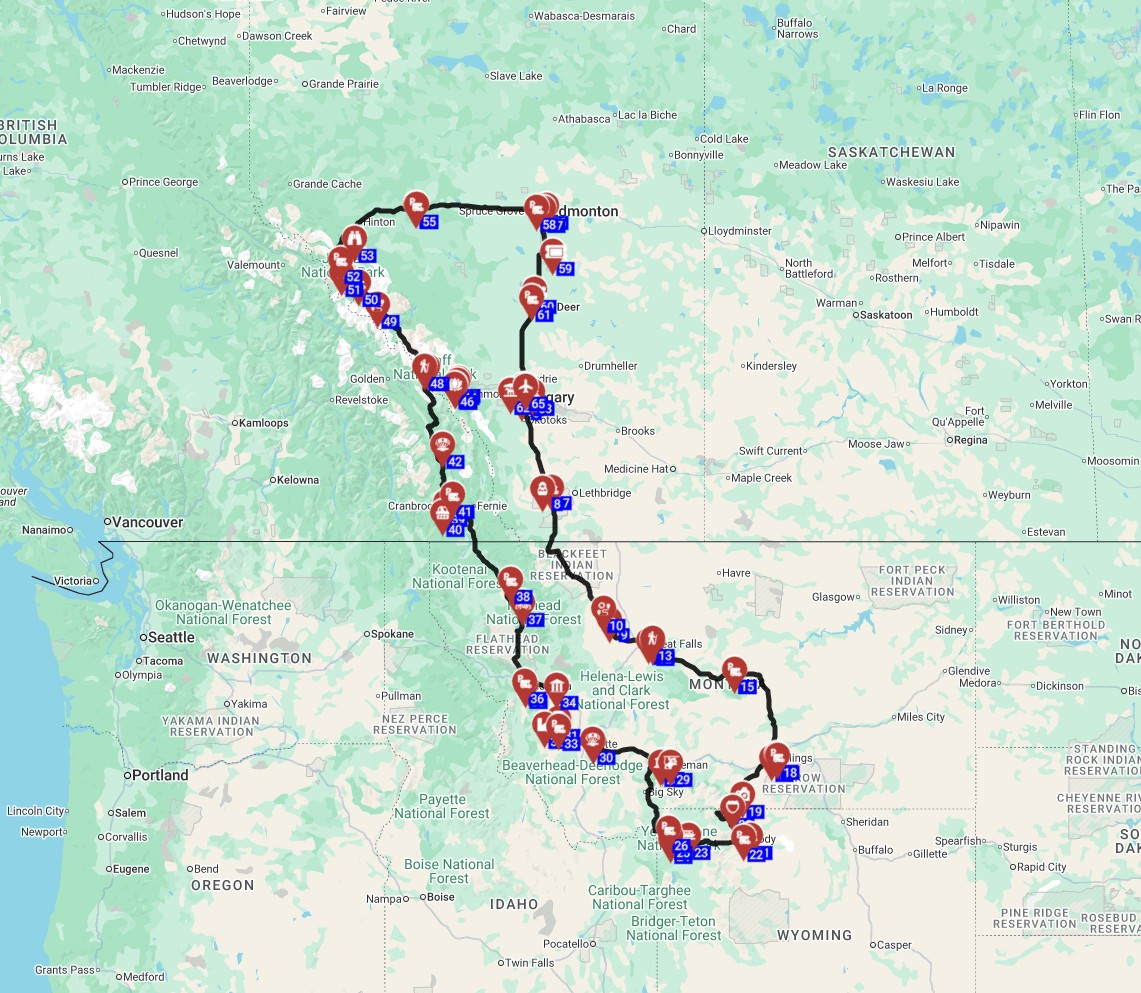
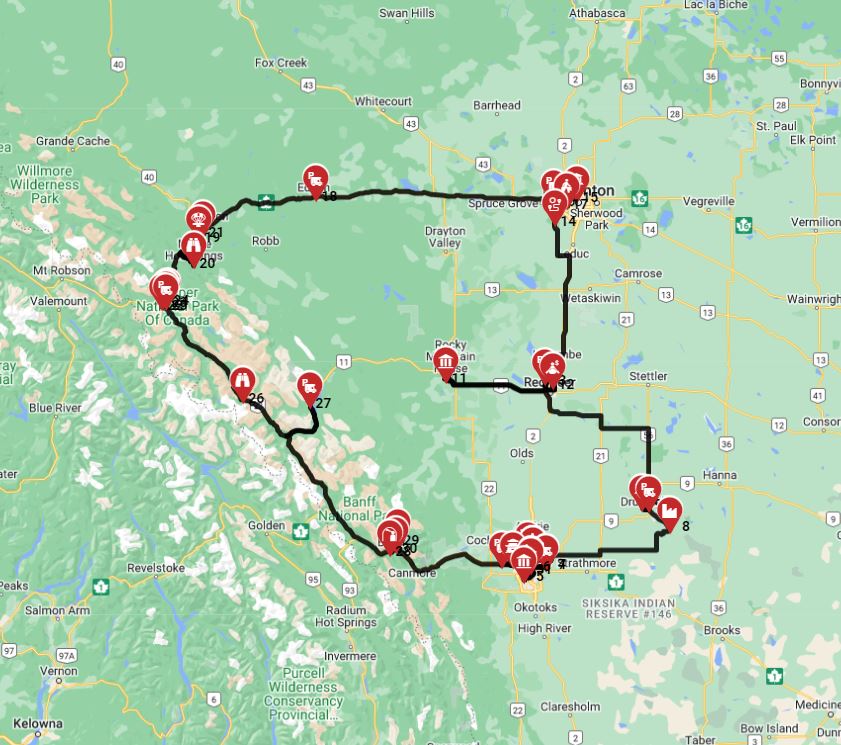
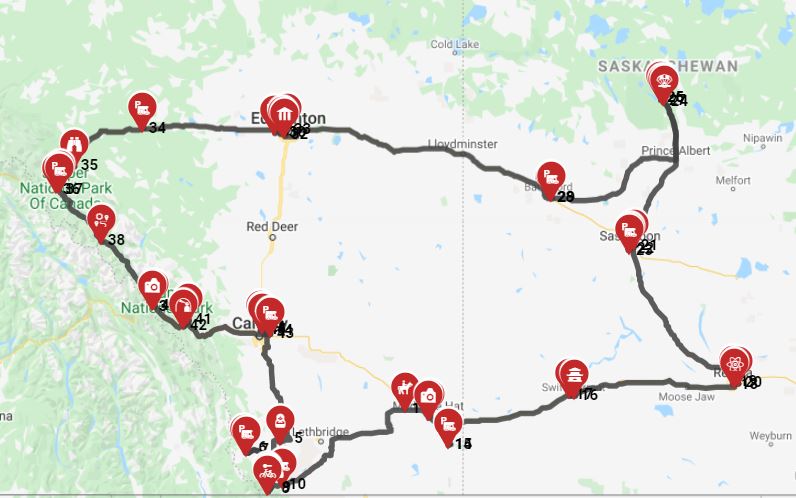
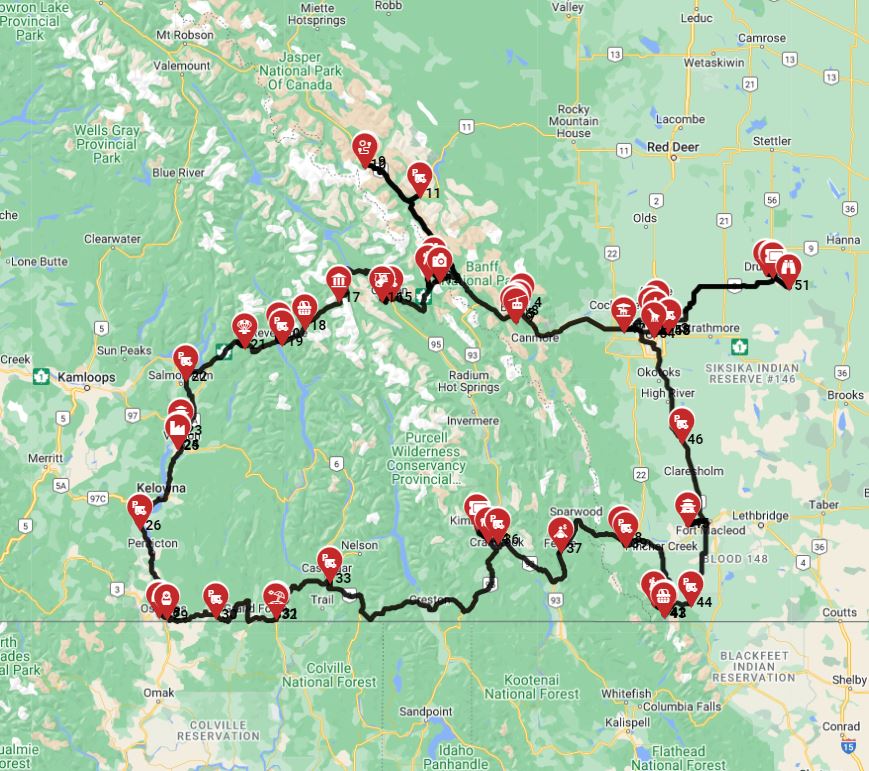
Discover top destinations, planning tips, all in one place! Plan a trip itinerary in advance with minimal effort and maximum enjoyment.