In This Guide
- What airport rv rental RV Rental Costs in North Canada (CurrentYear)
- Seasonal Pricing - Peak vs. Shoulder vs. Off-Season in North Canada
- What's Included vs. What's an Add-On
- Hidden Costs to Budget For in North Canada
- How to Save on airport rv rental RV Rental in North Canada
- How much does it cost to rent an RV in Canada?
- How much does a RV cost in Canada?
- Can you sleep anywhere in a campervan in Canada?
- How much does it cost to rent an RV for a week in Canada?
- What is the cheapest way to rent an RV?
- How much does it cost to park an RV in Canada?
- What is the best time of year for a Canadream RV trip?
- Which RV rental company in Canada is the best?
- Top Cities for RV Rental in North Canada
- Country-Wide Practical Info for RV Travel in North Canada
- What You Shouldn't Miss
Exploring the vast, untamed wilderness of North Canada in a rented RV is an unparalleled adventure, offering freedom and breathtaking scenery around every corner. Imagine waking up to the stillness of a Yukon lake or cooking breakfast under the midnight sun in your very own mobile home, ready to chase the Northern Lights. Whether you're flying into an airport and planning to pick up your vehicle there or just looking for general guidance, understanding the pricing and planning intricacies of an airport RV rental in North Canada is key to a smooth journey. For live availability and current prices, start with our RV Rental North Canada - Complete Guide 2026 guide.
What airport rv rental RV Rental Costs in North Canada (CurrentYear)
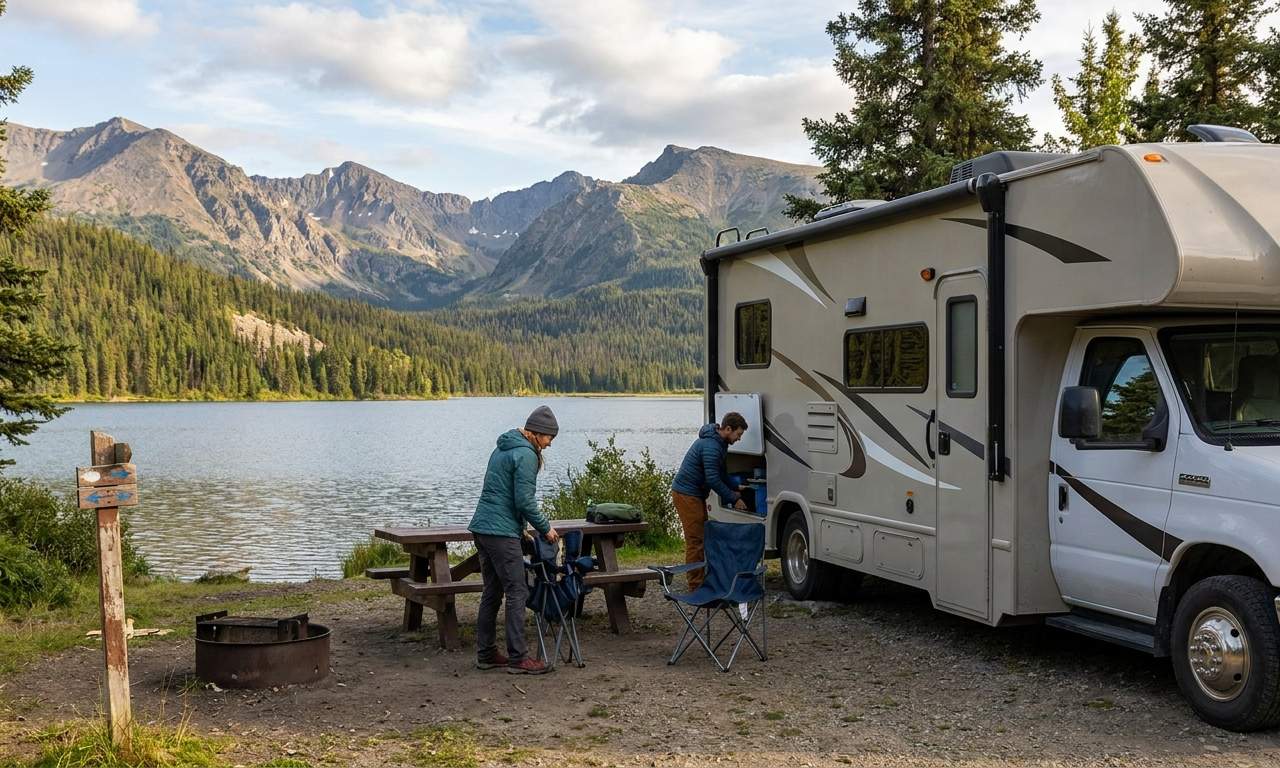
RV rental prices in North Canada are dynamic and depend on several factors, including vehicle class, rental duration, season, and the specific pickup location near an airport. April is typically the cheapest month for RV rental in North Canada, with potential savings of 15-30% compared to peak season. For instance, a small campervan ideal for a couple, like a "Class B - Camper Van" with a 60-liter fuel tank and 2 burners, might average CAD $100-$200 per day in the shoulder season for a two-week adventure, while a larger 6-berth Class C motorhome, like a "Euro Deluxe" with its 190-liter refrigerator, could range from CAD $250-$400 daily during peak summer. Prices are always changing, much like flight tickets, so the final price is set at the actual booking time. We provide full transparency, ensuring no hidden fees or surprises when you use our platform to compare and book your rented motorhome.
When budgeting for your trip, consider that a one-week airport RV trip in North Canada for a couple in a compact motorhome might start around CAD $800-$1,400 for the rental alone, while a month-long journey for a family in a larger Class C could easily reach CAD $6,000-$10,000 or more, not including fuel and campsite fees. Families with kids often opt for larger Class C motorhomes, like the "MH-C", which typically offer more sleeping spaces (up to 6 or 7) and storage, influencing the overall cost. For example, a family of four might rent a "29′ Class C Motorhome" with a 208-liter fuel tank for around CAD $200-$350 daily in shoulder season. Conversely, retired couples or young couples might prefer a nimble campervan like an "Acer" which is ideal for a couple, saving on both rental and fuel costs. On the routes offered through RV PLANET routes, you can itemize and track every expense along the way for easy budgeting.
The key to finding the best value is comparing a wide array of options across different suppliers. Looking for the easiest, safest, and most affordable way to rent an RV? We compare final prices across 50+ suppliers so you don't have to, making your planning straightforward and stress-free.
Seasonal Pricing - Peak vs. Shoulder vs. Off-Season in North Canada
Peak season for RV travel in North Canada typically runs from July to August, seeing the highest demand and prices due to optimal weather, maximum daylight (including the Midnight Sun phenomenon), and full accessibility to all roads and services. During this time, daily rental rates for a 4-berth Class C motorhome can soar by 30-50% compared to shoulder season, often reaching CAD $350-$500+. Booking during this period requires advance planning, as popular models are reserved quickly.
Shoulder seasons, spanning late May to June and September, offer a compelling balance of lower prices, fewer crowds, and unique Northern experiences. Late May-early June showcases spring blooms and abundant wildlife viewing, with daily rates for a "Family Standard" campervan often 10-25% lower than peak summer, around CAD $150-$280. September is perfect for experiencing spectacular fall foliage and offers the first real opportunities for Northern Lights viewing as nights grow darker, while still enjoying relatively mild daytime temperatures. Off-season RV rentals (October-April) are rare in North Canada due to extreme cold and limited road access, with very few specialized units like the "2 Person 4WD Camper" available for hardy adventurers, typically commanding premium rates due to their specific capabilities.
What's Included vs. What's an Add-On
When securing your RV rental in North Canada, basic insurance coverage is always included, providing fundamental protection. However, what constitutes a standard inclusion versus an optional add-on can vary significantly by RV provider and specific rental station, especially in the more remote Northern locations.
Common add-ons to consider for your trip include additional mileage packages, as unlimited mileage might not be standard for all rentals, especially shorter ones. Generator usage often comes with an hourly fee, important for powering appliances when not connected to shore power. Essential comforts like kitchen kits (pots, pans, cutlery - crucial if you plan to utilize your RV's "Gas Stove" and "Refrigerator" for cooking delicious meals on the road) and bedding packages are frequently offered as paid extras. To ensure your kitchen is fully stocked for RV adventures, consider our RV-friendly recipes playlist for meal ideas.
For peace of mind, you can upgrade to a top-level deductible for extra reimbursement in case of an incident. Our platform allows you to compare inclusions and add-ons across different suppliers, making it easy to see prices including the most comprehensive coverage by selecting that option during your search. This full transparency ensures you know exactly what you're paying for, with no hidden fees, before you finalize your booking.
Hidden Costs to Budget For in North Canada
Beyond the daily rental rate, several ancillary costs must be factored into your North Canada RV adventure budget to avoid surprises. Fuel costs can be significantly higher in remote Northern Canada, and gas stations are less frequent, sometimes spaced 200 km or more apart, requiring careful planning of refills. For instance, a Class A motorhome with a 320-liter fuel tank like the "MHLUX" could incur substantial fuel expenses over a long route like the Alaska Highway.
Campsite fees vary by type and amenities, ranging from CAD $12-$25 per night for basic territorial parks to CAD $30-$70+ for national parks or private campgrounds with full hookups. Specific permits may be required for entry into some National Parks, Territorial Parks (like Yukon's), or Indigenous lands, so research your route thoroughly. Dump station charges, while infrequent, should also be budgeted, as facilities can be sparse in very remote areas, sometimes costing CAD $10-$20 per dump. Other expenses include groceries (which can be more expensive in the North), propane refills (essential for heating and cooking), and potential tolls or ferry fees. For detailed budgeting, RV PLANET routes allow travelers to itemize and track every expense along the way, helping you manage your total trip cost effectively.
How to Save on airport rv rental RV Rental in North Canada
Saving money on your airport RV rental in North Canada is entirely achievable with smart planning. Booking your RV rental during the shoulder season, specifically late May to early June or September, provides excellent value, combining lower daily rates with ideal conditions for wildlife viewing or spectacular fall colors. You could potentially save up to 20-30% compared to peak summer prices.
Opting for a smaller Class B campervan, such as an "Active Bunk Auto" which is ideal for a couple, if it comfortably accommodates your group, will not only reduce the rental cost but also significantly save on fuel expenses, which are a major factor in Northern travel. For example, a compact "Category Van" with a 95-liter fresh water tank will be far more fuel-efficient than a large "C-LARGE" motorhome with a 250-liter fuel tank. Longer rental durations often lead to lower daily rates, so consider an extended road trip of two weeks or more. Monitoring flex-rate drops and booking early, 3-6 months in advance, can also secure the best deals, especially given the shorter peak travel window in North Canada. Lastly, utilizing any pre-paid toll options or campground discount cards offered by suppliers can help manage ancillary expenses effectively, adding to your overall savings for your adventure.
How much does it cost to rent an RV in Canada?
RV rental costs in Canada vary widely based on RV class, rental duration, season, and specific location, typically ranging from CAD $100 per day for smaller campervans in the off-season to over CAD $400 for luxury Class A motorhomes during peak summer. In North Canada, due to the vast distances and unique logistical considerations, daily rates might be slightly higher, but this can often be offset by booking longer trips, as daily costs tend to decrease with extended rental periods. The most significant factors influencing the total cost are the specific dates of travel-peak summer months (July-August) command premium prices-and the type of RV chosen, such as a compact Class B like the "Van - Economy" versus a spacious Class C like the "MH-C" which has a 208-liter fuel tank. Prices are dynamic and change frequently based on demand and availability, making it essential to check live rates for your specific travel plans. Our comparison platform helps you find the best value by showing you all available options side-by-side.
How much does a RV cost in Canada?
While this article focuses on RV rental costs, the purchase price of an RV in Canada generally ranges from CAD $20,000 for used campervans or smaller Class C models to over CAD $200,000 for new luxury Class A motorhomes, representing a substantial investment distinct from rental expenses. Renting an RV for a trip to North Canada allows travelers to experience the region without the significant upfront cost, ongoing maintenance, and storage fees associated with ownership. For adventurous trips on potentially rugged Northern roads, specialized rented units like the "4x4 Camper B - THOR" or a "Truck Camper" (with a 122-liter fresh water tank and a 128-liter fuel tank) are often better suited, and their availability for rental makes exploring areas like Yukon or Northwest Territories a practical and accessible choice. Bandana is exclusively an RV rental comparison and booking platform, catering to vacation travelers rather than RV lifestyle or permanent living.
Can you sleep anywhere in a campervan in Canada?
No, you cannot legally sleep anywhere in a campervan across all of Canada, as specific regulations apply to private property, municipal bylaws, and protected areas. While wild camping or boondocking is permitted in many unserviced public lands, especially on Crown Land, travelers must always be aware of local restrictions. In Northern Canada (Yukon, Northwest Territories, Northern British Columbia, and parts of Alberta), dispersed camping on Crown Land is generally permitted and widely practiced, offering incredible solitude and direct access to nature's grandeur. However, visitors must adhere strictly to 'leave no trace' principles, pack out all trash, and be prepared for potential wildlife encounters-especially with bears and moose-by securing food and waste properly. Always check local bylaws and park regulations, particularly within National Parks (like Kluane National Park Reserve) or populated areas, where specific campgrounds or designated overnight spots, often costing CAD $20-$40 per night, are typically required for overnight stays. For finding campsites and campgrounds during your trip, we recommend using RV PLANET (rvplan.net) - a great resource for locating available spots along your route.
How much does it cost to rent an RV for a week in Canada?
Renting an RV for a week in Canada, especially for North Canada adventures, can range from approximately CAD $700 to CAD $2,800 or more, depending heavily on the RV class, the specific week (seasonality), and whether it's peak or shoulder season. For a one-week North Canada trip, a Class C motorhome like the "MHC24" (which sleeps 6 with seatbelts for 6 and has a 150-liter fresh water tank) or a versatile campervan is a popular choice, suitable for exploring areas around major hubs like Whitehorse or Yellowknife. Weekly rates are significantly influenced by the peak summer months (July-August) when demand is highest for Northern travel, often pushing prices towards the higher end of the spectrum. Reviewing the specific weekly rates for different models in the pricing table earlier in this article can offer a clearer estimate for your desired 7-day rental. Remember to factor in ancillary costs like fuel, food, and campsite fees.
What is the cheapest way to rent an RV?
The cheapest way to rent an RV typically involves booking during the shoulder or off-season, opting for smaller, older RV models, choosing longer rental durations, and taking advantage of early bird deals or last-minute relocation specials. For North Canada, booking in the shoulder seasons (late May-early June or September) provides excellent value, combining lower rental rates with ideal conditions for wildlife viewing or spectacular fall colors. For example, a small "Category Van" will be more affordable than a "32′ Class C Motorhome". Consider a smaller, more fuel-efficient RV or campervan, like the "DeLite", which is ideal for a couple and can be more nimble on some unpaved Northern roads, further reducing overall trip expenses. Monitoring flexible rates and booking well in advance, ideally 3-6 months before your departure date, can secure better prices, especially for unique North Canada itineraries. Additionally, exploring our Rent&Plan option through RV PLANET can help you discover pre-planned routes that optimize for cost-effective travel, allowing you to save up to 25% on planning services.
How much does it cost to park an RV in Canada?
RV parking costs in Canada, primarily referring to campsite fees, typically range from CAD $20 to CAD $70 per night, varying significantly by the type of park (territorial, provincial, national, private), amenities offered, and location. In Yukon and Northwest Territories, territorial park campgrounds are often more affordable, ranging from CAD $12-$25 per night, offering basic amenities like pit toilets and fire pits, and often operating on a self-registration system. National Parks like Kluane National Park Reserve will have specific entrance and camping fees, usually CAD $25-$50 per night for a basic site, which may require advance reservations during peak season. Dispersed camping on Crown Land, which is prevalent in many parts of Northern Canada, offers a free alternative for overnight parking, provided that travelers adhere to local regulations and 'leave no trace' principles. Private campgrounds offer more amenities like full hookups, Wi-Fi, and laundry facilities but typically come with higher price tags, ranging from CAD $40-$70+ per night.
What is the best time of year for a Canadream RV trip?
The best time of year for a Canada RV trip, especially when considering North Canada, is generally during the summer months from June to August for warm weather, maximum accessibility, and the unforgettable phenomenon of the Midnight Sun. During these months, all roads, including remote routes like the Dempster Highway, are typically open and navigable, and wildlife is abundant. However, shoulder seasons-late May to early June and September-offer a compelling balance of lower costs, fewer crowds, and unique experiences. Late August and September are particularly ideal for potential Northern Lights viewing as the nights become darker, combined with comfortable daytime temperatures, often averaging 10-15°C (50-59°F). Road conditions are generally at their best during the summer and early fall, ensuring easier travel on both paved and gravel sections of Northern highways, making it an excellent time for a two-week adventure or an extended road trip.
Which RV rental company in Canada is the best?
The "best" RV rental company in Canada ultimately depends on your individual needs, budget, and desired RV class, as different companies excel in fleet variety, customer service, or specific price points. Major national players like El Monte, Cruise America, Apollo, and Britz offer extensive fleets and multiple pickup locations, including some gateway cities to the North. For dedicated North Canada travel, local operators based in cities like Whitehorse (Yukon) or Yellowknife (Northwest Territories) often provide specialized vehicles, such as rugged 4x4 campervans like the "4x4 Camper B - TYR" or motorhomes with higher ground clearance, better suited for potentially rougher Northern roads. These local companies frequently offer tailored support and expert local knowledge, which is crucial for remote travel, making them a strong contender for an optimal Northern RV experience. As true RV specialists, Bandana Caravan offers an authoritative comparison platform that helps you navigate these choices, providing full transparency and ensuring you find the perfect camper or motorhome for your journey, backed by over 20 years of experience in the industry.
Top Cities for RV Rental in North Canada
North Canada offers a gateway to some of the most spectacular and remote landscapes on Earth, and starting your journey from a major city with airport RV rental options makes exploration seamless. Here are some top cities to consider for your motorhome adventure:
- Whitehorse, Yukon: As the capital of Yukon, Whitehorse is a primary hub for Northern travel. You can easily pick up a rented campervan or motorhome directly from the airport or a nearby depot and immediately begin exploring the Alaska Highway, historic Dawson City, or even embark on the famous Dempster Highway.
- Yellowknife, Northwest Territories: Yellowknife, the capital of the Northwest Territories, is another excellent starting point, especially if you're chasing the Northern Lights. RV rentals here give you access to the Ingraham Trail and other unique Northern experiences, though options might be more limited than in Whitehorse.
- Watson Lake, Yukon: While smaller, Watson Lake is famous for its Signpost Forest and is a key stop along the Alaska Highway. Picking up a camper or motorhome here allows you to quickly immerse yourself in the natural beauty of the Southern Yukon.
- Fort Nelson, British Columbia: Located in the Northern Rockies of BC, Fort Nelson offers access to vast wilderness areas and serves as a strategic point for those beginning their journey further north along the Alaska Highway.
- Dawson City, Yukon: Rich in Gold Rush history, Dawson City is a popular destination accessible by RV. While direct airport RV rentals might be less common here, it's a fantastic spot to drive your rented motorhome to and spend a few days immersing yourself in the past.
Each of these cities offers unique charm and serves as a launchpad for unforgettable RV experiences in North Canada. Whether you opt for a compact "RV size - Small" campervan or a more spacious "RV size - Large" motorhome, the freedom of a rented RV opens up endless possibilities.
Country-Wide Practical Info for RV Travel in North Canada
Embarking on an RV adventure in North Canada requires some practical knowledge to ensure a safe and enjoyable trip. Canada drives on the right side of the road, and standard car driver's licenses are sufficient for all motorhome classes, including Class A, Class B, and Class C. No special license or additional permits are required for any rental motorhome. An International Driving Permit (IDP) is recommended for visitors from non-English-speaking countries but is not mandatory in most cases.
Speed limits vary by province and road type, typically 80-100 km/h (50-60 mph) on highways and 50 km/h (30 mph) in urban areas. Drive slowly and carefully, and you can drive almost anywhere without issues. No need to stress - just use common sense and pay attention, especially for wildlife on Northern roads. You can spot large animals like moose, caribou, and bears, so always maintain vigilance. Emergency services can be reached by dialing 911 nationwide. Cell service can be spotty to non-existent in many remote areas of North Canada, so consider a satellite communication device for emergencies. Fuel stations are less frequent than in the south, sometimes 200+ km apart, making it crucial to fill up whenever possible. Always travel slowly, aiming for a maximum of 100-150 km per day on average, to truly take time to feel the place, connect to the culture, the food, and the scenery. For winter trips, always consult our "Winter RV Driving in North Canada - Safety Guide 2026" for specific preparedness advice.
🎬 Video coming soon
What You Shouldn't Miss
North Canada is a land of majestic beauty and unique experiences, perfect for exploring with a rented RV. Here are some highlights you absolutely shouldn't miss:
- Driving the Alaska Highway: Embark on an epic road trip along this historic route, admiring stunning mountain vistas, pristine lakes, and abundant wildlife. It's a journey that captures the spirit of "RV Driving Deals in North Canada - Routes and Savings 2026".
- Experiencing the Midnight Sun in Yukon: During summer, revel in 24 hours of daylight, allowing for endless outdoor activities like hiking, fishing, or photography at any hour. This unique phenomenon is a highlight for many visitors.
- Chasing the Northern Lights in Yellowknife: As one of the best places in the world to view the aurora borealis, a shoulder-season visit to Yellowknife in your rented motorhome promises an unforgettable celestial show.
- Exploring Kluane National Park and Reserve: Home to Canada's highest mountains and vast icefields, this UNESCO World Heritage site offers incredible hiking, wildlife viewing, and awe-inspiring scenery accessible by a rented camper.
- Visiting Dawson City, Yukon: Step back in time to the Klondike Gold Rush era. This charming historic town, easily reached by RV, offers a glimpse into a bygone era with its preserved buildings and engaging cultural experiences.
- Driving the Dempster Highway: For the truly adventurous, take a specialized 4x4 camper or truck camper across this gravel highway into the Arctic Circle. It's a challenging but immensely rewarding journey through pristine wilderness.
Looking for expert insights from Avi Bandana? Top 5 Adventures - recommendations from Avi Bandana.
Final Thoughts
An airport RV rental in North Canada promises an adventure unlike any other, a journey through some of the most pristine and awe-inspiring landscapes on the planet. From the endless summer days under the Midnight Sun to the dancing Northern Lights, and the sheer vastness of the wilderness, renting a motorhome or campervan gives you the freedom to explore at your own pace. With careful planning and our commitment to full transparency, your trip will be seamless and filled with incredible memories.
We understand that planning an extended road trip to a region like North Canada can seem daunting, but with Bandana Caravan, you’re never alone. We're here to support you every step of the way, from comparing the ideal Class C motorhome like the "MHC30" for a family of up to 9, to a nimble campervan for a couple, ensuring all the small details are taken care of. So, pack your bags, prepare for unparalleled beauty, and get ready to create your own unforgettable story in North Canada.