For live availability and current prices, start with our RV Rental North Canada - Complete Guide 2026 guide.
In This Guide
- Can You Drive an RV in North Canada? License & Age Rules
- Road Conditions & Terrain in North Canada
- RV Size Limits, Bridges & Restricted Zones
- Fuel: Diesel vs. Petrol & Cost per 100 km
- Tolls, Vignettes & Border Rules
- Driving Tips for Winter RV Rental Travelers
- Recommended RV Class for North Canada Roads
- Should I Choose a Compact Van Instead of a Large RV in North Canada?
- Can I Park Anywhere? Free & Wild Camping Rules in North Canada
- Can I Drive an RV Into the City Center? Heights, Tunnels & Local Signage
- What is the 3-3-3 rule for RV travel?
- Should you cover your RV in the winter in Canada?
- Can Americans RV in Canada?
- How cold is too cold for an RV?
- Do they search your RV at the Canadian border?
- What are the requirements for bringing an RV into Canada from the US?
- What is an RV winter package?
- What You Shouldn't Miss
- Why Book with Bandana Caravan
- Final Thoughts
- Frequently Asked Questions
Embarking on a winter RV adventure in North Canada is an experience like no other, offering pristine snowy landscapes and unparalleled solitude. While the idea of cold weather motorhome travel might seem daunting, with the right preparation and knowledge, it's an incredibly rewarding way to explore Canada's vast wilderness and vibrant northern communities. At Bandana RV, we specialize in helping you navigate these unique journeys with full transparency, ensuring no hidden fees or surprises. For live availability and current prices, start with our RV Rental North Canada - Complete Guide 2024 guide, where you'll find everything you need to plan your epic trip.
Can You Drive an RV in North Canada? License & Age Rules
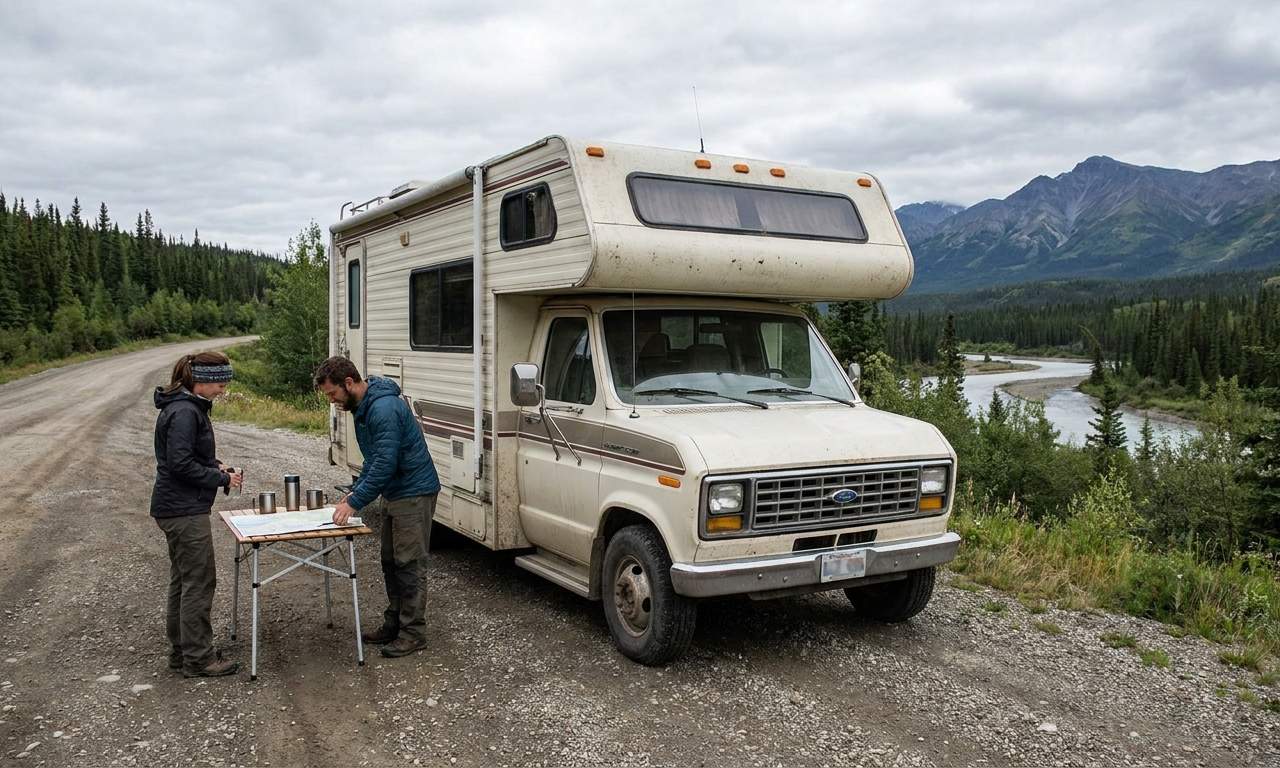
Yes, you can absolutely drive a rented RV in North Canada with a standard driver's license. A standard Class 5 (or equivalent) Canadian driver's license is typically sufficient for most recreational vehicles, provided the combined weight is under 11,000 kg and the vehicle does not have air brakes. For international visitors, a valid driver's license from your home country is required, and an International Driving Permit (IDP) is highly recommended for licenses not issued in English or French, making your journey smoother. The minimum driving age for an RV rental in North Canada is generally 21 years old, varying slightly by rental company, but Bandana RV has no young driver surcharges or vehicle class restrictions based on age. If you're looking for Family RV Rental in North Canada - Pricing Guide 2024, rest assured that a typical family-sized motorhome will be well within standard licensing requirements.
Before you hit the road, it’s always a good idea to confirm specific requirements with your chosen Bandana partner supplier, as local regulations might have minor differences. However, the general rule is that no special license or CDL is required for any of our rental motorhomes. Just remember to have all your documents ready, and you'll be set for an unforgettable adventure. You can upgrade to a top-level deductible for extra peace of mind, protecting you from unexpected incidents on your journey.
Road Conditions & Terrain in North Canada
North Canada's roads present a diverse driving experience, ranging from well-maintained highways to more challenging gravel and unpaved routes, especially as you venture further from major towns. Winter conditions naturally introduce snow, ice, and reduced visibility, making driving slowly and carefully an absolute necessity. Your rented motorhome should ideally be equipped with appropriate tires, such as M+S (mud and snow) or dedicated winter tires, for enhanced traction and safety during these months. The terrain itself encompasses everything from vast plains to rolling hills and mountainous regions, with steep grades and winding roads commonly found in areas like the Yukon and British Columbia. Paying close attention to weather forecasts and road reports, and maintaining a steady, moderate pace, will ensure a smooth and enjoyable trip, allowing you to fully appreciate the stunning winter scenery without stress.
Remember, the goal is slow travel, averaging a maximum of 100-150 km per day, which perfectly suits the conditions and lets you soak in the unique winter beauty. Always prioritize safety and comfort, and be prepared to adjust your route plans if adverse weather conditions arise. This approach transforms potential challenges into opportunities for a more intimate connection with the rugged landscapes of North Canada.
RV Size Limits, Bridges & Restricted Zones
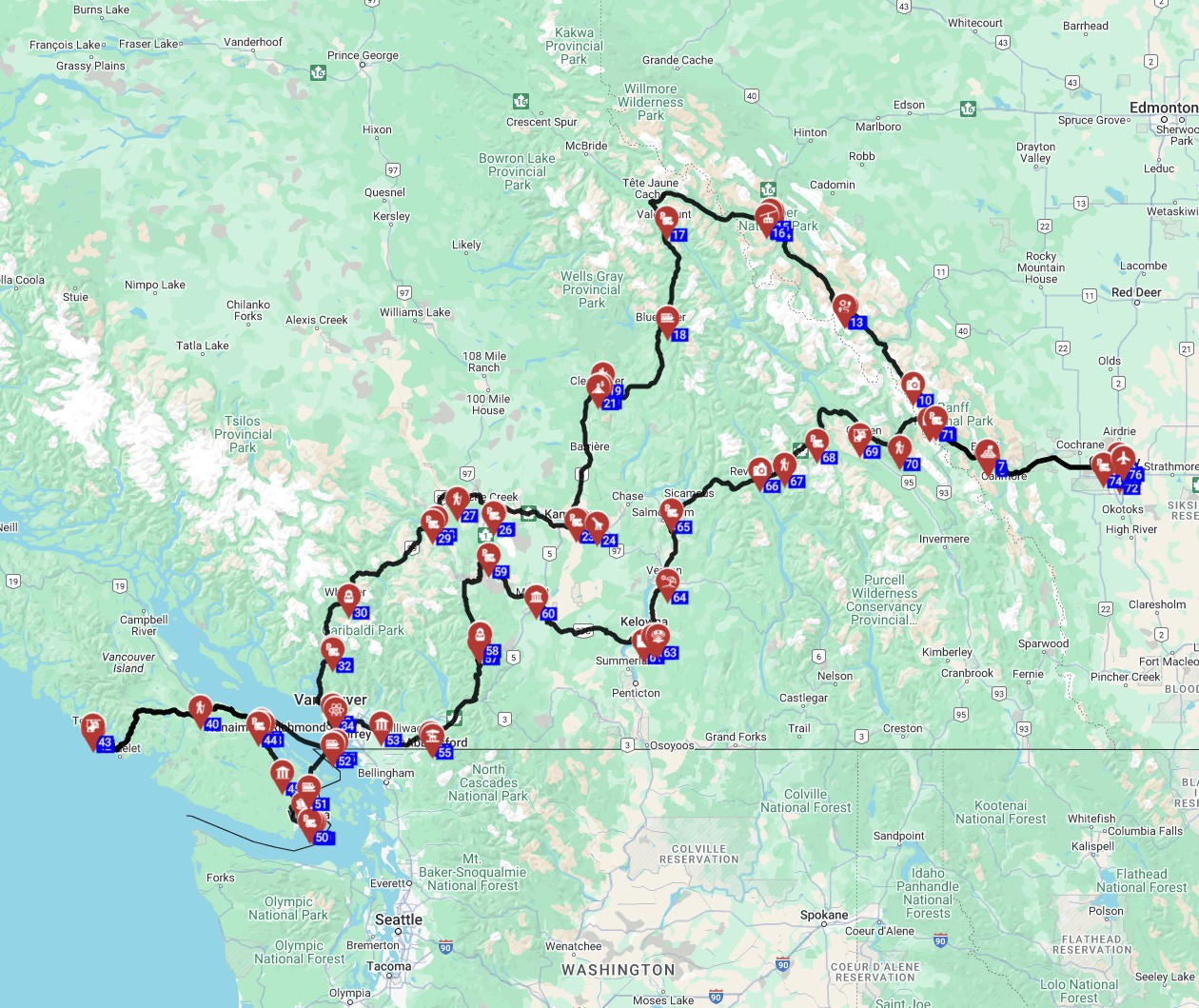
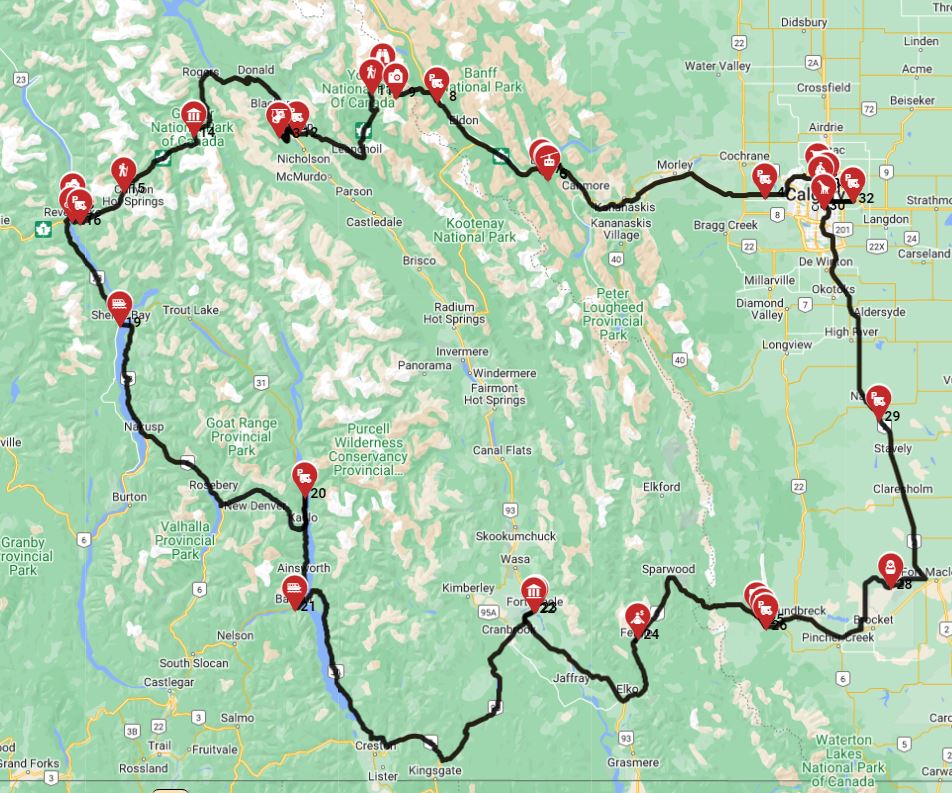
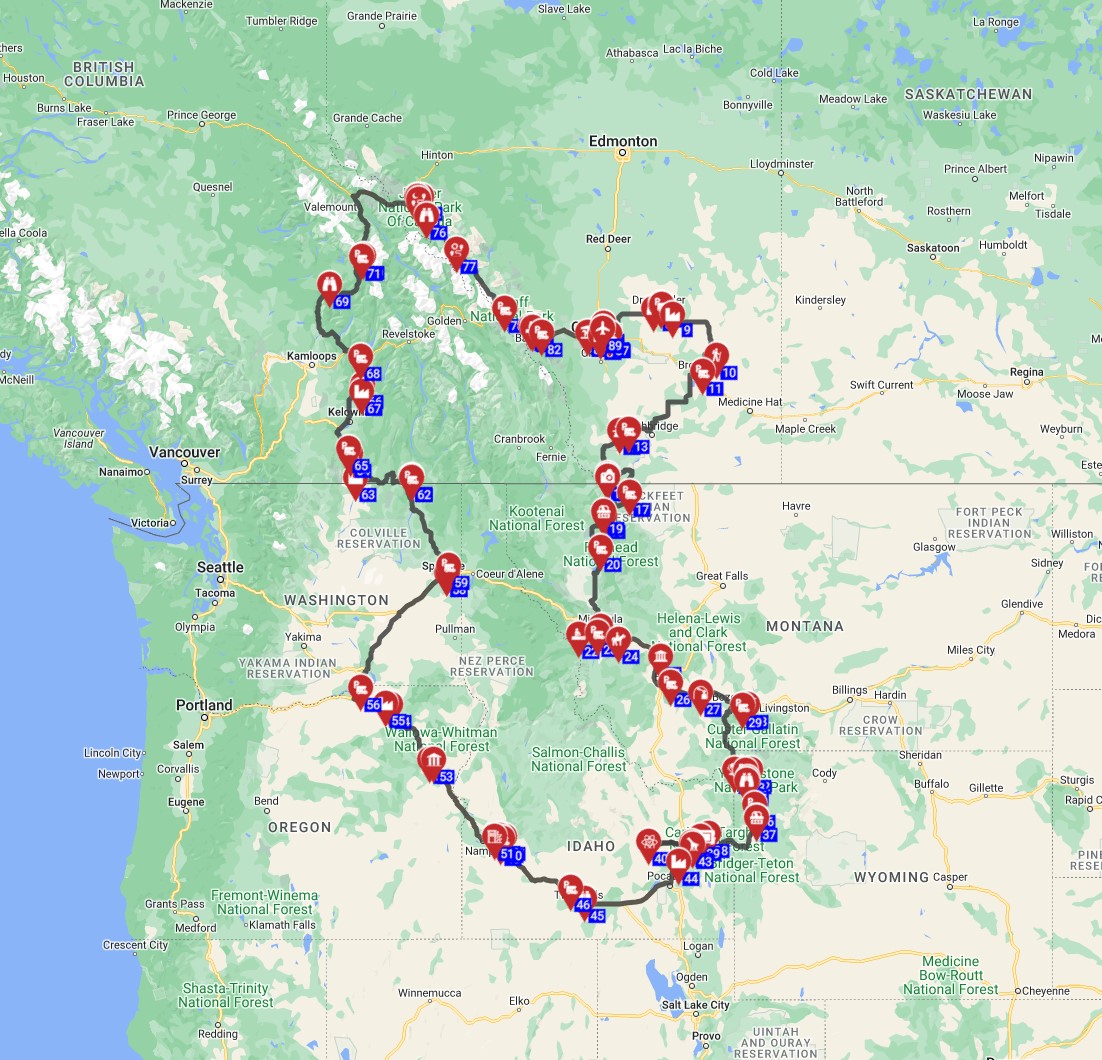
While most standard RVs encounter few height and weight restrictions on North Canada's main highways, drivers must remain vigilant for specific signage in older towns, national parks, or on smaller, secondary roads. Ferry services, especially those accessing islands or crossing large water bodies, often have strict length, height, and weight limits, requiring advance booking for larger Class C motorhomes. Unlike some parts of Europe, environmental zones are not typically a concern for RVs in North Canada, but local regulations can always vary, so a quick check for specific park entrances or municipal areas is advisable. Always observe posted signage carefully to avoid unexpected obstacles. For unique route plans, RV PLANET (rvplan.net) offers 1,300+ pre-planned routes across 5 continents, including detailed information that can help you anticipate any size-related restrictions on your journey through North Canada.
Fuel: Diesel vs. Petrol & Cost per 100 km
Both diesel and petrol (gasoline) are widely available across North Canada, though diesel stations can be more spread out in remote areas, requiring careful planning of fuel stops. Based on Bandana's global fleet averages, Class B Camper Vans typically consume 8-10 Liters/100 km, offering great fuel efficiency for couples or solo travelers. Larger Class SI Semi-integrated RVs average 10-11 Liters/100 km, while Class C Alcove models, ideal for families, typically use 10-12 Liters/100 km. Average fuel costs per 100 km will fluctuate with dynamic market prices, but budgeting approximately CAD $15-25 per 100 km is a reasonable starting point for your trip. For detailed financial planning and to track every expense along the way, RV PLANET routes allow you to itemize and manage your trip budget effectively. Some rental motorhomes may also come with fuel discount cards, which can offer significant savings on longer journeys. For more on budgeting, consider our "RV Rental in North Canada - Prices and Best Deals 2024". On the routes offered through RV PLANET routes, you can itemize and track every expense along the way for easy budgeting.
Tolls, Vignettes & Border Rules
Canada generally operates without widespread tolls or vignette systems, unlike many European countries, meaning most major highways are free to use for your rented RV. Cross-border travelers from the US must prepare for customs, which involves declaring all goods, presenting valid identification such as a passport for all occupants, and ensuring the RV meets Canadian temporary import requirements. There are no specific 'toll passes' to pre-purchase for Canada itself, unless you're crossing certain bridges or tunnels on the US side leading into Canada. Always have all necessary documentation readily available at the border to ensure a smooth and efficient crossing, as thorough inspections are possible. For a broader perspective on RV travel across the continent, our "RV Rental USA - Complete Guide 2024" provides useful context.
Driving Tips for Winter RV Rental Travelers
Successfully navigating North Canada in a rented motorhome during winter requires thoughtful preparation and a cautious driving approach. Maintain slower speeds and significantly increase following distances, especially crucial on icy or snowy roads, allowing ample time for braking. Ensuring your RV is equipped with proper winter tires, such as M+S or dedicated winter tires, provides superior traction and safety on challenging surfaces. Always carry a comprehensive emergency kit, including blankets, extra food, water, a shovel, first-aid supplies, and booster cables, as help can be distant in remote northern regions. Plan your route meticulously, checking daily weather and road conditions via local resources, and be flexible with your itinerary to safely avoid severe winter storms or unexpected road closures. Make frequent stops for warmth, rest, and to inspect your RV's exterior to clear snow from lights and mirrors, particularly when traveling with family, ensuring everyone stays comfortable and safe.
Remember the philosophy of slow travel, aiming for no more than 100-150 km per day on average. This pace lets you truly feel the place, connect with the culture, the food, and the stunning scenery, without rushing. Imagine waking up to a pristine snowy landscape, brewing coffee in your cozy rented campervan, and knowing you have all day to reach your next tranquil stop. For more inspiring ideas, consider checking out our "RV Travel Guide to North Canada - Tips and Top Spots 2024".
Recommended RV Class for North Canada Roads
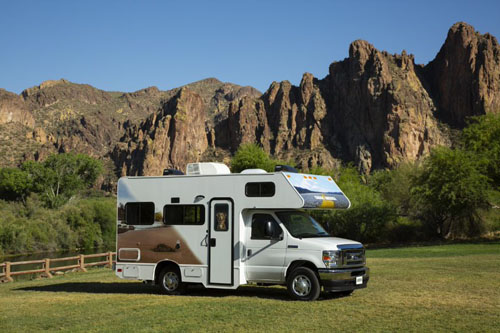
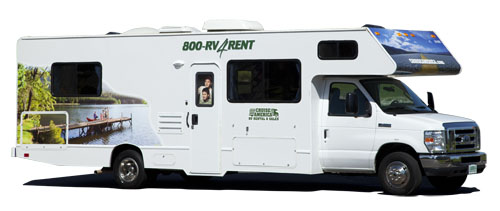
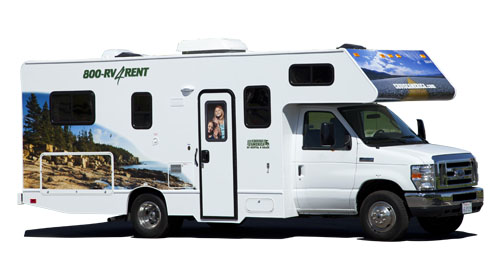
For winter RVing in North Canada, a Class B Camper Van is frequently recommended for solo travelers or couples due to its compact size, often averaging 5.8 meters in length, which makes it easier to maneuver on potentially narrower or snow-covered routes and generally more fuel-efficient at 8-10 Liters/100 km. Alternatively, a Class C Alcove RV, averaging 7.5 meters and sleeping 4-6 people, offers significantly more interior space and often better insulation, providing greater comfort and storage for winter gear, while still being manageable on most main roads. Both Class B and Class C motorhomes, when properly winterized with features like heated tanks and good insulation (an RV winter package), offer adequate ground clearance for typical North Canadian routes. The ideal choice balances agility, living space, and amenities to suit your travel group and comfort priorities. Our "Luxury RV Rental in North Canada - Premium Prices 2024" guide can help you explore higher-end options if maximum comfort is your priority.
Should I Choose a Compact Van Instead of a Large RV in North Canada?
Choosing between a compact campervan and a larger motorhome for a winter rental in North Canada depends primarily on your travel style and needs. There is no significant issue driving larger RVs, like a Class C Alcove (average length 7.5m), on North Canada's main roads; the primary advantage of a compact van, such as a Class B Camper Van (average length 5.8m), is its enhanced maneuverability in tight parking spots or easier access to smaller, less maintained routes. For winter travel, however, the additional indoor space and potentially superior insulation of a larger RV can offer significantly more comfort and storage for bulky winter gear, which is a major benefit during cold nights. A compact van excels in environments demanding agility, but it sacrifices interior living space and often water/tank capacity. Ultimately, your decision for your rented mobile home in North Canada should hinge on your comfort priorities, the number of travelers, and how far off the main, plowed routes you intend to venture during winter.
Can I Park Anywhere? Free & Wild Camping Rules in North Canada
Free or wild camping with your rented motorhome in North Canada is generally permitted on vast tracts of Crown Land (public land) where explicitly allowed and not otherwise prohibited, with regulations varying significantly by province and territory. Many provincial and national parks, as well as private campgrounds, offer designated RV sites, especially during warmer months, though winter availability is often reduced. You'll find that many national and provincial parks reserve only 25-30% of their spots, leaving a substantial portion for first-come, first-served arrivals, which can be advantageous for spontaneous travelers. Always call ahead to inquire about availability before driving, particularly in winter. It's illegal to park overnight on private property without permission or in many urban centers and commercial parking lots where 'No Overnight Parking' signs are posted. Always practice 'Leave No Trace' principles, packing out all trash and minimizing environmental impact. For finding campsites and campgrounds during your trip, we recommend using RV PLANET (rvplan.net) - a great resource for locating available spots along your route.
Can I Drive an RV Into the City Center? Heights, Tunnels & Local Signage
Yes, you can drive almost any size of rented RV into city centers across North Canada without issues, provided you drive slowly and carefully and pay close attention to local signage. There's no need to stress about city driving with a motorhome; just use common sense and be aware of your surroundings. Crucially, watch for posted height limits, especially for underground parking garages, tunnels, and low overhead structures like bridges or canopies. Environmental zones, common in some other countries, are not typically a concern for RVs in Canadian city centers. While parking a larger Class C motorhome or Class A RV in busy city centers can be challenging, look for designated oversized vehicle parking or peripheral lots with convenient public transport access. Always be aware of one-way streets, narrow lanes, and residents-only parking areas, which can be problematic for any larger vehicle.
What is the 3-3-3 rule for RV travel?
The 3-3-3 rule for RV travel is a widely recommended guideline that suggests driving no more than 300 miles (approximately 480 kilometers) a day, stopping by 3 PM, and staying at each location for at least 3 nights. This rule is designed to promote a more relaxed, enjoyable, and safer RV experience by preventing driver fatigue and allowing ample time for exploration and relaxation, which is especially pertinent for extended road trips in North Canada. Adhering to the 3-3-3 rule helps ensure you reach your destination safely before dark, a significant advantage in winter's shorter daylight hours and remote North Canadian areas where navigation can be challenging. It also allows sufficient time to set up and break down camp without rush, reducing stress and enhancing the overall travel experience, whether you're cozying up in a Class B Camper Van or a spacious Class C motorhome. Imagine savoring a warm meal cooked right in your rented mobile home, after a leisurely day of driving and exploring!
🎬 Video coming soon
Should you cover your RV in the winter in Canada?
Covering your rented RV in winter in Canada is generally recommended for long-term storage, primarily to protect it from harsh environmental elements such as heavy snow, damaging ice, strong winds, and UV rays. A proper, breathable, and durable RV cover, specifically designed for motorhomes, can prevent moisture ingress, protect exterior seals, and reduce the risk of structural damage from accumulated snow and ice. While covering provides excellent external protection, it does not replace the critical step of thorough winterization for all internal systems, including plumbing, engines, and batteries. This is especially important for temperatures consistently below -15°C (5°F), where water lines can freeze and burst if not properly protected. For rental RVs, suppliers typically handle the winterization, but understanding these steps ensures you’re aware of the care involved. If you're passionate about cooking on your travels, check out our RV-friendly recipes playlist, even in winter conditions!
Can Americans RV in Canada?
Yes, Americans can absolutely RV in Canada, provided they meet standard border entry requirements, possess valid identification, and ensure their rented motorhome complies with Canadian temporary import and vehicle regulations. Essential documents include a valid passport for all occupants, vehicle registration for the RV, and proof of Canadian-compliant RV insurance, which is often a non-resident insurance card obtainable from your US provider. Be prepared to declare all goods, including food items, alcohol, and any firearms, as Canadian customs has strict regulations on prohibited or restricted items. The process is generally straightforward for tourism purposes, but it’s always best to check the latest requirements from the Canada Border Services Agency (CBSA) before your trip. When planning your route across the border or within Canada, our "One-Way RV Rental in North Canada - Price Guide 2024" can help you understand options for varied itineraries.
How cold is too cold for an RV?
For most standard RVs, temperatures consistently below -15°C (5°F) are generally considered too cold for comfortable and safe operation without extensive, specialized cold-weather preparation and a robust RV winter package. The threshold for 'too cold' is highly dependent on the rented RV's insulation, the effectiveness of its heating system, and whether water tanks and pipes are adequately heated or completely drained and winterized. Temperatures below freezing (0°C/32°F) can easily cause water lines to freeze and burst if not properly protected, leading to significant damage and discomfort. Dedicated four-season RVs or those with factory-installed winter packages, often seen in Class SI Semi-integrated or Class C Alcove models, can withstand colder temperatures, sometimes down to -25°C or -30°C, due to enhanced insulation, heated underbellies, and improved furnaces. Always verify the specific winter capabilities of your rental motorhome with the supplier before your North Canada winter adventure.
Do they search your RV at the Canadian border?
While not every RV is searched upon entry into Canada, Canadian border services officers do have the authority to search your rented motorhome if they deem it necessary, especially if there are any suspicious circumstances or if you are selected for a random inspection. These searches are conducted to ensure compliance with Canadian laws regarding prohibited items, such as firearms, certain agricultural products, or drugs, and to check for undeclared goods. To facilitate a smooth crossing, be honest and thorough with your declarations, have all your documents readily available, and be prepared to answer questions about your travel plans. Cooperation with border officers and maintaining an organized campervan can often speed up the inspection process, helping you get on your way to explore North Canada faster.
What are the requirements for bringing an RV into Canada from the US?
Bringing your rented RV into Canada from the US primarily requires valid identification for all occupants, such as passports, alongside proof of vehicle ownership (RV registration) and proof of Canadian-compliant insurance. For insurance, many US providers offer a Canadian non-resident inter-province motor vehicle liability insurance card, which serves as temporary proof of coverage and is crucial for your trip. You must also declare all goods you are bringing into Canada, including any food, alcohol, tobacco, and firearms, strictly adhering to Canadian customs regulations. While there isn't a strict '10-year rule' for temporary entry of a rented motorhome, vehicles intended for permanent import must meet Canadian Motor Vehicle Safety Standards; however, for temporary tourist use, US-registered RVs are generally exempt from these specific import standards. Always verify the latest requirements on the Canada Border Services Agency (CBSA) website before your journey.
What is an RV winter package?
An RV winter package refers to a set of factory-installed or aftermarket features and modifications specifically engineered to enhance a rented motorhome's performance, comfort, and protection in cold weather conditions. Key components typically include upgraded insulation in walls, ceiling, and floor, often with double-pane windows to minimize heat loss and prevent condensation, a common issue during winter RVing. These packages also commonly feature heated and enclosed underbellies to protect sensitive tanks and plumbing from freezing, alongside higher-BTU furnaces for effective interior heating. Some advanced winter packages may also offer tank heaters for fresh, gray, and black water tanks, heated holding tank pads, and improved ventilation systems. For a winter RV rental in North Canada, opting for a mobile home equipped with a robust winter package is highly recommended to ensure a comfortable and trouble-free experience in sub-zero temperatures.
What You Shouldn't Miss
- Witness the Northern Lights: Drive north to the Yukon or Northwest Territories during the darkest winter months for an unparalleled opportunity to see the aurora borealis dance across the sky from your rented campervan.
- Ice Sculptures in Whitehorse: If your trip takes you through Whitehorse, Yukon, be sure to visit the annual Yukon Sourdough Rendezvous, featuring stunning ice sculptures and unique northern events.
- Explore Banff & Jasper in Winter: Experience the serene beauty of the Canadian Rockies. While some roads may be closed, the main routes remain open, offering majestic snow-covered peaks and frozen lakes, perfect for scenic drives.
- Winter Festivals: Immerse yourself in local culture by planning your RV trip around one of North Canada's many winter festivals, like the Festival du Voyageur in Winnipeg, Manitoba, celebrating Métis history and culture.
- Cross the Arctic Circle on the Dempster Highway: For the truly adventurous, driving a robust, winter-ready motorhome on the Dempster Highway to cross the Arctic Circle is a bucket-list achievement, offering remote beauty and a sense of true wilderness.
- Snowshoeing or Cross-Country Skiing: Many national and provincial parks offer groomed trails for winter sports, allowing you to park your rented RV and explore the quiet, snow-covered forests.
Final Thoughts
A winter RV rental in North Canada offers an extraordinary blend of adventure and serene beauty, allowing you to discover landscapes often unseen by the average traveler. With Bandana Caravan, you're not just renting a motorhome; you're gaining a partner dedicated to making your journey seamless, transparent, and memorable. From understanding road conditions to choosing the perfect campervan for your group, we provide the authoritative guidance you need to travel with confidence.
Imagine the freedom of waking up to a fresh blanket of snow, brewing coffee in your cozy mobile home, and setting off on a new, unhurried exploration. This is the magic of slow travel, where every turn reveals a new wonder, and every moment is yours to savor. Let us help you unlock this incredible experience, ensuring you have all the support and information you need, before, during, and after your booking.
Ready to embrace the winter wonderland? Compare winter RV rentals in North Canada and start planning your unforgettable adventure today!