For live availability and current prices, start with our RV Rental North West US - Complete Guide 2026 guide.
In This Guide
- What RV Rental Costs in North West US (2026)
- Seasonal Pricing — Peak vs. Shoulder vs. Off-Season in North West US
- What's Included vs. What's an Add-On
- Hidden Costs to Budget For in North West US
- How to Save on RV Rental for Seniors in North West US
- Is it Cheaper to Rent an RV or Stay in Hotels?
- What are the Drawbacks of Renting an RV?
- What is the Average Rental Cost of an RV?
- What are the Hidden Fees for RV Rentals?
- How much does it cost to rent an RV for a week in the US?
- What is the Cheapest RV You Can Rent?
- What is the 444 rule for RV?
What RV Rental Costs in North West US (2026)
RV rental costs in the North West US typically range from $100 to $300 per night for smaller RVs like Class B campervans or Class C motorhomes, and can go up to $300-$700+ per night for larger, more luxurious Class A motorhomes. For seniors seeking budget-friendly travel, April is often the cheapest month to rent an RV in the North West US, with prices starting around $70-$150 per day for a compact campervan. Rental durations significantly influence the average daily rate; longer trips (e.g., two weeks or more) generally offer a lower daily cost compared to shorter rentals. The vehicle class is also a major factor; smaller RVs are typically more economical in terms of both rental price and fuel consumption. Always check live prices for the most accurate daily rates as they fluctuate based on demand, season, and specific RV features.
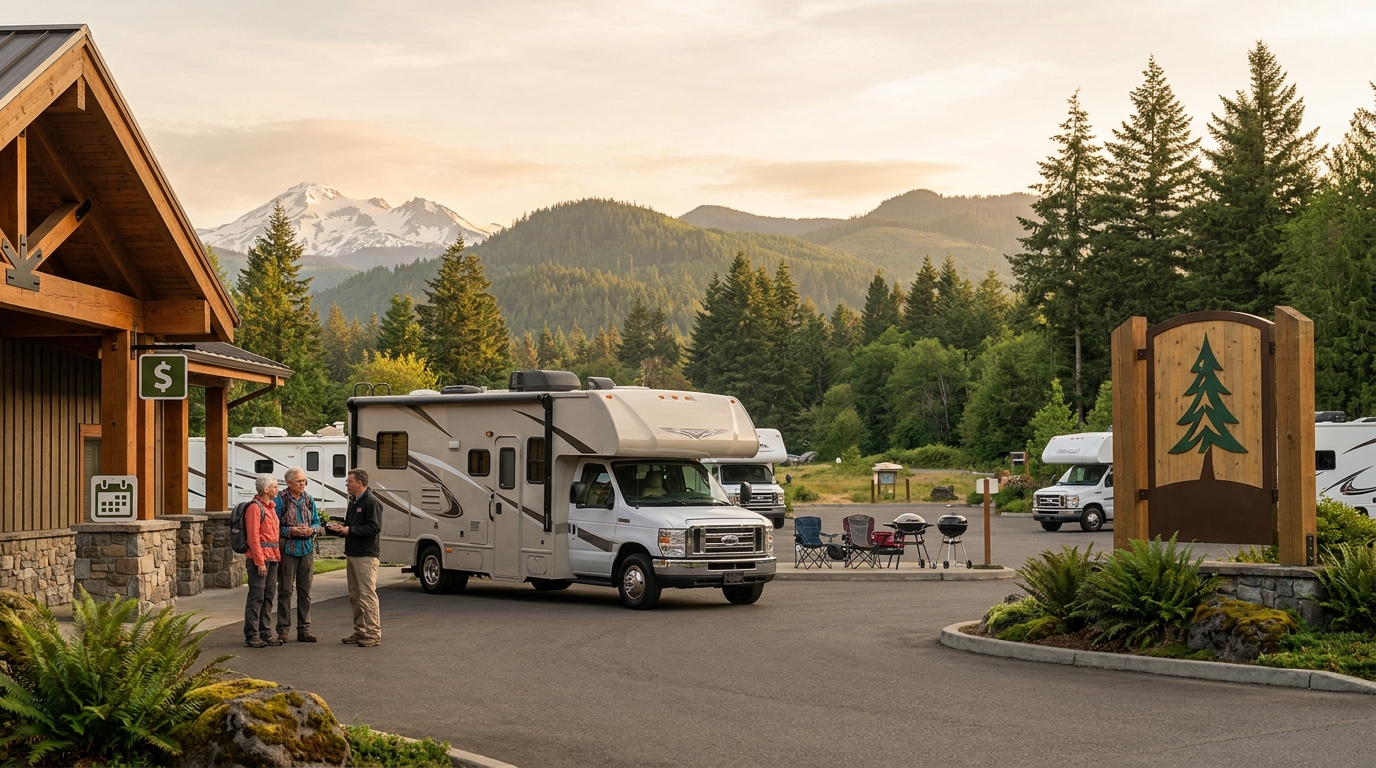
For example, a Class C RV for a week in April might cost around $1,000-$1,500, while a similar rental in July could easily exceed $2,000 due to peak season demand. Utilizing platforms like Bandana allows you to compare final prices across multiple suppliers, ensuring you find the best deal. Remember to factor in potential add-ons like mileage packages, which can add $30-$50 per day to your rental cost if you plan on extensive travel.
Seasonal Pricing — Peak vs. Shoulder vs. Off-Season in North West US
Seasonal pricing significantly impacts RV rental costs in the North West US, with peak season (typically July and August) seeing the highest rates due to high demand and ideal weather conditions. Seniors looking to stretch their travel budget will find the shoulder seasons (May-June and September-October) offer a more appealing balance of good weather and moderate prices, often saving 20-30% compared to peak season. Off-season (November-April, excluding holidays) provides the lowest rates, with daily prices potentially dropping by 50% or more, but travelers must be prepared for potential weather limitations like snow or reduced access to certain campgrounds. Rental prices can fluctuate significantly day-to-day, especially during peak periods, so continuous monitoring of flex-rate drops can secure better deals closer to your desired travel dates. Booking during the shoulder or off-season is a key strategy for seniors seeking budget-friendly travel while still enjoying pleasant weather and fewer crowds.
What's Included vs. What's an Add-On
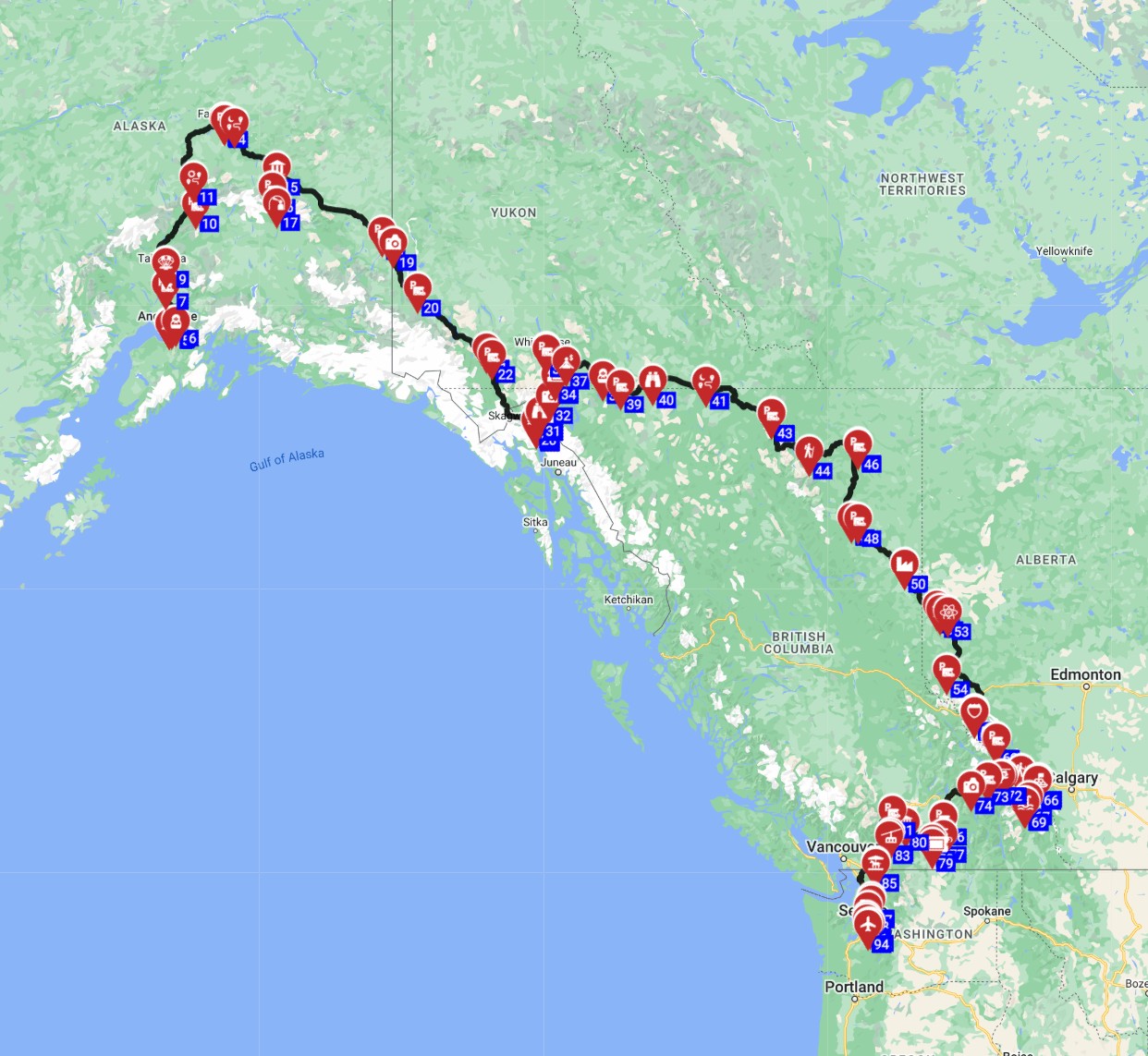
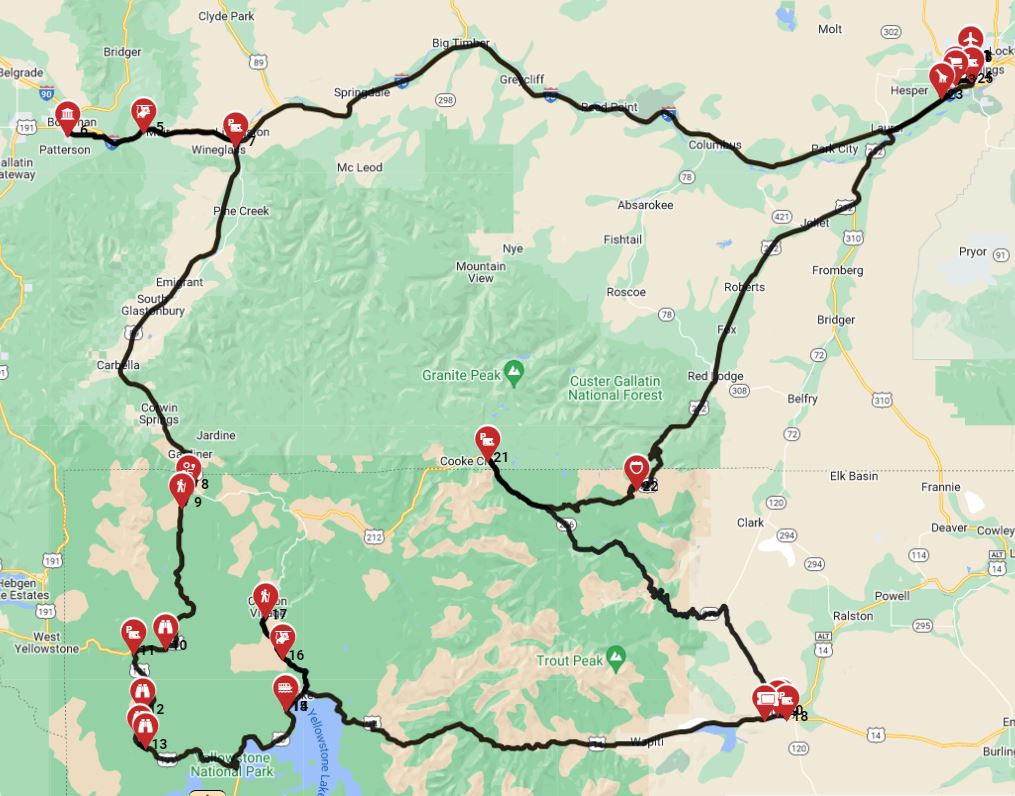
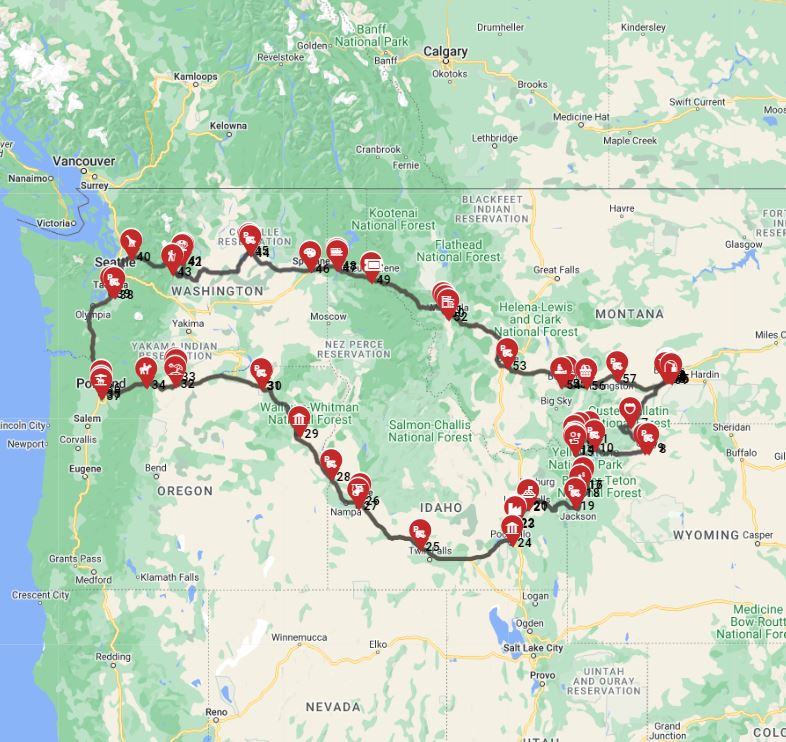
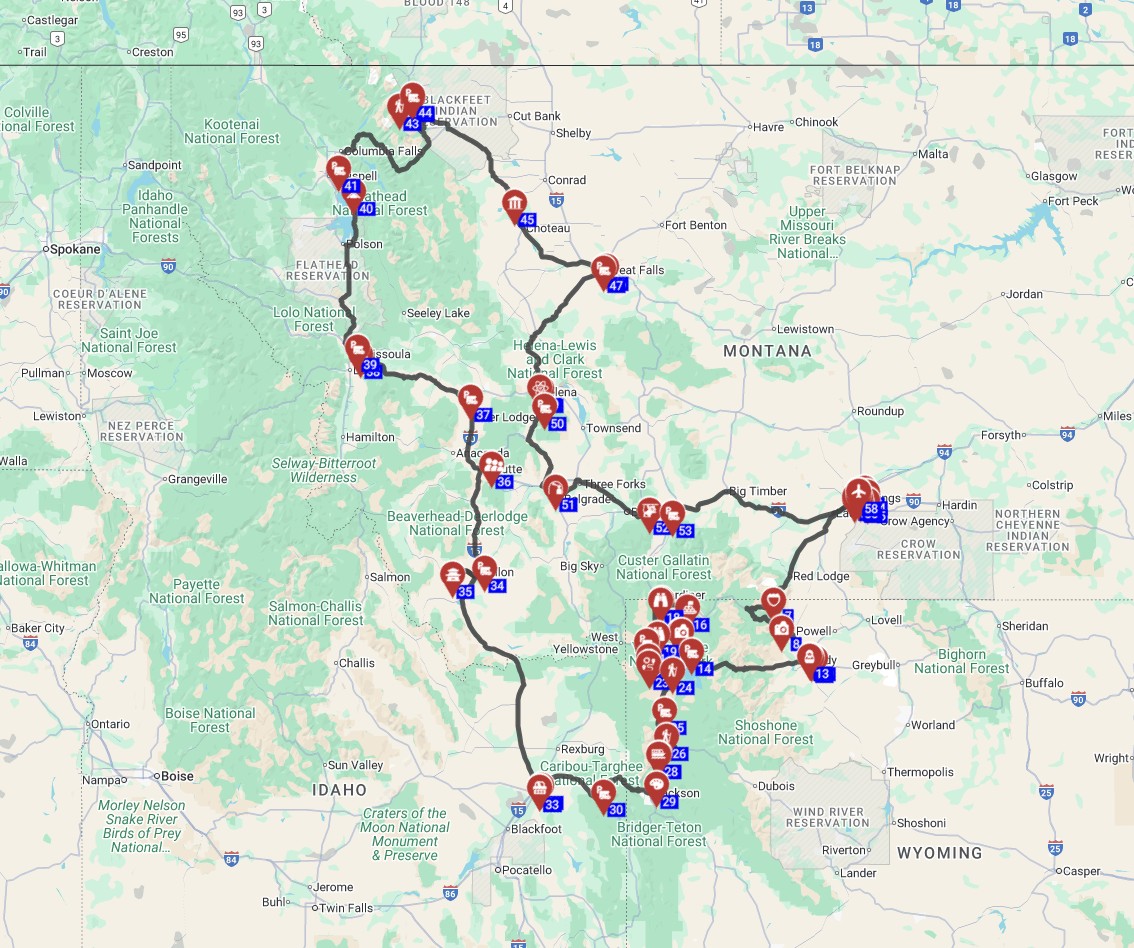
When renting an RV, understanding what's included versus what's an add-on is crucial for budgeting. Basic insurance is universally included with RV rentals, covering the vehicle against damage and theft, although comprehensive coverage is an optional upgrade for added peace of mind. Common add-ons that can increase the overall cost include mileage packages (often around $0.30-$0.50 per mile over the included allowance), generator usage fees (typically $5-$10 per hour), and convenience kits like kitchen utensils, tableware, and bedding/linen sets (which can range from $50-$150 per trip). The specifics of what's included and what's an add-on vary significantly by RV model and rental station. Platforms like Bandana allow users to compare options, often featuring a comparison toggle that clearly displays prices inclusive of selected amenities like kitchenware or linen sets, making it easier to select comprehensive coverage during the initial search. For ideas you can prep on the road, watch our RV-friendly recipes playlist on YouTube. On the routes offered through RV PLANET routes, you can itemize and track every expense along the way for easy budgeting.
Hidden Costs to Budget For in North West US
Beyond the base rental rate, several potential "hidden" costs require careful budgeting for RV travel in the North West US. These include tolls on various scenic byways and bridges, campsite fees which vary significantly by location and amenities (expect $20-$80+ per night for developed campgrounds, with some rental services offering campground discount cards for potential savings), and of course, fuel. Fuel costs, especially for larger RVs navigating mountain passes and winding coastal roads common in states like Washington, Oregon, and Idaho, can be substantial. RV renters should inquire about pre-purchasing toll-road usage, a service some RVs offer to avoid unexpected fines or higher administrative fees. Dump-station charges for wastewater disposal are sometimes extra, and renters should clarify this at pickup to avoid surprises. Groceries and personal expenses will also add to your daily budget, so planning meals and stops efficiently is key.
For instance, a 10-day trip covering an average of 150 miles per day could easily incur $300-$500 in fuel costs alone, depending on the RV's MPG and current gas prices. Campsite fees can add another $300-$800+ for the same duration, and tolls might range from $50-$150 depending on your route. It's advisable to set aside a daily buffer of $100-$200 for these ancillary costs to ensure a stress-free adventure.
How to Save on RV Rental for Seniors in North West US
Seniors can significantly save on RV rentals in the North West US by employing a few smart strategies. Booking during the shoulder or off-season (May-June, September-October, or even winter months for specific regions) yields substantial savings on daily rental rates, often by 20-50%. Pre-paying for tolls and utilizing fuel and campground discount cards can also reduce overall trip expenses, potentially saving hundreds of dollars on longer journeys. Choosing a smaller RV class, such as a Class B campervan or a compact Class C motorhome, that comfortably fits your group, often results in lower rental and fuel costs, and greater ease of navigation on challenging roads. Opting for longer rental durations typically reduces the average daily rate, providing better value and allowing for a more relaxed, unhurried exploration of the region's stunning landscapes. Continuously monitoring flex-rate drops can secure better deals closer to your desired travel dates, especially if your travel dates are flexible.
Is it Cheaper to Rent an RV or Stay in Hotels?
Whether renting an RV is cheaper than staying in hotels largely depends on the trip's length, number of travelers, and destination, but RVing often offers significant savings for longer trips, especially for groups or families exploring the diverse landscapes of the North West US. While hotel costs might seem predictable, RV travel costs include rental fees, fuel, campground fees, and potentially add-ons, which can vary. For seniors, RV travel can be particularly cost-effective as it allows for self-catering, significantly reducing dining expenses usually incurred with hotel stays, and enables access to more affordable campgrounds or even dispersed camping in scenic areas. In many parts of the North West US, such as national parks or along stunning coastal routes, RVs provide direct access to nature and attractions often unavailable or prohibitively expensive for hotel guests. Considering the convenience of a mobile home base with all necessary amenities and the potential for reduced restaurant expenses, RVing can offer greater value, particularly for extended explorations where the total cost per person often undercuts multiple hotel bookings.
What are the Drawbacks of Renting an RV?
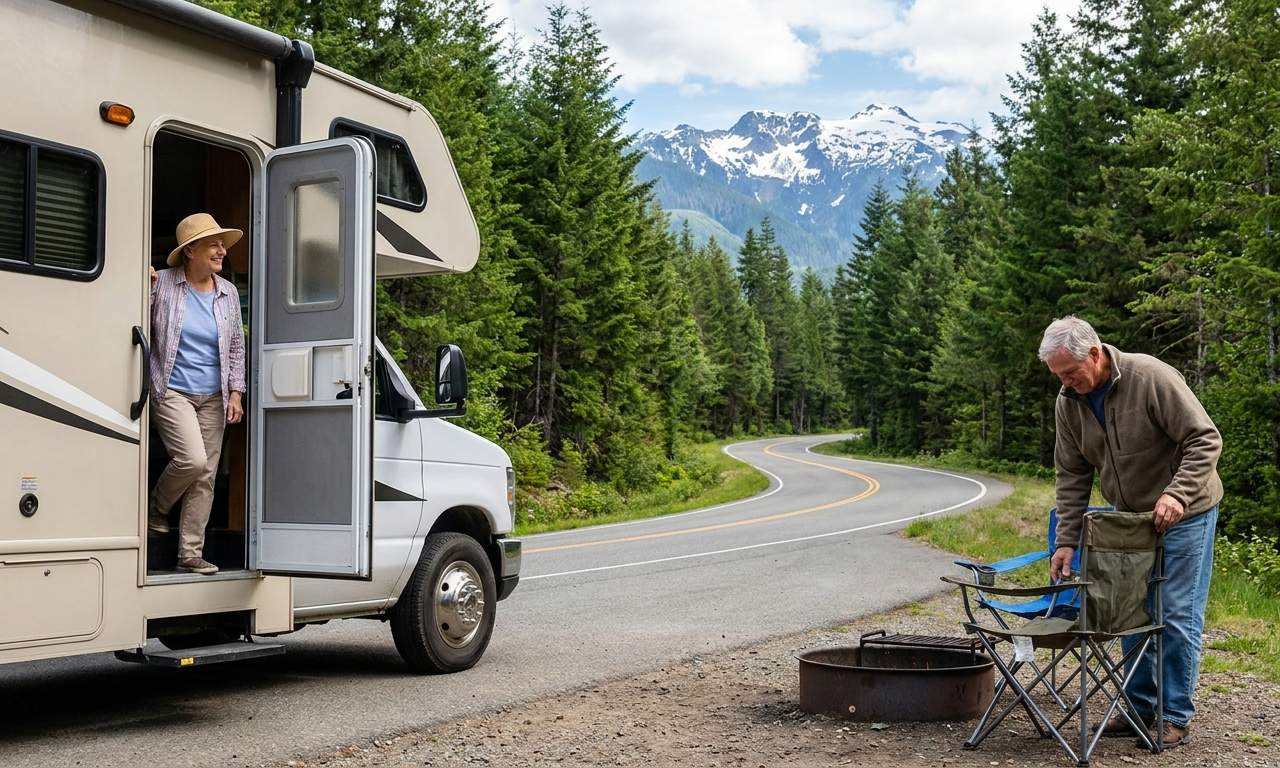
Renting an RV can present several practical drawbacks that potential renters, especially seniors, should be aware of. There's a definite learning curve for driving and maneuvering larger vehicles, which can be more challenging than driving a standard car, particularly on the steep mountain passes and winding coastal roads common in the North West US. Managing onboard utilities like water, electricity, and waste disposal requires attention, and unexpected maintenance issues can arise on the road. Finding suitable parking, especially in urban areas or popular national parks like Glacier or Rainier, can be difficult, and securing campground reservations in advance is often crucial as many spots are booked months ahead. Other potential drawbacks include the time commitment for setting up and breaking down camp at each stop, the need for regular wastewater dumping, and the generally higher fuel consumption compared to cars. The overall responsibility of operating a 'home on wheels' can be demanding for some, contrasting with the more hands-off experience of hotel stays.
What is the Average Rental Cost of an RV?
The average rental cost of an RV varies significantly based on factors like RV class, rental duration, season, and location, but typically ranges from $100-$300 per night for smaller models to $300-$700+ per night for luxury Class A coaches. In the North West US, average costs can be higher during peak summer months (July-August) and for rentals near popular tourist destinations like national parks, often reaching $200-$400 per night for a mid-size Class C motorhome. The live price comparison embedded above provides a current snapshot of estimated weekly, bi-weekly, and monthly costs for various RV classes, helping to set expectations. Smaller RVs such as Class B campervans (e.g., a "2 Berth Hi Top" for couples) or Class C motorhomes generally fall on the lower end of the average spectrum, offering a more budget-friendly option. Seniors looking to manage costs can expect to pay closer to the lower end of the average range by booking during the shoulder or off-season and selecting smaller vehicle types.
What are the Hidden Fees for RV Rentals?
Beyond the base rental rate, several common "hidden" fees for RV rentals can add unexpected costs if not carefully reviewed. These often include mileage charges if you exceed the daily or overall allowance (typically 100-150 miles per day included), generator usage fees (charged per hour of operation), propane refills if tanks are returned partially empty, and cleaning fees if the RV is not returned in pristine condition. Preparation fees for stocking and sanitizing the RV before pickup are also frequently charged by rental companies, sometimes as a mandatory service fee. Taxes and environmental surcharges are often added to the final bill, which might not be clearly itemized in initial quotes, and security deposits, while refundable, can be a substantial upfront cost to budget for. It is crucial to thoroughly review the rental agreement and ask the provider about all potential additional charges before booking, especially when planning a trip to the diverse and expansive North West US region.
How much does it cost to rent an RV for a week in the US?
Renting an RV for a week in the US, particularly in the North West, can range widely from approximately $700 for a compact campervan during the off-season to over $3,500 for a larger, luxury Class A motorhome during peak season. The specific cost depends heavily on the RV class, the exact week of rental, and the pickup location within the North West region. For instance, a Class C RV accommodating 4-6 people in April for one week might cost around $1,000-$1,500, while a similar rental in July could easily exceed $2,000-$2,500 due to increased demand. Factors like included mileage limits, insurance tiers, and any bundled amenities (kitchenware, linens, camping chairs) also influence the weekly price significantly. To get the most accurate weekly cost for your specific needs, it is best to use a booking platform that provides real-time, flex-rate pricing for your desired RV type and dates in the North West US.
What is the Cheapest RV You Can Rent?
The cheapest RV you can rent is typically a campervan (Class B) or a small Class C motorhome, especially when rented during the off-peak season or for longer durations. Campervans, like the "Active Classic" or "VW California Ocean," offer compact living and better fuel efficiency, making them a cost-effective choice for seniors or couples exploring the North West's scenic routes. Small Class C RVs, while slightly larger, often provide a good balance of amenities and affordability compared to their larger Class A counterparts. These smaller vehicle types not only boast lower rental rates but also incur lower fuel costs and are generally easier to maneuver and park in various North West locations, from city centers to national park campgrounds. For budget-conscious seniors, prioritizing a smaller footprint and fewer luxury features will lead to the most economical rental options.
What is the 444 rule for RV?
The "444 rule" for RV travel is an unwritten guideline suggesting RVers drive no more than 400 miles per day, stop driving by 4 PM, and stay for at least 4 nights in each location. This rule is particularly beneficial for seniors and first-time RVers, promoting a relaxed and less rushed travel pace that allows more time to enjoy destinations, connect with local culture, and reduce driver fatigue. Adhering to the "444 rule" helps in securing campground spots before they fill up, which is crucial in popular North West US destinations like national parks, where reservations are often essential. By limiting daily mileage and encouraging longer stays, travelers can better manage fuel consumption and avoid the stress of long driving days, enhancing the overall RV experience and enabling deeper exploration of scenic areas rather than constantly moving. While a guideline, the 444 rule encourages a more immersive and enjoyable journey, making RV travel more accessible and less daunting.
What You Shouldn't Miss
- Olympic National Park (Washington): Explore diverse ecosystems from temperate rainforests to rugged coastlines – accessible via scenic RV routes with designated campgrounds.
- Mount Rainier National Park (Washington): Drive up to Paradise for stunning views and hiking trails, ensuring you check RV size restrictions for certain park roads.
- Crater Lake National Park (Oregon): Witness the deepest lake in the US, with RV-friendly rim drives and lodging options near the park entrance.
- Oregon Coast Scenic Drive: A quintessential RV journey along Highway 101, offering breathtaking ocean views, charming towns, and numerous state park campgrounds with excellent amenities.
- Columbia River Gorge (Oregon/Washington): Drive the historic Columbia River Highway, stopping at waterfalls like Multnomah Falls, with many RV parks and scenic overlooks along the way.
- Hells Canyon National Recreation Area (Idaho/Oregon): Explore North America's deepest river gorge via RV-friendly byways, offering dramatic landscapes and incredible views.
Final Thoughts
Renting an RV in the North West US offers an unparalleled way to experience the region's breathtaking natural beauty and diverse landscapes. By understanding the costs, seasonal variations, and potential drawbacks, seniors can plan a comfortable, memorable, and budget-friendly adventure.
Remember to book in advance, especially for peak season travel, and consider opting for smaller, more manageable RVs to make the most of your journey. Embrace the freedom of the open road, the flexibility of having your accommodation and transport combined, and the opportunity to create lasting memories.
Discover the magic of the North West US at your own pace – the adventure of a lifetime awaits!