How much does it cost to rent a motorhome in the USA?
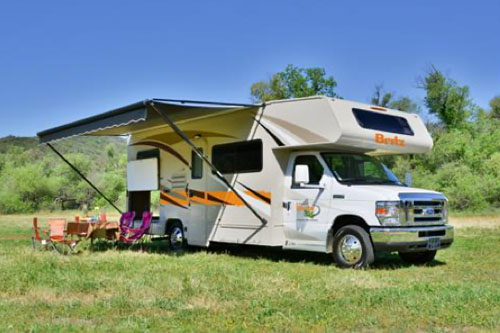
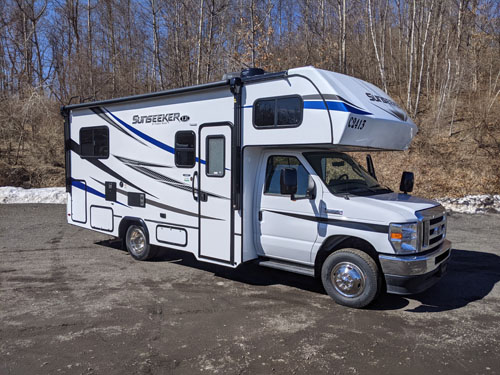
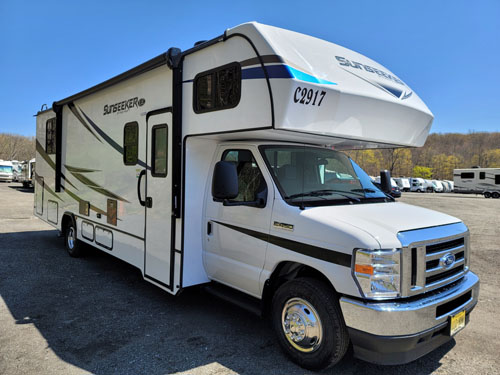
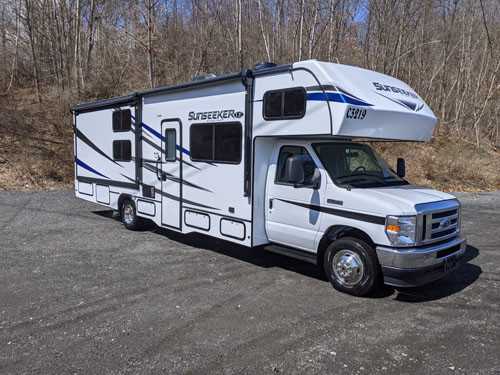
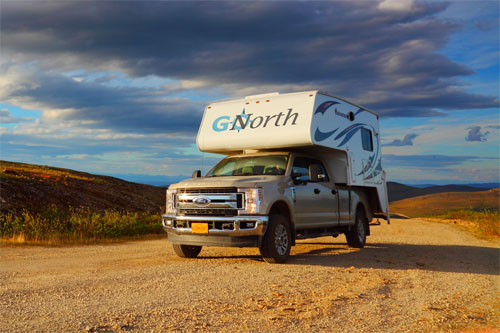
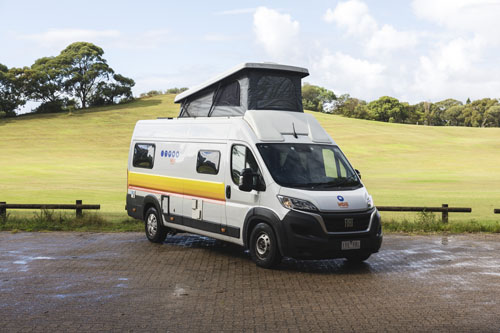
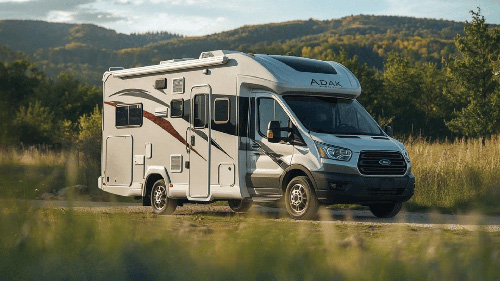
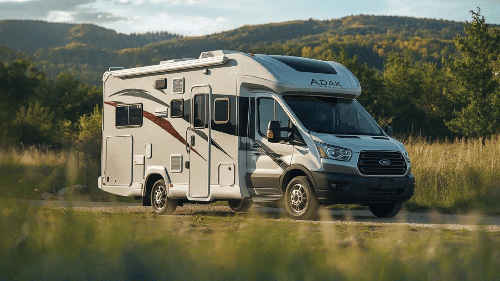
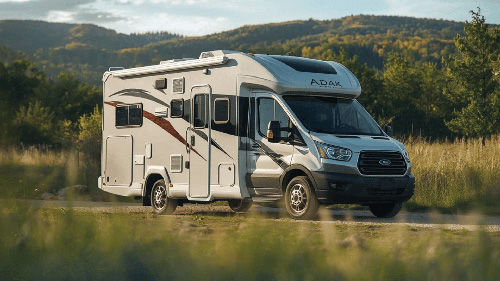
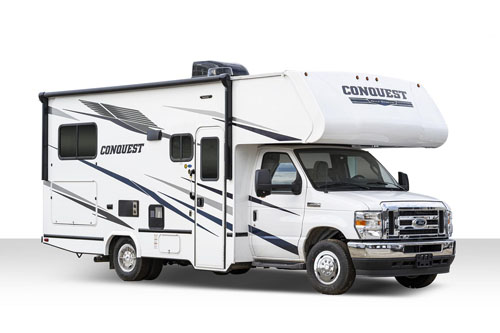
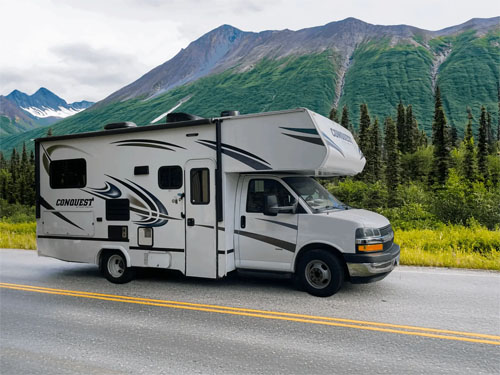
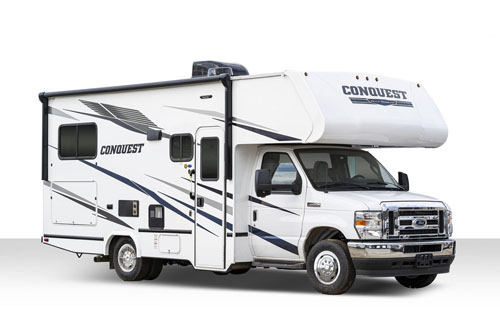
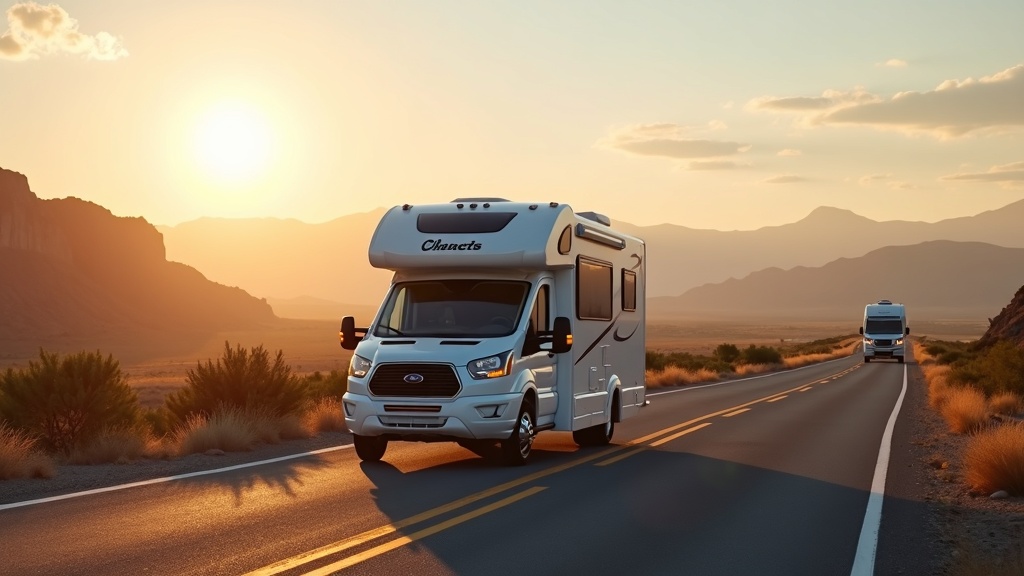
The average daily cost to rent a motorhome in the USA typically ranges from $100 to $450 per night, but this price is highly dynamic and depends on the vehicle class, season, and how far in advance you book. Like airline tickets, prices fluctuate daily. A comfortable Class C motorhome, ideal for families, generally costs between $100-$250 per day, while a nimble Class B campervan might range from $150-$350, and a luxurious, spacious Class A motorhome can be $200-$450 or more.
At Bandana RV, we believe in Full Transparency, so it's important to understand the total cost. Beyond the daily rate, your budget should account for insurance, mileage packages (many rentals include 100-150 free miles daily), and potential fees for generator use, kitchen kits, or linens. You'll also need to factor in campground fees, which can run from $20 for a basic spot to over $80 for a full-hookup site in a popular park. Fuel is another major consideration, so planning shorter driving days not only saves money but enhances the journey. We help you compare the final prices from over 50 trusted suppliers like cruise america and El Monte, ensuring what you see is what you pay, with no surprises at pickup.
Is it cheaper to rent an RV or stay in a hotel?
Renting a motorhome can often be significantly more affordable than staying in hotels, especially for families and groups on longer road trips. When you rent a mobile home, you're combining your accommodation and transportation costs into one. Plus, having a kitchen on board allows you to prepare your own meals, leading to massive savings compared to eating out for breakfast, lunch, and dinner every day. For a family of four, the cost of two hotel rooms and restaurant meals can quickly surpass the all-in cost of a comfortable rented RV and campground fees.
But the real value of a rented motorhome goes beyond just the budget. It’s about the freedom and flexibility it offers. Imagine waking up to a view of the Grand Canyon right outside your window, not a hotel parking lot. You can change your plans on a whim, chase a beautiful sunset, or stay an extra day in a place you’ve fallen in love with. A rented RV is your mobile basecamp for adventure, giving you access to incredible natural landscapes where hotels simply don't exist. Get inspired for your next trip! This unique blend of convenience, freedom, and cost-effectiveness makes it an incredible way to experience the vastness of the USA.
Can I rent an RV in one state and drop it off in another?
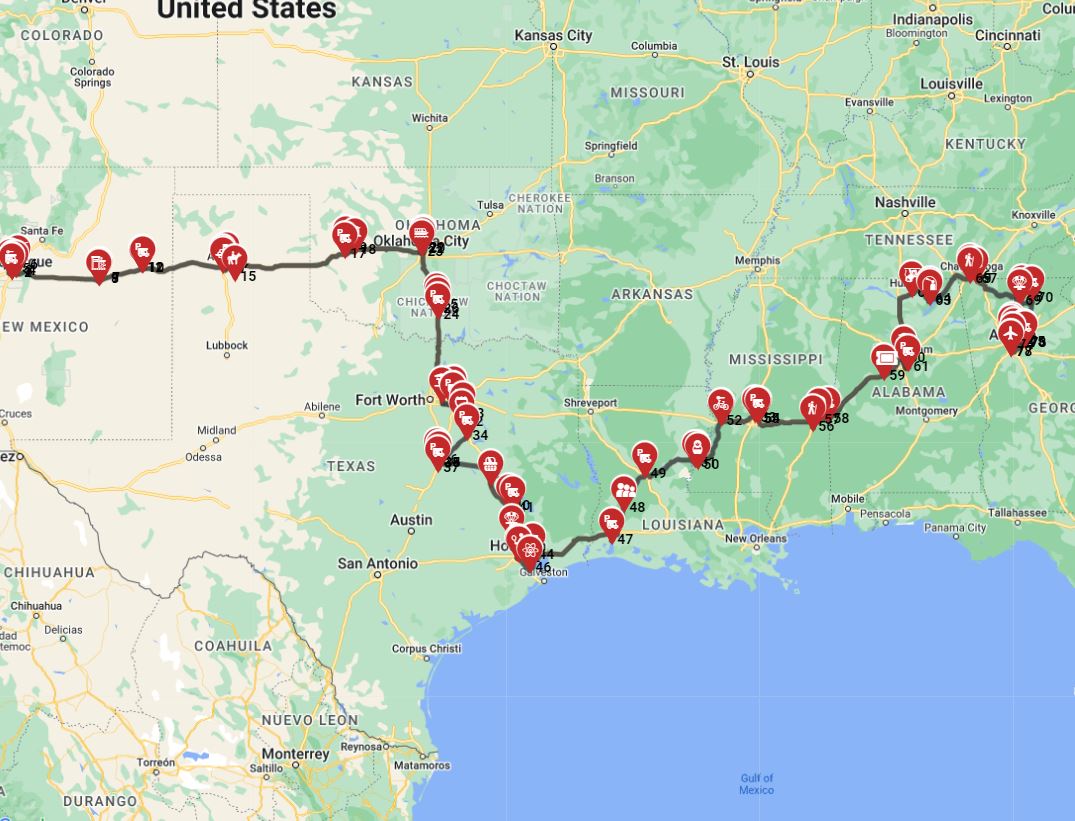
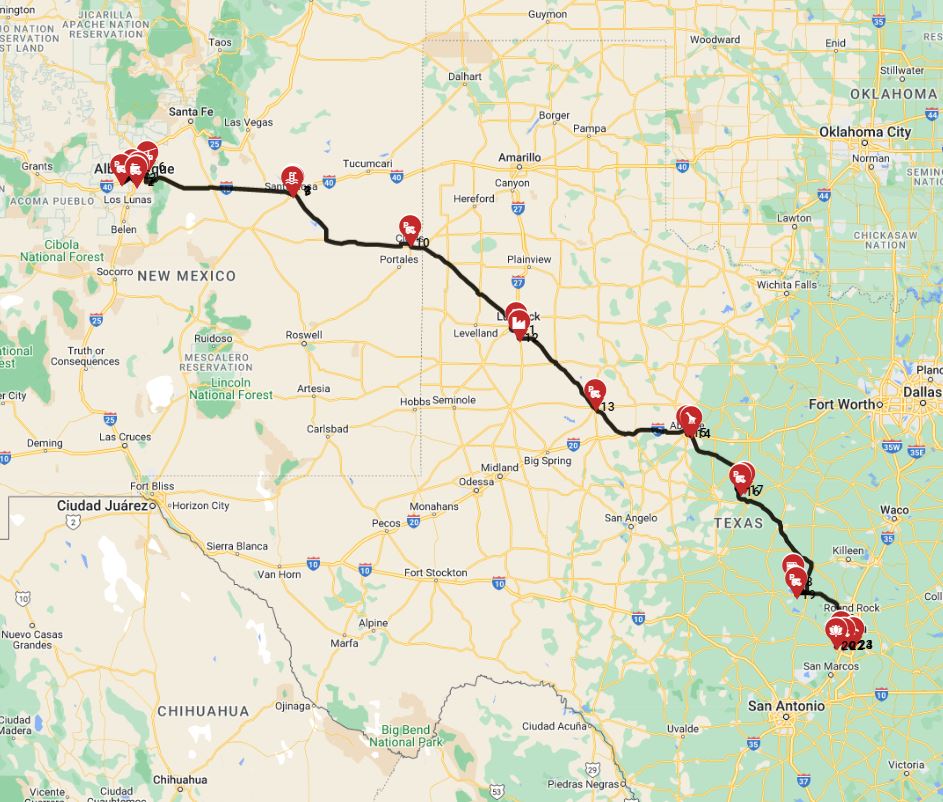
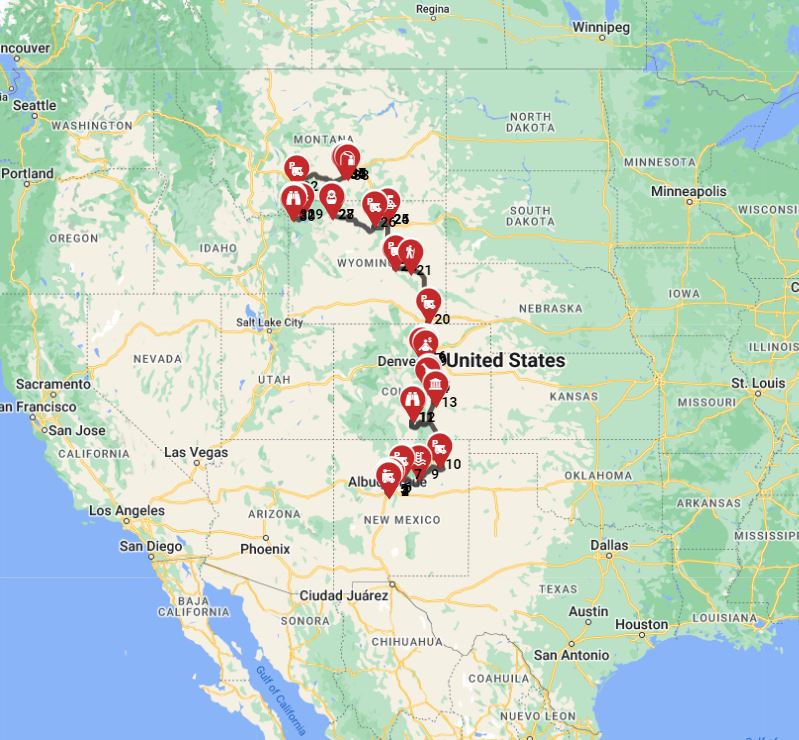
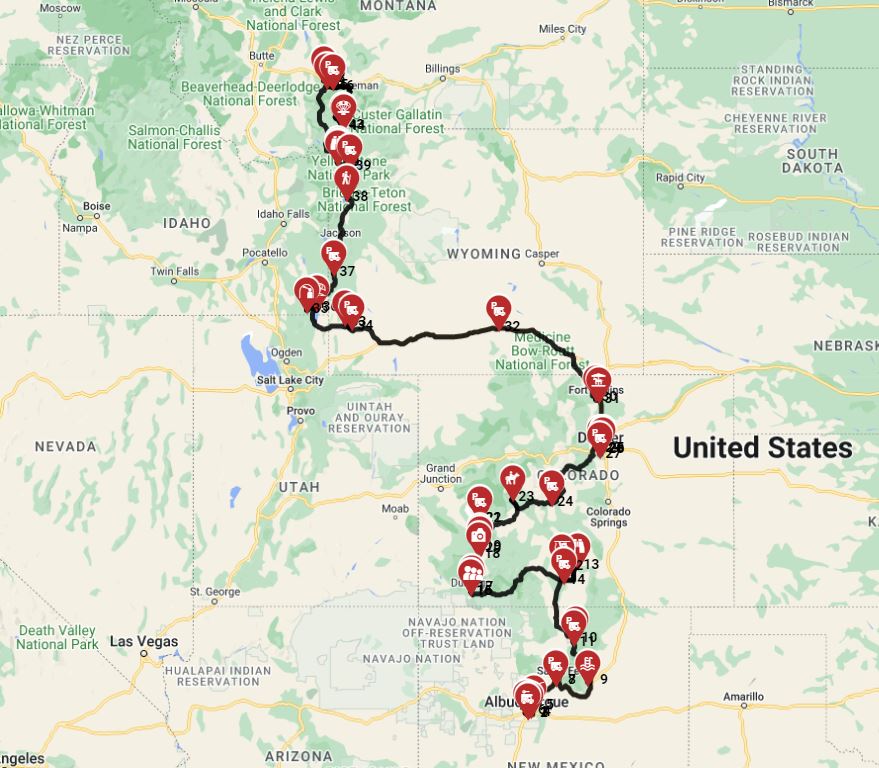
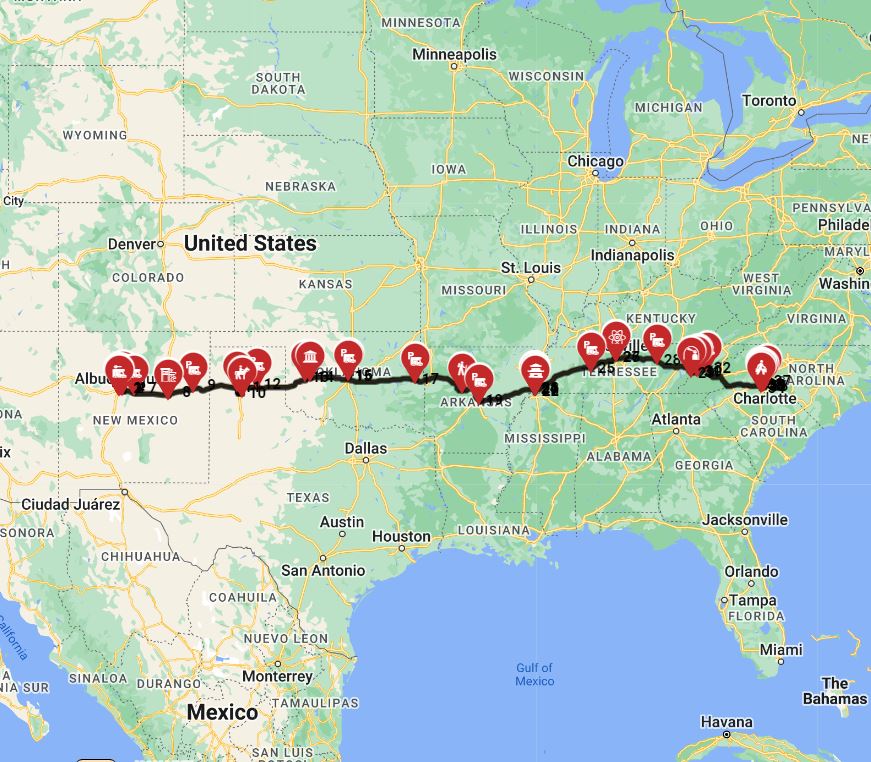
Absolutely! One-way rentals are a fantastic way to see more of the United States without having to backtrack, and most major RV rental companies we partner with offer this option. You can pick up your rented campervan in San Francisco and drop it off in Seattle after an unforgettable drive up the Pacific Coast, or embark on a classic cross-country journey from New York to Los Angeles. This flexibility allows for truly epic, point-to-point adventures.
These one-way journeys typically include a "relocation fee" or "one-way fee," which can range from a few hundred to over a thousand dollars. This cost depends on the popularity of the route, the distance, and the time of year. Because we are True RV Specialists and not just a travel agency side department, we make these fees crystal clear during the booking process. There are no hidden charges. Our comparison tool shows you the all-in price from each supplier, so you can easily weigh the costs and benefits of a one-way trip for your dream itinerary.
Can you sleep anywhere in an RV in the USA?
No, you cannot legally park and sleep just anywhere in a rented RV in the USA. While the idea of pulling over on any scenic roadside is tempting, overnight parking is regulated by local, state, and federal laws. You can’t simply stop in a residential neighborhood or on the side of the highway. Designated campgrounds and RV parks are the most common and reliable places to stay, offering amenities like water, electricity, and waste disposal hookups.
However, the USA offers incredible freedom through "boondocking," also known as dispersed camping. This means camping for free on public lands outside of developed campgrounds. It’s permitted in most National Forests and on Bureau of Land Management (BLM) land unless otherwise posted. This is where the real adventure begins! You'll need to be self-sufficient, as there are no amenities, but the trade-off is unparalleled solitude and stunning natural beauty. For finding both traditional campgrounds and boondocking spots during your trip, we recommend using RV PLANET (rvplan.net) — a great resource for locating available spots along your route. Some retail stores like Walmart or Cabela's may permit overnight parking, but it varies by location, so you must always get permission from the store manager first.
What is the 3-3-3 rule for RV travel?
The "3-3-3 rule" is a widely loved guideline in the RV community designed to make road trips more relaxing and enjoyable, and it aligns perfectly with our philosophy of slow travel. The rule is simple: travel no more than 300 miles (or 3 hours) in a day, arrive at your campground by 3 p.m., and stay for at least 3 nights. This approach encourages you to slow down, prevent driver fatigue, and truly immerse yourself in your surroundings rather than just rushing from one point to the next.
Arriving by 3 p.m. gives you plenty of daylight to navigate the campground, set up your rented motorhome without stress, and relax before dinner. Staying for three nights allows you to unpack once and properly explore the area, go for a hike, visit a local town, or simply enjoy the peace of your campsite. While it's just a guideline, not a strict rule, embracing this mindset helps you connect more deeply with the culture, food, and scenery of the places you visit. We always say: travel slowly, max 100-150 km per day on average. Take time to feel the place. This is the heart of a great RV adventure.
Where To Go: Top USA Regions for RV Adventures
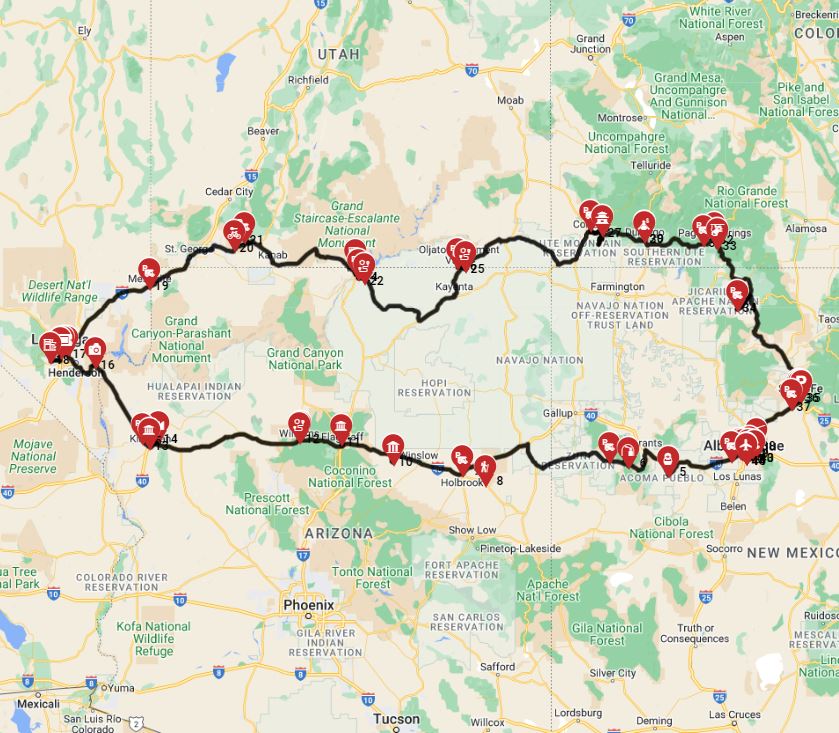
- California's Coast: Drive the iconic Highway 1, winding past dramatic cliffs, redwood forests, and charming coastal towns. A rented motorhome gives you the perfect platform to explore everything from Los Angeles to San Francisco at your own pace.
- The Mighty 5 in Utah: A road trip through Utah’s five national parks—Zion, Bryce Canyon, Capitol Reef, Arches, and Canyonlands—is a journey through some of the most surreal and breathtaking landscapes on Earth.
- Alaska's Last Frontier: For the ultimate adventure, an RV trip through Alaska offers encounters with glaciers, wildlife, and vast, untouched wilderness. Our detailed guide, "RV Rental Alaska - Cost Guide and Planning Tips 2026", can help you plan this epic journey.
- Florida's Keys: Hop from island to island on the Overseas Highway, a 113-mile road that connects the Florida Keys. Park your rented campervan steps from turquoise waters and enjoy a tropical paradise.
- The Blue Ridge Parkway: Meandering through Virginia and North Carolina, this scenic drive is especially beautiful in the fall. It's a peaceful journey with countless overlooks, hiking trails, and quaint mountain towns.
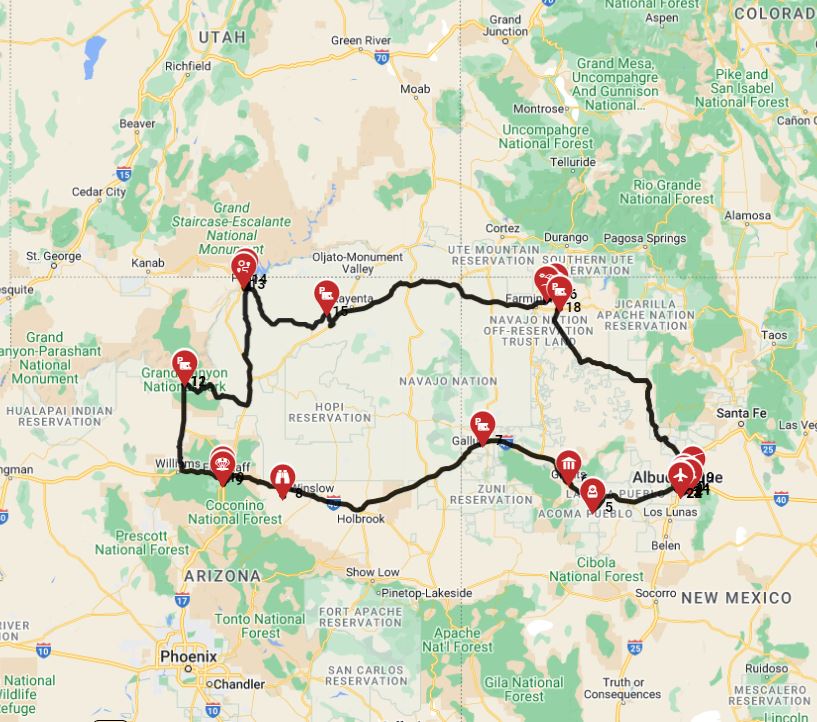
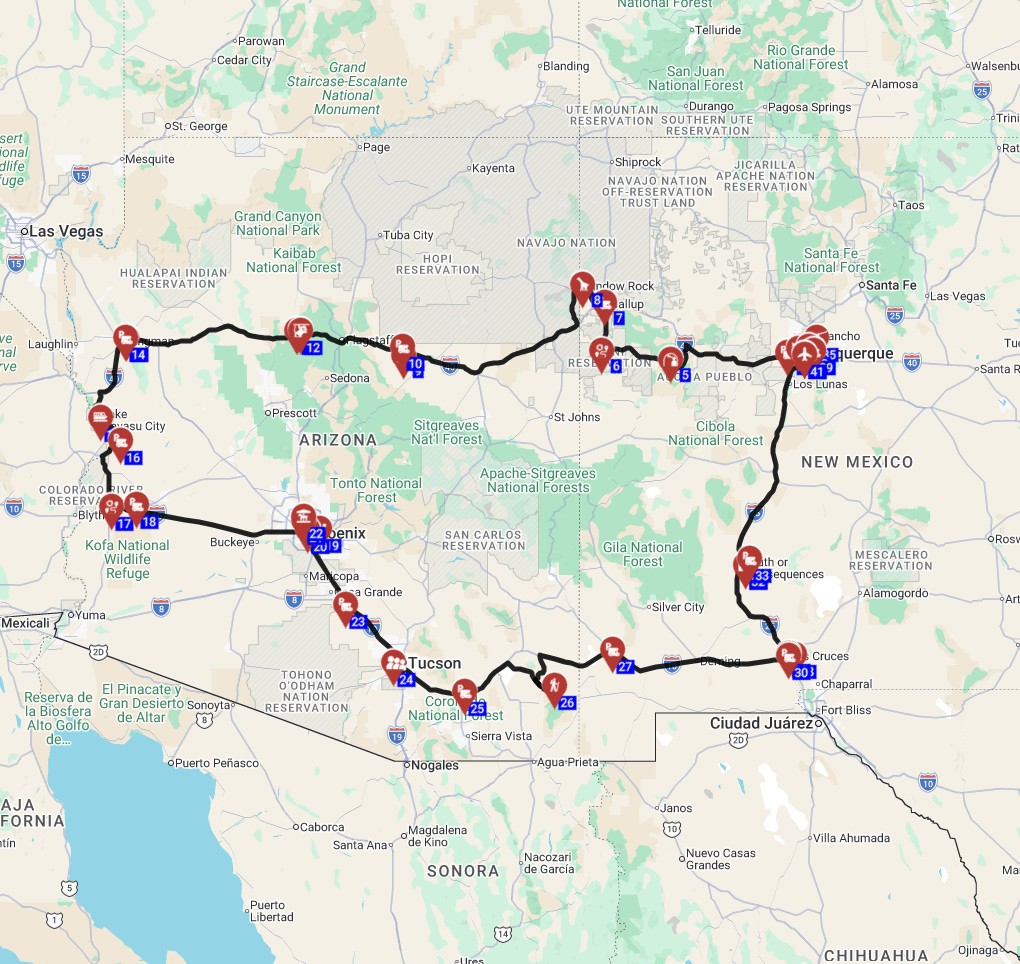
- Arizona's Wonders: Beyond the Grand Canyon, Arizona is a land of incredible diversity. Explore the red rocks of Sedona, the cacti of Saguaro National Park, and the historic charm of towns like Tombstone.
Your Great American Road Trip Awaits
The United States is a country built for the road trip, and there is simply no better way to experience its scale, diversity, and beauty than from the driver's seat of a rented motorhome. It’s a rolling home that carries you from the misty coasts of California to the sun-drenched canyons of Utah, from the vibrant energy of its cities to the profound quiet of its national parks. It's about freedom, discovery, and creating memories that last a lifetime.
Whether you’re a seasoned traveler or planning your very first RV adventure, we’re here to make the process simple and transparent. With the right vehicle and a spirit of adventure, you can write your own American story, one mile at a time. The open road is calling—are you ready to answer?
Frequently Asked Questions
What's the best time of year for an RV trip across the USA?
The best time for a motorhome trip in the USA depends on your destination. Spring (April-June) and Fall (September-October) generally offer the best balance of pleasant weather and fewer crowds nationwide. Summer is ideal for northern states and national parks, while winter is perfect for exploring southern states like Florida, Arizona, and California.
Do I need a special license to drive a rented motorhome in the USA?
For most rental motorhomes, including Class C and many Class A models, a standard driver's license from your home country is sufficient. For international visitors, an International Driving Permit (IDP) is highly recommended to accompany your license, as it provides a standardized translation for local authorities.
What is the minimum driver age for rv rental in the USA?
The minimum age to rent a motorhome in the USA is typically 21. However, some suppliers may charge a young driver surcharge for renters under 25, and certain larger luxury Class A motorhomes might require the driver to be at least 25 years old.
Can I pick up a rv in the USA and return it in a different city?
Yes, one-way rentals are very common and available with most major suppliers across the USA. This allows you to cover more ground without backtracking. A one-way fee usually applies, which varies depending on the pickup and drop-off locations.
How do I choose the right size motorhome for my family trip in the USA?
Choosing the right size depends on your group and travel style. Class C motorhomes are the most popular choice for families, offering a great balance of space, amenities, and ease of driving. For couples or solo travelers, a Class B campervan is nimble and efficient, while large groups or those seeking luxury might prefer a spacious Class A motorhome.