In This Guide
- The 5 RV Families Compared for Central North US
- Class A (Integrated) — Best For
- Price Comparison by RV Class in Central North US
- Class SI (Semi-Integrated) — Best For
- Class C (Alcove) — Best For
- Class B (Campervan) — Best For
- Class TC (Truck Camper) — Best For
- Side-by-Side Comparison Table
- Our Recommendation for rv rental deals Travelers in Central North US
- What is the cheapest way to rent an RV?
- Is it cheaper to rent an RV or stay in a hotel?
- What is the best company to rent an RV from?
- Is RV share or Outdoorsy better?
- What is the most popular RV rental app?
- What is the 3-3-3 rule for RVs and campers?
- What are the drawbacks of renting an RV?
- What is the cheapest way to purchase an RV?
The 5 RV Families Compared for Central North US
Choosing the right RV family is crucial for securing optimal rv rental deals in the Central North US, directly impacting your comfort, maneuverability, and overall trip cost. Factors like the region's diverse terrain (from flat plains to rolling hills), varied climate, your intended trip length, and group size should guide your selection. Each RV type offers distinct advantages, excelling in different Central North US scenarios, whether you're exploring national parks, lakeshores, or charming small towns.
Class A (Integrated) — Best For
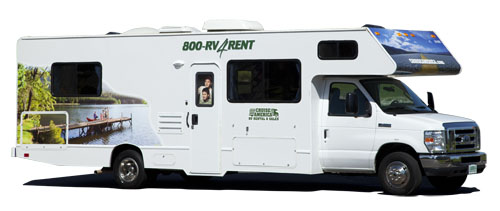
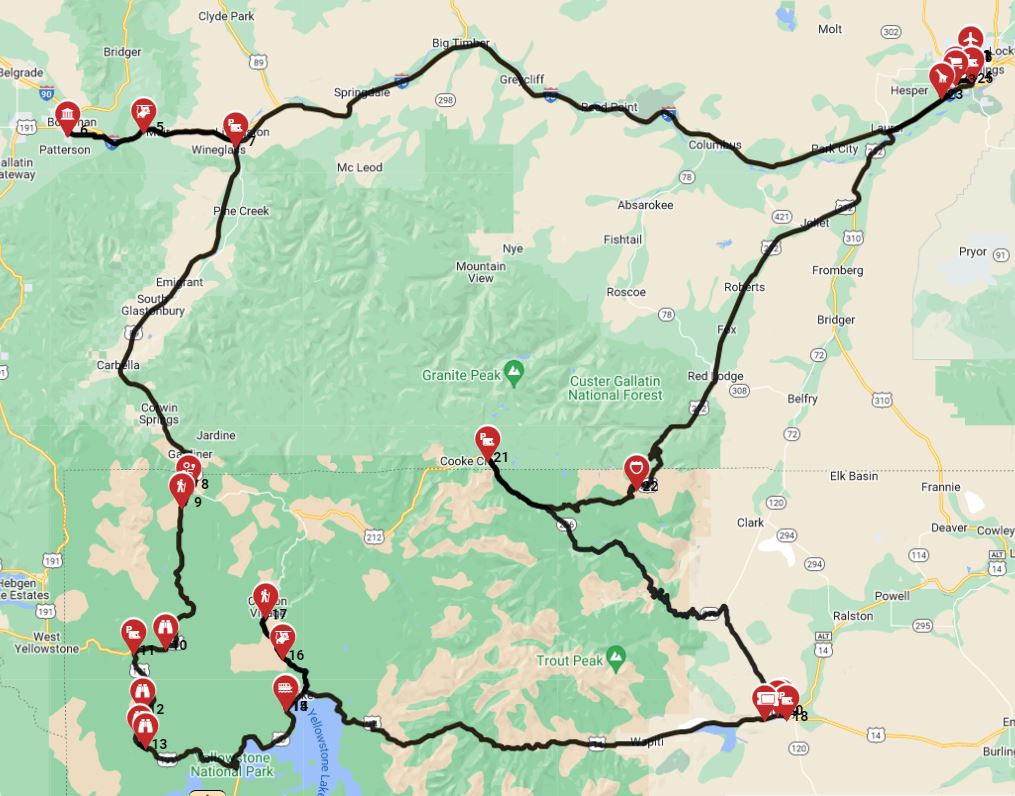
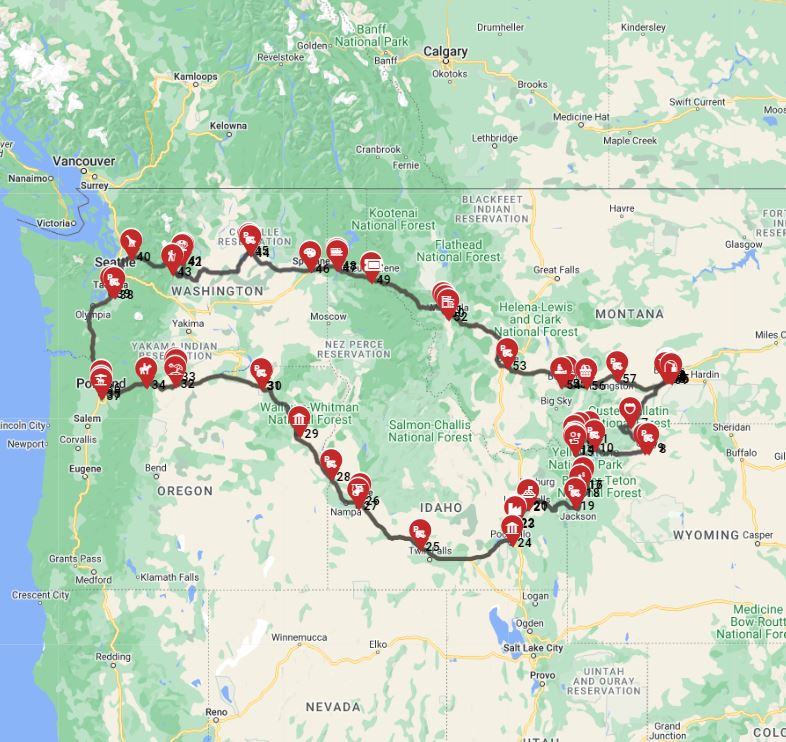
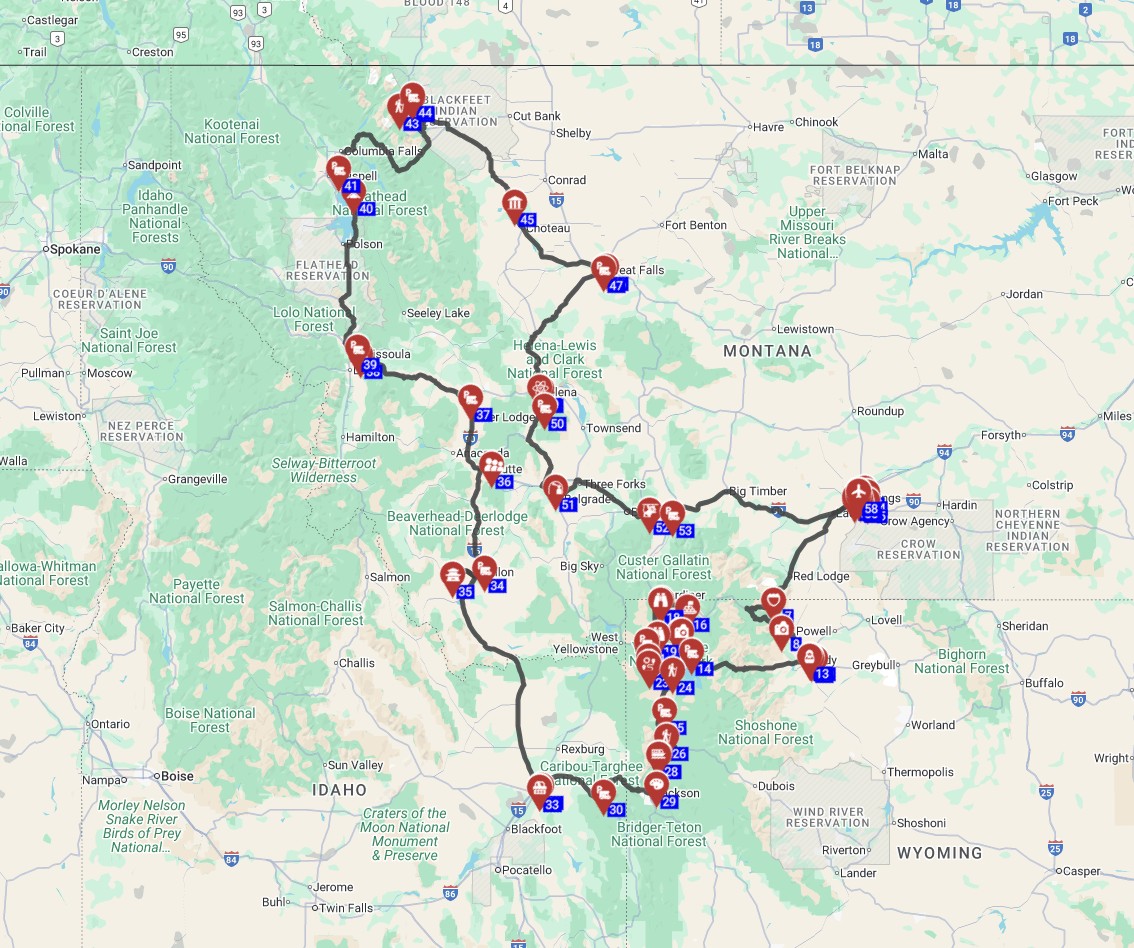
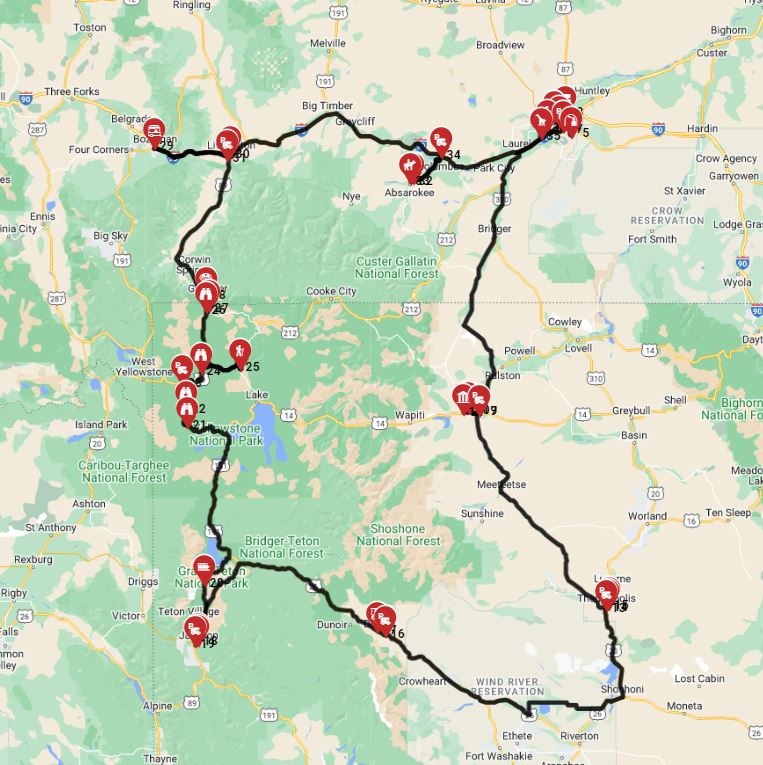
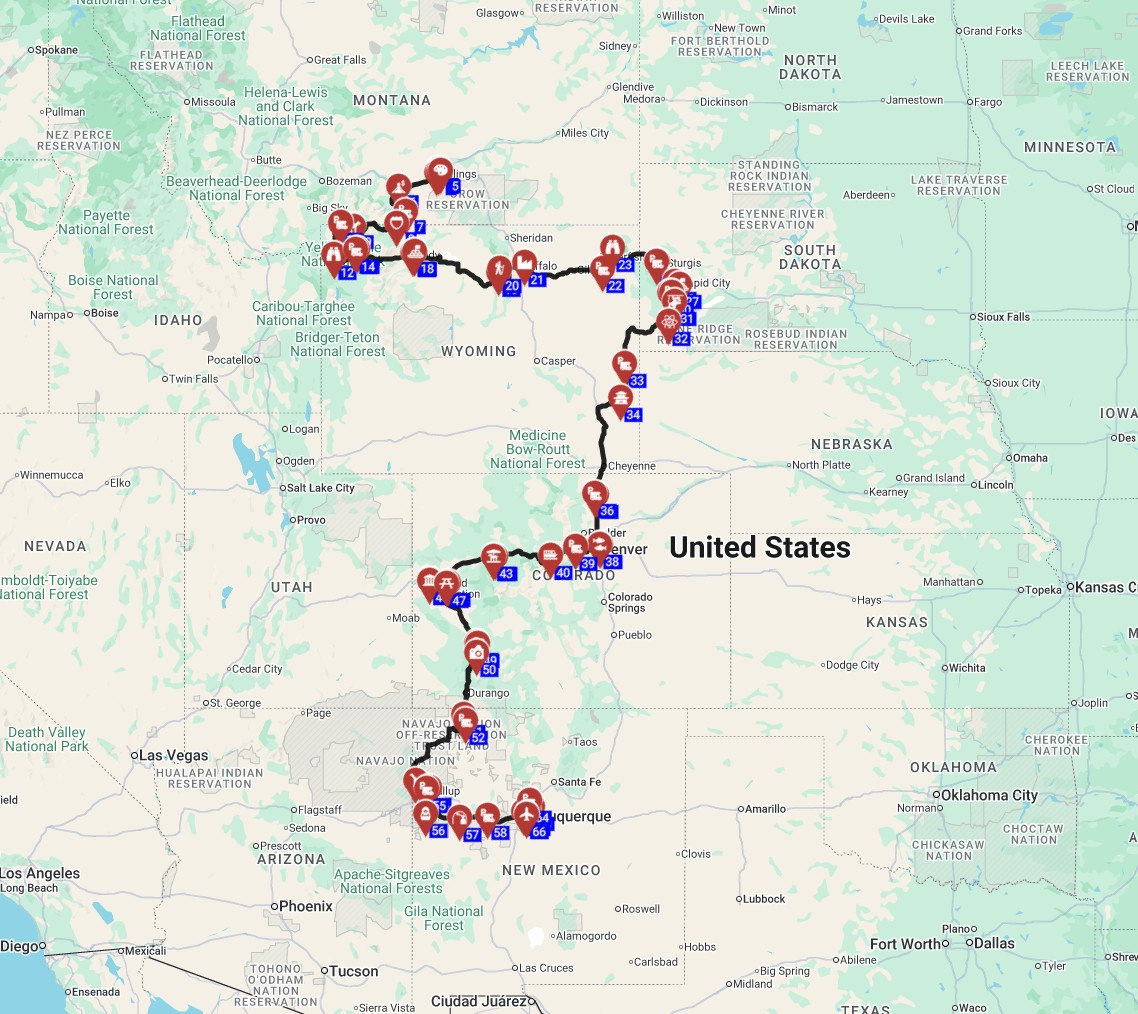
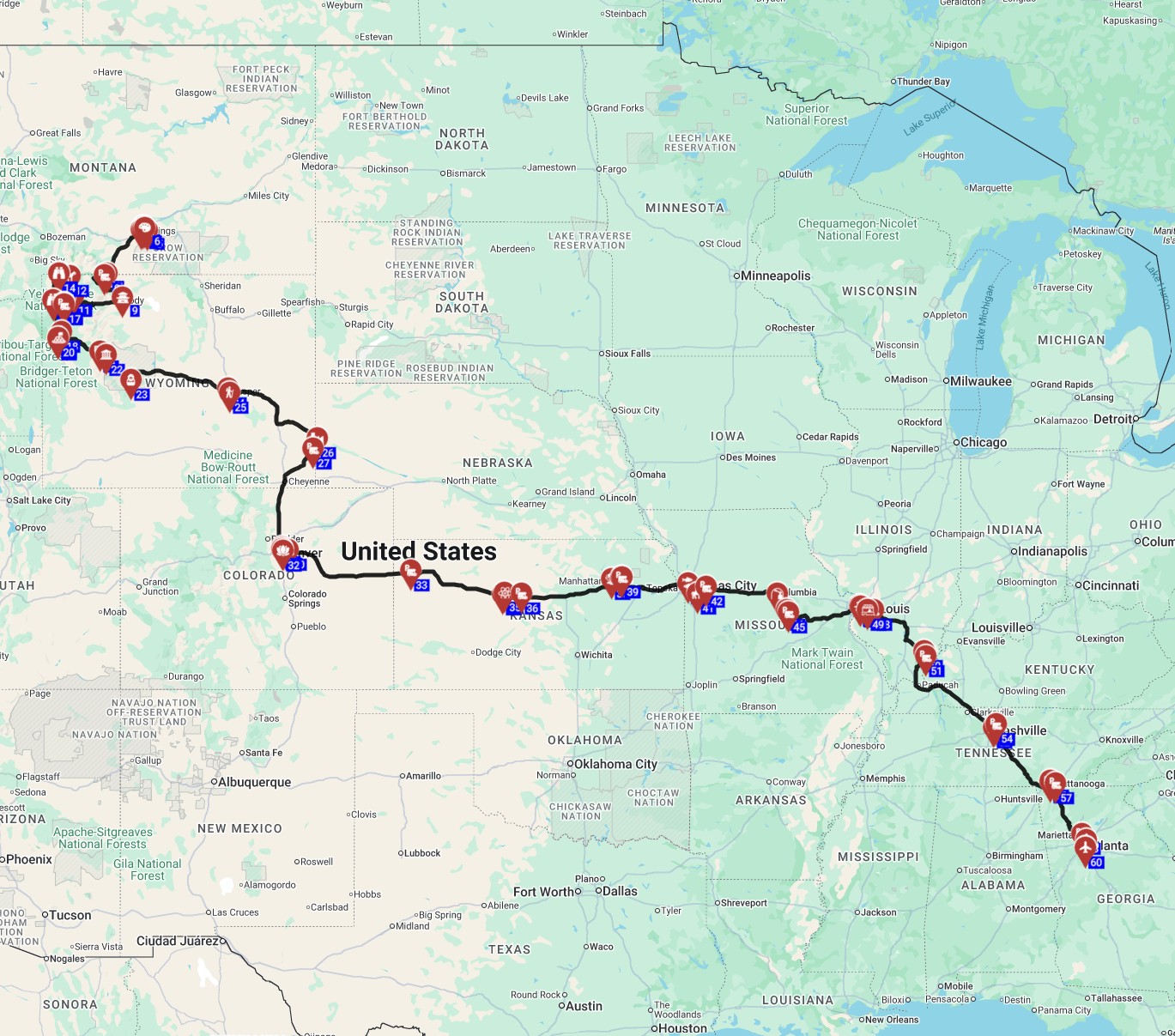
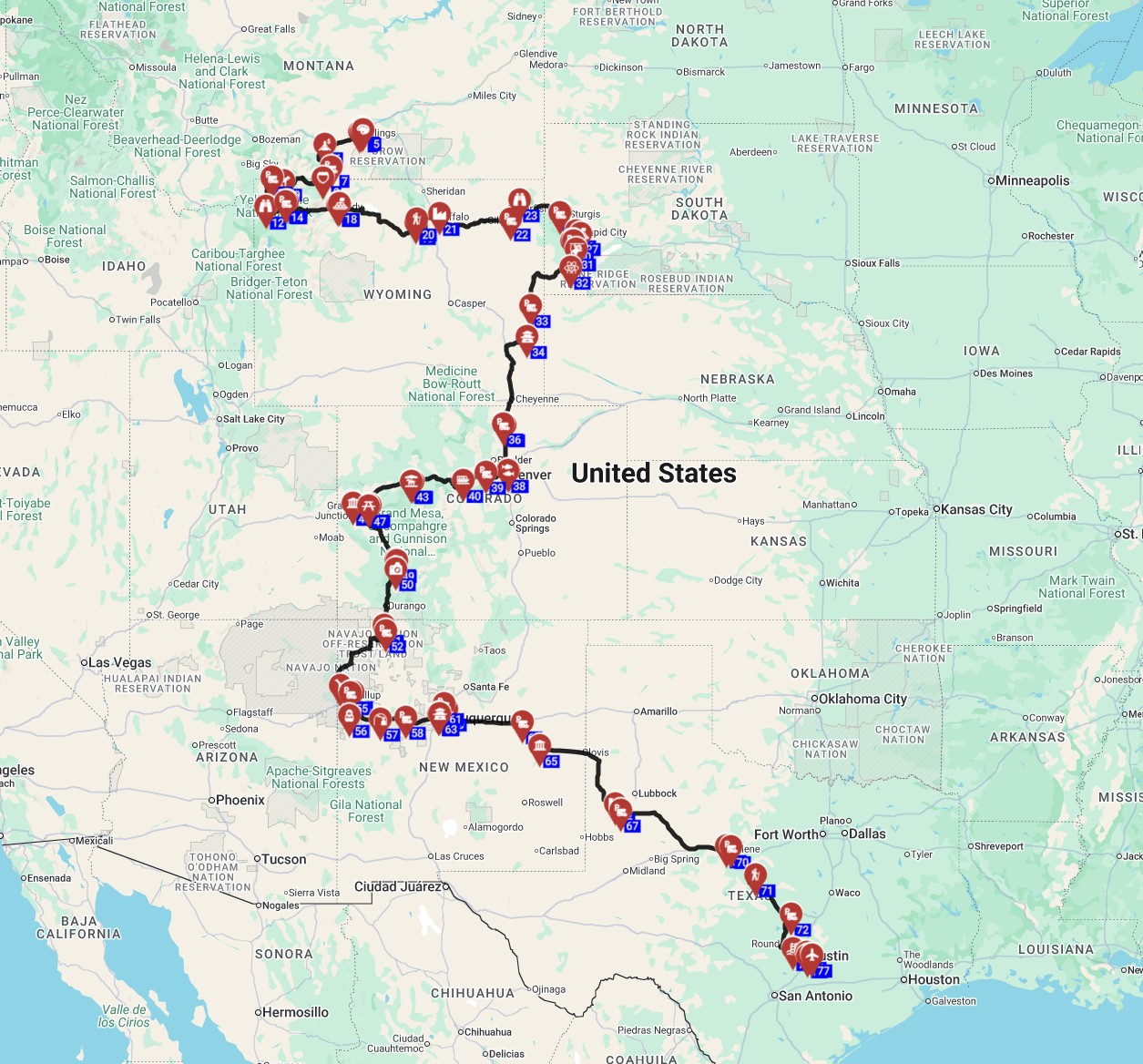
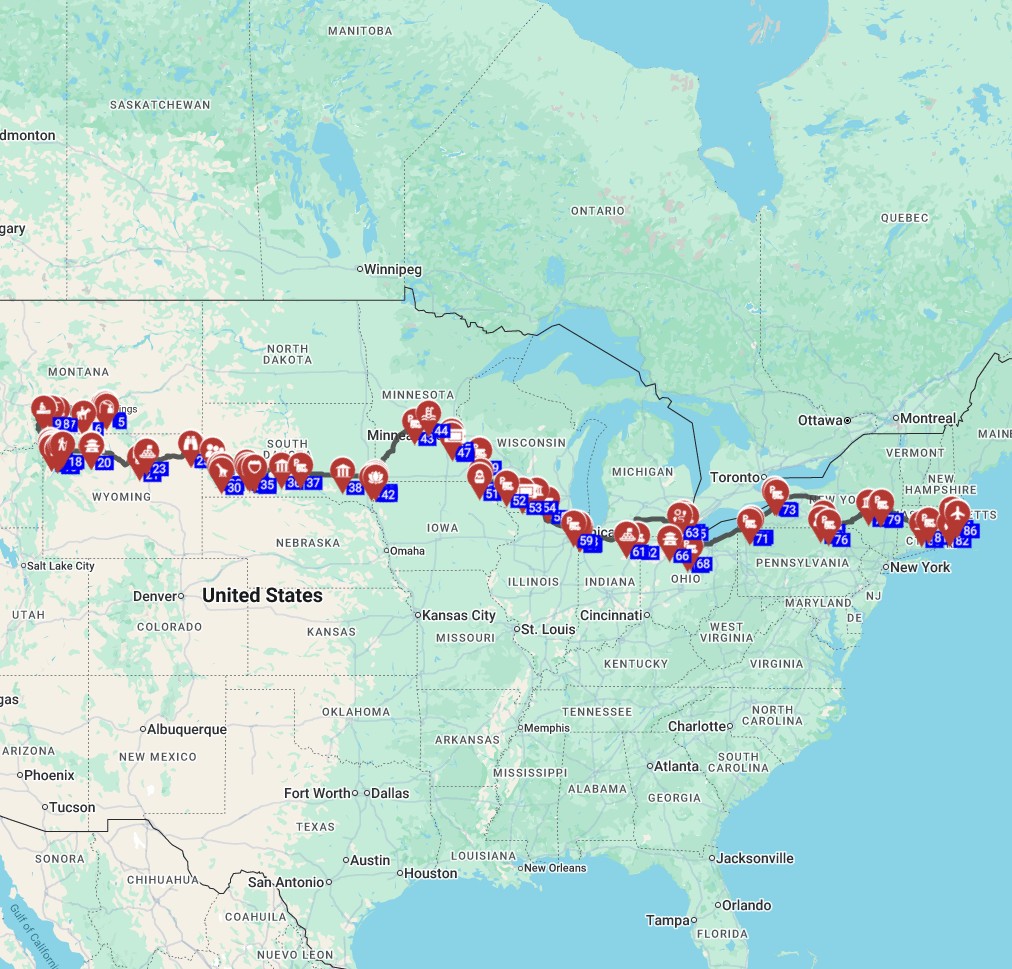
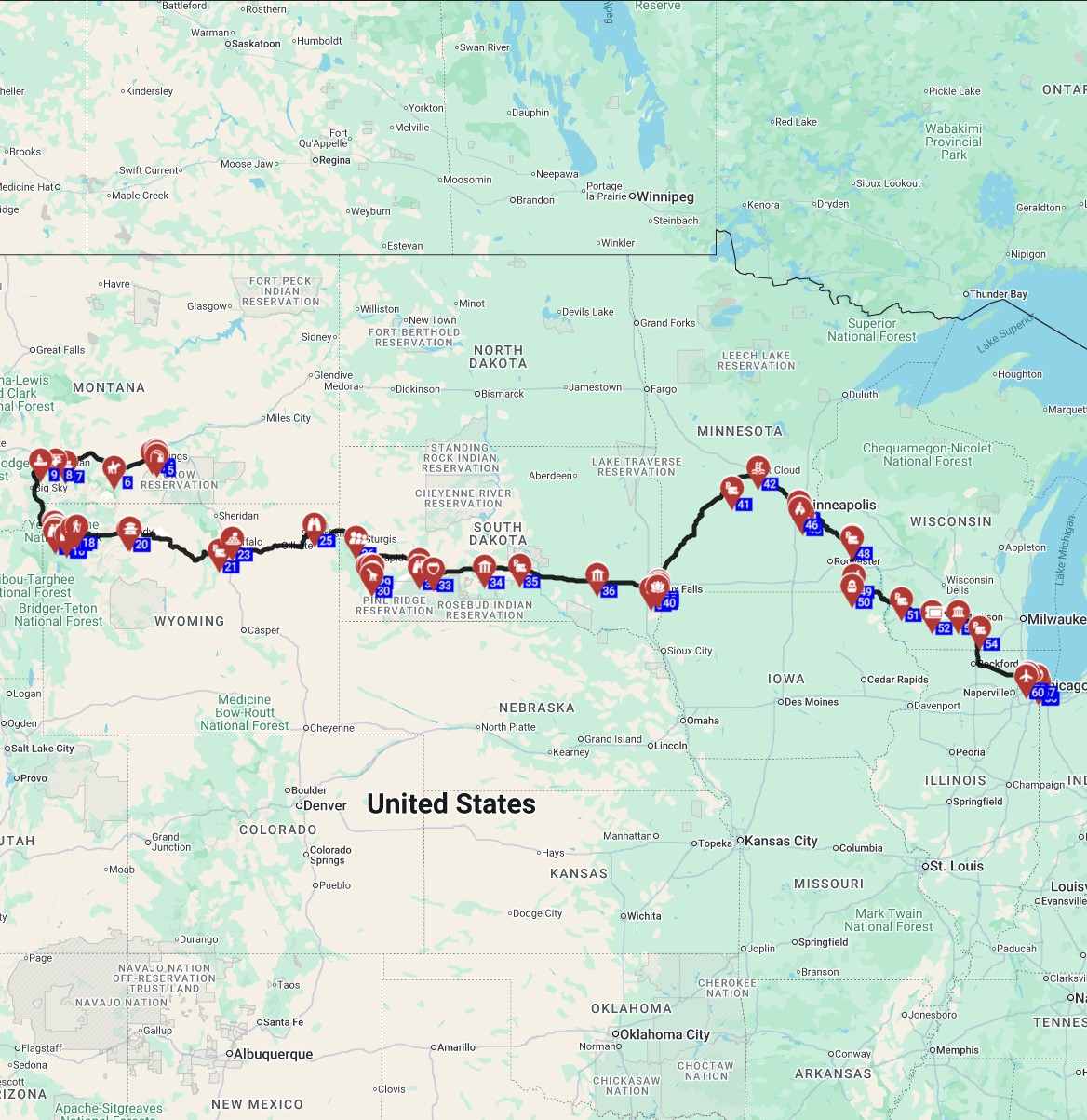
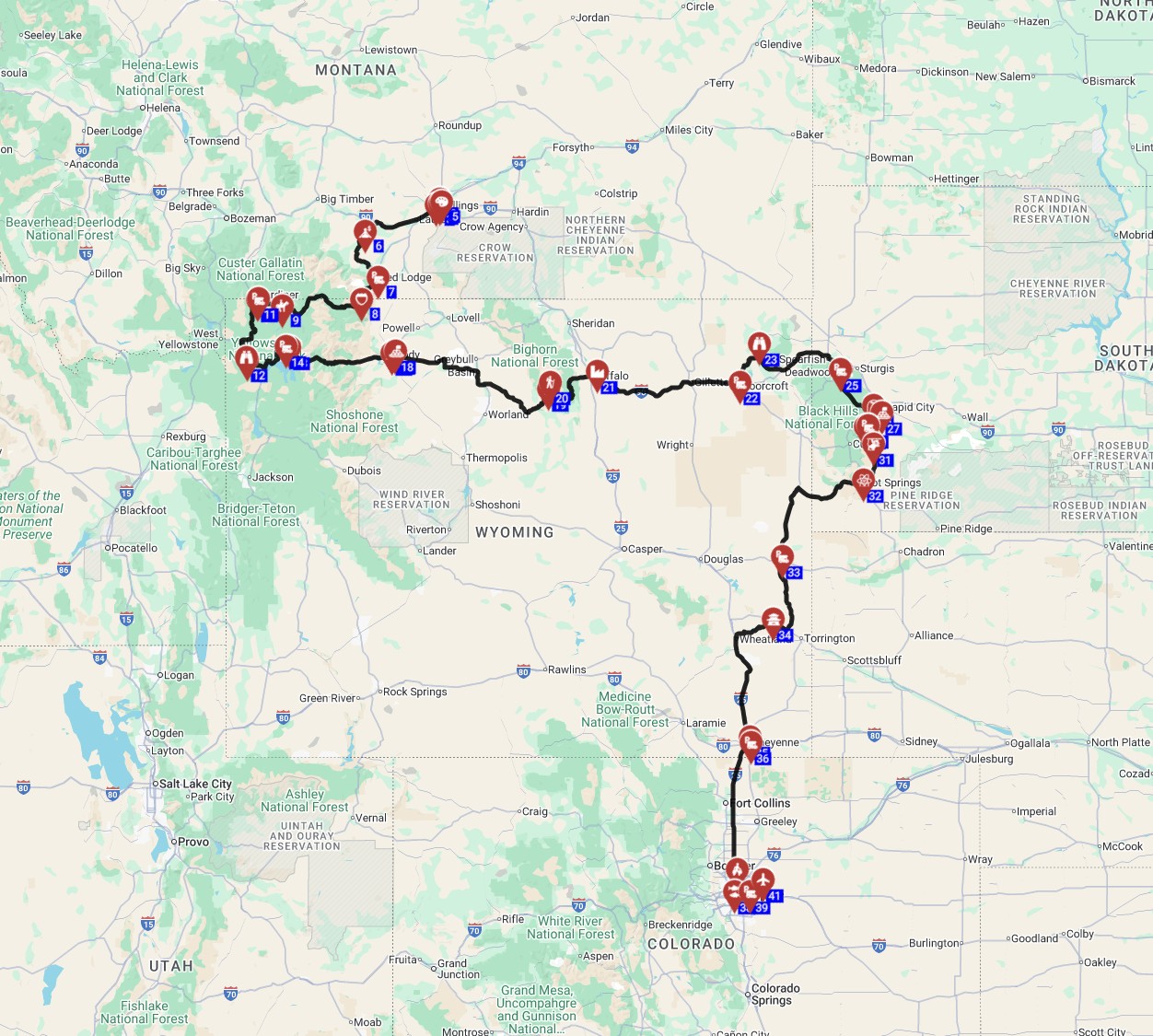
Class A motorhomes, typically averaging 7.5 meters (24.6 ft) in length according to Bandana's global fleet data, are best suited for larger groups or families prioritizing luxury and spaciousness for their Central North US journey. These RVs usually sleep around 4.4 people and accommodate 4 adults, offering ample living space and storage, making them ideal for longer trips exploring major attractions and well-maintained highways across states like Minnesota, Wisconsin, or the Dakotas. With an average load capacity of 209.5 kg in Bandana's fleet, they support extensive gear for extended adventures, though their common fuel consumption of 11–12 Liters/100 km (approx. 19-21 MPG) means higher fuel costs. Their substantial size can present challenges when navigating smaller towns, accessing certain state or national park campgrounds with tight spots, or traversing narrower rural roads unique to the Central North US. On the routes offered through RV PLANET routes, you can itemize and track every expense along the way for easy budgeting.
Price Comparison by RV Class in Central North US
Because pricing is flex-rate, the table below pulls real example prices from Bandana's live search for various RV classes and durations in the Central North US. Please note that these are flex-rate estimates that update daily, and actual prices may vary based on demand, booking duration, and seasonality; use the search box at the top of the page to check live prices for your specific travel dates. Generally, smaller RVs like Class B campervans or Class TC truck campers present lower daily rental costs, while larger Class A or C models offer more space at a higher price point, influencing your overall rv rental deals.
Live April Price Comparison — RV Class × Trip Length
| Trip length | Class A | Class B | Class C | Class SI | Class TC |
|---|---|---|---|---|---|
| 1 week 15/04 → 22/04 | [Price_ClassType-A_PickupID-16_DropoffID-16_PickupDate-15/04_DropoffDate-22/04] | [Price_ClassType-B_PickupID-16_DropoffID-16_PickupDate-15/04_DropoffDate-22/04] | [Price_ClassType-C_PickupID-16_DropoffID-16_PickupDate-15/04_DropoffDate-22/04] | [Price_ClassType-SI_PickupID-16_DropoffID-16_PickupDate-15/04_DropoffDate-22/04] | [Price_ClassType-TC_PickupID-16_DropoffID-16_PickupDate-15/04_DropoffDate-22/04] |
| 2 weeks 15/04 → 29/04 | [Price_ClassType-A_PickupID-16_DropoffID-16_PickupDate-15/04_DropoffDate-29/04] | [Price_ClassType-B_PickupID-16_DropoffID-16_PickupDate-15/04_DropoffDate-29/04] | [Price_ClassType-C_PickupID-16_DropoffID-16_PickupDate-15/04_DropoffDate-29/04] | [Price_ClassType-SI_PickupID-16_DropoffID-16_PickupDate-15/04_DropoffDate-29/04] | [Price_ClassType-TC_PickupID-16_DropoffID-16_PickupDate-15/04_DropoffDate-29/04] |
| 1 month 01/04 → 30/04 | [Price_ClassType-A_PickupID-16_DropoffID-16_PickupDate-01/04_DropoffDate-30/04] | [Price_ClassType-B_PickupID-16_DropoffID-16_PickupDate-01/04_DropoffDate-30/04] | [Price_ClassType-C_PickupID-16_DropoffID-16_PickupDate-01/04_DropoffDate-30/04] | [Price_ClassType-SI_PickupID-16_DropoffID-16_PickupDate-01/04_DropoffDate-30/04] | [Price_ClassType-TC_PickupID-16_DropoffID-16_PickupDate-01/04_DropoffDate-30/04] |
Estimates only — flex-rate prices change daily based on availability and season.
Class SI (Semi-Integrated) — Best For
Class SI (Semi-integrated) motorhomes, averaging 6.9 meters (22.6 ft) in length and typically sleeping 3.8 people (accommodating 3.4 adults) in Bandana's global fleet, are an excellent balanced choice for couples or small families exploring the Central North US. These RVs offer a good compromise between the spaciousness of larger motorhomes and the maneuverability of smaller ones, with Bandana's fleet commonly showing a fuel consumption of 10–11 Liters/100 km (approx. 21-23 MPG). They are well-suited for navigating both major highways and smaller state park roads, ideal for visiting destinations like the Black Hills of South Dakota or Minnesota's lake country, offering a respectable average load capacity of 72.2 kg. Their streamlined design provides a comfortable driving experience, outperforming Class A in agility while providing more comfort and amenities than a Class B, making them popular for extended explorations and good rv rental deals.
Class C (Alcove) — Best For
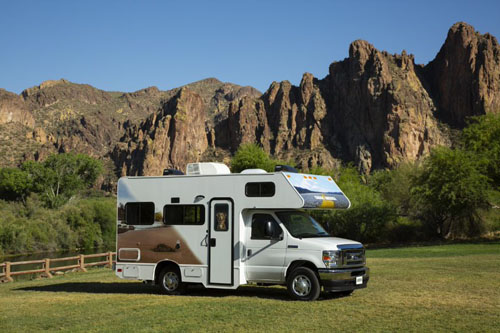
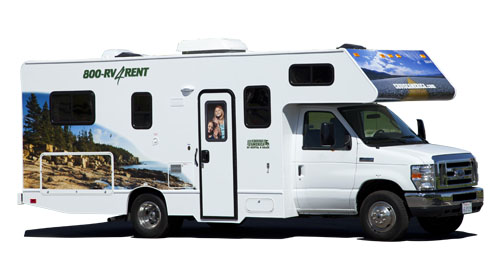
Class C (Alcove) motorhomes, averaging 7.5 meters (24.6 ft) in length and typically sleeping 5.8 people (accommodating 4.4 adults) in Bandana's global fleet, are a top choice for families seeking rv rental deals in the Central North US due to their cost-efficiency and family-friendly layout. These RVs provide an extra sleeping area over the cab, ample space for multiple travelers and gear (with Bandana's fleet showing an average load capacity of 42.4 kg), making them suitable for visits to national parks or family-oriented campgrounds. Bandana's fleet typically reports a common fuel consumption of 10–12 Liters/100 km (approx. 19-23 MPG), positioning them as a practical option for longer trips through diverse landscapes from the Great Plains to the forested regions. Their robust build makes them capable of handling various Central North US road conditions, from well-maintained interstates to gravel roads leading to remote campsites, offering versatility for any family adventure.
Class B (Campervan) — Best For
Class B (Campervan) RVs, typically 5.8 meters (19 ft) long and sleeping 3.2 people (accommodating 2.7 adults) in Bandana's global fleet, are ideal for solo adventurers or couples prioritizing maneuverability and fuel economy when exploring the Central North US. These compact RVs, with Bandana's fleet commonly showing a fuel consumption of 10 Liters/100 km (approx. 23 MPG), are perfect for navigating urban environments like Minneapolis or Omaha, as well as winding scenic byways and smaller campgrounds where larger RVs might struggle. While offering fewer amenities than larger classes, their stealth and ease of parking make them excellent for spontaneous travel and boondocking opportunities (where permitted) in the region, providing an average load capacity of 37 kg. Class B campervans often represent some of the best rv rental deals for travelers seeking flexibility, a minimalist approach, and the ability to easily access hidden gems in their Central North US road trip.
Class TC (Truck Camper) — Best For
Class TC (Truck Camper) RVs, averaging 5.5 meters (18 ft) in length and typically sleeping 2.4 people (accommodating 2.1 adults) in Bandana's global fleet, are the prime choice for off-grid adventures and accessing remote areas across the Central North US. These highly versatile units, which Bandana's fleet commonly consumes 12–17 Liters/100 km (approx. 14-19 MPG), offer the unique flexibility of a detachable living unit, allowing the truck to be used independently for exploration. While Bandana's global fleet shows an average load capacity of 0 kg (as capacity is tied to the truck's payload), their compact nature combined with the truck's off-road capabilities makes them perfect for rugged terrain, fishing, hunting, or accessing dispersed camping sites in states like Montana or Wyoming (if considered part of the Central North US adventure context). They offer a unique blend of comfort and ruggedness, ideal for travelers seeking true wilderness experiences and exceptional rv rental deals for adventurous journeys in less accessible parts of the Central North US.
Side-by-Side Comparison Table
This comparison table provides a concise overview of key specifications for the various RV families available for rent, helping you quickly identify the best option for your Central North US rv rental deals. Consider how factors like average length, sleeping capacity, fuel consumption, and ideal use case align with your trip requirements and budget when making your final decision.
Our Recommendation for rv rental deals Travelers in Central North US
For most families seeking comprehensive rv rental deals in the Central North US, the **Class C (Alcove)** motorhome is our primary recommendation due to its excellent balance of space, amenities, and cost-efficiency, comfortably sleeping nearly 6 people and well-suited for diverse road conditions. Its family-friendly layout and practical fuel consumption (10–12 Liters/100 km) make it ideal for exploring state parks, lakeshores, and family attractions across the region without overspending. A strong runner-up, especially for couples or solo travelers prioritizing flexibility and fuel economy, is the **Class B (Campervan)**. Its easy maneuverability (average 5.8m length) and better fuel efficiency (10 Liters/100 km) allow for both urban exploration in cities like Minneapolis and nimble navigation of scenic rural routes, offering the best value for focused, agile adventures.
What is the cheapest way to rent an RV?
The cheapest way to rent an RV often involves utilizing peer-to-peer platforms like Bandana to compare various owners and professional fleets, booking well in advance, and choosing smaller, more fuel-efficient RV classes such as Class B campervans or Class C alcoves. Traveling during the off-peak season (typically fall to spring outside of holidays) in the Central North US can yield significant rv rental deals due to lower demand and seasonal discounts. Consider picking up your RV from locations slightly outside major Central North US cities, as metropolitan hubs often have higher rental rates, and look for longer rental durations, which frequently come with reduced daily rates. To further save, opt for RVs with unlimited mileage options, plan meals to cook in your RV to reduce dining out expenses, and explore free or low-cost boondocking opportunities in national forests or BLM land where legally permitted. For ideas you can prep on the road, watch our RV-friendly recipes playlist on YouTube.
Is it cheaper to rent an RV or stay in a hotel?
Renting an RV can be more cost-effective than staying in hotels, especially for families or groups on longer trips through the Central North US, when considering the combined costs of accommodation, dining, and transportation. A comprehensive cost breakdown for an RV trip typically includes the rental fee, estimated fuel costs (e.g., a Class C at 10–12 Liters/100 km, a Class A at 11-12 Liters/100 km), campground fees (ranging from free boondocking to $50+/night for full hookups), groceries for cooking, and activity expenses, which often sum up to less than equivalent hotel stays plus restaurant meals. While initial RV rental costs might seem higher than a single night in a hotel, the cumulative savings from preparing your own meals and avoiding multiple hotel bookings across different cities in the Central North US generally make RV travel more economical for multi-day journeys. First-timers should budget for potential hidden costs like generator usage fees, dumping fees, or premium campground spots; thorough planning can mitigate these, making RV travel a highly competitive option for exploring diverse destinations like state parks or lakeside resorts.
What is the best company to rent an RV from?
The 'best' RV rental company often depends on individual traveler needs, but platforms like Bandana excel by aggregating a wide selection of vehicles from both independent owners and professional fleets, offering competitive rv rental deals across the Central North US. For those seeking a wide variety of RV classes (including Class A, B, C, SI, and TC), transparent pricing, and robust customer support for their Central North US adventure, platforms that simplify comparison are highly rated. Companies such as Outdoorsy and RVshare are popular peer-to-peer choices, each providing unique benefits; Bandana's strength lies in its extensive comparison capabilities, allowing users to efficiently find the right RV at the right price point for their specific travel style. Key factors to consider include comprehensive insurance options, 24/7 roadside assistance, and the availability of specific pickup locations within the Central North US (e.g., Minneapolis, Omaha, Fargo) to ensure a smooth rental experience.
Is RV share or Outdoorsy better?
Both RVshare and Outdoorsy are leading peer-to-peer RV rental marketplaces, and the 'better' choice often comes down to specific inventory, pricing, and user experience tailored to your Central North US trip. Outdoorsy, known for its strong community focus and user-friendly interface, often features a wide array of unique and well-maintained RVs, including newer models and specialized setups ideal for adventure travel in the Central North US. RVshare typically boasts a larger overall inventory, which can sometimes translate to more options and competitive pricing, particularly for common RV classes like Class C and Class B, providing ample opportunity to find rv rental deals. For Central North US travelers, checking both platforms (or utilizing an aggregator like Bandana which may integrate listings from both) is recommended to compare available vehicles, prices, and amenities specific to your desired pickup location and travel dates, considering regional unique challenges or attractions.
What is the most popular RV rental app?
Apps from major peer-to-peer rental platforms like Outdoorsy and RVshare are among the most popular RV rental apps, providing mobile access to listings, booking management, and direct communication with owners for Central North US rentals. Beyond just booking, many RVers also extensively use apps such as The Dyrt or iOverlander for finding campsites, planning routes, and locating amenities like dump stations or propane refills, which are invaluable for navigating the Central North US. While Bandana operates primarily as a web platform, it offers a seamlessly mobile-optimized experience to search and compare RV rental deals efficiently, making it highly effective for on-the-go planning and finding your ideal vehicle. The 'best' app ultimately depends on whether your primary need is booking an RV, or if you require additional functionalities like campsite reviews, offline maps, or points of interest for your complete Central North US adventure.
What is the 3-3-3 rule for RVs and campers?
The '3-3-3 rule' is a popular guideline for RVers, particularly first-timers in the Central North US, advocating for driving no more than 300 miles a day, arriving at your destination by 3 PM, and staying for a minimum of 3 nights. This rule is designed to prevent driver fatigue, allow ample time for setup and relaxation at each stop, and encourage deeper exploration of destinations rather than constant travel, which is especially beneficial when visiting state parks or rural attractions across the Central North US. Adhering to the 'arrive by 3 PM' aspect is crucial for securing campsites, as many popular campgrounds in Minnesota, Wisconsin, or Michigan fill up quickly, especially during peak season, avoiding the stress of finding a last-minute spot. Following the '3-3-3 rule' helps ensure a more enjoyable, less rushed RV trip, allowing you to fully appreciate the unique routes, hidden gems, and local cultural experiences of the Central North US, while also being mindful of unique local laws or wildlife precautions.
What are the drawbacks of renting an RV?
Drawbacks of renting an RV can include higher fuel costs (especially for larger classes like Class A at 11-12 Liters/100 km), potential complexity for first-time drivers, limited maneuverability in urban areas or tight campgrounds, and unexpected expenses like dumping fees or generator usage. In the Central North US, unique challenges might involve unpredictable weather patterns (from summer heatwaves to early snow in shoulder seasons), specific state/national park regulations for RV length or hookups, and potential wildlife encounters in rural areas (requiring strict food storage protocols). Solutions include choosing a smaller RV class (like a Class B or SI) for easier driving and better fuel economy, budgeting generously for fuel and potential incidentals, planning routes carefully to avoid unpaved or narrow roads, and researching campground amenities and local laws in advance, including boondocking opportunities/restrictions. Renting from platforms like Bandana that offer detailed vehicle descriptions, comprehensive insurance options, and customer support can help mitigate many concerns, as well as opting for an RV with proper insulation and heating/cooling for varied Central North US climates.
What is the cheapest way to purchase an RV?
While this article focuses on RV rental deals in the Central North US, the cheapest way to purchase an RV typically involves buying a used model, considering private sellers over dealerships, or exploring smaller, simpler RV types like pop-up campers or older truck campers. Purchasing during the off-season (usually late fall or winter) can sometimes yield better deals as demand decreases, and attending RV shows may present opportunities for manufacturer discounts or special financing offers. For those interested in owning rather than renting in the Central North US, researching local classifieds, online marketplaces like RVTrader, and RV forums can uncover affordable pre-owned options. Always factor in potential maintenance costs, insurance premiums, and storage fees when calculating the true cost of RV ownership, which can often outweigh the cost of renting for infrequent or short-term use.
What You Shouldn't Miss
- Drive the scenic byways through the rolling hills and prairies of South Dakota and Nebraska, perhaps incorporating a stop at Mount Rushmore or the Scotts Bluff National Monument.
- Explore the vastness of the Great Lakes shores in Wisconsin and Michigan, finding perfect lakeside campgrounds and enjoying water activities.
- Visit Itasca State Park in Minnesota to see the headwaters of the Mississippi River, a unique starting point for understanding this mighty waterway.
- Experience the otherworldly landscapes of Badlands National Park in South Dakota, a geological wonderland and a prime spot for wildlife viewing.
- Discover the International Peace Garden on the North Dakota/Manitoba border for a unique, cross-border natural experience.
- Stop by Cawker City, Kansas, to marvel at the quirky, giant ball of twine—a quintessential roadside attraction made even better by RV travel.
Final Thoughts
Renting an RV for your Central North US adventure opens up a world of possibilities, blending the freedom of the open road with the comfort of home. By carefully considering the different RV classes and planning your trip with Bandana Caravan and RV PLANET (rvplan.net), you can ensure a seamless and memorable experience.
From the vast Great Lakes to the dramatic Badlands, the Central North US offers incredible diversity for RV travelers. So, pack your bags, plan your route, and get ready to discover the unique charm and beauty of this expansive region at your own pace!