In This Guide
- The 5 RV Families Compared for Australia
- Class A (Integrated) - Best For
- Price Comparison by RV Class in Australia
- Class SI (Semi-Integrated) - Best For
- Class C (Alcove) - Best For
- Class B (Campervan) - Best For
- Class TC (Truck Camper) - Best For
- Side-by-Side Comparison Table
- Our Recommendation for rv rental Travelers in Australia
- What is the best RV rental company?
- How much does it cost to rent an RV in Australia?
- What is the difference between Maui and Apollo?
- What is the best RV in Australia?
- What is the most reliable brand of motorhome in Australia?
- What is the 333 rule for campervan?
- What is the most affordable RV to buy?
- What is the best value for money caravan in Australia?
🎬 Video coming soon
Australia, a land of breathtaking contrasts and endless horizons, offers an unparalleled adventure for those who choose to explore it by rented RV. From the sun-drenched beaches to the rugged outback, a motorhome vacation provides the ultimate flexibility and freedom to truly immerse yourself in the diverse landscapes and vibrant culture. At Bandana RV, we've helped tens of thousands of travelers discover the magic of RV travel since 2001, offering direct partnerships with over 50 leading RV suppliers worldwide, including trusted names like Apollo and Britz. For live availability and current prices, start with our RV Rental Australia - Complete Guide 2026 guide.
The 5 RV Families Compared for Australia
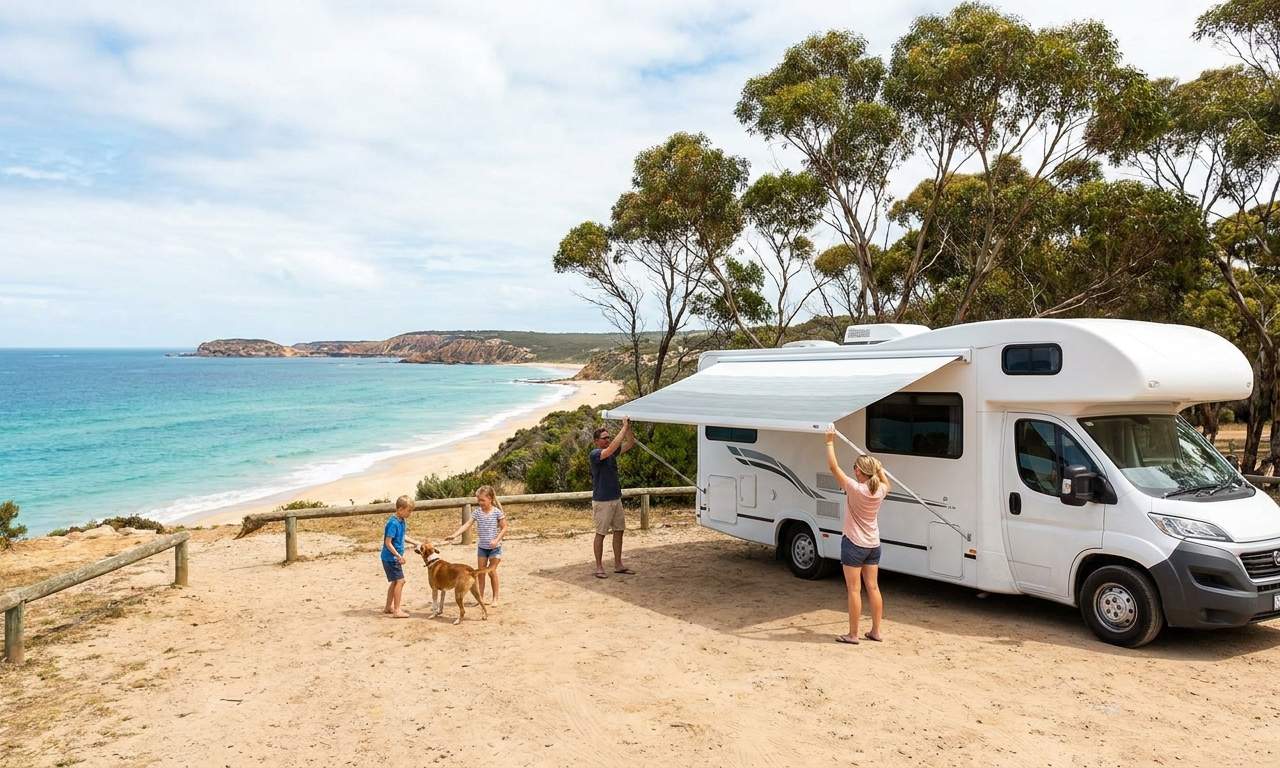 Australia's diverse landscapes, from rugged outback to coastal highways, necessitate careful consideration of RV family choice, as the vehicle type directly impacts comfort, accessibility, and overall trip enjoyment for renters. Factors like terrain, climate, trip length, and group size have significant implications for RV selection. Understanding the distinctions between Class A, Class SI (Semi-Integrated), Class C (Alcove), Class B (Campervan), and Class TC (Truck Camper) motorhomes is essential to finding the perfect fit for your Australian adventure. Whether you envision a luxury tour on sealed roads or an intrepid exploration of unsealed tracks, there is a rental RV designed for your specific journey. Remember, when comparing RV Rental Deals in Australia - Latest Offers 2026, the right choice combines comfort with practicality for your planned itinerary.
Class A (Integrated) - Best For
Class A integrated motorhomes, averaging 7.5 meters in length and offering around 4.4 sleeping places (4 adults), represent the pinnacle of RV luxury and space for Australian renters. With an average load capacity of 209.5 kg and fuel consumption typically ranging from 8-12 Liters/100 km (based on Bandana's global fleet averages), they are ideal for larger families or groups seeking maximum comfort on long-haul trips primarily on sealed roads. Their spacious interiors and extensive amenities are perfect for extended stays, offering a home-away-from-home experience, though their large size requires mindful driving, even in cities; drive slowly and carefully, and you can drive almost anywhere without issues, just use common sense and pay attention. These vehicles often come equipped with generous kitchen facilities, perfect for preparing RV-friendly recipes playlist for the whole family.Price Comparison by RV Class in Australia
Pricing for RV rentals is dynamic and flex-rate, meaning prices are not fixed and can change daily based on availability, seasonality, and supplier marketing decisions. The table below pulls real example prices from Bandana's live search for various RV classes and durations in Australia, but these are estimates and update daily; for the most current figures and to compare final prices across suppliers, what you see is what you pay, with no surprise fees at pickup, please use the search box at the top of the page.| RV Class | Average Daily Rate (AUD) - Low Season | Average Daily Rate (AUD) - Mid Season | Average Daily Rate (AUD) - High Season | Typical Sleeper Capacity |
|---|---|---|---|---|
| Class A (Integrated) | $250 - $450 | $350 - $600 | $450 - $800+ | 4-6 adults |
| Class SI (Semi-Integrated) | $180 - $350 | $280 - $500 | $380 - $700 | 2-4 adults |
| Class C (Alcove) | $150 - $300 | $250 - $450 | $350 - $650 | 4-6 people |
| Class B (Campervan) | $100 - $200 | $180 - $300 | $250 - $400 | 2-3 people |
| Class TC (Truck Camper) | $150 - $280 | $220 - $400 | $300 - $550 | 2-3 people |
Class SI (Semi-Integrated) - Best For
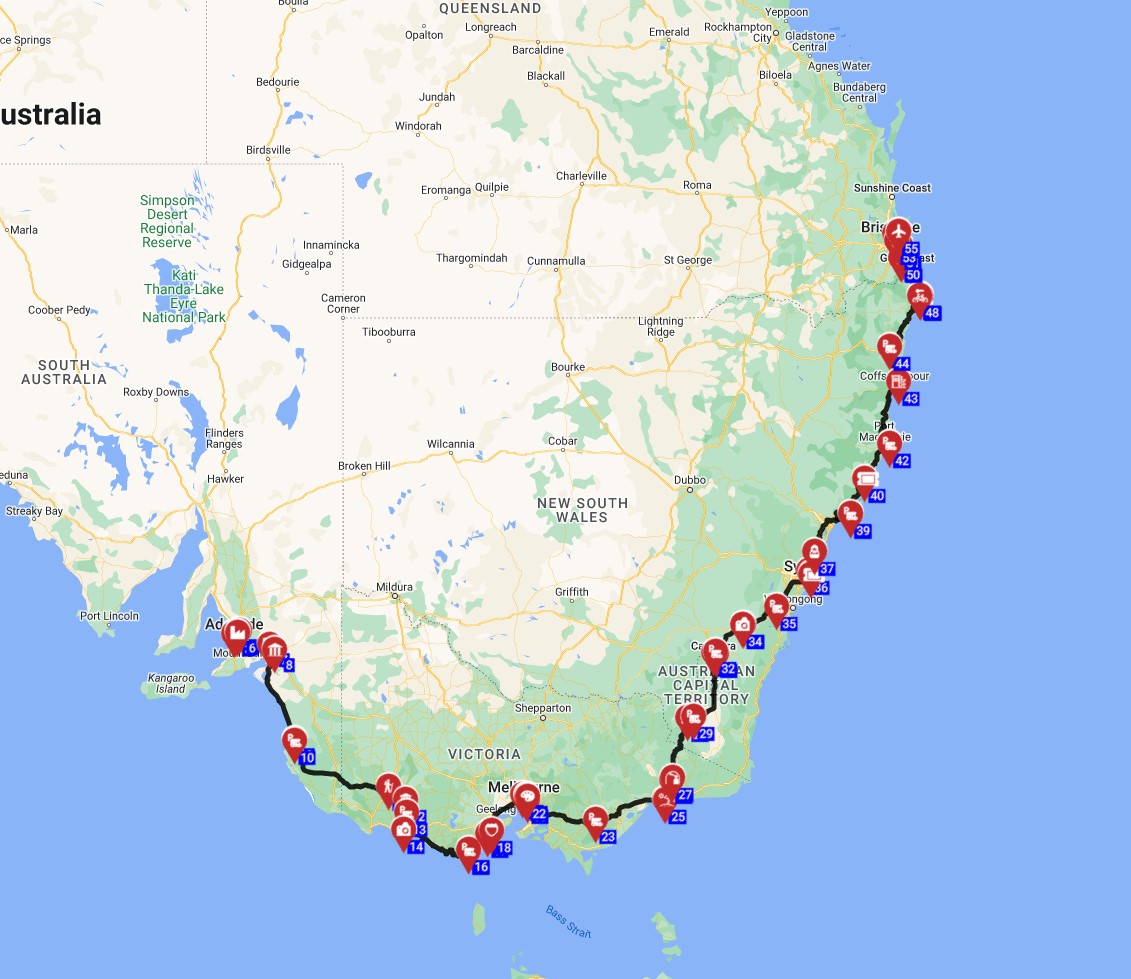
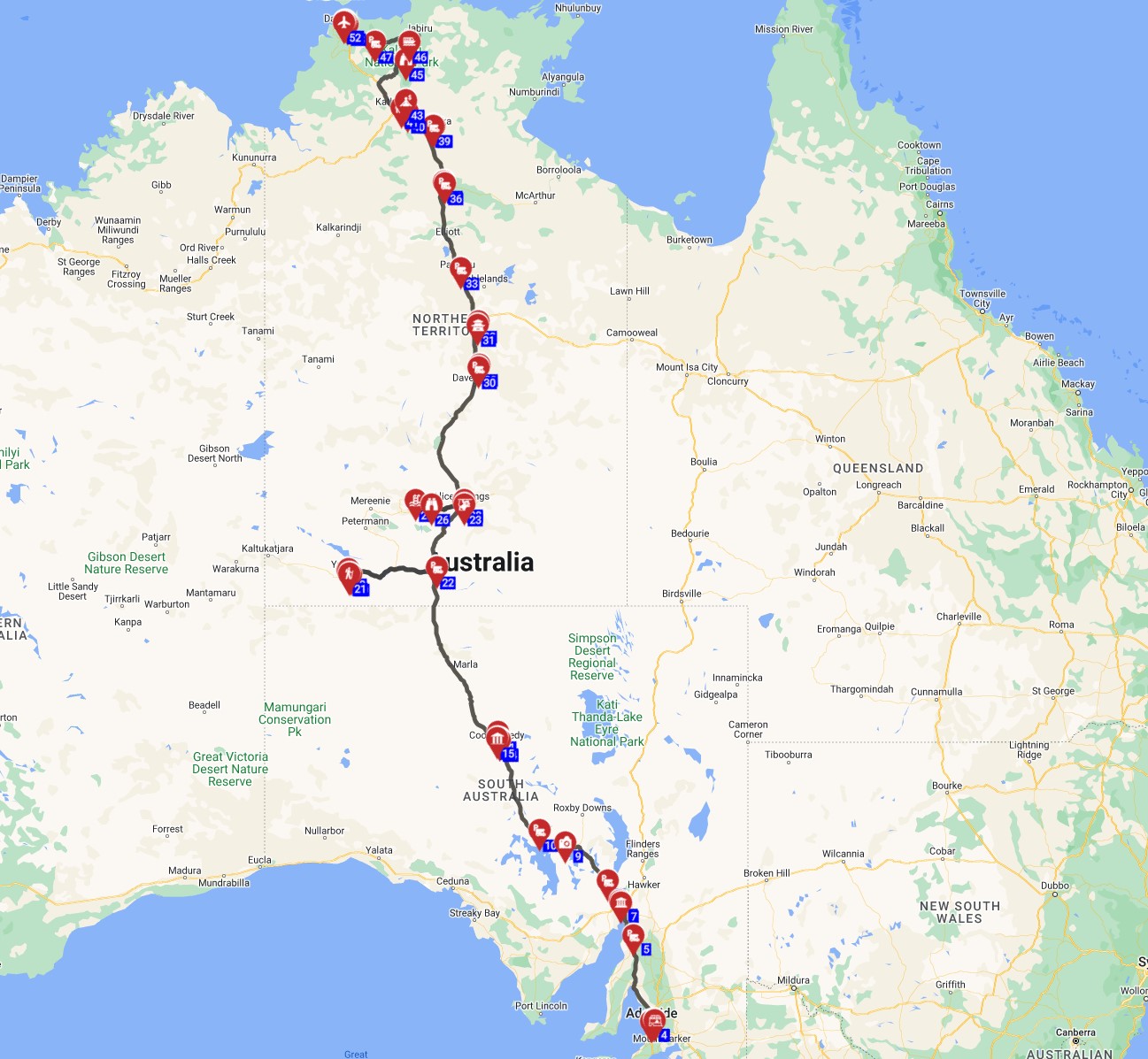
Class SI semi-integrated motorhomes, with an average length of 6.9 meters and accommodating around 3.8 sleeping places (3.4 adults), offer a balanced blend of comfort and maneuverability for Australian adventurers. With an average load capacity of 72.2 kg and typical fuel consumption of 10-11 Liters/100 km (from Bandana's global fleet averages), they are positioned as a versatile choice, often outperforming Class A in agility and Class C in modern design. These rented motorhomes are well-suited for couples or small families exploring a mix of major highways and well-maintained secondary roads, offering a comfortable living space without the bulk of larger integrated models. They are an excellent option for those looking to explore iconic routes such as the Melbourne to Darwin - Australia’s Heartline Road Trip, covering over 5,600 km and featuring a mix of wildlife, museums, and natural features.Class C (Alcove) - Best For
Class C alcove motorhomes, identifiable by the sleeping area extending over the driver's cab, are a family-friendly option in Australia, averaging 7.5 meters in length and providing ample sleeping for 5.8 people (4.4 adults). With an average load capacity of 42.4 kg and fuel consumption typically between 10-12 Liters/100 km (based on Bandana's global fleet averages), they offer a cost-efficient solution for families prioritizing extra sleeping capacity. Their robust build makes them suitable for Australia's extensive road network, providing comfort and practical amenities for group travel, often representing great value for money in the rental market. These vehicles, such as an example "cruise america rv rental example Explorer" model with 82 Liter fresh water tank and a 90 liter refrigerator, are excellent for families on an extended road trip.Class B (Campervan) - Best For
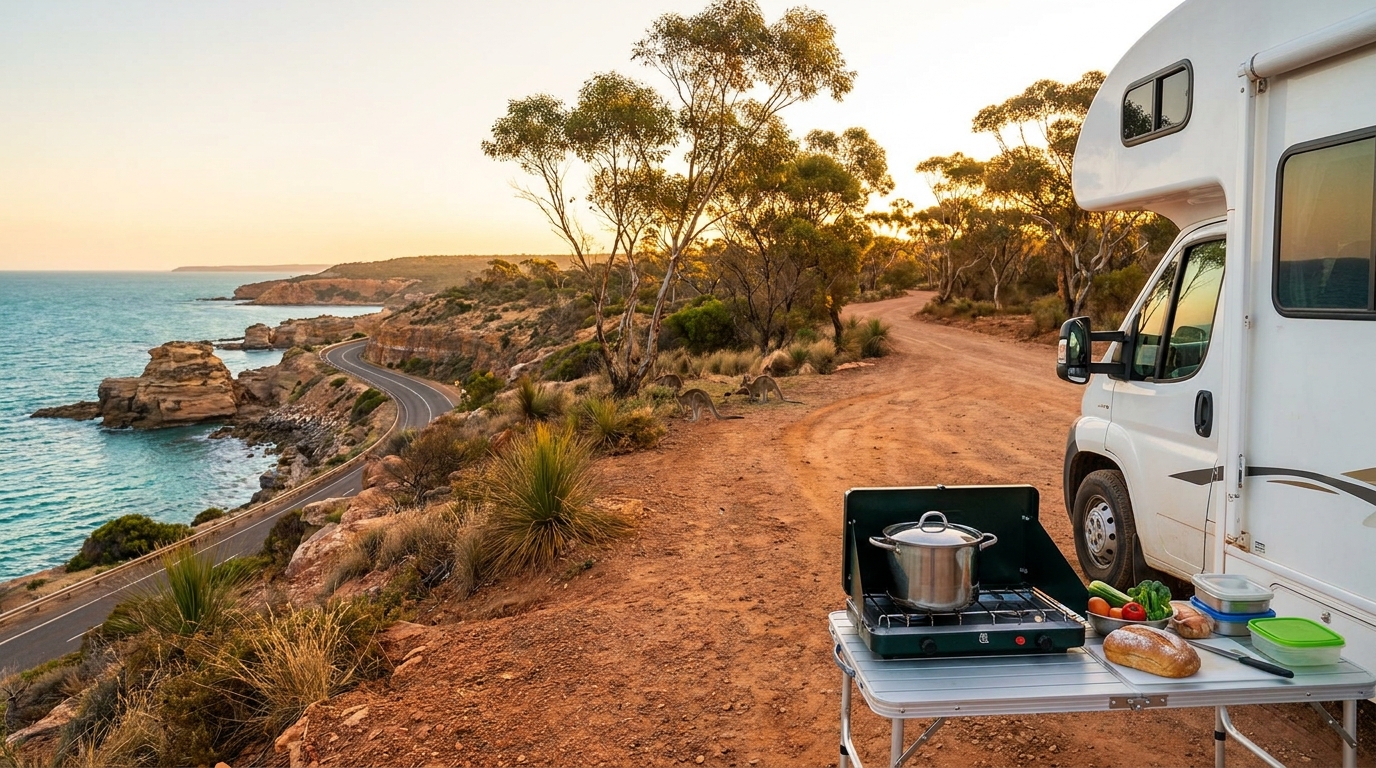
Class B campervans, averaging 5.8 meters in length and typically sleeping 3.2 people (2.7 adults), are renowned for their maneuverability and fuel economy, making them an excellent choice for agile travel across Australia. With an average load capacity of 37 kg and common fuel consumption of 8-10 Liters/100 km (from Bandana's global fleet averages), these compact RVs are ideal for solo travelers, couples, or small groups who prioritize ease of driving and access to smaller towns or national park campsites. They excel in scenarios where larger motorhomes might be restrictive, offering a more intimate connection with the destination and easier parking, though with less internal living space. For instance, a "rv rental denver example Category Van" offers front air conditioning, a shower, and toilet, making it ideal for a couple on the go.Class TC (Truck Camper) - Best For
Class TC truck campers, averaging 5.5 meters in length and designed for 2.4 sleeping places (2.1 adults), stand out as the ultimate off-grid and flexible option for tackling Australia's more rugged terrains. Mounted onto a 4WD pickup truck, these units offer superior ground clearance and off-road capability, with fuel consumption typically 12-17 Liters/100 km (from Bandana's global fleet averages). They are perfectly suited for adventurous renters aiming to explore national parks, remote beaches, or unsealed tracks where a traditional motorhome cannot go, offering the flexibility to detach the camper and use the truck for day trips. Consider a "Patagonia Camper 4x4 double cab" for its 4 Wheel Drive capability and suitability for couples exploring the remote outback.Side-by-Side Comparison Table
This table provides a quick overview of the key specifications for each RV family, helping you choose the best fit for your Australian adventure based on Bandana's global fleet averages.| Family | Avg Length (m) | Sleeps | Fuel Use (L/100km) | Best Use Case in Australia |
|---|---|---|---|---|
| Class A (Integrated) | 7.5 | 4.4 | 8-12 | Large groups, luxury, long-haul, sealed roads |
| Class SI (Semi-integrated) | 6.9 | 3.8 | 10-11 | Couples/small families, balanced comfort & agility, mixed roads |
| Class C (Alcove) | 7.5 | 5.8 | 10-12 | Families, cost-efficiency, reliable road travel |
| Class B (Campervan) | 5.8 | 3.2 | 8-10 | Solo/couples, maneuverability, fuel economy, easy parking |
| Class TC (Truck Camper) | 5.5 | 2.4 | 12-17 | Off-grid adventure, 4WD capability, remote exploration |
Our Recommendation for rv rental Travelers in Australia
For the majority of RV rental travelers in Australia seeking a blend of comfort and accessibility on diverse routes, the Class SI (Semi-integrated) motorhome is our primary recommendation. Averaging 6.9 meters, it offers enough space for couples or small families with good amenities, while remaining manageable on both major highways and well-maintained regional roads, proving more fuel-efficient and easier to park than larger Class A or C models. As a strong runner-up, especially for those prioritizing true adventure and access to remote areas, the Class TC (Truck Camper) is an excellent choice. Its 4WD capability and compact footprint allow it to venture where others cannot, unlocking unique Australian experiences, though with less internal living space. We always recommend to travel slowly, max 100-150 km per day on average, to truly take time to feel the place, connect to the culture, the food, and the scenery.What is the best RV rental company?
Determining the 'best' RV rental company in Australia depends on individual traveler priorities such as budget, vehicle type preference, service inclusions, and pick-up/drop-off locations. Major national operators like Apollo, Maui, Britz, and Jucy are popular, but specialized platforms like Bandana allow direct comparison of fleets from various providers, often including smaller local operators, to find the best fit for specific needs and ensure competitive pricing. Considering factors like comprehensive insurance options, the ability to upgrade to a top-level deductible for extra peace of mind, and transparent pricing without hidden fees is crucial for a reliable rental experience. Bandana provides true RV specialists, not just a travel agency side department, ensuring expert advice for your booking journey.How much does it cost to rent an RV in Australia?
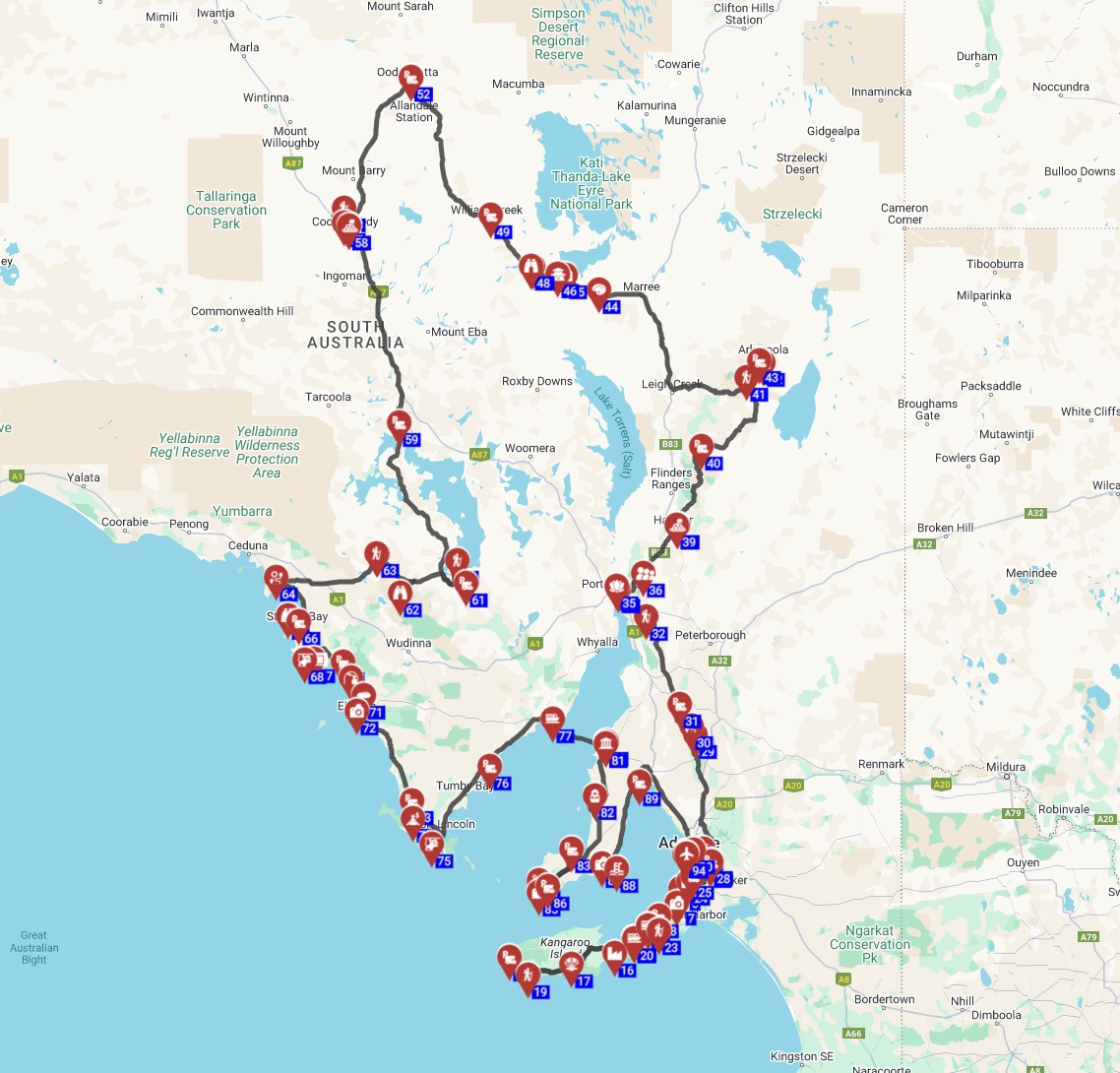
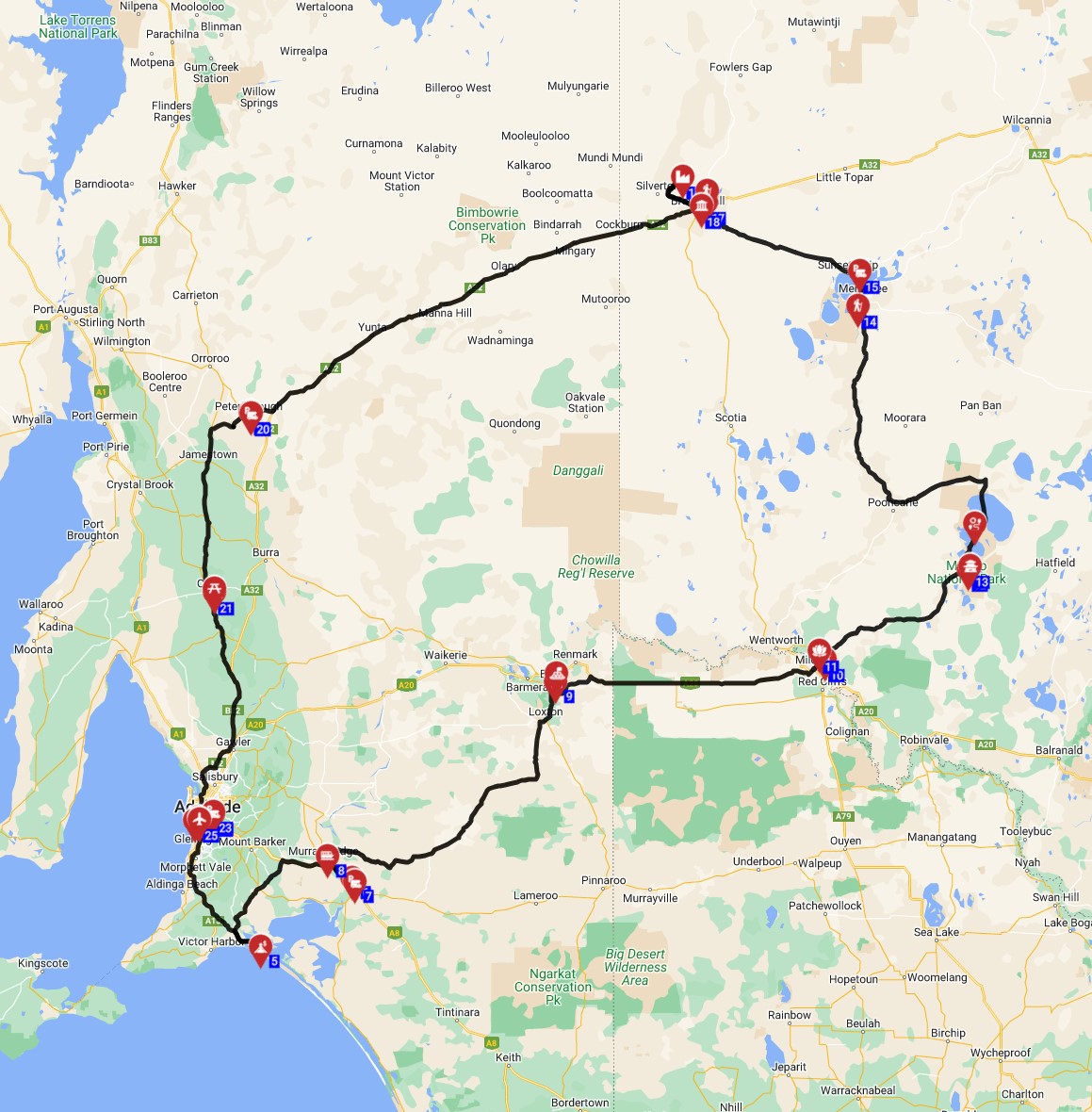
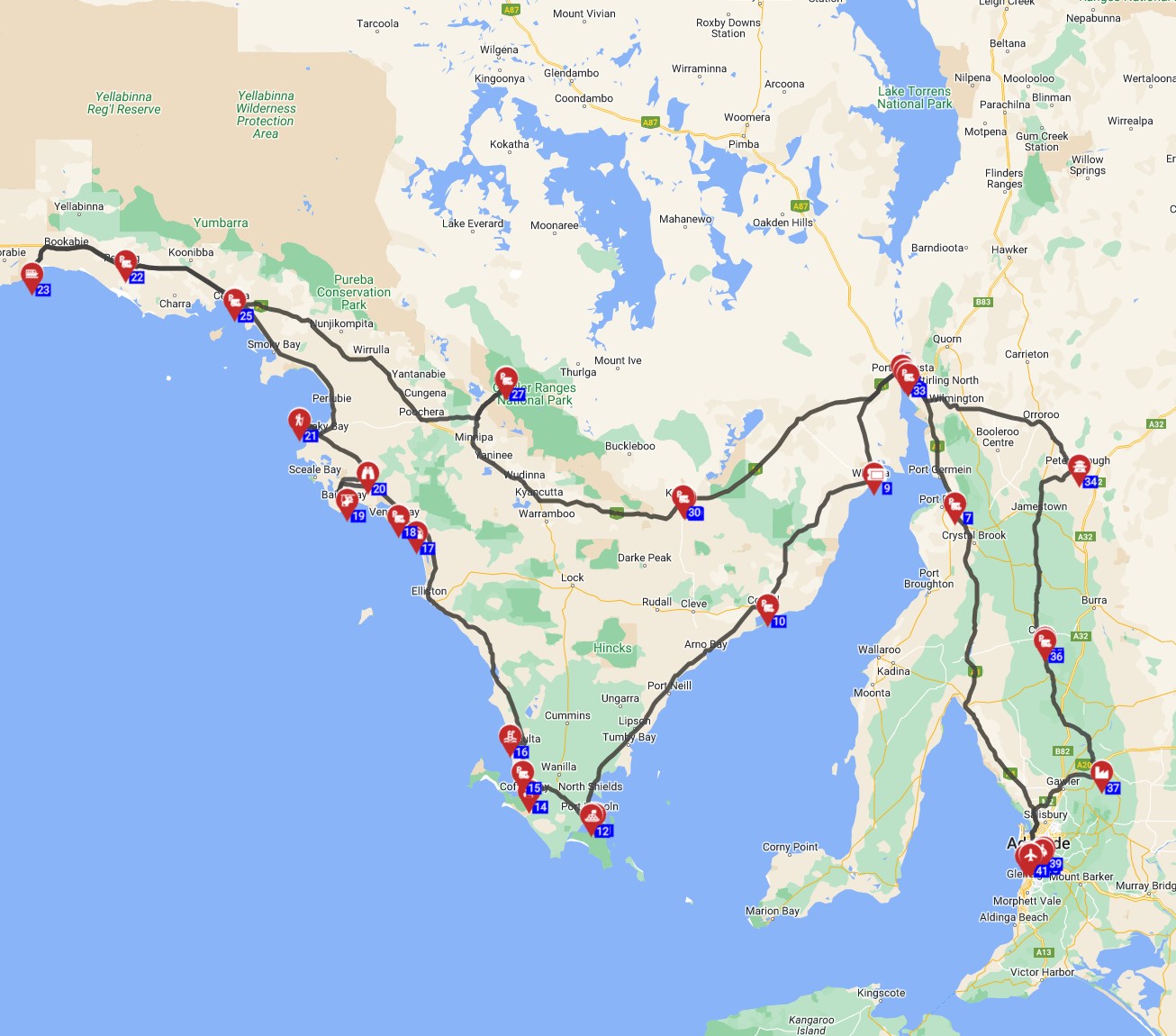
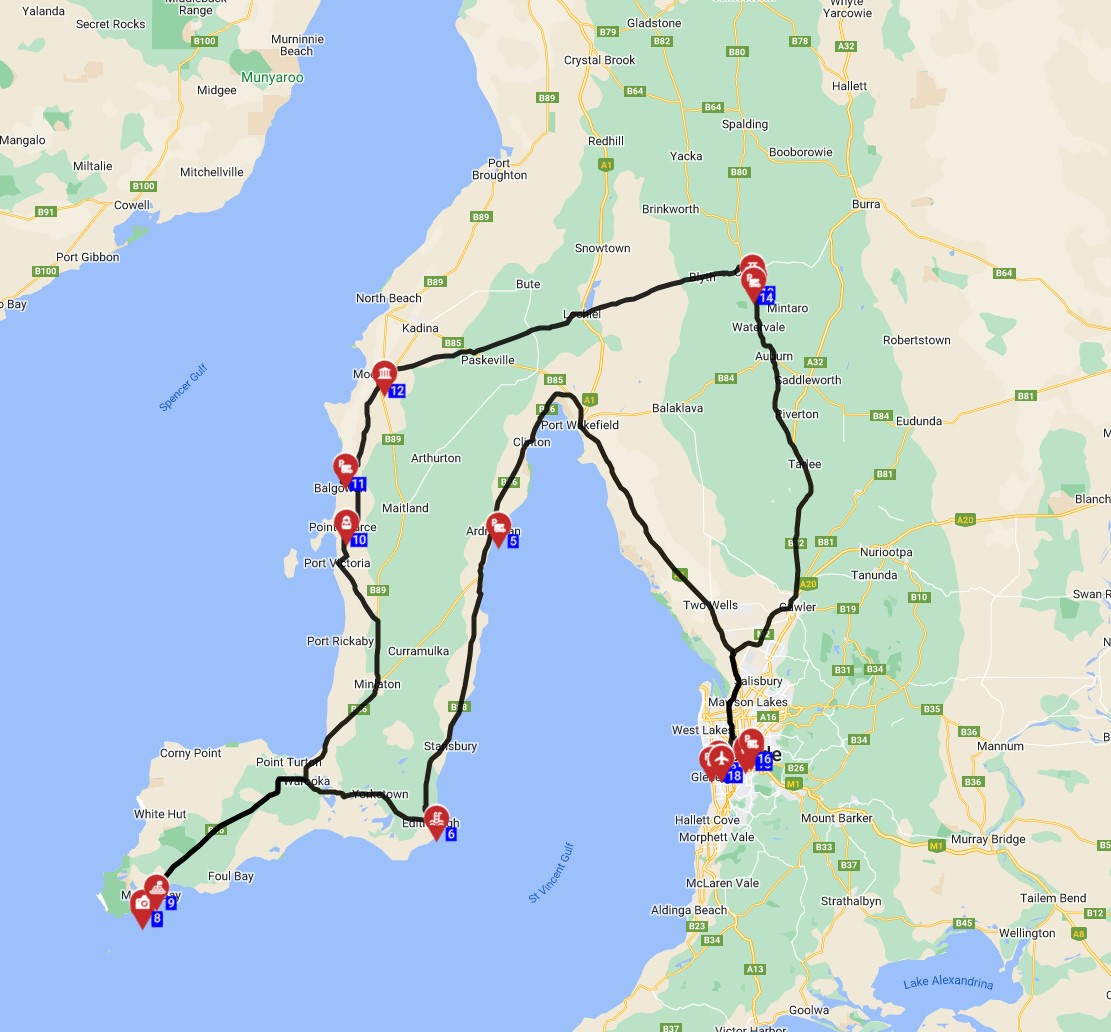
The cost to rent an RV in Australia varies significantly based on factors like RV class, rental duration, time of year, pick-up location, and included extras, typically ranging from AUD $100 to $400+ per day, but comprehensive budgeting should also account for additional expenses beyond the daily rate. These additional costs include fuel (a major expense given Australia's vast distances and 8-17 L/100km consumption), national park entry permits (which vary by state), campground fees (ranging from free basic sites to AUD $50+ for powered sites), food provisioning (especially for remote areas), and an emergency fund for unexpected events. For finding campsites and campgrounds during your trip, we recommend using RV PLANET (rvplan.net) - a great resource for locating available spots along your route, and their routes can help you itemize and track every expense along the way for easy budgeting. Booking well in advance, particularly for peak seasons like Australian summer (December-February) or school holidays, can often secure better rates, and exploring one-way rental deals might also offer savings on specific routes. RV PLANET routesWhat is the difference between Maui and Apollo?
Maui and Apollo are both prominent RV rental brands in Australia, owned by the same parent company, THL (Tourism Holdings Limited), but they cater to slightly different market segments primarily through the age and luxury level of their vehicle fleets. Maui generally offers newer, more premium, and often more luxurious motorhomes and campervans, typically under two years old, appealing to travelers seeking higher comfort and modern amenities. Apollo, on the other hand, typically provides a wider range of vehicles, including slightly older models (often up to five years old or more), which tend to be more budget-friendly and cater to a broader audience looking for good value without compromising on essential functionality. When considering suppliers, Bandana offers full transparency, ensuring no hidden fees or surprises at pickup.What is the best RV in Australia?
The 'best' RV in Australia is highly subjective and depends entirely on the traveler's specific trip requirements, including the intended terrain, group size, budget, and desired comfort level. For luxury and space on sealed roads, a Class A (Integrated) or a newer Class SI (Semi-integrated) might be ideal, while families often prefer the extra sleeping of a Class C (Alcove); adventurous explorers tackling unsealed tracks would find a Class TC (Truck Camper) with 4WD capability superior. When choosing, consider the balance between vehicle size and maneuverability for your planned itinerary, fuel efficiency for long distances, and the amenities crucial for your comfort (e.g., shower, toilet, kitchen facilities), alongside local regulations for camping in different regions. To ensure you find the best vehicle, explore options and pricing for a Campervan rental in Australia.What is the most reliable brand of motorhome in Australia?
Identifying the single 'most reliable' brand of motorhome in Australia can be challenging as reliability often comes down to individual vehicle maintenance and the specific model year, but major rental fleets frequently use robust chassis from brands like Mercedes-Benz, Fiat (Ducato chassis), and Volkswagen (Crafter/Transporter) due to their widespread service networks and strong engineering. For renters, reliability is also heavily influenced by the rental company's maintenance schedule and roadside assistance, making it essential to choose a reputable provider that offers pre-booking comparison, booking support, and post-booking coordination. Bandana partners with 50+ leading RV suppliers worldwide, including trusted names like El Monte, Cruise America, Apollo, and Britz, all known for their well-maintained fleets.What is the 333 rule for campervan?
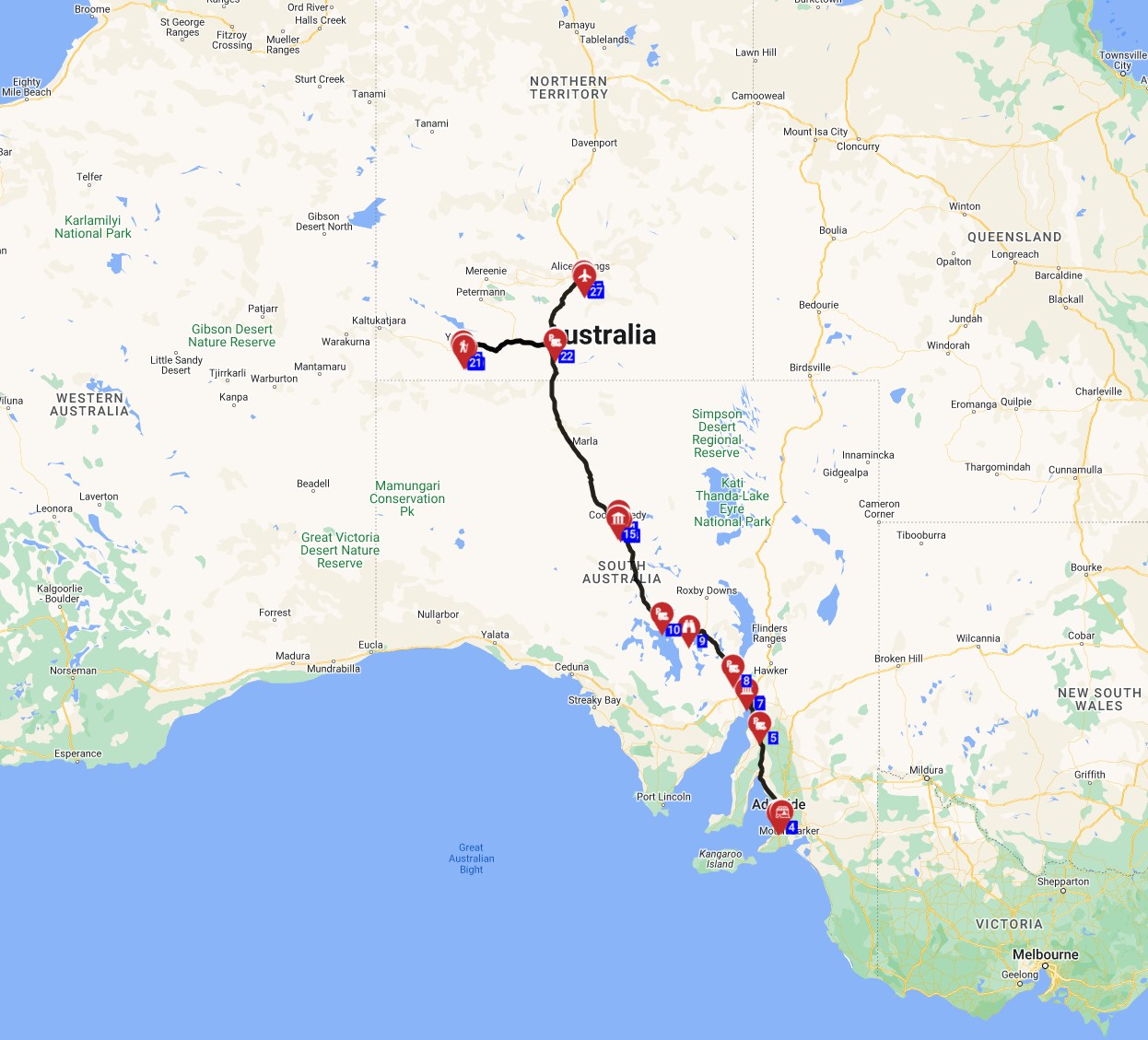
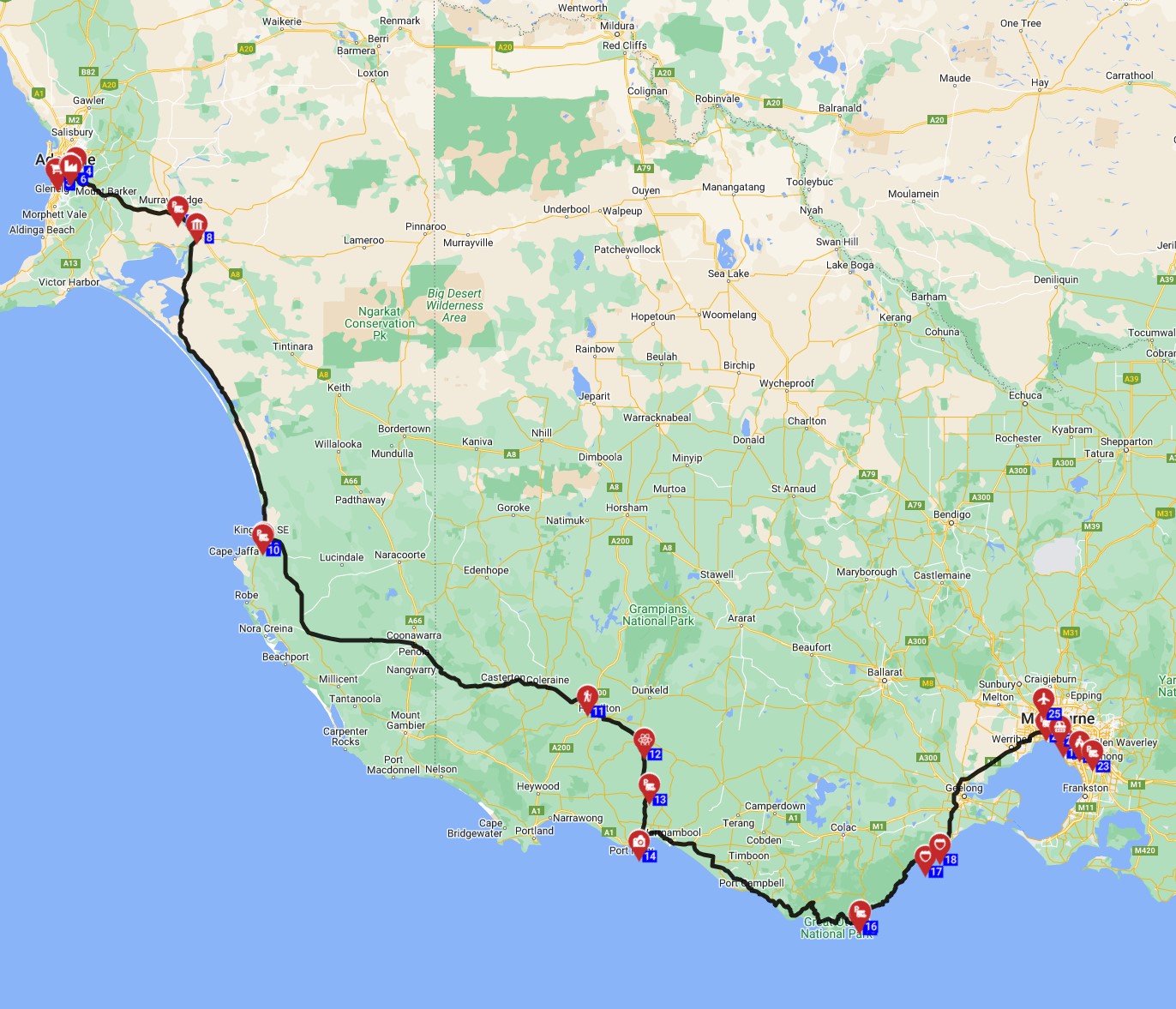
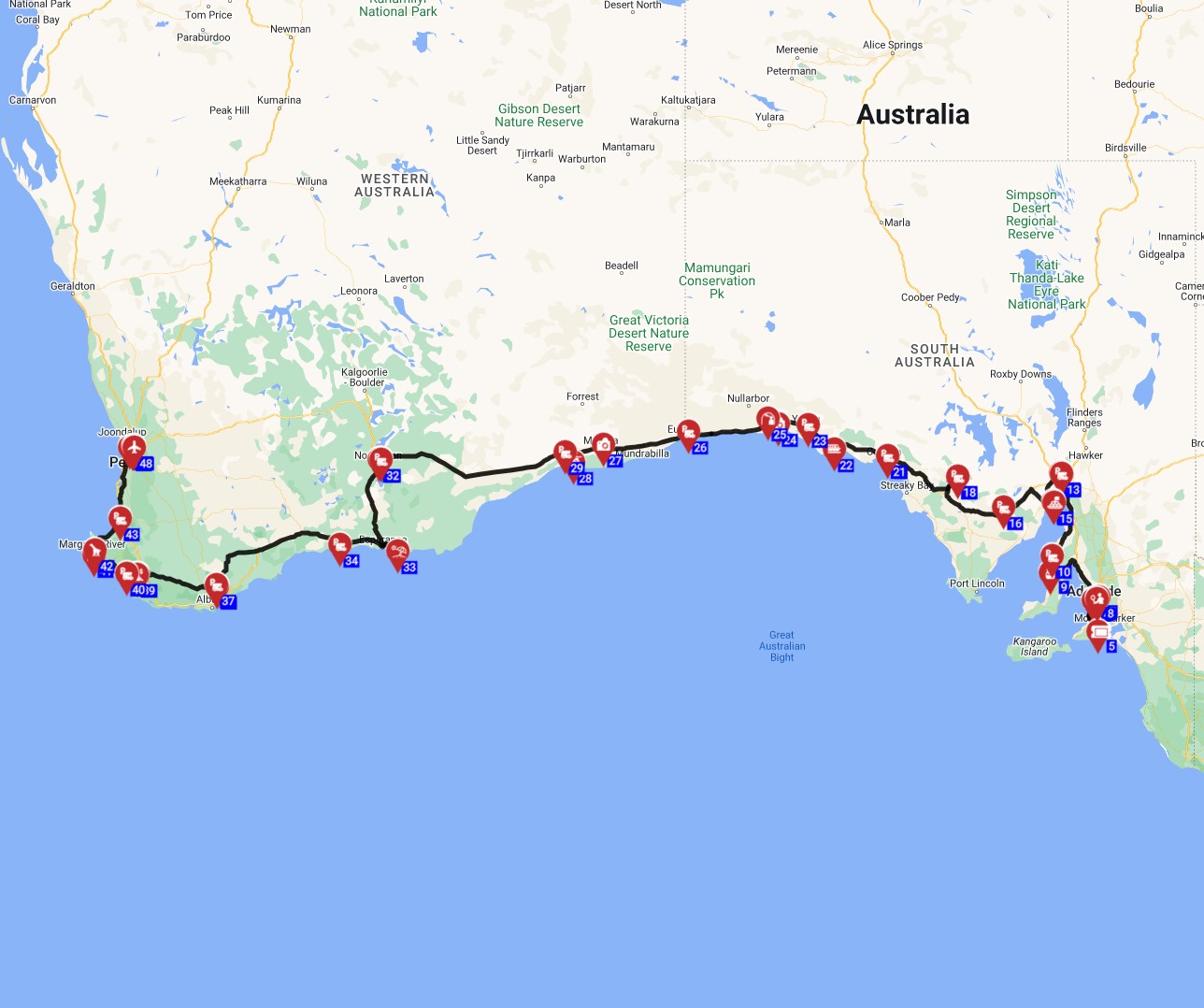
The '333 rule' for campervan travel is an informal guideline often recommended for long-distance road trips, suggesting travelers should aim to drive no more than 300 kilometers per day, stop for at least 3 days in each major location, and stay at least 3 months in Australia for extended exploration. While not a legal regulation, this rule promotes a slower, more immersive, and safer travel pace, preventing driver fatigue, allowing ample time to explore regions in depth, and providing a realistic expectation for experiencing Australia's vastness. Adhering to similar principles can enhance safety, especially in remote areas, by allowing for better planning, rest, and awareness of local conditions, including specific waste disposal and fire restrictions. This philosophy aligns with our recommendation to travel slowly, averaging max 100-150 km per day, to truly connect with the country. For example, the Perth to Alice Springs - The Dreamtime Highway: A Journey Through Australia's Heart route plan, spanning 21 days and 5,447 km, naturally encourages this pace, integrating 5 points of interest and 3 tourist attractions.What is the most affordable RV to buy?
While this article focuses on RV rentals in Australia for vacation travel, generally, the most affordable RVs to buy are older, pre-owned Class B campervans or small pop-top caravans, which typically have lower upfront costs, maintenance, and fuel consumption compared to larger motorhomes. For those considering purchasing versus renting for a short trip to Australia, it's almost always more economical to rent, as buying incurs significant upfront costs, registration, insurance, storage, and depreciation. Bandana caters exclusively to RV rental travelers, making it easy to find an RV rental for Australia that fits your budget and travel style without the commitments of ownership.What is the best value for money caravan in Australia?
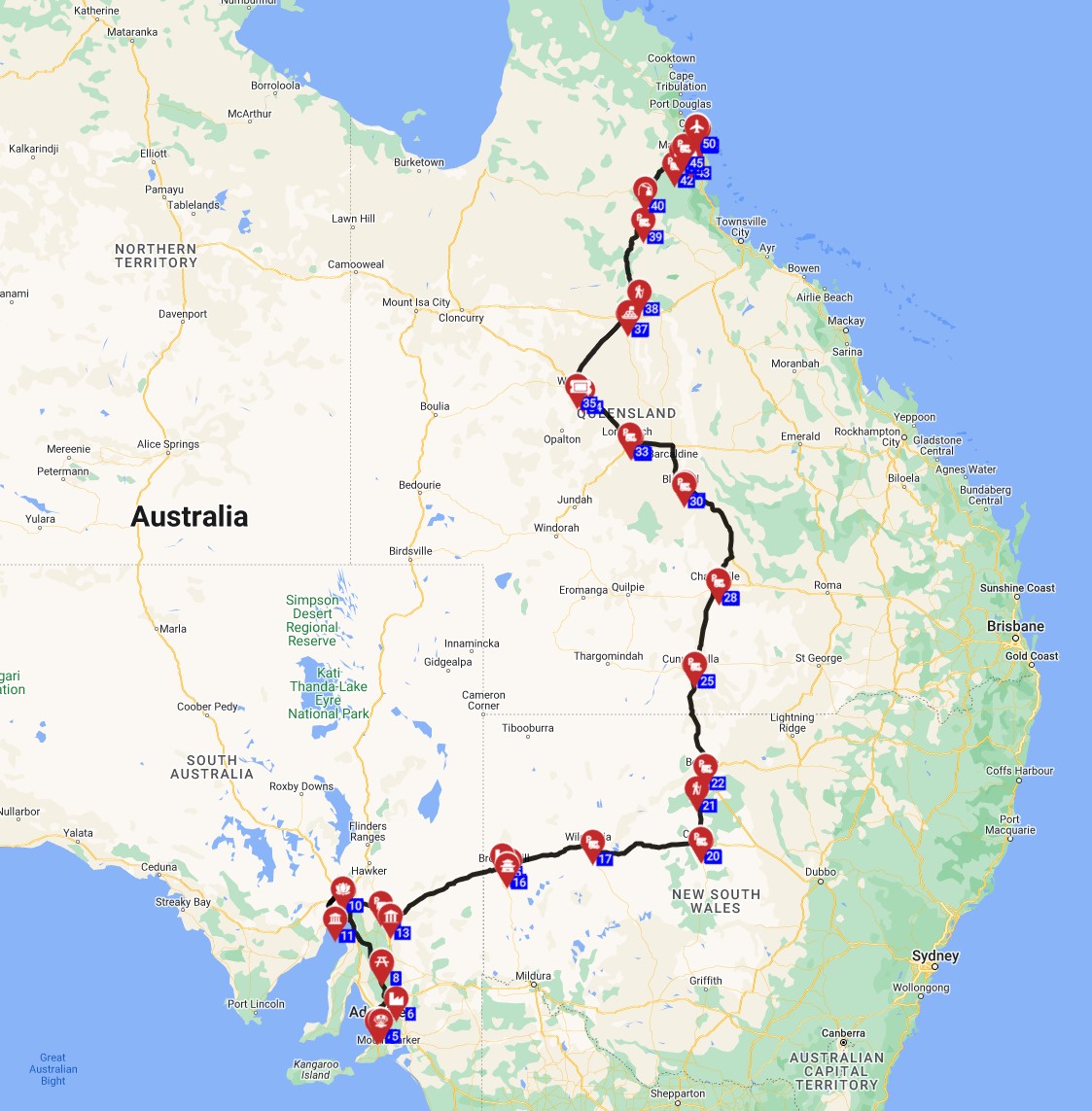
For those seeking the best value for money in a caravan in Australia (distinct from self-contained motorhome and campervan rentals which Bandana offers), options vary widely, but typically involve mid-range semi-off-road or touring caravans from reputable manufacturers that offer a balance of features, durability, and resale value. This article primarily focuses on motorhome and campervan rentals; however, when considering 'value for money' for a rental trip, Class B campervans and smaller Class C alcove motorhomes often provide the best balance of rental cost, fuel efficiency, and amenities for many travelers exploring Australia. Our RV PLANET (rvplan.net) resources can help you plan an itinerary that maximizes value, like the Cairns to Alice Springs - Northern Horizons: A Journey Through Australia's Heartland route plan, which covers over 4,000 km in 17 days, offering a deep dive into natural features and tourist attractions without rushing.What You Shouldn't Miss
- **Uluru-Kata Tjuta National Park:** Witness the awe-inspiring sunrise and sunset over Uluru, a truly spiritual experience in Australia's Red Centre. Consider staying at the Ayers Rock Campground, offering powered sites for your rented RV.
- **Great Ocean Road Drive:** Embark on one of the world's most scenic coastal drives in Victoria, taking in the Twelve Apostles, lush rainforests, and charming seaside towns. Allow at least 3-4 days to fully appreciate this 243-kilometer route.
- **Explore the Daintree Rainforest:** Venture into the ancient Daintree Rainforest in Queensland, the oldest tropical rainforest on Earth. Look for cassowaries and explore boardwalks, remembering that many roads here are sealed and suitable for 2WD motorhomes.
- **Snorkel the Great Barrier Reef:** Take a day trip from Cairns or Port Douglas to experience the vibrant underwater world of the Great Barrier Reef, a UNESCO World Heritage site and home to thousands of marine species.
- **Sydney's Iconic Landmarks:** Park your RV at a nearby campground and explore the Sydney Opera House, Sydney Harbour Bridge, and Bondi Beach. Drive slowly and carefully, and you can drive almost anywhere without issues, just use common sense and pay attention.
- **Tasmanian Wilderness:** Discover the pristine beauty of Tasmania with its rugged mountains, wild coastlines, and unique wildlife. This island offers numerous national parks, many with RV-friendly campsites, though some remote areas may require a smaller campervan.
Looking for expert insights from Avi Bandana? Top 5 Adventures - recommendations from Avi Bandana
Final Thoughts
An RV rental adventure in Australia promises an unforgettable experience, allowing you to traverse stunning landscapes at your own pace. Whether you dream of coastal cruises in a nimble campervan or a family expedition across the vast interior in a spacious motorhome, the perfect vehicle awaits. Remember to plan thoughtfully, but also embrace the flexibility that a rented mobile home offers; sometimes the best discoveries are made off the planned path. With Bandana RV, you're not just booking a vehicle; you're gaining a supportive partner dedicated to making your journey seamless. We’re here before, during, and after your booking to ensure you have all the information and assistance you need for a truly incredible Australian road trip. So, pack your bags, choose your ideal RV, and get ready to create memories that will last a lifetime. Discover top destinations, planning tips, all in one place!On the routes offered through RV PLANET routes, you can itemize and track every expense along the way for easy budgeting.