In This Guide
- The 5 RV Families Compared for West Canada
- Class A (Integrated) - Best For
- Price Comparison by RV Class in West Canada
- Class SI (Semi-Integrated) - Best For
- Class C (Alcove) - Best For
- Class B (Campervan) - Best For
- Class TC (Truck Camper) - Best For
- Side-by-Side Comparison Table
- Our Recommendation for RV Rental Travelers in West Canada
- What is the best time to rent an RV in Western Canada?
- How much does it cost to rent an RV in Canada for a week?
- What documents do I need to rent an RV in Canada?
- Is it hard to drive an RV in Canadian Rockies?
- Where can I park an RV for free in Canada?
- What are the rules for pets in Canadian National Parks RVs?
- How do you get internet on an RV in Canada?
- What are some hidden gems for RV travel in Western Canada?
- How can I practice responsible RV travel in Western Canada?
Exploring the majestic landscapes of West Canada in a rented motorhome or campervan is an adventure of a lifetime, offering unparalleled freedom and flexibility. Whether you dream of tracing the dramatic coastline, venturing deep into the Rocky Mountains, or discovering charming towns, choosing the right RV is your first step. For live availability and current prices, start with our RV Rental West Canada - Complete Guide 2026 guide.
At Bandana Caravan, we specialize in helping travelers like you find the perfect mobile home for your journey, providing transparent pricing with no hidden fees and dedicated support. Our extensive network of over 50 leading RV suppliers worldwide, including trusted names like El Monte and Cruise America, ensures you have a wide array of vehicles to compare and book in West Canada. We've been helping tens of thousands of travelers explore the world by RV since 2001.
The 5 RV Families Compared for West Canada
Choosing the right RV family for a West Canada adventure depends on factors like your group size, desired comfort level, budget, and the specific terrain you plan to explore. The region's diverse landscapes, ranging from challenging mountain passes to vast coastal highways, make your RV's size and maneuverability critical considerations for a smooth trip. Your choice of a rented motorhome or campervan will significantly impact your fuel efficiency, access to certain campgrounds, and overall flexibility as you travel through West Canada.
At Bandana, we understand that finding the perfect RV rental can feel overwhelming, which is why we offer full transparency on all vehicle details and costs. We’re true RV specialists, not just a side department of a travel agency. We know our vehicles and our destinations, ensuring you find a mobile home that truly fits your travel style and itinerary, whether you're embarking on a two-week adventure or a longer exploration.
Class A (Integrated) - Best For
Class A integrated motorhomes, typically averaging 7.5 meters in length according to Bandana's fleet data, are best for larger families or groups (often 4-7 people) seeking maximum comfort, space, and extensive amenities on longer trips in West Canada. With an average of 4.4 sleeping places and a load capacity of 209.5 kg, these RVs offer a luxurious "home-away-from-home" experience, featuring full kitchens, spacious bathrooms, and often multiple living areas. While providing ample space, their larger size and higher fuel consumption, averaging 8-12 Liters/100 km, can make navigating narrow mountain roads and securing larger campsites in popular national parks like Banff more challenging. However, for those prioritizing spacious living and comprehensive facilities, a Class A rented motorhome provides an unparalleled experience.
Price Comparison by RV Class in West Canada
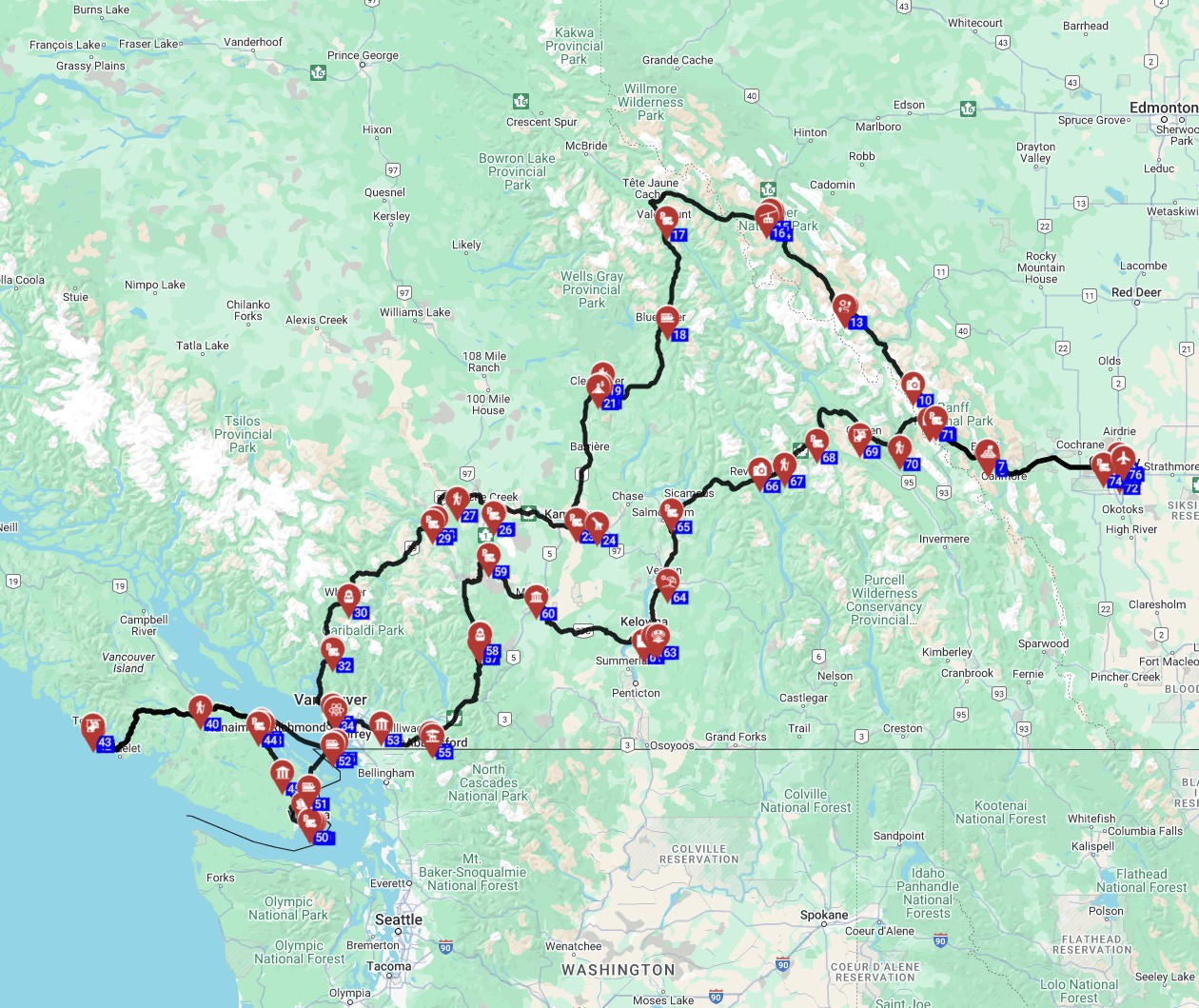
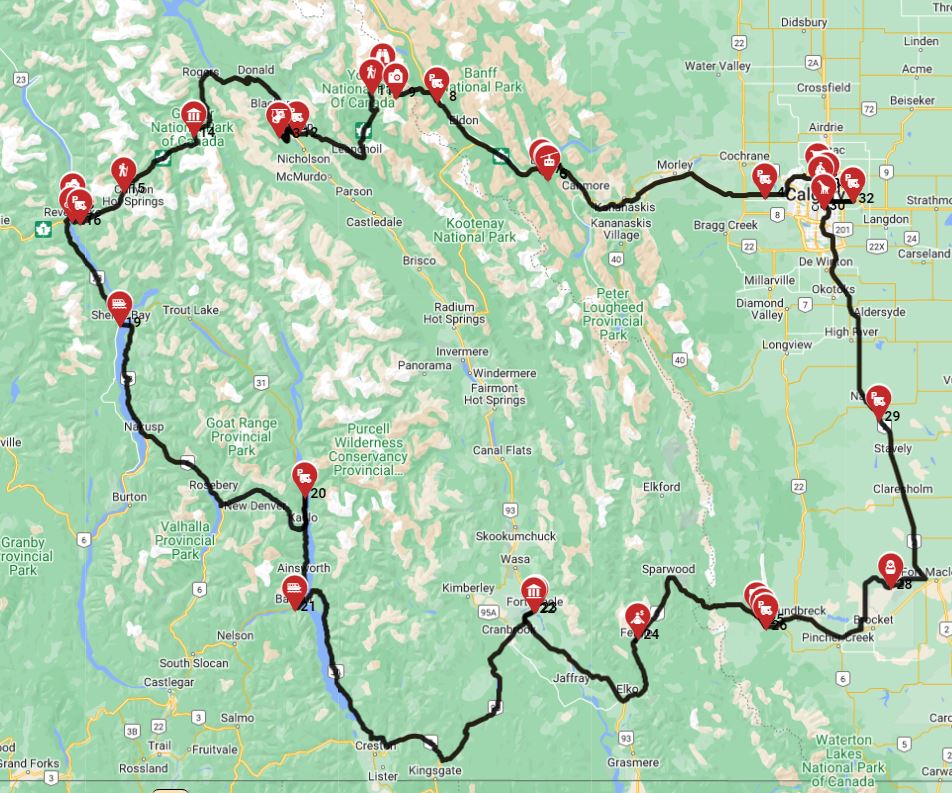
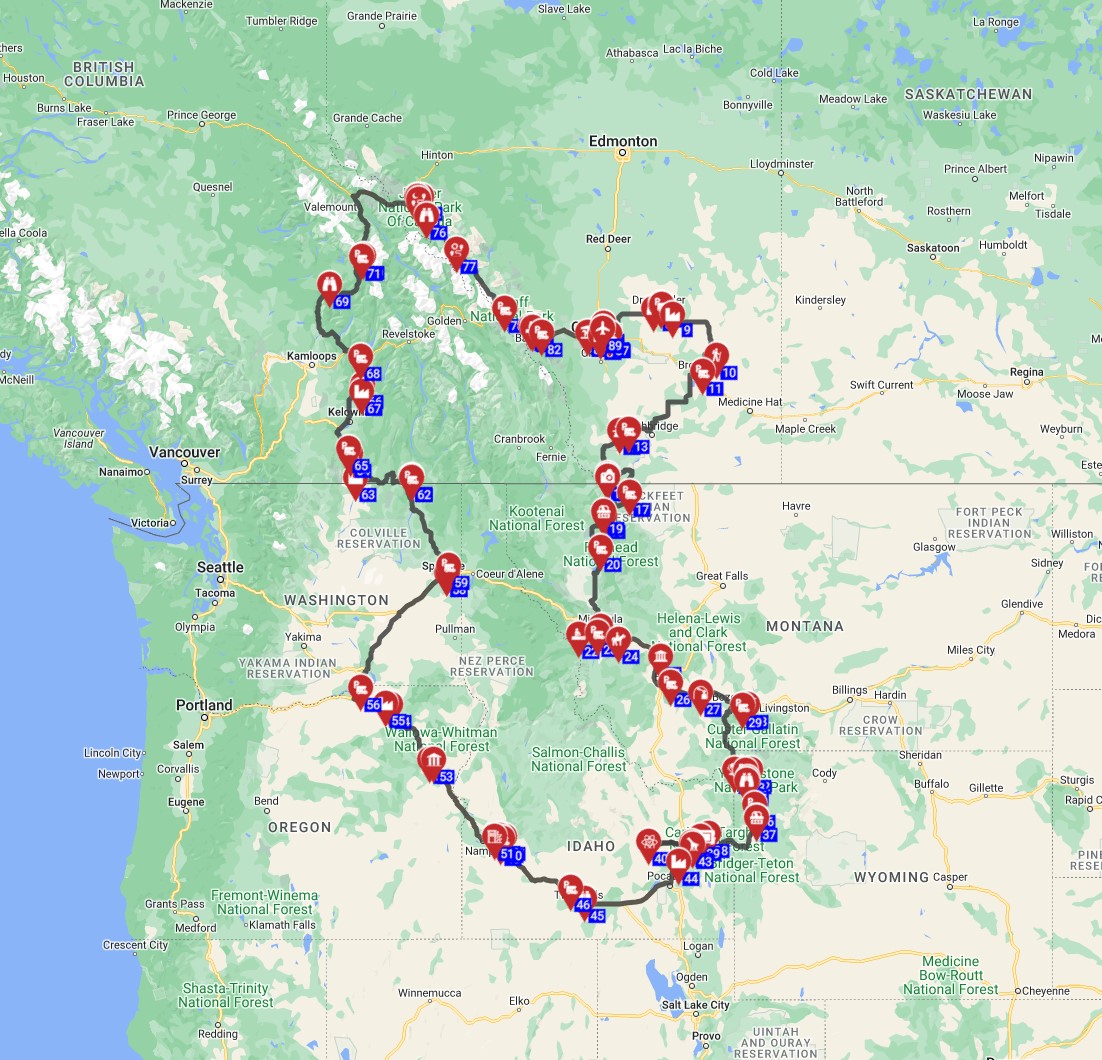
RV rental prices in West Canada are dynamic, fluctuating daily based on demand, season, booking lead time, and the specific class of vehicle you choose. Because pricing is a flex-rate system, the table below provides real example prices from Bandana's live search, offering an indicative range for different RV types and typical trip durations. Remember that these prices update continuously; for the most accurate and current figures, please use our comparison tool for your specific dates. For detailed insights into budgeting your RV trip, including ancillary costs like fuel and campground fees, explore the RV PLANET routes where you can itemize and track every expense. On the routes offered through RV PLANET routes, you can itemize and track every expense along the way for easy budgeting.
| RV Class | Average Daily Rate (Low Season) | Average Daily Rate (Shoulder Season) | Average Daily Rate (Peak Season) | Typical Passengers |
|---|---|---|---|---|
| Class B (Campervan) | CAD $80 - $150 | CAD $120 - $200 | CAD $180 - $300 | 2-3 |
| Class SI (Semi-Integrated) | CAD $100 - $180 | CAD $150 - $250 | CAD $220 - $380 | 2-4 |
| Class C (Alcove) | CAD $110 - $220 | CAD $180 - $300 | CAD $250 - $450 | 4-6 |
| Class A (Integrated) | CAD $180 - $300 | CAD $250 - $450 | CAD $350 - $600+ | 4-7 |
| Class TC (Truck Camper) | CAD $90 - $160 | CAD $140 - $220 | CAD $200 - $320 | 2-4 |
For more specific pricing on longer journeys, explore our "Weekly RV Rental in West Canada - Pricing 2026" guide.
Class SI (Semi-Integrated) - Best For
Class SI semi-integrated motorhomes are ideal for couples or small families in West Canada, offering a balanced blend of comfort, maneuverability, and fuel efficiency. Bandana's fleet data typically shows these RVs averaging 6.9 meters in length with 3.8 sleeping places and 72.2 kg of load capacity, positioning them as a versatile choice for varied terrains. They generally outperform larger Class A models in ease of driving and fuel economy, consuming around 10-11 Liters/100 km, while still providing more amenities and living space than a Class B campervan. This makes them an excellent option for exploring both bustling cities and tranquil national parks without feeling cumbersome. If you're comparing "Luxury RV Rental in West Canada - Premium Prices 2026", you'll find many premium semi-integrated models offer a great balance of features and cost.
Class C (Alcove) - Best For
Class C alcove motorhomes are perfectly suited for families or larger groups exploring West Canada, thanks to their efficient design and generous sleeping capacity. Averaging 7.5 meters in length with an impressive 5.8 sleeping places (and 4.4 adult capacity) from Bandana's global fleet data, they provide extra beds in the cab-over alcove, making them a cost-effective choice for multi-person trips. Their robust build and familiar truck chassis make them comfortable to drive on various West Canada roads, from major highways to provincial park routes, with fuel consumption typically around 10-12 Liters/100 km. With a rented Class C motorhome, cooking meals like a hearty breakfast or simple dinner is easy thanks to well-equipped kitchens, making these RV-friendly recipes playlist incredibly useful.
Class B (Campervan) - Best For
Class B campervans are the top choice for solo adventurers, couples, or small groups prioritizing maneuverability, fuel economy, and the flexibility for stealth camping in West Canada. With an average length of 5.8 meters and sleeping 3.2 people (2.7 adults) according to Bandana's fleet data, these compact RVs are easy to drive and park, navigating city streets and tight campsites with ease. Their excellent fuel efficiency, around 8-10 Liters/100 km, and ability to blend in make them ideal for exploring both remote natural areas and urban centers without the bulk of larger motorhomes. If you're interested in finding "RV Rental Deals in West Canada - Latest Offers 2026", you'll often find great options in the campervan category for budget-conscious travelers.
Class TC (Truck Camper) - Best For
Class TC truck campers offer unparalleled flexibility for adventurers looking to explore West Canada's more remote and rugged terrain, functioning as a detachable, off-road capable option. Typically averaging 5.5 meters in length and sleeping around 2.4 people (2.1 adults) from Bandana's fleet data, they combine the agility of a pickup truck with basic living amenities. These are best for couples or solo travelers seeking off-grid experiences and access to unpaved roads where larger RVs might struggle. While their fuel consumption can be higher, ranging from 12-17 Liters/100 km, their go-anywhere capability makes them a fantastic choice for intrepid exploration. You won't find these at every supplier, but we work with a variety of partners who offer these unique rentals.
Side-by-Side Comparison Table
This table provides a quick overview of the key specifications for each RV family to help you make an informed decision for your West Canada adventure. Average lengths, sleeping capacities, and fuel efficiencies are based on Bandana's global fleet data, offering a general guideline for typical models available for rent. Consider your group size, luggage requirements, desired level of comfort, and planned travel routes when evaluating these differences to select the ideal rented motorhome or campervan.
| RV Class | Average Length | Sleeping Capacity (Adults) | Fuel Consumption (L/100 km) | Ideal For |
|---|---|---|---|---|
| Class A (Integrated) | 7.5 m | 4-7 | 8-12 | Large groups, luxury, long trips |
| Class SI (Semi-Integrated) | 6.9 m | 2-4 | 10-11 | Couples/small families, balanced comfort |
| Class C (Alcove) | 7.5 m | 4-6 | 10-12 | Families, groups, good amenities |
| Class B (Campervan) | 5.8 m | 2-3 | 8-10 | Solo/couples, maneuverability, budget |
| Class TC (Truck Camper) | 5.5 m | 2-4 | 12-17 | Off-grid adventure, rugged terrain |
Our Recommendation for RV Rental Travelers in West Canada
For most RV rental travelers in West Canada, especially families or small groups seeking a balance of comfort, space, and drivability, the **Class C (Alcove) motorhome** is our top recommendation. Its ample sleeping capacity, averaging 5.8 people, and familiar driving feel make it well-suited for navigating both major highways and provincial park roads, offering a great 'home base' for exploration. Many Class C models from our direct partners like Cruise America offer excellent features for families, often including generators and comfortable dining areas. A strong runner-up, particularly for couples or solo adventurers prioritizing maneuverability and access to more secluded spots, is the **Class B (Campervan)**, offering excellent fuel economy and ease of parking. These smaller units are fantastic for exploring cities like Vancouver and Calgary without stress. Remember, you can drive slowly and carefully, and you can drive almost anywhere without issues. No need to stress - just use common sense and pay attention.
What is the best time to rent an RV in Western Canada?
The best time to rent an RV in Western Canada is typically during the shoulder seasons—late May to early June and September to early October—for a balance of good weather, fewer crowds, and often lower rental rates, providing an ideal window for "RV Rental in West Canada - Prices and Best Deals 2026". Summer, specifically July and August, offers the warmest temperatures and full access to all attractions and campgrounds, including those in Banff National Park, but expect peak prices, significant crowds, and the necessity of booking everything well in advance. Off-season travel, from November to April, can provide unique winter experiences like skiing, but requires careful planning for potential road closures, limited services, and specialized winterized RVs, primarily suitable for more experienced cold-weather adventurers. For spontaneous travelers, many national and state parks reserve 25-30% of spots for first-come-first-serve, so you'll often find a spot. If not at the first campground, then the next one; just call ahead before driving.
How much does it cost to rent an RV in Canada for a week?
The cost to rent an RV in Canada for a week varies widely based on the RV class, season, and booking lead time, with a typical rental ranging from CAD $1,000 to $3,500+ during peak season, as illustrated in the dynamic pricing table above. Beyond the rental fee, anticipate significant additional expenses including fuel, averaging 10-17 Liters/100 km for most motorhomes, especially with current Canadian gas prices, campground fees ranging from CAD $30-$60+ per night for serviced sites, and national park entry passes which cost around CAD $21 per adult per day or CAD $145.25 for an annual family/group pass. You should also budget for propane, groceries for your RV-friendly recipes playlist, activity fees, and potential insurance add-ons, which can collectively add hundreds to over a thousand dollars to your weekly trip cost. For detailed route planning that helps track every expense, consider using RV PLANET routes to manage your budget effectively.
What documents do I need to rent an RV in Canada?
To rent an RV in Canada, all drivers must present a valid driver's license from their home country or province; an International Driving Permit (IDP) is highly recommended for licenses not issued in English or French but is not mandatory in most cases. A standard car driver's license is sufficient for ALL motorhome classes (Class A, Class B, and Class C). No special license, CDL, or additional permits are required. Non-Canadian citizens will need a valid passport, and depending on your nationality, you might also require an Electronic Travel Authorization (eTA) or a visitor visa to enter Canada. Proof of rental insurance is also mandatory, which is typically provided by the rental company but should always be confirmed for coverage details and potential additional options. You can upgrade to a top-level deductible for extra peace of mind, an optional upgrade not included by default in your rental with our suppliers.
Is it hard to drive an RV in Canadian Rockies?
Driving an RV in the Canadian Rockies can be a rewarding experience but requires careful attention due to steep mountain passes, winding roads, and often unpredictable weather conditions, especially on iconic routes like the Icefields Parkway. Smaller RVs, such as Class B campervans or Class SI semi-integrated models, generally offer better maneuverability and are easier to handle on tight turns and in strong crosswinds compared to larger Class A or C motorhomes. However, rest assured: drive slowly and carefully, and you can drive almost anywhere without issues. No need to stress – just use common sense and pay attention. Preparation is key: ensure your rented RV is in excellent mechanical condition, drive defensively, use lower gears on descents to control speed, and always check road conditions and weather forecasts before setting out, particularly in shoulder seasons. For more tailored advice, consider consulting our "RV Travel Guide to West Canada - Tips and Top Spots 2026" which often includes specific driving tips.
Where can I park an RV for free in Canada?
Free RV parking, commonly known as boondocking or wild camping, is legally permitted on vast areas of Crown Land across Western Canada, though specific regulations vary by province and land designations. Resources like iOverlander, FreeCampsites.net, and provincial government websites (e.g., BC's Recreation Sites and Trails) can help identify designated free overnight parking spots, including some large retail parking lots (like Walmart, with permission) and rest areas. Always practice Leave No Trace principles, avoid private property, and respect local signage when seeking free camping options to ensure a sustainable and responsible RV experience. While Bandana doesn't help find campsites during your rental, we highly recommend using RV PLANET (rvplan.net) as a great resource for locating available spots along your route, both paid and free.
What are the rules for pets in Canadian National Parks RVs?
Pets are generally welcome in Canadian National Parks and campgrounds when traveling by a rented RV, but they must always be kept on a leash no longer than 3 meters (10 feet) to protect sensitive wildlife and ensure the safety of other visitors. Certain areas, such as specific trails, beaches, or backcountry zones, may have restrictions or outright bans on pets, so it's crucial to check park-specific regulations before visiting. Responsible pet ownership includes cleaning up all waste promptly, ensuring pets are not left unattended in vehicles for extended periods, and protecting them from encounters with local wildlife like bears and elk. Our "Family RV Rental in West Canada - Pricing Guide 2026" often highlights pet-friendly rental options and tips for traveling with your furry companions.
How do you get internet on an RV in Canada?
To get internet on an RV in Canada, relying on a robust Canadian cellular data plan with a local SIM card or eSIM is often the most practical solution, although coverage can be spotty in remote areas like national parks and mountain passes. Major cities and towns, including those serving popular RV hubs like Vancouver, Calgary, and Edmonton, offer reliable 4G/5G service. Portable Wi-Fi hotspots or dedicated RV internet solutions, such as satellite internet for truly off-grid travel, can provide more reliable connectivity, often boosting signals where cellular service is weak. Many campgrounds, visitor centers, and towns throughout Western Canada offer free or paid Wi-Fi access, but speeds and reliability can vary significantly.
How can I practice responsible RV travel in Western Canada?
Practice Leave No Trace principles diligently by packing out all trash, staying on designated roads and campsites, and minimizing your impact on the delicate natural environment of West Canada. Utilize designated RV dump stations for grey and black water waste to prevent pollution, and conserve water and electricity whenever possible to reduce your environmental footprint. Support local communities by purchasing supplies from small businesses, dining at local establishments, and respecting local cultures and customs, contributing positively to the regions you visit. Remember to travel slowly, max 100-150 km per day on average, to truly take time to feel the place, connect to the culture, the food, and the scenery. This mindful approach not only enhances your experience but also helps preserve these stunning landscapes for future generations. For more flexible planning, check out our "One-Way RV Rental in West Canada - Price Guide 2026" for different departure and arrival options.
What You Shouldn't Miss
- **Drive the Icefields Parkway:** This 232 km (144-mile) scenic highway connects Banff and Jasper National Parks, offering breathtaking views of glaciers, turquoise lakes, and wildlife. Plan at least two days to truly appreciate the numerous viewpoints and short hikes.
- **Explore Banff and Jasper National Parks:** Home to iconic spots like Lake Louise, Moraine Lake, and Maligne Lake, these parks offer endless hiking, wildlife viewing, and photo opportunities. Secure campground reservations well in advance, especially during peak summer months.
- **Discover Vancouver's Urban Oasis:** Park your rented campervan and explore Stanley Park's 400-hectare green space, vibrant Gastown, and Granville Island Market. Remember, drive slowly and carefully, and you can drive almost anywhere without issues.
- **Whale Watching in Victoria:** Take a ferry to Vancouver Island and embark on a whale-watching tour from Victoria, often spotting orcas, humpback whales, and grey whales in their natural habitat.
- **Hike in Yoho National Park:** A quieter alternative to its busier neighbors, Yoho offers stunning waterfalls like Takakkaw Falls and the mesmerizing turquoise waters of Emerald Lake. It's often easier to find RV spots here.
- Looking for expert insights from Avi Bandana? Top 5 Adventures - recommendations from Avi Bandana
Final Thoughts
Embarking on an RV adventure through West Canada promises unforgettable memories amidst some of the world's most spectacular scenery. From the rugged beauty of the Canadian Rockies to the vibrant urban centers, a rented motorhome or campervan provides the perfect blend of comfort and flexibility. With the right vehicle, a bit of planning, and a spirit of adventure, you're set for an incredible journey.
At Bandana Caravan, we're here to support you every step of the way, from comparing prices and finding the ideal RV for your group, to providing transparent booking terms. Our commitment to full transparency and genuine RV expertise means you can book with confidence, knowing exactly what to expect. Remember, the journey is just as important as the destination, so take your time, soak it all in, and make every mile count.
🎬 Video coming soon
Get inspired for your next trip! Discover top destinations, planning tips, all in one place!
Check West Canada RV Rental Prices Now