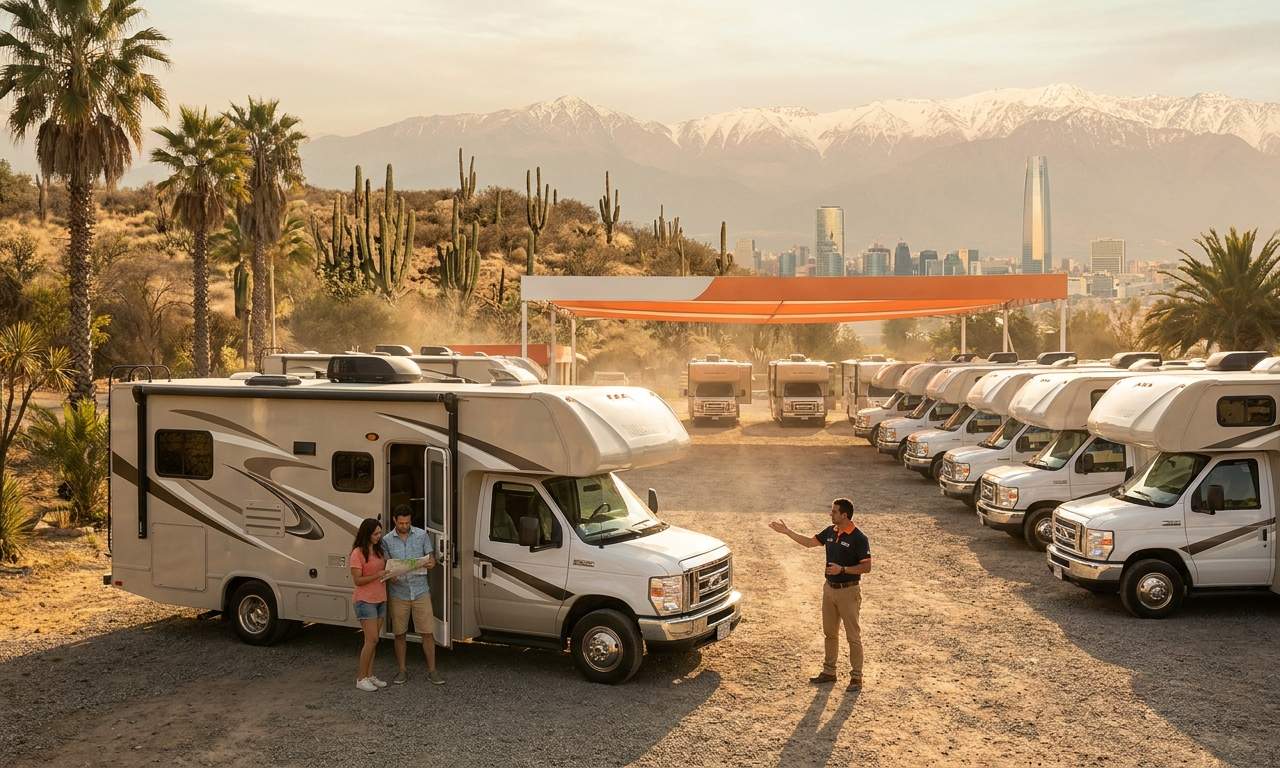
In This Guide
- The 5 RV Families Compared for Santiago
- Price Comparison by RV Class in Santiago
- Class TC (Truck Camper) - Best For Seniors in Santiago
- Side-by-Side Comparison Table for RVs in Santiago
- Our Recommendation for RV Rental for Seniors Travelers in Santiago
- What is the best time of year to RV in Chile?
- What are the road conditions like in Santiago Chile for RVs?
- Is it safe to drive an RV in Santiago Chile?
- What are the rules for RV camping in Chile?
- How far can I drive an RV in Santiago on a tank of gas?
- What RVs are available for rent in Santiago?
- What amenities come with an RV rental in Santiago?
- What are the best RV rental companies in Santiago?
- How much does it cost to rent an RV in Santiago?
- Where can I pick up an RV rental in Santiago?
- What documents do I need to rent an RV in Chile as a foreigner?
- Are there age restrictions for RV rental in Santiago?
- Can I rent an RV in Santiago and drive to Patagonia?
- What You Shouldn't Miss
- Why Book with Bandana Caravan
- Final Thoughts
- Frequently Asked Questions
The 5 RV Families Compared for Santiago
RV choice significantly impacts maneuverability and comfort on diverse Chilean terrain, making it crucial for senior travelers in Santiago to select the right vehicle. While Bandana Caravan partners with over 50 leading RV suppliers worldwide, the available rental options in Santiago are often specialized, focusing on robust vehicles well-suited for Chile's unique landscapes. For live availability and current prices, start with our RV Rental Santiago - Complete Guide 2026 guide. When considering a rented motorhome for your adventure from Santiago, think about the climate, your planned trip length, and the size of your travel group. Larger Class A motorhomes offer spacious living but might be less agile on winding mountain roads or narrow city streets, though with common sense and careful driving, you can drive almost anywhere without issues. Smaller campervans (Class B) provide excellent maneuverability, perfect for urban exploration and remote campsites, while Class C motorhomes strike a balance, offering more amenities than a campervan with a manageable footprint. However, in Santiago, a highly recommended option for seniors looking for true flexibility and robustness for exploring beyond the city is often a Class TC (Truck Camper).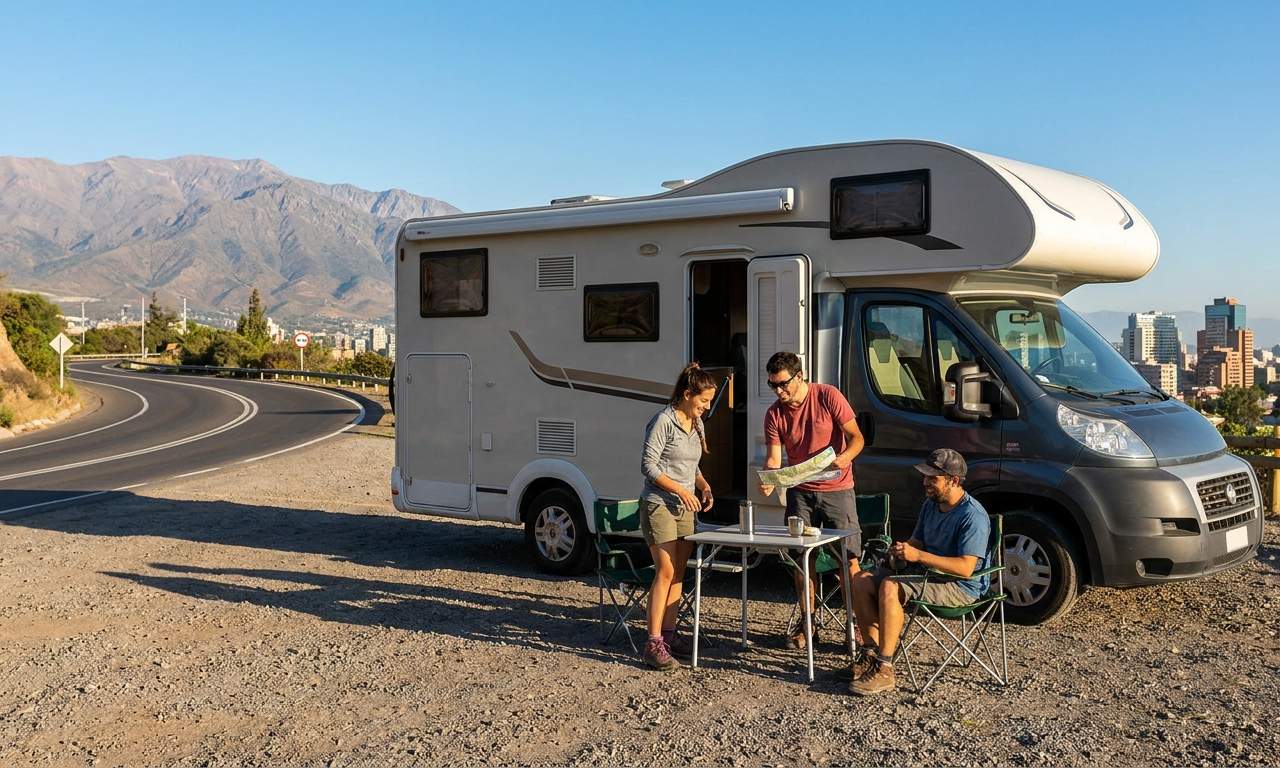
Price Comparison by RV Class in Santiago
RV rental pricing in Santiago is dynamic and operates on a flexible-rate system, much like flight tickets, varying significantly by vehicle type, rental duration, season, and specific supplier offers. For example, a 7-day Class TC (Truck Camper) rental during the shoulder season (September-November) might start from $100-$150 per day, while the same vehicle could cost $200-$250 daily in peak summer (December-February). For the most accurate and current rates, we highly recommend using our search box to compare real-time prices across various Bandana Caravan partner suppliers. Our platform ensures full transparency, showing you the final price with no hidden fees or surprises. You can find more detailed pricing information in our RV Rental in Santiago - Prices and Best Deals 2026 and Weekly RV Rental in Santiago - Pricing 2026 guides.Class TC (Truck Camper) - Best For Seniors in Santiago
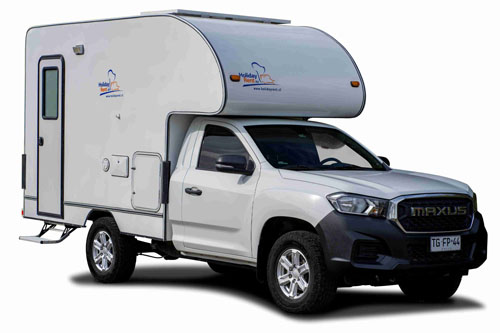
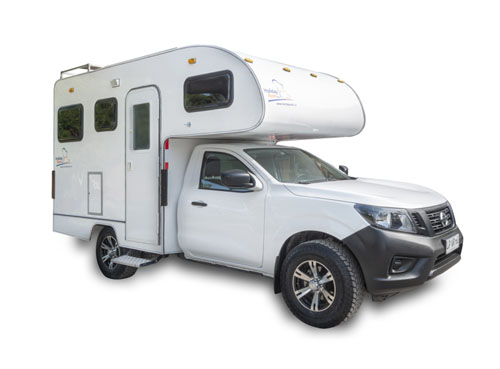
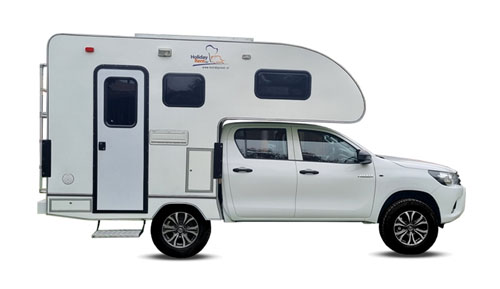
Class TC (Truck Camper) vehicles are ideal for seniors in Santiago seeking off-grid capabilities and adventure, offering a robust and self-sufficient travel experience. These motorhomes typically average 5.6 meters in length, making them more nimble than larger RVs while still providing essential living amenities. A standard Class TC (Truck Camper) from our Santiago fleet usually sleeps 2-3 people comfortably, perfect for couples or small groups of friends. Fuel consumption for a typical Class TC is around 13 liters per 100 km, offering a good balance for exploring both Santiago's surrounding areas and more remote Chilean destinations. Their design provides flexibility with a detachable camper and excellent off-road capability, crucial for navigating some of Chile's unpaved scenic routes, particularly when driving to Patagonia or exploring the Andes foothills.Side-by-Side Comparison Table for RVs in Santiago
Comparing RV options side-by-side helps seniors in Santiago quickly assess which vehicle best suits their travel needs, particularly when looking at features like length, sleeping capacity, and fuel efficiency. Here's a general comparison focusing on the Class TC (Truck Camper) typically available in Santiago, alongside other common motorhome classes you might find in other regions for context:| Feature | Class TC (Truck Camper) - Santiago focus | Class B (Campervan) - General | Class C (Motorhome) - General |
|---|---|---|---|
| Typical Length | 5-6 meters (e.g., 5.6m for Patagonia Camper 4x4) | 5-7 meters | 7-10 meters |
| Sleeping Capacity | 2-3 people | 2-4 people | 4-6+ people |
| Fuel Consumption (approx.) | 13 l/100 km | 10-14 l/100 km | 15-20 l/100 km |
| Maneuverability | High (compact, often 4x4) | Very High (van-like) | Moderate (larger footprint) |
| Onboard Amenities | Basic kitchen, compact bathroom | Compact kitchen, sometimes small WC | Full kitchen, shower, toilet |
| Best Use Case in Santiago | Off-road adventure, remote camping, varied terrain | Urban exploration, couples travel, easy parking | Family trips, extended comfort, designated campgrounds |
Our Recommendation for RV Rental for Seniors Travelers in Santiago
For seniors planning an RV adventure in Santiago, the Class TC (Truck Camper) is our primary recommendation due to its unique blend of robustness, maneuverability, and self-sufficiency. These vehicles, like the "Patagonia Camper 4x4 double cab" which is typically 5.6 meters long and sleeps 2-3, are designed with higher ground clearance and often 4-wheel drive, making them exceptionally suitable for Chile's varied landscapes, including unpaved roads and mountain passes. The compact size of a Class TC balances comfort with ease of driving and parking in diverse environments, from the bustling streets of Santiago to remote Patagonian trails. This choice empowers senior travelers to explore off-the-beaten-path destinations with confidence, while still enjoying the convenience of an onboard kitchen and sleeping area. For those considering an extended adventure, our One-Way RV Rental in Santiago - Price Guide 2026 can offer insights into traveling further afield.What is the best time of year to RV in Chile?
Spring (September to November) and autumn (March to May) offer ideal weather and fewer crowds for senior RVers traveling in Chile. During spring, the wildflowers bloom in central and southern Chile, with comfortable temperatures ranging from 15-25°C (59-77°F) in Santiago. Autumn provides crisp, clear days and vibrant fall foliage, especially in the southern lake districts, with temperatures similar to spring. Summer (December to February) is Chile's peak tourist season and can have higher temperatures, especially in Santiago and the Atacama Desert, along with more crowded campgrounds. Winter (June to August) is suitable for exploring northern Chile's desert regions or enjoying snow sports in the Andes, but many mountain passes in the south may be closed due to heavy snow. Always consider seasonal road closures, particularly for higher altitude routes and the Carretera Austral, when planning your RV route plans. Our RV Travel Guide to Santiago - Tips and Top Spots 2026 offers more seasonal advice.What are the road conditions like in Santiago Chile for RVs?
Road conditions for RVs in Santiago, Chile, range from well-maintained urban highways to challenging mountainous and unpaved rural routes, requiring drivers to be prepared for diverse terrain. Within Santiago, you'll find modern, multi-lane highways and well-paved city streets. Urban traffic in Santiago can be dense, especially during peak hours on major arteries like Avenida Libertador Bernardo O'Higgins, necessitating careful navigation and awareness of city driving rules and parking limitations for larger vehicles. Remember, you can drive slowly and carefully, and you can drive almost anywhere without issues. No need to stress - just use common sense and pay attention. Heading out from Santiago towards the Andes or southern regions, driving in mountainous areas, such as the passes leading to El Yeso or further south into the Lake District, requires experience with steep ascents and descents and awareness of weather-related hazards like snow or fog. Many picturesque rural and coastal roads, particularly south of Santiago towards spots like the Casablanca Valley, may be gravel or unpaved, demanding a robust vehicle like a Class TC (Truck Camper) and slower speeds.Is it safe to drive an RV in Santiago Chile?
Driving a rented RV in Santiago, Chile, is generally safe, but like any major city, it requires vigilance regarding urban parking, traffic, and securing your vehicle, particularly for senior travelers. When parking your RV in Santiago, prioritize secure options such as established campgrounds like Camping Colina or guarded parking lots (estacionamientos pagados) rather than leaving your vehicle in isolated or unlit areas overnight. Be mindful of personal belongings and avoid displaying valuables, especially in crowded tourist areas such as the Plaza de Armas or when parked in public spaces. Familiarize yourself with local emergency procedures and ensure you have access to local contact numbers for roadside assistance or medical help. Traveling slowly, averaging 100-150 km per day, allows you to observe your surroundings and reduces stress, contributing to a safer journey.What are the rules for RV camping in Chile?
RV camping in Chile is primarily permitted in designated campgrounds, national parks, and some private properties, with wild camping often restricted or requiring explicit permission, especially for foreign travelers in Santiago. National parks, like the nearby Parque Nacional La Campana, frequently have established campsites with varying amenities, but reservations are often recommended during peak season (December-February) to secure a spot. Private campgrounds, known as "campings," are abundant throughout Chile and offer a range of facilities from basic to luxurious, providing secure and comfortable overnight options. Always respect private property signs and inquire locally before attempting to park overnight outside of designated areas to avoid issues. While many national/state parks reserve 25-30% of spots for first-come-first-serve, it's always best to call ahead to a campground before driving, especially when traveling with a rented RV. For finding campsites and campgrounds during your trip, we recommend using RV PLANET (rvplan.net) - a great resource for locating available spots along your route.How far can I drive an RV in Santiago on a tank of gas?
How far you can drive a rented RV in Santiago on a tank of gas depends significantly on the RV's fuel efficiency, tank size, driving conditions (urban vs. highway), and load, but typical Class TC (Truck Camper) vehicles available average around 13 liters per 100 km. For a Class TC (Truck Camper) with a standard 80-liter fuel tank, this could translate to a range of approximately 600 kilometers (370 miles) under ideal conditions, such as highway driving with minimal elevation changes. Fuel availability is generally good along major routes in Chile, such as Ruta 5 or the roads leading to Viña del Mar, but it's wise to plan ahead for longer stretches in remote areas like those encountered when driving towards the Atacama or Patagonia. Factor in increased fuel consumption for mountainous terrain, headwinds, and consistent use of air conditioning, especially for senior travelers prioritizing comfort. You can easily track your fuel expenses and other costs with RV PLANET routes.What RVs are available for rent in Santiago?
For RV rentals in Santiago, Class TC (Truck Camper) vehicles are predominantly available, offering a versatile option for seniors seeking a balance of maneuverability and comfort for diverse Chilean landscapes. These compact and robust rented vehicles, like the "Patagonia Camper 4x4 double cab", typically average 5.6 meters in length and comfortably accommodate around 2-3 adults. Truck Campers are uniquely mounted on pickup trucks, providing higher ground clearance and 4-wheel drive capabilities ideal for exploring less-traveled paths and gravel roads that are common outside major cities. While other RV classes (Class A, Class B campervans, and Class C motorhomes) might be found in other international markets, Santiago's fleet often caters to adventure-oriented travel with these resilient and capable Truck Camper options. Explore our Cheap RV Rental in Santiago - Budget Guide 2026 for more options.What amenities come with an RV rental in Santiago?
RV rentals in Santiago, particularly Class TC (Truck Campers) like the "Patagonia Camper 4x4 double cab", typically come equipped with essential amenities such as a compact kitchen, comfortable sleeping area, and often a basic bathroom, providing self-sufficiency for senior travelers. A typical kitchen setup includes a stove (usually 2-burner), a sink with running water, and a refrigerator, allowing for convenient meal preparation on the go. Imagine enjoying fresh local produce from La Vega Central market in Santiago, cooked right in your rented motorhome! Sleeping arrangements usually consist of a comfortable double bed or a convertible dinette, suitable for 2-3 adults. Additional features may include heating (essential for cooler evenings in the Andes), air conditioning (for hot Santiago summers), fresh water tanks (often 80-120 liters), and external storage, enhancing comfort for various climates and trip lengths. For some great ideas on what to cook, check out our RV-friendly recipes playlist.What are the best RV rental companies in Santiago?
When looking for the best RV rental companies in Santiago, senior travelers should consider those that offer reliable vehicles, comprehensive insurance options, and robust pre-booking and post-booking coordination services tailored to their needs. Bandana Caravan partners with reputable local operators in Santiago, ensuring access to well-maintained Class TC (Truck Camper) vehicles from trusted fleets. We serve as your true RV specialists, not just a side department of a travel agency. We compare final prices across multiple suppliers, including well-known names like El Monte or Apollo in other regions, though local fleet names will vary in Santiago. Always look for companies with full transparency in pricing, clear terms and conditions, and positive customer reviews regarding vehicle maintenance and service quality. Prioritize suppliers that offer detailed vehicle orientations and accessible emergency contact information, crucial for peace of mind during your journey. We handle the details, you live the journey - personal service from day one until your booking is confirmed.How much does it cost to rent an RV in Santiago?
The cost to rent a motorhome in Santiago varies based on the vehicle type, rental duration, season, and inclusions, with a Class TC (Truck Camper) rental costing approximately $100 to $250 per day for a week-long trip. Prices are dynamic and fluctuate like flight tickets, so the final price is always set at the actual booking time. Beyond the base rental fee, senior travelers should budget for additional expenses such as fuel (averaging 13 l/100 km for a Truck Camper), tolls (common on highways around Santiago), campground fees (ranging from $15-$50 per night), and provisions (groceries to cook in your RV kitchen). Consider potential unexpected costs like optional top-level deductible reimbursement (which you can upgrade to for extra peace of mind), additional mileage charges for unlimited mileage packages, or charges for optional equipment like bedding or kitchen kits. For detailed breakdowns and budget planning, our Cheap RV Rental in Santiago - Budget Guide 2026 and Family RV Rental in Santiago - Pricing Guide 2026 are excellent resources. Bandana offers full price transparency, so there are no hidden fees or surprises.Where can I pick up an RV rental in Santiago?
RV rental pick-up locations in Santiago are typically situated near the city's outskirts or conveniently close to the Arturo Merino Benítez International Airport (SCL), facilitating easier access and departure for senior travelers. Many rental companies offer direct airport transfers or have offices within a short taxi or shuttle ride from the terminal. For example, some may be located along the Ruta 68 towards Valparaíso or Ruta 5, making it easy to hit the road without navigating central Santiago traffic. Confirm the exact pick-up location, operating hours, and any available transfer services well in advance of your arrival. Understanding logistical arrangements for vehicle collection helps ensure a smooth start to your RV adventure in Chile. We handle the details, you live the journey - personal service from day one until your booking is confirmed.What documents do I need to rent an RV in Chile as a foreigner?
To rent a motorhome in Chile as a foreigner, you typically need a valid passport, a driver's license from your home country, and a major credit card for the rental deposit. Your national driver's license must be valid for the entire rental period and preferably printed in English. An International Driving Permit (IDP) is highly recommended for visitors from non-English speaking countries, as it translates your national license into multiple languages and is widely recognized by Chilean authorities and rental agencies, although it is not mandatory in most cases. A credit card in the primary driver's name is essential for the security deposit, which can be substantial (often $1,000-$3,000 USD). Ensure all documents are current and readily accessible for a seamless pick-up experience for your Santiago RV rental.Are there age restrictions for RV rental in Santiago?
The minimum driver age for RV rental in Santiago is typically 21 years old across all motorhome classes, including Class A, Class B, and Class C. Unlike some locations, there are no young driver surcharges for those aged 21 and over in Santiago, and generally, no vehicle class restrictions based on age. This means senior travelers can rest assured that they won't face additional fees or limitations due to their age. While some local providers may have specific upper age limits or require a recent medical certificate for drivers over 75, this is rare and not a widespread policy with Bandana's partners. Always confirm any specific age policies directly with the rental company when booking to ensure full compliance and peace of mind for your Chilean adventure.Can I rent an RV in Santiago and drive to Patagonia?
Yes, you can absolutely rent an RV in Santiago and drive to Patagonia, a popular and highly rewarding journey that requires careful planning for vehicle suitability, route conditions, and extended travel logistics, especially for senior adventurers. The journey south, spanning thousands of kilometers, typically necessitates a rented RV capable of long distances and varying terrain, such as a robust Class TC (Truck Camper) with 4-wheel drive. Plan your route meticulously, considering fuel stops along the Carretera Austral, border crossing procedures if you intend to enter Argentina, and reliable campgrounds along the way. Remember that many scenic routes in Patagonia, especially in national parks like Torres del Paine, involve gravel or unpaved sections, so ensure your rental agreement permits travel on such roads. Travel slowly, aiming for a maximum of 100-150 km per day on average, to truly take time to feel the place, connect to the culture, the food, and the stunning Patagonian scenery. For inspiration on planning such a grand tour, consider exploring our RV Rental Chile - Complete Guide 2026 and RV PLANET's route plans.What You Shouldn't Miss
- Explore Santiago's Historic Center: Park your RV near Parque Forestal and wander through Plaza de Armas, visit the Metropolitan Cathedral, and soak in the vibrant atmosphere of Barrio Lastarria.
- Wine Tasting in Casablanca Valley: Take a scenic drive less than an hour west of Santiago to experience world-class wineries offering delightful tours and tastings. Some vineyards offer RV parking, allowing for a relaxed overnight stay amidst the vines.
- Day Trip to Embalse El Yeso: Head east into the Andes to discover this breathtaking turquoise reservoir. The drive offers stunning mountain views and an opportunity for a picnic by the water (ensure your RV is suitable for some unpaved sections).
- Visit Valparaíso and Viña del Mar: Drive your rented motorhome to the coast (about 1.5 hours from Santiago) to explore the colorful hills of Valparaíso and the elegant beaches of Viña del Mar, making for a fantastic two-day excursion.
- Discover the Chilean Lake District: For a longer adventure, travel south from Santiago to the Lakes District, including Pucón and Puerto Varas. Enjoy volcanic landscapes, thermal hot springs, and serene lakeside camping.
- Looking for expert insights from Avi Bandana? Top 5 Adventures - recommendations from Avi Bandana
Final Thoughts
Embarking on an RV adventure in Santiago offers senior travelers an unparalleled opportunity to explore Chile's breathtaking diversity at their own pace and comfort. With a robust Class TC (Truck Camper) and Bandana Caravan's transparent pricing and dedicated support, you have everything you need for a truly unforgettable journey. From the vibrant city life of Santiago to the serene beauty of its surrounding wine country and the majestic Andes, your rented motorhome becomes your mobile home, offering freedom and flexibility. Remember to embrace the philosophy of slow travel, allowing yourself to fully immerse in the culture, savor the local cuisine, and connect with the stunning scenery that Chile has to offer. Whether you're a meticulous planner or a spontaneous adventurer, our resources and expert guidance ensure a smooth and enjoyable trip. Your next great Chilean adventure starts here! Find Motorhome Rentals in SantiagoOn the routes offered through RV PLANET routes, you can itemize and track every expense along the way for easy budgeting.