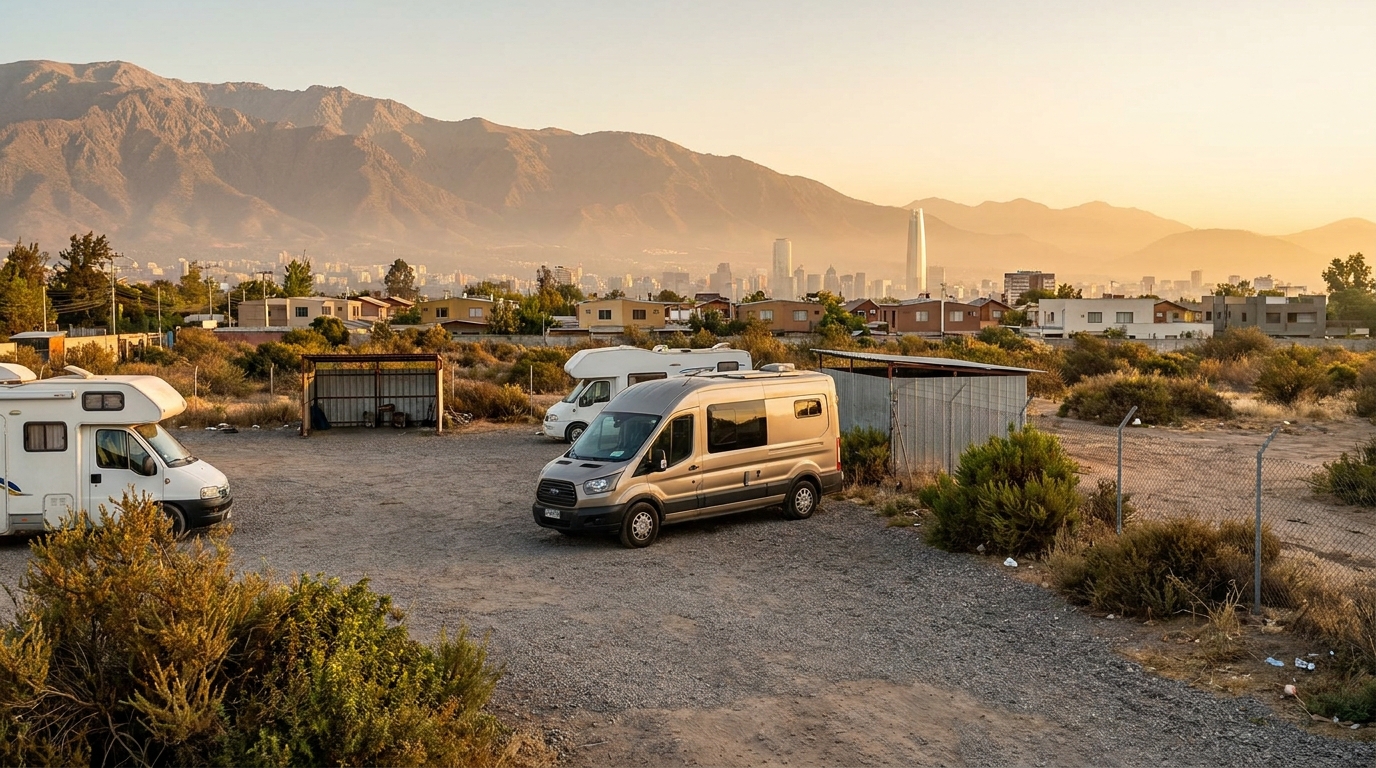
For live availability and current prices, start with our RV Rental Santiago - Complete Guide 2026 guide.
In This Guide
- What one way rv rental RV Rental Costs in Santiago (2024)
- Seasonal Pricing - Peak vs. Shoulder vs. Off-Season in Santiago
- What's Included vs. What's an Add-On
- Hidden Costs to Budget For in Santiago
- How to Save on one way rv rental RV Rental in Santiago
- Is it safe to drive an RV in Chile?
- Do you need an international driver's license to drive an RV in Chile?
- What is the best month to rent an RV in Chile?
- How much does a one way RV rental cost in Chile?
- Is it possible to rent an RV in Santiago and drop it off in another city?
- Where can I legally camp an RV in Chile?
- What are the road conditions like for RVs in Chile?
- How do you find water and dump stations for RVs in Chile?
- What size RV is best for Chile?
- Do I need a special license to drive an RV in Chile?
- Navigating Santiago's RV Pulse: Mastering City Driving and Services
- The Ultimate Chilean RV Checklist: Packing for Diverse Climates
What one way rv rental RV Rental Costs in Santiago (2024)
April is typically the cheapest month for RV rental in Santiago, offering more favorable rates compared to peak travel seasons. The total cost of a one-way RV rental in Santiago depends on factors such as the RV class, the duration of your trip, and the specific pickup and drop-off locations. While one-way fees are generally applied, the base rental rates fluctuate significantly throughout the year. For live availability and current prices, start with our RV Rental Santiago - Complete Guide 2024 guide.🎬 Video coming soon
Live April Price Comparison — RV Class × Trip Length
| Trip length | Class A | Class B | Class C | Class SI | Class TC |
|---|---|---|---|---|---|
| 1 week 15/04 → 22/04 | Check prices | Check prices | Check prices | Check prices | 1,532.00 € EUR |
| 2 weeks 15/04 → 29/04 | Check prices | Check prices | Check prices | Check prices | 2,500.35 € EUR |
| 1 month 01/04 → 30/04 | Check prices | Check prices | Check prices | Check prices | 4,373.70 € EUR |
Estimates only — flex-rate prices change daily based on availability and season.
Seasonal Pricing - Peak vs. Shoulder vs. Off-Season in Santiago
RV rental prices in Santiago are heavily influenced by seasonal demand, with significant fluctuations between peak, shoulder, and off-seasons. During peak season, typically from December to February, and also around major holidays like Christmas and New Year, prices can change significantly day-to-day due to high demand. Always check specific dates well in advance for these periods, as availability for popular models like a "Class C - Alcove" motorhome can become limited, impacting pricing.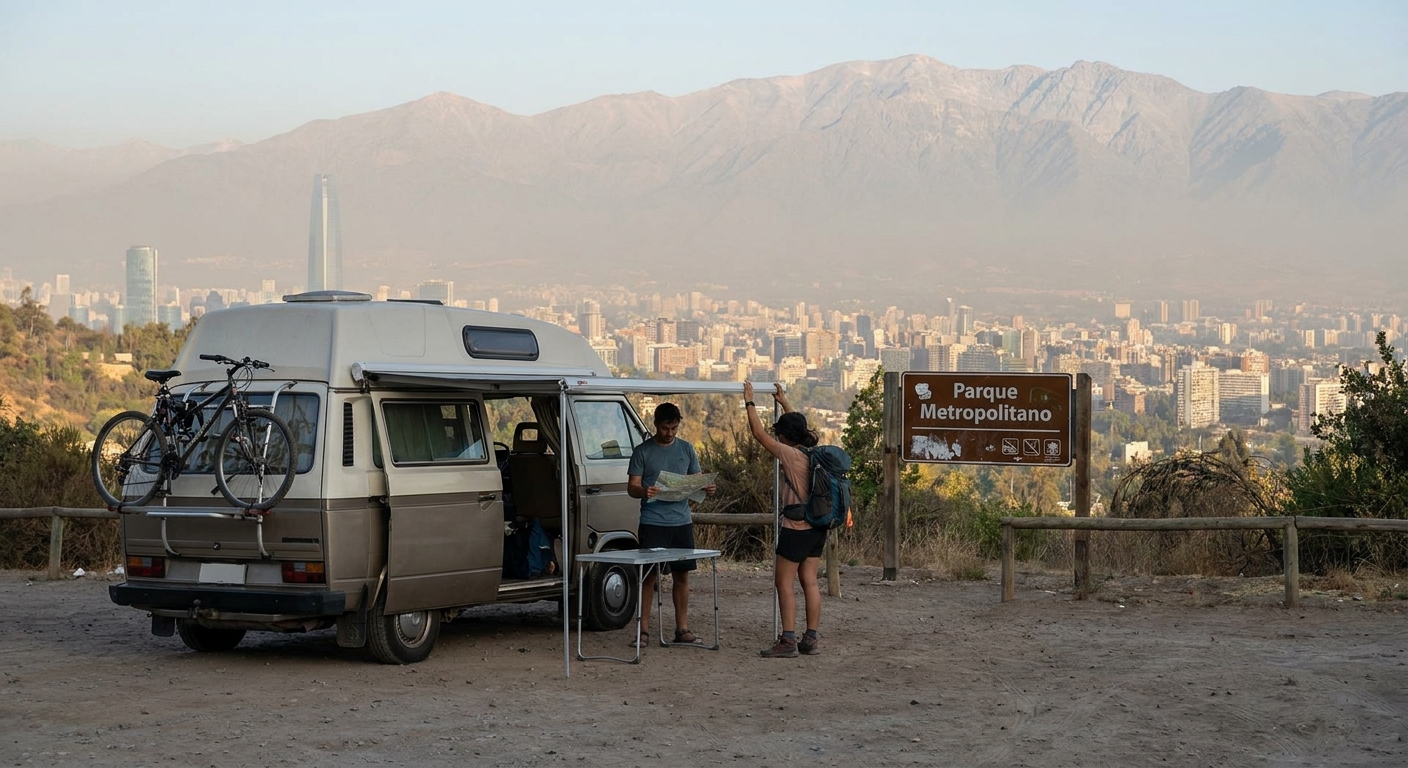 Shoulder seasons, which include months like March, April, September, and October, often present an ideal balance. Travelers can enjoy pleasant weather conditions without the extreme crowds and inflated prices of the peak season, potentially finding rates 15-20% lower. This period is excellent for those seeking value without compromising too much on climate, and offers more flexibility for a "One-Way RV Driving in Santiago - Route Planner 2024".
Off-season, with April often highlighted as a particularly affordable month, provides the lowest daily rates, sometimes 25-30% below peak prices. While some weather conditions might be less predictable, budget-conscious travelers can find substantial savings during these quieter periods, making it a great time for an extended road trip across Chile.
Shoulder seasons, which include months like March, April, September, and October, often present an ideal balance. Travelers can enjoy pleasant weather conditions without the extreme crowds and inflated prices of the peak season, potentially finding rates 15-20% lower. This period is excellent for those seeking value without compromising too much on climate, and offers more flexibility for a "One-Way RV Driving in Santiago - Route Planner 2024".
Off-season, with April often highlighted as a particularly affordable month, provides the lowest daily rates, sometimes 25-30% below peak prices. While some weather conditions might be less predictable, budget-conscious travelers can find substantial savings during these quieter periods, making it a great time for an extended road trip across Chile.
What's Included vs. What's an Add-On
When booking an RV in Santiago, understanding what's included versus what incurs an additional cost is crucial for transparent budgeting. Basic insurance is always included with your rental. To see prices including the most comprehensive coverage, select that option during your search; then all relevant insurance options will be shown for your specific vehicle and dates. For added peace of mind, you can upgrade to a top-level deductible for extra protection during your adventure. Standard inclusions typically cover the RV itself and basic breakdown assistance. However, many items that enhance your trip, such as kitchen kits (utensils, pots, pans), bedding and linen packs, generator usage hours, and additional mileage allowances, are usually considered add-ons. Fuel, propane, and cleaning fees are also often extra. For those planning to cook many meals in their RV, exploring our RV-friendly recipes playlist can be inspiring. It's important to stress that inclusions and add-ons vary significantly by RV class, rental provider, and specific vehicle. Bandana offers a convenient comparison toggle to quickly see which RVs, such as the compact "rv rental denver example Category Van" or a larger "4 Berth Deluxe" motorhome, include kitchen utensils, tableware, and bedding. Want to check exactly what's included for your planned "One-Way RV Driving in Santiago - Route Planner 2024" trip? Click here to access the search tool and review specific rental details.Hidden Costs to Budget For in Santiago
Beyond the daily rental rate and any one-way fees, several incidental costs should be factored into your Santiago RV trip budget, ensuring full transparency and no surprises. These commonly include road tolls, daily campsite fees (if not boondocking), fuel, and occasional charges for dump stations or propane refills. In Chile, tolls can add up, especially on popular routes like Ruta 5, so keep an eye out for "Costanera Norte" or "Autopista Central" charges around Santiago. RV PLANET (rvplan.net) routes offer travelers the ability to itemize and track every expense along the way for easy budgeting. Many Bandana RVs offer convenient perks that can help manage these expenses. Some vehicles allow you to pre-purchase toll-road usage, which can help avoid surprise charges and potential fines. Additionally, certain RVs may include fuel discount cards, providing savings on one of your largest operational costs. For accommodation, Bandana often provides access to campground discount cards, which can reduce your overnight expenses at designated sites like Camping Los Maitenes or Camping Olmué. When picking up your rented motorhome, always ask your rental station about these options and any local specific charges like environmental fees or additional permits that might apply during your "RV Rental Chile - Complete Guide 2024" adventure.How to Save on one way rv rental RV Rental in Santiago
Saving money on your one-way RV rental from Santiago is achievable with smart planning and flexibility. Firstly, aiming to book during the shoulder season (e.g., March, April, October, November) or the off-peak season will generally yield significantly lower daily rental rates, sometimes 15-25% cheaper, compared to the high demand of summer months (December-February). Flexibility with your exact travel dates can also uncover better deals. Consider the RV class that truly fits your needs. Opting for a smaller Class B campervan like the "Active Pop Top" or a compact Class C if your group size allows can result in substantial savings on both rental costs and fuel consumption throughout your journey. Additionally, booking for longer durations, typically a week or more, often translates to a lower per-day cost, even for one-way trips. For budget-specific route plans, check out "Budget RV Driving in Santiago - Save on Fuel 2024". Utilize any available discount programs. As mentioned, look for RVs that allow you to pre-purchase toll usage or come with fuel discount cards. Many rental providers and campgrounds also offer loyalty programs or discount cards that can reduce overall trip expenses. Finally, keep an eye on flex-rate drops by checking prices periodically, especially if your travel dates are flexible. Remember, Bandana ensures full transparency, so what you see is what you pay, with no surprise fees at pickup.Is it safe to drive an RV in Chile?
Driving a rented RV in Chile is generally safe, particularly on major highways and well-trafficked tourist routes, though it necessitates specific safety protocols and awareness of local conditions. Vehicle security, especially in urban areas like Santiago, is paramount; always park in well-lit, secure locations, such as monitored parking garages in the city center or reputable campgrounds outside the immediate downtown, and avoid leaving valuables visible. Drive slowly and carefully, and you can drive almost anywhere without issues. No need to stress - just use common sense and pay attention. For remote regions or less-traveled paths, it's wise to inform someone of your itinerary and carry a reliable communication device. Beyond general road safety, be mindful of local driving habits, which can differ from what you're accustomed to. In larger cities like Santiago, traffic can be dense and aggressive, particularly on main thoroughfares like Avenida Libertador General Bernardo O'Higgins. Always ensure your RV is well-maintained, and familiarise yourself with local emergency services. Having access to a local SIM card for navigation and communication can significantly enhance safety and convenience during your RV adventure through Chile's diverse landscapes. Our "Driving an RV in Santiago - Complete Guide 2024" offers more detailed local driving tips.Do you need an international driver's license to drive an RV in Chile?
Yes, an International Driving Permit (IDP) is generally recommended and often required in conjunction with your valid national driver's license to legally drive an RV in Chile. The IDP translates your national license into several languages, making it understandable to local authorities and facilitating your rental process. While some rental companies might not explicitly demand an IDP, having one ensures compliance with Chilean traffic laws and can prevent potential issues during police checks, especially when traveling through different regions. It is crucial to carry both your physical national driver's license and the IDP at all times while operating the rented motorhome. Always verify the most current requirements with your specific RV rental provider in Santiago before your trip, as policies can sometimes vary. For visitors from non-English speaking countries, an IDP is particularly valuable. This small preparation can save you significant hassle on the road, ensuring your "RV Rental Chile - Complete Guide 2024" trip is smooth.What is the best month to rent an RV in Chile?
The best month to rent an RV in Chile significantly depends on your intended travel region and priorities; for budget-conscious travelers and mild, pleasant weather in the central zones around Santiago, April (shoulder season) is often ideal. During this period, the peak summer crowds have dispersed, and prices tend to be more favorable, offering a good balance of accessibility and cost. For exploring the iconic Patagonia region in the south, the peak season from December to February offers the warmest weather and longest daylight hours, making it the most popular-and consequently, most expensive-time to rent a motorhome. Conversely, if your journey leads you to the northern deserts and high altiplano, the spring months of September to November are excellent, avoiding the intense summer heat and offering stunning natural beauty with fewer tourists. Always consider the specific climate of your chosen destinations within Chile when planning your rented RV adventure, remembering that RV PLANET (rvplan.net) offers comprehensive route plans for all seasons.How much does a one way RV rental cost in Chile?
The cost of a one-way RV rental in Chile varies significantly, primarily influenced by the chosen RV class, the duration of the rental, the seasonality, and the specific drop-off location, as a one-way fee is always applied. This fee compensates the rental company for repositioning the vehicle back to its origin or another designated location, making one-way rentals typically more expensive than round trips of the same duration. For instance, a 1-week one-way rental of a compact campervan for a couple from Santiago to Puerto Montt might cost approximately $1000-$1800, including a one-way fee of around $200-$400. A 2-week trip for a family in a Class C motorhome like the "Family Sleeper (FS)" from Santiago to Punta Arenas could range from $2500-$5000, with higher one-way fees. For instance, renting a compact campervan from Santiago to Puerto Montt will likely have a different one-way fee and base rate than a larger Class C RV. Factors like booking well in advance, traveling during the shoulder or off-season, and comparing multiple providers can help mitigate these costs. Bandana offers full price transparency, so you know what you're paying upfront. For a detailed breakdown and to compare prices for your specific one-way itinerary, please refer to the live pricing table above or utilize the search function at the top of this page. You can also explore "RV Driving Deals in Santiago - Routes and Savings 2024" for potential discounts.Is it possible to rent an RV in Santiago and drop it off in another city?
Yes, it is generally possible to rent an RV in Santiago and drop it off in another designated city within Chile, offering great flexibility for extensive explorations without backtracking. This option is popular for travelers wishing to traverse the length of the country, for example, from the central region down to Patagonia, or vice-versa. However, this flexibility comes with an additional cost, known as a one-way fee, which is applied by most suppliers like El Monte and Apollo. An extra one-way fee is typically levied by rental companies to cover the logistical expenses of transporting the rented motorhome back to its originating depot or another required location. The availability of specific drop-off cities depends on the rental provider and their network of stations. Common one-way routes from Santiago might include cities like Puerto Montt, Punta Arenas, or even Calama, depending on the season and specific operator. Always confirm your desired pickup and drop-off locations and any associated fees directly with your rental company during the booking process. We specialize in finding "One-Way RV Driving in Santiago - Route Planner 2024" options.Where can I legally camp an RV in Chile?
In Chile, RV camping is legally permitted and most conveniently found in designated campgrounds, which range from basic sites in national parks to private, fully-serviced facilities. These established sites ensure access to amenities like water, dump stations, and often electricity, while adhering to local regulations. Around Santiago, popular options include Camping Los Maitenes in the Cajón del Maipo or Camping Las Rocas near the coast. Additionally, many national parks, such as Parque Nacional La Campana (approximately 1.5 hours north of Santiago), offer beautiful, protected areas for overnight stays, sometimes requiring advance reservations or permits, especially during peak season. Boondocking, or free camping, is possible in certain areas but requires careful adherence to Leave No Trace principles and respecting private land. While not as universally accepted or signposted as in some other countries, informal spots can be found, particularly in remote regions along the Carretera Austral or in the northern deserts. It is crucial to always seek permission if you believe you are on private land and to avoid sensitive ecological areas. Rely on local advice, dedicated RV apps, and platforms like RV PLANET (rvplan.net) for finding campsites and campgrounds during your trip, ensuring a responsible and enjoyable RV experience.What are the road conditions like for RVs in Chile?
Chilean road conditions for RVs vary significantly across its diverse geography, ranging from excellent paved highways to challenging gravel roads, requiring travelers to plan their routes carefully. In the central valley around Santiago and northern regions, major routes like Ruta 5 (Pan-American Highway) are generally well-maintained and paved, making them suitable for all RV types, including larger Class A or C vehicles like the "MHA30" or "Explorer". Drive slowly and carefully, and you can drive almost anywhere without issues. No need to stress - just use common sense and pay attention. However, in more remote and scenic areas, particularly the Carretera Austral in Patagonia or certain mountain passes in the Andes (e.g., Paso Internacional Los Libertadores, with its famous Caracoles switchbacks), roads frequently turn into gravel or are unpaved, often narrow and winding. These conditions necessitate slower driving speeds and are best navigated with smaller, more robust campervans (Class B) such as the "Active Standard" or 4x4-capable RVs. It's crucial to consult up-to-date road reports, especially during winter months for snow and ice, and consider the optimal RV size and type for your specific itinerary, as inappropriate vehicles can face difficulties. For detailed driving considerations, refer to "Driving an RV in Santiago - Complete Guide 2024".How do you find water and dump stations for RVs in Chile?
Finding reliable water refills, dump stations, and propane (LPG) refills for RVs in Chile requires a mix of digital tools and local inquiry, especially when venturing into remote regions. Dedicated RV park applications like iOverlander, online forums, and local tourist information centers in towns such as San José de Maipo are invaluable resources, often providing user-generated maps and reviews of available services across the country. These platforms can pinpoint established campgrounds, which are the most consistent source for fresh water and black/grey water dump stations. For finding campsites and campgrounds during your trip, we recommend using RV PLANET (rvplan.net) - a great resource for locating available spots along your route. Most established campgrounds across Chile provide these essential facilities. For instance, many campgrounds along the Ruta 5 near Santiago or towards the coast offer full hookups. While less common than in some other countries, some larger gas stations or supermarkets, particularly along main highways or in more populated towns, may offer water refills. For propane, specialized auto-gas stations or larger hardware stores are the most reliable options. Always ensure you have enough supplies, including a full 100-liter fresh water tank (common in many Class C motorhomes), before heading into very remote areas to prevent unexpected shortages.What size RV is best for Chile?
The best RV size for traveling Chile largely depends on your specific itinerary, comfort preferences, and the types of roads you plan to navigate. For those intending to explore remote areas, tackle challenging gravel roads like the Carretera Austral, or frequently visit smaller towns and national parks, smaller, more agile campervans (Class B) or compact Class C RVs are highly recommended. A "Camper Van" or a 5.99-meter long "Class B - Camper Van" like the "Active Pop Top" offers superior maneuverability, making urban driving in Santiago and parking much easier. Conversely, if your journey primarily involves well-maintained paved roads and major highways, a larger Class C or even a Class A RV can offer superior comfort, more living space, and amenities. Models like the "Euro Deluxe" or "MHC30" are ideal for families or groups prioritizing onboard luxury and less concerned with off-road capabilities. Ultimately, consider the balance between vehicle size and your planned route's road conditions, along with your group's comfort needs for a "Luxury RV Driving in Santiago - Scenic Routes 2024" experience. Bandana's true RV specialists can help you choose the perfect fit.Do I need a special license to drive an RV in Chile?
To drive most rental RVs in Chile, you typically do not need a special commercial or heavy vehicle license beyond your valid national driver's license, provided the RV falls within standard passenger vehicle weight and class limits. This applies to all motorhome classes, including Class A, Class B, and Class C. However, an International Driving Permit (IDP) is generally required and serves as a translation of your home country's license, making it legally recognized by Chilean authorities. Most rental RVs, particularly campervans, Class B, and many Class C motorhomes, are designed to be driven with a standard car license. The minimum rental age is 21 years old, and there are no young driver surcharges or vehicle class restrictions based on age. It is always prudent to clarify the exact licensing requirements with your specific RV rental company in Santiago before booking. This ensures full compliance with local regulations and a smooth, uninterrupted travel experience throughout your one-way RV adventure in Chile.Navigating Santiago's RV Pulse: Mastering City Driving and Services
Navigating Santiago in a rented RV requires a bit of planning, but it's entirely manageable with common sense and attention. Drive slowly and carefully, and you can drive almost anywhere without issues. No need to stress - just use common sense and pay attention. Major arteries like Avenida General Velásquez and Ruta 5 provide direct access in and out of the city, avoiding the most congested central areas. Parking your motorhome can be challenging in the absolute downtown core, but large, secure parking lots are available near major attractions, such as those around Parque O'Higgins or the Costanera Center shopping mall, though they may incur a fee. For essential RV services within or near Santiago, you'll find several options. Propane refills are available at larger gas stations on the outskirts, and some specialized RV service centers exist. Dump stations can typically be found at larger campgrounds slightly outside the city limits, such as Camping Las Rocas towards Valparaíso or at some service stations on major highways leading out of Santiago. Planning your route and services in advance with tools like RV PLANET (rvplan.net) will make your urban RV experience much smoother. For more detailed tips, explore our "RV Travel Guide to Santiago - Tips and Top Spots 2024".The Ultimate Chilean RV Checklist: Packing for Diverse Climates
Preparing for an RV adventure from Santiago means packing smartly for Chile's incredibly diverse climates, from the arid Atacama Desert to the sub-polar glaciers of Patagonia. Your packing essentials will vary significantly depending on your route and the season. Always include layers of clothing, a waterproof and windproof outer shell, and sturdy hiking boots. Even in summer, evenings can be cool, especially at higher altitudes or in the south. Don't forget essentials like sunscreen, a wide-brimmed hat, and insect repellent. While most Bandana motorhome rentals come with basic kitchen equipment and bedding, it's wise to confirm what's included and consider bringing your preferred cooking utensils or a compact coffee maker for those early morning Andean sunrises. A reliable GPS (downloaded offline maps are a lifesaver), a power bank for electronics, and a basic first-aid kit are also crucial. For those planning on taking advantage of the RV's kitchen to prepare meals, refer to our RV-friendly recipes playlist for inspiration. Remember to pack a reusable water bottle to reduce plastic waste and maintain a sustainable travel footprint. For more route-specific advice, consider the "Week-Long RV Driving Tour in Santiago 2024" itineraries.What You Shouldn't Miss
- Panoramic City Views from Cerro San Cristobal: Drive your rented RV to the base and take the Funicular or Cable Car up for breathtaking 360-degree views of Santiago and the surrounding Andes mountains.
- Winery Tours in Maipo Valley: Just a short drive south of Santiago, explore some of Chile's oldest and most prestigious vineyards, offering tastings and tours-perfect for a leisurely afternoon.
- Exploring Barrio Lastarria: Park your RV slightly outside the city center and enjoy a stroll through this vibrant, bohemian neighborhood known for its art, independent shops, and delicious restaurants.
- Day Trip to Valparaíso and Viña del Mar: Take your motorhome on a scenic 1.5-hour drive west to the colorful, hilly port city of Valparaíso (a UNESCO World Heritage site) and its more upscale coastal neighbor, Viña del Mar.
- Andean Foothills Adventure: Head east from Santiago into the Cajón del Maipo, a picturesque canyon offering hot springs, hiking, and stunning mountain scenery, ideal for a shorter RV excursion.
- Looking for expert insights from Avi Bandana? Top 5 Adventures - recommendations from Avi Bandana
Final Thoughts
Embarking on a one-way RV rental adventure from Santiago is an incredible way to experience the breathtaking diversity of Chile. Imagine waking up to the majestic Andes, driving through vibrant cities like Valparaíso, and perhaps even heading south towards the wild landscapes of Patagonia, all from the comfort of your mobile home. With Bandana, you have a partner dedicated to making your journey as smooth and enjoyable as possible, from transparent pricing to expert advice. Whether you're a meticulous planner eager to chart every kilometer with RV PLANET routes or a spontaneous traveler ready to embrace the open road, Santiago offers the perfect starting point for an unforgettable exploration. Our comprehensive comparison platform connects you with top suppliers like Cruise America and Britz, ensuring you find the ideal motorhome or campervan for your unique trip. So, take the leap, embrace slow travel, and let the magic of Chile unfold before you. The roads of Chile are calling, promising endless discoveries and cherished memories. Don't just dream about it-make it happen. Find Motorhome Rentals in SantiagoOn the routes offered through RV PLANET routes, you can itemize and track every expense along the way for easy budgeting.