In This Guide
- Best Australia RV Itinerary for rv rental - Overview
- 7-Day Classic Route in Australia
- 14-Day Extended Journey in Australia
- Recommended RVPlan Trip for Australia
- Must-See Stops Along the Way (Avi Bandana Picks)
- Daily Driving Distances & Drive Times in Australia
- Best RV Class for This Itinerary - Couple & Family Picks
- What is the most beautiful road trip in Australia?
- Can you park an RV anywhere in Australia?
- What is the best RV in Australia?
- How long does it take to travel around Australia in a campervan?
- What is the 333 rule for campervan?
- What not to do in Australia as an American?
- What are the top 3 tourist attractions in Australia?
- How many days are enough for an Australia trip?
- What is the best month to go to Australia?
Best Australia RV Itinerary for rv rental - Overview
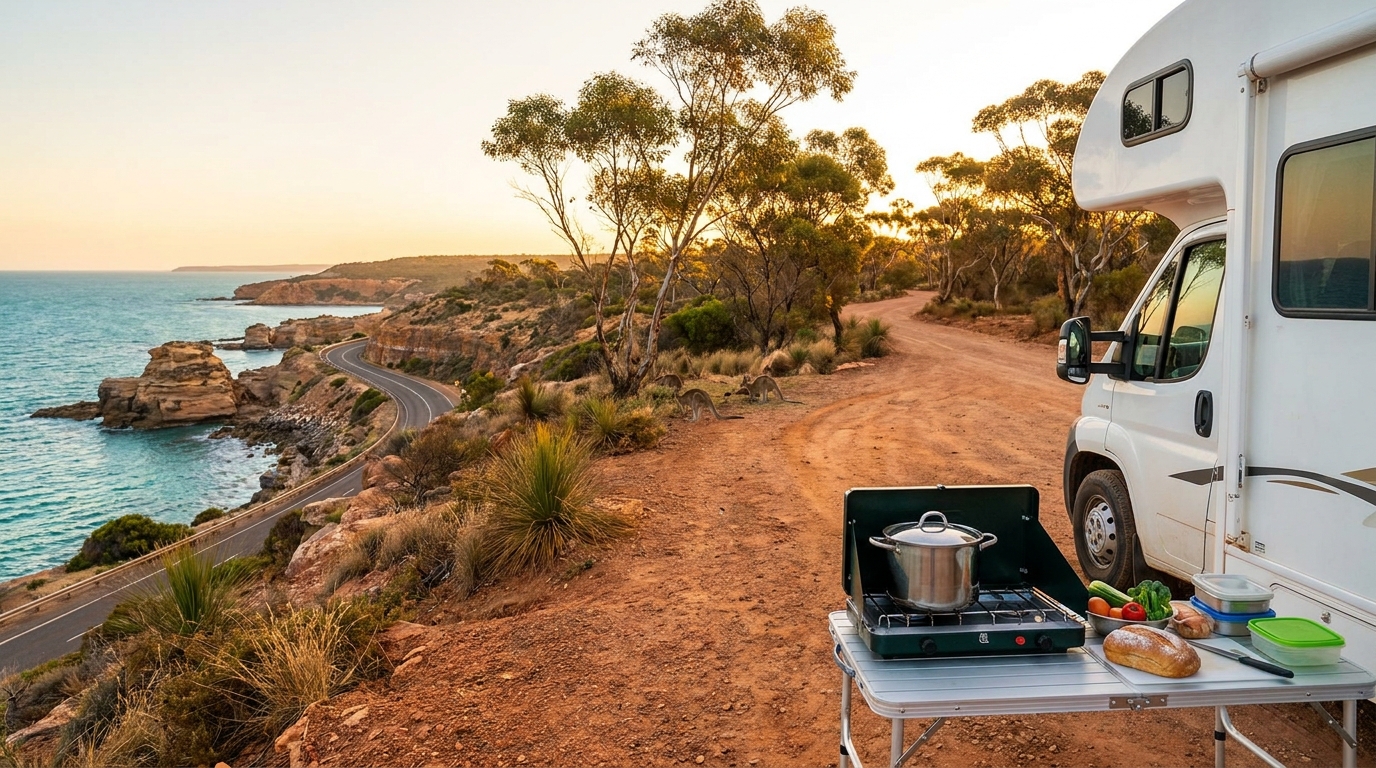
 A typical RV adventure in Australia offers a rich blend of iconic coastal drives, rugged outback exploration, and vibrant city experiences, making it an incredible destination for a motorhome journey. An ideal minimum duration for a focused regional trip is 7 days, with longer journeys extending to a month or more for comprehensive exploration, as Australia is truly vast. The best season for an RV trip in Australia varies significantly by region; however, Spring (September-November) and Autumn (March-May) generally offer the most pleasant conditions across the southern states, avoiding extreme summer heat or winter cold. When planning your route, remember that Bandana Caravan is your true RV specialist, not just a travel agency side department. We genuinely know RV travel and are here to help you discover it. For live availability and current prices, start with our RV Rental Australia - Complete Guide 2026 guide, where you can easily compare motorhome prices for Australia. Planning your trip in advance with a pre-planned route like those offered through RV PLANET can significantly enhance your experience and minimize logistical headaches.
Imagine yourself cruising along a pristine coastline or venturing into the sun-baked outback, your rented motorhome serving as your comfortable home on wheels. Australia's diversity means you can chase sunshine all year round, from the tropical north during its dry season (May to October) to the temperate south in its warmer months (December to February). We always recommend slow travel, averaging a maximum of 100-150 km per day. This allows you to truly feel the place, connect to the culture, the delicious food, and the breathtaking scenery without feeling rushed.
A typical RV adventure in Australia offers a rich blend of iconic coastal drives, rugged outback exploration, and vibrant city experiences, making it an incredible destination for a motorhome journey. An ideal minimum duration for a focused regional trip is 7 days, with longer journeys extending to a month or more for comprehensive exploration, as Australia is truly vast. The best season for an RV trip in Australia varies significantly by region; however, Spring (September-November) and Autumn (March-May) generally offer the most pleasant conditions across the southern states, avoiding extreme summer heat or winter cold. When planning your route, remember that Bandana Caravan is your true RV specialist, not just a travel agency side department. We genuinely know RV travel and are here to help you discover it. For live availability and current prices, start with our RV Rental Australia - Complete Guide 2026 guide, where you can easily compare motorhome prices for Australia. Planning your trip in advance with a pre-planned route like those offered through RV PLANET can significantly enhance your experience and minimize logistical headaches.
Imagine yourself cruising along a pristine coastline or venturing into the sun-baked outback, your rented motorhome serving as your comfortable home on wheels. Australia's diversity means you can chase sunshine all year round, from the tropical north during its dry season (May to October) to the temperate south in its warmer months (December to February). We always recommend slow travel, averaging a maximum of 100-150 km per day. This allows you to truly feel the place, connect to the culture, the delicious food, and the breathtaking scenery without feeling rushed.
7-Day Classic Route in Australia
This itinerary provides a perfect taste of Australia's stunning coastal beauty, focusing on manageable daily drives along the iconic Great Ocean Road in Victoria. Many travelers begin their journey in Melbourne, a vibrant city with diverse culture and culinary delights. Remember, you don't need to stress about driving an RV in cities like Melbourne-just drive slowly and carefully, and you can manage almost anywhere without issues. * **Day 1: Melbourne → Apollo Bay (185 km):** Begin your Great Ocean Road adventure, stopping at world-famous Bells Beach. Spend the night at Apollo Bay Holiday Park, where you can fall asleep to the sound of crashing waves. This is a journey of approximately 2.5-3 hours of pure driving time, allowing ample time for scenic stops. * **Day 2: Apollo Bay → Port Campbell (90 km):** Continue along the dramatic coastline, exploring the majestic Twelve Apostles and the historic Loch Ard Gorge. Port Campbell Recreation Reserve offers a convenient overnight stop. * **Day 3: Port Campbell → Halls Gap (Grampians National Park) (175 km):** Head inland to the rugged beauty of the Grampians National Park. Enjoy scenic lookouts and short hikes. Halls Gap Lakeside Tourist Park provides a tranquil setting amidst nature. * **Day 4: Halls Gap → Ballarat (120 km):** Dive into Australia's gold rush history at Sovereign Hill, a fascinating open-air museum. Spend the night at BIG4 Ballarat Goldfields Holiday Park. * **Day 5: Ballarat → Melbourne (115 km):** Return to Melbourne to explore city highlights like Federation Square or the bustling Queen Victoria Market. Many suburban caravan parks offer easy access to the city center. * **Day 6: Melbourne → Mornington Peninsula (85 km):** Discover the charm of coastal towns, indulge in natural hot springs, and sample local wines on the Mornington Peninsula. Arthurs Seat Holiday Park provides stunning views and facilities. * **Day 7: Mornington Peninsula → Melbourne Airport (110 km):** Enjoy a relaxed drive back, preparing for your departure. This 7-day motorhome itinerary showcases just a fraction of what Victoria has to offer.14-Day Extended Journey in Australia
This 14-day itinerary focuses on the iconic East Coast, allowing for a deeper exploration of New South Wales and Queensland's diverse landscapes, perfect for an extended road trip with a rented RV. This journey covers approximately 1,500-2,000 km, offering a balanced pace between driving and exploration. Travelers considering an extended trip might also find our "RV Rental Deals in Australia - Latest Offers 2026" guide useful for budgeting. * **Days 1-3: Sydney & Blue Mountains (approx. 100-150 km daily):** Start your adventure by exploring Sydney's world-famous landmarks like the Opera House and Harbour Bridge. Afterward, venture west to the dramatic Blue Mountains for hiking and breathtaking scenic views. Consider camping near Katoomba or Blackheath. * **Days 4-6: Hunter Valley & Port Stephens (approx. 150 km daily):** Drive north to the renowned Hunter Valley for wine tasting at its many vineyards, then continue to Port Stephens for dolphin watching and exploring immense sand dunes. Numerous local caravan parks welcome campervans and motorhomes. * **Days 7-9: Coffs Harbour & Byron Bay (approx. 150 km daily):** Continue your journey up the coast, stopping at Coffs Harbour, famous for the Big Banana. Then, relax in the vibrant, bohemian atmosphere of Byron Bay. Look for caravan parks in each town for overnight stays. * **Days 10-12: Gold Coast & Brisbane (approx. 100-150 km daily):** Cross into Queensland, where you can experience the thrilling theme parks and beautiful beaches of the Gold Coast. Afterward, explore Brisbane's dynamic city life and cultural precincts. Camp at a Gold Coast or Brisbane caravan park. * **Days 13-14: Sunshine Coast (approx. 100 km daily):** Head north to the relaxed Sunshine Coast, visiting picturesque Noosa Heads or the famous Australia Zoo. Enjoy some final relaxation before returning to Brisbane for departure preparation. A standard car driver's license is sufficient for driving all motorhome classes in Australia, including a larger Class C or Class A motorhome for this trip.Recommended RVPlan Trip for Australia
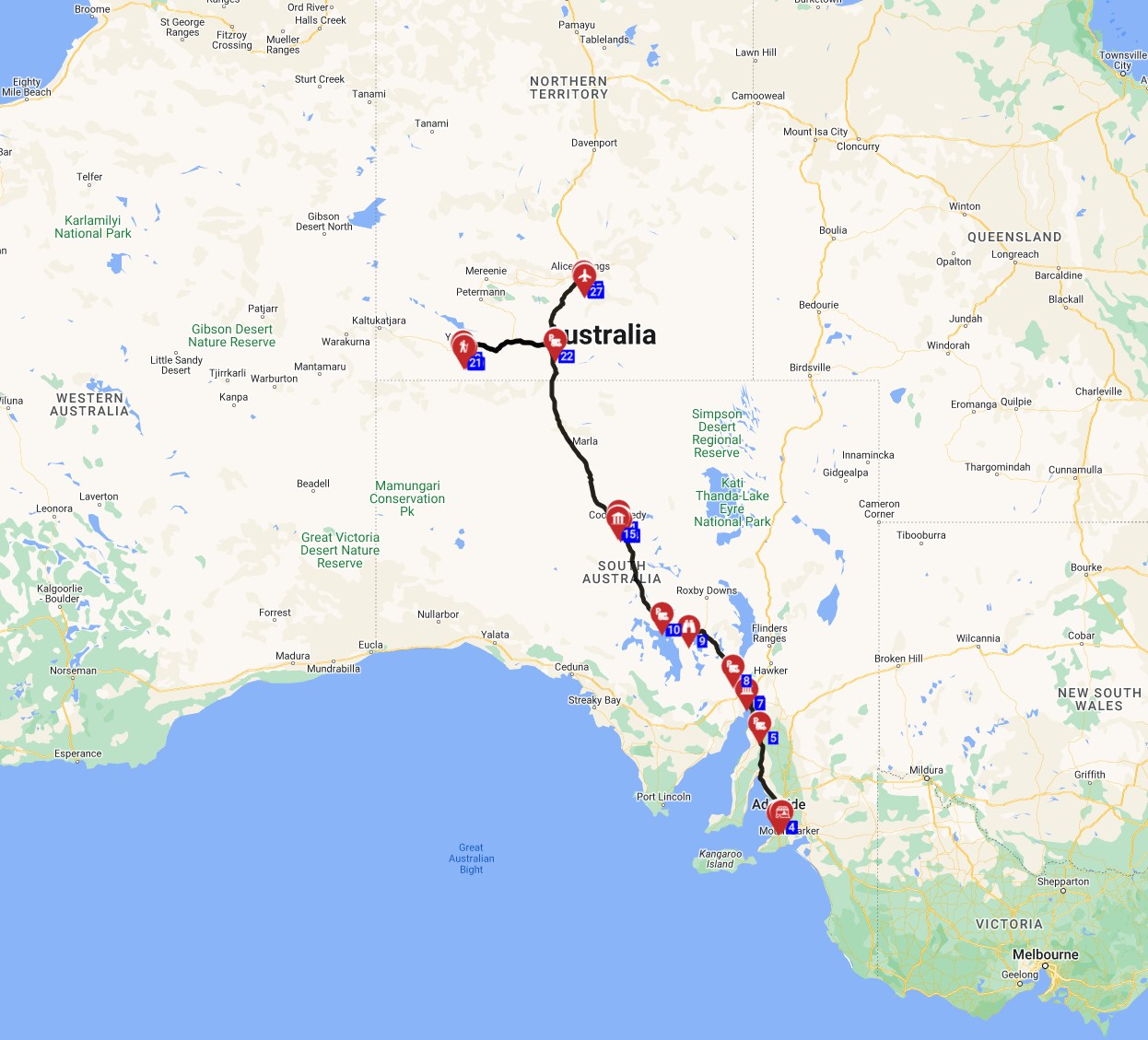
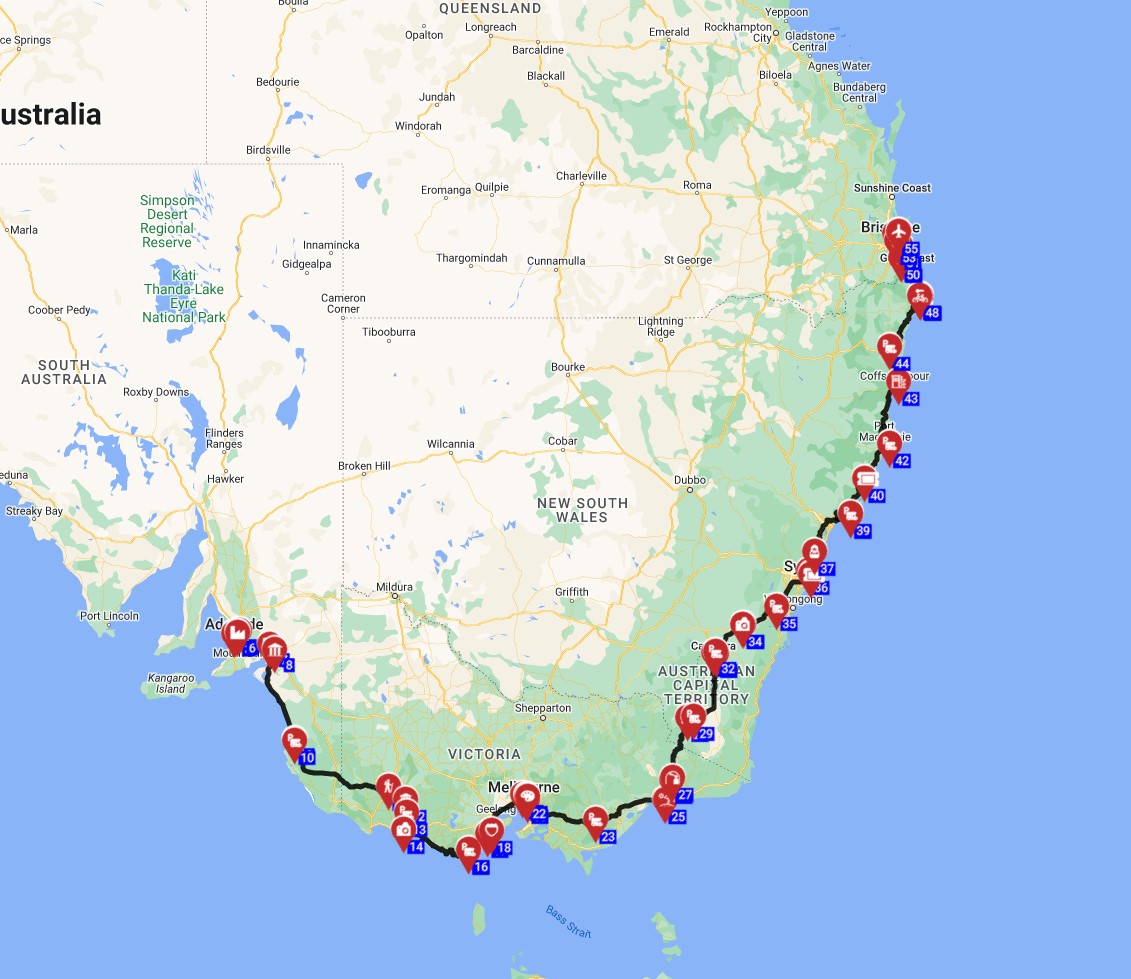
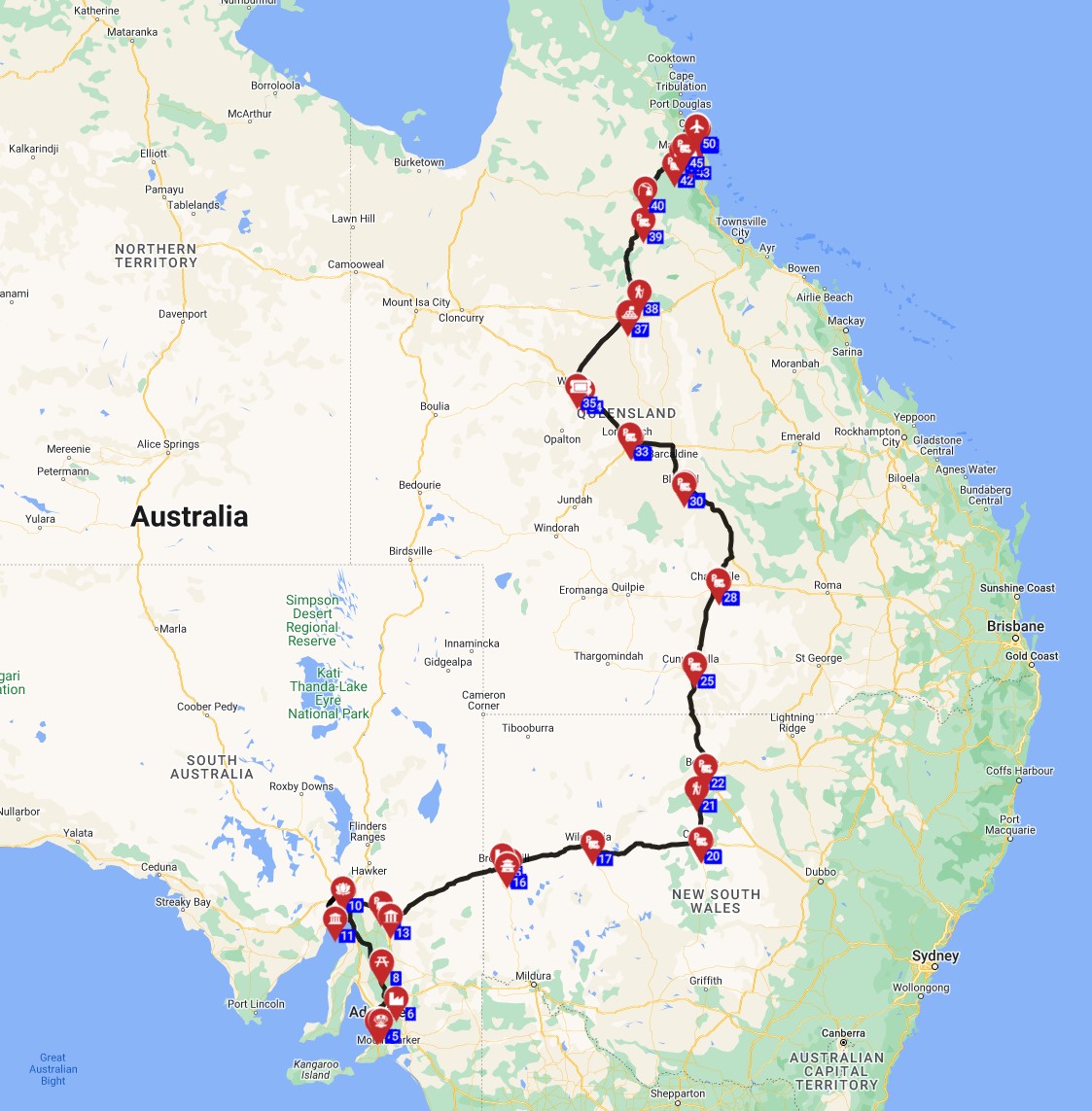
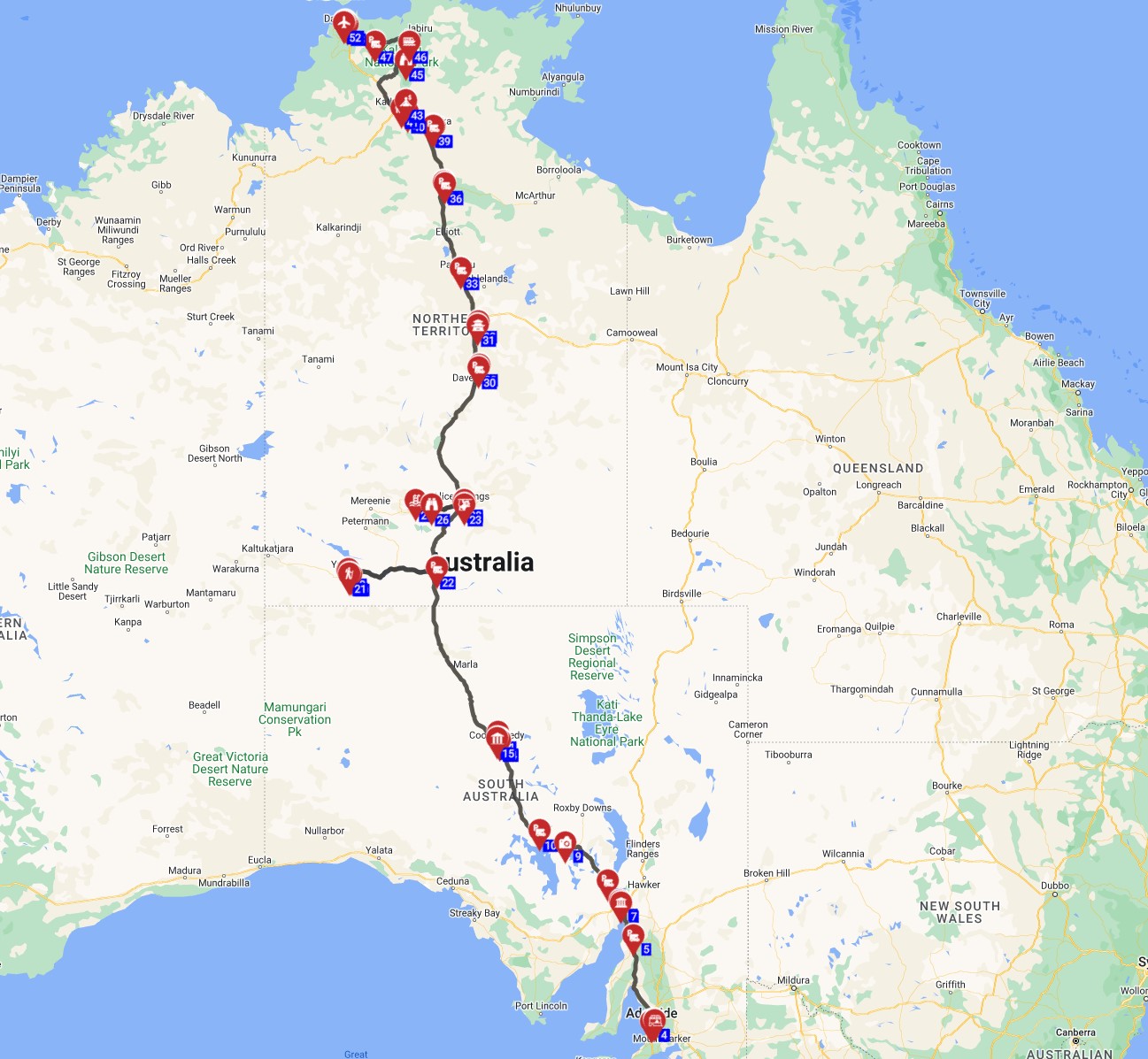
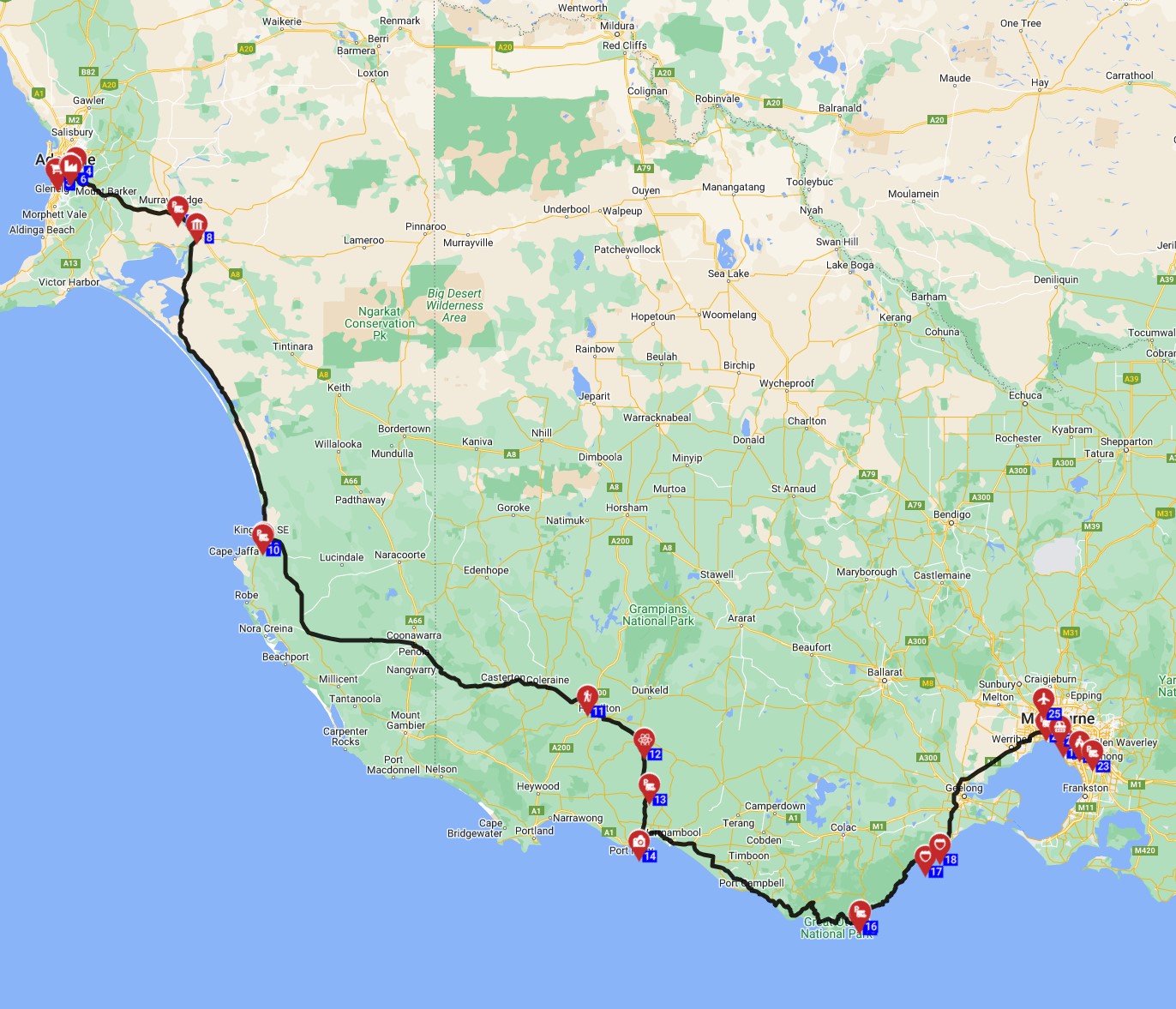
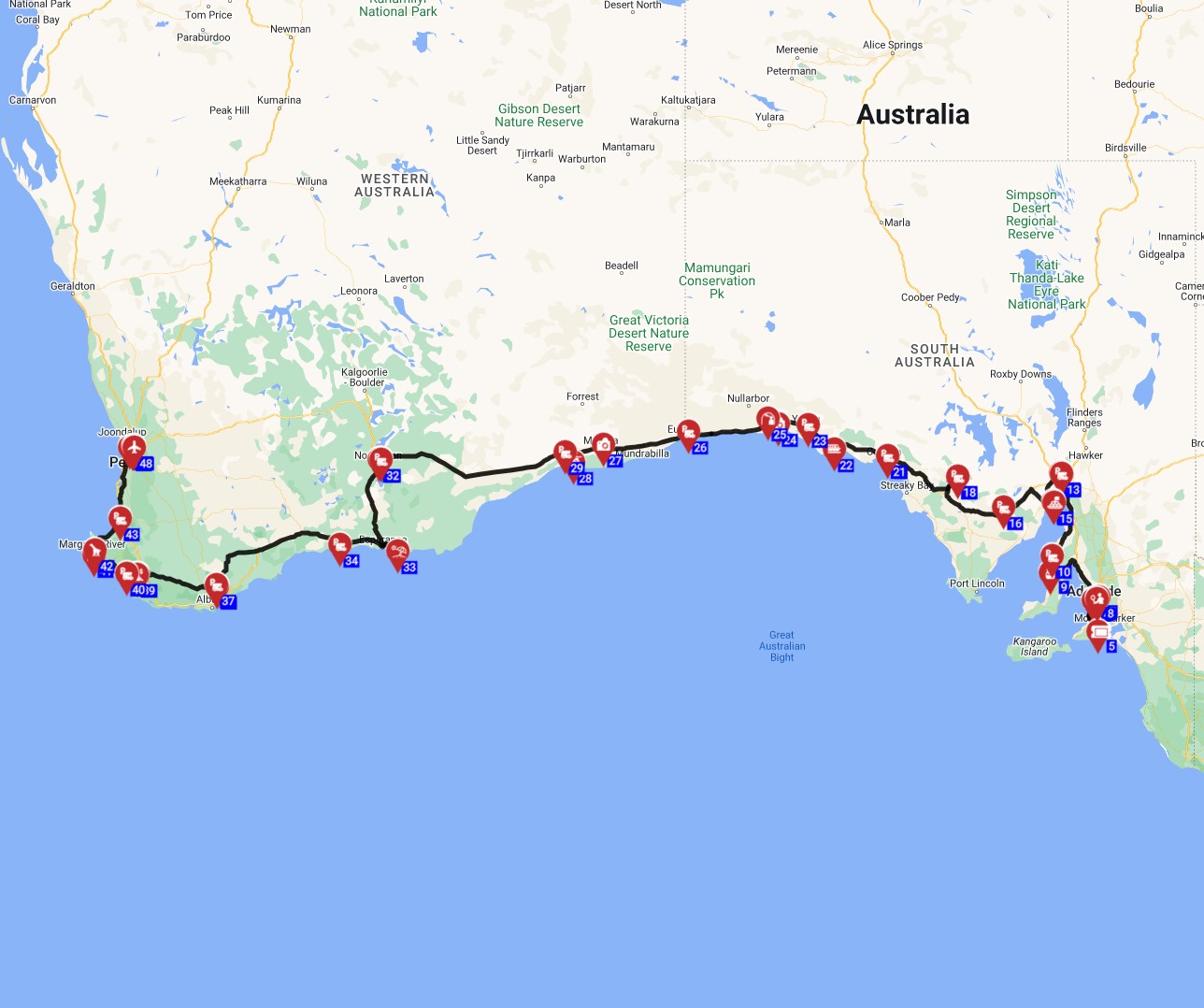
For those seeking an epic, cross-country RV adventure in Australia, exploring meticulously pre-planned routes can transform your trip. Bandana Caravan, with over 20 years of experience, proudly partners with RV PLANET (rvplan.net) to offer professionally crafted itineraries. Utilizing these routes means you get to experience the freedom of RV travel without the endless hours of planning. Our Rent&Plan service simplifies everything, providing ready-made routes by professionals and rewarding you with a 25% planning discount when you use rvplan.net. Consider these fantastic options for your Australian motorhome journey: The "Melbourne to Darwin - Australia’s Heartline Road Trip" is an extensive 26-day journey covering 5622.8 kilometers from Melbourne to Darwin. This itinerary includes 2 animal shows/wildlife watches, 1 aquarium, 1 art gallery, 1 beach, 1 botanical garden, 1 canoe/kayak/rafting experience, 1 cave, 1 day tour, 1 extreme activity, 2 family activities, 2 heritage sites, 5 hiking areas, 2 historical sites, 1 horseback riding adventure, 1 local industry visit, 3 museums, 4 natural features, 1 park, 1 picnic area, 5 points of interest, 2 scenic routes, 1 spa/terme, 1 swimming spot, 1 tourist attraction, 1 traditional market, 2 traditional restaurants/fine dining experiences, 3 traditional visits, and 1 zoo. This truly is a comprehensive way to see Australia's diverse heartland with a rented RV. Another incredible option is the "Perth to Alice Springs - The Dreamtime Highway: A Journey Through Australia's Heart," spanning 21 days and 5447.3 kilometers. This route, starting in Perth and ending in Alice Springs, features 2 animal shows/wildlife watches, 1 beach, 1 botanical garden, 1 canoe/kayak/rafting activity, 1 cave, 1 cruise terminal/sailing experience, 1 day tour, 1 family activity, 1 heritage site, 2 hiking areas, 1 historical site, 2 local industry visits, 3 museums, 4 natural features, 5 points of interest, 3 tourist attractions, 2 traditional restaurants/fine dining, 2 traditional visits, and 1 zoo. Finally, the "Cairns to Alice Springs - Northern Horizons: A Journey Through Australia's Heartland" offers a 17-day journey across 4003.6 kilometers from Cairns to Alice Springs. This route includes 1 animal show/wildlife watch, 1 art gallery, 1 botanical garden, 2 caves, 1 cruise terminal/sailing, 1 day tour, 1 heritage site, 3 hiking areas, 1 museum, 2 natural features, 1 point of interest, 1 scenic route, 1 science site, 2 swimming spots, 2 tourist attractions, 1 traditional restaurant/fine dining, 2 traditional visits, and 1 zoo. These curated itineraries simplify your planning, allowing you to focus on the adventure. For finding campsites and campgrounds during your trip, we recommend using RV PLANET (rvplan.net) - a great resource for locating available spots along your route. Additionally, on RV PLANET routes, travelers can itemize and track every expense along the way for easy budgeting.Must-See Stops Along the Way (Avi Bandana Picks)
Avi Bandana, our founder and a seasoned RV travel expert, has hand-picked a few unique stops that go beyond the typical tourist traps, focusing on cultural immersion, local flavors, and truly unforgettable experiences across Australia. These recommendations are designed to help you connect more deeply with this incredible continent. * **Traditional Visit:** Don't miss the Warradjan Aboriginal Cultural Centre within Kakadu National Park for a deep dive into Indigenous history and culture. This provides invaluable insight into Australia's ancient heritage. * **Local Industry:** Seek out local industries like the Macadamia Castle in New South Wales, offering a taste of regional produce and engaging farm experiences. This is an excellent way to support local communities and savor fresh Australian treats. * **Traditional Restaurant / Fine Dining:** Indulge in fresh seafood at the Sydney Cove Oyster Bar, providing an iconic waterfront dining experience with stunning views of the Sydney Opera House. RV travel allows you to cook many of your meals on board, and our RV-friendly recipes playlist is packed with ideas to make delicious food in your campervan. However, a special meal out is always a treat! * **Traditional Market:** Explore local farmers' markets for fresh produce and artisanal goods, a great way to engage with the community and stock up on supplies for your RV kitchen. Brisbane's Eat Street Northshore is a fantastic example of a vibrant market atmosphere. * **Scenic Drives:** While the Great Ocean Road is famous, consider lesser-known gems like the Grand Pacific Drive south of Sydney, offering breathtaking coastal scenery and charming towns. These experiences truly enrich your RV itinerary in Australia.Daily Driving Distances & Drive Times in Australia
Avi Bandana recommends a maximum of 100 miles or 150 km per day on average to truly savor the Australian landscape and avoid driver fatigue, which is crucial given the vast distances. Adhering to this guideline ensures you have ample time for spontaneous stops, scenic detours, and deeper exploration at each location. Australia's sheer size means that rushing can lead to missed opportunities and exhaustion, so embrace the philosophy of slow travel. For example, the popular drive from Melbourne to Apollo Bay along the Great Ocean Road is approximately 185 km (115 miles) and takes about 2.5-3 hours of direct driving, fitting comfortably within the recommended daily limit. Similarly, a trip from Sydney to the Blue Mountains (Katoomba) is roughly 100 km (60 miles), taking around 1.5 hours, leaving plenty of time for sightseeing and short hikes. Always factor in additional stops for fuel, groceries, photographs, and simply enjoying the scenery, as these can add significant time to any journey. You might want to refer to our "RV Travel Guide to Australia - Tips and Top Spots 2026" for more detailed advice on managing travel times.Best RV Class for This Itinerary - Couple & Family Picks
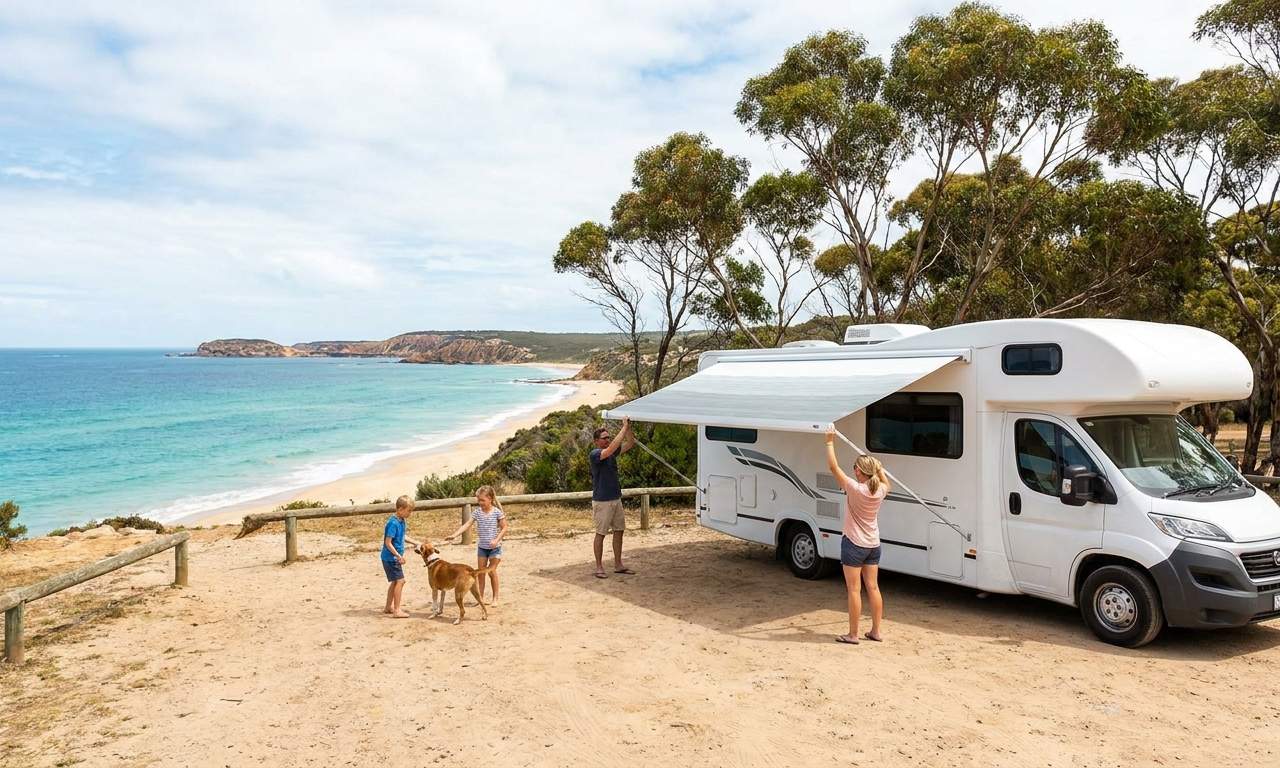
Choosing the right RV class for your Australian adventure depends entirely on your group size, comfort preferences, and the specific itinerary you plan to undertake. Bandana Caravan offers a diverse range of motorhomes and campervans to suit every need. **For Couples:** A Class B - Camper Van is often the ideal choice, offering a compact, maneuverable, and fuel-efficient option for two travelers. These models, like the '2 Berth Hi Top' or 'Active Classic', average around 5.8 meters in length, comfortably sleeping 2-3 individuals, and typically consume 8-10 Liters per 100 km. Their smaller size makes them easy to drive and park, even in busier coastal towns, without needing to stress over narrow streets. You could also opt for a 'Duo - Campervan' which offers a compact interior for easy city navigation.A versatile 4x4 campervan like this Britz model is perfect for exploring both coastal roads and more rugged terrain in Australia.
What is the most beautiful road trip in Australia?
While beauty is subjective, the Great Ocean Road in Victoria is widely considered one of Australia's most beautiful road trips, famed for its rugged coastline, the iconic Twelve Apostles, and charming seaside towns. This 243-kilometer stretch of road offers dramatic cliffs, lush rainforests, and world-class surfing beaches. For those seeking even more stunning vistas, consider exploring the "RV Travel Guide to Australia - Tips and Top Spots 2026" for hidden gems. Other contenders for Australia's most stunning drives include the **Pacific Coast Touring Route** (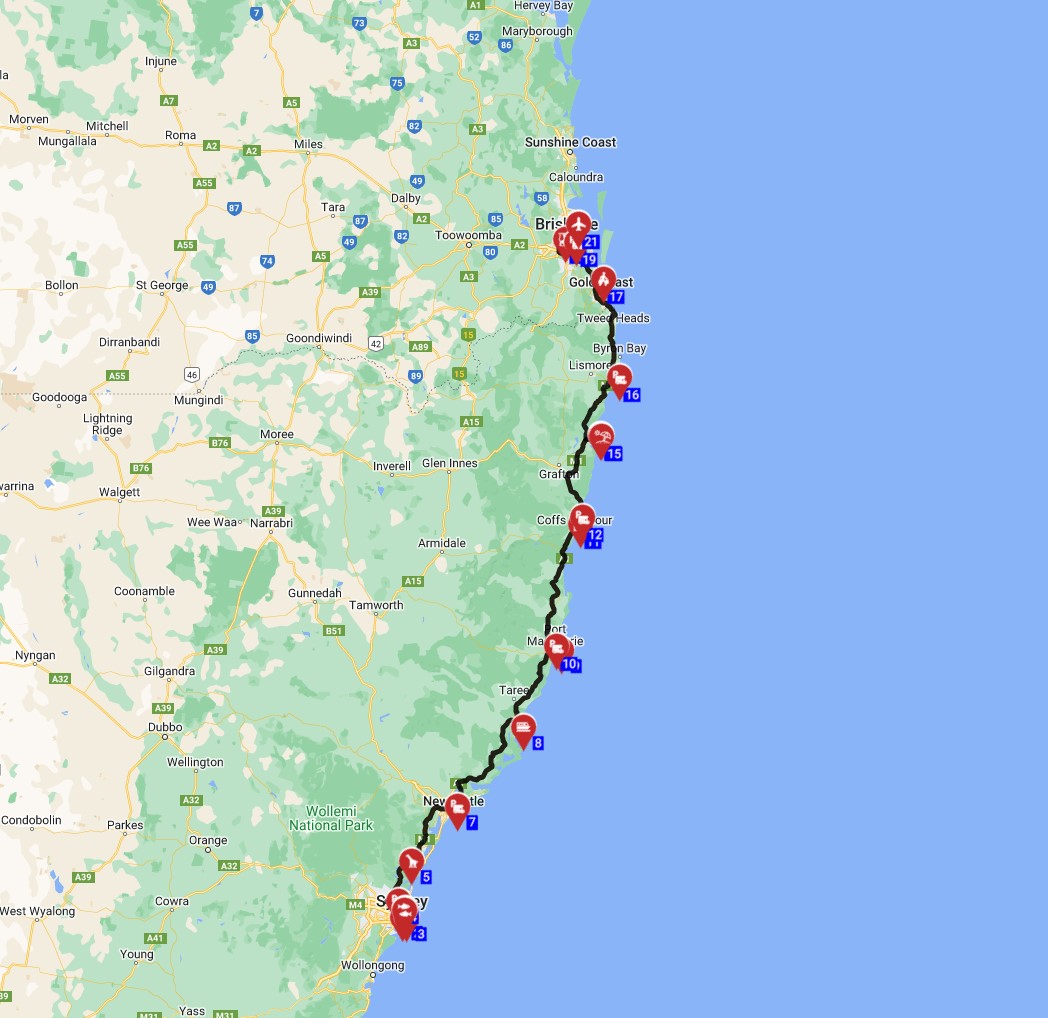
Sydney to Brisbane
Can you park an RV anywhere in Australia?
No, parking an RV anywhere in Australia is generally not permitted due to strict regulations, with designated caravan parks and approved free camping areas being the primary legal options. Australia has robust laws governing overnight parking and camping, especially in urban areas and national parks, to protect the environment and maintain public order. Driving a rented motorhome means you're responsible for adhering to these local rules. Travelers must research and utilize resources like WikiCamps Australia, local council websites, or official caravan park directories to find legal and safe overnight stops. Booking campsites in advance, particularly in popular national parks or during peak seasons (December-February for southern states, May-October for northern), is highly recommended to secure a spot and avoid disappointment. Free camping, often called 'bush camping,' is available in certain designated areas, but usually comes with restrictions on duration and amenities, often requiring self-contained vehicles capable of storing waste for several days. For comprehensive route plans that include designated campgrounds, refer to the resources at rvplan.net.What is the best RV in Australia?
The 'best' RV in Australia is subjective and depends entirely on your specific travel needs, group size, budget, comfort preferences, and the type of terrain you plan to cover during your RV itinerary in Australia. Bandana Caravan specializes in helping you find the perfect rented RV for your unique adventure. For couples seeking agility and fuel efficiency, a compact **Class B - Camper Van** is often ideal. These models, like the 'rv rental denver example Category Van' (small size, shower, toilet, ideal for a couple), are easy to maneuver on smaller roads and in city parking, consuming around 8-10 Liters/100 km. Families or larger groups typically find a **Class C - Alcove** motorhome more suitable, offering greater living space, multiple sleeping areas, and enhanced amenities for extended trips. For instance, the 'rv rentals example Comfort Class' offers 3 double beds, ideal for a big family or group of friends. Adventurous travelers planning to explore unsealed roads or remote outback areas might consider a 4WD campervan, like the '2 Person 4WD Camper' which is winter ready. Consider factors like shower/toilet facilities, kitchen size (e.g., 'MH-A' has 3 burners and a 302 Liter refrigerator), and storage space when determining the best rented RV for your unique Australian itinerary.How long does it take to travel around Australia in a campervan?
To circumnavigate Australia comprehensively in a campervan, a minimum of 3 to 6 months is typically recommended to truly experience its vastness without rushing and appreciate its diverse regions. This allows for adherence to the slow travel philosophy, averaging 100-150 km per day, giving you time to explore. Shorter regional trips are more feasible: exploring the entire East Coast (Sydney to Cairns) might take 3-4 weeks, covering approximately 2,500-3,000 km, while a loop through Western Australia could require 4-6 weeks. For a focused trip on a single state or specific highlights like the Great Ocean Road, 7 to 14 days can be sufficient. The total time required significantly depends on your pace, how many detours you take, and how much time you dedicate to activities and relaxation rather than continuous driving. With a rented RV, you have the flexibility to adjust your itinerary as you go, though popular campsites should be booked in advance. Many national parks reserve only 25-30% of spots; the rest are first-come-first-serve. You'll find a spot. If not at the first campground, then the next one. Always call ahead before driving.What is the 333 rule for campervan?
The '333 rule' for campervans is a common safety and etiquette guideline in Australia, recommending that travelers aim to stop driving every 3 hours, stay at least 3 meters away from other vehicles when parked, and spend no more than 3 nights in any one free camping spot. This rule helps ensure safety and respect for other travelers and the environment. The first '3' (stop every 3 hours) is crucial for driver safety, helping to prevent fatigue on Australia's long, often monotonous drives, especially in the outback. The second '3' (3 meters distance) promotes privacy and safety, ensuring adequate space between vehicles in camping areas, and reducing fire risk. The third '3' (no more than 3 nights in one spot) is an unofficial rule for free or low-cost camping sites, encouraging turnover, discouraging overstaying, and supporting local economies by prompting travelers to move on and utilize local services. Adhering to these guidelines helps maintain positive experiences for all RVers enjoying Australia.What not to do in Australia as an American?
As an American visiting Australia, it's crucial to be aware of local customs, unique safety precautions, and driving conventions to ensure a smooth, respectful, and enjoyable RV trip. Over the 20+ years we've been helping travelers, we've gathered many insights for a hassle-free trip. * **Don't underestimate the Australian sun:** Always 'slip, slop, slap' - slip on a shirt, slop on sunscreen, slap on a hat - even on cloudy days, as UV levels are extremely high and sunburn can occur quickly. * **Don't approach native wildlife:** While kangaroos, koalas, and kookaburras are iconic, keep a safe distance from all wildlife; never feed them, and be especially wary of snakes, spiders, and crocodiles in their respective habitats. * **Don't forget to drive on the left:** Australia drives on the left-hand side of the road, and priority rules at roundabouts and intersections may differ, so stay alert and practice in less busy areas first. Remember, a standard car license is all you need for any motorhome class. * **Don't expect universal mobile phone coverage:** Outside major towns and along popular routes, coverage can be sparse, especially in remote outback areas, so plan for offline navigation and consider a satellite phone for emergency communication in very remote regions. * **Don't underestimate distances:** Australia is vast; what looks like a short distance on a map can take many hours to drive, so plan your RV itinerary realistically with ample rest stops, sticking to our recommendation of 100-150 km per day. * **Don't forget comprehensive travel insurance:** Medical emergencies, trip cancellations, or vehicle issues can be costly, so ensure you have adequate coverage for your RV trip. While our top-level deductible reimbursement is an optional upgrade for vehicle peace of mind, personal travel insurance is vital.What are the top 3 tourist attractions in Australia?
Australia boasts a multitude of iconic tourist attractions, but three stand out for their global recognition, unique appeal, and profound cultural or natural significance, making them must-see stops on any RV itinerary in Australia. The **Sydney Opera House** is an architectural marvel and a global icon, instantly recognizable and a must-visit for its stunning design, world-class performances, and prime location on Sydney Harbour. Its unique shell-like structure makes it one of the 20th century's most famous buildings. **Uluru (Ayers Rock)**, located in the Northern Territory's Red Centre, is a sacred Aboriginal site and a breathtaking natural wonder known for its dramatic color changes at sunrise and sunset. This immense sandstone monolith holds deep spiritual significance to the Anangu people. The **Great Barrier Reef**, off the coast of Queensland, is the world's largest coral reef system, a UNESCO World Heritage site offering unparalleled opportunities for snorkeling, diving, and marine life observation across its 2,300-kilometer expanse. These three attractions represent the diverse beauty and cultural richness Australia has to offer.How many days are enough for an Australia trip?
The ideal number of days for an Australia trip largely depends on how much of the vast continent you wish to explore and the depth of your desired experience. Australia's immense size means that what constitutes "enough" time can vary wildly. For a concentrated experience of a specific region, such as the Great Ocean Road in Victoria or a single state like Tasmania, 7 to 10 days can be sufficient, focusing on key highlights and traveling at a relaxed pace. To explore a major region like the East Coast from Sydney to Cairns, or a significant portion of Western Australia, a minimum of 2 to 3 weeks is generally recommended to cover the distances and enjoy various attractions. For those dreaming of a multi-region adventure or a full circumnavigation, 1 to 3 months or even longer is advisable to avoid rushing and truly immerse yourself in the country's diverse offerings. Ultimately, more time allows for a slower pace, greater flexibility, and the opportunity to discover hidden gems beyond the main tourist routes, aligning perfectly with the spirit of a rented RV adventure.What is the best month to go to Australia?
The best month to visit Australia depends heavily on which region you plan to explore, as the country's vast size encompasses multiple distinct climate zones. Understanding these seasonal variations is key to planning a comfortable and enjoyable RV itinerary in Australia. **For Southern Australia (Sydney, Melbourne, Adelaide, Perth):** Spring (September to November) and Autumn (March to May) offer mild temperatures, comfortable touring conditions, and fewer crowds, making them ideal. Summer (December to February) can be hot, with temperatures often exceeding 30°C (86°F), especially inland. **For Northern Australia (Darwin, Cairns, Broome, Uluru):** The Dry Season (May to October) is unequivocally the best time, characterized by clear skies, lower humidity, and pleasant temperatures, perfect for outdoor activities and exploring the outback. Traveling in the shoulder seasons can also offer a good balance of pleasant weather and fewer tourists, depending on your specific destinations. Avoid the Northern Australian Wet Season (November to April) if heavy rains, high humidity, and potential road closures are a concern, though it offers lush landscapes and fewer tourists. This highlights the importance of checking weather and road conditions for your specific route before and during your trip.What You Shouldn't Miss
- **Cage of Death at Crocosaurus Cove (Darwin):** For the truly adventurous, get up close with massive saltwater crocodiles in a unique, transparent cage experience.
- **Whale Watching in Hervey Bay (Queensland):** Witness majestic humpback whales migrating between July and November, a truly awe-inspiring natural spectacle.
- **Hot Air Ballooning over the Atherton Tablelands (Cairns):** Soar above lush landscapes and enjoy a spectacular sunrise view over tropical Queensland.
- **Snorkeling or Diving the Great Barrier Reef:** Explore the vibrant underwater world, a UNESCO World Heritage site teeming with marine life.
- **Wine Tasting in Barossa Valley (South Australia):** Sample world-class wines in one of Australia's oldest and finest wine regions.
- **Witnessing Uluru at Sunrise or Sunset:** Experience the dramatic color changes of this sacred monolith, a profound cultural and natural highlight.
Final Thoughts
Australia truly is a continent best explored by RV, offering unparalleled freedom and the chance to immerse yourself in its spectacular natural beauty and vibrant culture. Whether you choose a quick 7-day coastal escape or an ambitious month-long journey through the outback, a rented motorhome or campervan provides a comfortable and flexible base for your adventure. Remember our advice to travel slowly, allowing you to savor every moment and connect with the unique spirit of each place. Planning an RV trip to Australia might seem daunting at first, but with the right resources and a transparent booking platform like Bandana Caravan, it becomes an exciting and achievable dream. We’re here to support you every step of the way, offering clarity on pricing and a wide selection of vehicles to suit your needs. So, don't just dream about it – start planning your incredible journey. Find RV Rentals in Australia now and embark on the adventure of a lifetime.On the routes offered through RV PLANET routes, you can itemize and track every expense along the way for easy budgeting.