In This Guide
- Best Tokyo - Airport RV Itinerary for airport rv rental - Overview
- 7-Day Classic Route in Tokyo - Airport
- 14-Day Extended Journey in Tokyo - Airport
- Recommended RVPlan Trip for Tokyo - Airport
- Must-See Stops Along the Way (Avi Bandana Picks)
- Daily Driving Distances & Drive Times in Tokyo - Airport
- Best RV Class for This Itinerary - Couple & Family Picks
- How do I rent an RV from Narita Airport
- How much does it cost to rent an RV in Japan
- What is the best time to visit Japan by RV
- Is it hard to drive an RV in Japan
- Where can I park my RV in Tokyo
- Can you sleep in your car in Japan
- Is Japan RV friendly
- Can you live in an RV in Japan
- Can foreigners buy an RV in Japan
Best Tokyo - Airport RV Itinerary for airport rv rental - Overview
A Tokyo-centric RV adventure is best enjoyed over a minimum of 7 days, allowing for a balanced pace of approximately 100-150 km (60-90 miles) of driving per day, primarily exploring regions around Mount Fuji, Hakone, and the Izu Peninsula. The ideal season for an RV trip from Tokyo airports is spring (April-May) for cherry blossoms and mild weather, or autumn (October-November) for vibrant fall foliage and comfortable temperatures, avoiding the humid summer and snowy winter driving conditions. This itinerary focuses on collecting your RV near Narita or Haneda and immediately heading out of the bustling metropolis to scenic areas, minimizing initial city driving challenges. For live availability and current prices, start with our RV Rental Tokyo - Airport - Complete Guide 2026 guide.
Imagine yourself on the route, leaving the airport behind and heading directly into Japan's breathtaking natural beauty. With a rented RV, you have a mobile headquarters to venture out to stunning national parks and coastal wonders, offering unparalleled flexibility. Bandana Caravan, founded in 2001, has been helping tens of thousands of travelers explore the world by RV for over two decades, making us true RV specialists who understand the nuances of international RV travel.
7-Day Classic Route in Tokyo - Airport
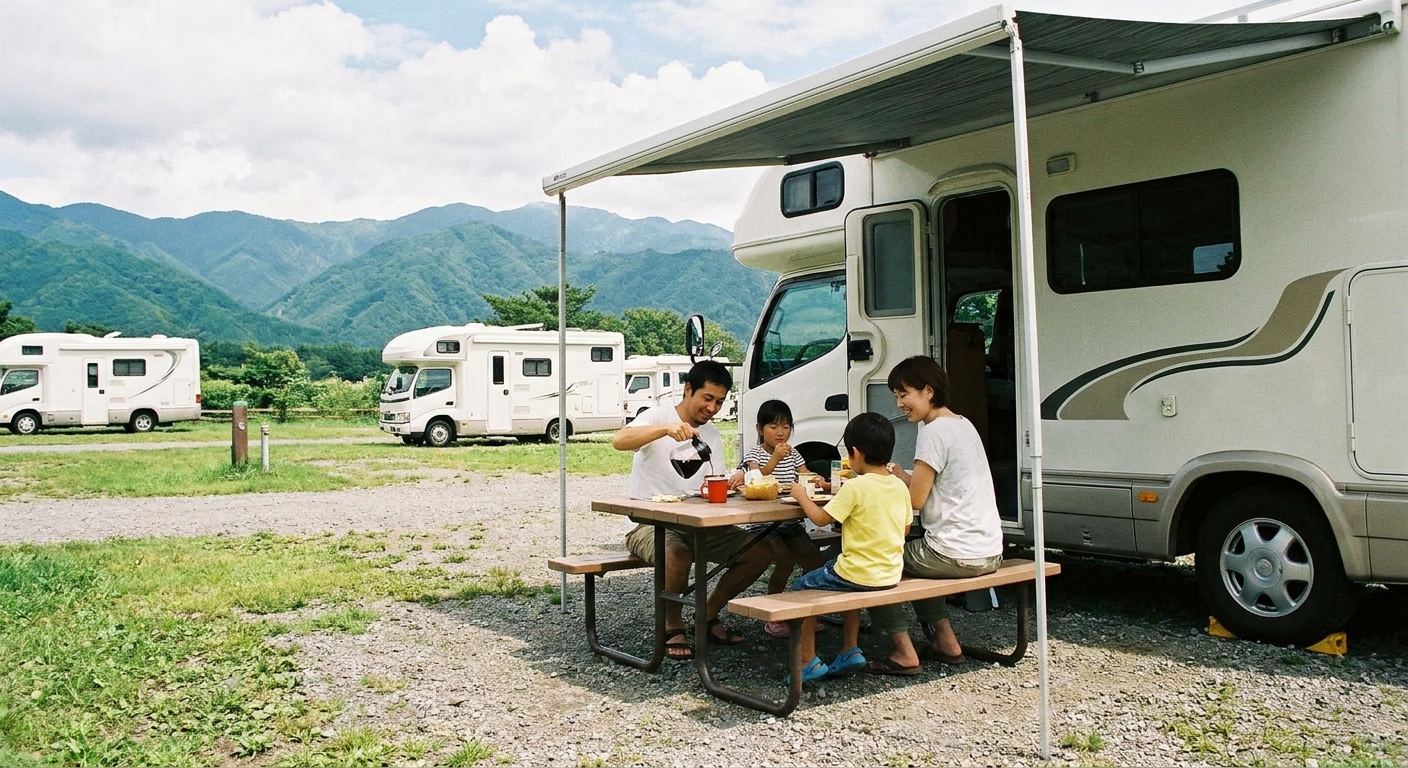
This 7-day RV itinerary from Tokyo - Airport provides a taste of Japan's scenic beauty, focusing on manageable daily drives and iconic sights.
- Day 1: Tokyo Area Pickup → Hakone (Approx. 100 km / 60 miles): Collect your rented RV near Narita or Haneda and enjoy a scenic drive to Hakone. Once settled in a designated RV park or Michi-no-Eki (roadside station), unwind with an onsen (hot spring) experience.
- Day 2: Hakone → Lake Kawaguchiko (Approx. 50 km / 30 miles): Explore the Hakone Open-Air Museum, then head towards Lake Kawaguchiko for panoramic views of majestic Mount Fuji. Spend the night at a campground or Michi-no-Eki near Lake Kawaguchiko.
- Day 3: Lake Kawaguchiko → Fuji Five Lakes Area (Approx. 50 km / 30 miles): Delve deeper into the Fuji Five Lakes area, exploring Lake Saiko, Lake Shojiko, and Lake Motosuko. Consider a scenic ropeway ride for even more spectacular vistas. Find a suitable campground or Michi-no-Eki in the region for the night.
- Day 4: Fuji Five Lakes Area → Izu Peninsula (Approx. 100 km / 60 miles): Drive south towards the beautiful Izu Peninsula, famous for its coastal views and fresh seafood. Secure a spot at a campground or Michi-no-Eki on the Izu Peninsula.
- Day 5: Izu Peninsula Exploration (Approx. 50 km / 30 miles): Dedicate the day to exploring specific Izu beaches, the dramatic Jogasaki Coast, or perhaps an animal park. Remember to embrace slow travel and connect with the local culture and food.
- Day 6: Izu Peninsula → Tokyo Outskirts (Approx. 120 km / 75 miles): Begin your return journey towards Tokyo, stopping at a suburban shopping center like AEON Mall Narita for supplies and last-minute souvenirs. Locate an RV park or Michi-no-Eki on the outer ring of Tokyo, avoiding central city parking challenges.
- Day 7: Tokyo Outskirts → Airport Area Drop-off (Approx. 50 km / 30 miles): Enjoy a short drive to the RV depot near Narita or Haneda for your RV drop-off, then transfer to the airport for departure.
14-Day Extended Journey in Tokyo - Airport
For those with more time, a 14-day RV itinerary allows for a richer exploration of the Tokyo - Airport region and Central Japan Highlands, maintaining Bandana's recommendation of slow travel at around 100-150 km per day.
- Days 1-3: Tokyo Area & Hakone: Your adventure begins with an airport pickup of your chosen motorhome, allowing ample time to settle in. Focus on exploring Hakone's renowned hot springs, volcanic valleys like Owakudani, and art museums. Daily driving here is usually within 50-100 km (30-60 miles).
- Days 4-6: Fuji Five Lakes & Yamanashi: Immerse yourself in the iconic Mount Fuji views from various vantage points around the lakes, enjoying lake activities such as boating or hiking. Expand your exploration to surrounding areas like Yamanashi's fruit farms and wineries, perfect for tasting local delights. Daily driving is typically 50-80 km (30-50 miles).
- Days 7-9: Izu Peninsula Coastal Wonders: Drive along the stunning Izu coastline, where you can visit pristine beaches, dramatic cliffs, and indulge in fresh seafood. Opportunities for snorkeling or diving are abundant here. Expect daily distances of 80-120 km (50-75 miles).
- Days 10-12: Central Japan Highlands (e.g., Karuizawa or Nagano): Head north from the Izu Peninsula into the refreshing Central Japan Highlands. Karuizawa offers chic resorts and serene nature trails, while Nagano is famous for its historic temples and winter sports heritage. This leg involves slightly longer driving days, but still within the 150 km (90 miles) limit, allowing for scenic pauses. Our "RV Rental in Tokyo - Airport for Couples - Pricing 2026" guide offers more insights into regional costs.
- Days 13-14: Return to Tokyo Outskirts & Departure: Enjoy a leisurely drive back towards the Tokyo airport region, ensuring all your supplies are replenished. Return your rented RV and prepare for your departure, reflecting on an unforgettable Japanese adventure. This final segment typically involves 100-150 km (60-90 miles) of driving. When considering your total trip cost, remember that on RV PLANET routes, travelers can itemize and track every expense along the way for easy budgeting, from fuel to campground fees.
Recommended RVPlan Trip for Tokyo - Airport
Bandana RV recommends exploring the diverse range of pre-designed itineraries available on the RV PLANET platform (rvplan.net) to streamline your RV rental experience from Tokyo - Airport. These meticulously crafted routes, designed by travel experts, seamlessly integrate with your RV rental, offering day-by-day guidance, points of interest, and overnight parking suggestions to eliminate planning headaches for your Japanese adventure.
Our sister company, RV PLANET, boasts over 1,300 pre-planned routes across 5 continents, including fantastic options for Japan. By utilizing the Rent&Plan service, you receive pre-planned routes by professionals, and as a reward for using rvplan.net, you also receive a 25% planning discount on your route itinerary. It's an incredible value proposition that provides full transparency and no hidden fees in your trip planning.
When you use the RV PLANET platform, you're not just getting a list of stops; you're getting a fully thought-out journey designed to maximize your enjoyment, with recommendations on where to park, where to find great local food (which you might even try to replicate in your RV kitchen later from our RV-friendly recipes playlist), and cultural insights. This allows you to truly travel slowly, absorbing the culture and scenery at your own pace.
Must-See Stops Along the Way (Avi Bandana Picks)
Looking for expert insights from Avi Bandana? Here are his top 5 adventure recommendations when exploring the Tokyo - Airport region by a rented RV:
- Hakone Open-Air Museum: This unique blend of art and nature in Hakone offers a refreshing cultural experience with stunning mountain backdrops. It's a perfect traditional visit, allowing you to walk through sculptures and installations amidst beautiful scenery.
- Oishi Park, Lake Kawaguchiko: For unparalleled, postcard-perfect views of Mount Fuji, especially during cherry blossom or autumn leaf seasons, Oishi Park is a quintessential traditional visit. It’s an ideal spot for photography and leisurely strolls along the lakeside.
- Michi-no-Eki Ito Marine Town, Izu Peninsula: More than just a roadside station, this is Avi Bandana's pick for a vibrant traditional market and a great spot for fresh local seafood. It offers dining, shopping, and even a natural hot spring footbath, making it an excellent stop for experiencing local industry and relaxing.
- Kachi Kachi Yama Ropeway, Lake Kawaguchiko: This fun traditional visit offers breathtaking panoramic views of Mount Fuji and the lake. Inspired by a classic Japanese folk tale, the ropeway provides both entertainment and incredible photo opportunities.
- Shiraito Falls, Fujinomiya: A UNESCO World Heritage site, these elegant waterfalls near Mount Fuji flow in delicate white strands, creating a serene and picturesque natural wonder. It’s a tranquil spot for reflection and connecting with nature.
Daily Driving Distances & Drive Times in Tokyo - Airport
Avi Bandana recommends a maximum of 100-150 km (60-90 miles) per day on average to ensure a relaxed RV journey through Tokyo - Airport and its surrounding regions, allowing ample time to explore destinations without feeling rushed. Traveling slowly by RV in Japan enables you to fully immerse yourself in local culture, discover hidden gems, and enjoy the scenic routes at your own pace, rather than constantly focusing on covering long distances.
Japan's road network, especially outside of major cities, offers beautifully maintained routes. For instance, the drive from the Narita Airport Area to Hakone typically takes approximately 2-3 hours, covering around 100-120 km (60-75 miles), depending on traffic conditions and chosen routes. Moving from Hakone to Lake Kawaguchiko is a shorter, scenic transition, usually taking roughly 1-1.5 hours for about 50 km (30 miles). When planning to travel from Lake Kawaguchiko to the eastern coast of the Izu Peninsula, anticipate about 2-2.5 hours of driving for around 100-120 km (60-75 miles), which includes navigating some winding mountain roads before reaching the coast. This pace allows for spontaneous stops and truly experiencing the journey. You can find more detailed driving information in our "Driving an RV in Tokyo - Airport - Complete Guide 2026" guide.
Best RV Class for This Itinerary - Couple & Family Picks
Choosing the right RV class for your Tokyo - Airport adventure ensures maximum comfort and ease of travel. For couples exploring the Tokyo region, Bandana recommends a Class B - Camper Van due to its compact size and superior maneuverability, which is ideal for navigating Japan's narrower roads and city parking challenges. For example, the rent rv example A1, a campervan, is ideal for a couple and features a front air conditioner, shower, and toilet. Bandana's global fleet Class B Camper Vans typically average 5.8 meters in length, comfortably sleep 3.2 people, and accommodate 2.7 adults, offering sufficient space and amenities for two without the bulk of larger vehicles.
For families traveling from Tokyo airports, the Class C - Alcove is an excellent choice, providing ample sleeping capacity and living space for a comfortable group experience. These include features like a gas stove and refrigerator, perfect for preparing family meals. Bandana's global fleet Class C Alcove models average 7.5 meters in length, boast an average of 5.8 sleeping places, and can accommodate 4.4 adults, making them well-suited for families seeking a balance of comfort and practicality on their Japanese adventure. To remove the planning headache entirely, consider Bandana's 'Rent&Plan' service, which pairs your chosen RV rental with a ready-made itinerary curated by travel experts, providing full access to trip-planning software for a seamless and stress-free journey.
How do I rent an RV from Narita Airport
To rent an RV from Narita Airport, travelers typically book with an off-site rental agency that provides shuttle services from the airport to their depot, as RVs are not directly available for pickup within the airport terminals. Upon arrival at Narita (NRT) or Haneda (HND), you'll generally follow instructions to call your rental provider, who will then dispatch a shuttle to pick you up and transport you to their facility for vehicle handover, often involving a detailed orientation and paperwork. Bandana Caravan partners with a network of 50+ leading RV suppliers worldwide, including local Japanese providers, ensuring a smooth pickup process. It's crucial to pre-book your RV and clarify the exact pickup and drop-off procedures, including shuttle timings and contact information, well in advance of your arrival to ensure a smooth transition from plane to RV. This full transparency is a cornerstone of our service.
How much does it cost to rent an RV in Japan
The cost of renting an RV in Japan generally ranges from ¥15,000 to ¥30,000 (approximately $100-$200 USD) per day, though this can vary significantly based on RV class, rental duration, season, and specific inclusions. Beyond the daily rental fee, a comprehensive cost breakdown for RVing in Japan must include high fuel costs (typically more expensive than in many Western countries), significant and complex toll road charges (making an ETC card essential for discounts and ease of use), and variable parking fees, especially in urban areas. An Electronic Toll Collection (ETC) card, often available for rent with your RV, is highly recommended to mitigate toll expenses and simplify payments on Japan's extensive network of expressways, which can otherwise be quite steep. Campground fees usually range from ¥2,000 to ¥5,000 per night, while utilizing Michi-no-Eki (roadside stations) can offer free overnight parking, though without hookups. For detailed cost breakdowns by vehicle and duration, explore our "Luxury RV Rental in Tokyo - Airport - Premium Prices 2026" and "Family RV Rental in Tokyo - Airport - Pricing Guide 2026" guides. On the routes offered through RV PLANET routes, you can itemize and track every expense along the way for easy budgeting.
When comparing prices, Bandana RV prides itself on full transparency, showing you the final price with no hidden fees or surprises. Our platform displays bookings available in 30+ currencies with full price transparency and no conversion commissions. For finding great deals, check out the "RV Rental Deals in Tokyo - Airport - Latest Offers 2026" on our site.
What is the best time to visit Japan by RV
The best time to visit Japan by RV is during the spring (April-May) for cherry blossoms and mild temperatures, or autumn (October-November) for stunning fall foliage and comfortable travel conditions, allowing for enjoyable outdoor activities and scenic drives. Spring offers vibrant cherry blossom viewing across the country, creating picturesque backdrops for your motorhome journey. Autumn showcases fiery red and gold landscapes, both providing moderate weather that is ideal for RV travel.
Summer (June-August) can be very hot and humid, especially in southern and central Japan, making driving and camping less comfortable, and often coincides with typhoon season, which could lead to heavy rains. Winter (December-March) can present challenges with snow and icy roads, particularly in mountainous regions and northern Japan, requiring careful route planning and appropriate vehicle preparation. However, if you're a ski enthusiast, winter in areas like Hokkaido or Nagano can be incredibly rewarding for a cold-weather RV adventure.
Is it hard to drive an RV in Japan
Driving a rented RV in Japan presents unique challenges due to narrower streets, complex multi-level highway junctions, and strict parking regulations, yet it is manageable with careful planning and an awareness of local driving customs. While main highways are excellent and well-maintained, navigating the intricate, often one-way streets in smaller towns and urban centers can be demanding for larger vehicles. Drive slowly and carefully, and you can drive almost anywhere without issues. No need to stress - just use common sense and pay attention. Smaller Class B Camper Vans or Semi-integrated models (averaging 5.8m and 6.9m respectively from Bandana's global fleet) are often more practical for ease of maneuverability.
Japanese road signs are generally in both Japanese and English, and most modern GPS systems often include English options, significantly aiding navigation. It is imperative to familiarize yourself with local driving laws, including speed limits, and be particularly mindful of height and length restrictions when planning routes, especially for parking garages or certain tunnels. A standard car driver's license is sufficient for all motorhome classes, and an International Driving Permit (IDP) is highly recommended for visitors from non-English speaking countries.
Where can I park my RV in Tokyo
Parking an RV directly within central Tokyo is highly challenging due to limited space, strict regulations, and height/length restrictions in most multi-story parking garages, making designated RV parks or Michi-no-Eki on the city's outskirts the most viable solutions. For example, near Narita Airport, Michi-no-Eki Fuwari Shibayama offers convenient overnight parking. Viable RV parking solutions within the greater Tokyo metropolitan area often involve utilizing larger parking lots at suburban shopping centers, designated RV sites (referred to as 'RV Parks' or 'Camping Cars Sites'), or peripheral Michi-no-Eki (roadside stations) which allow overnight stays. When considering city visits, it is often more practical to park your RV on the outskirts of Tokyo, such as around Fuchu or Kawasaki, and use Japan's incredibly efficient public transportation system to explore central Tokyo's bustling districts. Always confirm height, length, and weight restrictions before attempting to enter any parking facility to avoid costly damage or fines.
Can you sleep in your car in Japan
You can legally and commonly sleep in your rented RV or campervan in designated areas across Japan, primarily at Michi-no-Eki (roadside stations), which are designed to support travelers with facilities like restrooms and sometimes local produce stalls. Japan's Michi-no-Eki system provides an extensive network of roadside stations that welcome overnight stays for RVers, often equipped with clean restrooms, vending machines, and local shops, making them excellent spots for free and convenient overnight parking. While Michi-no-Eki are generally safe and accommodating, it is crucial for RV rental travelers to adhere to specific cultural etiquette, such as maintaining low noise levels, properly disposing of waste (Japanese trash separation rules are strict), and respecting fellow travelers, as they are intended for temporary rest rather than formal camping. Many Michi-no-Eki explicitly state 'no camping' signs, indicating that while overnight parking for rest is permitted, setting up awnings, outdoor furniture, or extended stays are generally discouraged.
Is Japan RV friendly
Japan is surprisingly RV friendly, offering an extensive network of Michi-no-Eki (roadside stations) for convenient overnight stays, well-maintained roads, and a growing number of dedicated RV parks, though navigating cities and understanding specific etiquette requires preparation. The country boasts excellent infrastructure, including smooth highways and readily available fuel, contributing to a pleasant RV travel experience, especially outside major metropolitan areas. RVers should be aware of specific Japanese cultural etiquette, such as meticulous waste disposal (separating trash into numerous categories), maintaining quiet hours at Michi-no-Eki and campsites, and understanding public bathing etiquette if using shared facilities. The increasing popularity of 'camping cars' among locals has led to more services and amenities catering to RV travelers, making it a viable and rewarding way to explore the country with a rented motorhome. Our "RV Rental Japan - Complete Guide 2026" provides more comprehensive details on RV travel nationwide.
Can you live in an RV in Japan
While extended RV trips are a fantastic way to explore Japan, using a rented RV for permanent, full-time living in Japan presents significant practical and legal challenges for travelers. RVs rented from Bandana are intended for vacation travel, typically for week-long trips or extended road trips, not as a primary residence. Establishing official residency, receiving mail, and accessing necessary amenities without a fixed address are complex matters under Japanese law. Most Michi-no-Eki and RV parks are designed for recreational use and short-term visitors, not for permanent stays. For rental travelers, this means enjoying the freedom of the road for your planned itinerary, then returning the vehicle as per your rental agreement, keeping your adventure focused on exploration.
Can foreigners buy an RV in Japan
Foreigners can generally buy an RV in Japan, but the process requires holding a valid long-term residency visa, a Japanese driver's license (or an International Driving Permit combined with a foreign license if staying less than a year), and navigating local vehicle registration laws and Japanese-language contracts. For travelers focused on RV rentals for their vacation, purchasing an RV is an unnecessary complexity. The process of transferring vehicle ownership, obtaining mandatory shaken (vehicle inspection) certificates, and arranging insurance usually requires fluency in Japanese or the assistance of a Japanese-speaking intermediary. For most international visitors to Tokyo - Airport, renting an RV through a platform like Bandana Caravan is by far the easiest, safest, and most affordable way to experience Japan by motorhome, handling all the logistical details for you.
What You Shouldn't Miss
- Mount Fuji Views from Chureito Pagoda: Capture the iconic vista of the five-story pagoda with Mount Fuji in the background, especially stunning during cherry blossom season.
- Owakudani Volcanic Valley in Hakone: Experience the active volcanic zone with its steaming vents and sulfurous fumes, accessible by ropeway, offering dramatic landscapes and black eggs cooked in the hot springs.
- Jigokudani Monkey Park (Snow Monkeys): While a bit further north, seeing the wild macaques bathing in natural hot springs is an unforgettable experience if your extended itinerary allows for it.
- Lake Ashi Cruise: Take a pirate ship cruise on Lake Ashi in Hakone for spectacular views of Mount Fuji, the Hakone Shrine gate (torii), and lush surroundings.
- Kawazu Cherry Blossom Festival (seasonal): If visiting in late February or early March, the early-blooming Kawazu cherry trees on the Izu Peninsula offer a breathtaking pink spectacle along the river.
- Sushi-making Class in Tokyo: Before picking up your RV, consider a traditional sushi-making class in Tokyo for a hands-on cultural and culinary experience.
Final Thoughts
Embarking on an RV rental adventure from Tokyo - Airport is an unparalleled way to experience the magic of Japan. From the serene landscapes surrounding Mount Fuji to the vibrant coastal beauty of the Izu Peninsula, a rented motorhome provides the freedom and flexibility to explore at your own pace. Remember our advice: travel slowly, typically no more than 100-150 km per day, allowing yourself time to truly connect with the culture, the incredible food, and the stunning scenery that Japan offers.
With Bandana Caravan, you’re choosing a partner committed to full transparency, expert support, and ensuring your trip is as smooth and enjoyable as possible. Our Rent&Plan service and comprehensive comparison platform take the stress out of organizing, so you can focus purely on living the journey. Discover top destinations, planning tips, all in one place!
Ready to hit the road and create unforgettable memories in Japan? Your perfect airport RV rental in Tokyo - Airport is just a few clicks away.
Find Motorhome Rentals in Tokyo - Airport