In This Guide
- Best Norway RV Itinerary for RV Rental — Overview
- 7-Day Classic Route in Norway
- 14-Day Extended Journey in Norway
- Recommended RVPlan Trip for Norway
- Daily Driving Distances & Drive Times in Norway
- Is it Safe to Drive an RV in Norway?
- Can You Park an RV Anywhere in Norway?
- How Much Does It Cost to RV in Norway?
- What is the Best Time of Year to RV in Norway?
- Is Norway RV Friendly?
- What are the Rules for Driving an RV in Norway?
- Where Can I Find an RV Rental in Norway?
- Are RVs Popular in Norway?
- Do I Need a Special License to Drive an RV in Norway?
- What is the Most Scenic Drive in Norway?
Best Norway RV Itinerary for RV Rental — Overview
A Norway RV adventure typically spans 7 to 25 days, covering an estimated 1,000-3,500 km, offering unparalleled freedom to explore diverse landscapes. The ideal season for most RV trips in Norway is summer (June-August), providing long daylight hours and access to all major routes and attractions. An RV allows for flexibility, letting you immerse yourself in everything from dramatic fjords and coastal roads to charming villages and bustling cities. This guide offers itineraries from 7 days to extended journeys, helping you plan your perfect Norwegian road trip.
When planning your journey, consider our extensive range of pre-planned routes through the RV PLANET platform (rvplan.net). For a comprehensive overview and current pricing information, consult our RV Rental Norway - Complete Guide 2026.
7-Day Classic Route in Norway
Day 1: Oslo → Geilo (approx. 220 km / 137 mi) - Begin your journey in Norway's capital, exploring highlights like Vigeland Park, then drive towards the Hardangervidda plateau. Sleep at Geilo Camping.
Day 2: Geilo → Flåm (approx. 160 km / 100 mi) - Enjoy a scenic drive, take the iconic Flåm Railway, and experience a breathtaking fjord cruise on Aurlandsfjord. Sleep at Flåm Camping & Youth Hostel.
Day 3: Flåm → Bergen (approx. 170 km / 106 mi) - Continue through stunning landscapes, potentially taking a ferry on the Nærøyfjord (UNESCO), and arrive in the picturesque city of Bergen to explore Bryggen. Sleep at Bergen Camping Park.
Day 4: Bergen → Hardangerfjord area (e.g., Odda) (approx. 100 km / 62 mi) - Drive along the Hardangerfjord Scenic Route, visiting powerful waterfalls like Steinsdalsfossen and Låtefossen. Sleep at a campsite near Odda.
Day 5: Hardangerfjord area → Stavanger (approx. 200 km / 124 mi) - Head southwest to Stavanger, the gateway to the Lysefjord, offering the opportunity for the famous Preikestolen (Pulpit Rock) hike. Sleep at Mosvangen Camping.
Day 6: Stavanger → Kristiansand (approx. 230 km / 143 mi) - Follow the southern coast, discovering charming towns and the vibrant city of Kristiansand, known for its zoo and amusement park. Sleep at Kristiansand Feriesenter.
Day 7: Kristiansand → Return/Departure (e.g., towards Oslo or ferry terminal) - Depending on your starting point, either begin your return journey or depart from a local port, concluding your classic Norwegian RV adventure.
14-Day Extended Journey in Norway
Avi Bandana recommends a maximum of 100 miles or 150 km per day on average to fully enjoy Norway's scenic routes. This itinerary adheres to that principle for a deeper exploration.
Day 1: Oslo → Beitostølen (approx. 140 km) - Depart Oslo, driving through the beautiful Valdres region towards the mountainous Beitostølen.
Day 2: Beitostølen → Lom (approx. 100 km) - Visit Lom Stave Church, a highlight before entering the gateway to Jotunheimen National Park.
Day 3: Lom → Hellesylt (Geirangerfjord area) (approx. 100 km) - Travel via scenic Route 15 towards the iconic Geirangerfjord, taking a ferry into Hellesylt.
Day 4: Hellesylt → Ålesund (approx. 100 km) - Explore the Geirangerfjord thoroughly with a cruise, then head to Ålesund, renowned for its Art Nouveau architecture.
Day 5: Ålesund → Molde (Atlantic Road area) (approx. 70 km) - Enjoy a shorter, picturesque coastal drive to Molde, preparing for the next day's iconic route.
Day 6: Molde → Bud / Eide (Atlantic Road) (approx. 50 km) - Experience the Atlantic Road, an engineering marvel, exploring its bridges and the charming fishing village of Bud.
Day 7: Bud / Eide → Kristiansund (approx. 60 km) - Continue along the coast to Kristiansund, a city built on four islands, offering maritime history.
Day 8: Kristiansund → Oppdal (approx. 150 km) - Drive inland, passing through scenic landscapes towards Oppdal, a hub for outdoor activities and gateway to Dovrefjell.
Day 9: Oppdal → Trondheim (approx. 120 km) - Journey north to Trondheim, home to the magnificent Nidaros Cathedral and vibrant Bakklandet district.
Day 10: Trondheim Exploration - Dedicate a full day to discover Trondheim's cultural and historical sites, including its colorful wharves.
Day 11: Trondheim → Røros (UNESCO) (approx. 150 km) - Head southeast to the UNESCO-listed former copper mining town of Røros, a living museum.
Day 12: Røros → Lillehammer (approx. 150 km) - Drive to Lillehammer, famous for the 1994 Winter Olympics and its open-air museum, Maihaugen.
Day 13: Lillehammer → Hamar (approx. 60 km) - A short drive to Hamar on the shores of Lake Mjøsa, visiting the glass-roofed cathedral ruins.
Day 14: Hamar → Oslo (approx. 130 km) - Conclude your extended journey by returning to Oslo, allowing ample time for drop-off and final reflections.
For a more curated experience, consider the
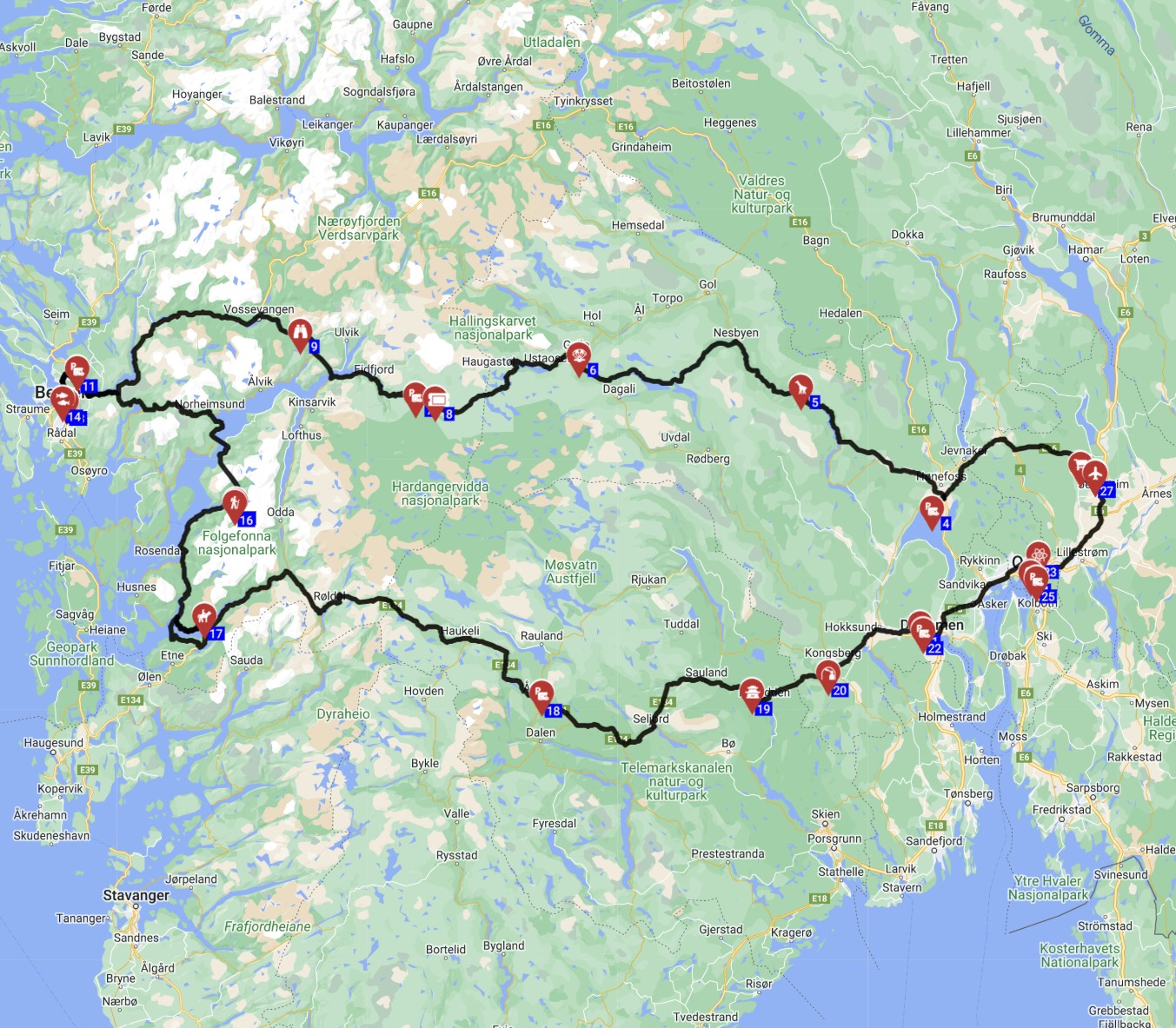
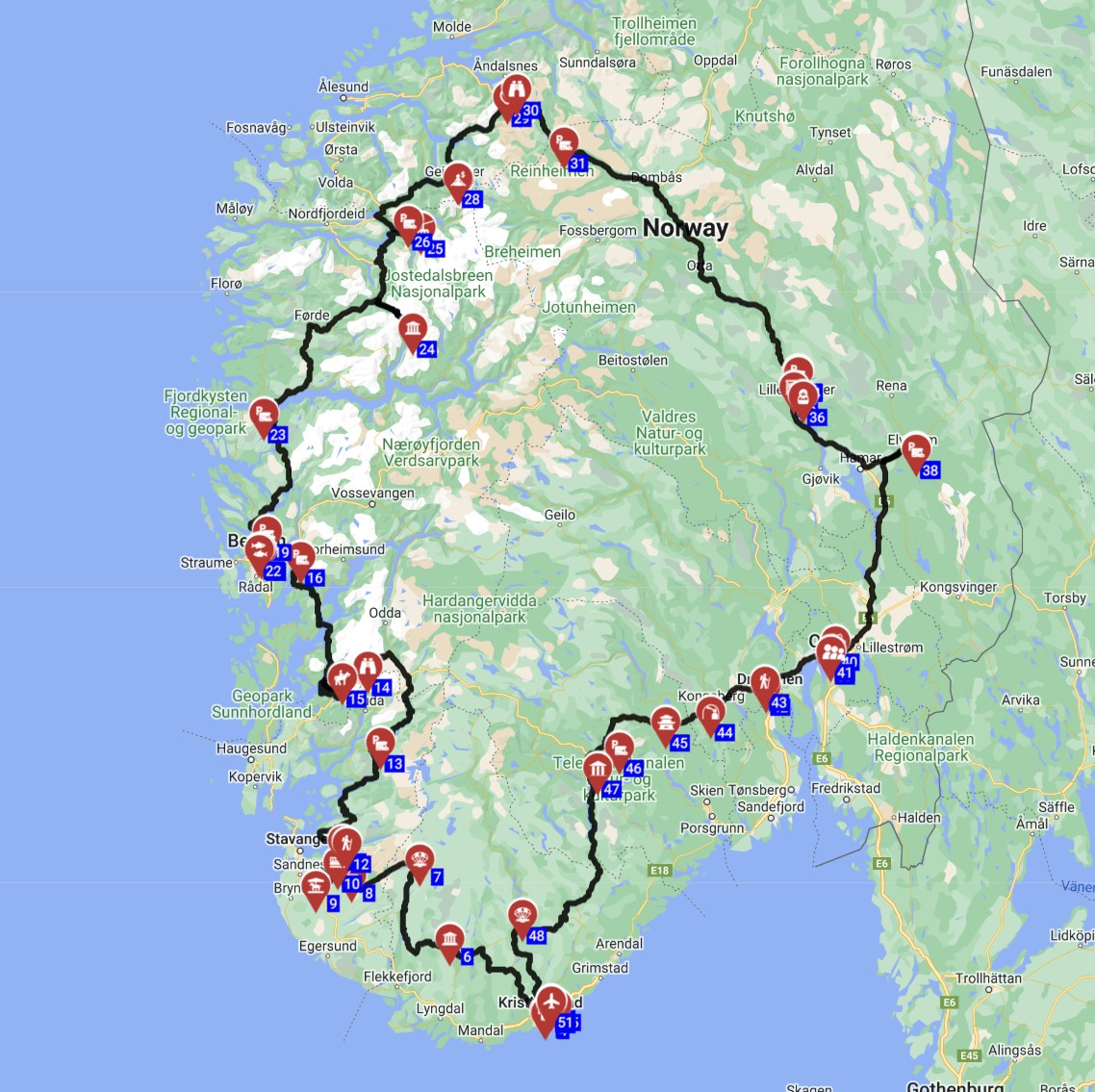
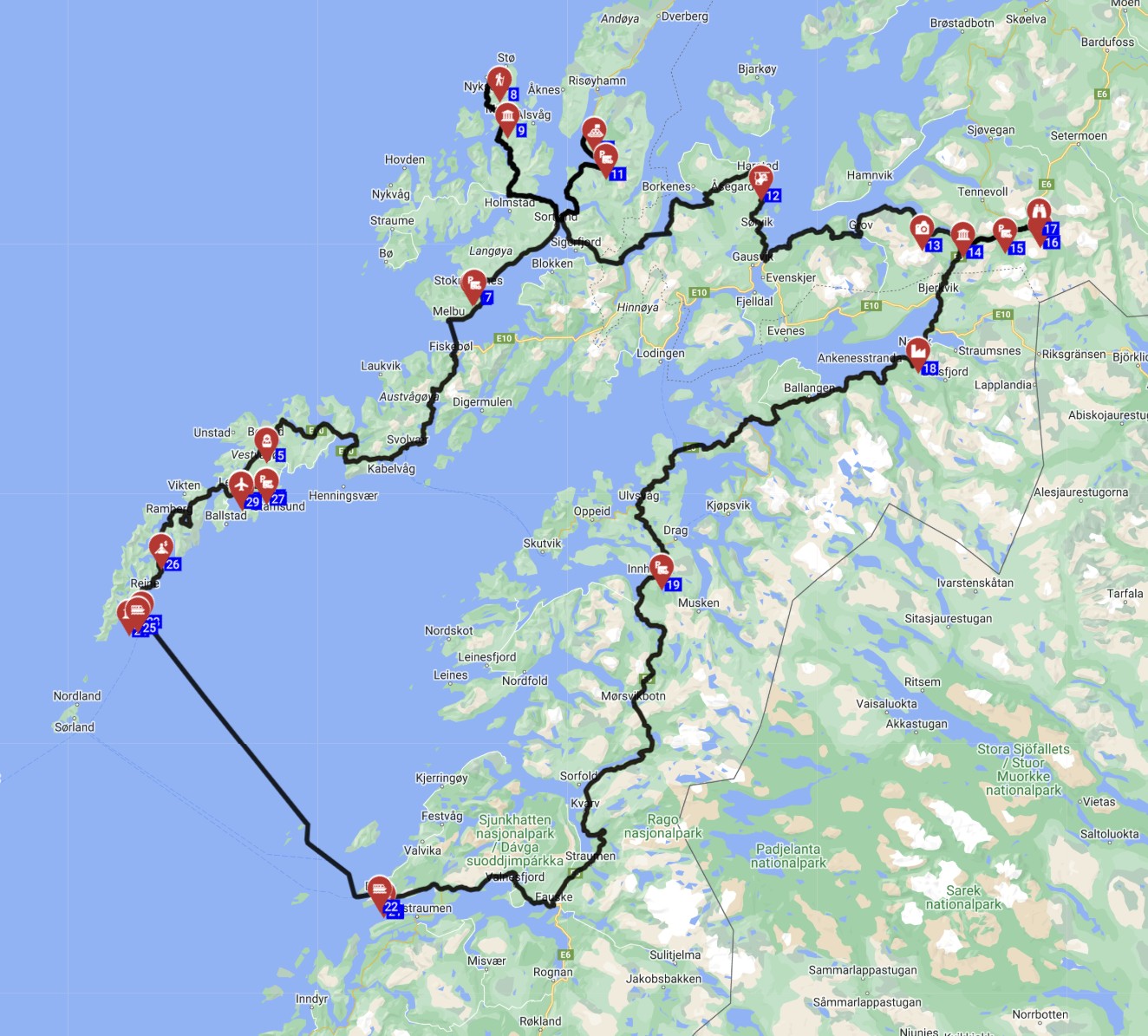
"Hamburg Roundtrip - To Denmark & Norway Family Adventure" from RVPlan, a 25-day, 3,427 km journey that provides an immersive exploration of Northern Europe.Must-See Stops Along the Way (Avi Bandana Picks)
Avi Bandana recommends seeking out immersive cultural experiences to truly connect with Norway's heritage, beyond just scenic overlooks. Prioritize **Traditional Visit** locations, such as historic Viking sites or stave churches, which offer deep insights into local customs and history. Engage with local life at **Traditional Market**s, where you can find authentic Norwegian produce, crafts, and perhaps sample local delicacies. Explore **Local Industry** sites, like small-scale fishing operations or traditional craft workshops, to understand the unique economic and cultural fabric of various Norwegian regions. Consider the
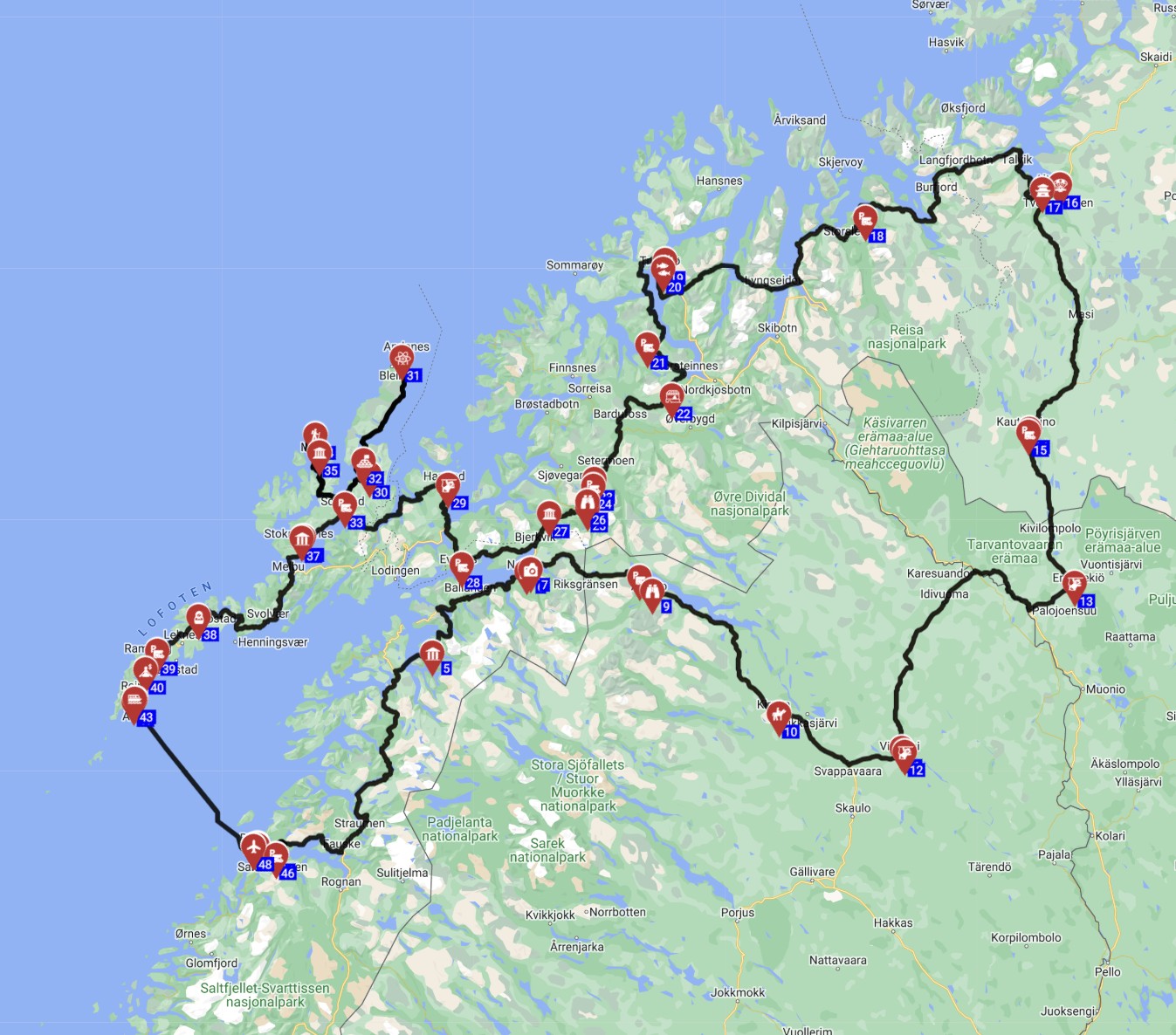
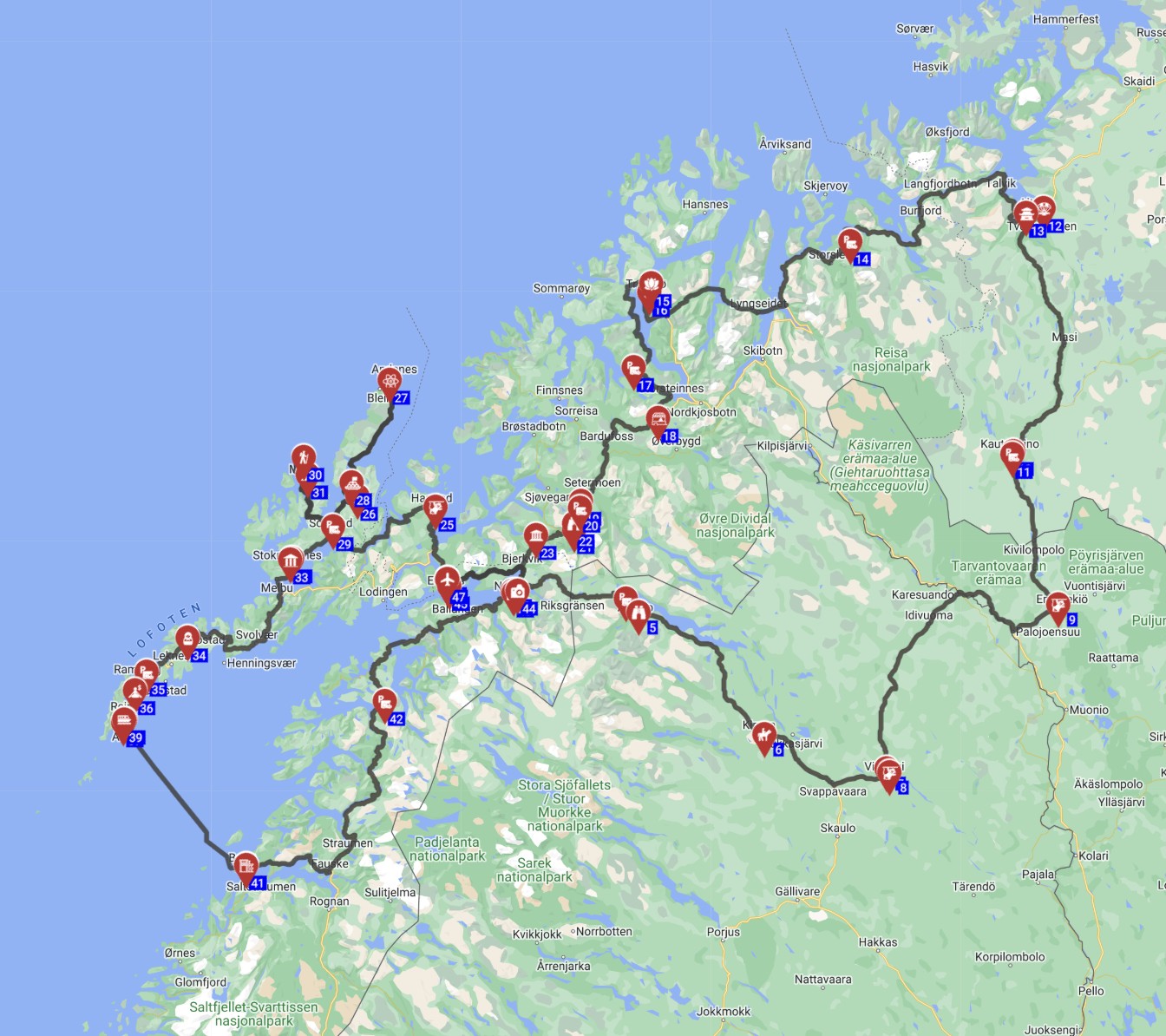
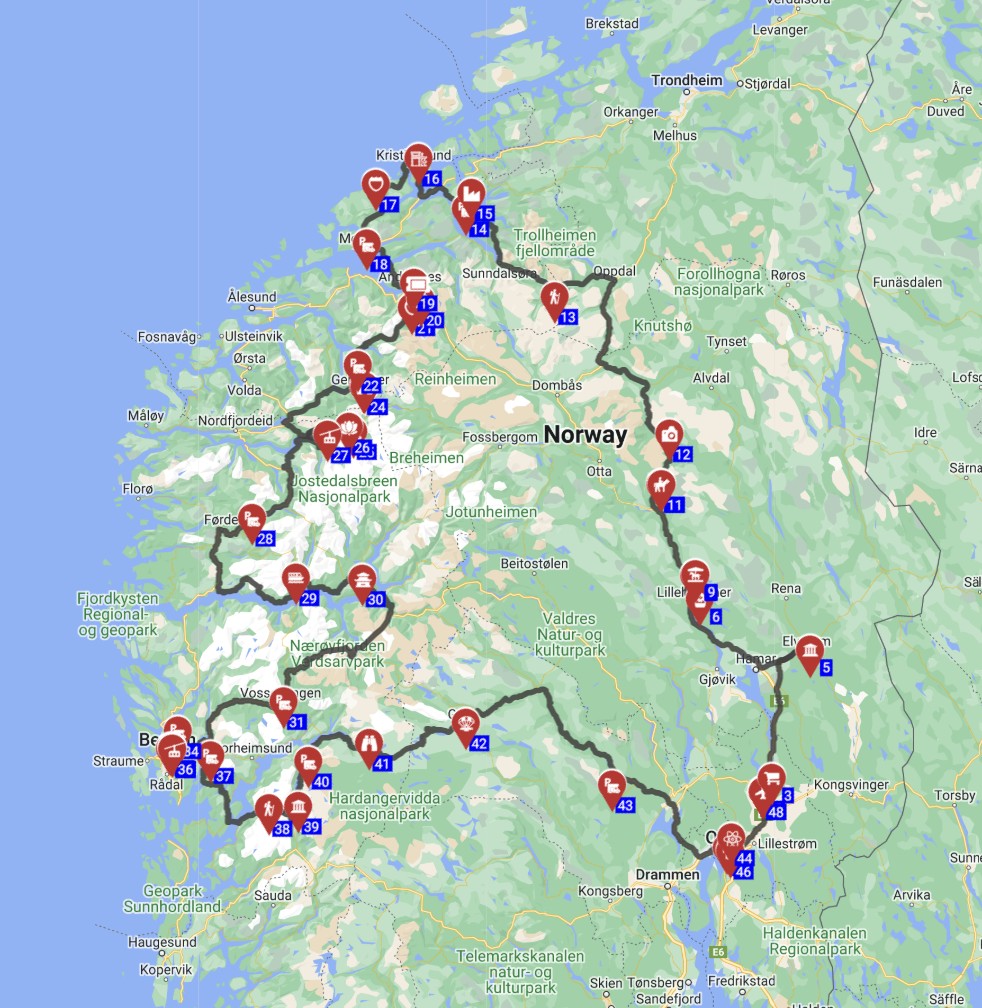
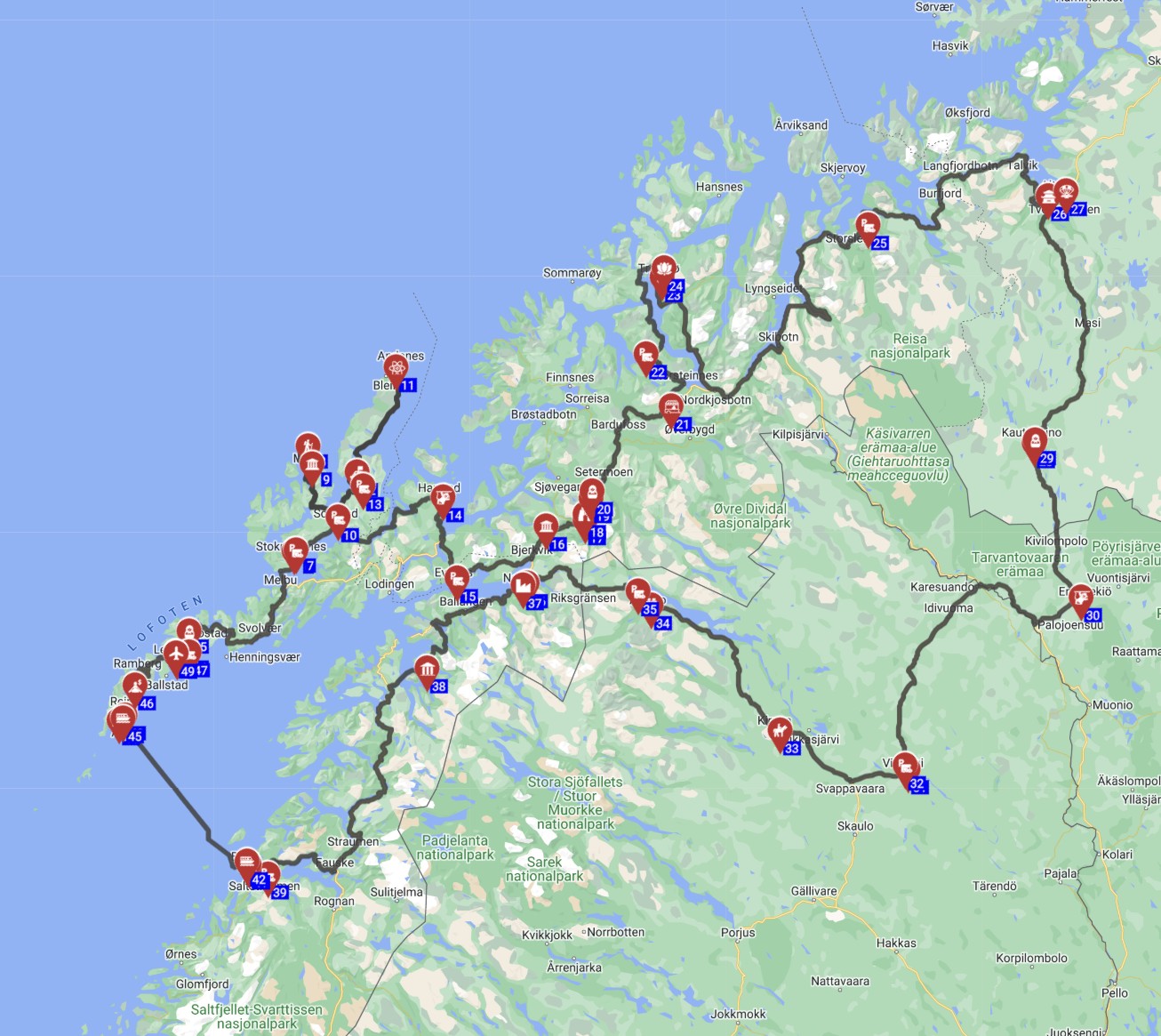
"Tromsø Round Trip - Arctic Wonders: Northern Norway Family Road Trip" for an exploration of Norway's northern wonders, including 3 wildlife attractions and 4 museums.Daily Driving Distances & Drive Times in Norway
Avi Bandana strongly recommends adhering to a maximum of 100 miles (150 km) per day on average to fully appreciate Norway's stunning scenery and navigate its often winding roads safely. This slower pace allows ample time for spontaneous stops, hikes, and exploring charming villages without feeling rushed. For example, the drive from Oslo to Geilo is approximately 220 km (137 miles), typically taking 3.5 to 4 hours of pure driving time, not including stops. Another popular leg, Bergen to Flåm, spans about 170 km (106 miles) and requires approximately 2.5 to 3 hours behind the wheel. For route planning that accounts for these distances and more, explore the
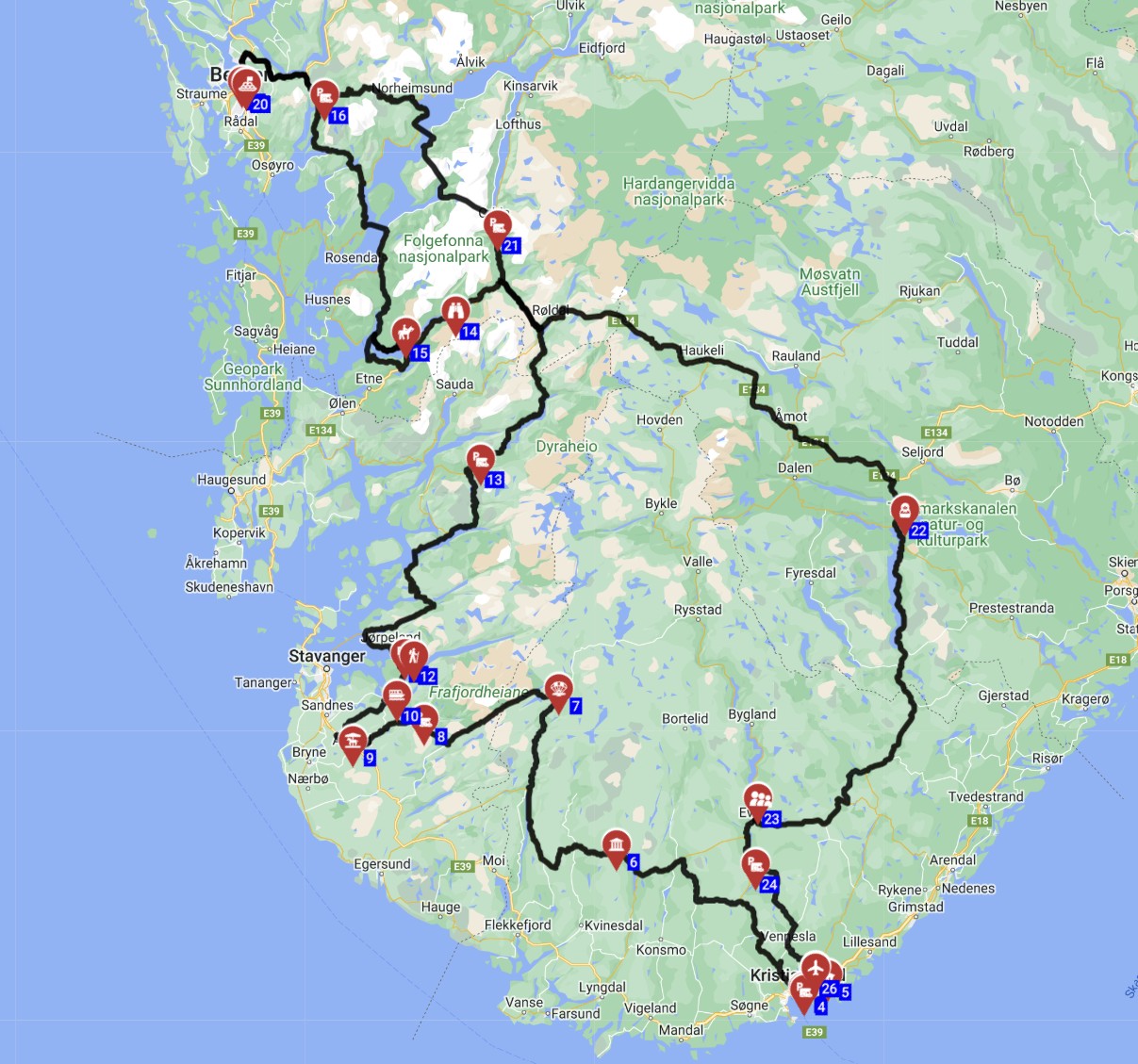
"Bergen Round trip - Norway’s Coastal Wonders" itinerary, which covers 823 km over 8 days and includes 2 hiking areas and 2 traditional visits.Is it Safe to Drive an RV in Norway?
Driving an RV in Norway is generally safe, but requires heightened awareness due to winding, narrow roads, steep ascents/descents, and numerous tunnels. Specific road restrictions apply to iconic routes like Trollstigen or some fjord roads, so always observe posted signage and check route information in advance, especially for RVs over 7 meters. Norway's tunnels are plentiful; be aware that some older or smaller tunnels may have height (e.g., 3.8m) or width limitations, and some require tolls paid via AutoPASS. Ferries are an integral part of Norwegian travel; for larger RVs, it's advisable to check ferry schedules and potential size limitations for booking, especially on popular routes. Reduced speed limits for RVs (e.g., typically 80 km/h on open roads) contribute to safety, but vigilance is key to navigating the country's diverse terrain. On the routes offered through RV PLANET routes, you can itemize and track every expense along the way for easy budgeting.
Can You Park an RV Anywhere in Norway?
While Norway's 'Allemannsretten' (Everyman's Right) legally allows wild camping, it comes with specific ethical considerations and rules, meaning you cannot truly park an RV just 'anywhere.' You must park at least 150 meters (approximately 500 feet) from the nearest inhabited house or cabin to ensure privacy and respect private property. Overnight stays in the same spot for more than two consecutive nights require permission from the landowner, particularly on cultivated or fenced land. Adhering to 'Leave No Trace' principles is paramount; this includes proper waste disposal (pack it in, pack it out), avoiding open fires during dry seasons, and respecting the environment. Responsible RVers often use apps like Park4Night to find suitable, legal, and environmentally sound overnight spots, or opt for official campsites that offer necessary services.
How Much Does It Cost to RV in Norway?
RVing in Norway typically costs between €100-€300+ per day, depending on the RV rental class, fuel consumption, and how frequently you use campgrounds versus wild camping. Rental costs for an RV can range from €80 to €200+ daily, highly dependent on season, vehicle size, and booking lead time. Norway has some of the highest fuel prices in Europe, often exceeding €2.00 per liter in 2026; with average RVs consuming 10-12 liters per 100 km, budget €50-€100+ per driving day. Tolls and ferries are significant and often underestimated expenses; register your RV with an AutoPASS payment service (e.g., EasyGo) before arrival to manage costs for frequent toll roads and numerous ferry crossings (which can range from €20 to €100+ per trip). Expect to pay €30-€60 per night for a powered pitch at campsites; while groceries are expensive, cooking in your RV can significantly reduce food costs, with apps for fuel/ferry discounts and budget meal planning offering actionable savings strategies. For a more detailed cost breakdown and to compare supplier prices, consider using Bandana's platform. For ideas you can prep on the road, watch our RV-friendly recipes playlist on YouTube.
What is the Best Time of Year to RV in Norway?
The best time for an RV rental in Norway depends on your desired experience, with late spring (May-June) and summer (July-August) being ideal for fjord exploration and hiking, while winter offers unique Northern Lights viewing. Summer (June-August) offers the longest daylight hours, warmest temperatures, and full access to all roads and campsites, making it perfect for exploring the fjords, coastal routes, and enjoying outdoor activities. Shoulder Seasons (May, September-October) provide fewer crowds and potentially lower prices, with May showcasing spring blossoms and September/October offering stunning autumn foliage, though some mountain roads may have limited access. Winter (November-March) requires a winterized RV equipped with suitable tires and good heating; while challenging due to limited daylight and icy roads, it's the prime season for Northern Lights viewing, especially in Northern Norway (e.g., Tromsø, Lofoten), and offers unique winter sports opportunities.
Is Norway RV Friendly?
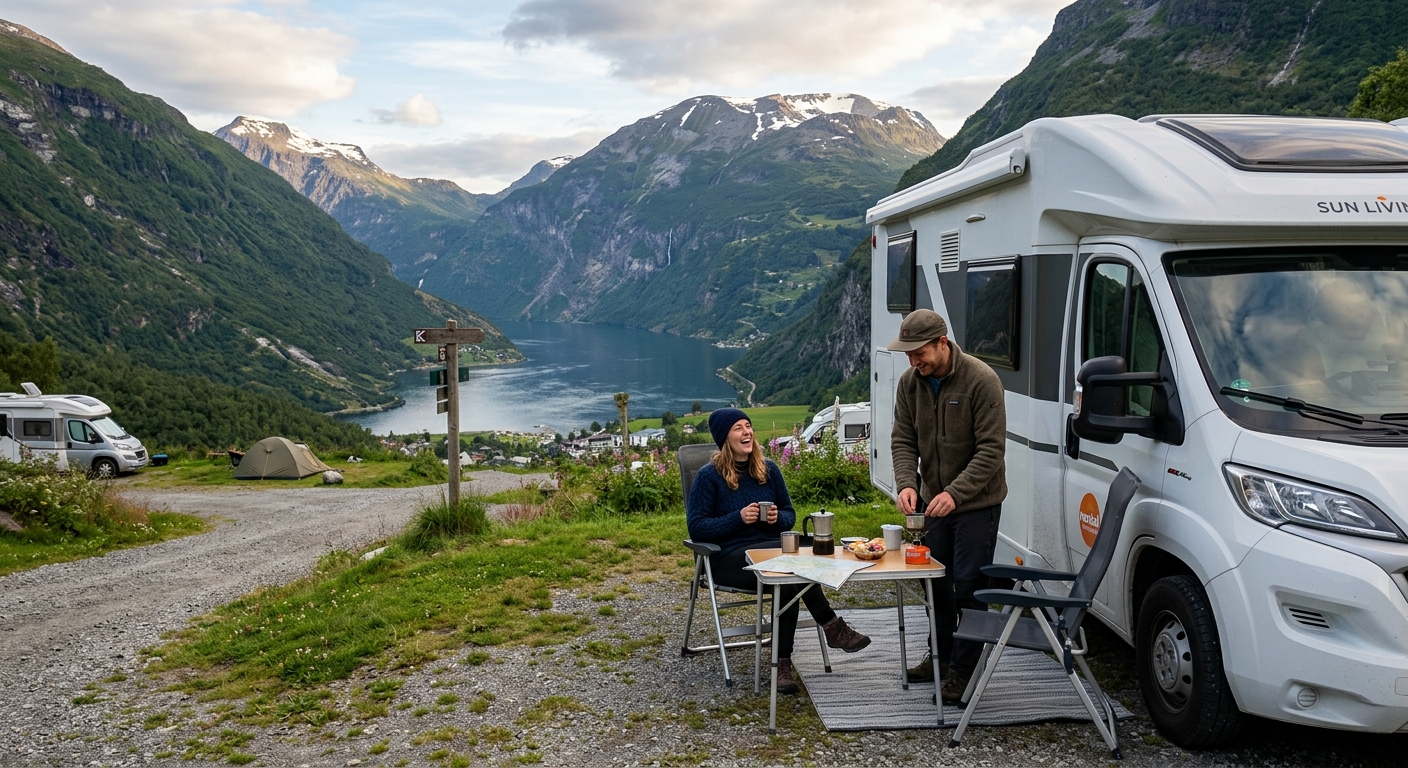
Norway is exceptionally RV-friendly, boasting excellent infrastructure, including a vast network of campsites, well-maintained service stations, and designated scenic routes tailored for motorhome travel, despite its unique geographical challenges. The country offers abundant campsites, often featuring high-quality facilities such as laundry, kitchens, and waste disposal points, catering well to RV travelers. While roads can be narrow and winding in mountainous and fjord regions, the breathtaking scenery makes the driving experience rewarding, with most main routes suitable for RVs. Norway places a high emphasis on sustainability; RVers are encouraged to practice eco-friendly travel by using designated waste disposal sites, conserving resources, and supporting local, sustainable businesses to minimize their environmental footprint.
What are the Rules for Driving an RV in Norway?
Drivers of RVs in Norway must strictly adhere to specific traffic laws, including regulated speed limits, mandatory use of daytime running lights, seatbelt usage for all passengers, and a very low blood alcohol limit. Speed limits are generally 80 km/h (50 mph) on open roads, 50 km/h (31 mph) in urban areas, and 90-100 km/h (56-62 mph) on motorways, with specific limits for vehicles over 3.5 tonnes indicated by signage. Headlights (or daytime running lights) are legally required to be on at all times, 24/7, year-round. Seatbelts are mandatory for all occupants in the RV, regardless of seating position. Norway maintains a strict zero-tolerance approach to drinking and driving, with a legal blood alcohol content limit of 0.02%. Winter driving regulations mandate winter tires (studded or non-studded, with a minimum tread depth of 3 mm) from November 1 to April 30, and snow chains are often recommended or required in mountainous regions.
Where Can I Find an RV Rental in Norway?
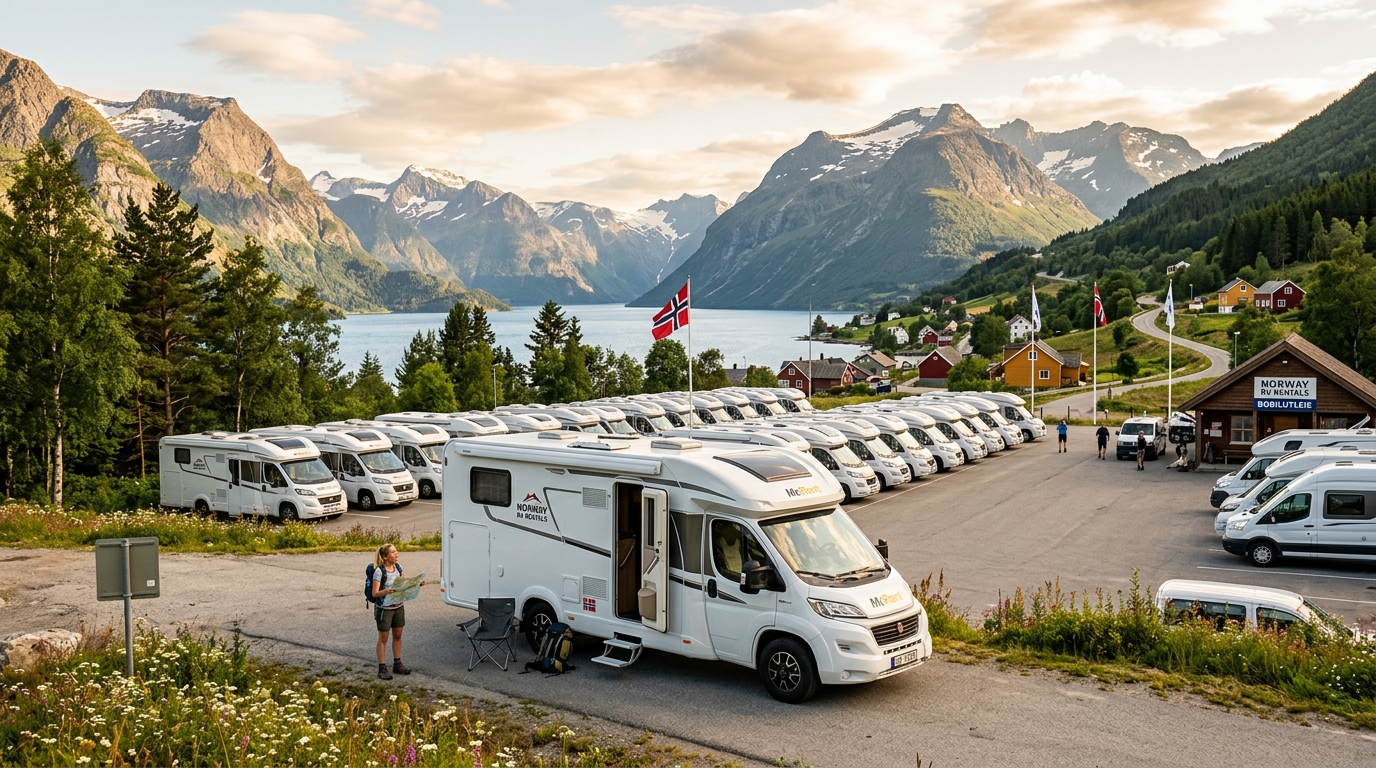
Finding an RV rental in Norway is convenient through international platforms like Bandana, which provides a comprehensive selection of motorhomes and campervans from trusted local and global suppliers. Bandana.com offers a diverse fleet across various classes, including Class B Camper Vans for couples, and larger Class C Alcoves or Class SI Semi-integrated models for families. Pick-up locations are available in major Norwegian cities such as Oslo, Bergen, Stavanger, and Trondheim, offering flexibility for your itinerary. Booking in advance, especially for peak summer season, is highly recommended to secure the best rates and ensure vehicle availability. Consider Bandana's 'Rent & Plan' service for a complete package that includes both your RV rental and a ready-made, expert-crafted itinerary.
Are RVs Popular in Norway?
Yes, RVs, locally known as 'bobiler,' are extremely popular in Norway, both among Norwegian residents and international tourists, especially during the peak summer months. Their popularity stems from Norway's strong cultural affinity for outdoor life and the unparalleled freedom an RV offers to explore the country's vast and diverse natural landscapes, from fjords to mountains. The well-developed infrastructure of campsites and service points across the country actively supports and encourages RV travel. The high demand for RVs, particularly for exploring iconic routes and remote areas, reflects their status as a preferred mode of holiday transport in Norway.
Do I Need a Special License to Drive an RV in Norway?
For most standard RVs with a Gross Vehicle Weight (GVW) up to 3,500 kg (3.5 tonnes), a regular B driver's license is sufficient in Norway; however, larger RVs exceeding this weight threshold may require a C1 or C license. This standard car license covers most Camper Vans and many Semi-integrated RVs, provided their GVW does not exceed 3,500 kg. A C1 license is required for vehicles with a GVW between 3,500 kg and 7,500 kg. Some larger Semi-integrated, Alcove, and Integrated RV models fall into this category. A C license is necessary for vehicles with a GVW exceeding 7,500 kg, though these are less common for rental RVs. It is crucial to verify the specific GVW of your chosen rental RV and ensure your driver's license class matches the requirements to avoid legal issues.
What is the Most Scenic Drive in Norway?
Norway boasts an abundance of breathtaking scenic drives, with many travelers considering the Atlantic Road (Atlanterhavsveien) or the Trollstigen Mountain Road as top contenders for the 'most scenic,' each offering unique dramatic landscapes and engineering marvels. The Atlantic Road (RV 64) connects islands with bridges that appear to leap across the open sea, providing spectacular coastal views; for a local experience, visit the nearby fishing village of Bud for fresh seafood. Trollstigen (RV 63), known as the 'Troll's Ladder,' features 11 hairpin bends and a magnificent waterfall, offering an exhilarating driving experience when open (typically late spring to autumn). Sognefjellet (RV 55), as Northern Europe's highest mountain pass, delivers panoramic views of the Jotunheimen mountains and glaciers, offering an off-the-beaten-path experience. The Hardanger Scenic Route (RV 7, RV 13, RV 550) winds through orchards, past glaciers, and alongside powerful waterfalls along the Hardangerfjord, with opportunities to stop at local farm stalls for traditional produce like apple juice and cider.
What You Shouldn't Miss
- Experience the dramatic beauty of the Geirangerfjord and Nærøyfjord (both UNESCO World Heritage sites) via a scenic RV journey and a fjord cruise.
- Walk or hike to Preikestolen (Pulpit Rock) near Stavanger for unforgettable views of the Lysefjord, a classic Norwegian adventure.
- Drive the iconic Atlantic Road (Atlanterhavsveien), marveling at its unique bridges and coastal vistas, and visit the charming fishing village of Bud.
- Explore Bergen's historic Bryggen wharf, a UNESCO World Heritage site, and ride the Fløibanen funicular for panoramic city views.
- Immerse yourself in history at Røros, a beautifully preserved former mining town and a UNESCO World Heritage site, offering a glimpse into Norway's past.
- Visit one of Norway's many Stave Churches, ancient wooden structures with unique architecture, like the one in Lom, which are testaments to the country's medieval heritage.
Final Thoughts
Embarking on an RV adventure in Norway offers an unparalleled opportunity to explore breathtaking landscapes at your own pace. From majestic fjords and winding coastal roads to vibrant cities, a rented RV provides the ultimate freedom and comfort. Remember to plan your route, book in advance, and embrace the slow travel philosophy to truly immerse yourself in Norway's natural beauty and rich culture.
We're here to support you every step of the way, from initial planning to your final return. Our transparent booking process and dedicated support ensure your Norwegian RV journey is as seamless and enjoyable as possible. Get inspired for your next trip and discover top destinations and planning tips all in one place!
Embrace the adventure, savor the moments, and create lasting memories on your Norwegian RV expedition. We're confident that with the right planning and the freedom of an RV, your trip will be truly unforgettable.