In This Guide
- Best France RV Itinerary for rv rental - Overview
- 7-Day Classic Route in France
- 14-Day Extended Journey in France
- Recommended RVPlan Trip for France
- Must-See Stops Along the Way (Avi Bandana Picks)
- Daily Driving Distances & Drive Times in France
- Best RV Class for This Itinerary - Couple & Family Picks
- What do I need to rent an RV in France
- How much does it cost to rent an RV in France
- What is the best time of year to RV in France
- Can you just park an RV anywhere in France
- How do you dispose of RV waste in France
- What are the rules for motorhomes in France
- Are RVs allowed in French cities
- What are the low emission zones in France
- Is it easy to drive an RV in France
- How do I use France Passion
- What You Shouldn't Miss
- Why Book with Bandana Caravan
- Final Thoughts
- Frequently Asked Questions
Embarking on a motorhome adventure through France directly from the airport offers unparalleled freedom to explore its diverse landscapes and rich culture. Imagine picking up your rented RV just moments after landing, transforming your travel from logistical headache to open-road bliss. France, with its extensive network of motorhome-friendly facilities and breathtaking scenery, is perfectly suited for RV exploration, allowing you to discover everything from sun-drenched Provençal fields to majestic Alpine peaks at your own pace. For live availability and current prices, start with our RV Rental France - Complete Guide 2026 guide.
Best France RV Itinerary for rv rental - Overview
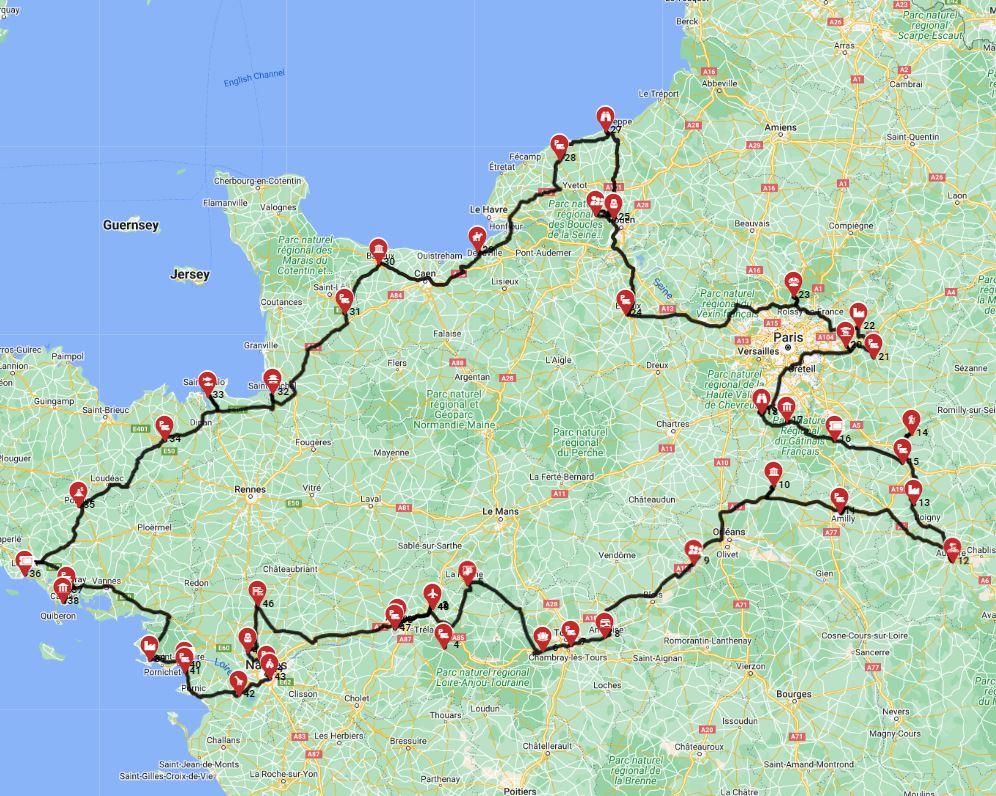
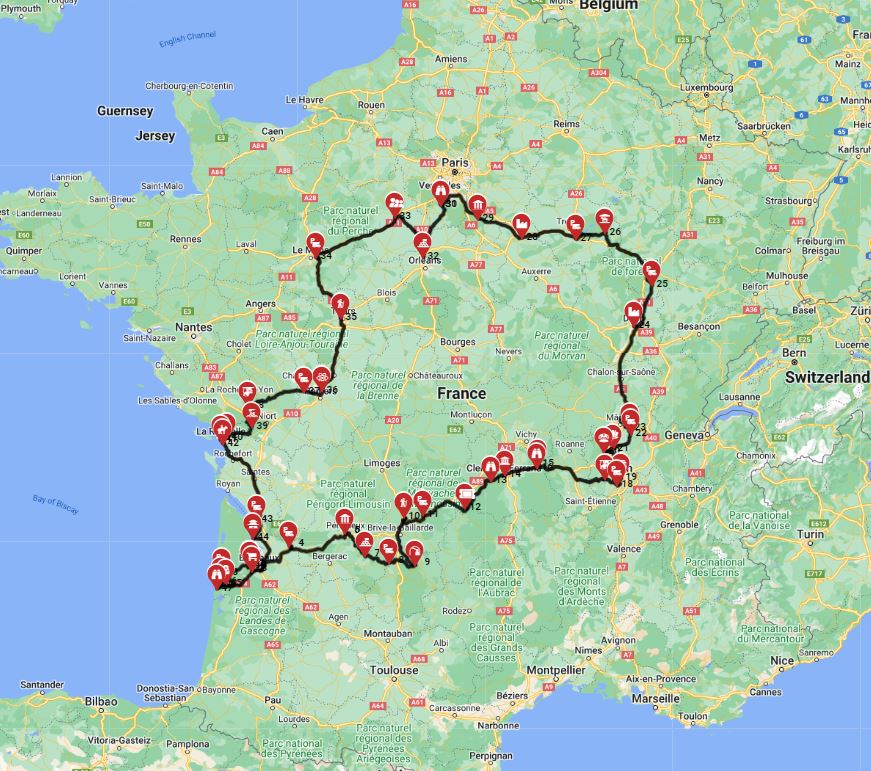
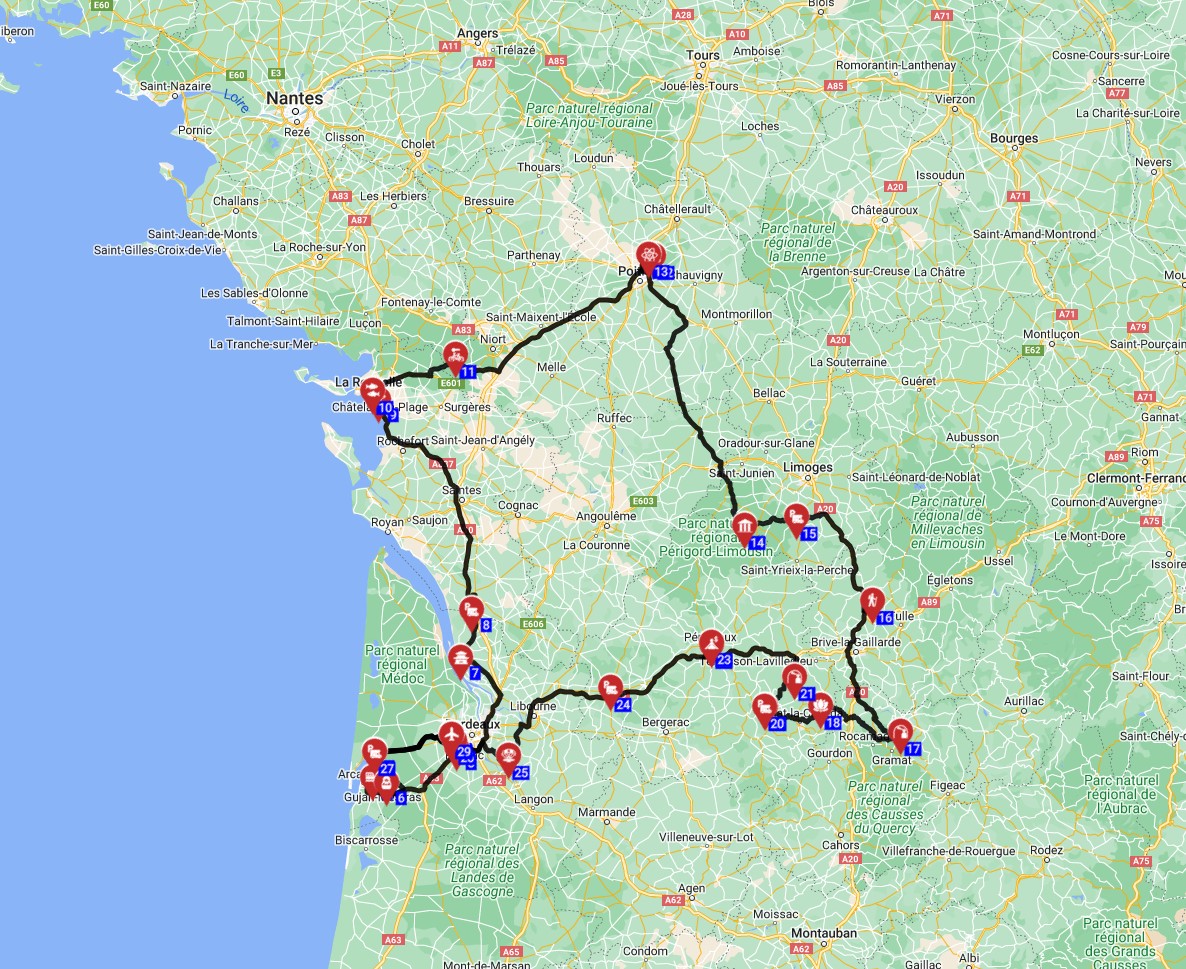
A typical RV rental trip through France can range from 7 to 14 days, covering approximately 700 to 1400 kilometers (430 to 870 miles), allowing for a balanced mix of driving and immersive exploration. The ideal season for an RV adventure in France is typically late spring (May-June) or early autumn (September-October) to enjoy pleasant weather, vibrant local life, and fewer crowds at popular sites. This guide outlines routes spanning iconic regions like Provence, the Loire Valley, and the French Alps, promising scenic drives, charming villages, and abundant opportunities for cultural immersion. Consider extending your journey with an RV Rental in France for Couples - Pricing 2026 if you're traveling as a pair.
7-Day Classic Route in France
A 7-day RV itinerary can whisk you through some of France's most cherished regions, balancing iconic landmarks with the serene pace of rented motorhome travel. Day 1 starts near Paris, heading to Chartres (90 km / 56 miles) to visit its magnificent Cathedral, with an overnight stay at Camping de Chartres. On Day 2, journey from Chartres to Tours (160 km / 99 miles), exploring the grandeur of Château de Chambord before sleeping at a campsite near Tours. Day 3 involves a longer drive from Tours to Bordeaux (300 km / 186 miles), offering opportunities for wine tasting en route before parking at Camping Bordeaux Lac. While this day exceeds the recommended daily distance for slow travel, it's manageable with careful planning and breaks. Day 4 brings you from Bordeaux to Sarlat-la-Canéda (180 km / 112 miles) to discover the enchanting Dordogne region, staying at Camping Le Montant. Day 5, from Sarlat-la-Canéda to Millau (200 km / 124 miles), provides a chance to marvel at the impressive Millau Viaduct before settling at Camping Millau Plage. On Day 6, drive from Millau to Avignon (170 km / 106 miles) to explore the historic Palais des Papes, with an overnight at Camping du Pont d'Avignon. Finally, Day 7 takes you from Avignon to Marseille (100 km / 62 miles) to enjoy the Mediterranean coast before dropping off your rental RV in Marseille or a nearby location. This compact itinerary offers a taste of France's diversity.
14-Day Extended Journey in France
For a deeper exploration of France by rented motorhome, a 14-day itinerary allows for more leisurely travel and comprehensive discovery of multiple regions. Days 1-3 can be dedicated to the Normandy and Brittany Coast, for example, from Caen to Mont Saint-Michel and then to Saint-Malo, covering approximately 300 km (186 miles) total, with ample time to explore D-Day beaches, the iconic abbey, and the historic walled city. Days 4-6 delve into the majestic Loire Valley Châteaux, perhaps from Angers to Amboise and Chenonceaux, totaling around 250 km (155 miles), immersing you in royal history and magnificent castles. From Days 7-9, explore the Dordogne and Lot Valley, visiting Rocamadour, Sarlat-la-Canéda, and Beynac-et-Cazenac, covering approximately 200 km (124 miles), to discover prehistoric caves, medieval villages, and stunning river landscapes. Days 10-12 offer the vibrant colors and history of Provence and the French Riviera, such as Avignon, Gordes, and Nice, a journey of approximately 350 km (217 miles) total, where you can experience seasonal lavender fields, Roman history, and breathtaking coastal drives. For a different perspective, consider our "RV Rental in France - Prices and Best Deals 2026" to plan your journey. Finally, Days 13-14 involve a return journey or further exploration around Paris, for example, Nice to Lyon or heading back to a northern drop-off point, which could be around 400 km (248 miles) if heading north, offering a final culinary stop or preparation for departure.
Recommended RVPlan Trip for France
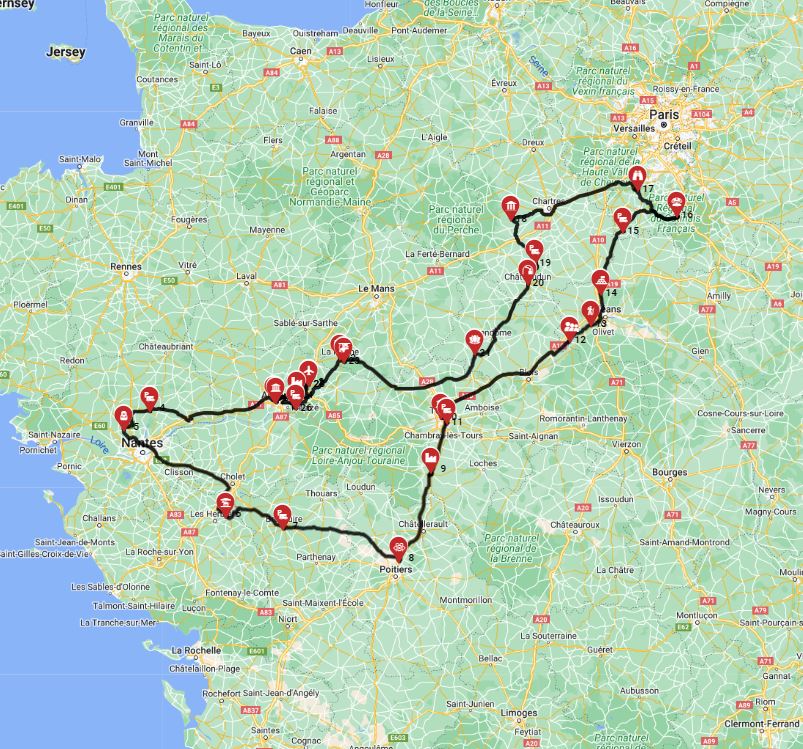
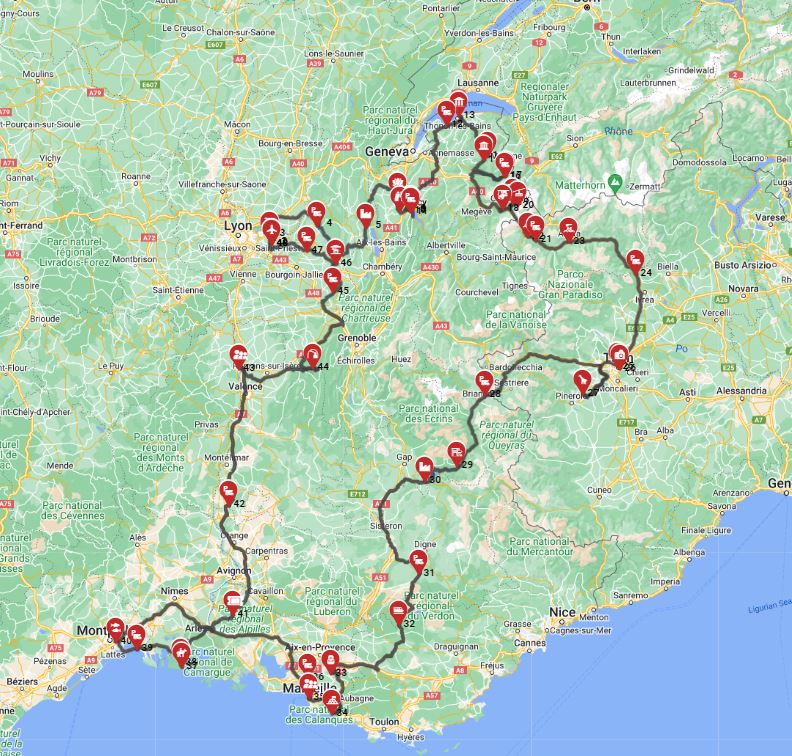
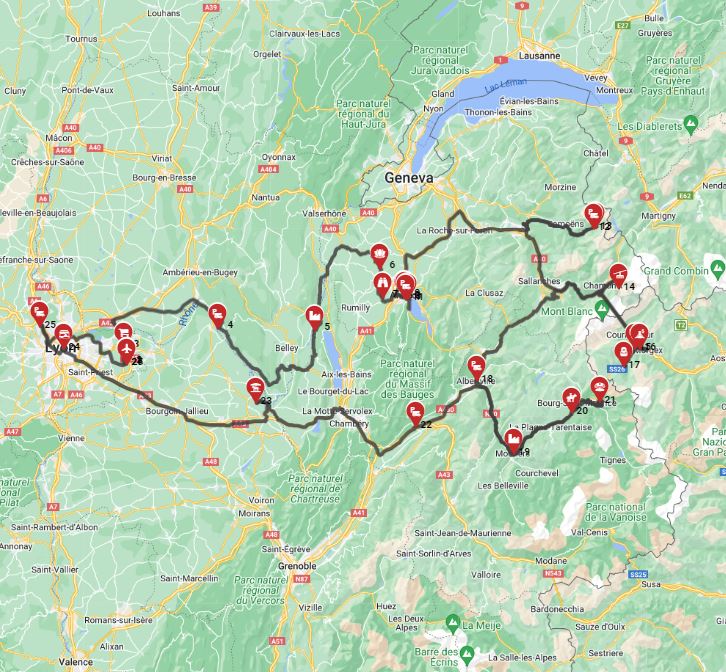
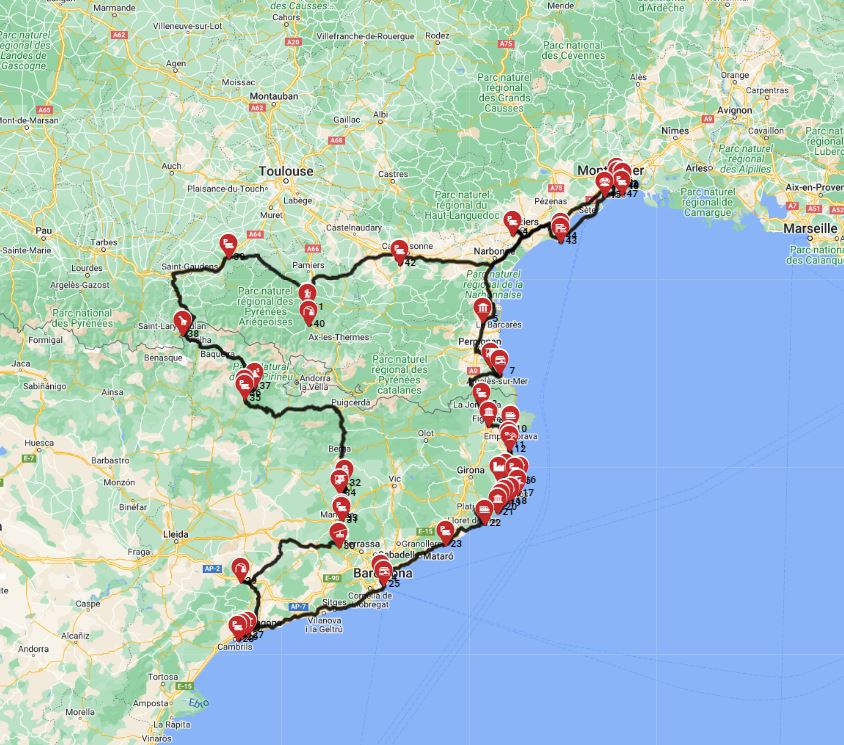
For a comprehensive European RV adventure that includes significant portions of France, Avi Bandana, our founder and CEO, highly recommends the "Milano Roundtrip - West - Italian alps, France alps" trip, which is readily available on RVPlan. This meticulously designed 21-day itinerary spans a total of approximately 1734 kilometers, starting and ending in Milan, Italy, and offers a unique opportunity to explore both the Italian and French Alps, showcasing stunning mountain scenery and charming alpine villages. Access the full detailed trip itinerary and plan your adventure seamlessly by visiting the dedicated page: Motorhome road trip with an RV from Milano. The trip image provides a visual taste of the alpine landscapes awaiting you. When planning such an extensive trip, remember that RV PLANET routes allow travelers to itemize and track every expense along the way for easy budgeting, ensuring full transparency with no hidden fees. On the routes offered through RV PLANET routes, you can itemize and track every expense along the way for easy budgeting.
Must-See Stops Along the Way (Avi Bandana Picks)
Avi Bandana's personal picks for immersive experiences in France extend beyond the usual tourist highlights, focusing on connecting with local industries, discovering traditional markets, and savoring authentic cuisine. When traveling through regions like Provence or the Loire Valley, seek out opportunities to visit a local industry to understand regional production, whether it's sampling freshly pressed olive oil, learning about cheese making, or enjoying a wine tasting at a family vineyard. Immerse yourself in authentic French culture by visiting a traditional market, where you can sample regional produce, connect with local vendors, and pick up fresh ingredients for preparing delicious meals in your rented RV kitchen. If you're looking for inspiration for cooking on the road, our RV-friendly recipes playlist offers great ideas. Beyond casual stops, indulge in authentic French flavors at a traditional restaurant or fine dining establishment, embracing the country's renowned culinary heritage. While the specific RVPlan trip mentioned earlier focuses on the Alps, be sure to keep an eye out for other natural feature stops, such as the breathtaking Vercors Regional Natural Park, to truly appreciate France's diverse landscapes.
Daily Driving Distances & Drive Times in France
Avi Bandana recommends a maximum of 100 miles or 150 km per day on average when RVing in France to allow ample time for exploration and relaxation, embodying the philosophy of slow travel. This measured approach enables deep immersion in local culture, encourages spontaneous stops at charming villages or scenic viewpoints, and ensures enjoyment of the picturesque routes without feeling rushed. For example, driving your rented motorhome from Avignon to Marseille is roughly 100 km (62 miles) and takes about 1 hour 15 minutes, offering plenty of time to explore both cities without exhaustion. A journey from Nice to Gordes, approximately 180 km (112 miles), takes around 2 hours, making it a comfortable drive with sufficient time to enjoy the hilltop villages of Provence. Remember that navigating winding roads in rural areas or coastal paths can increase drive times, so always factor in extra time for unexpected detours or simply to soak in the scenery.
Best RV Class for This Itinerary - Couple & Family Picks
Choosing the right RV class significantly impacts your comfort and overall experience when exploring France; Bandana's 'Rent&Plan' service simplifies this by pairing your ideal RV rental with expert-designed itineraries. For couples, a Class B - Camper Van is often ideal for navigating France, with our fleet options averaging 5.8 meters in length and comfortably accommodating an average of 2.7 adults, making it easy to maneuver through narrow French roads and park in smaller spaces. Consider a "rv rental denver example Category Van" for a compact yet comfortable option for two. Families typically benefit most from a Class C - Alcove RV, which on average provides 7.5 meters of length, 5.8 sleeping places, and space for around 4.4 adults, ensuring sufficient room and amenities for a comfortable journey with children. For instance, a "cruise america rv rental example Explorer" offers ample space for a family of four with its 7.1-meter length and features like a 90-liter refrigerator. Utilizing Bandana's 'Rent&Plan' service eliminates planning headaches, as it provides both your ideal motorhome rental and a ready-made itinerary curated by travel experts, complete with access to comprehensive trip-planning software, ensuring a seamless start to your adventure. For those on a budget, exploring a "Cheap RV Rental in France - Budget Guide 2026" can also help find suitable vehicles.
What do I need to rent an RV in France
To rent a motorhome in France, you typically need a valid driving license (a standard Class B license is sufficient for vehicles under 3.5 tonnes), a credit card for the security deposit, and sometimes an International Driving Permit (IDP) depending on your country of origin, though it is often recommended for non-EU drivers. Most rental companies require drivers to be at least 21 years old and to have held their license for a minimum of 2-3 years, with no young driver surcharges and no vehicle class restrictions based on age. Proof of identity, such as a passport or national ID, is universally required for rental agreements. Before setting off, ensure you have adequate travel insurance and thoroughly review the rental agreement for specifics on mileage limits, roadside assistance, and any included equipment, leaving no room for surprises.
How much does it cost to rent an RV in France
The cost to rent an RV in France varies widely based on the vehicle class, rental duration, season, and specific supplier, typically ranging from €70 to €200+ per day. Smaller campervans (Class B), such as a "Category Van", are generally more affordable, while larger integrated motorhomes (Class A) or alcoves (Class C) like a "Euro Deluxe" come at a higher price point due to increased space and amenities. Peak season (July-August) commands the highest prices, with shoulder seasons (May-June, September-October) often offering a good balance of pleasant weather and better value. Additional costs beyond the daily rental rate include fuel (Bandana's fleet typically consumes 8-12 Liters/100 km), campsite fees (€15-€40/night), tolls, an optional insurance excess reduction (you can upgrade to a top-level deductible for extra peace of mind), and optional extras like bedding or kitchen kits. For current pricing, consider checking "RV Rental Deals in France - Latest Offers 2026".
What is the best time of year to RV in France
The best time of year to RV in France is during the shoulder seasons-late spring (May-June) and early autumn (September-October)-when the weather is generally pleasant, and tourist crowds are significantly thinner. These months offer mild temperatures ideal for outdoor activities, more availability at campsites, and often lower rental prices compared to the peak summer months. Summer (July-August) provides hot, sunny weather, especially in the south, but also brings crowded attractions, higher prices, and intense competition for pitches at popular campgrounds. Winter RVing is certainly possible, particularly if you're heading to ski regions, but many rural campsites close, and adverse weather conditions like snow or ice can make driving challenging, potentially requiring specific equipment such as winter tires or snow chains. If you're considering a winter trip, take a look at our "Winter RV Rental in France - Pricing Guide 2026" for more specific advice.
Can you just park an RV anywhere in France
No, you cannot just park a rented RV anywhere in France; wild camping or 'free camping' is generally restricted and often illegal, especially in protected natural areas, coastal zones, and near historical sites. France has an extensive and well-organized network of designated RV parking areas known as 'Aires de Service Camping-Car' or simply 'Aires,' which are often free or low-cost and offer essential basic services like fresh water and waste disposal points. Traditional campsites provide more amenities, enhanced security, and often better locations for extended stays, while specific initiatives like 'France Passion' allow free overnight stays at hundreds of participating farms, vineyards, or artisan producers, providing a unique cultural immersion. Always look for clear signage indicating where RV parking is permitted or prohibited, and respect local regulations to avoid fines or potential towing.
How do you dispose of RV waste in France
RV waste disposal in France is primarily managed at designated 'Aires de Service Camping-Car' or official campsites, which are well-equipped with facilities for emptying both grey water (waste from sinks and showers) and black water (toilet waste). These Aires are specifically designed with clear drain points and fresh water taps, making it simple and efficient to empty your tanks and refill your water supply. It is absolutely crucial to use only these designated disposal points; illegally emptying tanks can result in significant fines and environmental damage, which is a serious offense in France. Always be respectful of the facilities provided and ensure the area is left clean and tidy for the next user, adhering to responsible RVing practices.
What are the rules for motorhomes in France
Motorhome rules in France largely align with general driving regulations but include specific considerations for vehicle size and weight, such as variable speed limits, parking restrictions, and mandatory equipment requirements. Speed limits for rented motorhomes vary based on the road type and weather conditions, with vehicles over 3.5 tonnes often having lower limits than standard cars; always pay close attention to local signage. Mandatory equipment that must be carried includes a high-visibility vest for each occupant, a warning triangle for roadside breakdowns, and while the fine for not carrying a breathalyser is no longer enforced, it is still recommended by many. Be aware of local parking regulations, especially in towns and cities, where height or weight restrictions may apply, and remember that overnight parking outside designated areas is often prohibited. Drive slowly and carefully, and you can drive almost anywhere without issues. No need to stress - just use common sense and pay attention.
Are RVs allowed in French cities
RVs are generally allowed in French cities, but access can be restricted by factors such as vehicle dimensions, weight, and especially the presence of Low Emission Zones (Zones à Faibles Émissions - ZFEs) which require a Crit'Air sticker. Many historic city centers have narrow, winding streets, low height barriers, or strict parking restrictions that can make RV navigation difficult or, in some cases, impossible, often necessitating parking on the outskirts and utilizing efficient public transport. Major cities like Paris, Lyon, and Marseille have permanent ZFEs that mandate a Crit'Air vignette, a sticker indicating your vehicle's emission class, which must be correctly displayed to avoid fines. Always check the specific city's regulations and actively search for designated RV parking lots or Aires, which are typically located on the periphery, to ensure compliance and ease of access.
What are the low emission zones in France
Low Emission Zones (Zones à Faibles Émissions - ZFEs) in France are urban areas where vehicle access is restricted based on emission levels, requiring a Crit'Air vignette (sticker) for entry. Major cities such as Paris, Lyon, Marseille, Strasbourg, and Grenoble, among others, have permanent ZFEs, with restrictions often applying 24/7 or during specific hours and days, varying by municipality. The Crit'Air sticker system categorizes vehicles from 0 (for electric vehicles) to 5 (for the most polluting diesel vehicles); your rented RV, depending on its age and engine type, will fall into one of these categories. Failing to display the correct Crit'Air sticker when entering a designated ZFE can result in fines, so it is essential to order your vignette online well in advance of your trip and understand the specific regulations for any urban areas you plan to visit. For broader European travel, exploring "RV Rental Europe - Complete Guide 2026" can also provide helpful context.
Is it easy to drive an RV in France
Driving a rented RV in France is generally quite easy on main highways and well-maintained rural roads, which offer smooth travel and clear signage. French drivers are typically courteous, though navigating the numerous roundabouts requires confident and attentive driving; always yield to traffic already in the circle. Toll roads (péages) are prevalent on major routes and can be paid with credit cards, cash, or via automated 'télépéage' systems for faster passage. Be mindful of speed cameras, adhere to the strict alcohol limits (0.5 g/L), and remember the mandatory use of headlights in tunnels. Always consider the dimensions of your RV, especially when navigating smaller village roads or seeking parking, to avoid unexpected challenges. Drive slowly and carefully, and you can drive almost anywhere without issues. No need to stress - just use common sense and pay attention.
How do I use France Passion
France Passion allows RVers to enjoy free overnight stays at over 2,000 participating farms, vineyards, and artisan producers across France, offering a unique and authentic opportunity for cultural immersion. To participate in this excellent initiative, you must purchase the annual France Passion guide, which includes a membership card and a vignette to display on your RV, granting access to these private, welcoming locations. Upon arrival at a chosen host's property, it is customary to present your membership card; there is no charge for parking, but it is highly encouraged and a wonderful gesture to purchase some of their local products as a sign of appreciation and support for their business. Stays are typically limited to 24 hours, and you must be self-sufficient as hosts do not usually provide services like water or electricity, embodying responsible and sustainable RVing. Consider this as a truly local experience you won't find anywhere else!
What You Shouldn't Miss
- Drive the Route des Vins d'Alsace: Explore charming villages and world-renowned vineyards along this picturesque wine route in a rented campervan, stopping for tastings and local cuisine.
- Explore the Gorges du Verdon: Navigate Europe's grand canyon by RV, with breathtaking cliffside roads, turquoise waters perfect for kayaking, and stunning viewpoints.
- Wander through the Lavender Fields of Provence: If traveling between June and August, witness the iconic purple landscapes around Valensole and Sault, capturing unforgettable photos.
- Discover Mont Saint-Michel: Park your motorhome nearby and experience the awe-inspiring tidal island abbey, a UNESCO World Heritage site.
- Visit the Châteaux of the Loire Valley: Immerse yourself in history by visiting majestic castles like Chenonceau, Chambord, and Villandry, easily accessible with a rented RV.
- Relax on the French Riviera: Enjoy the glamorous coastal towns, pristine beaches, and vibrant markets of Nice, Cannes, or Saint-Tropez, with ample campsites nearby.
Looking for expert insights from Avi Bandana? Top 5 Adventures - recommendations from Avi Bandana.
Final Thoughts
Renting a motorhome in France truly unlocks a unique way to experience this magnificent country. From the moment you pick up your campervan at the airport, you're free to craft an adventure that perfectly suits your pace, whether you're leisurely exploring charming villages or embarking on a grand tour of its diverse regions. Remember to embrace the local culture, savor the incredible food, and take your time-travel slowly, max 100-150 km per day on average, to truly connect with the scenery and the people.
With Bandana RV, you're never alone in your planning. We pride ourselves on full transparency, 24/7 support (for pre-booking, booking, and post-booking coordination), and expert knowledge that ensures your trip is as smooth and enjoyable as possible. So, go ahead, get inspired for your next trip! The open roads of France are calling.
🎬 Video coming soon
Ready to discover France at your own pace? Compare Motorhome Prices for France and start planning your unforgettable journey today!