In This Guide
- Best Australia RV Itinerary for rv rental - Overview
- 7-Day Classic Route in Australia
- 14-Day Extended Journey in Australia
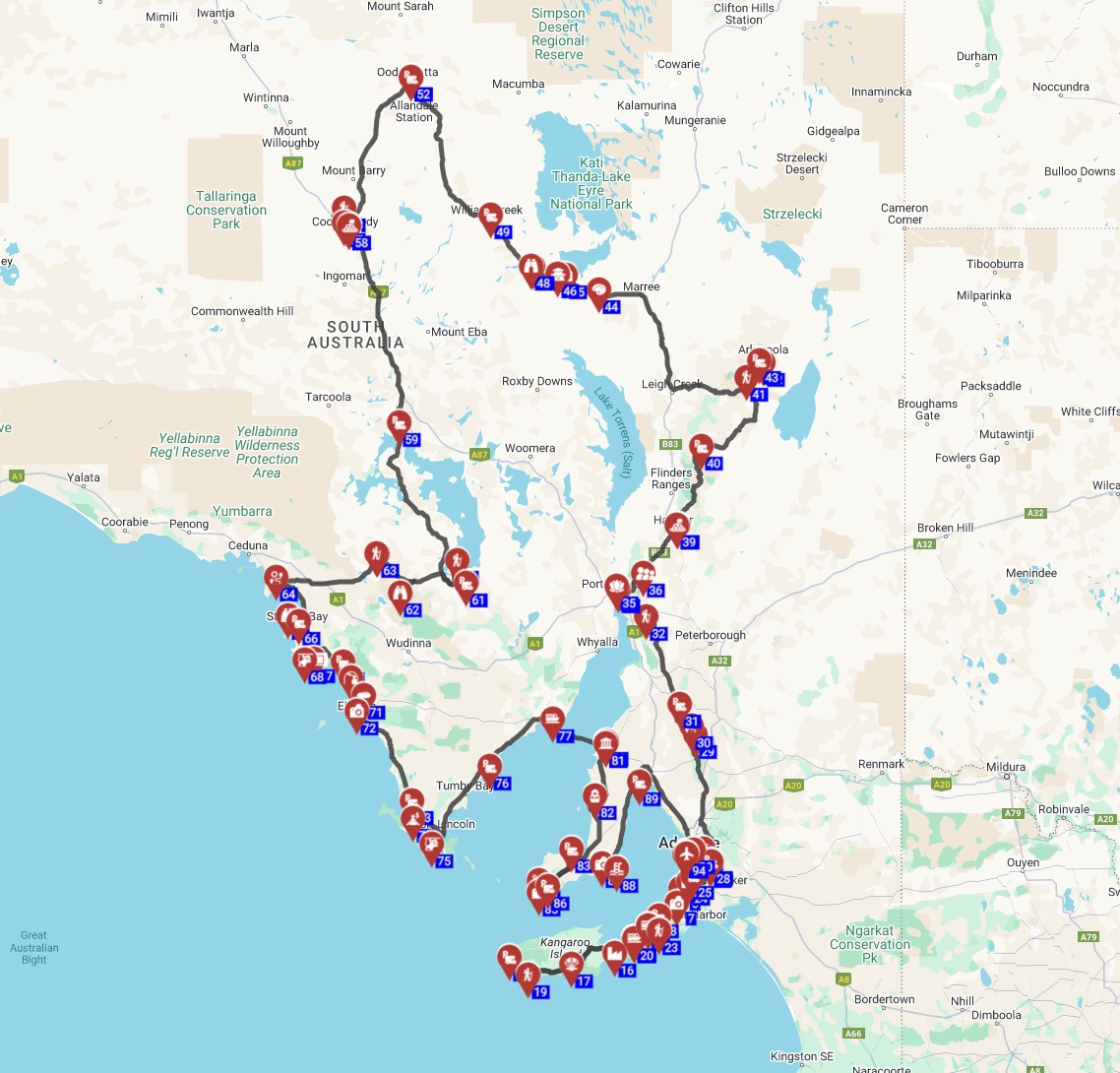
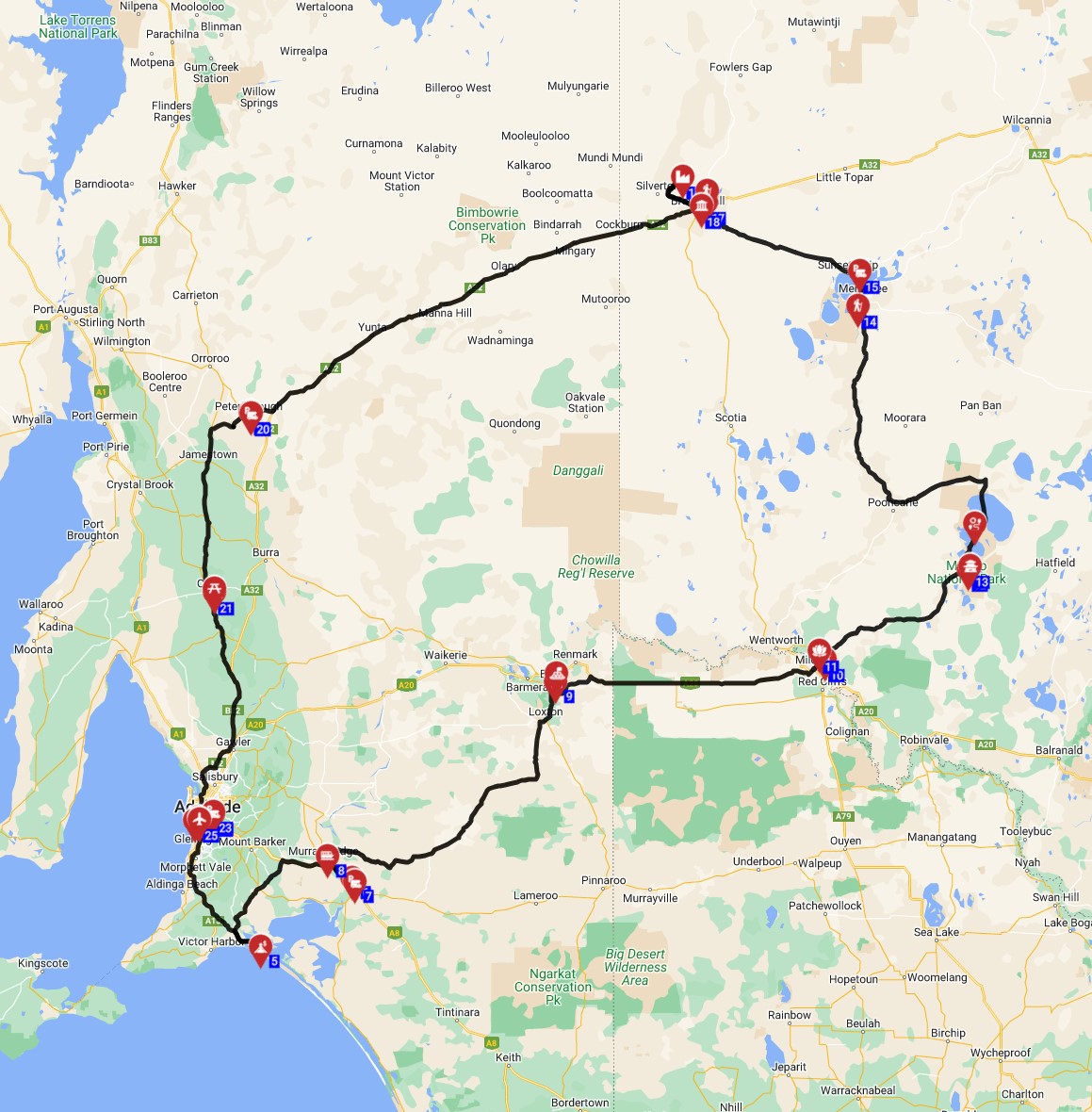
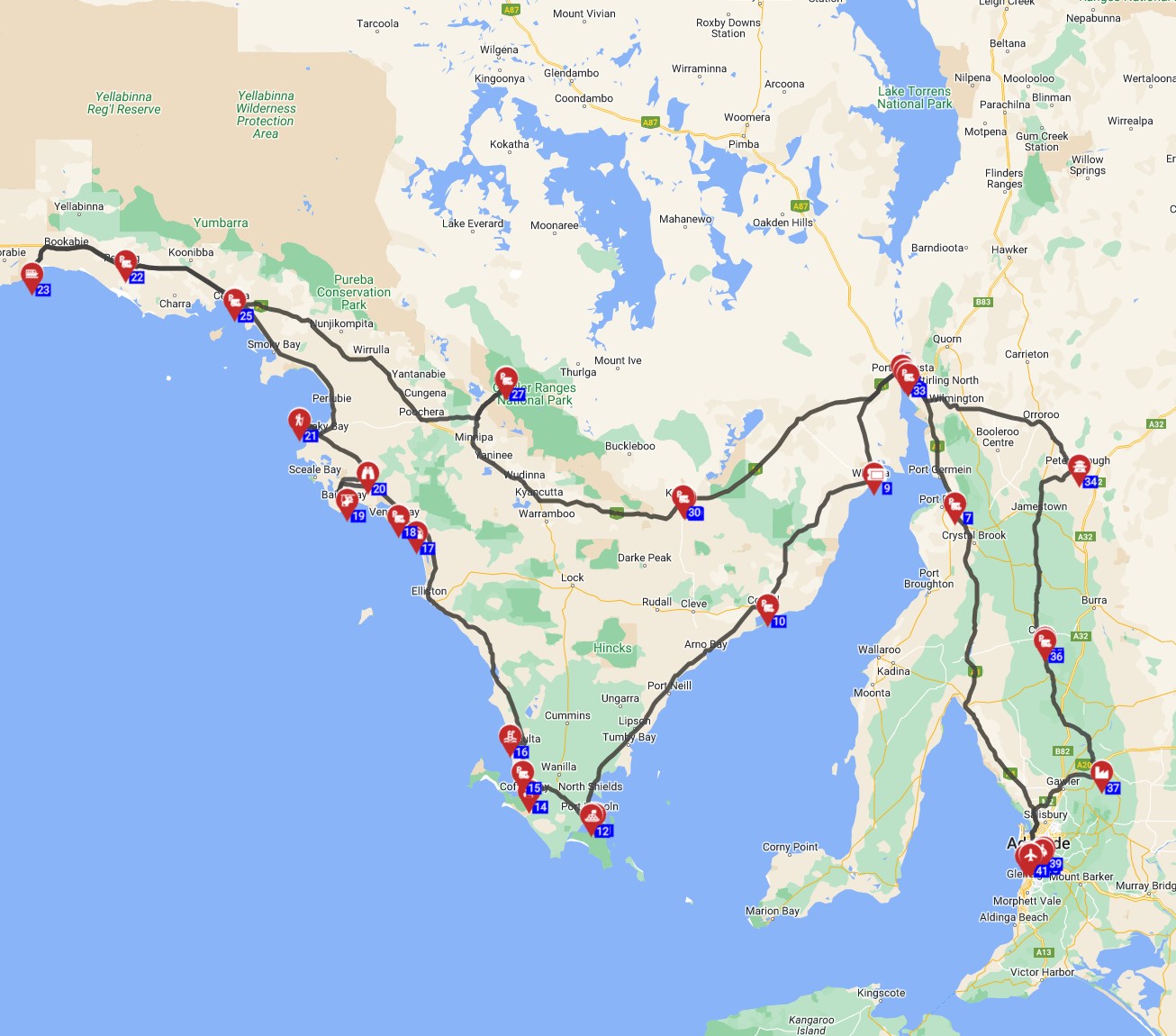
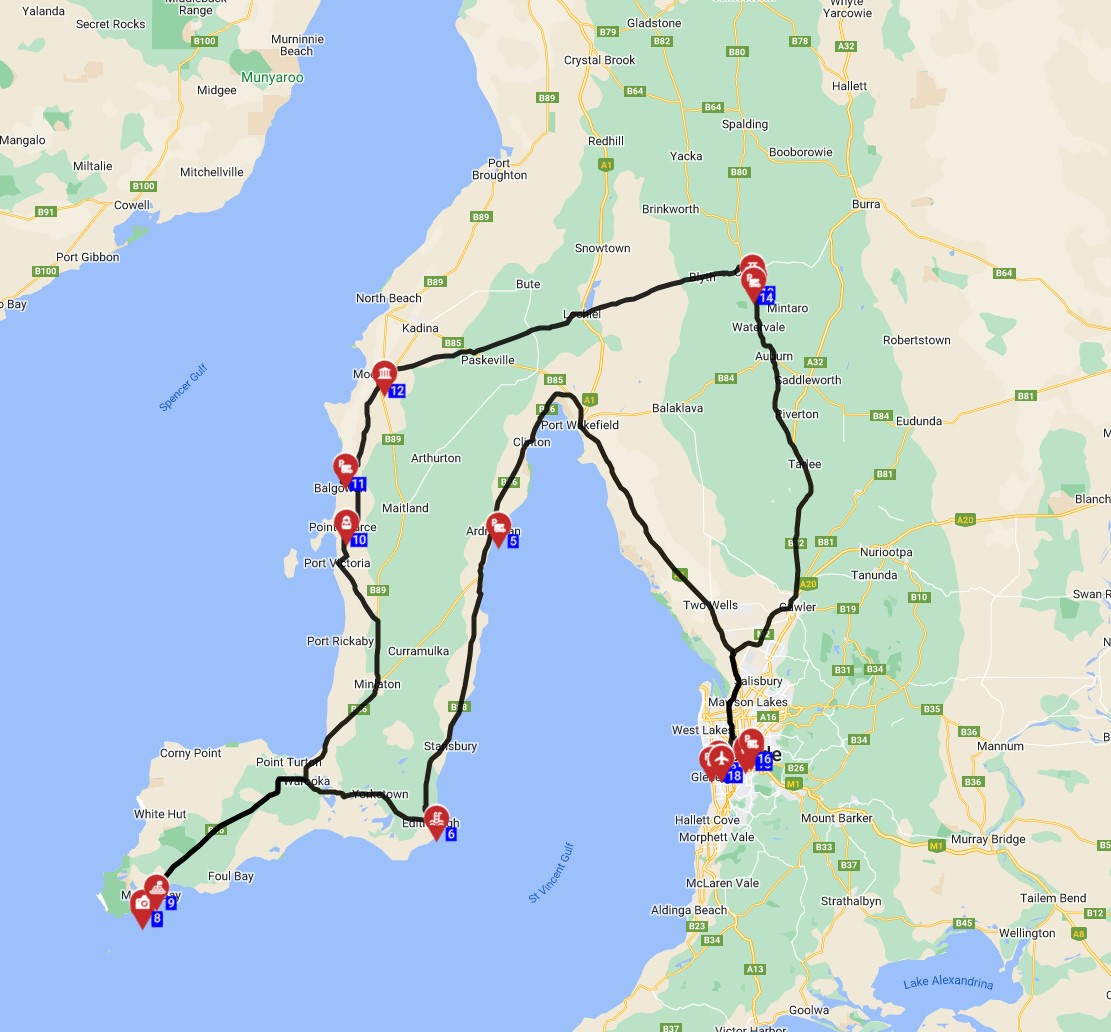
- Recommended RVPlan Trip for Australia
- Must-See Stops Along the Way (Avi Bandana Picks)
- Daily Driving Distances & Drive Times in Australia
- Best RV Class for This Itinerary - Couple & Family Picks
- What is the most beautiful road trip in Australia?
- How long does it take to travel around Australia in a campervan?
- What is the best month to go to Australia?
- What are the top 3 tourist attractions in Australia?
- What is the best RV in Australia?
- Can you park an RV anywhere in Australia?
- What is the 333 rule for campervan?
- What not to do in Australia as an American?
Best Australia RV Itinerary for rv rental - Overview
Australia RV trips offer diverse experiences from coastal drives to outback adventures, typically spanning 7 days for a regional highlight to over a month for a cross-country journey, with best seasons varying by region. Renting a motorhome provides unmatched flexibility to explore vast landscapes, from iconic coastlines and lush rainforests to ancient deserts and vibrant cities. While shorter regional trips of 1-4 weeks are popular for visitors, a comprehensive cross-continental journey can easily exceed 7,000 km and take over 30 days to fully appreciate. The ideal season for your trip depends heavily on your destination; generally, spring (September-November) and autumn (March-May) suit southern regions, while winter (June-August) is perfect for exploring the tropical north. For live availability and current prices, start with our RV Rental Australia - Complete Guide 2026 guide. Bandana Caravan offers full transparency with no hidden fees, ensuring what you see is what you pay when you compare prices across 50+ leading RV suppliers like Apollo and Britz.
7-Day Classic Route in Australia
A classic 7-day RV itinerary from Melbourne can encompass the stunning Great Ocean Road, the rugged Grampians National Park, and historic gold rush towns, offering a diverse taste of Victoria's landscapes. This itinerary adheres to Avi Bandana's recommendation of traveling slowly, with a maximum of 100-150 km per day, allowing for relaxed travel and ample exploration.- Day 1: Melbourne → Apollo Bay (190 km): Pick up your rented RV in Melbourne, then head southwest along the Great Ocean Road. Highlights include Torquay, Bells Beach, and the Split Point Lighthouse. For an overnight stay, Apollo Bay Foresight Caravan Park is a great option.
- Day 2: Apollo Bay → Port Campbell (90 km): Continue your journey on the Great Ocean Road, stopping to admire the iconic Twelve Apostles, Loch Ard Gorge, and Gibsons Steps. Port Campbell Holiday Park offers a comfortable night's rest.
- Day 3: Port Campbell → Halls Gap (Grampians) (150 km): Turn inland towards the majestic Grampians National Park. Highlights include breathtaking mountain views and plentiful wildlife spotting opportunities, such as kangaroos and emus. Halls Gap Lakeside Tourist Park provides an excellent base.
- Day 4: Halls Gap - Explore Grampians: Dedicate a full day to hiking and exploring the Grampians National Park. Must-sees include the Pinnacle Walk, McKenzie Falls, and ancient Aboriginal rock art sites. Stay another night at Halls Gap Lakeside Tourist Park.
- Day 5: Halls Gap → Ballarat (120 km): Drive to the historic gold rush city of Ballarat. Spend time at Sovereign Hill, a captivating living history museum, and explore the Gold Museum. Big4 Ballarat Goldfields Holiday Park is a welcoming spot for your campervan.
- Day 6: Ballarat → Mornington Peninsula (150 km): Journey to the beautiful Mornington Peninsula. Indulge in the Peninsula Hot Springs and wander through charming coastal towns like Sorrento and Portsea. Look for a local holiday park or designated RV stop for the night.
- Day 7: Mornington Peninsula → Melbourne (80 km): Enjoy a leisurely morning on the peninsula before a short drive back to Melbourne for your RV return, concluding your memorable Victorian adventure.
14-Day Extended Journey in Australia
An extended 14-day RV adventure from Melbourne expands upon the classic route, incorporating more of Victoria's iconic attractions like Phillip Island and the pristine wilderness of Wilson's Promontory. This itinerary groups travel by region, ensuring a comprehensive exploration while maintaining a comfortable daily driving pace, often around 100-150 km per day.- Days 1-7: Melbourne Loop (Great Ocean Road, Grampians, Goldfields): Follow the 7-day itinerary as outlined above, returning to the Melbourne area or a nearby coastal point like Mornington Peninsula with your rented motorhome.
- Day 8: Mornington Peninsula → Phillip Island (70 km): Cross over to Phillip Island. Highlights include witnessing the famous Penguin Parade at dusk and visiting the Koala Conservation Centre. Sleep soundly at Phillip Island Caravan Park.
- Day 9: Phillip Island → Wilson's Promontory (150 km): Drive to the southernmost tip of mainland Australia, Wilson's Promontory National Park. Enjoy Tidal River, stunning beaches, and diverse hiking trails. Advance booking is essential for Tidal River Campground.
- Day 10: Wilson's Promontory - Explore: Immerse yourself in the Prom's natural beauty. Summit Mt Oberon for panoramic views, relax at Squeaky Beach, and explore various walking tracks. Stay a second night at Tidal River Campground.
- Day 11: Wilson's Promontory → Lakes Entrance (200 km): Head east to the Gippsland Lakes region. Explore Australia's largest inland waterway and enjoy fishing or boating. Lakes Entrance Holiday Park welcomes your campervan.
- Day 12: Lakes Entrance → Walhalla (120 km): Journey to the historic gold mining town of Walhalla, a beautifully preserved ghost town. Take a gold mine tour and a scenic railway ride, exploring the heritage streetscape. Walhalla Caravan Park is a charming stop.
- Day 13: Walhalla → Yarra Valley (120 km): Drive to the renowned Yarra Valley wine region. Enjoy wine tasting at cellar doors, sample local produce, and visit the Healesville Sanctuary. Yarra Valley Caravan Park offers a relaxing stay. For delicious meals on the go, check out our RV-friendly recipes playlist.
- Day 14: Yarra Valley → Melbourne (70 km): Enjoy a final breakfast in the Yarra Valley before a short drive back to Melbourne for RV return and departure, concluding your extensive Victorian adventure.
Recommended RVPlan Trip for Australia
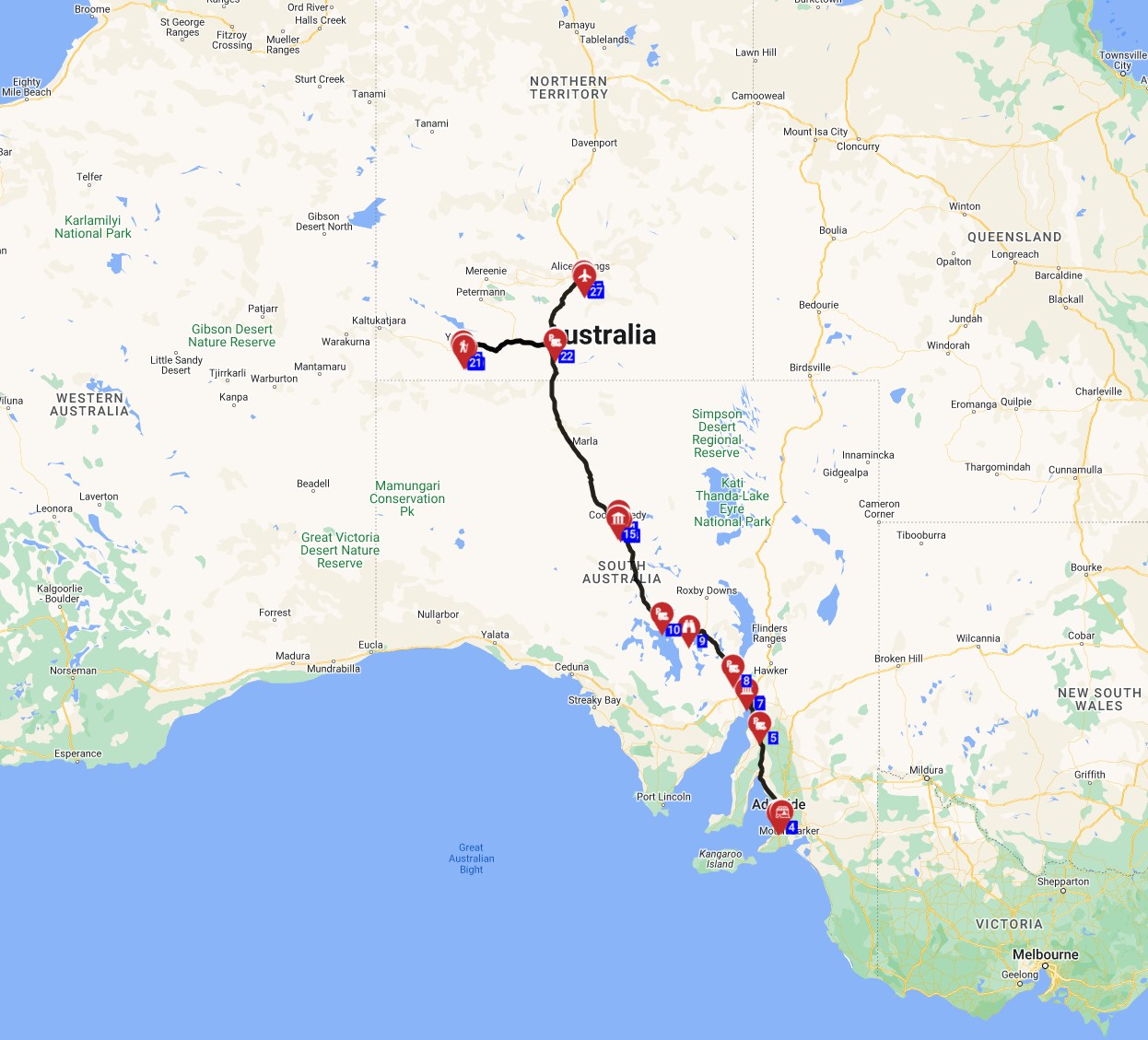
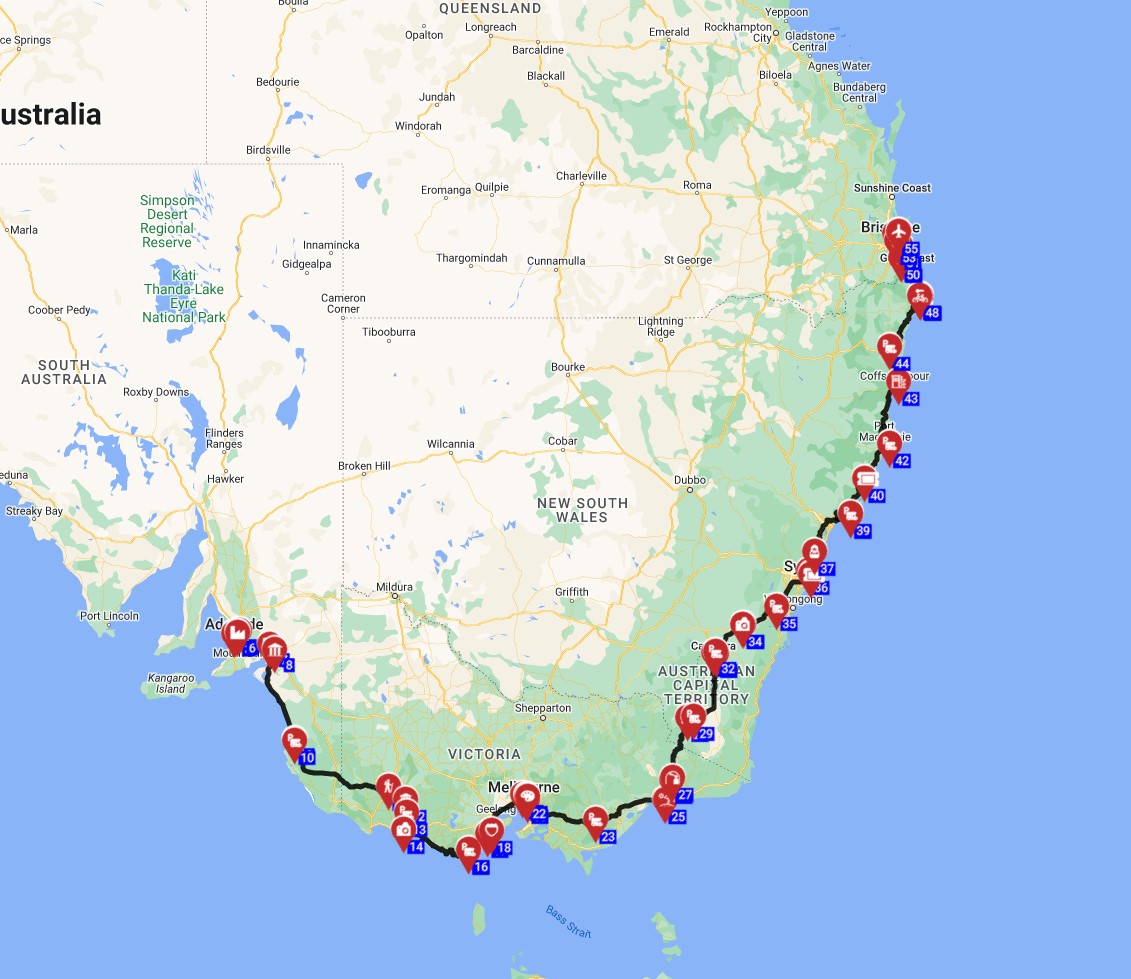
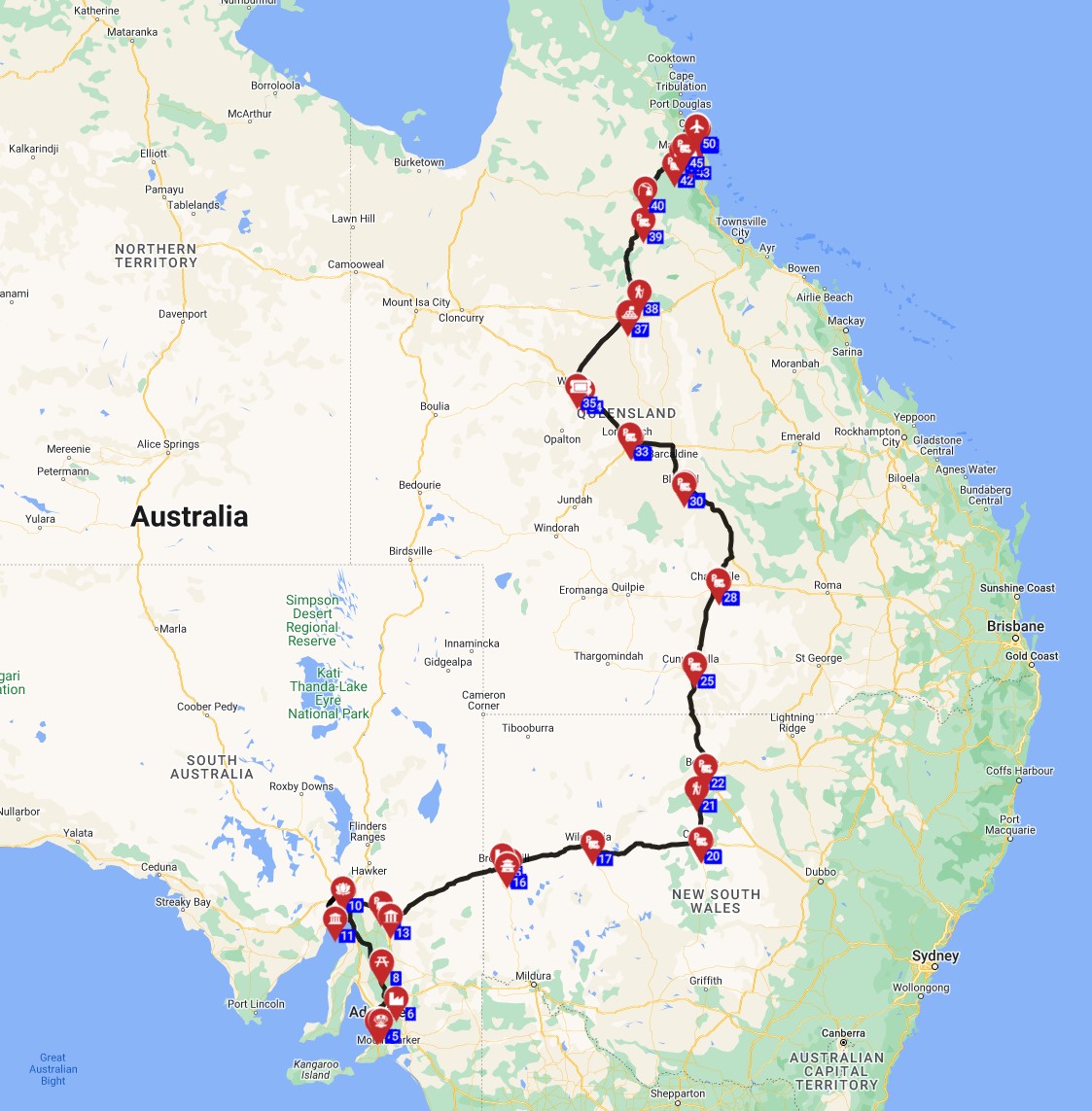
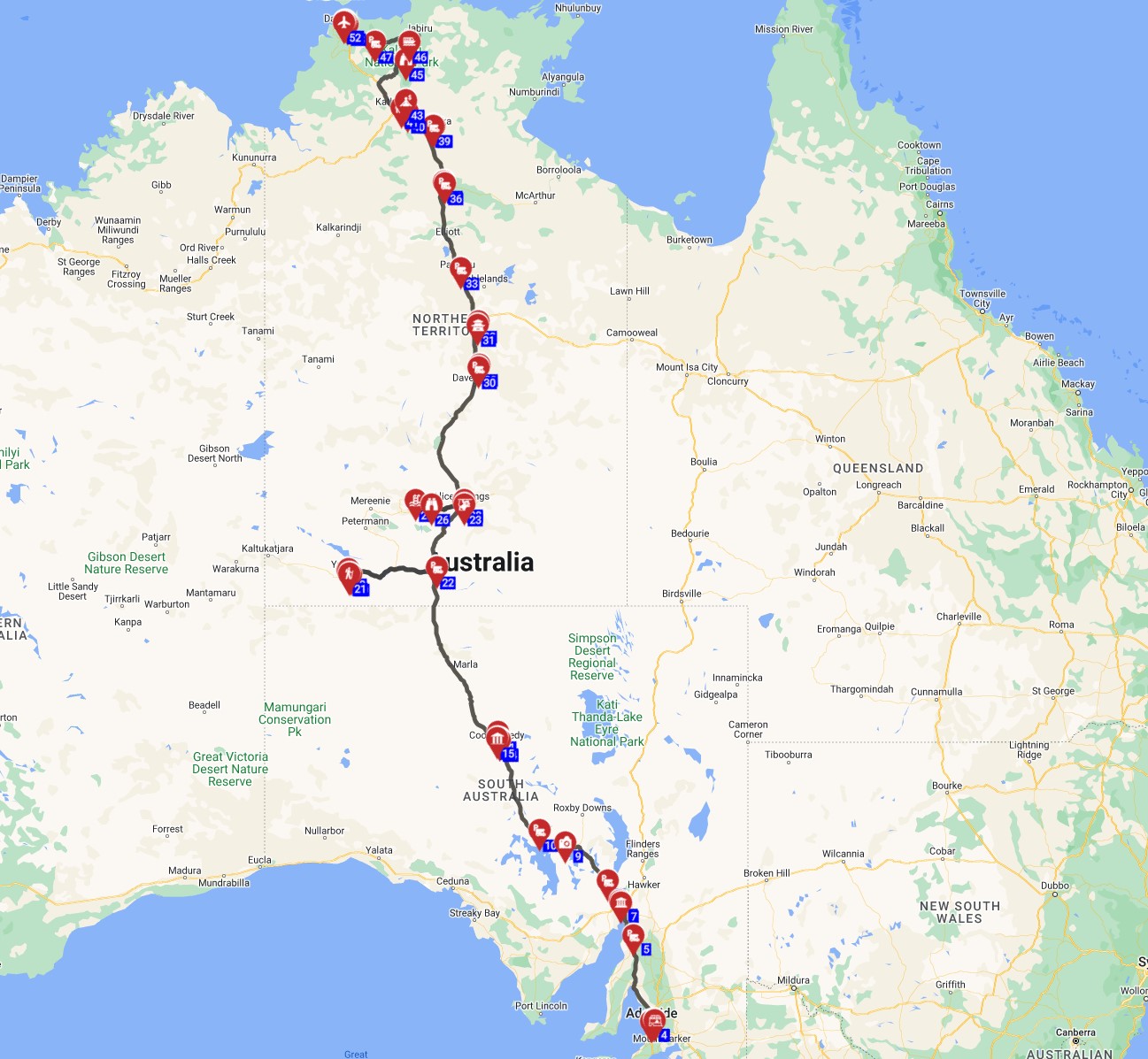
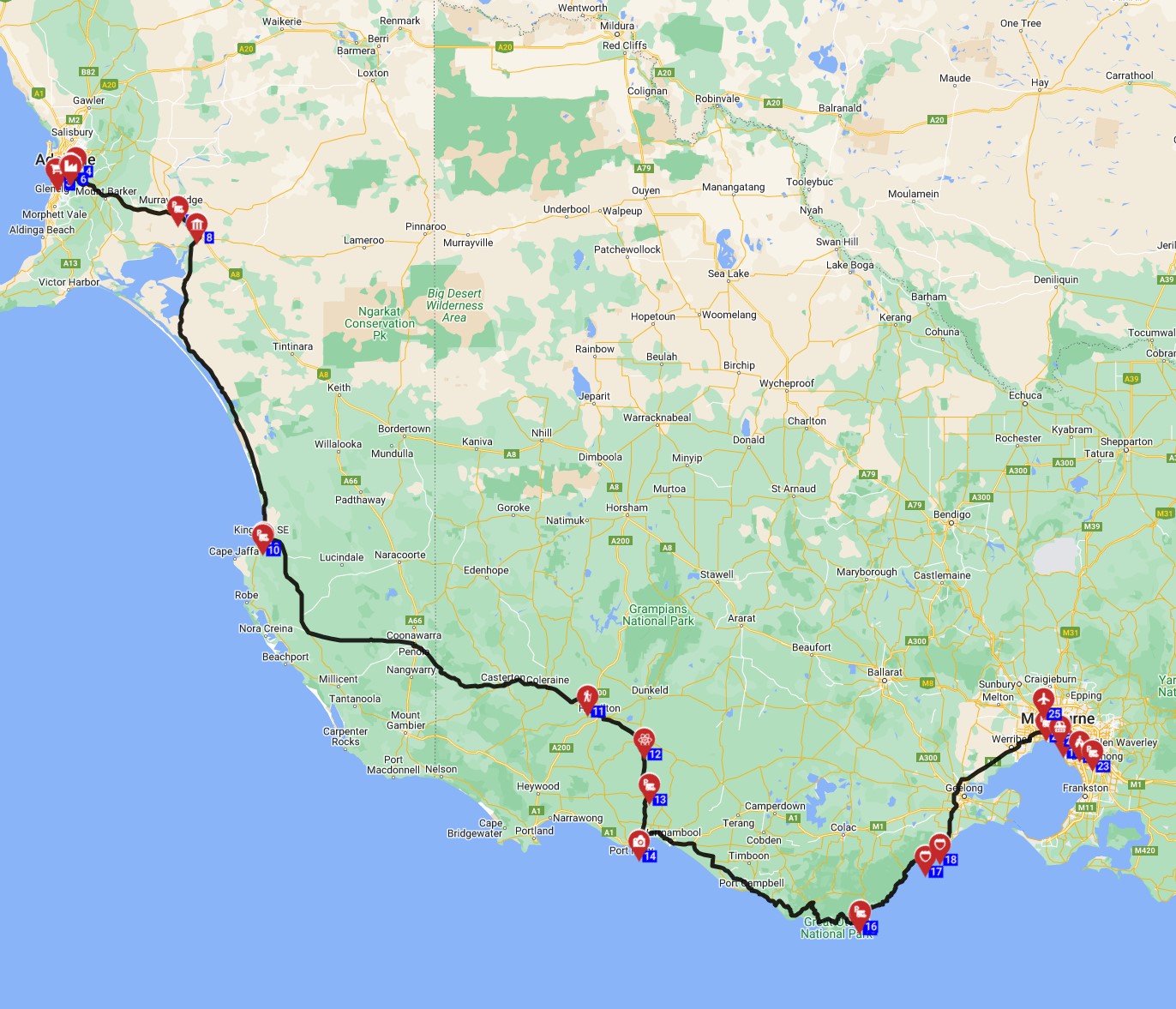
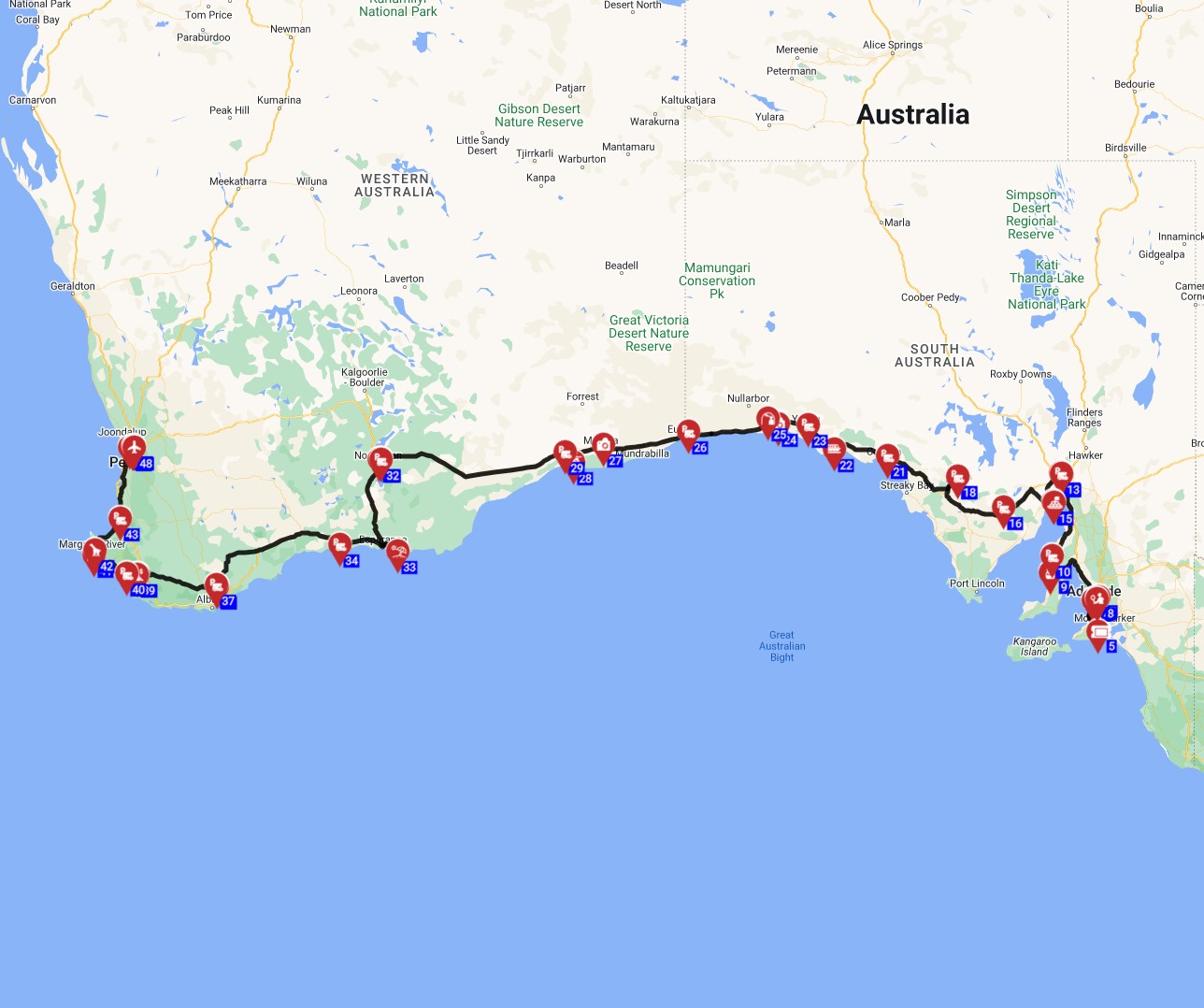
For an epic cross-continental adventure in Australia, rvplan.net recommends the "
Broome to Sydney - Across the Heart of Australia Road Trip
Must-See Stops Along the Way (Avi Bandana Picks)
Avi Bandana's personal picks for must-see stops on an Australian RV adventure highlight unique cultural experiences, natural wonders, and local industries, offering a blend of traditional visits and culinary delights identified through rvplan.net data. These recommendations are designed to help you discover the true essence of Australia beyond the well-trodden paths.- Purnululu National Park & Mimbi Caves (Western Australia, Kimberley region): These sites offer incredible Traditional Visits and exploration of caves, showcasing ancient geological formations and significant Indigenous heritage.
- Warradjan Aboriginal Cultural Centre (Kakadu National Park, Northern Territory): An essential Traditional Visit providing deep insights into Australia's rich Indigenous history, art, and connection to the land.
- Macadamia Castle (New South Wales): This Local Industry and Family Activity stop is a delightful place to learn about macadamia farming, enjoy delicious local treats, and interact with farm animals.
- Sydney Cove Oyster Bar (Sydney): Positioned in the heart of Sydney, this Traditional Restaurant offers an exquisite fine dining experience with fresh Australian seafood and stunning waterfront views, a perfect culinary highlight.
- Birkenhead Point Outlet Centre (near Sydney): While not a traditional market, this shopping destination serves as a prime location for retail therapy and discovering local products, making it a modern interpretation of a local commerce experience.
Daily Driving Distances & Drive Times in Australia
When planning a rented RV trip in Australia, Avi Bandana recommends a maximum of 100 miles (150 km) per day on average to ensure a relaxed pace and ample time for exploration, cultural immersion, and unexpected stops. This slower travel approach is crucial in Australia due to its vast distances, potential for wildlife on roads (especially at dawn/dusk), and the sheer number of hidden gems worth discovering off the main highways. Adhering to this guideline helps mitigate driver fatigue, allows for deeper engagement with local communities, and provides a buffer for unforeseen circumstances like road closures or mechanical issues. For example, while Sydney to Canberra is approximately 300 km (3.5-4 hours driving), and Perth to Margaret River is about 270 km (3 hours driving), these are best spread over two days or managed with significant rest stops to enjoy the journey. Even shorter distances, like Cairns to Port Douglas (around 70 km, 1 hour driving), benefit from a leisurely pace to appreciate the scenic coastal drive and make multiple stops. Drive slowly and carefully, and you can drive almost anywhere without issues. No need to stress - just use common sense and pay attention.Best RV Class for This Itinerary - Couple & Family Picks
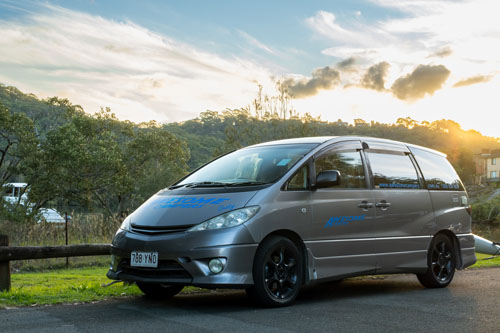
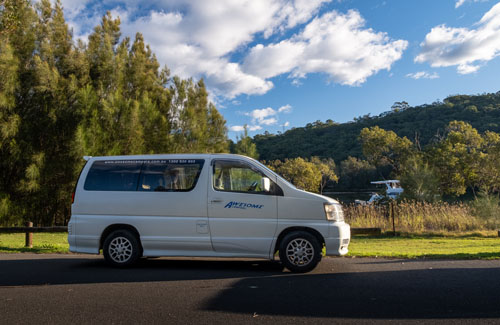
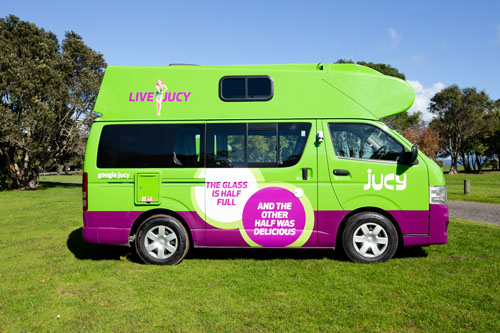
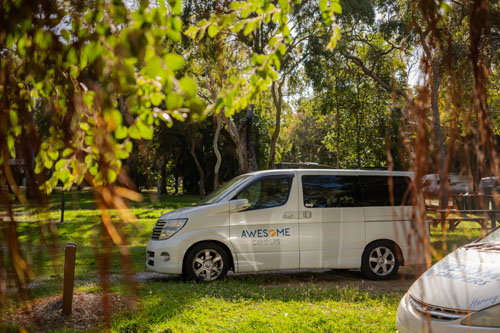
Choosing the right RV class for an Australian adventure depends on your group size, travel style, and desired comfort, with compact campervans ideal for couples and spacious alcove motorhomes perfect for families. Our team at Bandana Caravan are true RV specialists, ready to help you find the perfect match.For Couples: Class B - Camper Van
Bandana's fleet typically features Class B Camper Vans, such as the "Active Classic" or "Juliette 2-3," with an average length of 5.8 meters and comfortable sleeping arrangements for approximately 3.2 people, making them ideal for 2 adults seeking agility and fuel efficiency. These vehicles offer easier maneuverability for navigating cities and smaller roads, require less fuel (with common consumption around 8-10 Liters/100 km), and provide a compact yet functional living space perfect for intimate adventures. Many models, like the "rv rental denver example Category Van," come with front air conditioning, a shower, and a toilet for added convenience.For Families: Class C - Alcove
For families, Bandana's Class C Alcove motorhomes, like the "4 Berth Adventurer" or "6 Berth Discovery," are an excellent choice, averaging 7.4 meters in length and providing comfortable sleeping for approximately 5.8 people, designed to accommodate around 4.4 adults on average. These larger RVs offer significantly more living space, often featuring separate sleeping areas, a more extensive kitchen with a 190-liter refrigerator, and a full bathroom, enhancing comfort for longer trips with children. Typical fuel consumption is around 10-14 Liters/100 km. You can also upgrade to a top-level deductible for extra peace of mind. Consider Bandana's 'Rent&Plan' service, which combines your RV rental with a professionally designed itinerary and access to trip-planning software from rvplan.net, removing the planning headache and allowing you to focus on the adventure. You can even enjoy a 25% planning discount when you use rvplan.net for your route.What is the most beautiful road trip in Australia?
While subjective, Australia boasts several contenders for its most beautiful road trip, including the iconic Great Ocean Road in Victoria, the vast coastal stretch of the Pacific Coast Touring Route (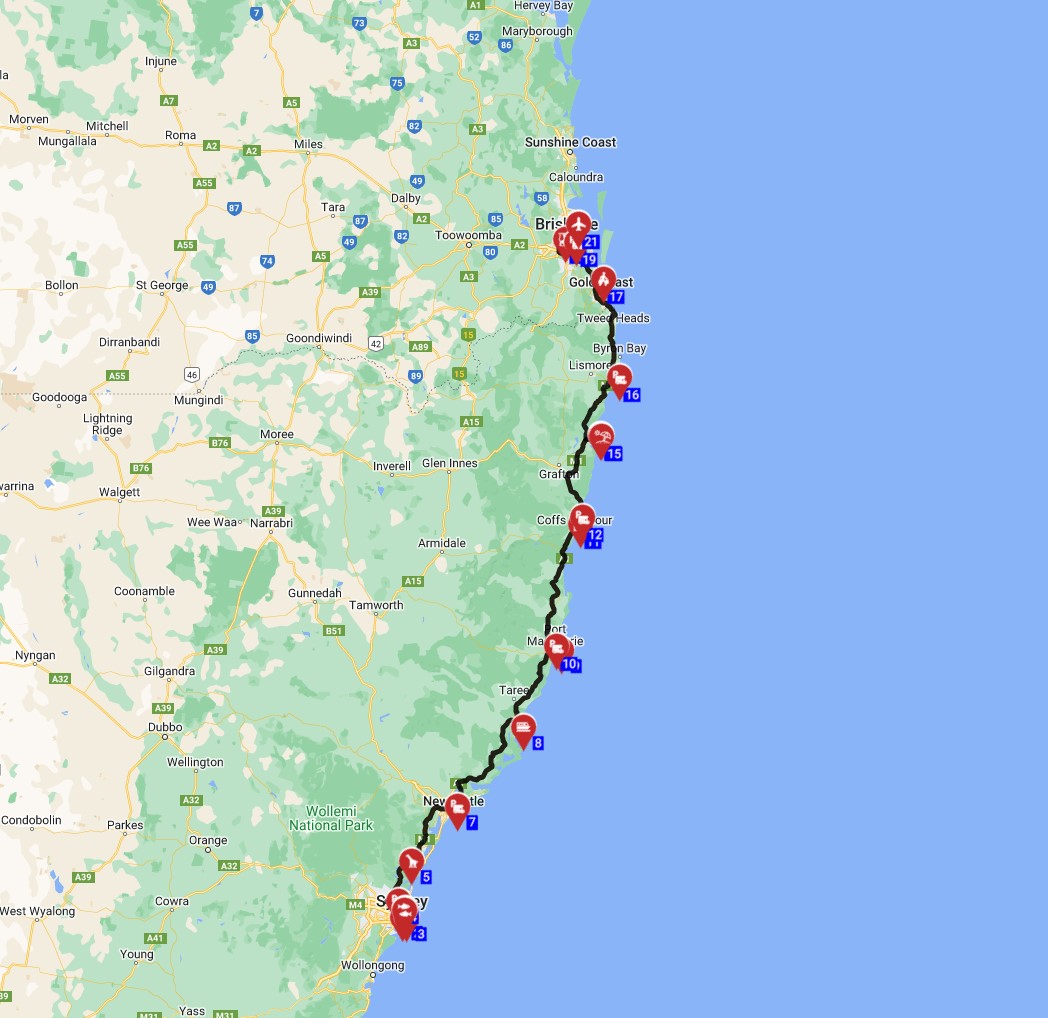
Sydney to Brisbane
- The Great Ocean Road (Victoria): World-renowned for its dramatic coastline, the Twelve Apostles, lush rainforests, and charming seaside towns, making it a quintessential Australian drive of approximately 243 kilometers.
- Pacific Coast Touring Route (
): Hugging the eastern seaboard for over 900 kilometers, this route showcases stunning beaches, national parks, and vibrant coastal communities, offering diverse landscapes from surfing hotspots to subtropical rainforests.
Sydney to Brisbane
- Gibb River Road (Western Australia): For the adventurous, this legendary 660-kilometer unsealed track carves through the Kimberley region's remote wilderness, featuring spectacular gorges, ancient boab trees, and unique outback stations, providing an unparalleled experience of Australia's wild heart.
How long does it take to travel around Australia in a campervan?
Traveling around the perimeter of Australia in a rented campervan typically takes a minimum of 3 to 6 months, covering over 15,000 km, though shorter regional trips are more common and can be completed in 1-4 weeks. A full circumnavigation (often called 'the Big Lap') requires substantial time due to Australia's immense size, with many travelers extending their journey to 12 months or more to truly explore each state and territory at a leisurely pace, adhering to the recommended maximum of 100-150 km per day. For those with less time, focused regional trips, such as a 2-week exploration of the Queensland coast or a month-long dive into Western Australia's south, offer deeply rewarding experiences without requiring a full continent crossing. Mental preparation for vast distances and potential isolation, along with meticulous planning for fuel, water, and rest stops, is crucial for any extended Australian RV journey, especially since mobile phone coverage can be limited in remote areas.What is the best month to go to Australia?
The best month to go to Australia depends entirely on which region you plan to visit due to the country's diverse climate zones, with spring (September-November) and autumn (March-May) generally ideal for temperate southern states, while winter (June-August) is best for the tropical north.- Southern Australia (Victoria, New South Wales, South Australia, Southern Western Australia): Spring (Sept-Nov) and Autumn (March-May) offer pleasant temperatures between 15-25°C, fewer crowds, and vibrant natural beauty like wildflowers.
- Tropical North (Queensland, Northern Territory Top End, Kimberley WA): The dry season (Winter, June-August) is optimal, providing clear skies, comfortable temperatures around 20-30°C, and lower humidity, avoiding the intense heat and heavy rains of the wet season.
- Tasmania: Summer (December-February) is the prime time, offering long days, warmer weather (18-24°C), and ideal conditions for hiking and exploring its pristine wilderness.
What are the top 3 tourist attractions in Australia?
Australia's top three tourist attractions, widely recognized for their iconic status and visitor appeal, typically include the Sydney Opera House, the natural wonder of Uluru, and the vibrant marine ecosystem of the Great Barrier Reef.- Sydney Opera House (New South Wales): An architectural masterpiece and UNESCO World Heritage site, completed in 1973, it is a global icon representing Australia's vibrant cultural scene and hosts over 1,500 performances annually.
- Uluru (Northern Territory): This massive sandstone monolith, standing 348 meters high and with a perimeter of 9.4 kilometers, is the spiritual heart of Australia, sacred to the Anangu people, offering breathtaking sunrises and sunsets and a profound cultural experience.
- Great Barrier Reef (Queensland): The world's largest coral reef system, stretching over 2,300 km and home to over 3,000 individual reefs, teeming with diverse marine life and offering unparalleled opportunities for snorkeling, diving, and boat tours.
What is the best RV in Australia?
The 'best' RV in Australia is subjective, depending on your travel style, group size, and desired destinations, but popular choices range from nimble 2WD campervans ideal for coastal routes to robust 4WD campers essential for tackling rugged outback tracks like the Gibb River Road. Bandana Caravan offers a variety of rental motorhomes to suit every adventure.2WD Motorhomes (Class B, C, SI)
These vehicles, such as a 5.99-meter Class B "Active Classic" or a 7.6-meter Class C "cruise america rv rental example Explorer" with an 82-liter fresh water tank, are excellent for traveling on sealed roads and main tourist routes, offering comfort and convenience for couples and families. They are generally more fuel-efficient (e.g., 8-12 Liters/100 km for campervans) and easier to drive and park in urban areas. Our current rental offerings for Class C motorhomes also include "rv rentals example Comfort Class" which are up to 3 years on the road, offering spacious interiors for families of 2+2.4WD Campers (Class TC and specialized conversions)
These are crucial for adventurers planning to explore off-road tracks, unsealed roads, and remote destinations such as the Kimberley or parts of the Northern Territory. Vehicles like the "4x4 Camper B - THOR" or "rv rentals orlando example Cheapa Trailfinder 4X4" with a 40-liter fresh water tank provide higher ground clearance and robust construction for challenging terrains. While they have higher rental costs and increased fuel consumption (e.g., 12-14 Liters/100 km), they offer access to remote and unique locations where a standard motorhome cannot go.Can you park an RV anywhere in Australia?
No, you cannot park a rented RV anywhere in Australia; specific regulations govern where you can legally camp or park overnight, with designated caravan parks, national park campgrounds, and some free camping zones being the primary options.- Designated Caravan Parks: These are the most common and safest option, offering amenities like power, water, showers, and laundry facilities, found in most towns and tourist areas. Prices typically range from $30-$60 AUD per night for a powered site.
- National/State Park Campgrounds: Many national and state parks offer designated campgrounds, often requiring permits or booking fees in advance (usually $6-$25 AUD per night), especially for popular sites. Regulations vary greatly by state and park, so always check before you go.
- Free Camping/Rest Areas: Limited free camping is available, typically in remote areas or designated roadside rest stops; however, rules vary by state and local council, so always check signage or use apps like WikiCamps Australia. Overnight parking in urban areas, on most public streets, or undesignated roadside shoulders is generally illegal and can result in fines of $50-$200 AUD.
What is the 333 rule for campervan?
The "333 rule" for campervan travel is a common guideline promoting safe and responsible RV practices, suggesting that you should aim to drive no more than 300 kilometers (or 3 hours) per day, stop every 3 hours for a break, and stay for at least 3 nights in one location.- Drive no more than 300 km (or 3 hours) per day: This recommendation helps prevent driver fatigue, allows ample time for sightseeing and spontaneous stops, and ensures a relaxed pace, especially important given Australia's vast distances.
- Stop every 3 hours for a break: Regular breaks of at least 15-30 minutes are crucial for driver and passenger well-being, helping to maintain alertness and reduce the risk of accidents.
- Stay for at least 3 nights in one location: This encourages deeper exploration of destinations, reduces the constant packing and unpacking cycle, and fosters a more immersive travel experience, connecting travelers with local environments and communities, truly allowing you to feel the place.
What not to do in Australia as an American?
When traveling in Australia, especially as an American, it's crucial to avoid cultural faux pas, be aware of unique environmental hazards, and respect local customs, particularly concerning Indigenous lands and wildlife. Australia has specific nuances that differ from many other countries.- Cultural Etiquette and Local Interactions: Avoid making generalizations about Australians or constantly comparing everything to the USA. Tipping is appreciated for excellent service in restaurants (around 10%) but is not mandatory or expected in the same way as in the US. Be mindful of cultural sensitivities, particularly when visiting Indigenous lands; seek permission or guidance for sacred sites and respect local traditions, which often includes avoiding photography in certain areas.
- Wildlife Safety: Never feed wild animals. Drive cautiously, especially at dawn, dusk, and night, to avoid collisions with kangaroos, wallabies, and other nocturnal animals; these collisions cause thousands of accidents annually. Be aware of venomous snakes and spiders; wear appropriate footwear and check surroundings, especially when hiking. In northern Australia, observe all crocodile warning signs rigorously and never swim in undesignated areas. Carry a comprehensive first aid kit and know basic first aid for bites/stings, and always have emergency numbers (000) handy.
- Emergency Preparedness in Remote Areas: Do not underestimate the vastness and isolation of the Australian Outback. Mobile phone coverage (especially 4G/5G) is often nonexistent outside major towns; consider hiring a satellite phone or personal locator beacon (PLB) for emergencies when traveling hundreds of kilometers in remote regions. Always carry extra fuel, water (at least 20 liters per person per day), and non-perishable food, and inform someone of your itinerary.
- Sun Safety: Australia has extremely high UV levels, often reaching 11-15 on the UV index in summer. Always wear broad-spectrum sunscreen (SPF 30+), a wide-brimmed hat, sunglasses, and protective clothing, even on cloudy days.
- Water Safety: Be aware of strong ocean currents and rips at beaches; always swim between the red and yellow flags. In tropical waters, be mindful of marine stingers (jellyfish) during certain seasons (typically October to May); signs will indicate safe swimming zones.
- Environmental Respect: Always take your rubbish with you, minimize your environmental footprint, and adhere to 'Leave No Trace' principles, especially when camping in natural areas or national parks. Respect fire bans during dry seasons, which can lead to severe penalties.
Final Thoughts
Australia truly is a continent made for RV exploration, offering an unparalleled sense of freedom and discovery. Whether you dream of a week-long coastal cruise along the Great Ocean Road or an epic month-long journey through the vast Outback, renting a motorhome opens up a world of possibilities. With careful planning and our comprehensive support, your Australian RV adventure will be filled with unforgettable moments and breathtaking scenery. Remember, the journey itself is the destination. Embrace the slower pace, savor every stop, and let the incredible diversity of Australia unfold before you. From vibrant cities like Melbourne and Sydney to the ancient landscapes of Uluru, your rented campervan is your key to experiencing it all on your terms. We are here to support you in finding the easiest, safest, and most affordable way to rent an RV, comparing final prices across 50+ suppliers so you don't have to. Get ready to create memories that will last a lifetime! Discover top destinations, planning tips, all in one place!On the routes offered through RV PLANET routes, you can itemize and track every expense along the way for easy budgeting.