In This Guide
- Can You Drive an RV in Texas? License & Age Rules
- Road Conditions & Terrain in Texas
- RV Size Limits, Bridges & Restricted Zones
- Fuel: Diesel vs. Petrol & Cost per 100 km
- Tolls, Vignettes & Border Rules
- Driving Tips for RV Travelers in Texas
- Recommended RV Class for Texas Roads
- Should I Choose a Compact Van Instead of a Large RV in Texas?
- Can I Park Anywhere? Free & Wild Camping Rules in Texas
- Can I Drive an RV Into the City Center? Heights, Tunnels & Local Signage
- What practical tips are essential for RVing in remote Texas?
- How can I save money on an RV trip in Texas?
- What hidden gems and unique experiences can I find RVing in Texas?
- How do I prepare for Texas' diverse climates and wildlife while RVing?
- How can I connect with other RVers and communities in Texas?
- What are the best RV destinations in Texas by region?
Exploring the vast and vibrant landscapes of Texas in a rented motorhome offers an unparalleled sense of freedom, especially for senior travelers seeking comfort and adventure. From the rolling hills of the Hill Country to the dramatic deserts of Big Bend, the Lone Star State is an ideal destination for an extended road trip. Bandana RV, with over 20 years of experience since our founding in 2001, is here to help make your Texas RV rental journey seamless and enjoyable, providing full transparency and 24/7 support every step of the way.
For live availability and current prices, start with our RV Rental Texas - Complete Guide 2026 guide, where you can compare options from over 50 leading RV suppliers worldwide, including trusted partners like El Monte and Cruise America. We make it easy to find the perfect campervan or motorhome for your next great adventure.
Can You Drive an RV in Texas? License & Age Rules
Yes, you can absolutely drive a rented RV in Texas, and typically a standard Class C driver's license is sufficient for most rental motorhomes, which generally weigh under 26,000 lbs. RVs exceeding 26,000 lbs, or those with a gross combination weight rating (GCWR) over 26,000 lbs while towing a trailer over 10,000 lbs, would require a non-commercial Class A or B license, but these are rarely necessary for rental units. The minimum driving age for a standard license in Texas is 18, though most RV rental companies set their minimum age at 21 for insurance purposes, and some might require 25 for larger Class A motorhomes, though Bandana offers rentals for those 21 and older with no young driver surcharges. Foreign drivers can use their valid home country license for up to one year, but an International Driving Permit (IDP) is highly recommended as a translation supplement, especially for visitors from non-English-speaking countries.
Road Conditions & Terrain in Texas
Texas offers highly varied road conditions and terrain, encompassing everything from well-maintained interstate highways ideal for smooth cruising to rugged, unpaved ranch roads and scenic byways requiring a more deliberate pace. The state features flat plains in the Panhandle, rolling hills and winding roads in the picturesque Hill Country, dense pine forests in East Texas, and dramatic mountainous desert landscapes in West Texas, particularly around Big Bend. Seniors should anticipate generally smooth and expansive driving on major arteries like I-10 or I-35, but be prepared for narrower, potentially less-maintained roads in rural or remote areas. Emphasizing a leisurely pace of max 100-150 km per day allows you to fully enjoy the diverse scenery and safely adapt to changing conditions, particularly in areas with winding roads or steeper grades. Remember, you're on vacation-take your time, connect to the culture, the food, and the scenery, and truly feel the place.
RV Size Limits, Bridges & Restricted Zones
Texas generally accommodates large RVs with ease, as major highways typically boast standard clearances suitable for most motorhomes, but drivers should remain vigilant for specific local restrictions. The maximum legal RV length in Texas is 65 feet for a single vehicle or combination, with a maximum width of 8.5 feet and a height of 14 feet. Low bridges are uncommon on main routes but can be encountered on older county roads or in historic town centers, making an RV-specific GPS system that accounts for your vehicle's dimensions a valuable tool. While environmental zones are not widely implemented in Texas cities for RVs, some specific urban areas may have unique parking or access restrictions, and ferry limits, such as on the Galveston Bolivar Ferry, typically accommodate most rental motorhomes.
Fuel: Diesel vs. Petrol & Cost per 100 km
The choice between diesel and petrol for your rented RV in Texas largely depends on its class and engine type, with many larger motorhomes (like Class A or C) typically running on diesel, while smaller Class B campervans often use petrol. Bandana's fleet averages demonstrate typical fuel consumption: a Class SI Semi-integrated RV might consume 10-11 L/100 km, a Class C Alcove RV 10-12 L/100 km, and a Class B Camper Van 8-10 L/100 km. Assuming an average fuel price of $1.05 per liter (approximately $4.00/gallon in 2026), the cost per 100 km could range from roughly $9.45 for a fuel-efficient Class B Camper Van to $12.60 for a Class C motorhome. Diesel is widely available at truck stops and larger gas stations throughout Texas, making it convenient for all motorhome sizes. To help manage your overall trip budget, RV PLANET routes allow you to itemize and track every expense, including fuel, along the way.
Tolls, Vignettes & Border Rules
Texas utilizes electronic tolls on many of its highways, express lanes, and bridges, which are often managed by entities like TxDOT (TxTag) or the North Texas Tollway Authority (NTTA). There are no vignette systems in Texas; instead, tolls are collected electronically, typically through transponders or a pay-by-mail system. Many Bandana RV rental partners offer pre-purchased toll passes, such as a TxTag, to simplify payment and help you avoid mailed invoices or potential late fees, providing peace of mind during your journey. Driving a rented motorhome into Texas from neighboring U.S. states like Louisiana, Arkansas, Oklahoma, or New Mexico is straightforward, requiring no special permits. However, travel into Mexico with a rental RV requires specific vehicle permits and Mexican auto insurance, which should be arranged well in advance of your trip. On the routes offered through RV PLANET routes, you can itemize and track every expense along the way for easy budgeting.
Driving Tips for RV Travelers in Texas
To ensure a comfortable and safe RV adventure in Texas, meticulously plan your routes using RV-specific GPS systems that account for your vehicle's dimensions, helping you avoid low clearances and weight restrictions. Remember to take frequent breaks, ideally every 2-3 hours, to combat fatigue, stretch your legs, and truly enjoy the diverse Texan scenery; slow travel, at a maximum of 100-150 km per day on average, lets you feel the place. For easier driving, especially on long stretches or when navigating cities like Austin or Dallas, consider renting a motorhome or campervan with an automatic transmission. Always maintain a generous following distance, as larger RVs require more time and space to brake compared to standard vehicles. Before setting off, secure all interior items to prevent shifting and damage, ensuring a peaceful and safe journey for everyone on board. For travelers interested in one-way options, our One-Way RV Rental in Texas - Price Guide 2026 offers helpful information.
Recommended RV Class for Texas Roads
For seniors exploring Texas, a Class C Alcove RV or a Class SI Semi-integrated RV often provides an excellent balance of comfort, amenities, and manageable driving on the state's diverse roads. Bandana's Class C Alcove RVs, averaging 7.5m in length, offer ample living space and sleeping for up to 4-6 adults, making them suitable for longer trips while still being relatively easy to maneuver. A popular model like the 24' Class C Motorhome offers amenities like a generator and TV, perfect for a couple or a small family. Class SI Semi-integrated RVs, with an average length of 6.9m, provide a more streamlined profile and a car-like driving experience, ideal for couples seeking comfort without the bulk of larger rigs. While Class B Camper Vans are highly maneuverable (avg. 5.8m), the increased interior space, dedicated kitchen facilities, and comfortable sleeping areas of a Class C or SI can significantly enhance the comfort of a senior's RV experience, particularly for extended travel across Texas. These larger options allow for a more home-like feel, allowing you to prepare delightful meals with ingredients sourced from local markets. Check out our RV-friendly recipes playlist for inspiration!
Should I Choose a Compact Van Instead of a Large RV in Texas?
While Texas's generally wide roads and expansive spaces mean most RV sizes are easily accommodated, the choice between a compact van and a larger motorhome depends on your personal priorities for comfort versus maneuverability. A compact van (Class B Camper Van) offers superior ease of parking and navigation in tight city centers like San Antonio or smaller state park campgrounds, providing a driving experience akin to a large SUV. For instance, models similar to a "Category Van" (typically around 6m long) are extremely nimble. However, larger RVs, such as Class C or Class A models like the cruise america rv rental example Explorer (7.1m long), provide significantly more indoor living space, dedicated sleeping areas, larger kitchens, and greater storage capacity, enhancing comfort for longer trips. For seniors prioritizing sustained comfort, dedicated amenities, and ample room to move around, a larger RV often provides a better trade-off, as maneuverability challenges in Texas are generally minimal outside of specific urban parking scenarios. Ultimately, Bandana specializes in RV rentals, ensuring you find the right fit, whether it's a cozy campervan or a spacious motorhome.
Can I Park Anywhere? Free & Wild Camping Rules in Texas
Free and wild camping in Texas is generally restricted to designated areas on public lands, making specific planning essential for overnight parking outside of established campgrounds. Dispersed camping may be allowed in certain National Forests, such as Angelina, Davy Crockett, Sam Houston, and Sabine National Forests, typically with appropriate permits or strict adherence to specific rules, and often away from developed sites. Overnight parking is sometimes tolerated in large retail parking lots, like Walmart or Cracker Barrel, or at truck stops, but this is always at the discretion of the property owner and should be confirmed beforehand with a quick phone call. Rules vary significantly by region and land ownership, so always check local regulations and follow local law before parking overnight, as illegal camping can result in fines and other issues. For finding campsites and campgrounds during your trip, we recommend using rvplan.net-a great resource for locating available spots along your route.
Can I Drive an RV Into the City Center? Heights, Tunnels & Local Signage
Yes, you can generally drive a rented RV into most city centers in Texas, but it's crucial to pay close attention to local signage, especially concerning height limits and parking restrictions. Texas cities like Houston, Dallas, or Austin are largely RV-friendly, but careful navigation is key. While tunnels are relatively rare in Texas cities, low bridges, particularly in older downtown areas or underpasses, can pose a hazard for taller RVs, necessitating careful route planning. Always adhere to local signage indicating height restrictions, environmental zones (though not commonly restrictive for RVs in Texas), and streets designated for residents-only or with specific parking regulations. Using an RV-specific GPS that factors in your vehicle's dimensions (e.g., a 7.5m long Class C motorhome like the MH23 Medium - Economy) can help navigate urban environments safely, guiding you away from unsuitable routes and parking garages without issue. Drive slowly and carefully, and you can drive almost anywhere without issues. No need to stress - just use common sense and pay attention.
What practical tips are essential for RVing in remote Texas?
RVing in remote areas of Texas, particularly the expansive Big Bend region, demands thorough preparation to ensure a smooth journey. Thoroughly plan your route, identifying fuel stations (especially for diesel), water refill points, and dump stations in advance, as services can be sparse in isolated regions. Ensure your rented RV is in excellent mechanical condition and carry essential tools and spare parts, as roadside assistance can be delayed. Investing in a cell signal booster or a satellite communication device is highly recommended, as cell service can be unreliable or non-existent in many remote parts of Texas. Additionally, pack extra water, food for multiple meals, and propane, as well as a robust first-aid kit, to maintain self-sufficiency for several days in case of unexpected delays or emergencies. If planning to camp outside developed campgrounds, familiarize yourself with boondocking best practices, including efficient waste management and strictly adhering to leave-no-trace principles.
How can I save money on an RV trip in Texas?
Saving money on an RV trip in Texas involves smart planning and resourcefulness. Purchasing a Texas State Parks Pass can significantly reduce or even eliminate entry fees for numerous parks across the state, offering great value for extended stays or multiple visits. Explore free or low-cost camping options, such as dispersed camping on public lands where permitted, or inquire about overnight parking at welcoming businesses like Walmart and Cracker Barrel (always ask permission first). Cooking most of your meals in your RV's kitchen can drastically reduce dining expenses, so stock up on groceries at larger supermarkets before heading to remote areas. Optimize your fuel efficiency by maintaining a consistent, moderate speed and planning routes to minimize unnecessary detours, leveraging apps to find the best fuel prices. Consider traveling during the off-season, such as fall, winter, or spring, to benefit from lower campground rates, fewer crowds, and more temperate weather conditions. For those exploring pricing, our "Cheap RV Rental in Texas - Budget Guide 2026" offers more detailed tips, and our comprehensive "RV Rental in Texas - Prices and Best Deals 2026" also provides excellent insights into optimizing your budget.
What hidden gems and unique experiences can I find RVing in Texas?
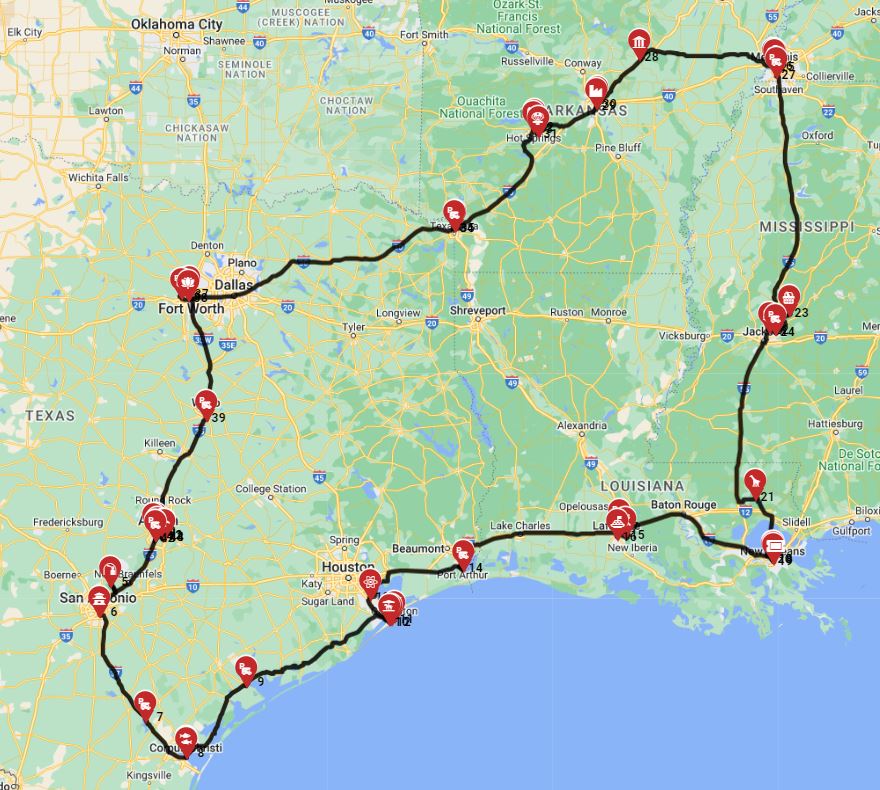
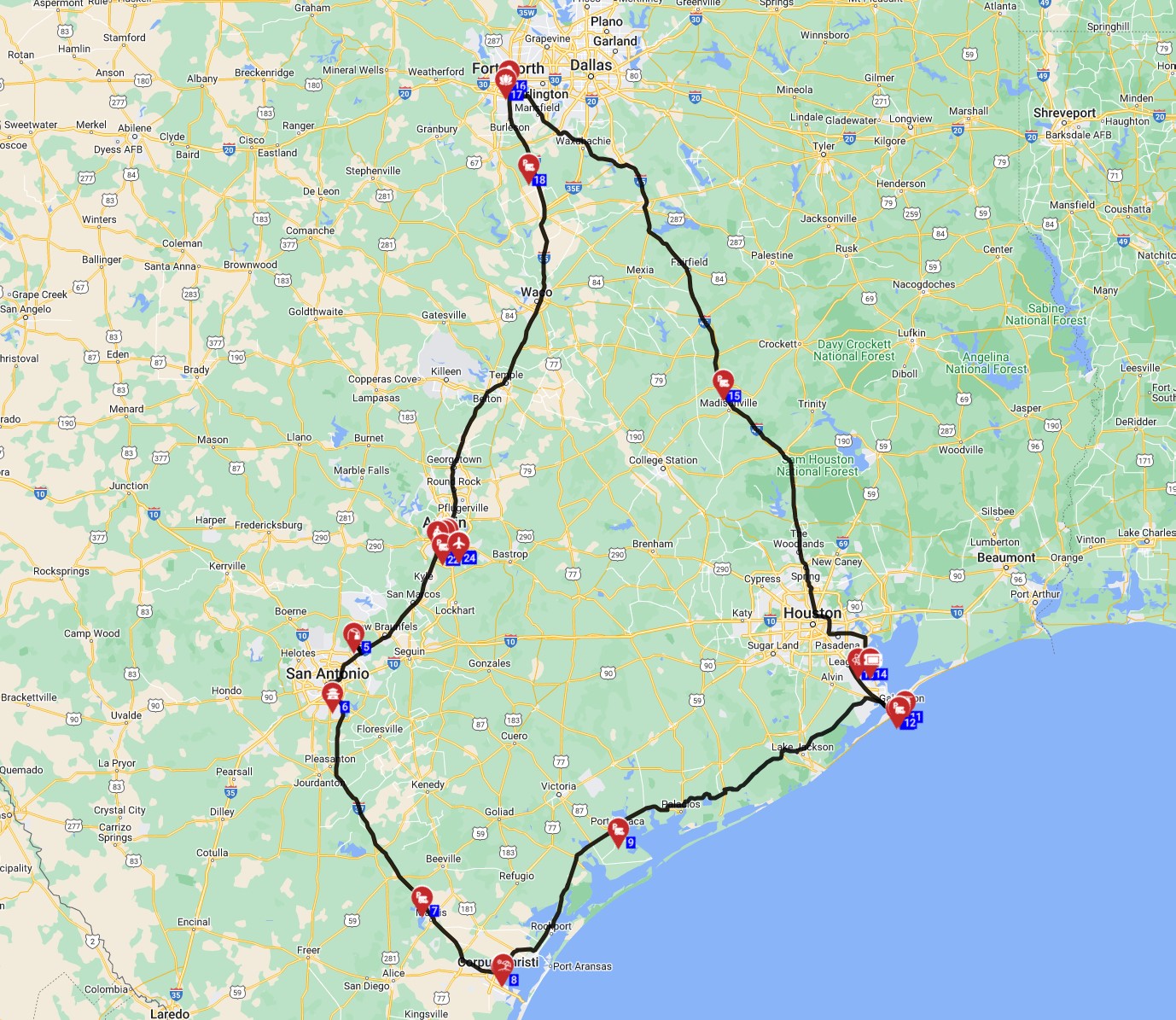
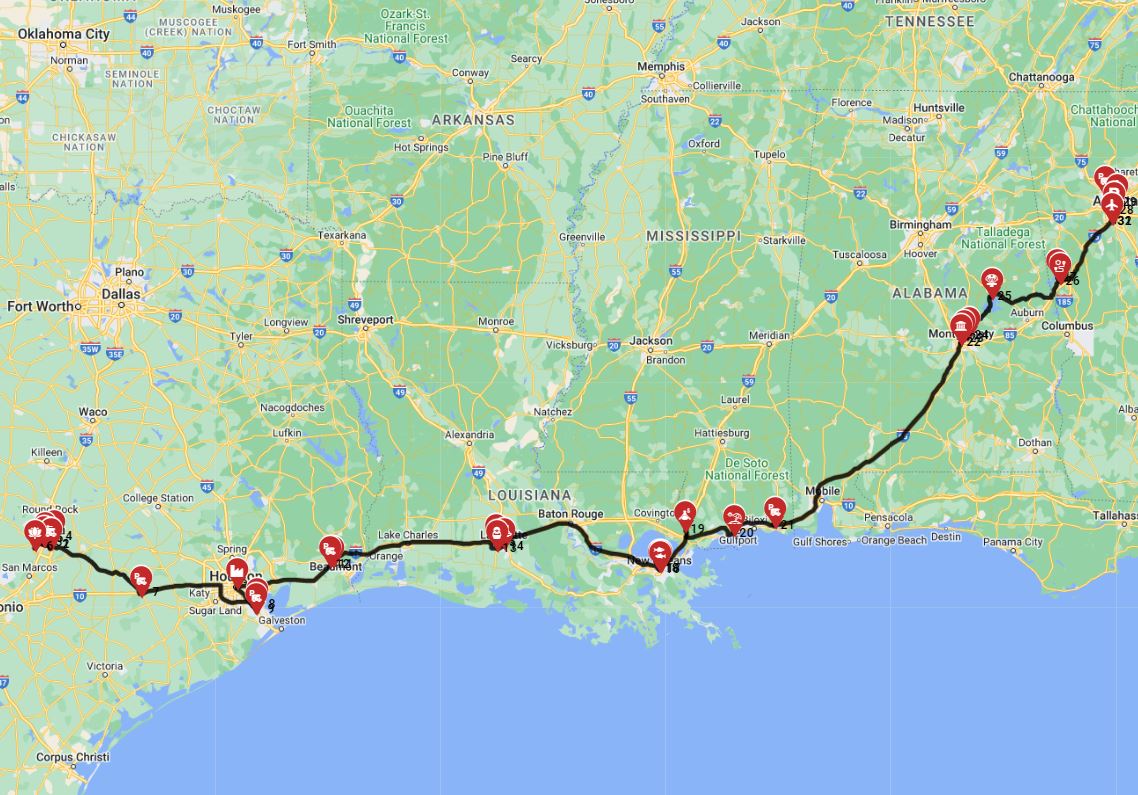
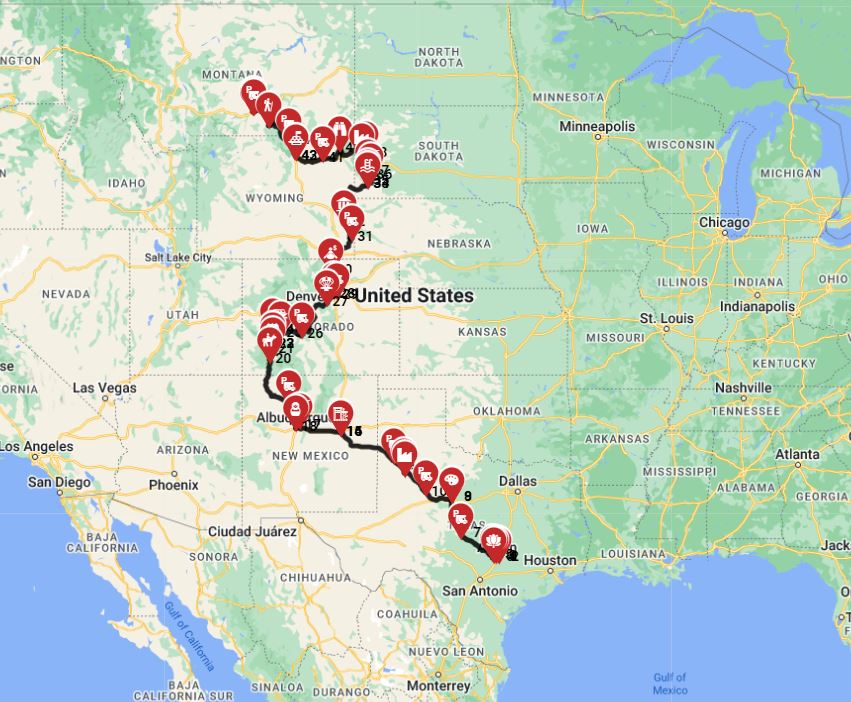
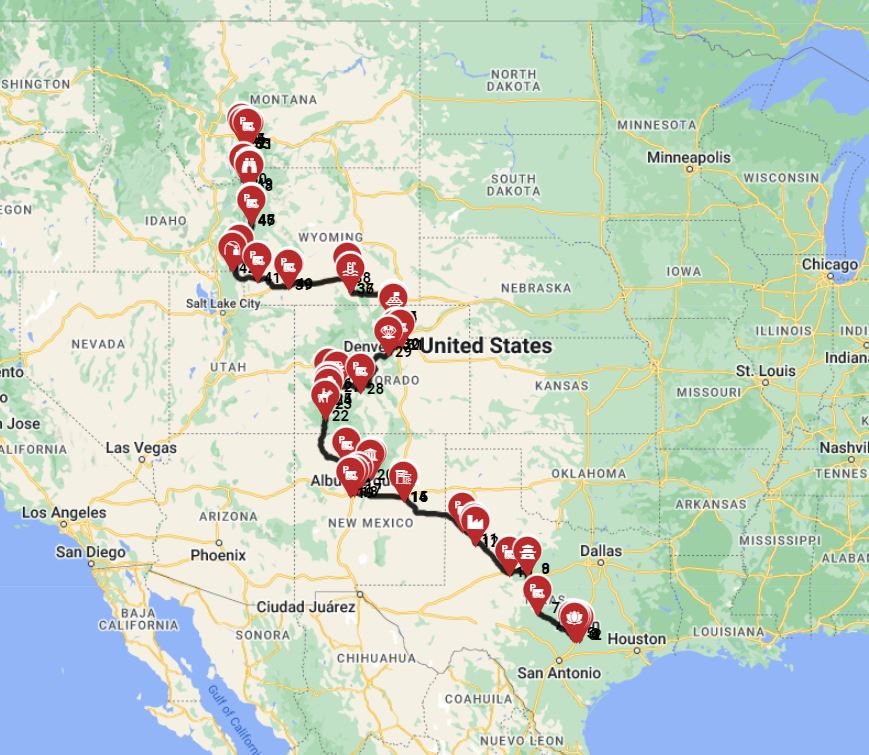
Texas is brimming with hidden gems and unique experiences perfect for RV travelers seeking more than just popular attractions. Discover charming small towns like Gruene, home to Texas's oldest dance hall, where you can enjoy live music and float the Guadalupe River. Explore Jefferson for its Antebellum homes and mysterious bayou tours, or visit Granbury for its vibrant town square and lake activities. Seek out lesser-known state parks such as Caprock Canyon State Park for its stunning red rock formations, challenging hiking trails, and a majestic herd of wild bison, or Lake Mineral Wells State Park for rock climbing and scenic equestrian trails. Engage with local residents at farmers' markets or community events to uncover truly off-the-beaten-path recommendations and unique cultural insights. Visit quirky roadside attractions, explore independent wineries in the Hill Country, or stop at authentic small-town diners that offer a true taste of local Texan cuisine and hospitality. This is slow travel at its best, immersing you in the heart of Texas. For those looking for pre-planned routes that include such discoveries, our Rent&Plan service through rvplan.net offers over 1,300 professional itineraries across 5 continents, including options like the following:
This 21-day "
How do I prepare for Texas' diverse climates and wildlife while RVing?
Texas's diverse climates and abundant wildlife necessitate careful preparation for a comfortable and safe RV trip. Prepare for extreme heat, particularly during summer, by ensuring your rented RV's air conditioning is in top condition, packing light, breathable clothing, and staying well-hydrated. Monitor weather forecasts closely for sudden storms, especially along the coast or in the plains, and be ready to secure awnings, seek sturdy shelter, and heed flash flood warnings. When traveling through arid desert conditions, such as those in Big Bend National Park, carry extra water, protect against intense sun exposure, and be aware of limited services. Learn about local wildlife, including venomous snakes, scorpions, and potential bear encounters in remote areas; properly storing food and maintaining a safe distance are key. Pack appropriate gear for all seasons, including insect repellent, and ensure your RV's heating system is functional for cooler nights during fall and winter. For an extensive look at how to get the most out of your Texas trip, consult our "RV Rental Texas - Complete Guide 2026".
How can I connect with other RVers and communities in Texas?
Connecting with other RVers and local communities in Texas can greatly enrich your travel experience. Join national RV clubs such as Good Sam Club or Escapees RV Club, both of which have strong presences and organized meetups within Texas, offering a sense of camaraderie and shared adventure. Participate in online forums and social media groups specifically for Texas RVers, which are excellent resources for local advice, events, and making new connections. Attend social events and planned activities at RV parks and campgrounds; many cater to a vibrant senior RVing community and offer opportunities for potlucks, game nights, or local excursions. Consider volunteering at state or national parks for longer stays, which offers a unique way to meet like-minded individuals and immerse yourself in local communities. Additionally, engage with park rangers, local tourism offices, and small-town residents to discover local gatherings, festivals, and other opportunities for authentic social interaction. Our RV specialists are happy to share insights for this as part of our supportive service from pre-booking to post-booking coordination.
What are the best RV destinations in Texas by region?
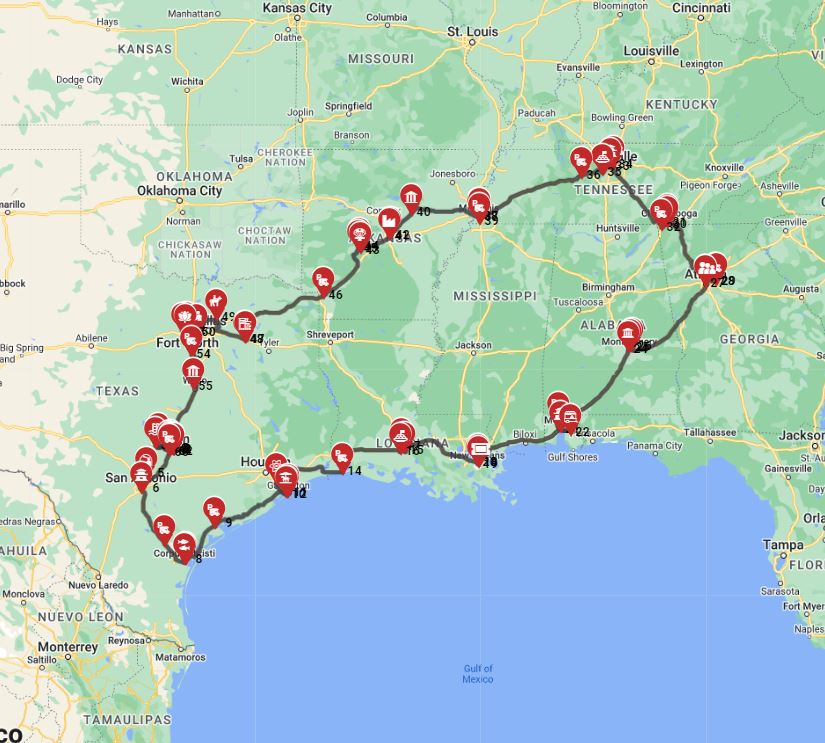
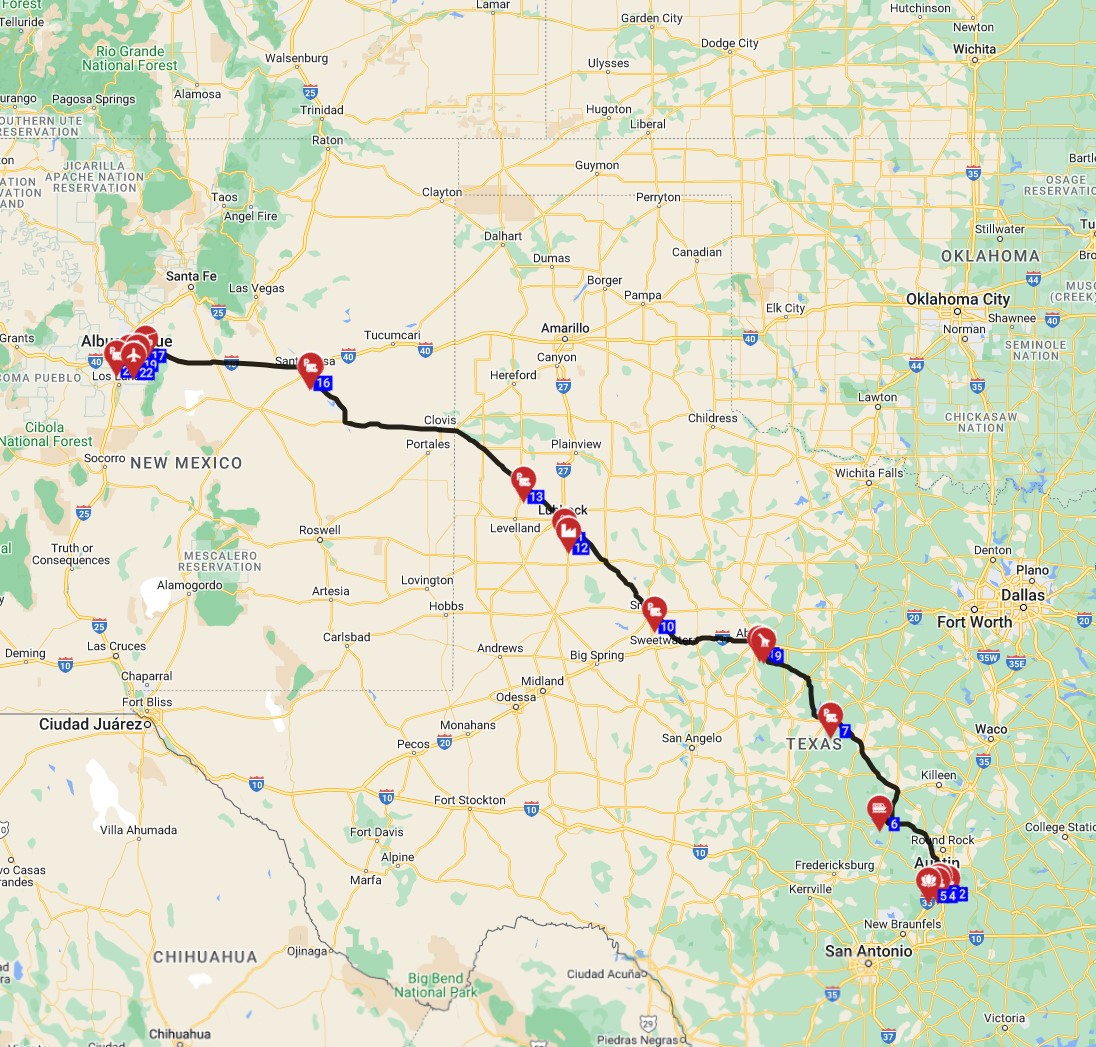
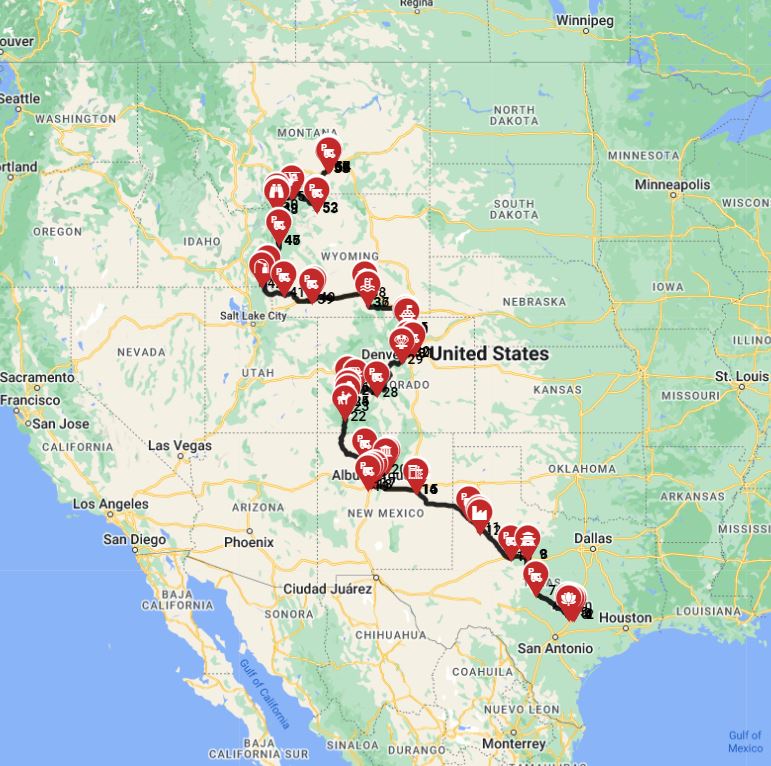
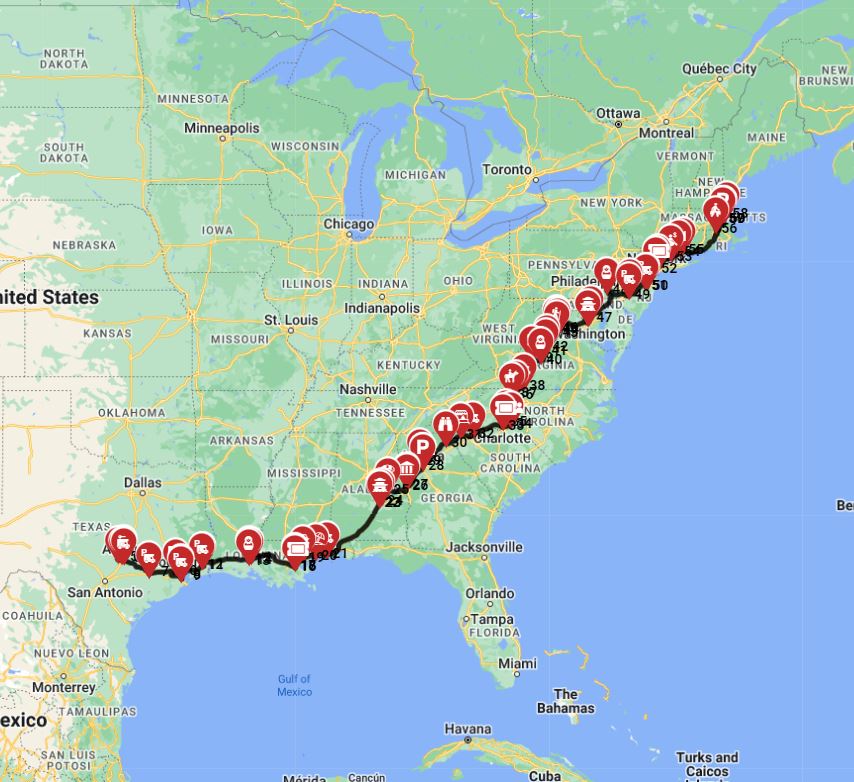
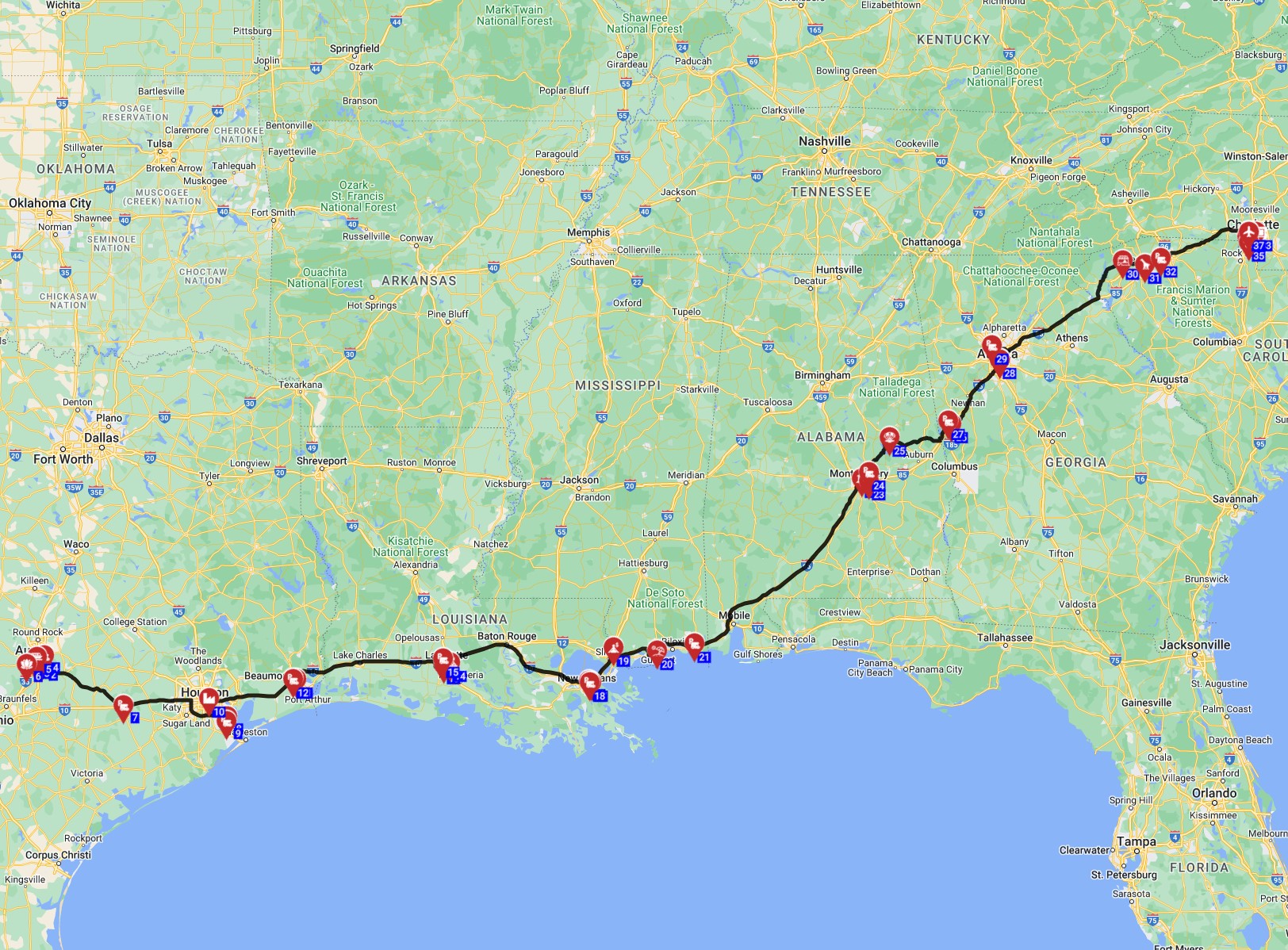
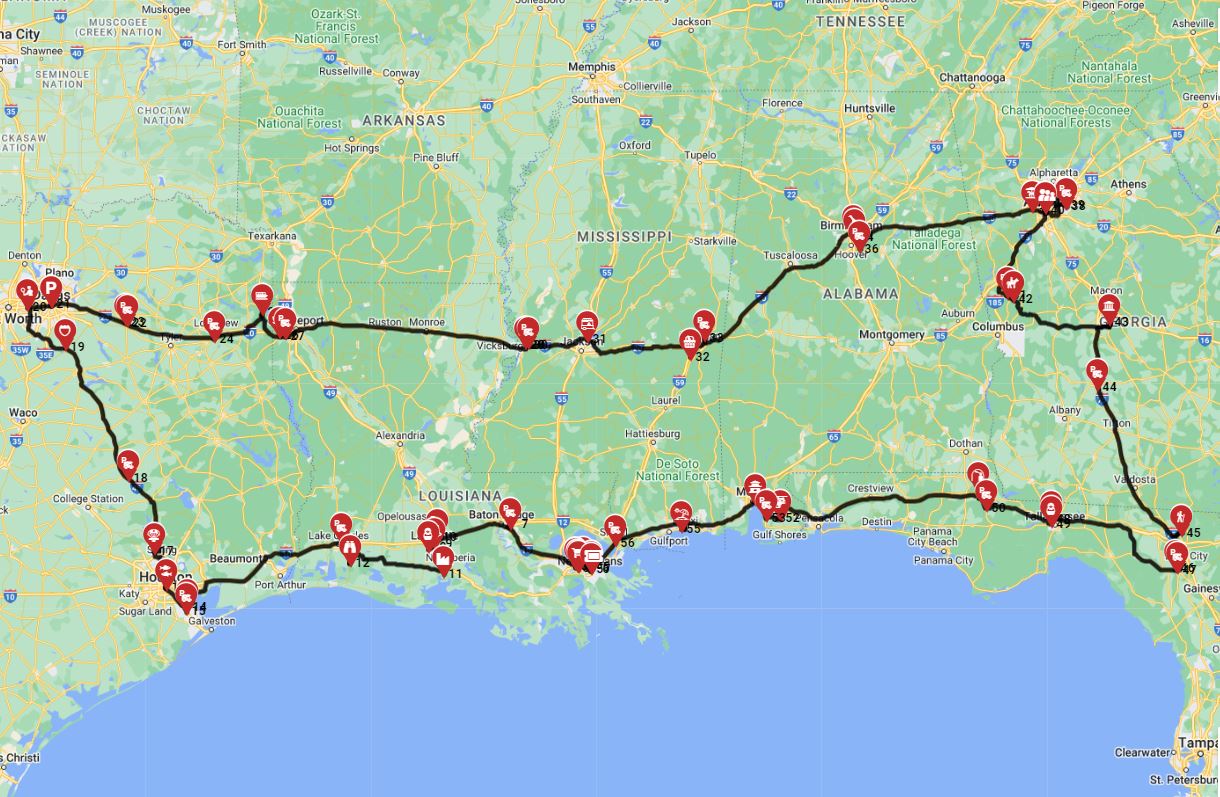
Texas's vastness means diverse RV destinations across its distinct regions, each offering unique experiences. The **Texas Hill Country** provides scenic drives through rolling landscapes, charming towns like Fredericksburg and Gruene, numerous wineries, and opportunities for river activities on the Guadalupe and Frio rivers, ideal for a leisurely pace. The remote **Big Bend Region**, encompassing Big Bend National Park and Big Bend Ranch State Park, offers unparalleled desert wilderness, challenging hiking, spectacular stargazing, and a truly remote experience best suited for well-prepared RVers. Along the **Gulf Coast**, destinations like Galveston Island, Padre Island National Seashore, and Rockport are perfect for beach access, fishing, birdwatching, and enjoying fresh seafood. **East Texas (Piney Woods)** is known for its dense forests, numerous lakes like Sam Rayburn and Toledo Bend, and state parks, providing ample opportunities for boating, fishing, and hiking in a lush environment. Finally, the **Panhandle Plains** highlights Palo Duro Canyon State Park, often called the 'Grand Canyon of Texas,' historic Route 66 stops, and wide-open spaces, suitable for those who enjoy dramatic landscapes and a sense of vastness. For a multi-state adventure that touches Texas, consider this curated itinerary:
This 17-day "

What You Shouldn't Miss
- **Explore Big Bend National Park:** Immerse yourself in the rugged beauty of this vast desert park, offering incredible hiking, stargazing, and scenic drives along the Rio Grande.
- **Wander through Fredericksburg in the Hill Country:** Discover charming German heritage, boutique shops, and numerous wineries in this picturesque town.
- **Witness the Bat Emergence in Austin:** Experience the breathtaking sight of 1.5 million Mexican free-tailed bats emerging from under the Congress Avenue Bridge at dusk.
- **Visit Palo Duro Canyon State Park:** Hike or drive through the "Grand Canyon of Texas," marveling at its vibrant geological formations and expansive views.
- **Indulge in Texan Barbecue and Live Music:** Sample authentic Texas BBQ across the state and enjoy live music in iconic venues from Austin to Gruene.
- **Stroll along Galveston Island's Historic Strand:** Explore Victorian architecture, unique shops, and enjoy the coastal charm of this Gulf Coast gem.
Looking for expert insights from Avi Bandana? Top 5 Adventures - recommendations from Avi Bandana
Final Thoughts
Texas, with its diverse landscapes and welcoming spirit, is an exceptional destination for senior RV travelers seeking memorable adventures. From the bustling cities like Houston and Dallas to the tranquil beauty of its national parks, renting a motorhome or campervan offers the ultimate freedom to explore at your own pace. Remember, the journey is as important as the destination; embrace slow travel, and allow yourself to truly connect with the unique culture, delicious food, and stunning scenery that Texas has to offer.
At Bandana RV, we're dedicated to ensuring your RV rental experience is as comfortable and stress-free as possible. With our commitment to full transparency, expert advice, and comprehensive support, you can embark on your Texas adventure with confidence. So, what are you waiting for? The open road in Texas is calling!
🎬 Video coming soon
Discover top destinations, planning tips, all in one place! Compare Motorhome Prices for Texas and start planning your perfect senior-friendly RV adventure today.