In This Guide
- Can You Drive an RV in Norway? License & Age Rules
- Road Conditions & Terrain in Norway
- RV Size Limits, Bridges & Restricted Zones
- Fuel: Diesel vs. Petrol & Cost per 100 km
- Tolls, Vignettes & Border Rules
- Driving Tips for RV Rental for Seniors Travelers
- Recommended RV Class for Norway Roads
- Should I Choose a Compact Van Instead of a Large RV in Norway?
- Can I Park Anywhere? Free & Wild Camping Rules in Norway
- Can I Drive an RV Into the City Center? Heights, Tunnels & Local Signage
- How Can Seniors Save Money on an RV Trip in Norway?
- What is Allemannsretten and How Does it Affect RV Camping in Norway?
- What are the Best RV Itineraries for Seniors in Norway?
- Is Off-Season or Winter RV Travel Recommended for Seniors in Norway?
Can You Drive an RV in Norway? License & Age Rules
Yes, you can absolutely drive a rented RV in Norway, and the licensing requirements are straightforward for most travelers. Drivers with a standard B license, which is the common car driving license, can operate RVs up to 3,500 kg (approximately 7,700 lbs) in Norway; this category comfortably includes most rental campervans (Class B) and many semi-integrated models (Class SI). For larger motorhomes exceeding 3,500 kg but under 7,500 kg, a C1 license is required, while vehicles over 7,500 kg necessitate a C license, typically applying only to the very largest Class C Alcove or Class A Integrated models.
The minimum driver age for RV rentals in Norway generally ranges from 21 to 25 years old, depending on the specific rental company and vehicle class. However, with Bandana Caravan, the minimum rental age is 21 years, and we pride ourselves on having no young driver surcharges or vehicle class restrictions based on age, making your planning even simpler. Some rental companies may have an upper age limit, often around 75 years, so always check the specific terms of your chosen supplier. Foreign drivers must possess a valid national driving license, and if it is not issued in English, Norwegian, Swedish, Danish, or German, an International Driving Permit (IDP) is legally required and highly recommended for ease of communication and legal compliance.
Road Conditions & Terrain in Norway
Norway's roads are generally well-maintained and offer stunning scenic views, though the country's landscape is predominantly mountainous with numerous fjords, resulting in winding, narrow routes, steep ascents and descents, and frequent tunnels. For senior travelers, these conditions necessitate driving at a relaxed pace, allowing ample time to enjoy the stunning scenery safely and comfortably, rather than rushing between destinations. A leisurely travel style, covering a maximum of 100-150 km per day on average, is ideal for truly experiencing the unique beauty of Norway. While major roads are paved, some secondary routes, including access roads to scenic viewpoints or designated wild camping spots, may be gravel, requiring careful handling and reduced speed.
Expect numerous ferry crossings across fjords, which are an integral and often picturesque part of navigating the Norwegian road network, offering a relaxing break from driving. These ferry trips are an adventure in themselves, providing unique perspectives of the fjords that are often inaccessible by road. Always account for ferry wait times and schedules in your daily travel plans. The overall road infrastructure is excellent, but the natural topography means roads often follow the contours of the land, leading to more twists and turns than in flatter regions. Paying attention to road signs, which are typically clear and international, will ensure a smooth journey.
RV Size Limits, Bridges & Restricted Zones
While widespread height or weight restrictions are less common in Norway than in some other European countries, RVers should always be aware of tunnel clearances, which are typically 4 meters or higher on main roads, and occasional lower bridges, particularly on smaller, local roads. It's always prudent to check your rented motorhome's exact dimensions and pay close attention to any posted signage. Ferry tariffs are generally based on vehicle length and weight, meaning larger RVs will incur higher costs and may require specific boarding lanes or advance booking for popular routes, especially during peak summer travel.
Environmental zones are becoming more prevalent in larger Norwegian cities like Oslo and Bergen, which may impose charges or restrictions based on vehicle emissions, especially for older or heavier RVs. Always research any city centers you plan to visit for current regulations. A few exceptionally narrow or historic mountain roads may have length restrictions, often around 12.4 meters, though most standard rental RVs comfortably fall within this limit. Our partners, such as El Monte and Apollo, offer a wide range of motorhomes and campervans that are well-suited for Norwegian roads, designed for comfort and ease of driving.
Fuel: Diesel vs. Petrol & Cost per 100 km
The vast majority of RVs available for rent in Norway, including most of Bandana's global fleet, operate on diesel fuel, which is readily accessible at service stations nationwide. Fuel prices in Norway are among the highest in Europe; as of 2024, travelers should budget accordingly for fluctuating diesel costs, which can impact the overall trip expense. Based on Bandana's global fleet averages, common fuel consumption ranges are 8-10 Liters/100 km for Class B Camper Vans and 10-11 Liters/100 km for Class SI Semi-integrated RVs. Planning your route to include regular fuel stops is always a good idea, especially in more remote regions where stations might be further apart. Our commitment to full transparency means we provide clear details on what's included and what's extra, so you can plan your budget effectively. For budgeting and tracking ancillary trip costs like fuel, campground fees, and groceries, remember that RV PLANET routes allow you to itemize and track every expense along the way for easy management. On the routes offered through RV PLANET routes, you can itemize and track every expense along the way for easy budgeting.
While most rental motorhomes use diesel, some smaller campervans might run on petrol, so always confirm your specific vehicle's fuel type at pickup. Fuel stations are generally modern and self-service, accepting major credit cards. It's smart to keep your tank at least half full when traveling through less populated areas, as distances between services can be considerable, particularly in the vast landscapes of Northern Norway. Considering the higher fuel costs, driving efficiently and embracing slow travel will not only enhance your experience but also help manage your budget effectively.
Tolls, Vignettes & Border Rules
Norway operates an efficient, largely automated electronic toll system called AutoPASS, which registers vehicles via cameras at toll points, eliminating the need for physical toll booths on most routes. This streamlined system simplifies travel significantly for visitors. Unlike some European countries, Norway does not use a vignette system for RVs; instead, tolls are paid per passage or through an electronic tag linked to your vehicle.
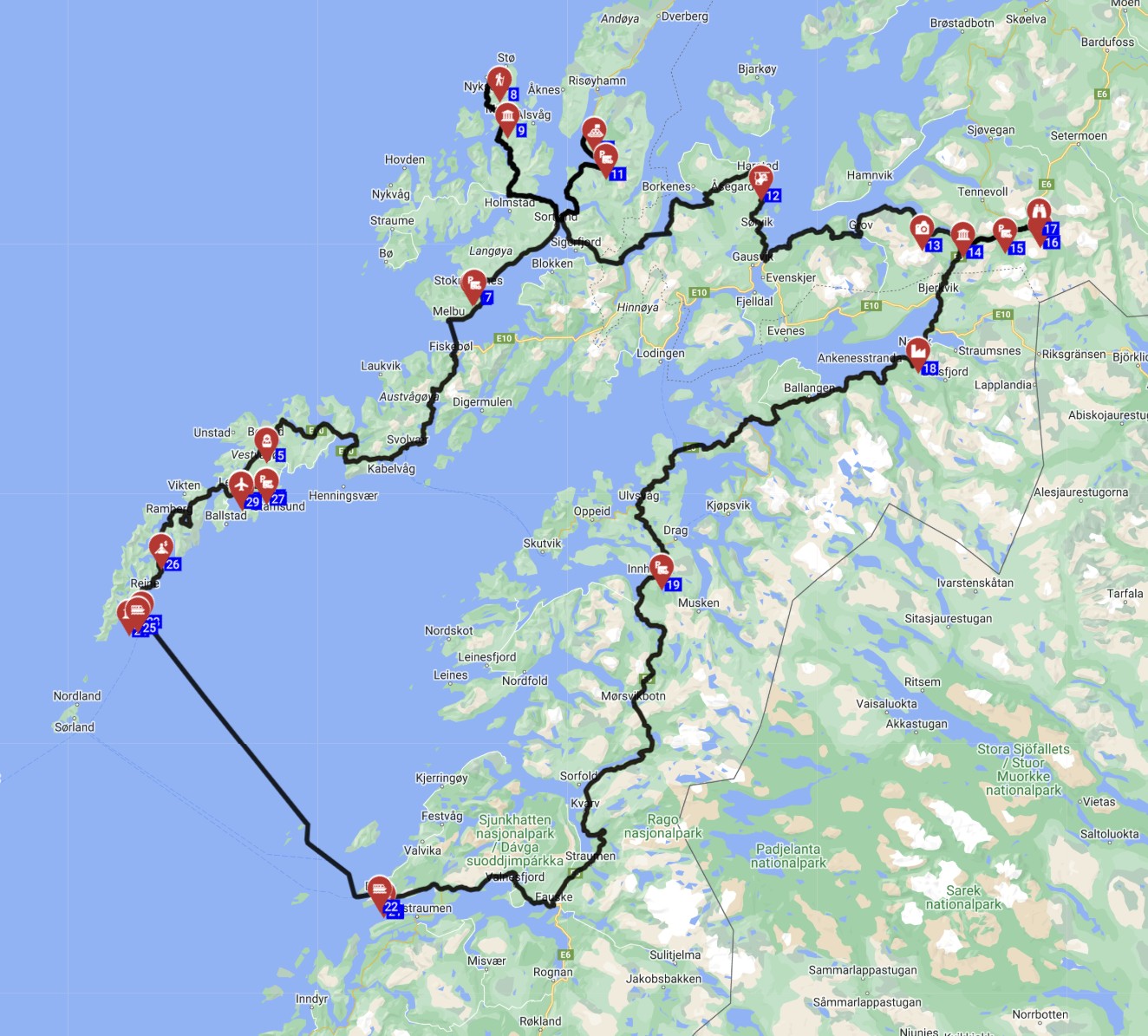
For seamless travel, Bandana Caravan recommends inquiring about rental RVs that offer pre-registration with AutoPASS or include a toll pass device to simplify payment and avoid potential fines. Many of our trusted suppliers, including those like Cruise America and Apollo, facilitate this process to ensure a hassle-free journey. Ferry crossings, an essential part of navigating Norway's fjords, are a separate cost from road tolls and can typically be paid on board or, increasingly, are integrated with the AutoPASS system for registered vehicles. If you plan a longer trip, consider our "Stockholm Round trip - Sweden, Denmark and Norway Family Adventure" 22-day route, covering 3673.6 km and including multiple ferry segments, allowing for smooth cross-border RV travel in Europe.
When traveling from a neighboring country in Europe by motorhome, be aware of standard border controls, though these are typically relaxed within the Schengen Area. Always ensure your passport and rental documents are easily accessible. One-way RV Rental in Norway - Price Guide 2024 offers details on potential drop-off fees if you plan to return your rental in a different city, providing full transparency on costs.
Driving Tips for RV Rental for Seniors Travelers
For senior travelers exploring Norway, opting for rented RVs with automatic transmission will significantly simplify driving on Norway's often steep, winding, and narrow roads, enhancing comfort and reducing driver fatigue. This small detail can make a big difference, especially when navigating hairpin bends or managing uphill starts. Plan for shorter driving days with frequent stops every 2-3 hours to rest, stretch, and fully appreciate the breathtaking landscapes, aligning with a more leisurely pace that makes the journey as enjoyable as the destination. We encourage travelers to take time to feel the place, connect to the culture, the food, and the scenery, traveling max 100-150 km per day on average.
Familiarize yourself with Norway's extensive ferry network by checking schedules and booking options in advance, especially for popular routes during peak season. Websites like Fjord1 or Statens vegvesen provide up-to-date information. Embrace the 'slow travel' philosophy; Norway is best experienced by taking your time, allowing for spontaneous detours to charming villages or scenic viewpoints that might otherwise be missed. Be extra vigilant for wildlife, particularly reindeer and moose, which can unexpectedly cross roads in rural and northern regions, especially during dawn and dusk. Driving carefully and slowly, as recommended for all RV sizes in cities, also applies to rural areas where nature surprises can occur. For additional insights on planning your journey, check our RV Rental Europe - Complete Guide 2024.
Recommended RV Class for Norway Roads
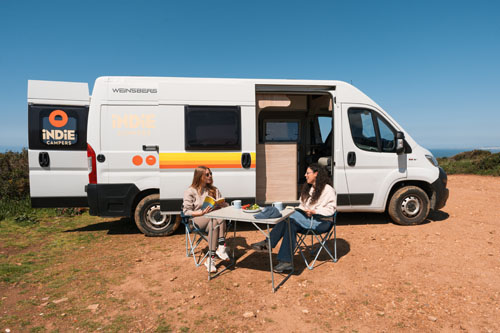
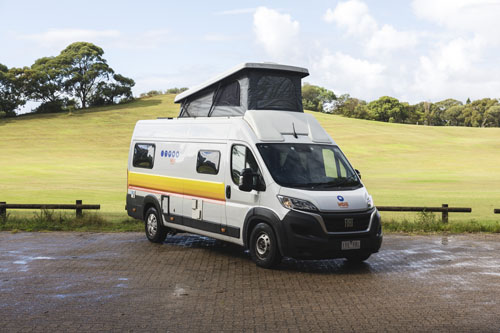
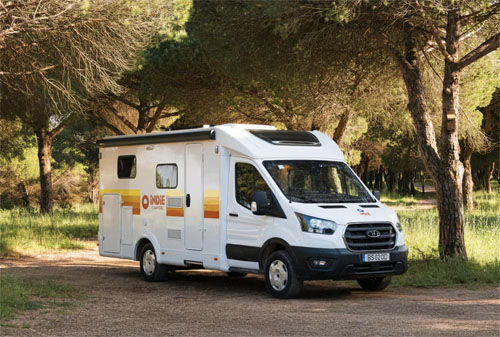
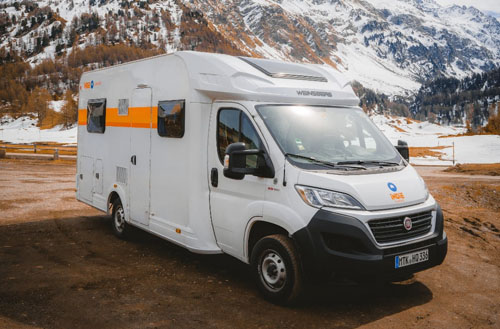
For senior travelers exploring Norway, a Class B Camper Van or a Class SI Semi-integrated RV generally provides the optimal balance of maneuverability, comfort, and accessibility for varied road conditions. These smaller motorhomes, such as an "Active Compact Select" or an "EcoLine2 Camper," offer a nimble driving experience without sacrificing essential amenities.
Class B Camper Vans, with an average length of 5.8 meters, are exceptionally easy to navigate on narrow fjord roads and often fit into standard parking spaces, making city visits less stressful. The "VW California Ocean" is a popular choice for its compact size and practical features. Class SI Semi-integrated RVs, averaging 6.9 meters in length, offer more interior living space, amenities like a larger kitchen, and comfortable sleeping arrangements for longer trips, while remaining relatively agile. Models like the "Duo Plus" or "Explorer" strike a good balance between interior comfort and exterior maneuverability. These classes are less prone to issues on routes with specific length/weight restrictions and reduce the stress often associated with maneuvering much larger vehicles on Norway's challenging terrain. You can upgrade to a top-level deductible for extra peace of mind with any vehicle class, ensuring your journey is as worry-free as possible.
🎬 Video coming soon
Should I Choose a Compact Van Instead of a Large RV in Norway?
While a compact campervan (Class B) offers superior maneuverability for Norway's narrowest roads and city parking, larger RVs (Class SI or Class C) typically provide significantly more indoor comfort and amenities, which often become a higher priority for seniors on extended trips. Consider a "Juliette 2-3" campervan for maximum agility, perfect for solo travelers or couples who prioritize ease of parking in tight spots. Most major routes and popular tourist attractions in Norway are fully accessible with any standard RV size, meaning a larger vehicle typically does not present insurmountable driving difficulties.
Compact vans are genuinely advantageous when navigating extremely tight historic city centers, exceptionally narrow mountain passes less frequented by larger vehicles, or seeking discreet parking. However, the trade-off for a larger RV includes enhanced living space, more extensive kitchen facilities, and more comfortable sleeping arrangements, all of which can considerably improve the overall senior travel experience, especially in varying Norwegian weather. For example, a "Category Family 5" motorhome offers more room for relaxation and cooking. Remember, drive slowly and carefully, and you can drive almost anywhere without issues. No need to stress - just use common sense and pay attention to road signs, regardless of your RV size. Our 24/7 support means real people are behind you before, during, and after your booking process to help coordinate these details.
Can I Park Anywhere? Free & Wild Camping Rules in Norway
Norway's 'Allemannsretten' (Right to Roam) generally permits free and wild camping, allowing RVers to park overnight in undeveloped areas, provided they maintain a respectful distance (typically 150 meters) from inhabited houses or cabins. This incredible freedom is a hallmark of Norwegian travel, offering unique opportunities to connect with nature.
Responsible practices are paramount: always adhere to 'leave no trace' principles by carrying out all waste, avoiding open fires during dry periods or in prohibited zones, and refraining from disturbing nature or wildlife. Wild camping is generally limited to 48 hours in one spot, especially if it's close to a populated area, ensuring fair access for others. Rules vary by region and municipality - always check local regulations and follow local law before parking overnight, as some specific natural reserves or heavily trafficked tourist areas may have particular restrictions. For finding campsites and campgrounds during your trip, we recommend using RV PLANET (rvplan.net), a great resource for locating available spots along your route, whether designated campgrounds or potential wild camping locations.
Can I Drive an RV Into the City Center? Heights, Tunnels & Local Signage
Yes, you can generally drive a rented RV into most Norwegian city centers, but exercising caution and paying close attention to local signage is critical for a smooth experience. Drive slowly and carefully, and you can drive almost anywhere without issues. No need to stress - just use common sense and pay attention, especially to height restrictions and environmental zones.
Major cities such as Oslo, Bergen, and Trondheim often implement environmental zones or congestion charges that apply to vehicles entering central areas, sometimes requiring online registration or payment. Be vigilant for height limits on tunnels (though most main tunnels accommodate commercial vehicles, typically 4 meters or higher) and parking garages, as well as weight restrictions on certain bridges in older or congested areas. Always look out for 'residents only' or 'no motorhome' signs, which indicate areas where RVs are restricted, typically directing travelers to designated RV parking on city outskirts or campsites with good public transport links. For instance, in Bergen, you might find designated RV parking outside the immediate city center, with convenient public transport connecting you to attractions. This thoughtful planning helps ensure a stress-free exploration of Norway's urban gems.
How Can Seniors Save Money on an RV Trip in Norway?
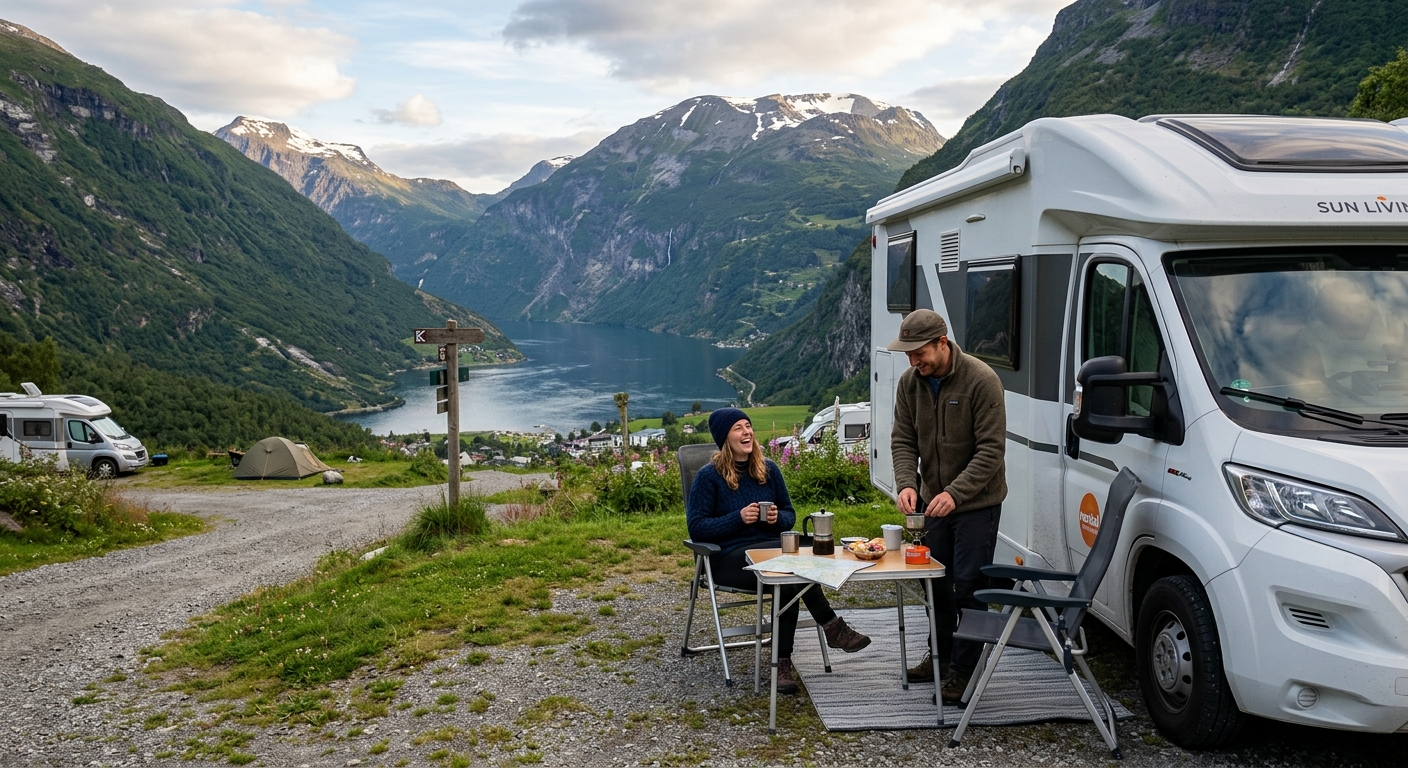
To significantly offset Norway's higher cost of living, seniors on an RV trip can save by preparing most meals in their RV, utilizing well-stocked local grocery stores (e.g., Kiwi, Rema 1000) instead of dining out frequently. Imagine enjoying a delicious home-cooked breakfast with a view of a tranquil fjord right from your campervan kitchen! For inspiration on cooking on the road, check out our RV-friendly recipes playlist.
Embrace Norway's 'Allemannsretten' by choosing designated wild camping spots or opting for more budget-friendly campsites, which dramatically reduces accommodation expenses. Take full advantage of Norway's abundant free natural attractions, including stunning hiking trails, panoramic viewpoints, and national parks that offer unparalleled beauty without an entry fee. Consider traveling during the shoulder seasons (late spring or early autumn) when RV rental rates, ferry costs, and campsite fees are typically lower than during the peak summer months, potentially saving you up to 25%. Pre-registering for the AutoPASS toll system or utilizing a provided toll pass can sometimes lead to minor savings compared to manual payment options or help avoid late payment surcharges. Comparing RV Rental Deals in Norway - Latest Offers 2024 can also help you find the best value.
What is Allemannsretten and How Does it Affect RV Camping in Norway?
Allemannsretten, or 'Everyman's Right,' is a deeply ingrained Norwegian legal and cultural principle granting universal public access to uncultivated land for recreational purposes, including hiking, foraging, and wild camping. This unique right allows you to connect with Norway's pristine nature on a very personal level.
For RVers, this right means you are generally permitted to park overnight for free in undeveloped areas, provided you maintain a respectful distance (typically at least 150 meters) from occupied buildings and avoid cultivated land like farms. Adhering to strict 'leave no trace' principles is paramount: always pack out all rubbish, avoid disturbing local wildlife, and never light open fires during dry seasons or in designated fire-ban zones. While highly permissive, Allemannsretten does not extend to private cultivated land (e.g., farms or gardens) or explicitly restricted areas such as some national parks or urban zones; always check for local signage or regulations to ensure responsible use of this privilege. This allows for spontaneous stops and truly immersive experiences, as seen in many RV PLANET routes.
What are the Best RV Itineraries for Seniors in Norway?
Ideal RV itineraries for seniors in Norway prioritize a balance of breathtaking scenic beauty, manageable daily driving distances, and ample opportunities for cultural immersion and relaxation. Planning your trip with a focus on shorter, enjoyable segments is key to a comfortable and fulfilling adventure.
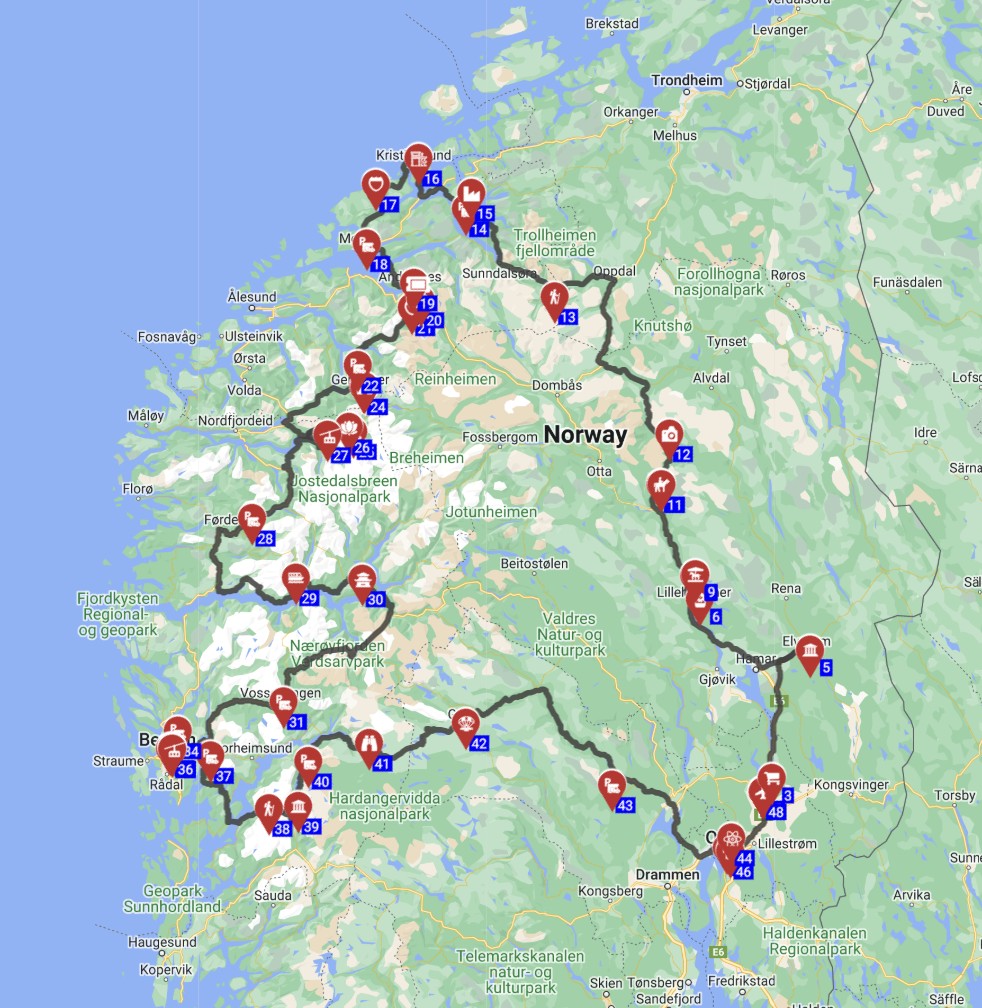
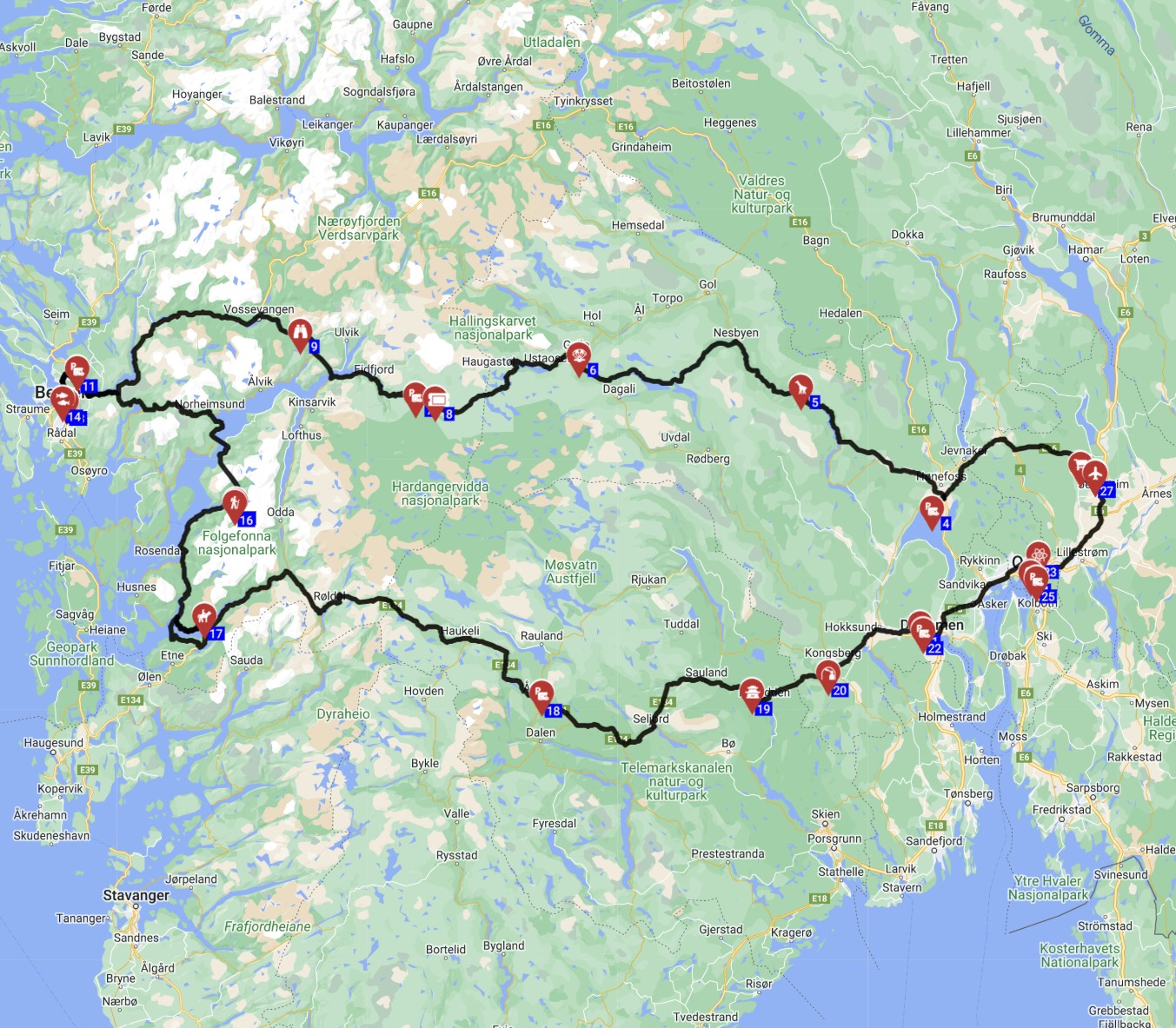
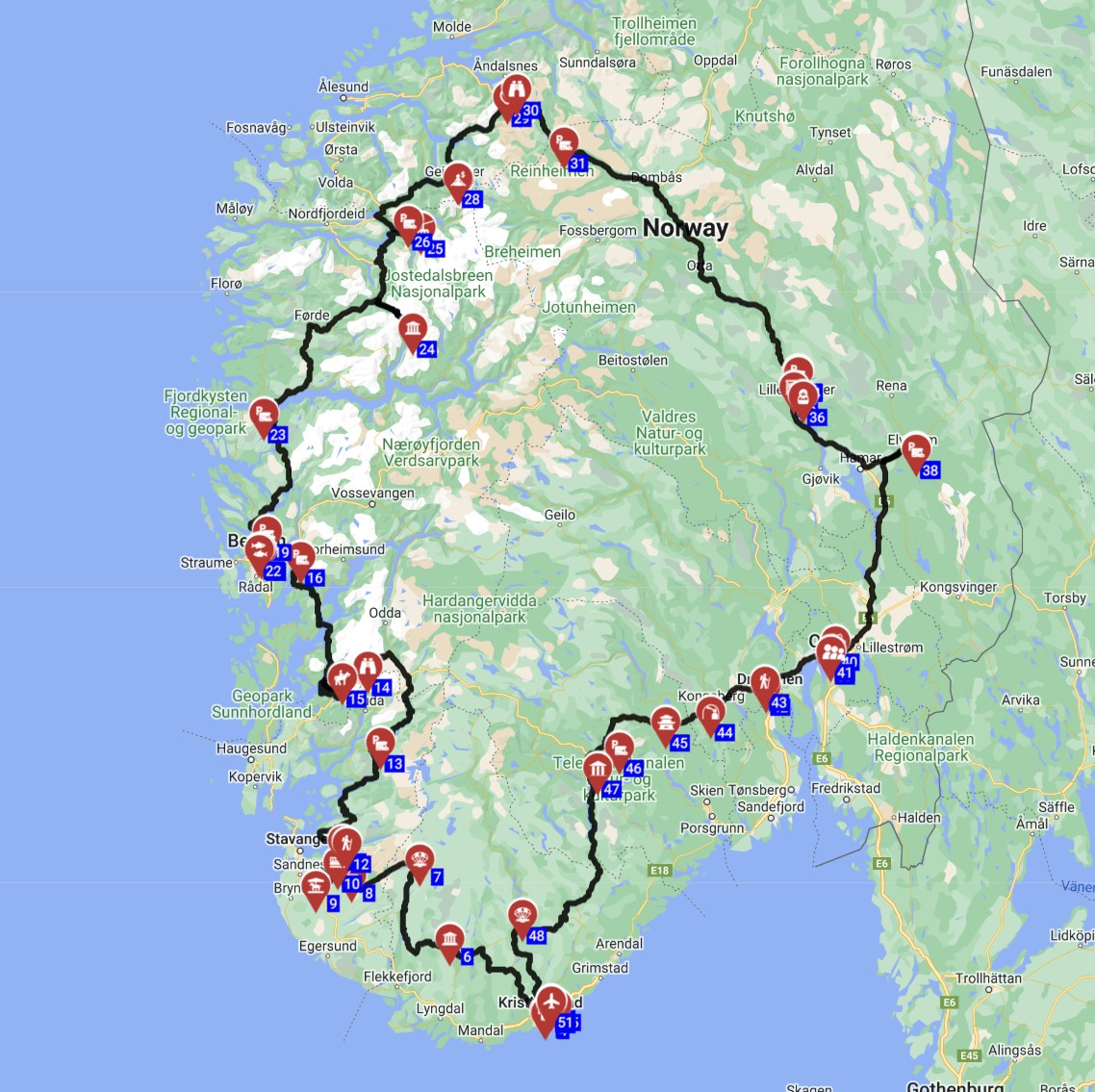
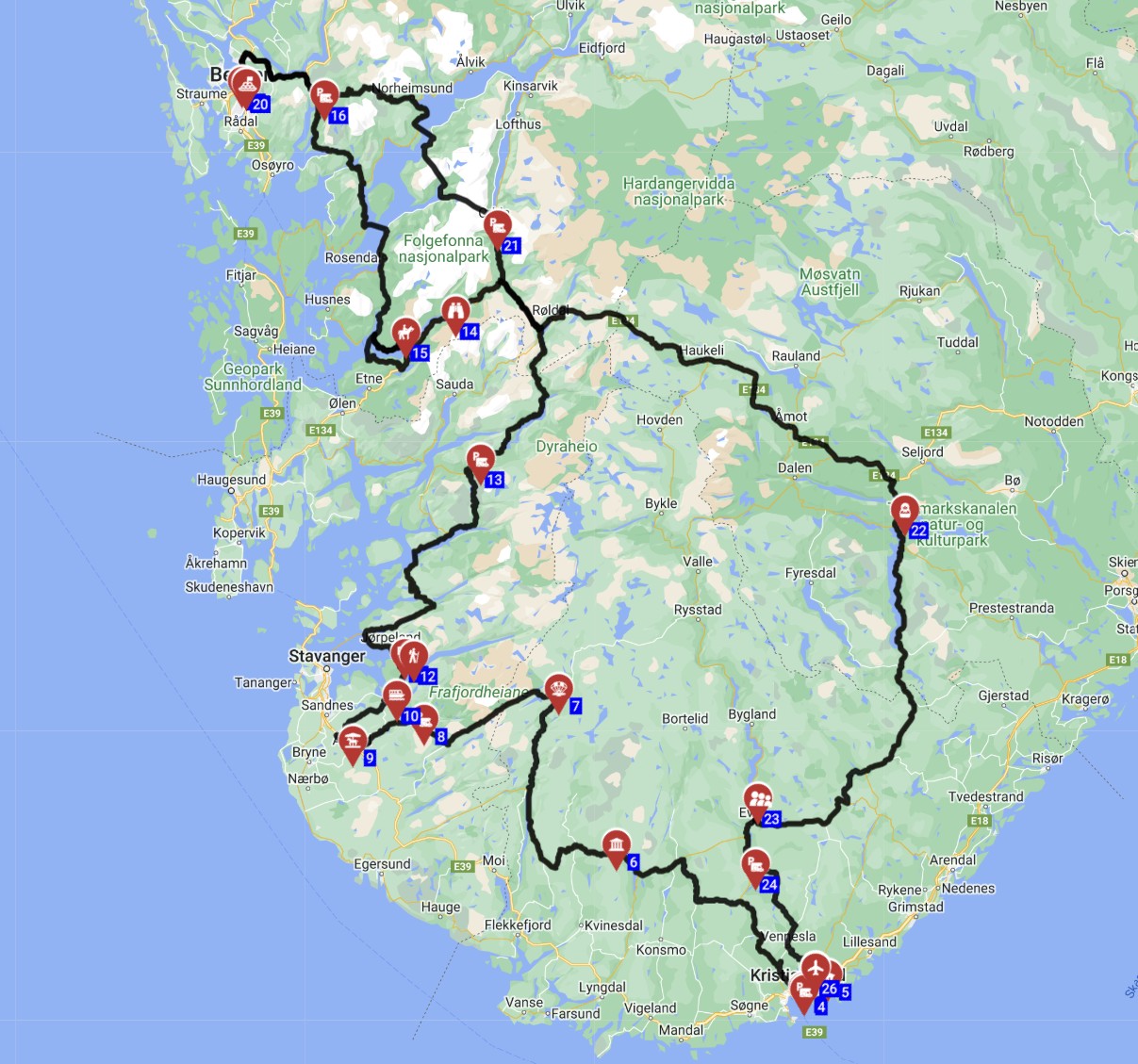
A popular 'Fjordland Discovery' route might focus on the iconic western fjords (e.g., Geirangerfjord, Sognefjord), incorporating shorter, scenic drives, frequent ferry crossings, and accessible viewpoints. For example, the "Bergen Round trip - Norway’s Coastal Wonders" is an 8-day itinerary covering 782.9 km, including 2 scenic routes, 2 hiking areas, and 2 Traditional Visits, perfect for a relaxed exploration of the region. For a more relaxed pace, consider a 'Coastal Culture & Fishing Tour' along Norway's picturesque southern and western coasts, visiting charming fishing villages, local markets, and historical sites. An 'Arctic Circle Adventure' (best in summer) takes travelers to Northern Norway for experiences like the Midnight Sun or Sámi culture, with longer but incredibly rewarding drives through unique landscapes. Many of Norway's 'Nasjonale Turistveger' (National Scenic Routes) are perfectly suited for seniors, designed for leisurely travel with numerous well-placed viewpoints and facilities for breaks.
Is Off-Season or Winter RV Travel Recommended for Seniors in Norway?
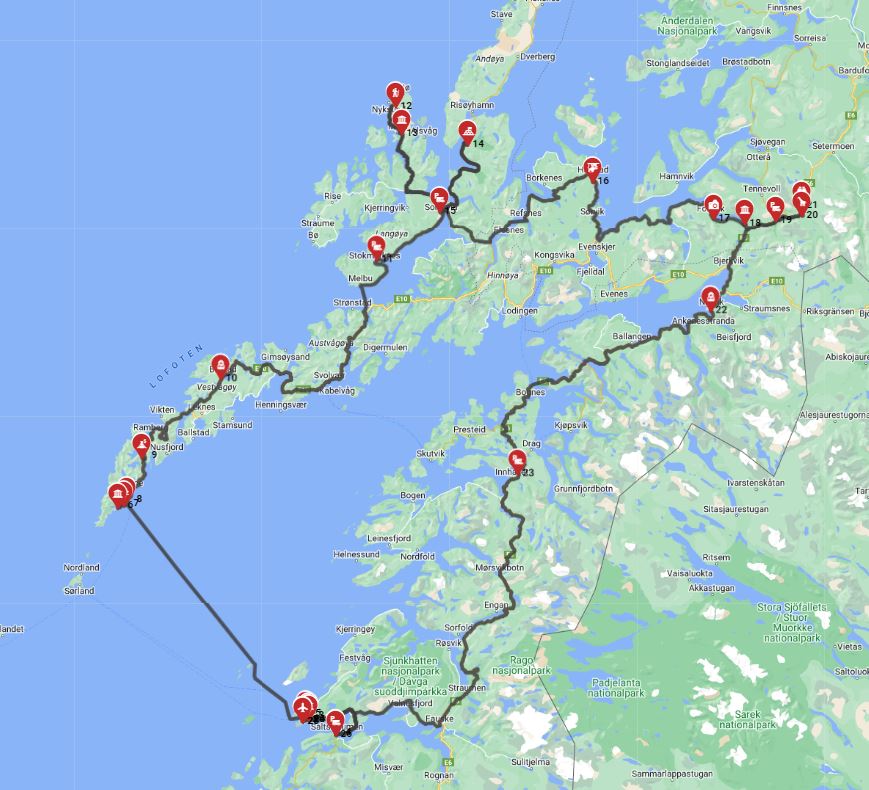
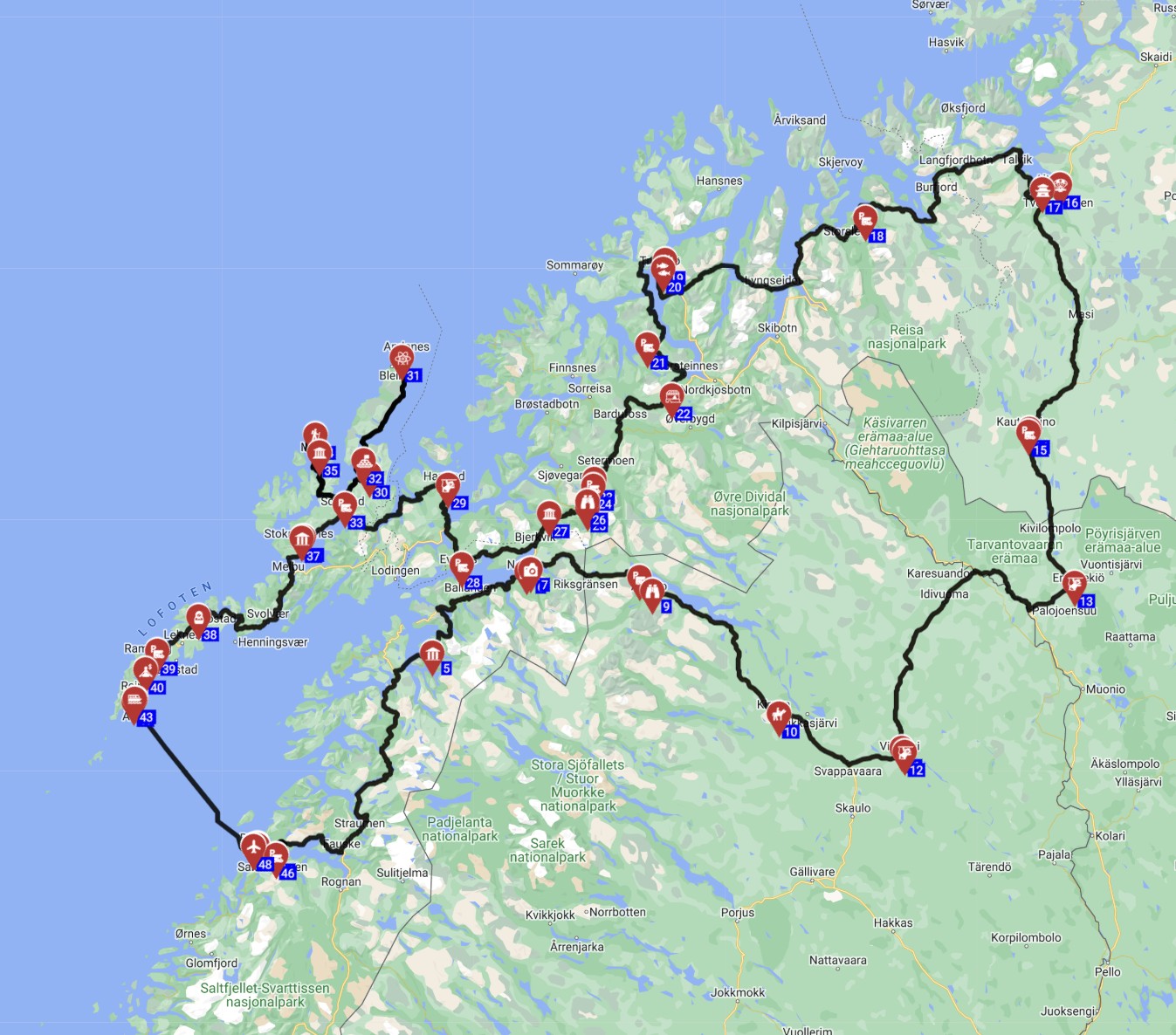
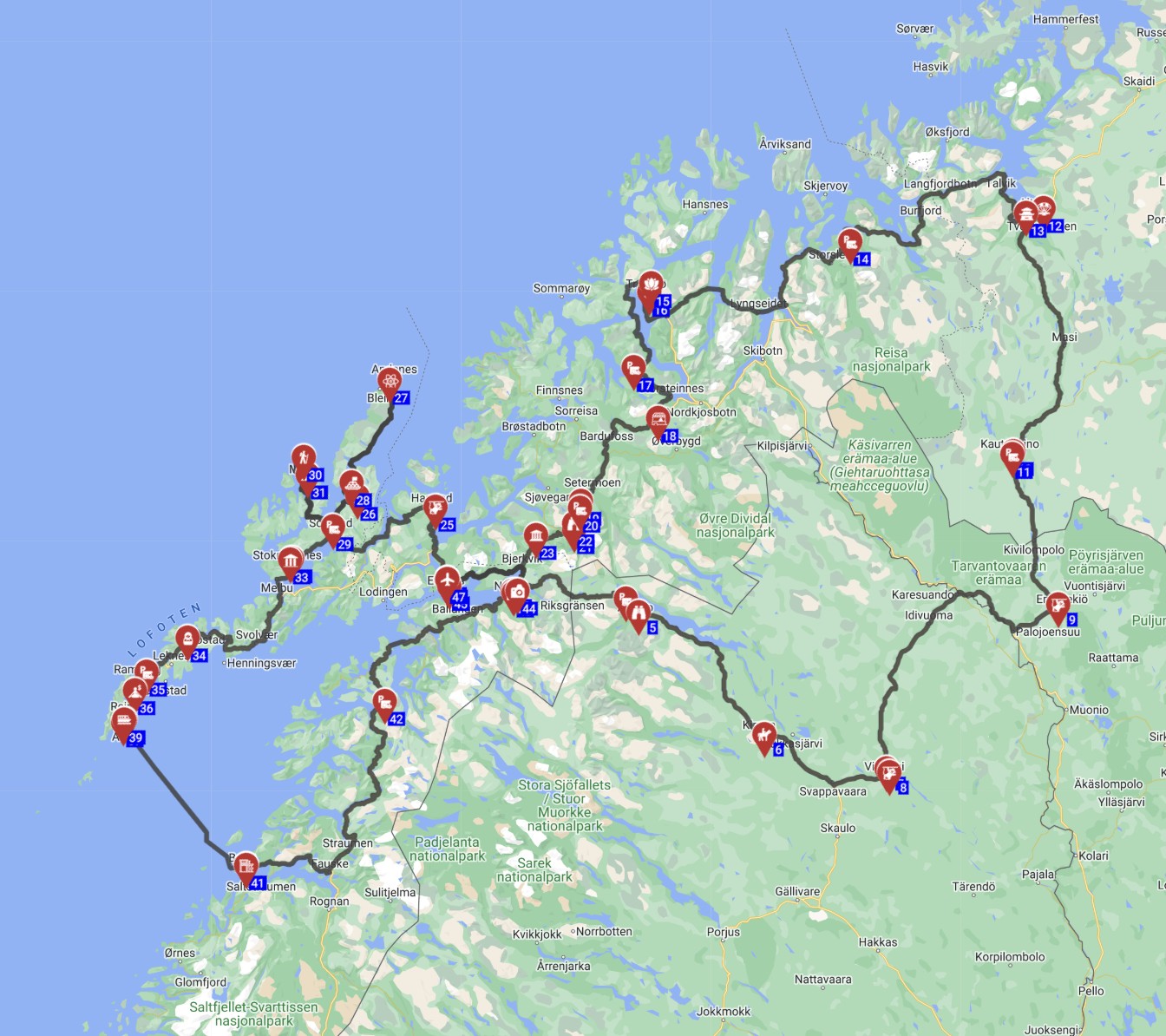
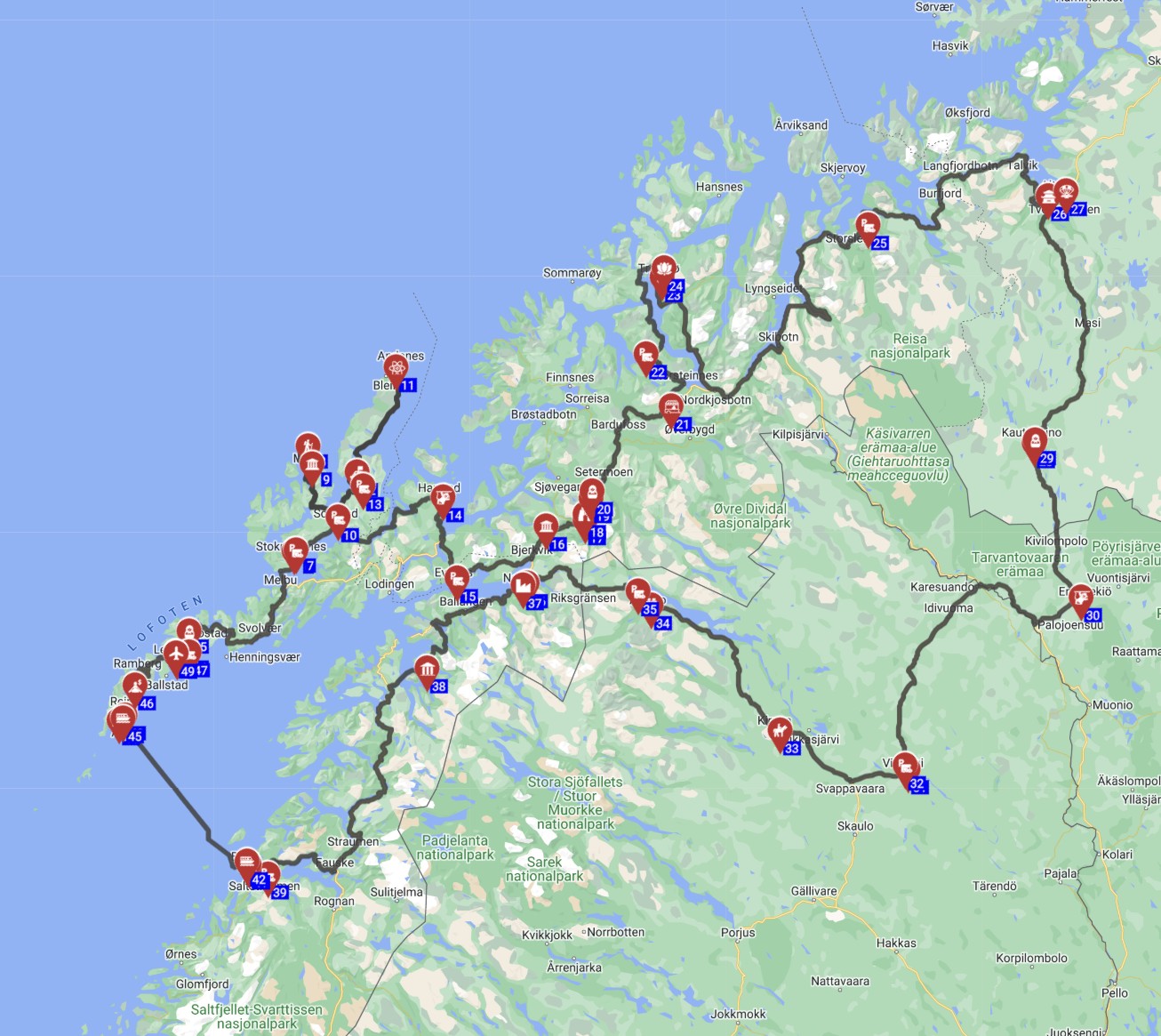
Off-season (late spring or early autumn) RV travel is highly recommended for seniors in Norway, offering fewer crowds, often lower prices, and unique natural beauty like vibrant autumn foliage or blossoming spring landscapes. During these shoulder seasons, average rental rates can be significantly lower than in peak summer, and you'll find more availability for campsites and attractions. For instance, the "Tromsø Round Trip - Arctic Wonders: Northern Norway Family Road Trip" is a 15-day, 2402.5 km itinerary that can be incredibly rewarding in late spring or early autumn, offering opportunities for wildlife watching and cultural experiences without the summer crowds.
Winter RV travel in Norway, however, is significantly more challenging due to heavy snow, ice, vastly reduced daylight hours, and the closure of many mountain passes. It requires specific winterized vehicles, proper equipment like studded tires, and experienced driving skills, making it less recommended for most senior travelers. If you are considering Winter RV Rental in Norway - Pricing Guide 2024, ensure your rental is explicitly rated for extreme cold and that you are confident in winter driving conditions. During shoulder seasons, while weather can be unpredictable, the rewards include a more authentic experience with local communities and better opportunities for quiet contemplation of nature. For seniors considering off-season travel, focus on areas with better infrastructure and milder climates, such as the southern coast, and ensure your rental RV is fully prepared for potentially colder temperatures and wet conditions.
What You Shouldn't Miss
- **Cruise the Geirangerfjord**: One of Norway’s most iconic and UNESCO-listed fjords, best experienced from the water, or from viewpoints like Dalsnibba for panoramic views.
- **Drive the Atlantic Ocean Road**: This 8.3-kilometer stretch of road is a stunning feat of engineering, winding over bridges and islets, especially breathtaking at sunset.
- **Explore Bergen's Bryggen Wharf**: Wander through the colorful, historic Hanseatic wharf in Bergen, a UNESCO World Heritage site, and immerse yourself in its rich maritime history and charming alleyways.
- **Visit North Cape (Nordkapp)**: For a truly epic adventure (best in summer or shoulder season), drive to Europe's northernmost point, where you can experience the Midnight Sun and incredible Arctic vistas.
- **Hike in Jotunheimen National Park**: Discover Norway's highest peaks and beautiful valleys with numerous accessible hiking trails, offering stunning views without extreme difficulty.
- **Experience the Lofoten Islands**: Drive through dramatic landscapes of jagged peaks, white sand beaches, and picturesque fishing villages in these stunning Arctic islands.
Final Thoughts
Embarking on an RV adventure in Norway as a senior traveler is an experience rich with discovery and comfort. With careful planning, a suitable rented motorhome, and an appreciation for the country's unique driving conditions, you're set for an unforgettable journey. Imagine the freedom of waking up to a new fjord vista each morning, with your coffee brewed in your cozy campervan, ready to explore at your own leisure.
At Bandana Caravan, we are true RV specialists, dedicated to making your Norwegian exploration seamless and enjoyable. We provide full transparency with no hidden fees and offer top-level deductible reimbursement options for peace of mind. Remember to embrace slow travel, allowing yourself to truly connect with Norway's breathtaking scenery, rich culture, and delicious food. Plan a trip itinerary in advance with minimal effort and maximum enjoyment using our resources at RV PLANET, and trust that we're with you before, during, and after your booking to ensure every detail is handled.