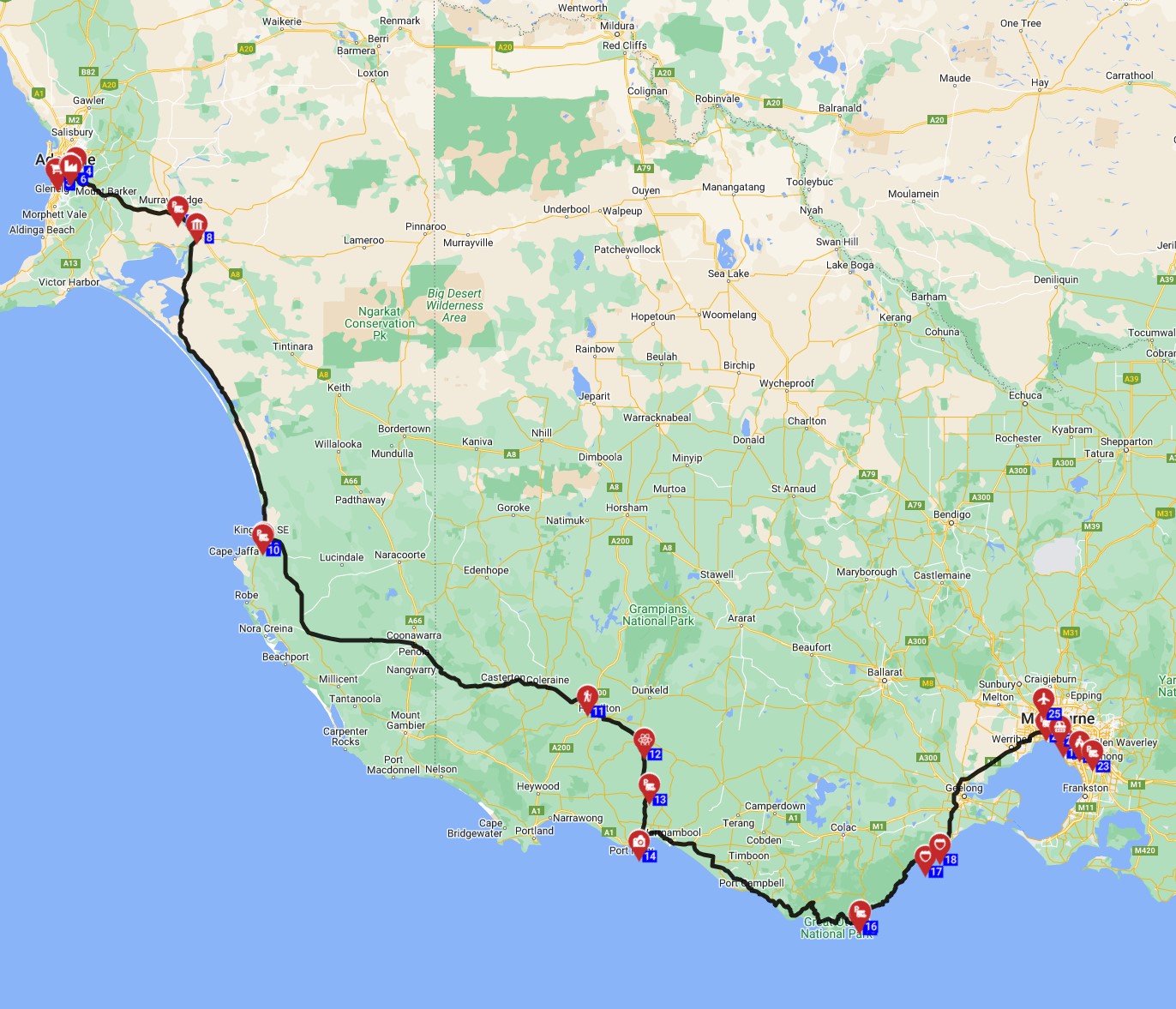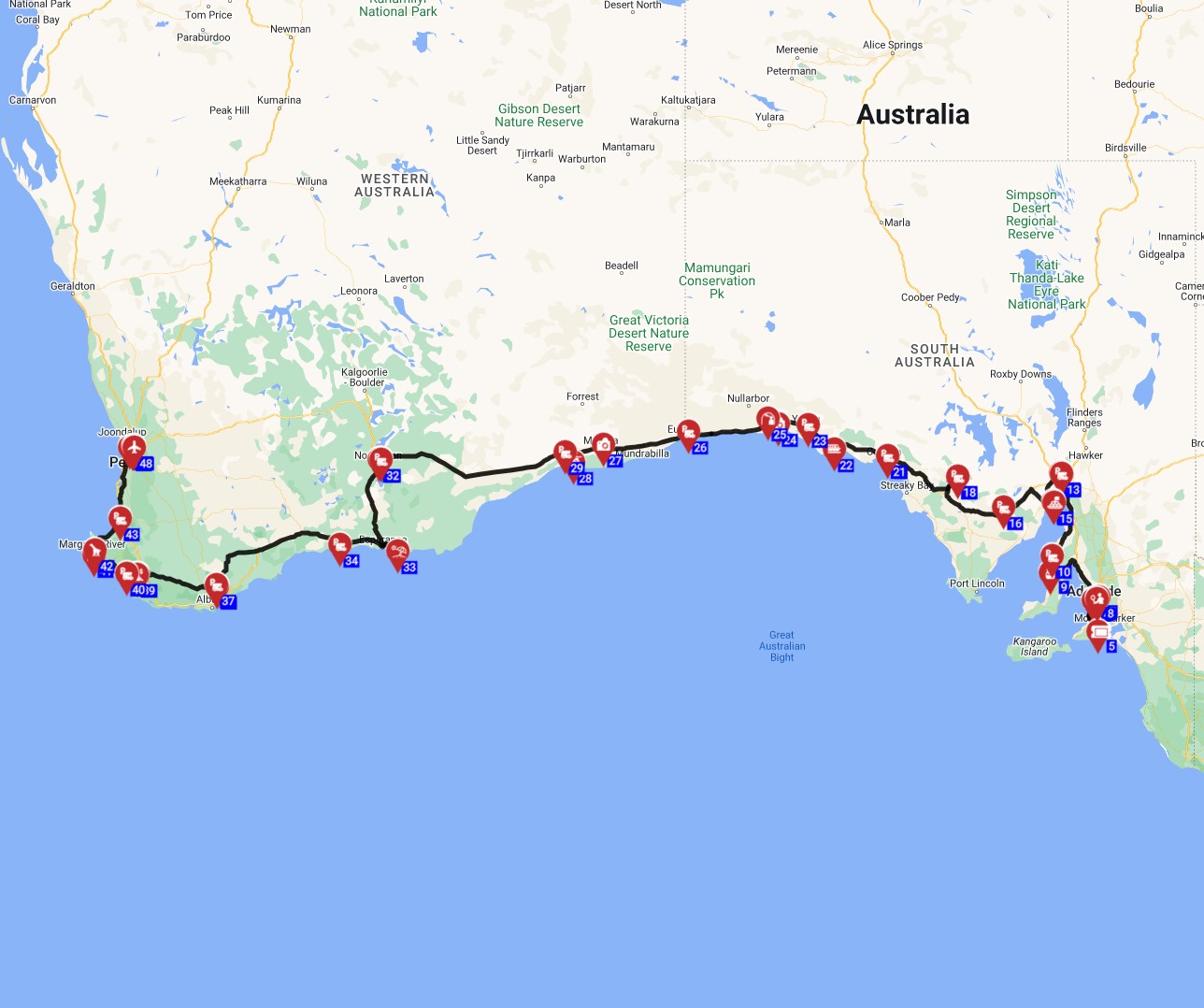
For live availability and current prices, start with our RV Rental Australia - Complete Guide 2026 guide.
In This Guide
- Can You Drive an RV in Australia? License & Age Rules
- Road Conditions & Terrain in Australia
- RV Size Limits, Bridges & Restricted Zones
- Fuel: Diesel vs. Petrol & Cost per 100 km
- Tolls, Vignettes & Border Rules
- Driving Tips for RV Rental Travelers
- Recommended RV Class for Australia Roads
- Should I Choose a Compact Van Instead of a Large RV in Australia?
- Can I Park Anywhere? Free & Wild Camping Rules in Australia
- Can I Drive an RV Into the City Center? Heights, Tunnels & Local Signage
- Can you sleep in a motorhome while driving in Australia?
- Can you legally drive in Australia with a US license?
- Do you need a special license to drive an RV in Australia?
- Can you stop anywhere in a motorhome in Australia?
- Are RVs allowed in Australia?
- How much does it cost to travel around Australia in a motorhome?
- What is the average cost of insuring a motorhome in Australia?
- Top Cities for RV Rental in Australia
Embarking on a motorhome adventure in Australia as a senior traveler offers unparalleled freedom and comfort, allowing you to explore this vast and beautiful continent at your own pace. With a rented RV, you have a mobile headquarters to venture out to national parks, coastal towns, and bustling cities, all while enjoying the conveniences of home. For live availability and current prices, start with our RV Rental Australia - Complete Guide 2024. Whether you're a seasoned RVer or planning your very first extended road trip, understanding the local driving rules and road conditions is key to a smooth and enjoyable journey.
Can You Drive an RV in Australia? License & Age Rules
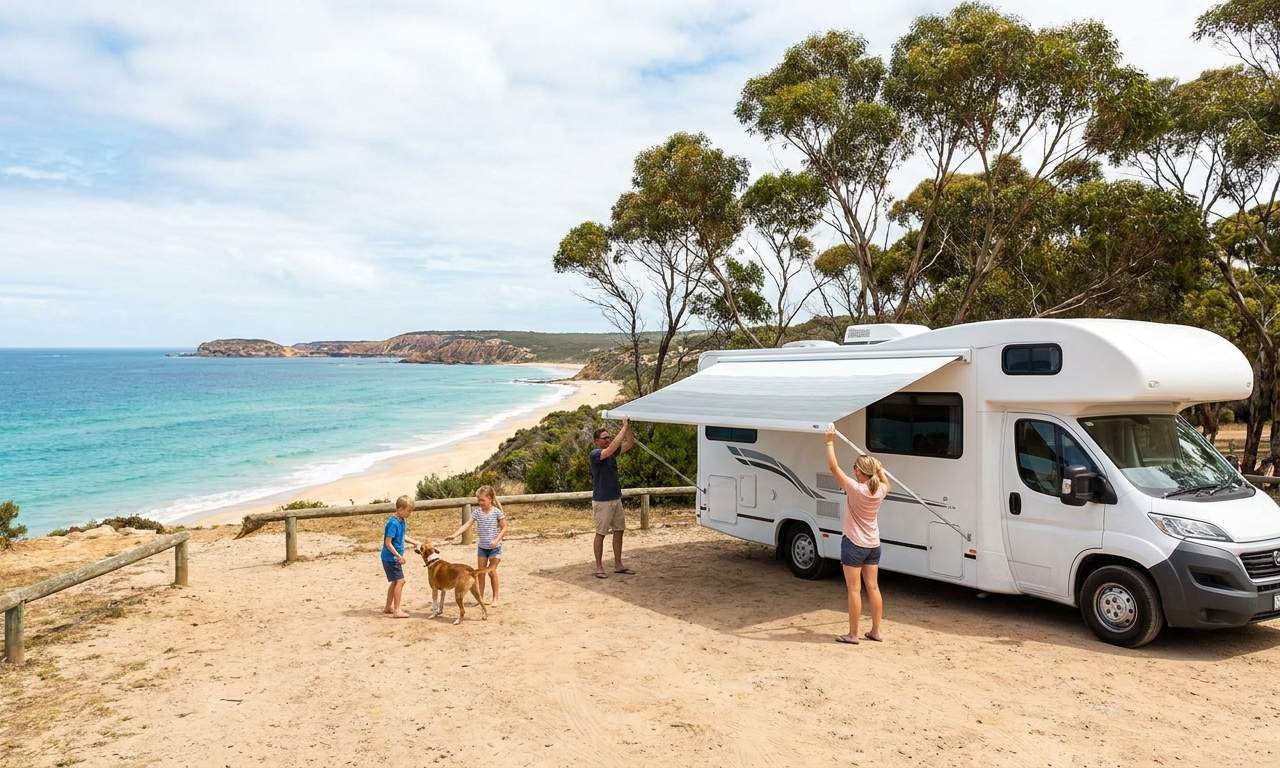
For most standard rental motorhomes in Australia, a regular car driver's license is sufficient, covering vehicles up to 4.5 tonnes Gross Vehicle Mass (GVM). This means you generally won't need a special heavy vehicle license, making RV travel accessible for many international visitors. Rental companies typically require drivers to be at least 21 years old, with no young driver surcharges or vehicle class restrictions based on age, ensuring senior travelers can comfortably choose from a wide range of campervans and motorhomes.
Foreign drivers should carry a valid home country license, and it is highly recommended to have an International Driving Permit (IDP) or a certified English translation for visitors from non-English-speaking countries, although it is not always mandatory. If your US license is in English, it is usually accepted for up to three months of driving in Australia, but an IDP can ease communication with local authorities and rental suppliers. We partner with over 50 leading RV suppliers worldwide, including trusted names like Apollo and Britz in Australia, to provide transparent information on licensing requirements for each specific vehicle and ensure your documentation is in order.
Road Conditions & Terrain in Australia
Australia features diverse road conditions, ranging from excellent sealed highways to challenging unsealed tracks, particularly in remote and Outback regions. While major routes along the coast and between cities are generally suitable for all rented RVs, venturing onto unsealed roads often requires a 4WD campervan and careful driving. Drivers should be prepared for long distances between towns, potential wildlife encounters especially at dawn and dusk, and varying weather conditions that can impact road accessibility.
For seniors, prioritizing well-maintained sealed roads and planning routes that limit daily travel to around 100-150 km per day will enhance comfort and reduce fatigue. It's crucial to check road conditions before setting out, especially if heavy rains have occurred, as unsealed roads can become impassable. Always remember that what seems like a short distance on a map can take much longer in an RV due to factors like road quality and necessary breaks.
RV Size Limits, Bridges & Restricted Zones
There are no universal strict size limits for rented RVs on Australian roads, but drivers must observe height and weight restrictions on specific bridges, tunnels, and ferries. Always check height clearances for urban tunnels and multi-story car parks, as these often have limits around 2.1 meters, which are too low for most motorhomes. Drive slowly and carefully, and you can drive almost anywhere without issues. No need to stress - just use common sense and pay attention.
Some national parks or environmentally sensitive areas may impose length or weight restrictions, requiring prior checking or permits, so it's always wise to research your destination thoroughly. For example, some island ferries or remote national park tracks might have specific vehicle requirements. Planning your route with these factors in mind ensures a smooth journey and helps avoid unexpected detours. RV PLANET (rvplan.net) is an excellent resource for pre-planned routes that consider these practicalities.
Fuel: Diesel vs. Petrol & Cost per 100 km
Most rental motorhomes in Australia operate on diesel, which is widely available, and common classes like Bandana's Class SI (Semi-integrated) and Class C (Alcove) RVs can expect fuel consumption of 10-12 Liters per 100 km. Petrol (gasoline) is also readily available, but fewer motorhome models use it. Fuel prices can fluctuate and are often higher in remote areas or the Outback, necessitating careful planning of fuel stops, especially on long stretches between towns.
Some rental companies may offer fuel discount cards, which can help manage costs. When planning your budget for an extended road trip, fuel will be a significant ancillary expense. With RV PLANET routes, travelers can itemize and track every expense along the way for easy budgeting, including estimated fuel costs for specific itineraries. Always keep your tank topped up when traveling through less populated regions. On the routes offered through RV PLANET routes, you can itemize and track every expense along the way for easy budgeting.
Tolls, Vignettes & Border Rules
Australia primarily utilizes electronic tolls on major motorways and bridges, especially in cities like Sydney, Melbourne, and Brisbane, without requiring national vignettes or border checks between states. Tolls are cashless, meaning you can't pay with cash at a booth. Travelers can use temporary passes, e-tags, or rely on rental companies to manage payments, with some Bandana RVs offering pre-purchased toll passes for convenience, which will be detailed in your rental agreement.
While there are no official state border controls for people, biosecurity checkpoints exist to prevent pest and disease spread, requiring declaration or surrender of certain items like fresh produce when crossing into states like Western Australia, South Australia, or New South Wales. These checks are important for protecting Australia's unique ecosystems and agricultural industries, and failure to comply can result in on-the-spot fines. Always dispose of restricted items before reaching the checkpoint.
Driving Tips for RV Rental Travelers
Driving on the left side of the road is mandatory in Australia, aligning with British road rules, so visitors from right-hand drive countries should allow extra time to adjust. Be extremely vigilant for native wildlife, particularly kangaroos, wallabies, and emus, especially during dawn, dusk, and night driving in rural and remote areas, as animal collisions can be dangerous for both the animal and your rented motorhome. It's often recommended to avoid driving outside daylight hours in these regions.
Plan your route carefully to avoid fatigue on long stretches, taking frequent breaks every two hours, and aiming for max 100-150 km per day on average to truly feel the place, connect to the culture, the food, and the scenery. For remote and Outback travel, ensure you carry adequate water (at least 20 liters per person per day is recommended), extra fuel, and have emergency communication devices like a satellite phone or UHF radio, as mobile coverage can be patchy. Give 'road trains' (multi-trailer trucks, some up to 53.5 meters long) ample space, slow down, and exercise extreme caution when passing or being passed on narrow roads, pulling over if necessary to allow them to pass safely.
🎬 Video coming soon
Recommended RV Class for Australia Roads
Class SI (Semi-integrated) and Class C (Alcove) motorhomes are highly recommended for Australian road trips due to their excellent balance of comfort, amenities, and suitability for varying road conditions. These models, often ranging from 6 to 8 meters in length, provide ample living space, a well-equipped kitchen, and dedicated sleeping areas, perfect for couples or families seeking a comfortable journey. For example, a Bandana Class SI RV like the "2 Berth Tamar" averages around 6.9 meters in length, offering comfortable space for two with features like automatic transmission and roof air condition. Similarly, a "4 Berth Adventurer" Class C provides two double beds, making it ideal for four travelers.
The stability and visibility offered by these larger motorhomes make long distances more manageable, while still allowing access to most national parks and regional towns. Consider renting a motorhome like the "Euro Deluxe" or "Paradise Family 5" for a great family experience, which typically offer 3-5 sleeping places and practical amenities. Our direct partnerships with major suppliers like Apollo and Britz ensure a wide selection of these popular vehicle classes, optimized for Australian travel conditions. For more details on specific models and their features, you can explore options like "RV Rental in Australia - Prices and Best Deals 2024" or "RV Rental Deals in Australia - Latest Offers 2024."
Should I Choose a Compact Van Instead of a Large RV in Australia?
While compact campervans (like Bandana's Class B Camper Vans, averaging 5-6 meters in length) offer easier maneuverability and slightly better fuel economy (typically 8-10 Liters/100 km), larger Class C or Class SI motorhomes generally provide superior comfort and amenities for extended Australian journeys. Australia's roads are mostly expansive and accommodating, meaning the maneuverability advantage of a compact van is often outweighed by the desire for more internal living space, a separate shower, and private toilet facilities that larger RVs offer. For example, a "2 Berth Sandpiper" is a Class B campervan around 6.2 meters long with a double bed, shower, and toilet, offering great functionality in a smaller footprint.
The choice ultimately depends on your travel style and preferences. Compact campervans are excellent for solo travelers or couples prioritizing agility, ease of parking in smaller towns, and a more rustic camping experience. However, for those embarking on a week-long trip or longer, especially seniors, and valuing home comforts, a more spacious Class C motorhome is often the better option. If you are exploring the "RV Travel Guide to Australia - Tips and Top Spots 2024", you will find recommendations tailored to various vehicle types.
Can I Park Anywhere? Free & Wild Camping Rules in Australia
No, free and wild camping in Australia is generally restricted to designated areas, such as specific national park campsites (often requiring permits and fees), state forests, or roadside rest areas with explicit signage. Indiscriminate overnight parking on public land, residential streets, or undesignated spots is illegal and can result in significant fines (e.g., AUD $200-$500). Laws are enforced, and local councils actively monitor illegal camping areas.
Travelers should always utilize reliable resources to locate legal campsites, dump points, and rest areas suitable for overnight stays. RV PLANET (rvplan.net) offers comprehensive tools for finding campsites and campgrounds during your trip, detailing amenities, costs, and booking requirements. Rules vary by region and state, so always check local regulations and follow signage before parking overnight. Many national parks have specific booking systems and permit requirements, sometimes needing bookings months in advance during peak seasons.
Can I Drive an RV Into the City Center? Heights, Tunnels & Local Signage
Yes, rental RVs can generally be driven into Australian city centers, but drivers must remain highly vigilant for local signage indicating height restrictions for tunnels and multi-story car parks, as well as specific loading zones or residents-only streets. Most underground city car parks have height limits (typically around 2.1 meters) that will exclude nearly all motorhomes, so street parking or dedicated RV-friendly lots on the city outskirts are necessary. Drive slowly and carefully, and you can drive almost anywhere without issues. No need to stress - just use common sense and pay attention.
It is often more practical to park a rented motorhome on the city outskirts at a caravan park or designated area and use public transport (buses, trains, trams) to explore urban attractions in cities like Sydney, Melbourne, or Perth. This approach avoids the stress of navigating tight city streets, finding suitable parking, and managing larger vehicle dimensions in busy environments. For example, many caravan parks near major cities offer direct public transport links into the city center.
Can you sleep in a motorhome while driving in Australia?
No, it is illegal and highly unsafe for passengers to sleep in a rented motorhome while the vehicle is in motion in Australia. All occupants of an RV must be properly restrained with seatbelts in designated seats while the vehicle is being driven, just like in a regular car. This regulation is strictly enforced for safety reasons to protect all passengers in case of sudden stops or accidents.
Stopping the RV at designated rest areas or official campsites is the only legal and safe way for passengers to sleep or rest during a road trip. Planning your daily travel with adequate rest stops is crucial for driver and passenger well-being, especially on long Australian routes. Always prioritize safety and legal compliance to ensure a worry-free adventure.
Can you legally drive in Australia with a US license?
Yes, US citizens can legally drive in Australia for up to three months with a valid US driver's license, provided it is accompanied by an International Driving Permit (IDP) or an official English translation. While a US license in English is often accepted by local authorities, an IDP is strongly recommended by Australian authorities and is typically required by RV rental companies for insurance validity. It acts as an official translation of your license, recognized internationally.
After three months, US citizens generally need to apply for a local Australian driver's license if they wish to continue driving. For shorter week-long trips or a two-week adventure, your US license with an IDP will usually suffice. Always confirm the exact requirements with your chosen Bandana supplier, as specific terms can vary slightly.
Do you need a special license to drive an RV in Australia?
No, for the majority of rental motorhomes in Australia, a standard car driver's license is sufficient, as most RVs fall under the 4.5-tonne Gross Vehicle Mass (GVM) limit for such licenses. This applies to all Class B campervans, Class C alcove motorhomes, and Class A integrated motorhomes typically available for rent. This broad accessibility means that many travelers, including seniors, can confidently operate a rented RV without needing additional training or licenses.
A special heavy vehicle license (e.g., Light Rigid or Medium Rigid) is only mandated for RVs with a GVM exceeding 4.5 tonnes, which are generally not standard rental models. Bandana partners with suppliers like El Monte and Cruise America that offer a diverse fleet of vehicles suitable for a standard license. Rental companies will clearly specify the required license class for each vehicle, ensuring drivers are aware of the appropriate qualifications before booking.
Can you stop anywhere in a motorhome in Australia?
No, stopping overnight in a rented motorhome in Australia is restricted to designated areas, and random overnight parking on roadsides or public land for camping purposes is generally illegal. Short stops for rest are permitted in signed rest areas, but these are not always suitable or explicitly permitted for overnight stays, with some clearly marked for "no overnight camping." Penalties for illegal camping can include fines ranging from AUD $200 upwards.
Legal overnight parking options include commercial caravan parks (also known as "van parks"), designated free-camping areas in national parks or state forests, and official roadside stops that explicitly allow overnight stays. Local council and state regulations vary widely, so always consult local signage, official tourism websites, and resources like RV PLANET (rvplan.net) to find legal parking and confirm availability. Many national parks require pre-booked permits and fees for camping, particularly during popular holiday periods.
Are RVs allowed in Australia?
Yes, RVs are widely allowed and are a very popular method of touring throughout Australia, supported by extensive infrastructure including thousands of caravan parks and designated camping areas. Australia's vast landscapes and well-developed road networks, especially along the popular coastal routes and major inland highways, make it an ideal destination for motorhome travel. The country embraces RV culture, offering services and facilities tailored for these vehicles.
A wide variety of RVs are available for rent through Bandana Caravan's network of over 50 suppliers, catering to different group sizes and travel preferences, allowing visitors to explore the country extensively and comfortably. From compact campervans perfect for a couple to large family-sized motorhomes with multiple sleeping places, there’s a rental RV to suit every adventure. The "RV Rental Australia - Complete Guide 2024" provides more comprehensive information on available options.
How much does it cost to travel around Australia in a motorhome?
The cost to travel around Australia in a rented motorhome can range significantly, typically from AUD $150 to $400+ per day, depending on the RV class, rental duration, season, and personal spending habits. Rental costs for a Class SI (Semi-integrated) or Class C (Alcove) RV can average AUD $100-$300 per day in shoulder seasons, with peak season rates (December-February) often being 20-50% higher due to increased demand. Prices are dynamic, similar to flight tickets, changing daily based on availability and supplier marketing decisions, so the final price is set at actual booking time.
Major expenses beyond the rental include fuel (around 10-12 Liters/100 km for common RVs, with prices typically AUD $1.80-$2.50 per liter, higher in remote areas), campsite fees (AUD $30-70/night for powered sites), and groceries, which travelers can significantly manage by cooking their own meals in their RV kitchen. For RV-friendly recipes playlist, check out our YouTube. Ancillary costs also include dump station fees (often AUD $5-$10), tolls, and any national park permits. A two-week adventure could easily cost AUD $2500-$5000+ depending on the factors mentioned. Planning flexible dates and booking at least 3-6 months in advance, particularly for long-term RV rental, can help secure more favorable rates.
What is the average cost of insuring a motorhome in Australia?
For rental motorhomes in Australia, basic insurance coverage is typically included in the rental price, but it usually comes with a substantial excess (deductible), often ranging from AUD $5,000 to $8,000. This means that in the event of an accident or damage, you would be liable for this amount before the insurance coverage kicks in. This standard deductible is not included by default and is a significant out-of-pocket risk for renters.
Travelers can significantly reduce this high excess by purchasing additional excess reduction waivers offered by the rental company, which add to the daily rental cost but significantly lower the out-of-pocket liability, sometimes to zero. Alternatively, some independent travel insurance policies may offer specific RV excess reduction coverage, potentially providing a more cost-effective way to mitigate risk. We recommend you upgrade to a top-level deductible for extra peace of mind, ensuring a stress-free trip.
Top Cities for RV Rental in Australia
Australia boasts excellent starting points for RV adventures, with major cities offering a wide selection of rental motorhomes and campervans. Consider these popular hubs to begin your journey:
- Sydney, New South Wales: A vibrant metropolis with iconic landmarks like the Opera House and Harbour Bridge, Sydney offers numerous RV rental options and serves as a gateway to coastal drives and the Blue Mountains.
- Melbourne, Victoria: Known for its arts, culture, and culinary scene, Melbourne is an ideal starting point for exploring the Great Ocean Road and the stunning national parks of Victoria.
- Brisbane, Queensland: This sunny city provides easy access to the Gold Coast, Sunshine Coast, and the lush hinterland, perfect for a week-long trip to explore beaches and rainforests.
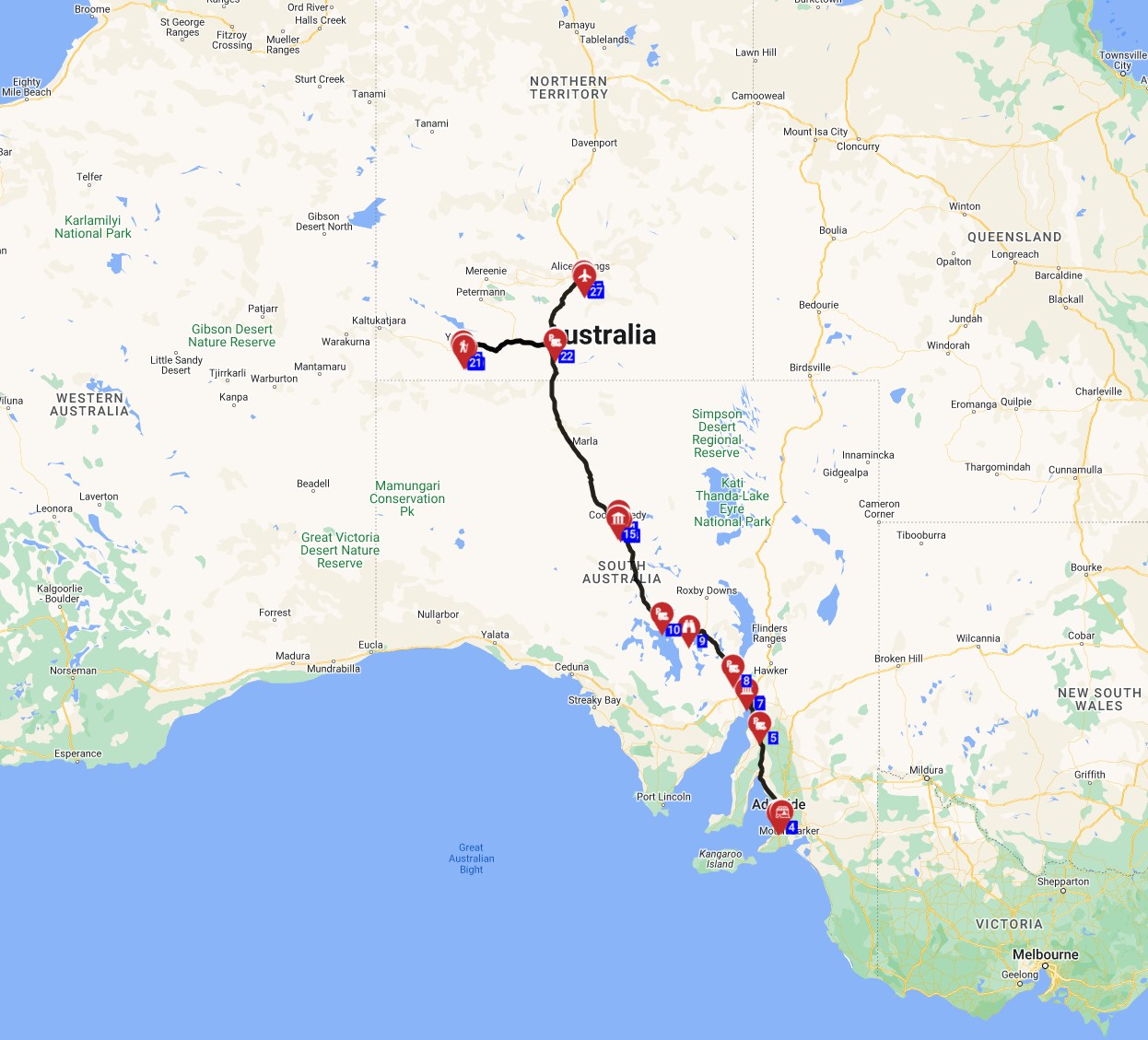
- Perth, Western Australia: On the pristine west coast, Perth is the gateway to vast national parks, vineyards, and the stunning Coral Coast, offering incredible routes like "Perth to Alice Springs - The Dreamtime Highway: A Journey Through Australia's Heart."
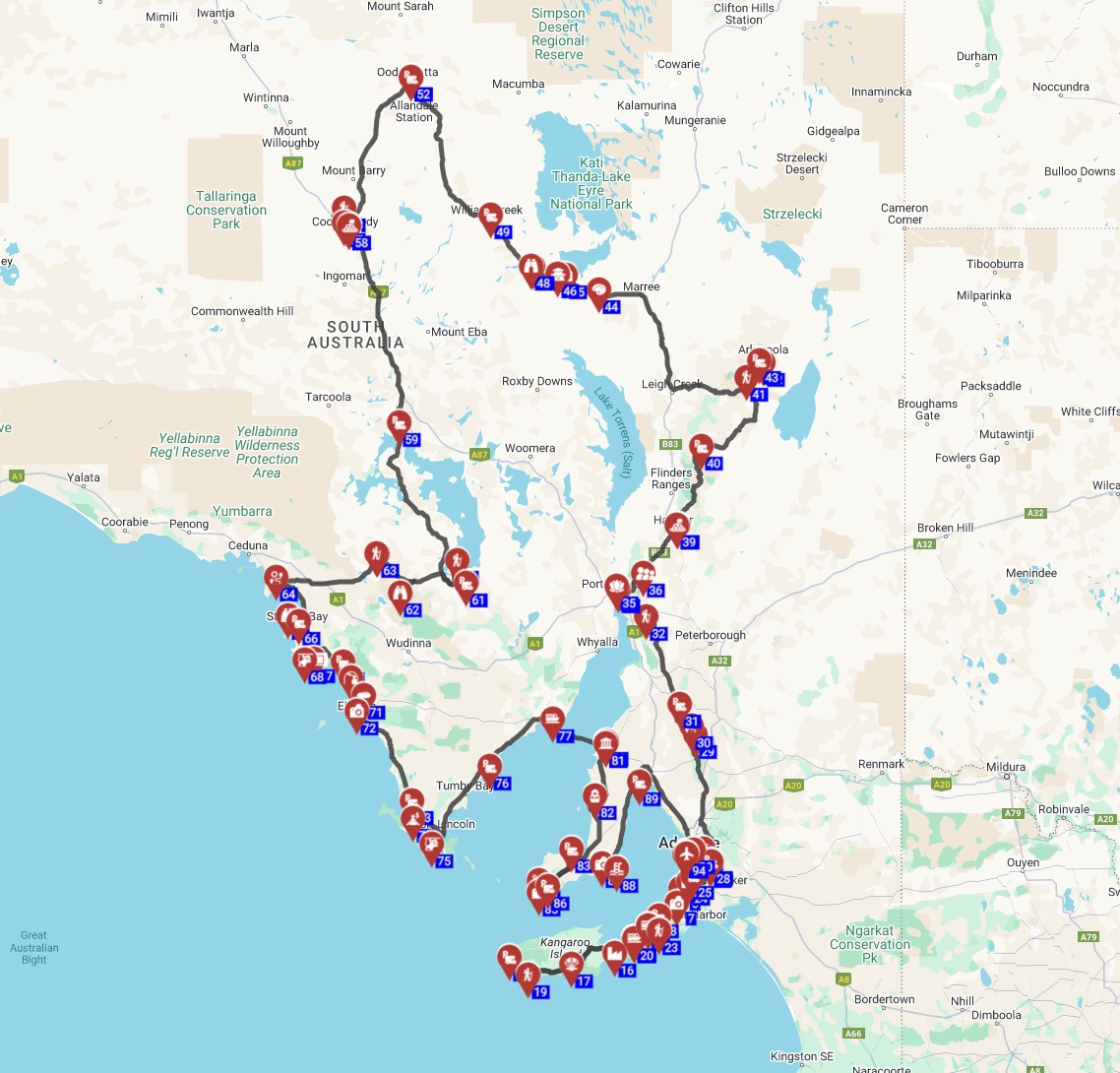
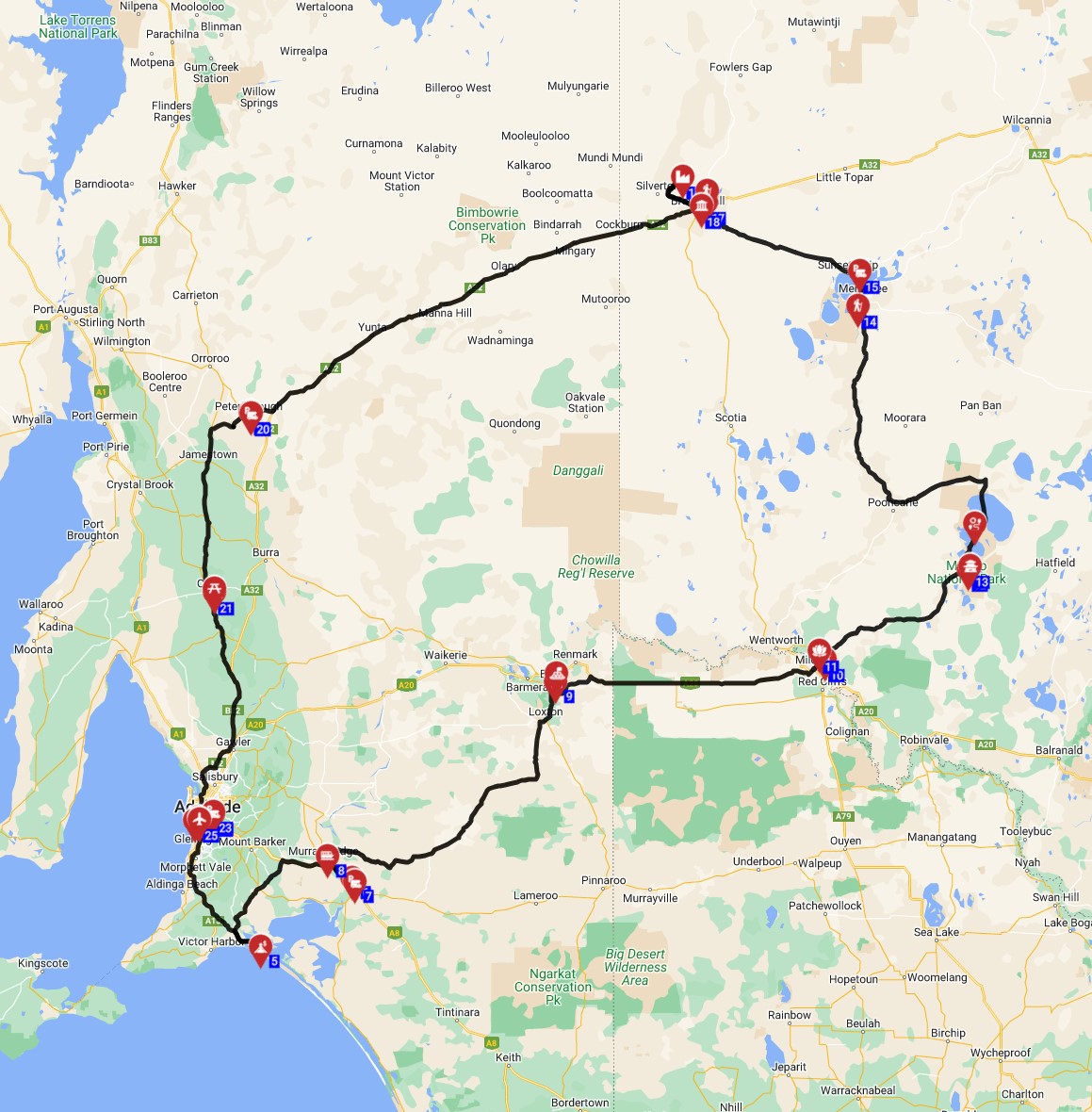
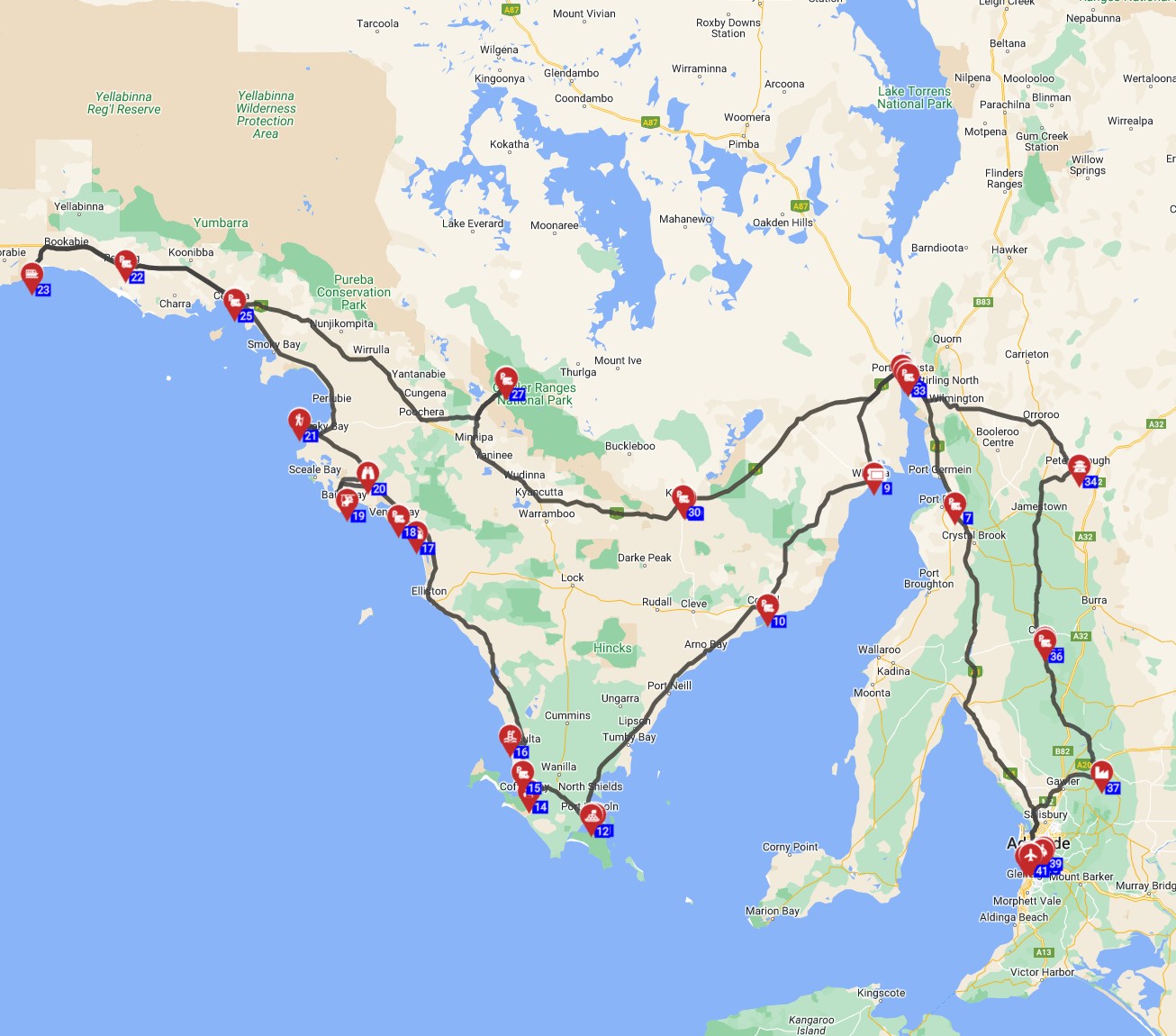
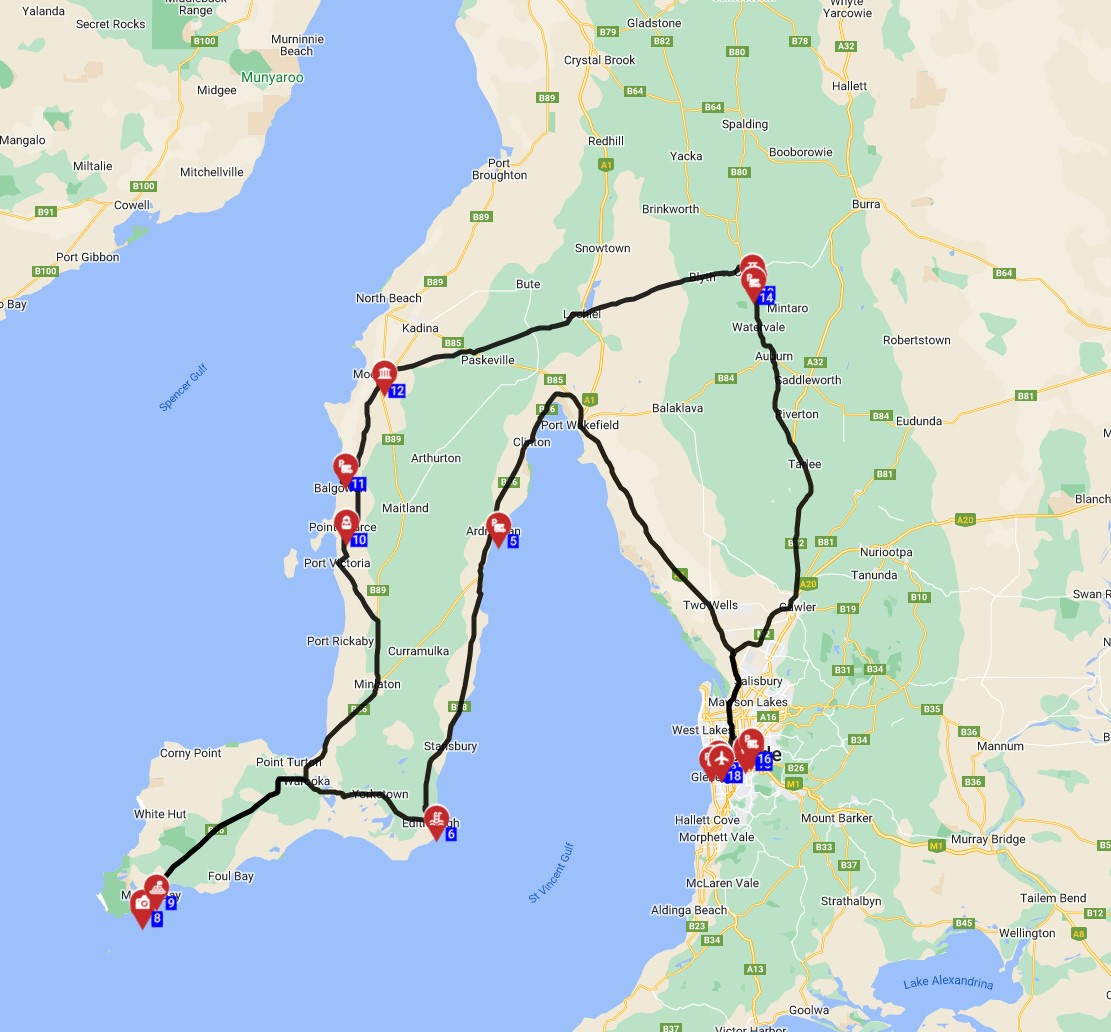
- Adelaide, South Australia: With its elegant architecture and proximity to world-class wine regions like Barossa Valley, Adelaide is a charming starting point for exploring Kangaroo Island or the Flinders Ranges.
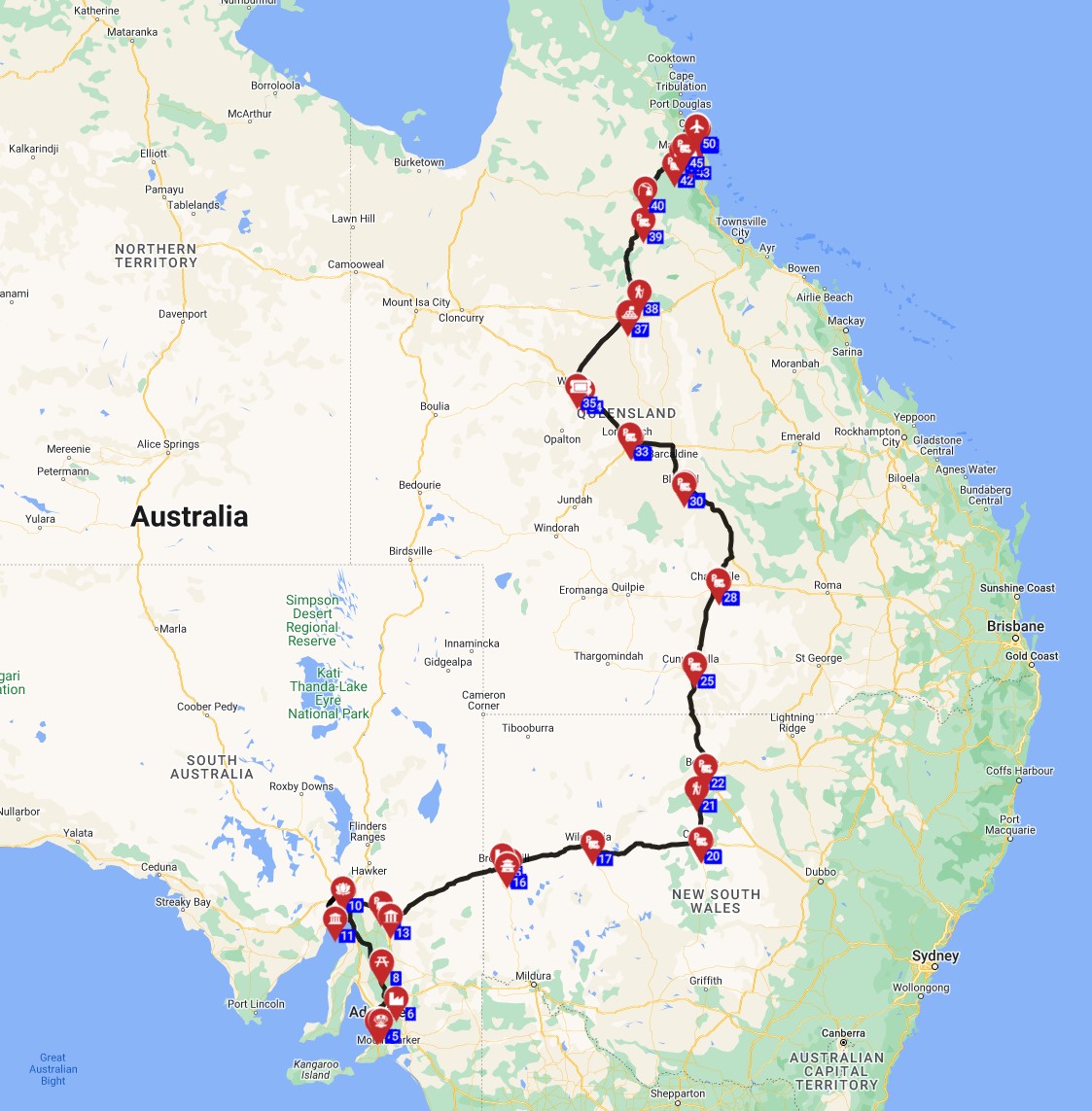
- Cairns, Queensland: The tropical north's capital, Cairns, is the perfect base for exploring the Great Barrier Reef, the Daintree Rainforest, and routes leading inland, such as the "Cairns to Alice Springs - Northern Horizons: A Journey Through Australia's Heartland."
- Darwin, Northern Territory: A unique tropical city, Darwin offers access to the ancient landscapes of Kakadu and Litchfield National Parks, ideal for adventurous travelers looking to experience Australia's Top End.
Picking up your rented RV in one city and dropping it off in another is often possible, with one-way motorhome rentals available from most suppliers. A drop-off fee may apply, varying by distance and demand. Booking options like "RV Rental Near Australia Airport - Pickup Pricing 2024" can streamline your arrival and departure. Remember, Bandana Caravan offers bookings in 30+ currencies with full price transparency, ensuring no hidden fees or conversion commissions.
What You Shouldn't Miss
Australia offers a wealth of incredible experiences for RV travelers. Here are some must-do adventures to inspire your comfort routes:
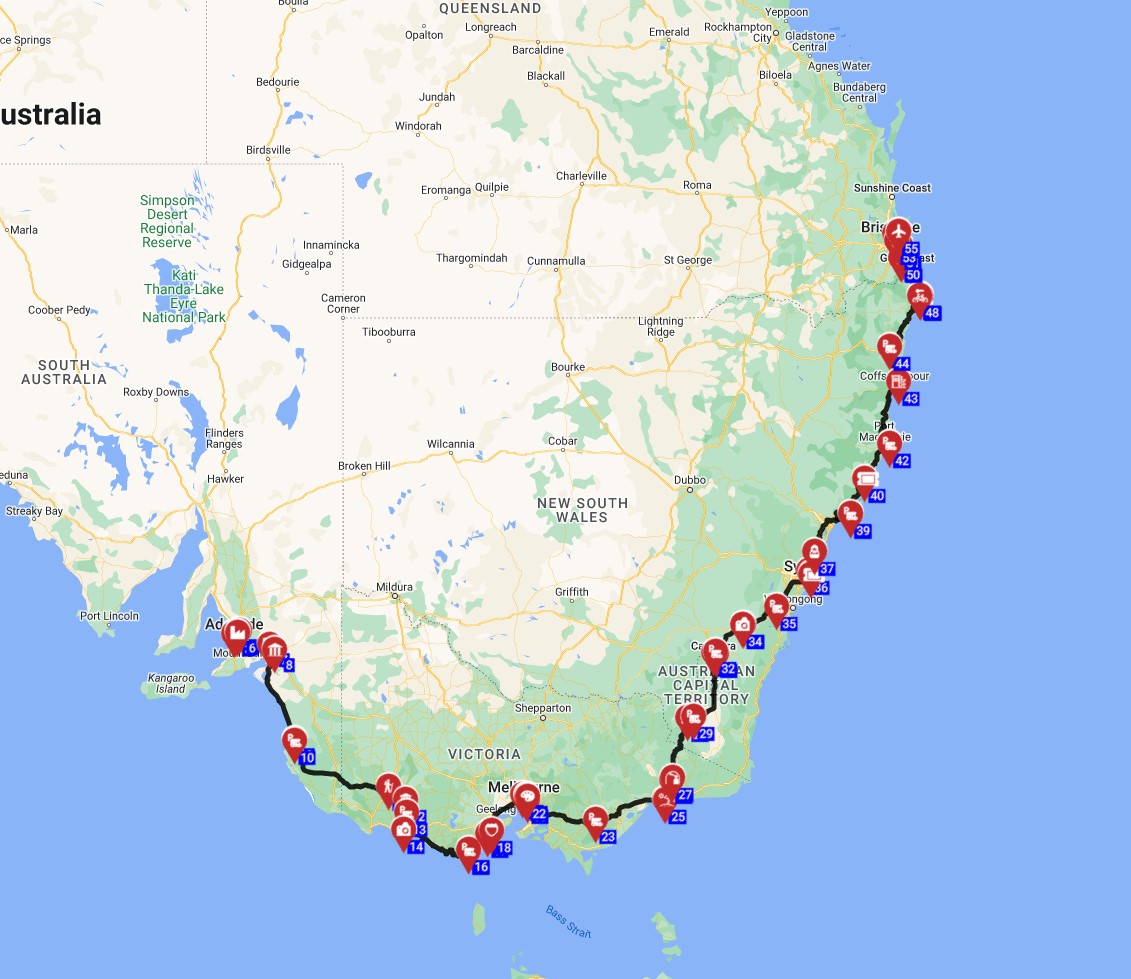
- Drive the Great Ocean Road, Victoria: Experience one of the world's most scenic coastal drives, featuring the iconic Twelve Apostles. Plan a leisurely 3-5 day journey to truly soak in the breathtaking views and charming seaside towns.
- Explore Uluru-Kata Tjuta National Park, Northern Territory: Witness the majestic Uluru at sunrise and sunset, and walk among the ancient domes of Kata Tjuta. This spiritual heartland is a highlight of any Outback adventure, often included in itineraries like "Cairns to Alice Springs - Northern Horizons: A Journey Through Australia's Heartland." The 17-day journey covers 4003.6 km and includes 3 hiking areas and 2 natural features.
- Discover the Whitsunday Islands, Queensland: Park your RV at a coastal campground near Airlie Beach and take a boat trip to Whitehaven Beach and the Great Barrier Reef. This offers a mix of land-based comfort and pristine marine exploration.
- Journey the Red Centre: Embark on an epic adventure through Australia's vast desert landscapes, from Alice Springs to iconic landmarks. This route is challenging but immensely rewarding, as seen in "Perth to Alice Springs - The Dreamtime Highway: A Journey Through Australia's Heart," a 21-day trip covering 5447.3 km and featuring 5 points of interest and 4 natural features.
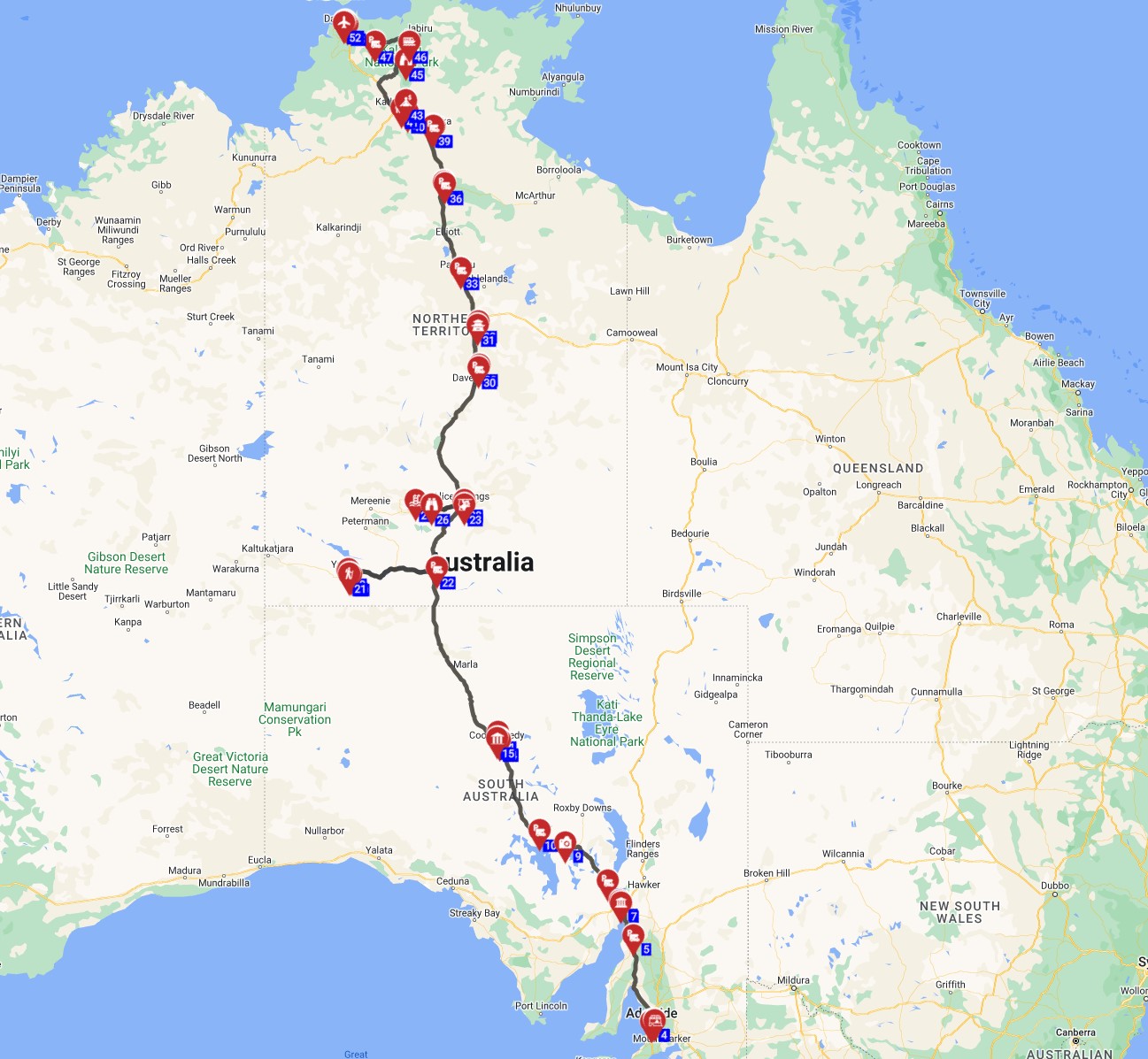
- Experience Melbourne to Darwin - Australia’s Heartline Road Trip: This grand 26-day journey spans 5622.8 km and offers 5 hiking areas, 3 museums, and 2 wildlife encounters, showcasing diverse Australian experiences. It's a comprehensive way to see the country.
Looking for expert insights from Avi Bandana? Top 5 Adventures - recommendations from Avi Bandana can guide you to truly unforgettable experiences.
Final Thoughts
Exploring Australia in a rented RV offers an incredible way to experience its diverse landscapes, from golden beaches to ancient deserts, at a pace that suits you. As a senior traveler, the comfort, flexibility, and independence of a motorhome make it an ideal choice for creating unforgettable memories. Remember to plan your route carefully, allow for plenty of rest, and embrace the unique charm of Australian road travel.
With Bandana Caravan, you're choosing a partner dedicated to making your RV rental experience in Australia as smooth and enjoyable as possible. We’re here to support you before, during, and after your booking, ensuring every detail is covered. So, pack your bags, choose your perfect RV, and get ready for the adventure of a lifetime. Life is now - go explore!
Discover top destinations, planning tips, all in one place! Compare Motorhome Prices for Australia to start your adventure today.