In This Guide
- Can You Drive an RV in West Canada? License & Age Rules
- Road Conditions & Terrain in West Canada
- RV Size Limits, Bridges & Restricted Zones
- Fuel: Diesel vs. Petrol & Cost per 100 km
- Tolls, Vignettes & Border Rules
- Driving Tips for RV Rental Travelers
- Recommended RV Class for West Canada Roads
- Should I Choose a Compact Van Instead of a Large RV in West Canada?
- Can I Park Anywhere? Free & Wild Camping Rules in West Canada
- Can I Drive an RV Into the City Center? Heights, Tunnels & Local Signage
- How much does it cost to rent an RV in Canada?
- What is the cheapest time to rent an RV in Canada?
- What is the best month to RV in West Canada?
- What is the best route to RV in Canada?
- What do I need to know before renting an RV for the first time in Canada?
- Where can I RV for free in Canada?
Imagine yourself on the open road, the majestic Canadian Rockies rising around you, or the tranquil Pacific coastline stretching into the horizon. West Canada, encompassing British Columbia and Alberta, offers some of the world's most spectacular scenery, and exploring it with a rented RV is an experience like no other. At Bandana RV, we’re true RV specialists, dedicated to helping you unlock these incredible adventures with full transparency and unmatched support.
For live availability and current prices, start with our RV Rental West Canada - Complete Guide 2026 guide. We've been helping tens of thousands of travelers discover the freedom of RV travel since 2001, forging direct partnerships with over 50 leading RV suppliers worldwide, including trusted names like El Monte and Cruise America. We believe in being honest and transparent – what you see is what you get, with no hidden fees, no surprises, just the journey of a lifetime.
Can You Drive an RV in West Canada? License & Age Rules
Most motorhomes weighing under 11,000 kg (24,250 lbs) in British Columbia or 11,793 kg (26,000 lbs) in Alberta can be driven with a standard Class 5 (or equivalent) driver's license. This means you won't need any special permits or a Commercial Driver's License (CDL) to enjoy your rented RV adventure through West Canada. For international visitors, a valid home country driver's license is required, and while an International Driving Permit (IDP) is highly recommended for licenses not in English or French, it is not mandatory in most cases.
RV rental companies in West Canada typically require drivers to be a minimum of 21 years old, ensuring a mature and responsible approach to handling these vehicles. It's important to note that unlike some regions, there are no young driver surcharges and no vehicle class restrictions based on age when renting with Bandana's partners, giving younger adult travelers the freedom to choose the perfect motorhome or campervan for their trip.
Road Conditions & Terrain in West Canada
West Canada features a diverse road network, from well-maintained paved Trans-Canada Highways to winding mountain passes in the Rockies and coastal routes, alongside unpaved provincial and logging roads leading to remote areas. Drivers should prepare for significant elevation changes, steep grades, and sharp curves when traveling through the Canadian Rockies, requiring careful attention and slower speeds to maintain control.
Seasonal variations are extreme in West Canada; expect potential snow and ice conditions from October to April, particularly in higher elevations, which may necessitate appropriate tire choices or winter preparedness. Additionally, be aware of the summer wildfire season, which can lead to smoky air and occasional road closures, making flexible route planning and checking local conditions vital for a smooth journey. Our 24/7 support is there to assist with any pre-booking questions about vehicle suitability for seasonal conditions, ensuring peace of mind.
RV Size Limits, Bridges & Restricted Zones
While major highways in West Canada generally accommodate all RV sizes, drivers should be mindful of specific bridge height clearances, older infrastructure, and ferry capacity limits, which can restrict very large motorhomes. For instance, some of the older overpasses or smaller rural bridges might have height advisories.
Within National Parks, certain scenic drives or secondary roads might have length or width advisories for larger RVs; always consult park information beforehand to avoid unexpected detours. Always pay close attention to local signage, particularly in urban areas and national park entrances, for any specific restrictions related to RV dimensions or weights. We always recommend choosing a rented motorhome that fits your group comfortably but is also manageable for varied terrain, striking a balance for your adventure.
Fuel: Diesel vs. Petrol & Cost per 100 km
Most rental RVs in West Canada operate on petrol (gasoline), though some larger Class A or truck campers may use diesel, which is widely available at service stations. Bandana's global fleet averages for fuel consumption include Class B Camper Vans at 8-10 L/100 km, Class SI Semi-integrated at 10-11 L/100 km, Class C Alcoves at 10-12 L/100 km, and Class A Integrated at 8-12 L/100 km. Budget for fuel costs averaging approximately $1.70 - $2.20 CAD per litre for 2026, recognizing that prices can vary significantly between provinces and remote areas; some Bandana RV rentals may offer fuel discount cards. On the routes offered through RV PLANET routes, you can itemize and track every expense along the way for easy budgeting.
Managing ancillary trip costs like fuel is key to a smooth journey. For detailed budgeting, remember that RV PLANET routes allow travelers to itemize and track every expense along the way for easy budgeting. Always factor in extra fuel stops, especially on long stretches through the mountains or remote areas where stations can be sparse.
Tolls, Vignettes & Border Rules
West Canada (British Columbia and Alberta) has very few toll roads; the primary electronic tolls are found on the Port Mann Bridge and Golden Ears Bridge in British Columbia. These are typically cashless, requiring online payment or a transponder, which some Bandana RVs may offer pre-purchased to simplify your journey and avoid potential fines.
Unlike some European destinations, there are no vignettes required for RV travel anywhere in West Canada, simplifying your planning. If planning to cross the Canada-U.S. border, ensure all occupants have valid passports, and be aware of customs regulations regarding food, alcohol, and other goods. Our dedicated 24/7 support is always available to answer pre-booking questions, ensuring you have all the information you need before you set off.
Driving Tips for RV Rental Travelers
Always drive defensively, maintain a significant safe following distance, and brake earlier than you would in a car, especially when navigating mountain descents and curves in West Canada. Utilize lower gears on steep downhill grades to control your speed and prevent brake overheating, a critical technique for driving through the Rocky Mountains.
Be acutely aware of wildlife, particularly at dawn and dusk; collisions with large animals like deer, elk, or moose are a serious risk, so drive cautiously and reduce speed in known wildlife corridors. Plan your fuel stops, especially on longer stretches or remote highways, as gas stations can be sparse in some areas of BC and Alberta. We recommend slow travel, averaging max 100-150 km per day, allowing you to truly feel the place, connect to the culture, the food, and the scenery. Allow ample travel time for your journey, factoring in slower RV speeds, frequent stops for stunning photo opportunities, and potential delays due to weather or road construction. To help you plan your week-long trip, you might find our "RV Travel Guide to West Canada - Tips and Top Spots 2026" itinerary helpful.
Recommended RV Class for West Canada Roads
For most West Canada roads, a Class SI - Semi-integrated RV is highly recommended, offering an average length of 6.9 meters, which strikes an excellent balance between spacious comfort and ease of driving on mountain passes and winding routes. These are popular choices among our 50+ leading RV suppliers like Apollo.
The Class C - Alcove RV, with an average length of 7.5 meters and sleeping capacity for 5.8 people (e.g., a "29′ Class C Motorhome"), is also an excellent choice for families or larger groups, providing ample living space and amenities like a refrigerator and shower without being overly cumbersome for the region's main arteries. Both classes provide sufficient ground clearance for most paved and well-maintained gravel roads, ensuring a comfortable journey through diverse West Canadian landscapes. Our true RV specialists are here to help you compare motorhome prices for West Canada and find the perfect fit for your trip.
Should I Choose a Compact Van Instead of a Large RV in West Canada?
West Canada's road infrastructure is generally well-suited for all RV sizes, meaning choosing a compact van (Class B Camper Van) versus a larger RV (Class C or A) often comes down to personal preference for space versus maneuverability. A compact van, averaging 5.8 meters in length, offers easier parking, greater fuel efficiency (8-10 L/100 km), and is ideal for navigating tighter spaces in towns or reaching more secluded campsites, perfect for a spontaneous two-week adventure for couples, as discussed in "RV Rental in West Canada for Couples - Pricing 2026".
Conversely, larger RVs provide significantly more interior living space, amenities like a full kitchen (check out our RV-friendly recipes playlist for meal ideas!) and storage, enhancing comfort for longer trips or bigger groups, with minimal added difficulty on primary West Canadian routes where comfort and indoor space can often matter more than ultimate maneuverability. Drive slowly and carefully, and you can drive almost anywhere without issues. No need to stress - just use common sense and pay attention, even with a Class A motorhome or "Luxury RV Rental in West Canada - Premium Prices 2026".
Can I Park Anywhere? Free & Wild Camping Rules in West Canada
In West Canada, opportunities for free RV camping, often referred to as boondocking or wild camping, primarily exist on designated Crown Land in British Columbia and Alberta. These lands offer a chance to connect with nature on your own terms, away from developed campgrounds.
Regulations typically permit staying on Crown Land for a limited period (e.g., 14 to 21 days within a specified timeframe) and require adherence to 'Leave No Trace' principles, including packing out all garbage and waste. National and Provincial Parks generally do not allow free overnight parking; designated campgrounds with fees are the standard for these protected areas. Always check local regulations and follow local law before parking overnight. Remember, finding campsites and campgrounds during your trip is easy with RV PLANET (rvplan.net).
Can I Drive an RV Into the City Center? Heights, Tunnels & Local Signage
Yes, you can almost always drive an RV into city centers in West Canada, but meticulous planning for parking and awareness of local restrictions are crucial. Drive slowly and carefully, and you can drive almost anywhere without issues. No need to stress - just use common sense and pay attention.
Always pay close attention to local signage, particularly for height restrictions that might apply to tunnels, underpasses, or indoor parking garages, and be aware of any 'residents-only' parking zones or environmental restrictions. While main routes into cities like Vancouver, Calgary, and Edmonton are accessible for RVs, finding large, suitable parking spots within the immediate downtown core can be challenging, often necessitating parking slightly further out and utilizing public transport. This applies whether you choose a smaller campervan or a spacious "Weekly RV Rental in West Canada - Pricing 2026".
How much does it cost to rent an RV in Canada?
RV rental costs in West Canada vary significantly, with prices influenced by the RV class, rental duration, season, and additional fees, typically ranging from $100-$200 CAD per day for compact campervans in shoulder seasons to $300-$500+ CAD for larger models in peak summer. The final price is dynamic, much like flight tickets, changing daily based on availability, seasonality, and supplier marketing decisions.
A comprehensive budget should include not only the daily rental rate but also fuel (referencing Bandana's fleet averages of 8-17 L/100 km), campground fees ($30-$80+ per night for serviced sites), national/provincial park passes, optional top-level deductible reimbursement for extra peace of mind, and convenience kits. Be sure to inquire about potential hidden costs such as preparation fees, mileage limits (and per-km overage charges), generator usage fees, and one-way rental charges when comparing deals, as Bandana prides itself on full transparency with no hidden fees.
What is the cheapest time to rent an RV in Canada?
The cheapest time to rent an RV in West Canada is typically during the shoulder seasons, which are April-May in the spring and late September-October in the fall, avoiding the high demand of peak summer. During these periods, rental companies frequently offer lower daily rates, increased availability, and sometimes provide bonus inclusions like free mileage or discounted extras. You can often find fantastic "RV Rental Deals in West Canada - Latest Offers 2026" during these times.
While winter (November-March) can present the absolute lowest rates for some RV types, limited access to campgrounds and challenging driving conditions mean the shoulder seasons generally offer the best value for a more accessible and comfortable trip. For those who are flexible with their travel dates, exploring options during these times is an excellent way to secure more budget-friendly RV rentals in West Canada. Many national and state parks reserve only 25-30% of their spots, with the rest being first-come-first-serve, so you'll often find a spot even in shoulder seasons; just call ahead.
What is the best month to RV in West Canada?
The best months to RV in West Canada are generally June through September, as this period offers the most favorable weather, full accessibility to all attractions and campgrounds, and extended daylight hours for exploration. This is when the iconic landscapes of the Canadian Rockies truly come alive, with hiking trails open and lakes thawed for water activities.
July and August are peak months, guaranteeing the warmest temperatures and full services, but also bring the highest prices and largest crowds, necessitating early booking for popular destinations. For a balance of pleasant weather and fewer crowds, early June or mid-to-late September are excellent choices, allowing you to experience the region's beauty before the full summer rush or as the stunning fall foliage begins. Our "Rent&Plan" service offers pre-planned routes by professionals to maximize your experience during these ideal months.
What is the best route to RV in Canada?
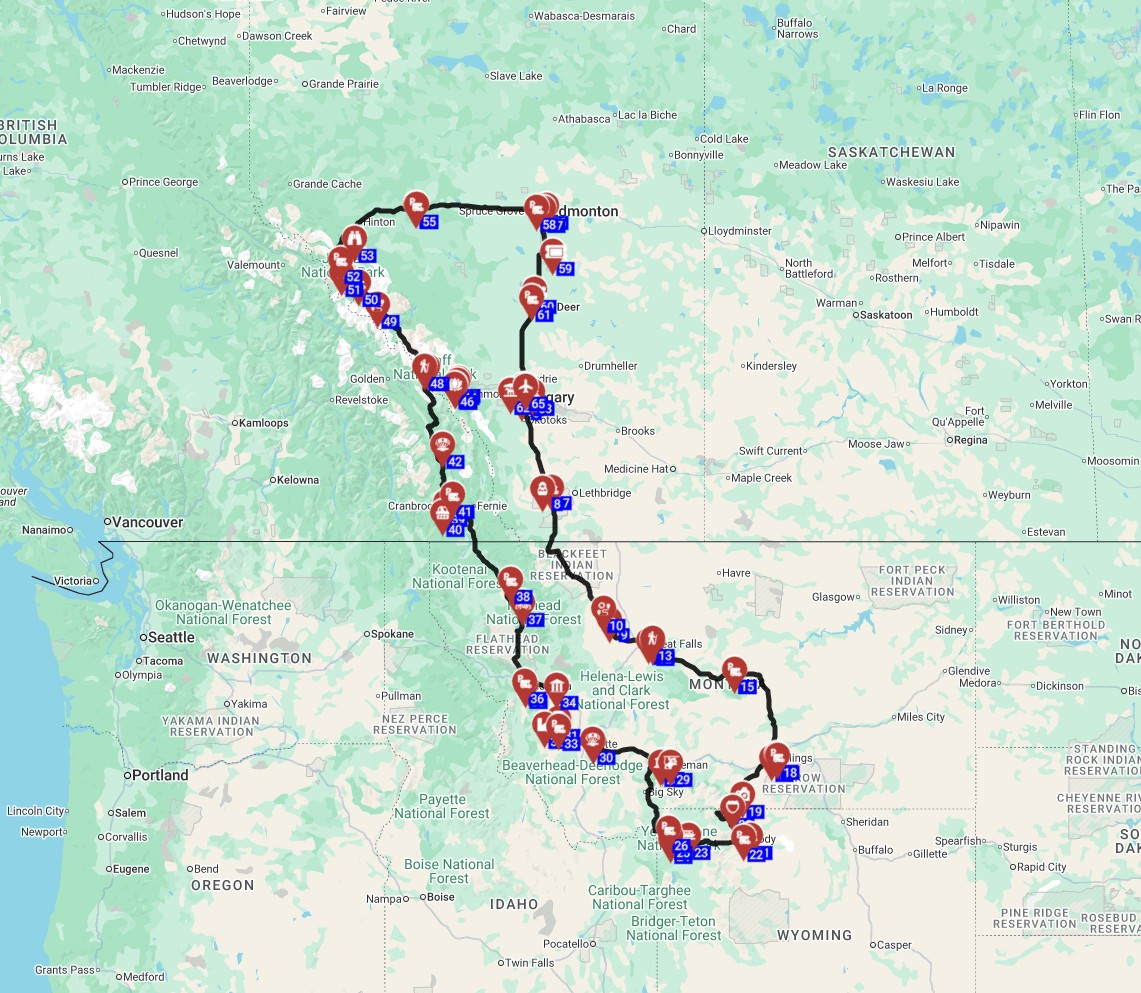
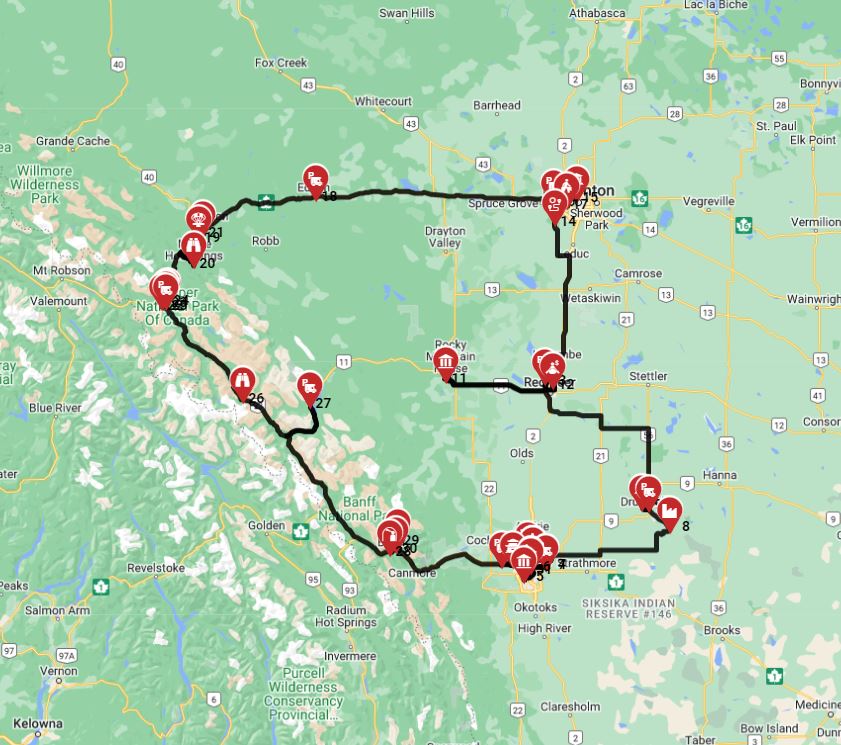
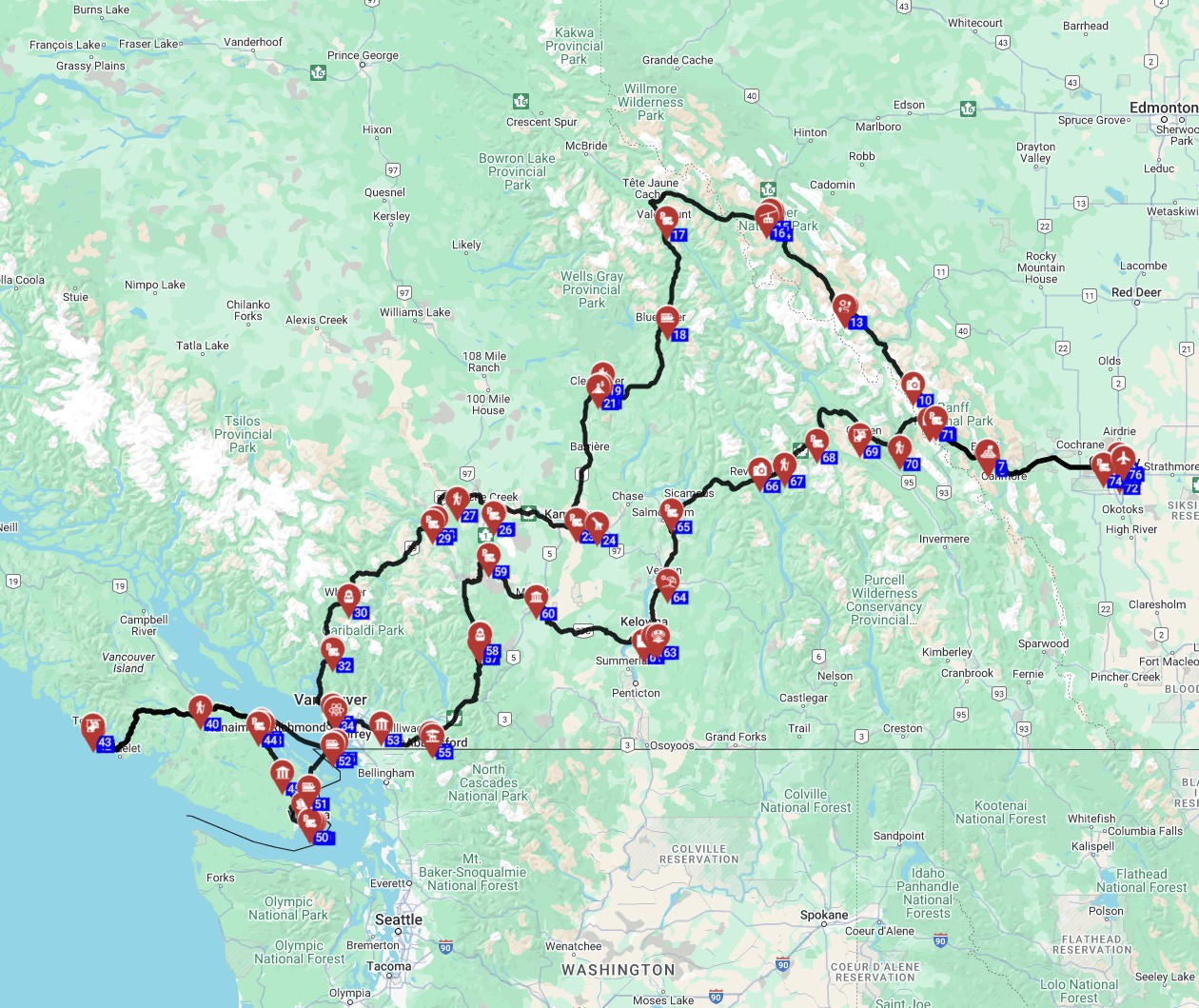
While the iconic Icefields Parkway (Highway 93N) connecting Banff and Jasper National Parks is widely celebrated as a premier RV route in Canada for its breathtaking mountain scenery, the 'best' route ultimately depends on individual preferences for scenery, activities, and solitude. This 232 km stretch through the Rockies offers numerous campgrounds and stunning viewpoints.
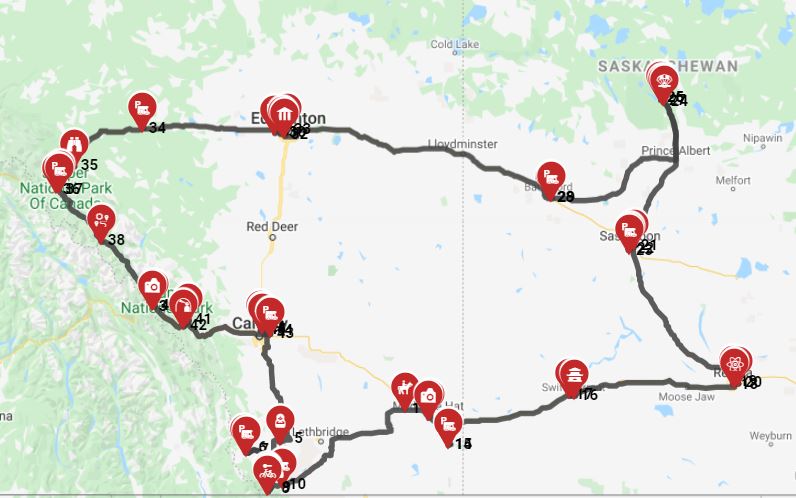
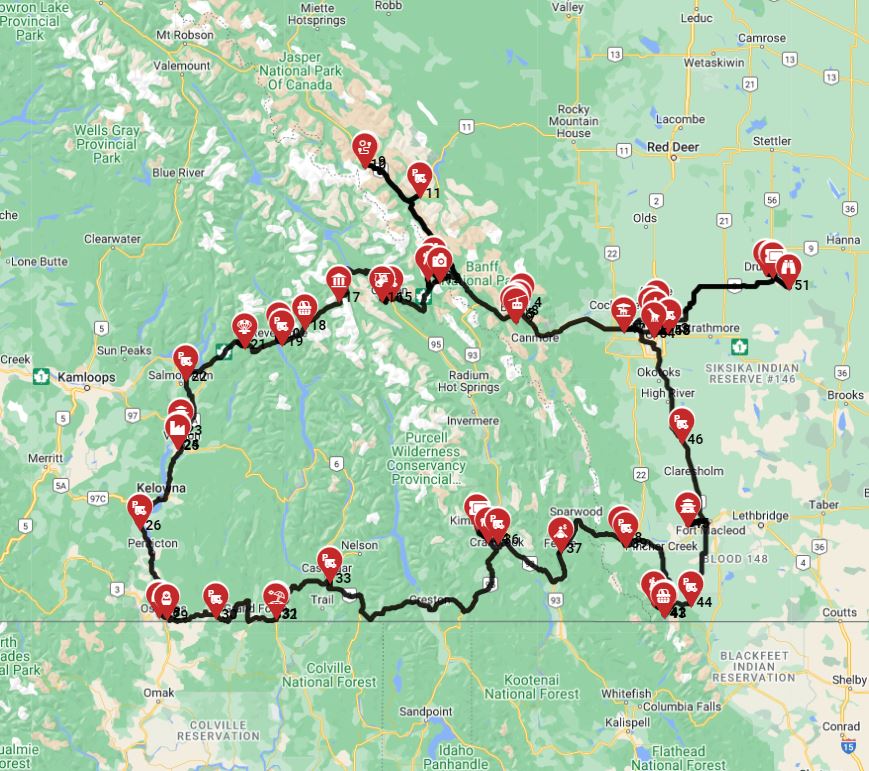
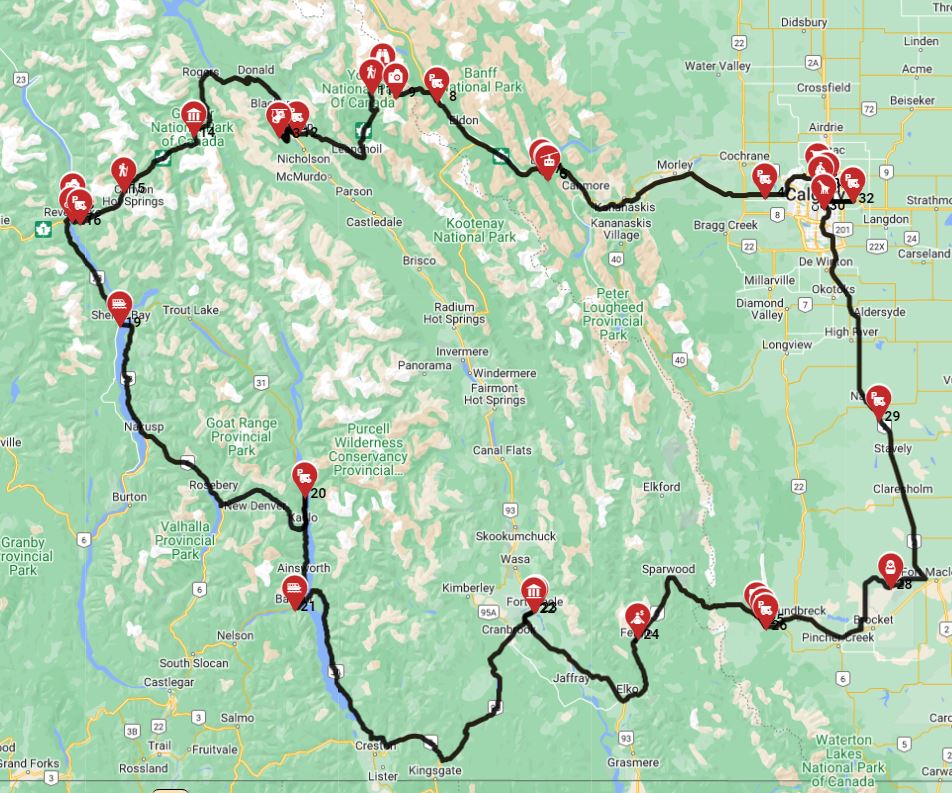
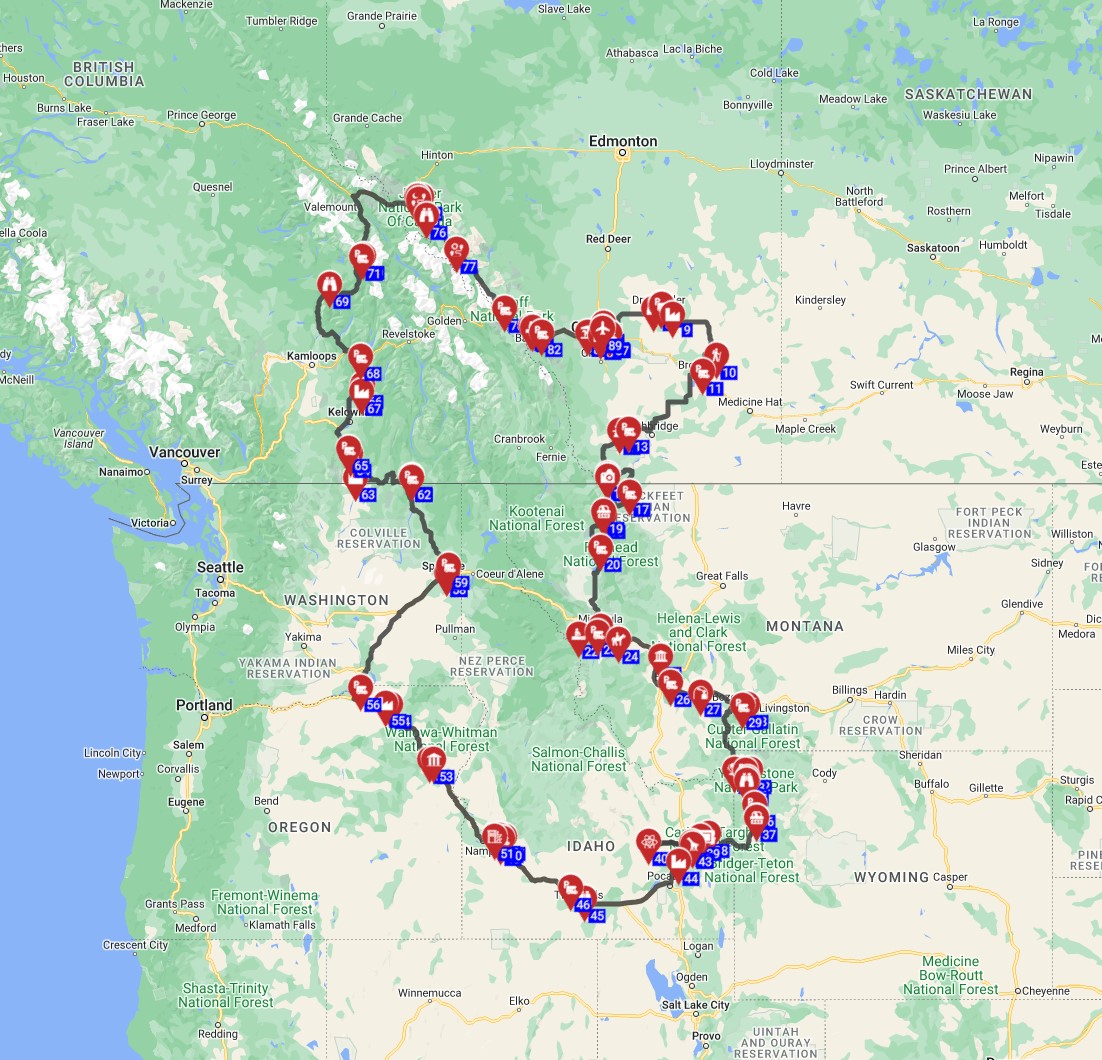
For those seeking stunning coastal scenery and wilderness, exploring Vancouver Island's Pacific Rim Highway or the Gulf Islands offers a unique experience beyond the mountains. Alternatively, the picturesque Okanagan Valley in BC caters to wine and outdoor enthusiasts, while Alberta's Cowboy Trail provides a journey through authentic Western heritage, offering equally stunning but less-trodden paths. With RV PLANET (rvplan.net), our sister company, you can discover over 1,300 pre-planned routes across 5 continents, including detailed itineraries for West Canada, and even get a 25% planning discount when you use it.
This "

What do I need to know before renting an RV for the first time in Canada?
First-time RV renters in Canada should thoroughly familiarize themselves with the vehicle's operation, including water, electrical, and waste systems, by watching instructional videos and asking the rental company for a detailed walkthrough. Bandana partners with leading suppliers like El Monte and Cruise America, who provide comprehensive orientations to ensure you feel confident before heading out.
Understanding your insurance options is crucial; ensure you have adequate coverage for liability, collision, and personal belongings, potentially supplementing with rental company offerings or personal policies. You can upgrade to a top-level deductible for extra peace of mind, a key differentiator with Bandana. Prepare for diverse driving conditions in West Canada, including mountain passes and remote areas, by planning fuel stops, practicing wide turns, learning about wildlife safety, and having an emergency plan and kit onboard. Remember, our 24/7 support means real people are behind you before and after your booking, coordinating all the details for a seamless pick-up and return.
Where can I RV for free in Canada?
In West Canada, opportunities for free RV camping, commonly known as boondocking or wild camping, are primarily found on designated Crown Land within British Columbia and Alberta. These lands, managed by the provincial governments, offer a unique way to experience the wilderness without campground fees.
To legally boondock, RVers must research and adhere to specific provincial regulations, which often include limits on how long you can stay in one spot (e.g., typically 14 to 21 days) and strict 'Leave No Trace' principles to minimize environmental impact. While private parking lots (like some Walmarts or casinos) may occasionally permit overnight stays with management's explicit permission, consistently legal and dedicated free camping is predominantly on remote Crown Land, requiring self-sufficiency for water, waste, and power. Always verify local rules before stopping, and use resources like RV PLANET (rvplan.net) for finding both paid and free spots along your route.
What You Shouldn't Miss
- **Drive the Icefields Parkway:** This 232 km scenic route connecting Banff and Jasper National Parks offers breathtaking glaciers, turquoise lakes like Lake Louise, and abundant wildlife viewing opportunities. There are numerous campgrounds along the way, including the popular Tunnel Mountain Village in Banff.
- **Explore Vancouver Island:** Venture beyond the mainland to discover the rugged Pacific coastline of Tofino, the ancient rainforests of Cathedral Grove, and charming towns like Victoria and Duncan, home to the world's largest hockey stick. Consider our "One-Way RV Rental in West Canada - Price Guide 2026" for flexibility in your trip planning.
- **Visit the Okanagan Valley:** Experience Canada's only true desert in Osoyoos, relax by the warm waters of Osoyoos Lake, and tour the region's renowned wineries and fruit orchards. It's a delightful change of scenery from the mountain peaks.
- **Discover Jasper National Park:** As the largest national park in the Canadian Rockies, Jasper offers a quieter, wilder experience than its southern counterpart, Banff. Enjoy hiking, wildlife spotting, and exploring attractions like Maligne Lake and Spirit Island.
- **Hike in Yoho National Park:** Just west of Banff, Yoho National Park boasts impressive waterfalls like Takakkaw Falls, the stunning Emerald Lake, and unique geological formations, offering diverse hiking trails for all skill levels.
🎬 Video coming soon
Final Thoughts
Exploring West Canada with a rented motorhome or campervan is an unparalleled way to experience its majestic landscapes, from the towering peaks of the Rockies to the serene Pacific coast. With Bandana RV, you're not just booking a vehicle; you're gaining a partner dedicated to making your adventure smooth, transparent, and unforgettable. Our expertise, combined with reliable support and a commitment to honest pricing, sets the stage for an incredible journey.
Remember to embrace the spirit of slow travel, allowing yourself the time to truly immerse in the local culture, savor the cuisine, and connect with the stunning natural beauty around every bend. Whether it's your first time behind the wheel of a mobile home or you're a seasoned RVer, West Canada promises a wealth of discovery. We handle the details, you live the journey.
Ready to discover the perfect RV driving deals in West Canada? Compare Motorhome Prices for West Canada and start planning an unforgettable escape today!