In This Guide
- Can You Drive an RV in Miami? License & Age Rules
- Road Conditions & Terrain in Miami
- RV Size Limits, Bridges & Restricted Zones
- Fuel: Diesel vs. Petrol & Cost per 100 km
- Tolls, Vignettes & Border Rules
- Driving Tips for rv rental deals Travelers
- Recommended RV Class for Miami Roads
- Should I Choose a Compact Van Instead of a Large RV in Miami?
- Can I Park Anywhere? Free & Wild Camping Rules in Miami
- Can I Drive an RV Into the City Center? Heights, Tunnels & Local Signage
- What is the 3-3-3 rule for RVs and campers?
- Do you have to get a license for renting an RV?
- What is the new RV law in Florida?
- How much does it cost to rent an RV in Miami?
- Is it cheaper to rent an RV or stay in a hotel?
- How much does it cost to insure a rental RV?
Can You Drive an RV in Miami? License & Age Rules
Yes, you can absolutely drive a rented RV in Miami, as a standard Class E driver's license is typically sufficient for operating most recreational vehicles under 26,001 pounds (11,794 kg) within Florida, which covers the vast majority of rental motorhomes and campervans. This means you won't need any special licenses or permits beyond your regular car driver's license. Many rental companies require drivers to be at least 21 years old; however, some larger Class A motorhomes might have a minimum age of 25 with certain suppliers, though Bandana aims to offer options without such restrictions. International visitors whose national driver's license is not in English are strongly recommended to obtain an International Driving Permit (IDP) before arriving in Miami, although it's not always mandatory. It simply makes interactions with local authorities and rental agencies smoother.
Planning your route and understanding local driving customs will make your Miami motorhome rental experience a breeze. Remember, we're true RV specialists, not just a travel agency side department, and we're here to help you navigate these details. You can upgrade to a top-level deductible for extra peace of mind, allowing you to travel without unnecessary worries about unexpected costs.
Road Conditions & Terrain in Miami
Miami's road conditions are generally flat and well-maintained, characterized by multi-lane highways like I-95 and Florida's Turnpike, though urban areas can present heavy traffic, numerous bridges, and frequent construction, requiring careful and patient RV navigation. The predominantly flat terrain makes driving a rented motorhome significantly less physically demanding compared to mountainous regions. Within the city, expect urban density with major arteries leading to the downtown core, South Beach, and surrounding neighborhoods like Wynwood and Little Havana. These areas are perfectly navigable with common sense and attention.
The key is to drive slowly and carefully; you can drive almost anywhere without issues. No need to stress - just use common sense and pay attention to signage, especially for turns and lane changes. While exploring, remember to slow travel, aiming for a maximum of 100-150 km per day on average, to truly connect with Miami's vibrant culture, diverse food scene, and stunning scenery. This approach ensures you experience the real Florida, from the lively streets of Calle Ocho to the serene beaches of Key Biscayne.
RV Size Limits, Bridges & Restricted Zones
Miami generally does not have widespread RV-specific size limits on its main roads and highways, but drivers of rented motorhomes must be particularly aware of potential height restrictions for tunnels, low bridges, and parking garages, especially within the dense urban centers like Downtown Miami and Brickell. Overhead clearance signs are crucial to observe, particularly on side roads, older underpasses, and when entering any covered parking facility. While specific environmental zones or ferry limits are not common issues affecting RVs in Miami-Dade County, always plan your route using up-to-date GPS navigation that can account for oversized vehicles, such as the widely available "C-Medium Plus" model that offers comfort for families.
Always double-check signage before proceeding into unknown areas. For example, some approaches to Miami Beach might have specific restrictions or tighter turns for larger vehicles. Remember, Bandana is with you before, during, and after your booking, providing support and clear information, so you can confidently drive your chosen campervan or motorhome. We compare final prices across 50+ suppliers, ensuring you find the easiest, safest, and most affordable way to rent an RV without surprises.
Fuel: Diesel vs. Petrol & Cost per 100 km
Most rental motorhomes in Miami, particularly popular models like the Class C Alcove (e.g., a "Cruise America Explorer" with a 75 Liter fuel tank) and many Class A Integrated units, operate on petrol (gasoline), which is widely available at numerous service stations across the city and throughout Florida. A typical Class C Alcove motorhome averages around 23-35 Liters per 100 km (or 7-10 miles per gallon), making fuel costs a significant component of your overall trip budget. Some larger Class A motorhomes or "diesel Pusher" models do use diesel fuel, which is also readily available at larger truck stops and many regular gas stations. On the routes offered through RV PLANET routes, you can itemize and track every expense along the way for easy budgeting.
When budgeting for your Miami RV adventure, factor in these consumption rates and current fuel prices. For a clearer picture of your total expenses, including fuel and other ancillary costs, remember that RV PLANET routes allow you to itemize and track every expense along the way for easy budgeting. This full transparency ensures no surprises during your adventure. Always verify the fuel type of your specific rented RV before filling up.
Tolls, Vignettes & Border Rules
Florida has numerous toll roads, particularly concentrated around Miami-Dade County, which are predominantly cashless and require an electronic transponder like SunPass, with many RV rental companies offering convenient pre-purchased toll passes or transponders to help travelers avoid fines. Key toll routes include Florida's Turnpike, the I-95 Express Lanes, and various roads managed by the Miami-Dade Expressway Authority (MDX). Cashless tolls mean that without a transponder, you might incur higher "Toll-by-Plate" surcharges and potential administrative fees from your rental provider, such as with a Class C Alcove like the "24' Class C Motorhome".
It's always best to inquire with your chosen RV rental company about their toll payment solutions. No physical vignettes are required for Florida roads, and no special border rules apply when driving your rented campervan from Miami to neighboring U.S. states, allowing for seamless multi-state road trips. Our full transparency promise means you'll know about any toll pass options and associated costs upfront.
Driving Tips for rv rental deals Travelers
When driving a rented RV in Miami, prioritizing defensive driving is crucial, along with allowing extra braking distance, being mindful of your turning radius in urban settings, and planning routes to proactively avoid exceptionally tight streets and low clearances. RVs, even smaller campervans like the "Active Pop Top" model, are heavier and take longer to stop than standard cars, so maintain a greater following distance. Miami's grid system is generally easy to navigate, but busy intersections and multi-lane highways require constant vigilance.
Always check your mirrors frequently, especially before changing lanes or turning, as RVs have larger blind spots. Secure all items inside your motorhome before driving to prevent shifting, damage, or driver distraction. For families traveling with pets, ensure adequate ventilation and water, especially during Florida's warm temperatures; consider using dog parks like Tropical Park or Amelia Earhart Park for breaks. For urban safety, secure your RV properly overnight and avoid leaving valuables visible. Drive slowly and carefully, and you can drive almost anywhere without issues. No need to stress - just use common sense and pay attention to ensure a smooth and enjoyable journey through South Florida. You'll find many opportunities to cook delicious meals on board; check out our RV-friendly recipes playlist for inspiration!
Recommended RV Class for Miami Roads
For navigating Miami and its surrounding areas, Class B Camper Vans (averaging 6.1m in length with 4 sleeping places, like the "2 Berth Hi Top" campervan) or Class C Alcoves (averaging 8m in length with 5-6 sleeping places, similar to a "Cruise America Explorer") are generally recommended due to their excellent balance of maneuverability and comfortable living space. Class B campervans offer the easiest parking and urban navigation, ideal for couples or small families wanting to explore city attractions like South Beach and Wynwood Arts District.
Class C motorhomes provide more interior amenities, including private bathrooms and larger kitchens, making them perfect for extended road trips down to the Florida Keys or through the Everglades National Park. While Class A Integrated motorhomes (average length 8.9m, 8 sleeping places) offer the most luxury and space, they require more careful navigation and advance planning for parking. Your choice should align with your group size, desired amenities, and comfort level with a larger vehicle. We, as true RV specialists, help you find the perfect match for your Miami RV rental adventure.
Should I Choose a Compact Van Instead of a Large RV in Miami?
While a compact camper van offers easier parking and more agile navigation in congested Miami areas, larger motorhomes often provide significantly more living space and amenities, which can be preferable for longer trips or families and typically do not pose insurmountable driving challenges in Miami. For instance, a Class B Camper Van, like the "Active Pop Top" (approximately 5.99m long), excels in urban environments, allowing easier access to city parking and tighter spaces near attractions such as Vizcaya Museum and Gardens. This makes it a great choice for travelers prioritizing city exploration and flexibility.
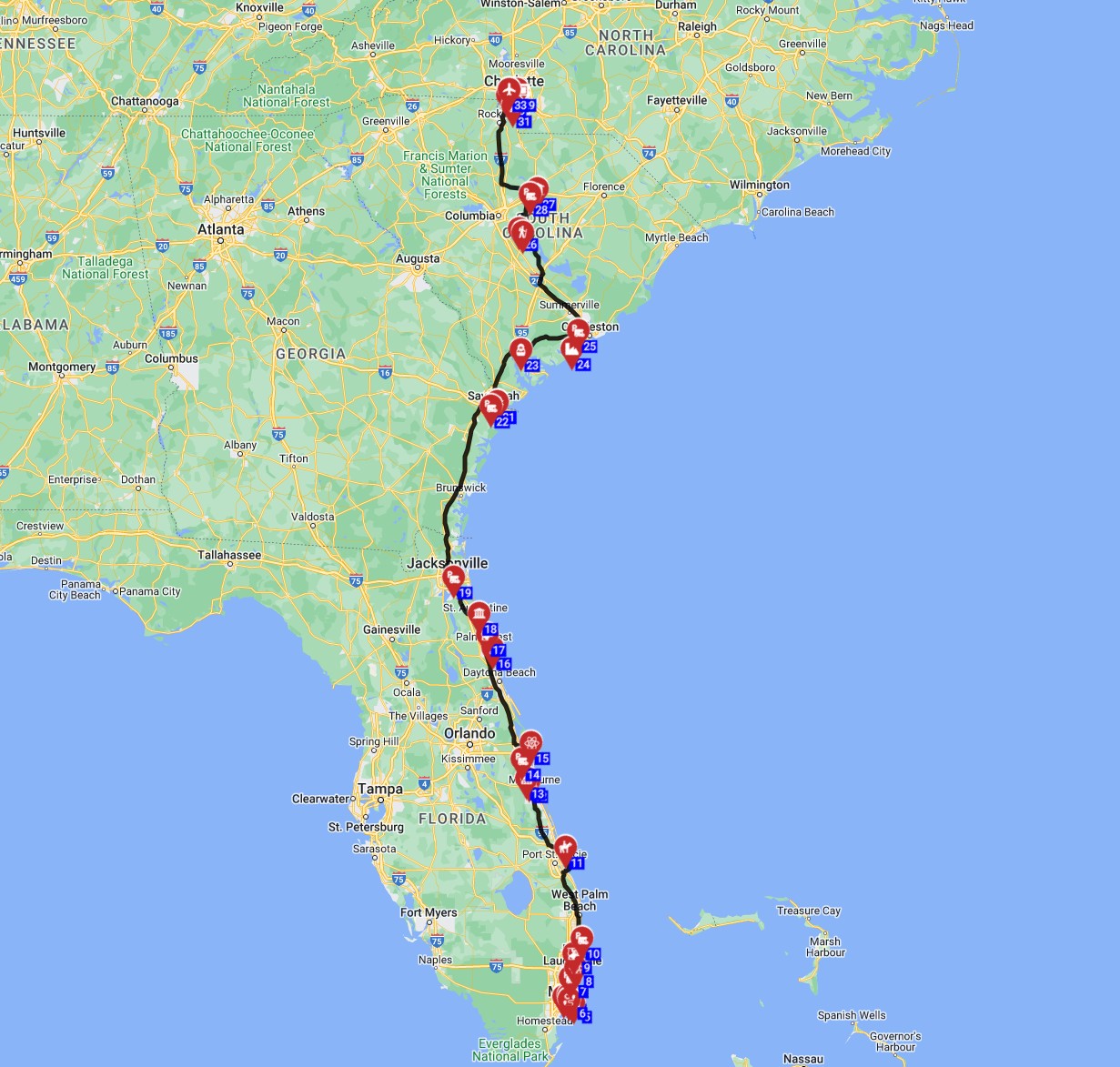
However, larger Class C (e.g., "MHC24" with sleeping for 6) or Class A motorhomes ("MHLUX" sleeping 7) feature private bathrooms, full kitchens, and dedicated sleeping areas, greatly enhancing comfort for longer stays or larger families. Miami's main roads and highways are generally accommodating for all motorhome sizes. Drive slowly and carefully, and you can drive almost anywhere without issues. No need to stress - just use common sense and pay attention. The decision ultimately depends on your group size, preferred level of comfort, and travel itinerary, from a quick trip to Fort Lauderdale to a month-long adventure from Miami to New York.
Can I Park Anywhere? Free & Wild Camping Rules in Miami
In Miami, free or "wild camping" (boondocking) is generally not permitted in public areas, city streets, or national/state parks outside of designated campgrounds, making planned overnight stays at official RV parks or private properties essential for compliance with local ordinances. Overnight parking a rented motorhome on city streets or in undesignated public lots is typically illegal in Miami-Dade County and can result in fines or towing. The best and safest options for overnight stays are designated RV campgrounds and private RV resorts, such as Miami Everglades RV Resort or Larry and Penny Thompson Memorial Park.
While some national retailers like Walmart may occasionally permit overnight RV parking in their private lots, this is strictly at the individual store manager's discretion, so you must always ask permission first. Always check local regulations before parking overnight, as rules can vary by municipality and may change. For finding campsites and campgrounds during your trip, we recommend using RV PLANET (rvplan.net) - a great resource for locating available spots along your route. You'll find a spot. If not at the first campground, then the next one. Call ahead before driving.
Can I Drive an RV Into the City Center? Heights, Tunnels & Local Signage
Yes, you can generally drive a rented RV into Miami's city center, but it absolutely requires careful attention to local signage for height limits (especially for parking garages and some tunnels), traffic congestion, and the significant challenge of finding suitable parking. Most main thoroughfares leading into downtown Miami, such as Biscayne Boulevard or Brickell Avenue, are accessible to motorhomes. However, be extremely vigilant for height restrictions when approaching tunnels or attempting to enter parking garages, as many of these facilities are simply too low for standard RVs.
Miami traffic can be dense, particularly during peak hours, necessitating patient and defensive driving with your campervan. Finding RV-friendly parking in the city center is difficult and often requires advance planning or utilizing designated oversized vehicle parking areas if available. Public parking lots often have height restrictions, making street parking or designated RV lots near the fringes of the city a more practical option. Drive slowly and carefully, and you can drive almost anywhere without issues. No need to stress - just use common sense and pay attention to make your urban RV exploration smooth and enjoyable.
What is the 3-3-3 rule for RVs and campers?
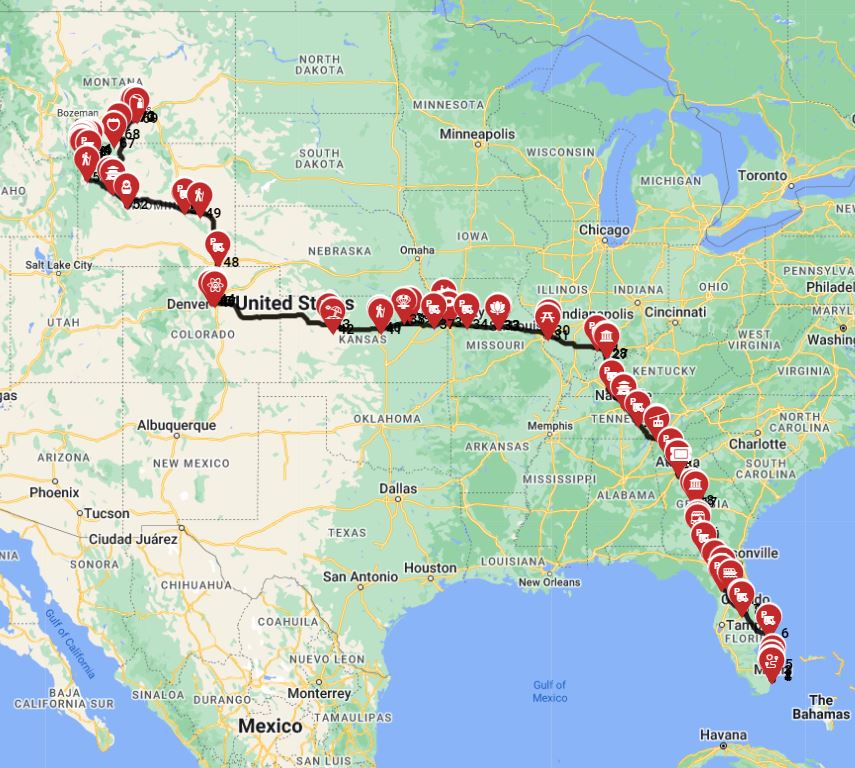
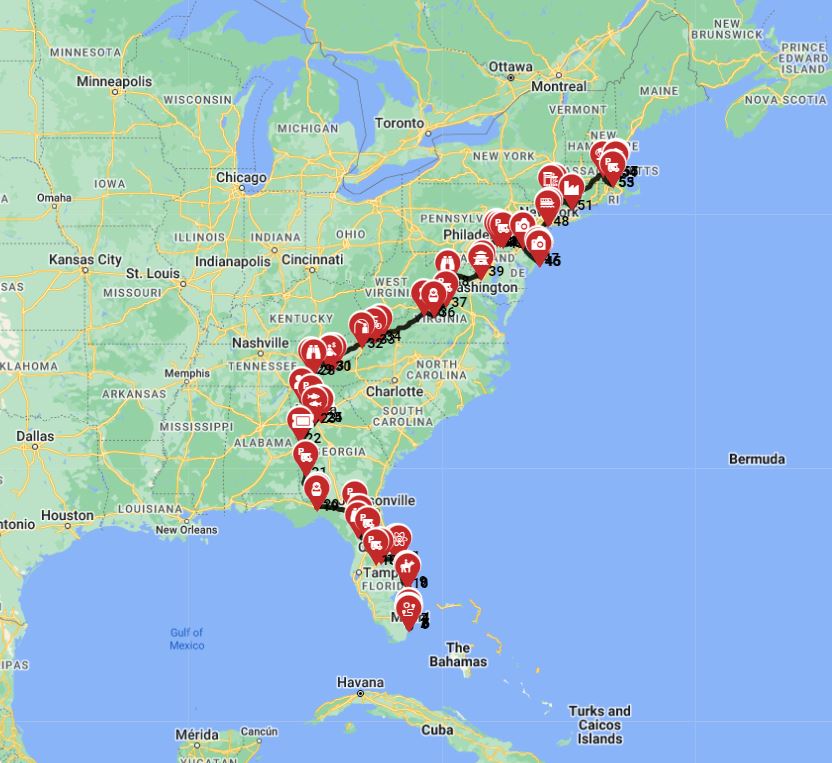
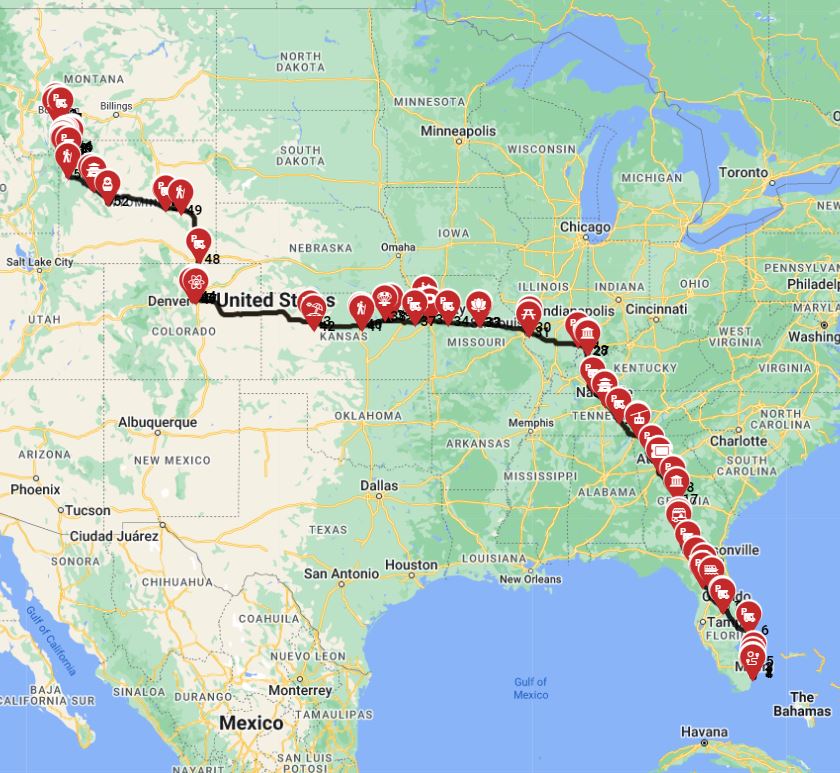
The "3-3-3 rule" for RVing is a popular guideline suggesting drivers of rented motorhomes travel no more than 300 miles (approximately 480 km) a day, arrive at their destination by 3 PM, and stay at least 3 nights to ensure a relaxed and enjoyable travel experience. This rule is designed to prevent driver fatigue, allowing ample time for sightseeing and leisurely enjoyment of each stop rather than rushing from one location to the next. For instance, on a Miami to New York trip of 5650.8 km, adhering to this rule would mean over 18 days of driving, ensuring you savor every moment.
Arriving by 3 PM provides sufficient daylight to set up camp, connect utilities, explore the immediate area, and address any unforeseen issues before nightfall. Staying at least 3 nights at each location minimizes the constant packing and unpacking of your camper or caravan, allowing for deeper immersion in the destination's culture, food, and scenery. This philosophy aligns perfectly with our recommendation to travel slowly, maximizing your connection to the places you visit.
Do you have to get a license for renting an RV?
For most recreational vehicles (RVs) available for rent in Miami, a standard Class E driver's license (or an equivalent non-commercial driver's license from your home state or country) is sufficient, provided the RV's Gross Vehicle Weight Rating (GVWR) is under 26,001 pounds (11,794 kg). This weight limit covers virtually all Class B, Class C, and many smaller Class A motorhome rentals you'll find through Bandana's partners like Cruise America or El Monte. Rental companies typically have a minimum age requirement, which is 21 years old across most Bandana suppliers, without additional young driver surcharges or vehicle class restrictions based on age.
International visitors with driver's licenses not issued in English should obtain an International Driving Permit (IDP) prior to arrival, though it is not mandatory in most cases; it simply aids communication. Always confirm specific licensing and age requirements directly with your chosen RV rental company through our platform for complete peace of mind. Our full transparency policy ensures all requirements are clear upfront, so there are no surprises.
What is the new RV law in Florida?
There isn't one single "new RV law" in Florida that dramatically alters general RV operation statewide; instead, Florida laws are continuously updated, often focusing on issues like mobile home park regulations, specific vehicle modifications, or local county ordinances regarding RV parking and residency. Recent legislative changes typically pertain to specific aspects such as tinting laws, titling, or registration of RVs, rather than broad operational changes affecting rented motorhomes like a "Patagonia Camper 4x4 double cab" or a "29' Class C Motorhome."
Miami-Dade County, like other local jurisdictions, may have specific ordinances regarding RV parking on residential streets or private property, which can change. For example, some neighborhoods might restrict overnight parking for oversized vehicles. Travelers should always consult the Florida Highway Safety and Motor Vehicles (FLHSMV) website and local Miami-Dade County ordinances for the most current and specific regulations that might impact their RV rental trip. Bandana's true RV specialists can help provide general guidance and resources for staying informed.
How much does it cost to rent an RV in Miami?
The cost to rent an RV in Miami is dynamic, similar to flight tickets, and can vary widely, typically ranging from $100 to $300+ per night depending on the RV class, rental duration, season, and chosen amenities. For instance, a compact Class B Camper Van like the "Juliette 2-3" might start at the lower end, while a larger, more luxurious Class A Integrated motorhome such as the "Active First" will command a higher daily rate. Peak season in Miami, generally from December to April, sees higher prices due to increased demand and pleasant weather.
Additional mandatory costs often include mileage fees (if not unlimited), preparation fees, cleaning fees, and local sales tax. Beyond the rental fee, expect extra expenses for fuel (a Class C Alcove like "CA-25" consumes around 23 Liters per 100 km), campground fees ($30-$100+ per night for Miami Everglades RV Resort or Hollywood KOA), propane, dumping station costs, and potential tolls. Our full transparency policy means you'll see all these costs upfront. For families, renting a 6-berth motorhome like a "Group G" could average $180-$350/night, while couples opting for a smaller campervan, like the "Category Van AT", might pay $100-$200/night. Bandana helps you compare final prices across 50+ suppliers in 30+ currencies, ensuring you find the best deal for your budget.
Is it cheaper to rent an RV or stay in a hotel?
Whether it's cheaper to rent an RV or stay in a hotel in Miami depends heavily on factors like your group size, trip duration, desired amenities, and travel style, but for families or longer trips, a rented RV often offers competitive or lower overall costs when considering accommodation, transportation, and cooking savings. For a family of four or five, staying in separate hotel rooms in popular Miami areas like South Beach or Downtown can quickly exceed $400-$700+ per night, not including the added expenses of dining out for every meal and potentially a rental car with parking fees.
With a rented motorhome, such as a 5-person "RV rentals utah example Sunrise Escape" or a 6-berth "Euro Deluxe" Class C, you combine accommodation and transportation into one flexible package. The initial rental cost (e.g., $100-$300+ per night) must be weighed against campground fees ($30-$100+), fuel, and groceries. However, the ability to prepare your own meals in the RV's kitchen significantly reduces food costs. Plus, the unparalleled freedom to explore Miami's diverse attractions, from Everglades National Park to the Florida Keys, often provides a value that hotels simply can't match. We offer true RV specialists who can guide you through this comparison, ensuring you find the easiest, safest, and most affordable way to travel.
How much does it cost to insure a rental RV?
The cost to insure a rental RV in Miami is typically incorporated into the overall rental price or presented as an optional add-on, generally ranging from $15 to $50+ per day depending on the coverage level, deductible options, and the specific rental company's policy. Most RV rental companies, including Bandana's partners, provide basic liability insurance as part of the rental agreement, but collision and comprehensive coverage might be an additional expense or available as an upgrade to a top-level deductible for extra peace of mind. This optional upgrade means you travel with reduced financial liability in case of an incident.
It is advisable to check with your personal auto insurance provider, as some policies offer a rider that extends coverage to rental vehicles, though RVs are often excluded. Similarly, while certain credit card companies provide rental car coverage, RVs are frequently not included, so verify your card's specific terms before purchasing extra insurance. Always review the rental agreement meticulously to understand what insurance is included, what is optional, and your exact financial liability. Bandana provides transparent pricing with no hidden fees, helping you understand all costs associated with your chosen motorhome rental.
What You Shouldn't Miss
- **Cruise to Key West:** Embark on a scenic drive down US-1 South in your rented RV, crossing 42 bridges and countless islands to reach Key West. Enjoy the iconic Mallory Square sunset celebration and explore the vibrant southernmost point of the continental U.S.
- **Explore Everglades National Park:** Just a short drive west from Miami, this UNESCO World Heritage site offers unparalleled wildlife viewing. Take an airboat tour to spot alligators, visit the Shark Valley Visitor Center for a tram ride or bike adventure through the sawgrass prairies, and discover the unique ecosystem with your rented campervan.
- **Discover Biscayne National Park:** Head east to explore the predominantly underwater wonders of Biscayne National Park. While your motorhome can't go underwater, the Dante Fascell Visitor Center provides land access, and you can book boat tours or rent kayaks to explore the mangrove forests and stunning coral reefs.
- **Immerse in Art Deco Historic District:** Park your RV at a nearby lot and stroll through South Beach's Art Deco Historic District. Admire the pastel-colored buildings, vibrant nightlife, and iconic Ocean Drive architecture.
- **Experience Little Havana's Culture:** Drive your campervan to Little Havana and walk down Calle Ocho. Experience the Cuban culture, enjoy a cafecito, watch cigar rolling, and listen to live music. It's a taste of Cuba right in Miami.
- **Relax at Bahia Honda State Park:** Although a bit further south in the Keys, this park offers some of the most beautiful beaches in Florida and fantastic RV camping spots. Perfect for a multi-night stay to enjoy swimming, snorkeling, and stunning sunsets.
Looking for expert insights from Avi Bandana? Top 5 Adventures - recommendations from Avi Bandana
🎬 Video coming soon
Final Thoughts
Exploring Miami and its breathtaking surroundings by rented RV offers unparalleled freedom and flexibility, allowing you to immerse yourself in everything from vibrant city life to the serene wilderness of the Everglades. By understanding the driving rules, planning for tolls, and choosing the right motorhome size for your adventure, you're well on your way to an incredible journey.
Remember to travel slowly, max 100-150 km per day on average. Take time to feel the place, connect to the culture, the food, and the scenery. This mindful approach ensures you don't just see Miami, but truly experience it. We, at Bandana, are here to support your entire journey, from finding the perfect campervan to ensuring full transparency in pricing. Your adventure awaits!
Find Motorhome Rentals in Miami