In This Guide
- Where to Camp in Australia - Top Options
- Campground Types in Australia (National, Private, Wild)
- Featured RV Park or Campground in Australia
- Hookups & Amenities - What to Expect
- Booking Windows & Reservations in Australia
- Nearby Supermarkets & Resupply Points
- Best RV Class for Camping in Australia
- How to Save on Campgrounds in Australia
- Can you park an RV anywhere in Australia?
- What are RV parks called in Australia?
- Where can you park overnight for free in Australia?
- What is the average caravan park fee in Australia?
- How much do campsites cost in Australia?
- Are RVs allowed in Australia?
- How can I book campsites in Australia?
- Do you need to pre-book campsites in Australia?
- What is ghost camping in Australia?
- What You Shouldn't Miss
- Why Book with Bandana Caravan
- Final Thoughts
- Frequently Asked Questions
Where to Camp in Australia - Top Options
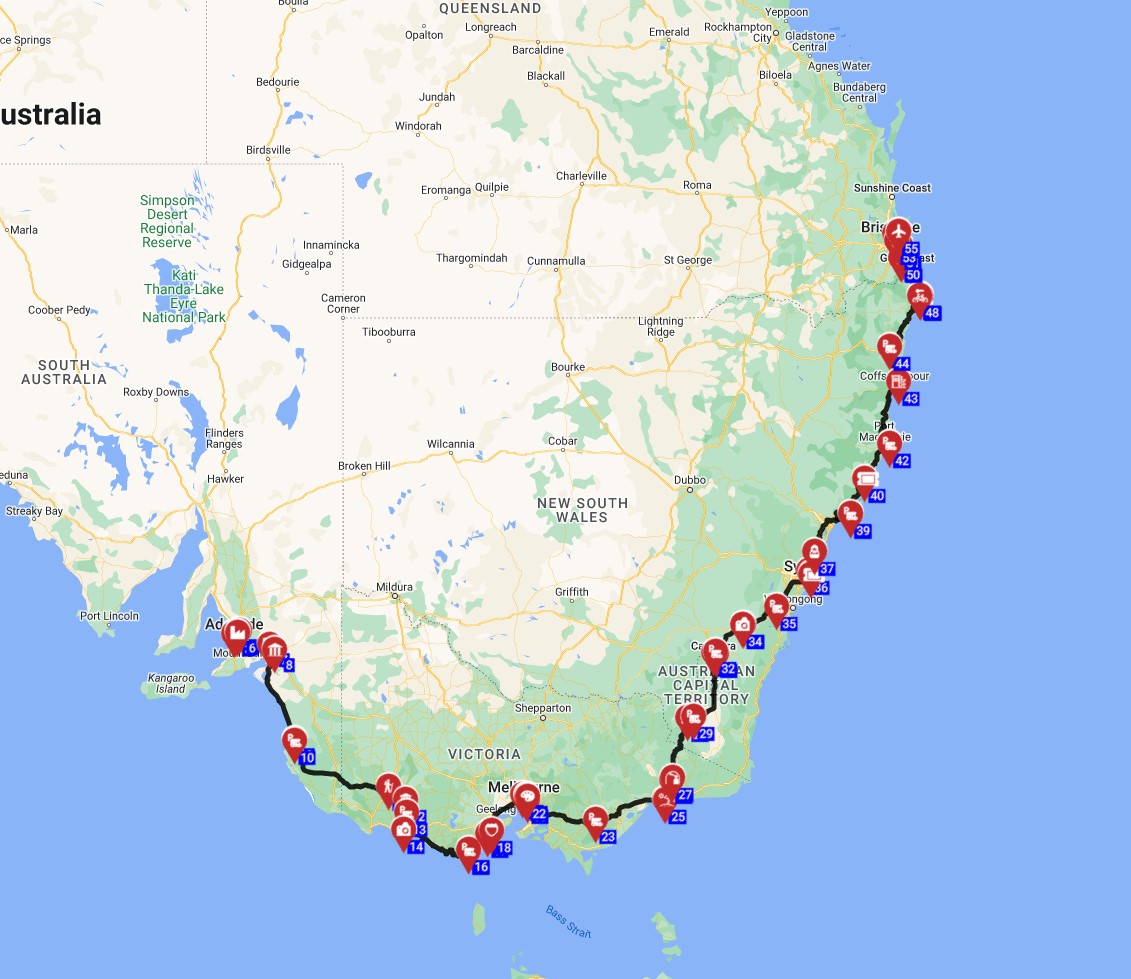
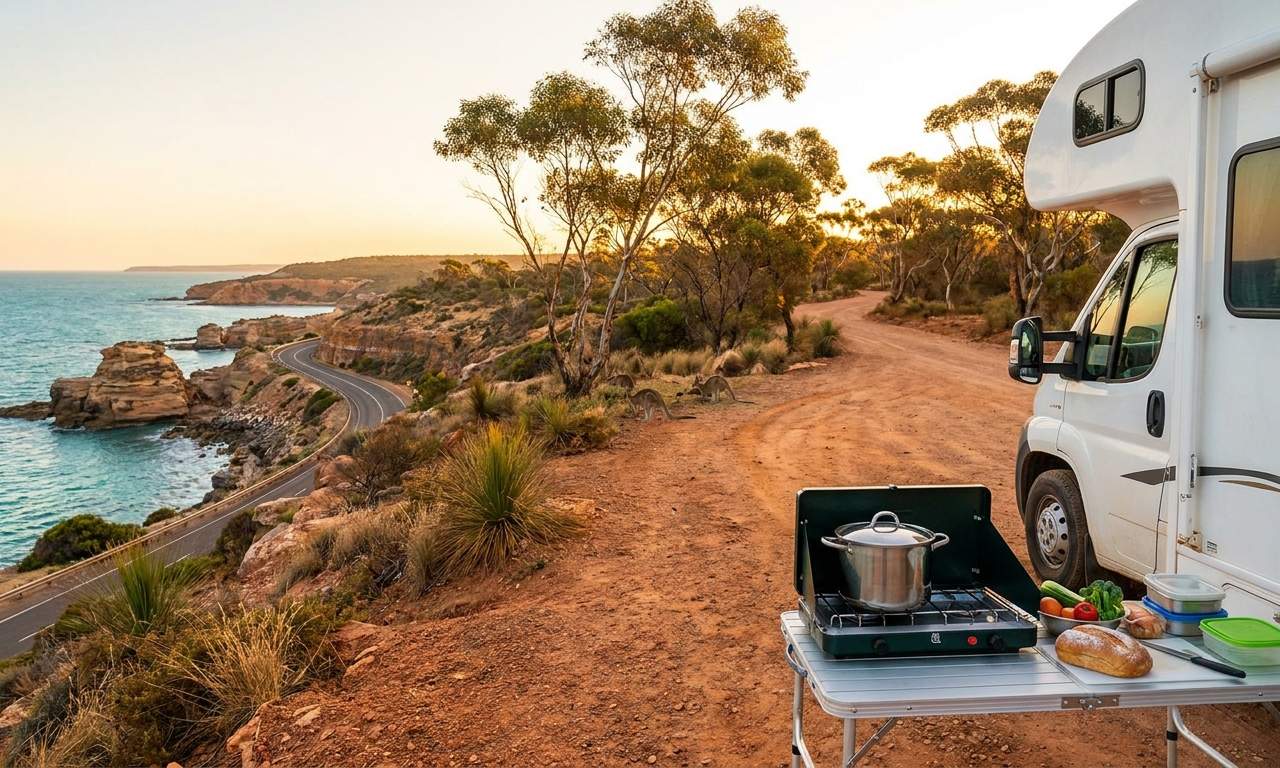
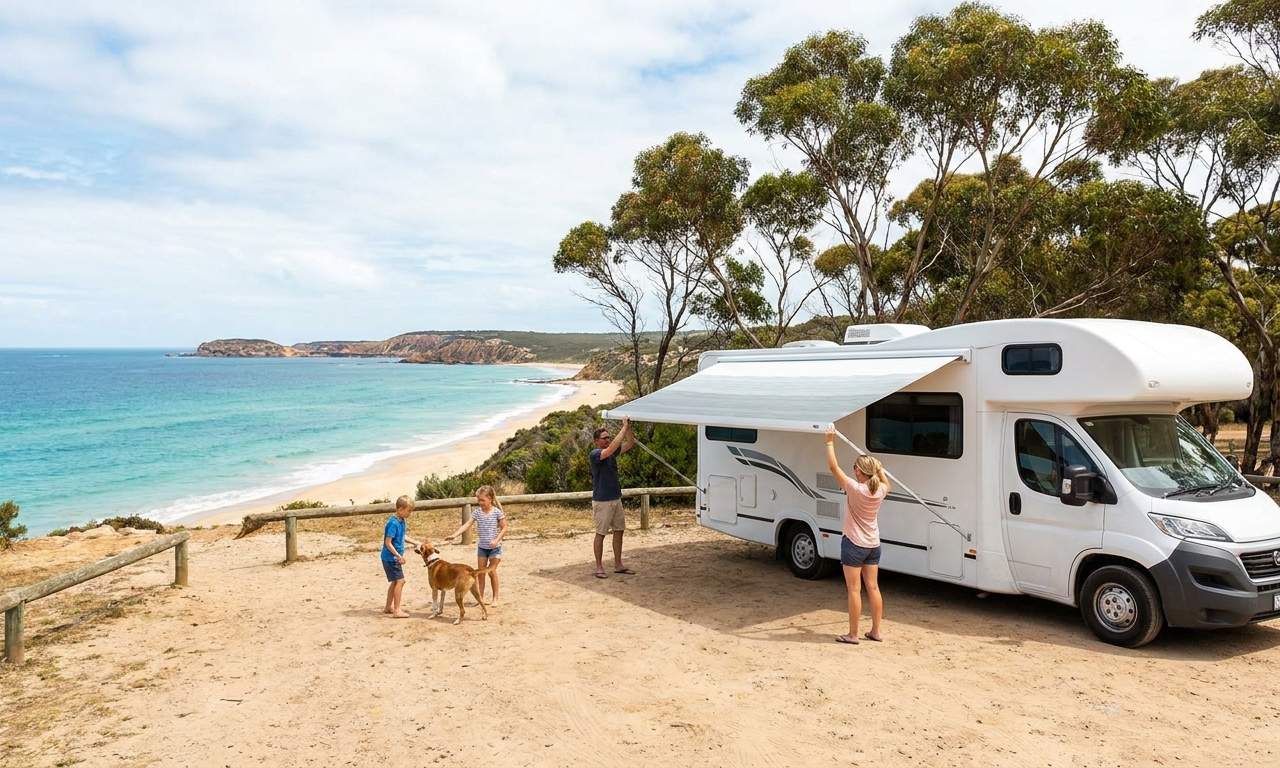 Australia boasts an incredible array of diverse camping experiences, from stunning coastal sites along the Great Ocean Road to rugged outback locations near Alice Springs, and lush rainforest retreats. Coastal destinations, such as the vibrant Byron Bay region in New South Wales or the idyllic Whitsundays in Queensland, provide direct beach access and opportunities for marine activities like snorkeling or sailing. These areas often feature well-equipped caravan parks where you can easily park your rented RV and enjoy the seaside lifestyle. National Parks, including the majestic Freycinet National Park in Tasmania or the iconic Kakadu National Park in the Northern Territory, offer immersive nature experiences with varying levels of facilities, perfect for connecting with Australia’s unique flora and fauna. Further inland, outback locations present unique opportunities for stargazing, gaining cultural insights, and experiencing a vast sense of wilderness, though these trips require more planning for water, fuel, and supplies. Remember, driving slowly, averaging 100-150 km per day, allows you to truly feel the place, connect to the culture, the food, and the scenery.
Campground Types in Australia (National, Private, Wild)
In Australia, RV travelers have three primary types of campgrounds to choose from: national park campgrounds, privately-owned caravan and holiday parks, and designated free or 'wild' camping areas, each with distinct rules and amenities. National Park Campgrounds offer natural settings, typically featuring basic facilities such as compost toilets and cold showers, and usually require permits or fees booked via state park websites. Strict rules often apply to vehicle size and duration of stay to preserve the natural environment. Private Caravan and Holiday Parks, on the other hand, provide comprehensive amenities like 240V AC powered sites, fresh water hookups, grey and black water dump points, hot showers, laundries, communal kitchens, and often additional perks such as swimming pools or playgrounds, with prices varying based on their offerings and popularity. Freedom or Wild Camping is legally permitted only in specific designated areas, such as some state forests or roadside rest areas clearly marked with signage, but is generally prohibited in urban areas and most national parks outside of official sites. Checking local government regulations or using apps like WikiCamps Australia is crucial to find legal spots and avoid fines.Featured RV Park or Campground in Australia
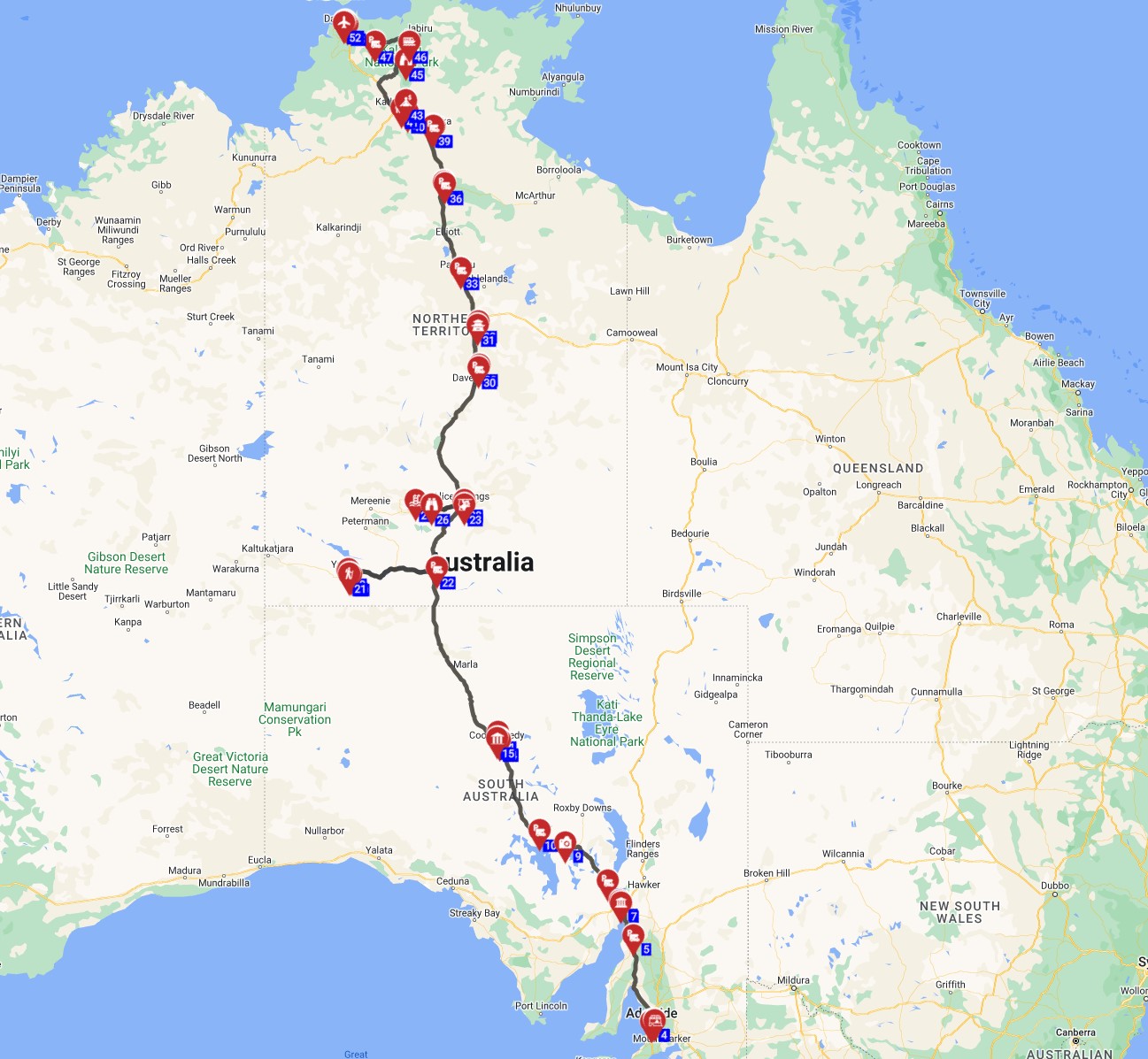
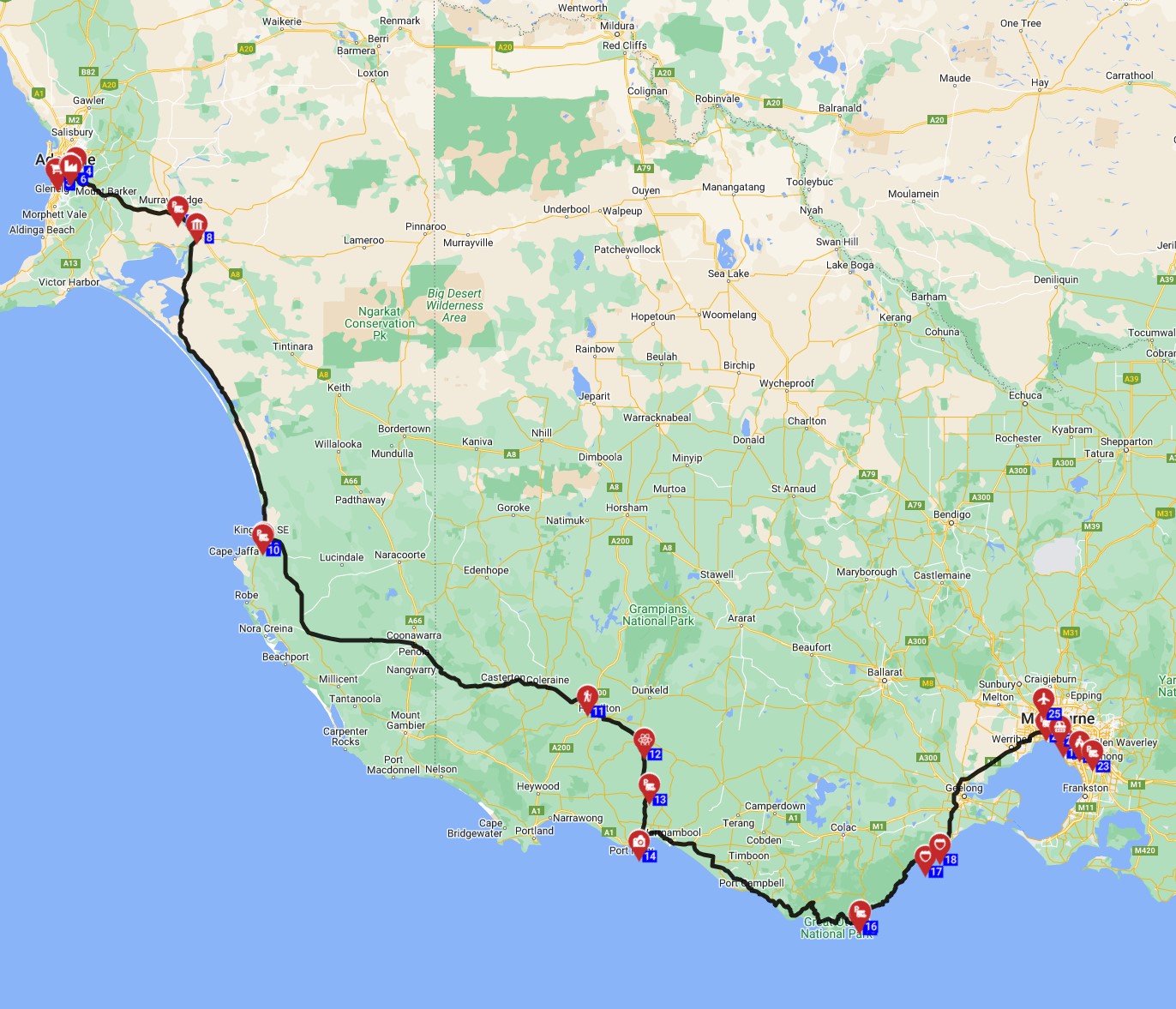
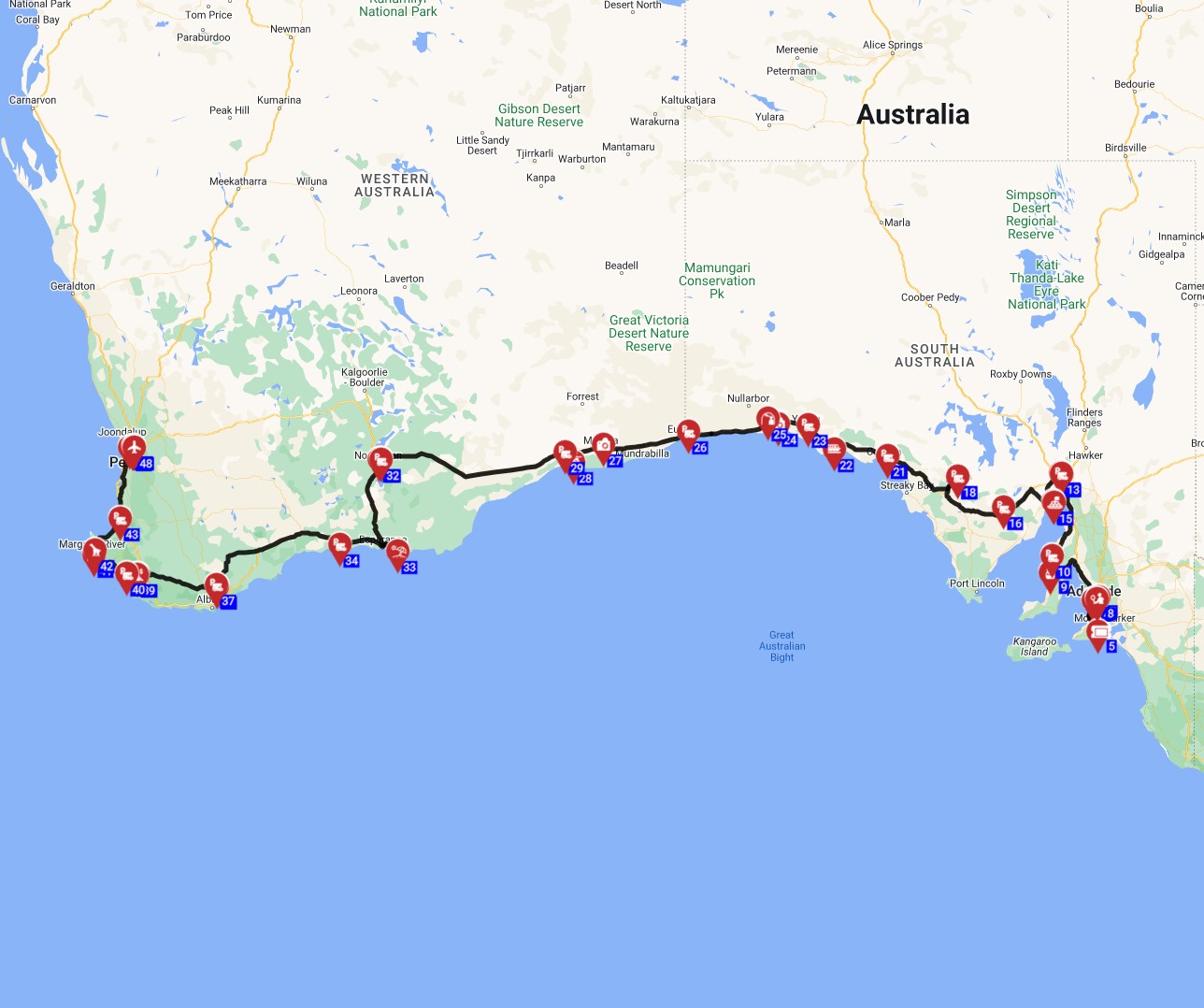
While specific campground recommendations for Australia always depend on your chosen itinerary, many excellent RV parks across the country offer a superb blend of natural beauty and essential amenities, catering to diverse travel styles. When selecting a park, look for those that combine proximity to natural attractions or points of interest with modern facilities like powered sites, clean ablution blocks, and grey water disposal points. Larger parks often feature communal kitchens, BBQ areas (perfect for cooking up some RV-friendly recipes playlist!), swimming pools, and Wi-Fi, which can significantly enhance your overall camping experience. Always check recent reviews and consider your specific rented RV type when selecting a park, especially regarding 2WD versus 4WD access requirements for remote or unsealed roads. For example, if you're planning an epic trans-continental journey, you might want to look at parks along routes like the Melbourne to Darwin journey.Hookups & Amenities - What to Expect
Most Australian caravan and holiday parks offer a comprehensive range of hookups and amenities, essential for a comfortable RV rental experience, typically including 240V AC electricity, fresh water, and grey/black water dump points. The standard electricity supply is 240V, 50Hz, using specific Australian three-pin outlets, and your rented RV will generally come equipped with compatible connectors and adapters. Potable fresh water hookups are common at powered sites, but it's always advisable to conserve water and confirm the quality of the water source, especially when venturing into remote areas. Facilities for safely disposing of both grey water (from sinks and showers) and black water (from toilets) are widely available at most paid parks, as well as at dedicated service stations or public dump points found along major routes. Regarding connectivity, Wi-Fi is often available at caravan parks, though its quality and cost can vary. Be aware that mobile data coverage can be unreliable or non-existent in many remote areas, making offline maps, entertainment, and a proactive communication plan essential for your RV journey in Australia.
Booking Windows & Reservations in Australia
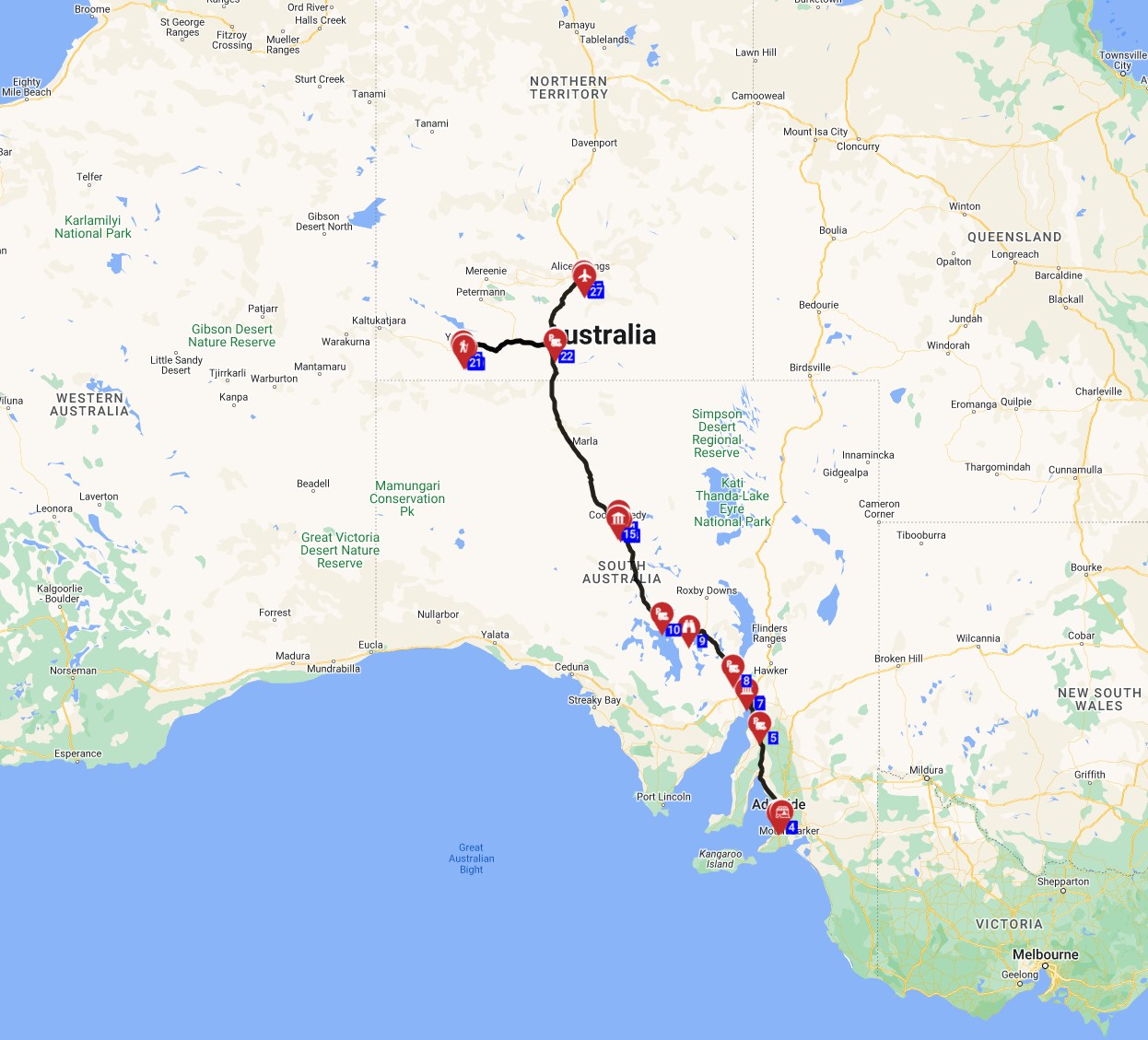
For RV camping in Australia, successful planning often depends on understanding booking windows, with pre-planners securing spots months ahead while spontaneous travelers can often find availability by calling ahead. During peak seasons, such as the December-January summer holidays, Easter, and mid-year school breaks, popular locations and coastal areas experience extremely high demand, necessitating bookings 3-6 months, or even further, in advance. Many National Park campgrounds release a limited percentage (typically 25%-30%) of their spots for pre-booking online, with the remainder often allocated on a first-come, first-served basis. While spontaneous travel is certainly possible and offers flexibility, especially outside peak periods, it's wise to be prepared. If a particular campground is full, you'll almost certainly find a place at the next one, but calling ahead before driving long distances is highly recommended, particularly with a larger rental RV. Being flexible with your itinerary and considering travel during shoulder or off-peak seasons can significantly increase your chances of securing desirable sites without extensive pre-booking, allowing for a more relaxed and adaptable adventure. Travelers exploring specific routes, like "Perth to Alice Springs - The Dreamtime Highway: A Journey Through Australia's Heart", will benefit greatly from pre-planning their stops.Nearby Supermarkets & Resupply Points
Resupply points are a crucial consideration for successful RV travel in Australia, with major supermarket chains like Woolworths and Coles readily found in most towns and regional centers, alongside smaller independent stores in more remote areas. Woolworths and Coles offer comprehensive grocery options, fresh produce, and typically have accessible parking for rented RVs in larger towns, making them convenient for stocking up. For smaller towns and remote regions, independent stores like IGA or local general stores become vital for resupply, though you might find prices are slightly higher due to logistics. It is absolutely essential to always plan your route to include regular resupply stops, especially when venturing into the vast Australian Outback, where services can be hundreds of kilometers apart. Prioritize filling both your fresh water tanks and fuel at every available opportunity in remote regions, as these resources are critical and can become scarce quickly. Ensuring you have adequate food, water, and fuel is paramount for a safe and enjoyable journey through Australia's expansive landscapes.Best RV Class for Camping in Australia
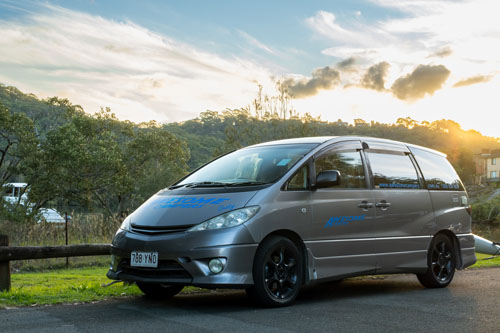
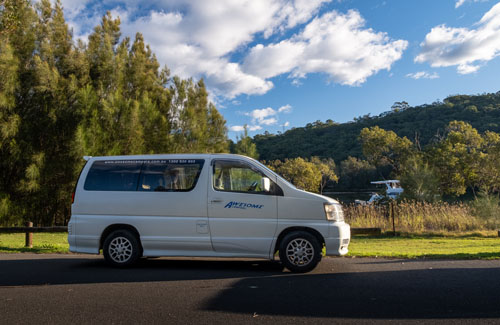
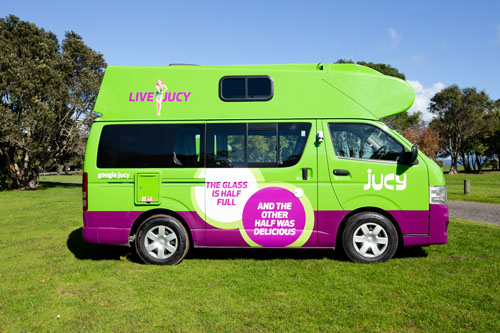
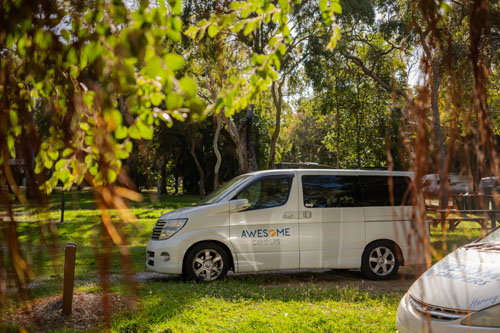
The optimal RV class for camping in Australia largely depends on your travel style, group size, and desired level of comfort, with Class B Camper Vans excelling in flexibility and Class C Alcove models suiting families. Class B Camper Vans, often averaging 5.8 meters in length, typically sleep 2-3 people, feature compact kitchens, a shower, and a toilet, and achieve fuel consumption of 8-10 liters/100 km. These smaller, agile vehicles are excellent for couples or small families seeking maneuverability, ease of parking, and access to more secluded camping spots. Their compact size makes them less intimidating on narrow city streets, where you can drive slowly and carefully without issues, and for freedom camping opportunities. For larger groups or families, Class C Alcove motorhomes, which typically average 7.5 meters in length, sleep 4-6 people, offer more interior space, dedicated sleeping areas, and often a larger refrigerator and stove for preparing RV-friendly recipes playlist. These vehicles, consuming around 10-12 liters/100 km, are well-suited for families wanting comfortable amenities and generally prefer powered sites in caravan parks.
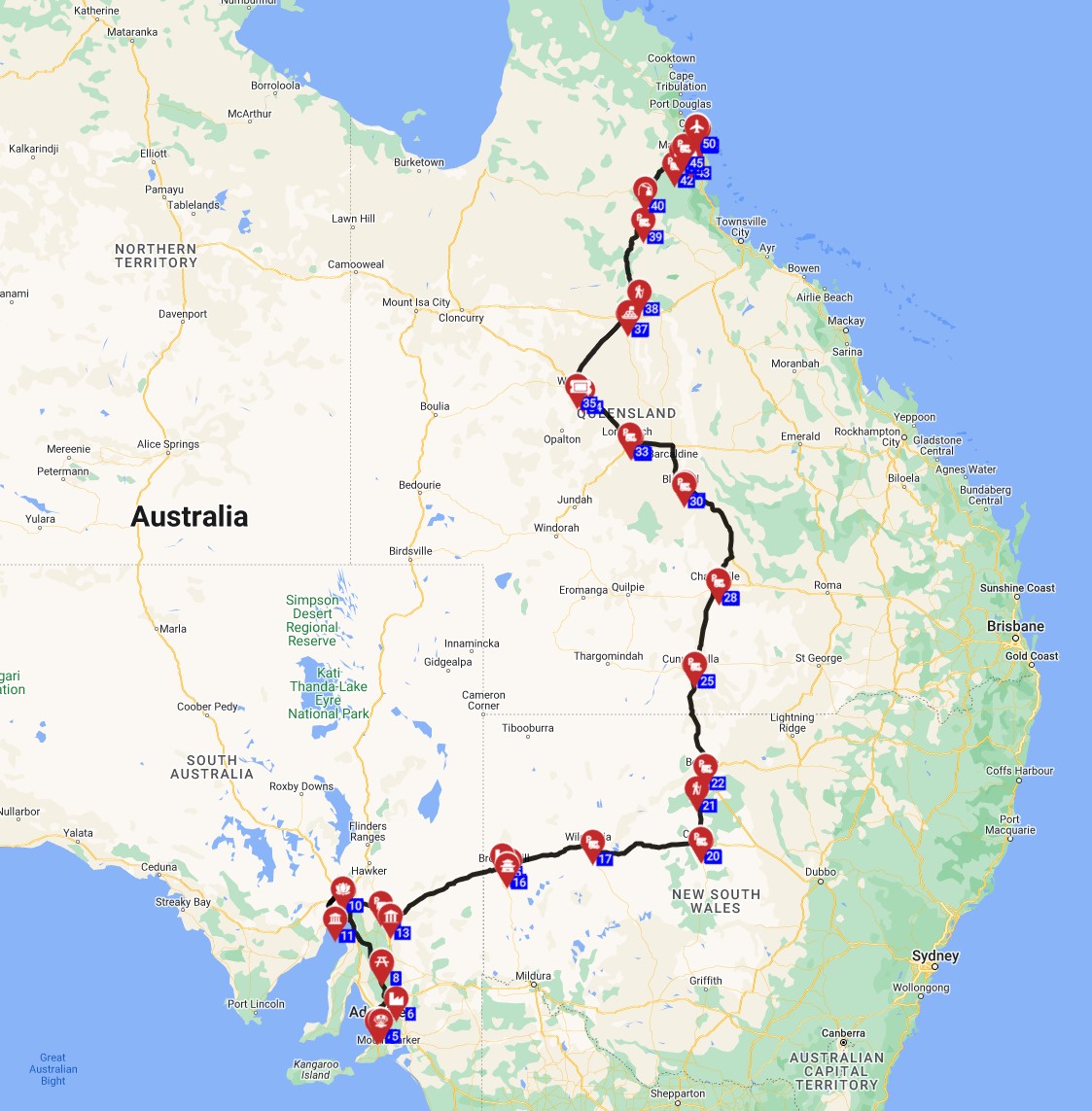
For serious Outback exploration and traversing unsealed tracks, a 4x4 campervan or a compact truck camper is often recommended, as many remote tracks are unsuitable for standard 2WD motorhomes. However, for coastal routes and major highways, a 2WD motorhome or campervan is generally perfectly sufficient. If you're looking to journey from "Cairns to Alice Springs - Northern Horizons: A Journey Through Australia's Heartland", a route featuring 3 hiking areas and 2 caves over 4003.6 km, consider the terrain carefully to select the best fit.
How to Save on Campgrounds in Australia
Saving on Australian campgrounds involves several smart strategies, including leveraging discount cards, opting for off-peak travel, choosing more affordable park types, and maximizing longer stays. Consider acquiring a campground discount card, such as those offered by organizations like Big4 or Family Parks, which can provide significant savings on nightly rates at participating caravan parks across Australia. Traveling during shoulder seasons or completely outside of peak school holidays and major event periods often results in much lower rates and fewer crowds, making for a more relaxed and budget-friendly trip. Municipal or regional campgrounds frequently offer better value than large, resort-style private holiday parks, providing essential facilities at a more budget-friendly price point, often starting from AUD $25-$45 per night. Additionally, many parks offer discounted weekly rates, making it more cost-effective to stay three or more nights at one location rather than moving every day. Utilizing legally designated free overnight parking spots, where permitted, can further reduce your accommodation costs.Can you park an RV anywhere in Australia?
No, you cannot legally park a rented RV anywhere in Australia; specific regulations govern where you can park and stay overnight, varying significantly by state, territory, and local council. Each state and local council has distinct bylaws regarding overnight parking, with urban and populated areas generally prohibiting roadside overnight stays and unauthorized camping. Overnight parking is typically restricted to licensed caravan parks, designated free camps, specific roadside rest areas with clear signage permitting it, or private land with explicit owner permission. Most national parks require permits and booking for designated campgrounds, and 'wild camping' or unauthorized overnight parking is generally not allowed outside of these official sites. It is also crucial to note that travel and camping on Aboriginal lands often require specific permits, and access without permission is strictly illegal. Always check local regulations to ensure a smooth and legal RV rental experience in Australia.What are RV parks called in Australia?
In Australia, RV parks are most commonly referred to as 'caravan parks' or 'holiday parks,' reflecting the country's strong caravan culture, though 'tourist parks' is also a widely used term. Caravan Parks are the traditional and most common designation, typically offering powered sites, amenity blocks, and often communal facilities. Holiday Parks are usually larger and offer a wider range of facilities like swimming pools, playgrounds, cabins, and organized activities, often catering more to families on extended trips. Tourist Parks serve as a general term encompassing both caravan and holiday parks, providing a range of services for travelers with rented motorhomes and campervans. Additionally, you will find 'Free Camps,' which are designated areas, often with basic amenities (or none at all), where overnight stays are permitted without charge, ideal for self-contained vehicles seeking budget-friendly options.Where can you park overnight for free in Australia?
You can legally park overnight for free in Australia at designated 'free camps,' some roadside rest areas, specific state forest areas, and on private land with owner permission, but never illegally on public streets or prohibited zones. Many local councils and state authorities provide free designated overnight camping areas, often equipped with basic amenities like toilets or picnic tables, which are clearly signposted. Some roadside rest areas are also signed to allow overnight stays for self-contained vehicles, typically for a maximum of 24 hours; always look for specific signage indicating permission. Apps like WikiCamps Australia or CamperMate are invaluable resources for finding legal free and low-cost campsites, offering user reviews and up-to-date information on facilities and regulations. Free camping often requires your rented RV to be fully self-contained, meaning it has onboard water, waste storage, and a toilet, to minimize environmental impact and comply with regulations. When venturing into remote free camping spots, ensure you have sufficient water, fuel, and food supplies, and consider carrying satellite communication devices for emergencies, as mobile coverage can be extremely limited.What is the average caravan park fee in Australia?
The average caravan park fee in Australia for a powered site can range from AUD $30 to $60 per night, with prices varying significantly based on location, season, included facilities, and the specific site type. Coastal and popular tourist destinations, especially during peak season, will command higher prices, often ranging from $50-$90 or even more. Conversely, remote or less popular areas can be more affordable. Expect significant price increases during school holidays, public holidays, and major local events when demand for RV camping is highest. Parks offering extensive amenities, such as swimming pools, waterparks, Wi-Fi, modern ablution blocks, and camp kitchens, generally charge more than those providing basic services. Unpowered sites are typically cheaper, ranging from $25-$45, while premium sites, like beachfront or larger drive-through spots, will be at the higher end of the price spectrum. Membership discounts from associations like Family Parks Travel Club or Big4 Holiday Parks can help offset these costs.How much do campsites cost in Australia?
Campsite costs in Australia vary widely, typically ranging from free for designated rest areas, $5-$25 AUD for basic national park sites, to $30-$90+ AUD for full-service private caravan park sites. National Park campsites are often the most budget-friendly paid options, usually costing between AUD $5 to $25 per night, though they may offer fewer amenities like only pit toilets and no power. Booking for these is commonly done via state park websites. Private Caravan and Holiday Parks, as mentioned, can range from $30 to $90+ AUD for a powered site, depending on factors such as location, season, and the services provided. While free camping incurs no direct nightly cost, it requires a self-contained RV and preparation for a lack of amenities. When budgeting for your Australian RV trip, remember to factor in additional costs beyond the nightly campsite fee, such as fuel (which can be substantial given Australia's vast distances), the optional top-level deductible reimbursement for peace of mind, national park entry fees (separate from camping fees), and supplies for remote travel. For itemizing and tracking every expense along the way, RV PLANET routes are a great resource for easy budgeting.Are RVs allowed in Australia?
Yes, rented RVs are widely allowed and incredibly popular in Australia, although operators must adhere to specific national and state road rules, vehicle registration requirements, and local parking regulations. Drivers of rented motorhomes or campervans must be familiar with Australian road rules, which include driving on the left side of the road, understanding varying speed limits (typically 100-110 km/h on highways, slower in populated areas), and specific regulations that can differ slightly between states. Ensure your chosen RV is suitable for the terrain you plan to cover; while major highways are generally in excellent condition for 2WD vehicles, many remote tracks and unsealed roads, particularly in the Outback, require 4x4 capabilities and appropriate vehicle ground clearance. A standard car driver's license is sufficient for all motorhome classes (Class A, B, and C) for rental purposes, but an International Driving Permit (IDP) is recommended for visitors from non-English-speaking countries, although it is not mandatory in most cases. Additionally, be aware of Gross Vehicle Mass (GVM) limits when loading your RV with water, fuel, and supplies for extended trips.How can I book campsites in Australia?
You can efficiently book campsites in Australia through various methods, including online booking portals for national and private parks, direct phone calls, and via popular RV travel apps. State national park services, such as the NSW National Parks and Wildlife Service or Parks Victoria, operate dedicated websites where you can view availability and book their campgrounds directly. Most private holiday parks also maintain their own online booking systems, allowing for convenient advance reservations. For immediate availability checks or last-minute bookings, especially with smaller, independent parks or when you're being spontaneous, a direct phone call is often the most effective method. Additionally, RV-specific apps like WikiCamps Australia or CamperMate offer comprehensive directories of campsites, including both free and paid options, complete with booking links, user reviews, amenity information, and navigation tools. These apps are invaluable for planning on the go and finding available spots along your route.Do you need to pre-book campsites in Australia?
It is highly advisable to pre-book campsites in Australia, especially if you are traveling during peak seasons, school holidays, or to popular destinations, to secure your preferred spot and avoid disappointment. Popular coastal areas, iconic national parks, and major tourist routes experience high demand, with many sites fully booked months in advance during peak times. While spontaneous travel is possible and offers a sense of freedom, particularly with a flexible itinerary and a willingness to stay at less popular spots, pre-booking provides certainty and peace of mind. Many national parks reserve a portion of their sites (around 25-30%) for first-come, first-served arrivals, which can be an option if you arrive early. In very remote areas, pre-booking might be less critical due to lower population density, but confirming availability is still wise, particularly if specific facilities are essential for your rented RV. Always consider specific regional weather patterns and major events; for example, avoiding the wet season in the Top End (November-April) might mean more availability elsewhere, while major festivals often require very early bookings.What is ghost camping in Australia?
'Ghost camping' in Australia typically refers to stealth camping or unauthorized overnight parking in areas not explicitly designated for camping, often done to avoid fees or find a secluded spot, but it carries significant legal risks and potential fines. This practice is generally considered illegal if undertaken in areas where overnight parking or camping is explicitly prohibited, such as most urban streets, private property without explicit owner permission, or non-designated public rest areas. Beyond legal ramifications, unauthorized camping can lead to environmental damage if waste is not properly disposed of, contributing to litter and sanitation issues that negatively impact local ecosystems and the broader public perception of RVers. Campers caught ghost camping can face substantial fines from local councils or park rangers, and in some instances, vehicles may even be impounded. It is always strongly recommended to utilize legally designated free camps, national park sites, or paid caravan and holiday parks for responsible, legal, and environmentally friendly overnight stays during your RV rental adventure in Australia.What You Shouldn't Miss
- **Drive the Great Ocean Road**: Experience one of the world's most scenic coastal drives, stretching 243 kilometers from Torquay to Allansford in Victoria, home to the iconic Twelve Apostles.
- **Explore Uluru-Kata Tjuta National Park**: Witness the spiritual heart of Australia, with its majestic red monolith and domes, offering profound cultural experiences and stunning desert sunrises and sunsets.
- **Snorkel the Great Barrier Reef**: Discover the vibrant underwater world of the world's largest coral reef system, accessible from coastal towns like Cairns and Port Douglas.
- **Visit Sydney's Icons**: Park your RV at a nearby holiday park and take public transport to see the Sydney Opera House, Harbour Bridge, and enjoy Bondi Beach.
- **Discover Tasmania's Wilderness**: Drive your rented motorhome through Freycinet National Park, hike to Wineglass Bay, and experience the rugged beauty of the island state.
- Looking for expert insights from Avi Bandana? Top 5 Adventures - recommendations from Avi Bandana.
Final Thoughts
Embarking on an RV rental adventure in Australia is more than just a vacation; it's an opportunity to create lasting memories and truly connect with one of the world's most extraordinary destinations. From the vibrant coastal cities to the serene, ancient landscapes of the Outback, a rented motorhome offers the flexibility and comfort to experience it all on your terms. Remember to travel slowly, averaging 100-150 km per day, allowing yourself the time to truly absorb the incredible culture, unique food, and breathtaking scenery that Australia has to offer.At Bandana RV, we're here to make your Australian RV dreams a reality. We're true RV specialists, ready to support you with full transparency and expertise from the moment you start comparing prices until long after your booking is complete. So, what are you waiting for? The open road and incredible experiences are calling.
Discover top destinations, planning tips, all in one place! Get inspired for your next trip and compare Motorhome Prices for Australia today. Your epic Australian journey awaits!
On the routes offered through RV PLANET routes, you can itemize and track every expense along the way for easy budgeting.