In This Guide
- Where to Camp in Japan - Top Options
- Campground Types in Japan (National, Private, Wild)
- Featured RV Park or Campground in Japan
- Hookups & Amenities - What to Expect
- Booking Windows & Reservations in Japan
- Nearby Supermarkets & Resupply Points
- Best RV Class for Camping in Japan
- How to Save on Campgrounds in Japan
- What is a Michi-no-Eki and how does it work
- What do I need to drive an RV in Japan
- How much does it cost to rent an RV in Japan
- What are the rules for camping in Japan
- What is the best time to visit Japan in an RV
- What are the challenges of RV travel in Japan
- Is RV travel a good way to see Japan
- What should I know about safety when RVing in Japan
- Are there specific RV itineraries for Japan
- Top Cities for RV Rental in Japan
Embarking on a rented RV adventure in Japan offers an unparalleled way to explore this fascinating country, blending ancient traditions with breathtaking natural beauty. Imagine waking up to the majestic sight of Mount Fuji from your motorhome window or navigating scenic coastal routes with the freedom to stop wherever inspiration strikes. Japan, with its unique blend of bustling cities and serene landscapes, is a remarkable destination for RV travelers seeking an immersive cultural and natural experience. For live availability and current prices, start with our RV Rental Japan - Complete Guide 2026 guide.
Where to Camp in Japan - Top Options
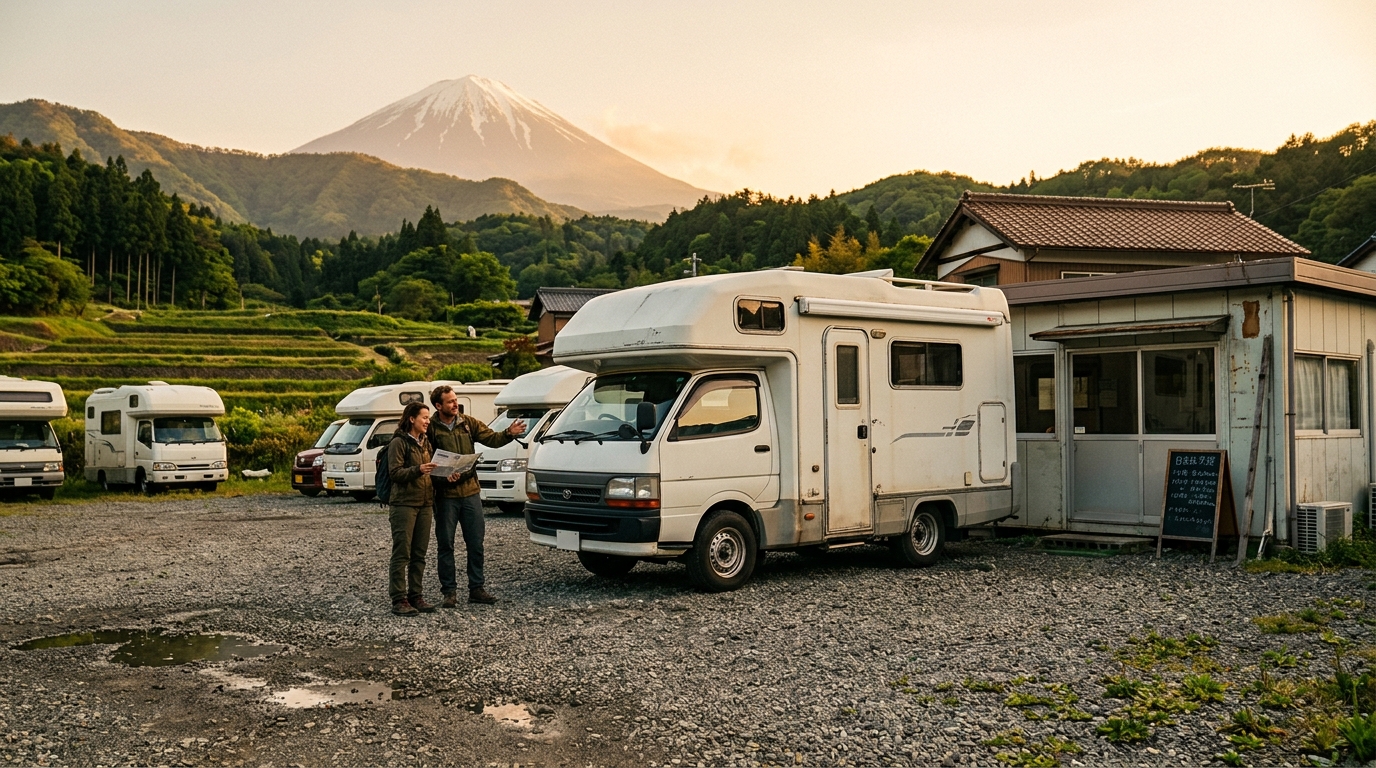
Japan offers a diverse range of camping experiences, from coastal sites with ocean views to mountainous retreats nestled among forests and hot springs. Popular regions for RV camping include Hokkaido for its vast natural landscapes, the Fuji Five Lakes area (Kawaguchiko, Yamanakako, Saiko, Shojiko, Motosuko) for iconic views of Mount Fuji, and Kyushu for its volcanic scenery and rejuvenating onsens. While Japan might not be the first country that comes to mind for RV travel, its well-maintained infrastructure and growing number of dedicated camping facilities make it an accessible and rewarding destination.
Beyond these popular regions, areas like the Japanese Alps provide stunning alpine vistas and hiking opportunities, often with well-equipped campgrounds suitable for a rented motorhome. The Shikoku island region offers beautiful coastline drives and spiritual pilgrimage routes, with various coastal campsites. Exploring these areas with a rented campervan provides the flexibility to truly savor each destination at your own pace, moving slowly, perhaps traveling a maximum of 100-150 km per day on average, allowing you to connect deeply with the local culture, food, and scenery.
Campground Types in Japan (National, Private, Wild)
Japanese campgrounds primarily consist of national/prefectural parks and privately-operated sites, as wild camping is generally discouraged or illegal across the country. National and prefectural campgrounds often provide more rustic settings within scenic areas, sometimes with fewer hookups but offering unparalleled natural beauty and tranquility. These public sites typically have basic amenities such as restrooms and water, often at a lower cost than private parks.
Private campgrounds, on the other hand, typically feature more comprehensive amenities, including full hookups for electricity, water, and waste disposal, modern showers, and laundry facilities, often requiring advance reservations, especially during peak seasons. While wild camping is not common, Michi-no-Eki (roadside stations) offer a sanctioned alternative for overnight parking, though it's important to note these are for parking and resting, not for traditional camping setups like deploying awnings or outdoor cooking. These stations provide safe and convenient stops, often with clean facilities and local product shops, making them an invaluable resource for RV travelers. Remember to always use proper waste disposal points at designated facilities.
Featured RV Park or Campground in Japan
When selecting an RV park in Japan, look for facilities that offer convenience, accessibility to attractions, and adequate amenities for your vehicle size. Ideal RV parks often provide power hookups (expect 100V, Type A/B outlets, and bring a universal adapter), clean restrooms, and sometimes on-site baths (onsen) or shower facilities, enhancing the comfort of your rented motorhome experience. Many campgrounds, especially in tourist-heavy regions like Hokkaido, Fuji Five Lakes, and Kyushu, are increasingly accommodating to foreign visitors, sometimes offering English-language information or multilingual staff to assist with bookings and local tips.
One notable example is Fujinomiya City Fumotoppara Camp Ground in Shizuoka Prefecture, renowned for its stunning, unobstructed views of Mount Fuji and spacious sites suitable for larger RVs. Another excellent option is Lake Shirakaba Family Land Campground in Nagano, offering family-friendly activities and beautiful lakeside settings. When researching, consider using RV PLANET routes to find campgrounds that align with your planned itinerary and to help itemize and track every expense, ensuring an easy and smooth trip.
Hookups & Amenities - What to Expect
RV campgrounds in Japan typically offer varied amenities, with electricity (100V, Type A/B outlets) being common, though adaptors are often necessary for foreign appliances. Water hookups are generally potable, but dump stations for grey and black water can be less prevalent than in other countries, requiring careful planning for waste disposal. It's wise to carry extra water and consider smaller waste tanks for longer trips. On the routes offered through RV PLANET routes, you can itemize and track every expense along the way for easy budgeting.
Wi-Fi connectivity varies significantly; some parks offer free Wi-Fi, while others may charge, or it might be limited to common areas, making personal mobile Wi-Fi (such as a pocket Wi-Fi device or local eSIM) a valuable alternative for reliable internet access on the go. Laundry facilities, coin-operated showers (typically ¥100-¥200 for 5-10 minutes), and clean restrooms are standard, with some higher-end campgrounds even featuring communal bathing facilities or small onsens, providing a truly unique Japanese camping experience.
Booking Windows & Reservations in Japan
For popular seasons like cherry blossom (spring, late March-early April) or autumn foliage (October-November), booking RV campgrounds in Japan several months in advance is highly recommended, especially for favored spots near major attractions. Many national park campgrounds, however, may release only a portion of their spots for reservations, with the remainder available on a first-come, first-served basis, offering some flexibility for impromptu trips. Spontaneous travelers might find availability at less-frequented sites or during shoulder seasons (May, early June, September, early October), but calling ahead before driving to a campground is always advisable to confirm availability. Rest assured, you'll find a spot; if not at the first campground, then the next one will welcome you. Don't stress, just enjoy the journey!
Nearby Supermarkets & Resupply Points
Resupplying a rented RV in Japan is convenient, with major supermarket chains like Aeon, Ito-Yokado, and Seiyu frequently found near urban and semi-urban areas. These stores offer a wide selection of groceries, fresh produce, and household essentials. For quick essentials, snacks, and a surprising variety of ready-to-eat meals, convenience stores (konbini) such as 7-Eleven, FamilyMart, and Lawson are ubiquitous and often open 24/7, even in more rural locations. This makes last-minute meal planning or grabbing a quick breakfast in your campervan incredibly easy. Exploring local markets can also be a delightful experience; farmers' markets, especially near Michi-no-Eki, are excellent for fresh, local produce and unique regional specialties, offering a taste of authentic Japanese cuisine that you can prepare in your RV kitchen. For inspiration, check out our RV-friendly recipes playlist.
Best RV Class for Camping in Japan
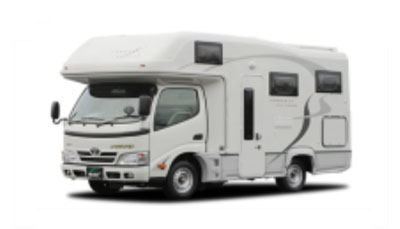
For RV camping in Japan, Class B Camper Vans and Class SI Semi-integrated models are generally the most practical due to Japan's narrower roads and tighter parking spaces. Class B Camper Vans, averaging 5.8 meters in length, with sleeping for around 3-4 people and fuel consumption of 8-10 Liters/100 km (based on Bandana's global fleet average), offer excellent maneuverability, making them ideal for navigating both city outskirts and scenic mountain roads. Vehicles like a "2 Berth Hi Top" or "Active Standard Auto" are great examples of smaller, agile campervans perfect for a Japanese adventure.
Class SI Semi-integrated RVs, typically around 6.5-7 meters long, accommodating about 3-5 sleepers and achieving 10-11 Liters/100 km (Bandana's global fleet average), provide more comfort and amenities without being excessively large. Consider models like a "Cat B - Sky 22" or "Compact Plus" for a good balance of space and drivability. While larger RVs like Class C Alcove (avg 7.5m) or Class A Integrated (avg 7.5m) from Bandana's global fleet might offer more luxurious space for a "Luxury RV Rental in Japan - Premium Prices 2026" trip, they can present challenges on rural roads and in city parking. Drive slowly and carefully, and you can drive almost anywhere without issues. No need to stress - just use common sense and pay attention, even with larger models.
How to Save on Campgrounds in Japan
To save on campground fees in Japan, utilizing campground discount cards, if available through your chosen RV rental supplier like our partners Apollo or Britz, is a primary way to reduce accommodation costs. Traveling during the shoulder seasons (May, early June, September, early October) can yield significantly lower rates and fewer crowds compared to peak times like cherry blossom season or national holidays. Choosing municipal or regional campgrounds over private resorts often results in more budget-friendly nightly fees, typically ranging from ¥2,000-¥5,000 per night (approximately $13-$34 USD).
Opting for longer stays, such as 3+ nights, can sometimes qualify you for weekly rates or special discounts, effectively reducing the per-night cost. Additionally, many Michi-no-Eki (roadside stations) offer free overnight parking, presenting a valuable option for budget-conscious RVers, provided you adhere to the parking etiquette and do not set up a full campsite. Researching your route on RV PLANET routes can help identify these free or low-cost options and estimate your total trip expenses. Planning ahead for your "Cheap RV Rental in Japan - Budget Guide 2026" trip can make a significant difference.
What is a Michi-no-Eki and how does it work
A Michi-no-Eki, or roadside station, is a government-designated public facility in Japan offering amenities like clean restrooms, local product shops, restaurants, and often free overnight parking for RVs and cars. These stations are designed to support local economies and provide convenient rest stops for travelers, making them a popular and legal option for RVers seeking a safe place to park overnight. While Michi-no-Eki are suitable for overnight parking and offer basic services, they are not full-service campgrounds; proper etiquette dictates no setting up awnings, barbecues, or extensive outdoor camping equipment. It's essential to be respectful of local customs, maintain quiet hours, especially from 10 PM to 6 AM, and leave no trace, as these are public facilities and not dedicated RV parks with full hookups. They are perfect for a quiet night's rest before continuing your journey.
What do I need to drive an RV in Japan
To legally drive an RV in Japan, an International Driving Permit (IDP) issued in your home country is absolutely required, alongside your valid national driver's license. Visitors from countries like the USA, Canada, Australia, and most European nations can obtain an IDP from their respective automobile associations. Japanese road signs predominantly use Japanese script, though major signs on national routes and highways often include English translations, with familiarity with key visual symbols being beneficial. It's recommended to rent an RV equipped with a GPS that supports English navigation to help you navigate unfamiliar roads.
Drivers must adhere to left-hand traffic rules, similar to the UK or Australia, and be prepared for potential toll roads, for which an ETC (Electronic Toll Collection) card is highly recommended. An ETC card streamlines payment, offers potential discounts, and saves time by allowing you to pass through toll gates without stopping. Rental suppliers like El Monte or Apollo often offer ETC card rentals, and the minimum rental age for all motorhome classes in Japan is 21, with no young driver surcharges. Understanding basic Japanese traffic laws, such as strict parking regulations and speed limits, is crucial for a smooth and safe driving experience.
How much does it cost to rent an RV in Japan
The total cost of an RV rental trip in Japan extends beyond the rental fee, encompassing significant expenses like fuel, tolls, campgrounds, and daily living. RV rental costs in Japan are dynamic, changing daily based on availability, seasonality, and supplier decisions, much like flight tickets. For example, a compact campervan might start from ¥15,000 per day ($100 USD) in the low season, while a larger Class C motorhome could range from ¥25,000-¥35,000 per day ($170-$240 USD) in peak season. You can find out more about these costs in our "RV Rental in Japan - Prices and Best Deals 2026" guide.
Fuel prices in Japan are considerably higher than in many Western countries, often exceeding ¥180 per liter (approx. $1.20 USD per liter), and Bandana's global fleet averages for common RV classes typically range from 8-12 Liters/100 km, so budgeting generously for petrol is essential. Toll road costs, especially on expressways, can accumulate rapidly; a trip from Tokyo to Kyoto (approx. 500 km) can cost around ¥10,000 ($68 USD) in tolls, making an ETC card a wise investment for discounted rates and seamless travel. Campgrounds typically range from ¥2,000-¥5,000 per night ($13-$34 USD), with more amenities or prime locations fetching higher prices. Groceries can also add up, so planning meals and cooking in your rented RV's kitchen can help manage food expenses. RV PLANET (rvplan.net) routes offer detailed expense tracking for easier budgeting of ancillary costs.
What are the rules for camping in Japan
Camping in Japan is generally restricted to designated campgrounds, as wild camping is largely prohibited or frowned upon and can lead to issues with local authorities or residents. Respecting private property and public spaces is paramount in Japanese culture. Michi-no-Eki (roadside stations) offer a legal alternative for overnight parking, but not for setting up a full campsite with awnings, outside tables, or cooking facilities outside the RV; these are strictly for resting. Violating these rules can result in fines or being asked to move.
Japan has very strict and complex rules for trash separation and disposal, often requiring adherence to local guidelines for sorting burnable, non-burnable, plastic, and recyclable waste. Campgrounds usually provide detailed instructions for waste disposal, and it's critical to follow them to avoid issues. Cultural etiquette, such as maintaining quiet hours (often 10 PM to 6 AM), respecting privacy, and observing specific rules at communal facilities like onsens (e.g., showering thoroughly before entering the communal bath, no swimwear, covering tattoos if necessary), is paramount for a respectful and enjoyable experience for all.
What is the best time to visit Japan in an RV
The best time to visit Japan in an RV largely depends on your travel preferences, with spring (March-April for cherry blossoms) and autumn (October-November for fall foliage) being the most popular and scenic seasons, though also the most crowded and expensive for "Weekly RV Rental in Japan - Pricing 2026". These seasons offer mild temperatures, stunning natural beauty, and vibrant festivals. Shoulder seasons, particularly May and September, offer a pleasant balance of good weather, fewer crowds, and often better RV availability and campground rates, making them ideal for an extended road trip.
Summer (June-August) can be hot and humid, especially in southern regions, but it's ideal for exploring cooler northern areas like Hokkaido, which boasts expansive national parks perfect for RVing. Winter (December-February) appeals to snow sports enthusiasts, particularly in the northern Honshu and Hokkaido regions, though some mountain roads and campgrounds may close due to heavy snow. RVers should always consider seasonal road closures in mountainous areas during winter and monitor weather forecasts for potential typhoons during late summer and early autumn. No need to worry about booking 6-12 months in advance, many national parks reserve only 25-30% of spots; the rest are first-come-first-serve. You’ll find a spot, and if not at the first campground, then the next one. Just call ahead before driving.
What are the challenges of RV travel in Japan
One of the primary challenges for RV travel in Japan involves navigating narrow roads, particularly in rural villages and older city sections, which can be difficult for larger motorhomes. Drive slowly and carefully, and you can drive almost anywhere without issues. No need to stress - just use common sense and pay attention. Finding suitable parking for RVs can also be challenging, especially in popular tourist areas where car parks are often designed for smaller Japanese vehicles; advance research or using designated RV-friendly parking at Michi-no-Eki is crucial. We offer great comparisons for "RV Rental Deals in Japan - Latest Offers 2026".
Overcoming the language barrier is another hurdle, though widely available translation apps, English GPS systems in rented RVs, and learning a few key Japanese phrases can aid communication in emergencies or daily interactions. Logistical challenges include waste disposal (grey/black water facilities are less common than in North America or Europe, requiring careful planning), finding specific RV supplies, and preparing for roadside assistance or medical emergencies. Having robust planning and connectivity options like portable Wi-Fi or eSIMs is essential for a smooth journey. Bandana RV specializes in motorhome rentals and our team of true RV specialists can provide advice on what to expect.
🎬 Video coming soon
Is RV travel a good way to see Japan
RV travel offers an exceptional way to experience Japan, providing unmatched flexibility to explore remote natural landscapes, quaint towns, and hidden gems inaccessible by traditional public transport. Unlike the highly efficient but sometimes restrictive train and bus networks, a rented RV allows you to set your own pace, linger in scenic spots, and carry your accommodation with you. This is particularly superior for travelers seeking an immersive nature-focused trip, visiting onsen towns off the beaten path, or exploring vast regions like Hokkaido or Kyushu where public transport might be less comprehensive.
With a rented motorhome, you can enjoy a sense of freedom and adventure, stopping for impromptu picnics with stunning views or discovering local eateries away from tourist crowds. While RV travel excels in rural exploration and enjoying Japan's incredible outdoors, combining it with public transport for urban centers can be ideal. Navigating and parking a rented Class C or even a Class B campervan in bustling Japanese cities can be challenging, so consider parking on the outskirts and using Japan's excellent train or subway systems for city exploration. This hybrid approach allows you to experience the best of both worlds, from the serene countryside to vibrant metropolitan areas, making your "RV Rental Asia - Complete Guide 2026" adventure truly unforgettable.
What should I know about safety when RVing in Japan
Japan is renowned for its high level of safety and low crime rates, making RV travel generally very secure, but awareness of natural disasters is crucial. The country is prone to earthquakes and typhoons; RVers should stay informed by monitoring local news, weather alerts from the Japan Meteorological Agency (JMA), and understanding basic emergency procedures (e.g., how to secure your vehicle). Having a weather app on your mobile device with push notifications for local alerts is highly recommended.
In case of a medical emergency or breakdown, knowing basic Japanese emergency numbers (110 for police, 119 for fire/ambulance) and having a charged phone or satellite communication device is vital. It's also wise to have travel insurance that covers medical emergencies and roadside assistance for your rented RV. General road safety includes strict adherence to left-hand traffic laws, driving cautiously on narrow or winding roads, and being mindful of pedestrians and cyclists, especially in residential areas. With a clear mind and careful planning, your RV trip in Japan will be both safe and enjoyable.
Are there specific RV itineraries for Japan
Yes, numerous RV-friendly itineraries can be tailored for Japan, typically focusing on regional exploration due to the country's diverse geography and unique road network. Popular route plans include Hokkaido, known for its vast national parks, scenic drives, and lavender fields; this region is perfect for a 1-2 week journey with ample RV parking at well-equipped campgrounds. For example, our "Last-Minute RV Rental in Japan - What to Expect 2026" guide also suggests how flexible you can be with your travel plans.
Another excellent option is the Central Japan loop, encompassing the Fuji Five Lakes area for iconic views of Mount Fuji and the historic villages of Shirakawa-go and Gokayama, which often have designated RV parking or nearby Michi-no-Eki. These routes can highlight RV-accessible attractions like onsen towns (such as Hakone or Beppu), coastal roads offering stunning ocean vistas, and mountainous areas for hiking. Itineraries often leverage Michi-no-Eki for convenient overnight stops and access to local culture and produce. Remember to travel slowly, max 100-150 km per day on average, to fully immerse yourself in each place. For detailed itineraries and trip planning, RV PLANET (rvplan.net) offers many pre-planned routes developed by professionals.
Top Cities for RV Rental in Japan
Japan offers several convenient pick-up and drop-off locations for your rented motorhome adventure. These cities serve as excellent starting points for exploring different regions of the country. Here are some of the top cities for RV rental in Japan:
- Tokyo: As the bustling capital, Tokyo serves as a major gateway for international travelers. While navigating a motorhome in the city center can be busy, pick-up locations are typically on the outskirts, providing easy access to major highways leading out of the city towards scenic areas like the Fuji Five Lakes or the Izu Peninsula.
- Osaka: Located in the Kansai region, Osaka is another fantastic starting point, especially for exploring western Japan, including Kyoto, Nara, and the Seto Inland Sea. Its excellent transport links make it easy to reach rental depots from the city center.
- Sapporo (Hokkaido): For those keen to explore Japan's vast northern wilderness, Sapporo is the ideal choice. Hokkaido offers wide-open roads, stunning national parks, and numerous RV-friendly campgrounds, making it a prime destination for an extended road trip.
- Nagoya: Positioned between Tokyo and Osaka, Nagoya is a strategic hub for RV travelers wanting to explore Central Japan, including the Japanese Alps, Shirakawa-go, and the scenic Kiso Valley.
- Fukuoka (Kyushu): In the southernmost of Japan's main islands, Fukuoka provides access to Kyushu's volcanic landscapes, famous onsens, and unique regional cuisine. It's a great starting point for a week-long or two-week adventure around this diverse island.
- Kyoto: While often a cultural hub, RV rental options near Kyoto can set you up for trips into the surrounding countryside, combining historical exploration with natural retreats.
Each of these cities offers distinct opportunities for different types of RV adventures, from urban culture to serene natural escapes. Planning your route and pick-up location strategically can greatly enhance your RV rental Japan experience.
What You Shouldn't Miss
- Drive the Hokkaido Coastal Loop: Experience Japan's wild north on a 10-day scenic route, discovering vast lavender fields, volcanic lakes, and pristine coastlines with numerous RV campgrounds.
- Gaze at Mount Fuji from Fuji Five Lakes: Park your rented motorhome at a lakeside campground like Koan Campground on Lake Motosu for breathtaking, iconic views of Japan's most famous peak, especially at sunrise.
- Explore Shirakawa-go and Gokayama: Visit these UNESCO World Heritage villages, famous for their unique gassho-zukuri (praying hands) farmhouses, often accessible with designated parking for RVs on the village outskirts.
- Relax in an Onsen Town: Immerse yourself in Japan's hot spring culture by staying at an RV park near an authentic onsen town like Beppu or Hakone, enjoying rejuvenating communal baths after a day of driving.
- Discover the Spiritual Trails of Shikoku: Drive along the scenic Shikoku coastline, stopping at ancient temples and enjoying fresh seafood from local markets, a perfect slow travel experience for your motorhome.
- Visit the Active Volcanoes of Kyushu: Witness the dramatic landscapes around Mount Aso and enjoy the many hot spring resorts the island has to offer, easily accessible with your camper.
Looking for expert insights from Avi Bandana? Top 5 Adventures - recommendations from Avi Bandana.
Final Thoughts
A motorhome adventure in Japan promises an extraordinary blend of cultural immersion and natural exploration. The freedom of a rented RV allows you to uncover hidden gems, from serene onsens to majestic mountains, all at your own pace. While Japan's unique infrastructure and cultural norms require some planning, the rewards are immeasurable.
With a little preparation regarding licenses, navigation, and local etiquette, you'll find Japan to be an incredibly welcoming and organized country for RV travelers. Embrace the journey, savor the slow travel, and let the beauty of Japan unfold before you. Discover top destinations, planning tips, all in one place!
Ready to experience the magic of Japan by RV? Compare Motorhome Prices for Japan today and start planning your unforgettable road trip!