In This Guide
- Where to Camp in Chile - Top Options
- Campground Types in Chile (National, Private, Wild)
- Featured RV Park or Campground in Chile
- Hookups & Amenities - What to Expect
- Booking Windows & Reservations in Chile
- Nearby Supermarkets & Resupply Points
- Best RV Class for Camping in Chile
- How to Save on Campgrounds in Chile
- What are the essential safety protocols for RV travel in Chile?
- How much does an RV trip to Chile cost for seniors?
- Is wild camping or boondocking legal in Chile?
- What logistics and documentation are needed for an RV trip in Chile?
- How can RV travelers experience Chilean culture and interact with locals?
- When is the best time of year for RV travel in Chile?
- What health and medical preparations are recommended for remote RV travel in Chile?
Embarking on an RV adventure in Chile offers seniors an unparalleled blend of comfort, independence, and stunning natural beauty. Imagine waking up to the majestic peaks of the Andes, the serene expanse of the Atacama Desert, or the wild, untamed landscapes of Patagonia – all from the cozy confines of your rented motorhome or campervan. This guide is crafted specifically for senior travelers, highlighting how to enjoy Chile's diverse offerings with ease and peace of mind. For live availability and current prices, start with our RV Rental Chile - Complete Guide 2026 guide.
Where to Camp in Chile - Top Options
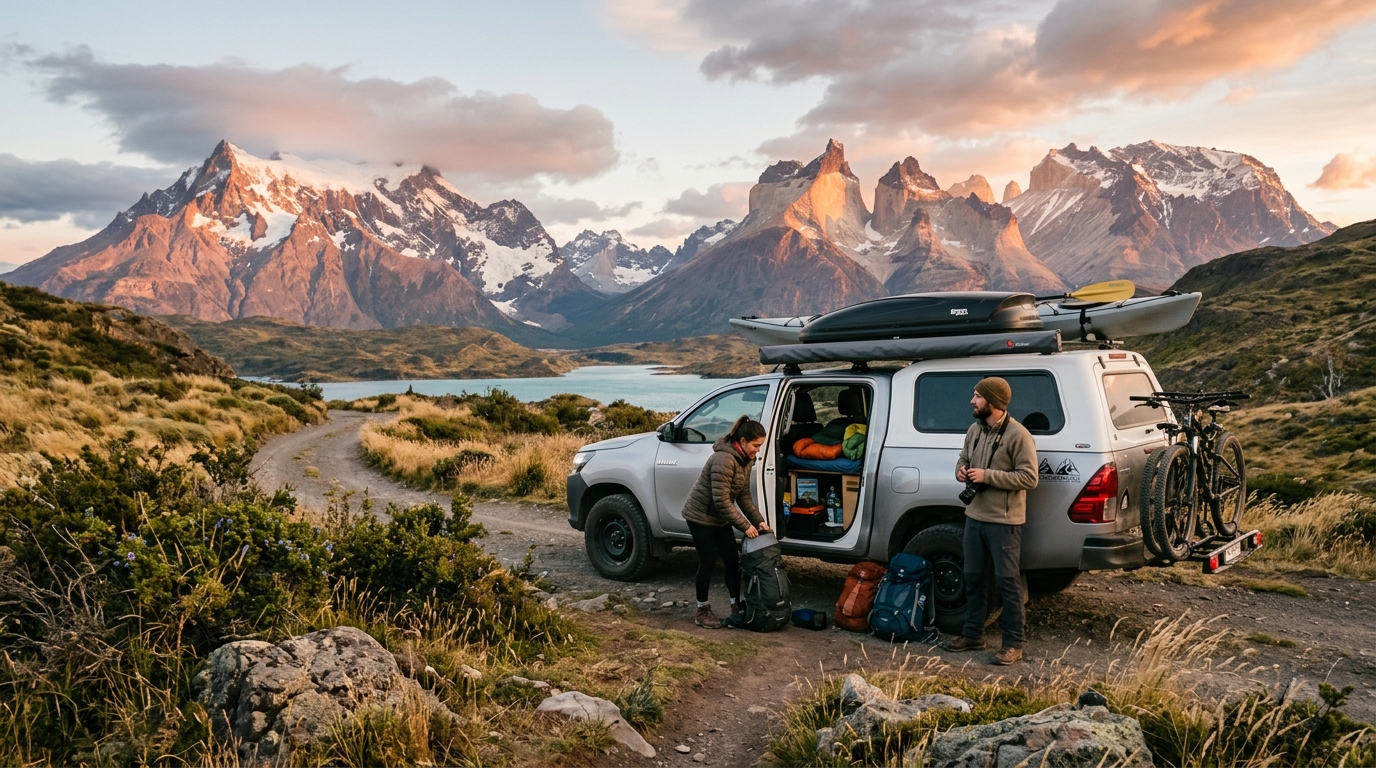
Chile offers diverse camping options from its northern deserts to southern glaciers, with Patagonia, the Central Valley, and the Atacama Desert standing out as premier destinations. Patagonia, encompassing areas like Torres del Paine and the Carretera Austral, is ideal for breathtaking nature and hiking, particularly glorious during the summer months (December-February) when the weather is mildest and daylight hours are long. The Central Valley, with gems such as Vicuña and Pucón, attracts travelers with its vineyards, pristine lakes, and varied outdoor activities, making spring (September-November) and autumn (March-May) the most pleasant times to visit. Lastly, the Atacama Desert in northern Chile provides unique lunar landscapes and unparalleled stargazing opportunities, suitable year-round, although travelers should take necessary altitude precautions. Many of these regions feature both national park campgrounds and comfortable private RV parks, catering to different preferences and ensuring a memorable experience for every senior adventurer.Campground Types in Chile (National, Private, Wild)
Chile presents three primary types of campgrounds for RV travelers: National Park (CONAF) campgrounds, private campgrounds, and opportunities for wild camping or boondocking. National Park (CONAF) campgrounds typically offer basic facilities and are celebrated for their direct access to Chile's most stunning natural beauty, often requiring advance reservations during peak season due to high demand. Private campgrounds, found across Chile, generally provide more amenities such as full hookups (including 220V power), hot showers, and Wi-Fi, offering a higher level of comfort and security that many senior travelers appreciate. Finally, wild camping, also known as boondocking, is generally tolerated in non-private, non-restricted public areas; however, it mandates strict adherence to 'Leave No Trace' principles and requires checking local regulations to ensure legality and safety.Featured RV Park or Campground in Chile
When choosing an RV park or campground in Chile, seniors should prioritize locations that offer specific features designed for comfort and ease of access. It is best to look for campgrounds with paved access roads and level pitches, which ensure smooth entry and comfortable setup of your rented motorhome, minimizing effort. Reliable amenities such as electricity (220V outlets are standard) and potable water are crucial for a comfortable stay. Safety is another key consideration, so choosing locations with good security measures and proximity to essential services, like medical facilities and grocery stores, is highly recommended. Furthermore, campgrounds known for excellent customer service and helpful staff can significantly enhance the travel experience, providing assistance when needed and making your Chilean adventure more enjoyable.Hookups & Amenities - What to Expect
When planning your RV rental adventure in Chile, understanding the typical hookups and amenities is key to a comfortable journey. For electricity, expect 220V power with Type L or C outlets across most campgrounds, so an adapter for international appliances is highly recommended. Access to potable water is generally common at established campgrounds, and dump stations are standard at larger private parks, although less frequent at rustic national park sites. Beyond these essentials, Wi-Fi and laundry facilities are more often found in urban private parks, providing added convenience. Hot showers, a much-appreciated comfort, might be coin-operated or have limited hours in more remote or national park settings, so planning for this is always a good idea. Remember, Bandana ensures full transparency, so you'll know exactly what's included with your rental before you book.Booking Windows & Reservations in Chile
Securing your preferred RV rental and campsites in Chile requires some consideration regarding booking windows and reservation practices. Travelers who prefer to plan everything in advance should book popular national park campgrounds well ahead, especially for peak season (December-February), as these sought-after spots fill up quickly. For spontaneous travelers, many national parks reserve approximately 25-30% of their spots online, leaving the rest available on a first-come, first-served basis, particularly advantageous during shoulder seasons (spring and autumn). Our advice for senior travelers is always to call ahead to confirm availability before driving to any remote campground, which helps avoid unnecessary detours and ensures a smooth arrival. Whether you're interested in "RV Rental Deals in Chile - Latest Offers 2026" or planning a long-term trip, flexibility can often lead to great opportunities.Nearby Supermarkets & Resupply Points
Maintaining a well-stocked pantry in your rented motorhome is effortless in Chile, as major supermarket chains are readily available throughout towns and cities. Look for well-known brands such as Lider (Walmart), Jumbo, Tottus, and Santa Isabel, where you can find a wide array of groceries, fresh produce, and other essentials. Strategically plan your route to pass through urban centers to ensure convenient resupply points, especially when venturing into more remote regions like Patagonia or the Atacama. While smaller villages may offer limited selections, their local 'ferias' (farmers markets) provide an excellent opportunity to discover fresh, regional products and immerse yourself in local culture. Preparing meals in your RV is a fantastic way to save on costs and enjoy delicious local ingredients; for inspiration, check out our RV-friendly recipes playlist.Best RV Class for Camping in Chile
Choosing the ideal RV class for your camping adventure in Chile depends on your travel style and comfort preferences. For seniors prioritizing maneuverability and fuel efficiency, a Class B Camper Van is an excellent choice, typically averaging 5.8m in length and consuming 8-10 Liters/100 km, suitable for 2-3 adults and navigating diverse terrains. If you desire more living space and enhanced comfort for a group of 3-4 adults on longer trips, a Class SI (Semi-integrated) motorhome, averaging 6.9m in length and 10-11 Liters/100 km, strikes a perfect balance without being overly large. For those planning to explore less-developed roads, common in regions like Patagonia, considering a motorhome with good ground clearance is advisable. Remember, all motorhome classes (Class A, Class B, Class C) can be driven with a standard car driver's license in Chile, and the minimum rental age is 21 with no young driver surcharges.How to Save on Campgrounds in Chile
Saving on campground fees in Chile allows you to allocate more of your budget to experiences and local delights. One effective strategy is to inquire about campground discount cards, which are sometimes available through your RV rental provider or international camping organizations. Opting for shoulder season travel (spring: September-November or autumn: March-May) can also lead to lower rates and significantly fewer crowds at popular sites. Furthermore, consider choosing municipal or regional campgrounds, as these are generally more budget-friendly than larger private resorts packed with amenities. For extended adventures, staying three or more nights at a single location can often qualify you for weekly rates, offering substantial savings over nightly bookings. For a comprehensive look at budgeting, our "Cheap RV Rental in Chile - Budget Guide 2026" provides even more useful tips.What are the essential safety protocols for RV travel in Chile?
Essential safety protocols for RV travel in Chile include cautious driving, vehicle security, and comprehensive emergency preparedness. Drive defensively and slowly, especially on unpaved roads and in bustling cities, always adhering to local driving customs and paying attention to varying road conditions. No need to stress - just use common sense and pay attention. Always lock your rented RV and choose secure, well-lit parking spots, particularly for overnight stays in urban or less-developed areas. For emergency preparedness, carry a comprehensive first-aid kit, ensuring it includes any personal prescription medications and over-the-counter essentials for common ailments. In remote areas, consider packing a spare tire and a satellite communication device for reliable contact. Finally, observe wildlife from a respectful distance, avoid feeding animals, and be ready for rapidly changing weather conditions, especially in the Andean mountains or southern regions of Chile.How much does an RV trip to Chile cost for seniors?
An RV trip to Chile for seniors typically costs between $100-$250 USD per day, covering a rented motorhome, fuel, tolls, camping fees, and food, excluding significant activities. Fuel costs should be budgeted at an average of 10-12 Liters/100 km for common RV classes, with prices potentially higher in remote Patagonian regions. Camping fees can range from free (in tolerated wild camping spots) to $10-$40 USD per night for private campgrounds offering full hookups and amenities. Additionally, travelers should account for national park entry fees, any specific tours or activities, and a financial buffer for unexpected costs or medical needs. To help manage these expenses, RV PLANET (rvplan.net) offers routes where you can itemize and track every expense for easy budgeting, a key feature for transparency. For more detailed pricing insights, explore "RV Rental in Chile - Prices and Best Deals 2026".Is wild camping or boondocking legal in Chile?
Wild camping, also known as boondocking, is generally tolerated on public, non-private land in Chile, provided there are no explicit prohibitions or signage against it. Travelers must strictly adhere to 'Leave No Trace' principles by packing out all trash, minimizing environmental impact, and leaving campsites as pristine as they were found, or even better. It is crucial to avoid national parks or designated protected areas unless you are staying in official campgrounds. Always seek permission if you are unsure about private land ownership, especially when venturing near farms or rural communities. For safety and etiquette, choose visible and accessible spots, avoid blocking access to roads or trails, and always be respectful of local communities and environmental regulations.What logistics and documentation are needed for an RV trip in Chile?
For a smooth RV trip in Chile, travelers need specific logistics and documentation. A standard car driver's license is sufficient for all motorhome classes, but an International Driving Permit (IDP) is highly recommended for visitors from non-English speaking countries, as it provides a translation of your national license. Ensure your RV rental includes comprehensive local insurance coverage for both the vehicle and third-party liability, offering essential peace of mind. If you plan on cross-border travel to neighboring countries like Argentina, it's mandatory to obtain specific cross-border permits from your RV rental company well in advance, as these can take time to process. For connectivity and support, consider purchasing a local SIM card for reliable phone and internet access, and research roadside assistance networks, which are crucial, especially for remote travel. Bandana stands by its renters with personal service from day one until your booking is confirmed, ensuring you have clear guidance on all these details. You can even consider a "One-Way RV Rental in Chile - Price Guide 2026" for added flexibility.How can RV travelers experience Chilean culture and interact with locals?
RV travelers can deeply experience Chilean culture and authentically interact with locals by engaging in everyday activities and showing respect. Visiting local 'ferias' (farmers markets) is an excellent way to find fresh produce, discover local crafts, and interact directly with vendors, gaining insight into daily life. Learning basic Spanish phrases, even just greetings and polite requests, will significantly enhance your interactions and demonstrate respect for the local culture. When encountering indigenous communities, such as the Mapuche or Aymara, respectfully learn about their customs, support local artisans through purchases, and participate in cultural events if invited and appropriate. Exploring Chile's rich gastronomy by sampling traditional cuisine in local eateries and markets is a key way to immerse yourself in the vibrant food culture. Travel slowly, max 100-150 km per day on average, allowing time to feel the place, connect to the culture, the food, and the scenery.When is the best time of year for RV travel in Chile?
The best time of year for RV travel in Chile largely depends on the regions you plan to explore, given its extreme length and diverse climates. Summer (December-February) is ideal for exploring Patagonia and the southern regions, offering the warmest weather, minimal rainfall, and the longest daylight hours for hiking and glacier excursions, though it is also the busiest period with more crowds. The shoulder seasons of spring (September-November) and autumn (March-May) are excellent for the Central Valley and the Atacama Desert, providing mild weather, fewer tourists, and potentially better rental and camping rates. While winter (June-August) can present challenges for southern travel due to snow-covered mountain passes, it is suitable for skiing near Santiago and exploring the northern desert regions where temperatures remain pleasant during the day.What health and medical preparations are recommended for remote RV travel in Chile?
For remote RV travel in Chile, several health and medical preparations are highly recommended to ensure a safe journey. Firstly, pack a comprehensive first-aid kit that includes all your personal prescription medications, over-the-counter essentials for common ailments, and supplies for minor injuries. Before your trip, research the locations of hospitals and clinics along your planned route, noting emergency contact numbers and understanding how to access local medical services. For high-altitude regions like the Atacama Desert or the Andes, it is crucial to acclimatize gradually, stay well-hydrated, and be aware of the symptoms of altitude sickness. Finally, consult your doctor for any recommended vaccinations, such as Hepatitis A or Typhoid, and ensure your travel insurance policy covers medical emergencies and potential evacuations, especially given the remote nature of some of Chile's most spectacular RV destinations.What You Shouldn't Miss
- **Torres del Paine National Park:** Witness the iconic granite towers and explore stunning trails in Patagonia. It's an unforgettable experience for any RV traveler.
- **The Atacama Desert's Stargazing Tours:** Park your motorhome under the clearest skies on Earth and join an astronomical tour to see the cosmos up close.
- **Driving the Carretera Austral:** Experience one of the world's most epic road trips, navigating through fjords, dense forests, and past glaciers, often requiring adventurous ferry crossings with your RV.
- **Exploring the Chilean Wine Country:** Take your campervan through the Central Valley, stopping at vineyards in regions like Colchagua or Maipo for tastings and tours.
- **Avi Bandana's Top 5 Adventures:** Looking for expert insights from Avi Bandana? For the most thrilling routes and hidden gems, consult RV PLANET itineraries designed by travel professionals.
Final Thoughts
Chile truly is a dream destination for senior RV travelers, offering a tapestry of landscapes and cultural experiences from its arid north to the glacial south. With the comfort and freedom of a rented motorhome or campervan, you can set your own pace, choosing to linger in a charming vineyard town or venture deep into a remote national park. Remember, careful planning regarding campgrounds, supplies, and documentation will ensure a seamless and unforgettable journey. At Bandana, we're here to support you every step of the way, from comparing options to ensuring a smooth booking. Our goal is to make your RV rental experience in Chile as enjoyable and stress-free as possible. So, go ahead, plan that long-anticipated trip, and discover the magic of Chile on your terms. We handle the details, you live the journey – because God is in the small details, and we take care of them. That's what makes the big difference. Get inspired for your next trip! Discover top destinations and planning tips, all in one place.On the routes offered through RV PLANET routes, you can itemize and track every expense along the way for easy budgeting.