In This Guide
- Where to Camp in Australia - Top Options
- Campground Types in Australia (National, Private, Wild)
- Featured RV Park or Campground in Australia
- Hookups & Amenities - What to Expect
- Booking Windows & Reservations in Australia
- Nearby Supermarkets & Resupply Points
- Best RV Class for Camping in Australia
- How to Save on Campgrounds in Australia
- Can you park an RV anywhere in Australia?
- What are RV parks called in Australia?
- Where can you park overnight for free in Australia?
- What is the average caravan park fee in Australia?
- How much do campsites cost in Australia?
- Are RVs allowed in Australia?
- How can I book campsites in Australia?
- Do you need to pre-book campsites in Australia?
- What is ghost camping in Australia?
- What You Shouldn't Miss
- Why Book with Bandana Caravan
- Final Thoughts
- Frequently Asked Questions
Australia offers an incredible RV adventure, especially for seniors seeking comfort and unforgettable experiences across its vast and varied landscapes. Imagine waking up to the sound of kookaburras, enjoying a freshly brewed coffee from your rented motorhome, and stepping out into breathtaking natural beauty. As true RV specialists, we at Bandana Caravan understand the desire for a relaxed, well-supported journey. With us, you get full transparency, meaning no hidden fees and no surprises throughout your booking process and trip planning. For live availability and current prices, start with our RV Rental Australia - Complete Guide 2026 guide.
Where to Camp in Australia - Top Options
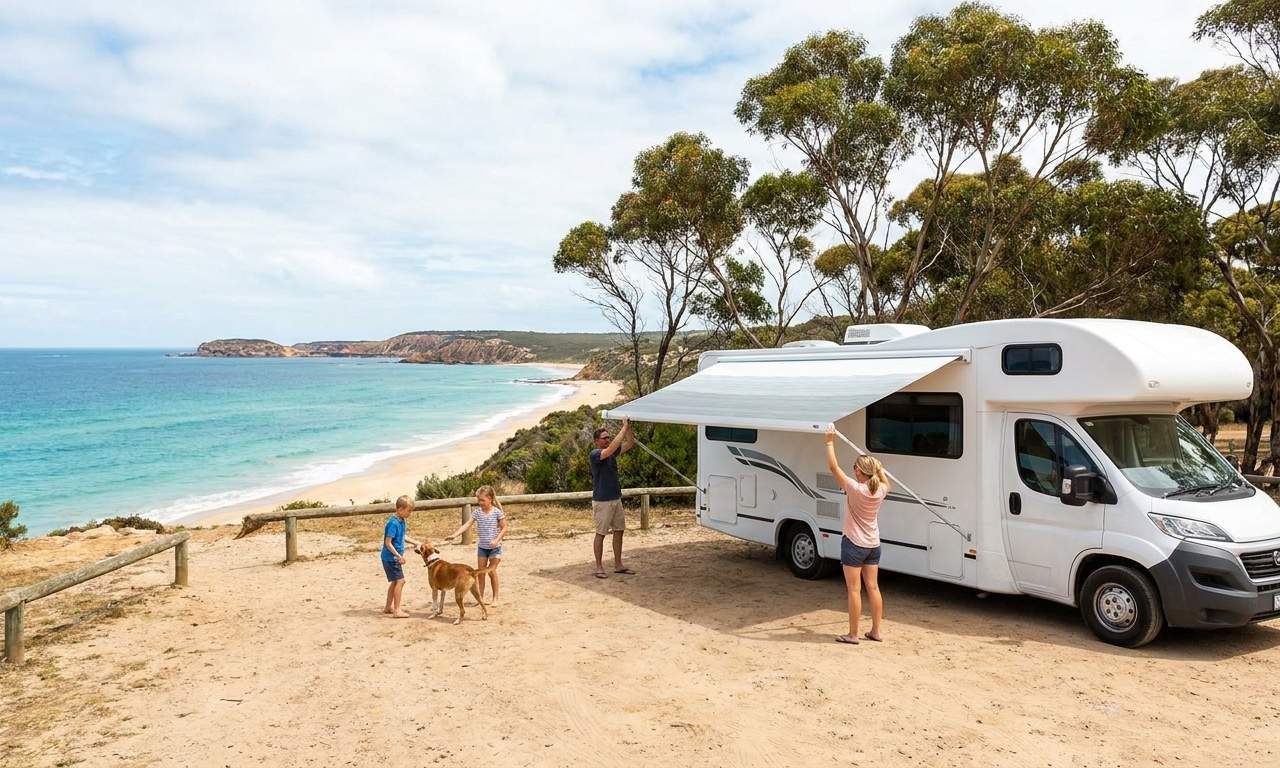
Australia offers diverse camping experiences from coastal routes like the iconic Great Ocean Road in Victoria to remote outback adventures near Uluru in the Northern Territory. National Parks such as Kakadu in the Northern Territory or Freycinet in Tasmania provide stunning natural backdrops for RV camping with varying levels of facilities. Coastal regions, including Queensland's Daintree, offer proximity to pristine beaches and marine activities, while inland areas provide unique wilderness and cultural experiences, often revealing ancient Indigenous heritage.
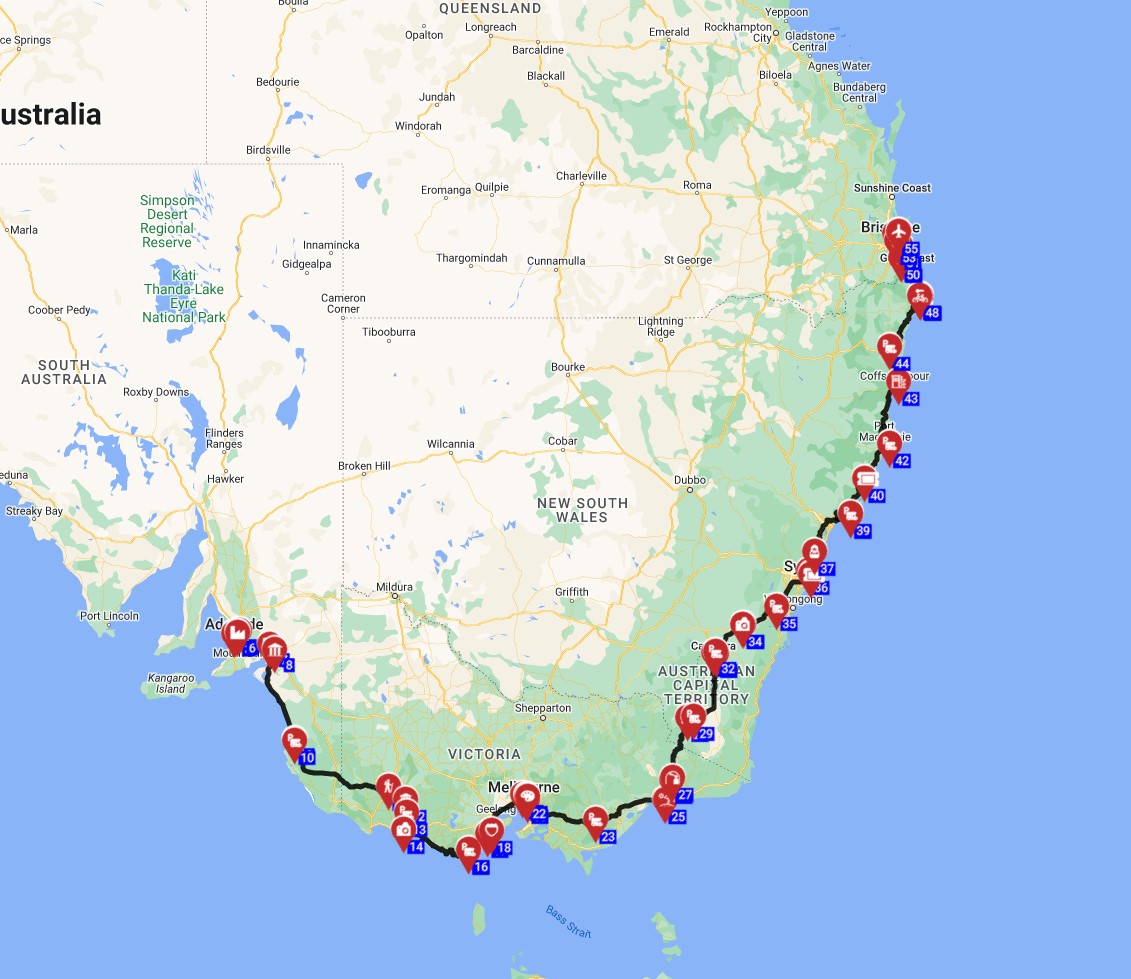
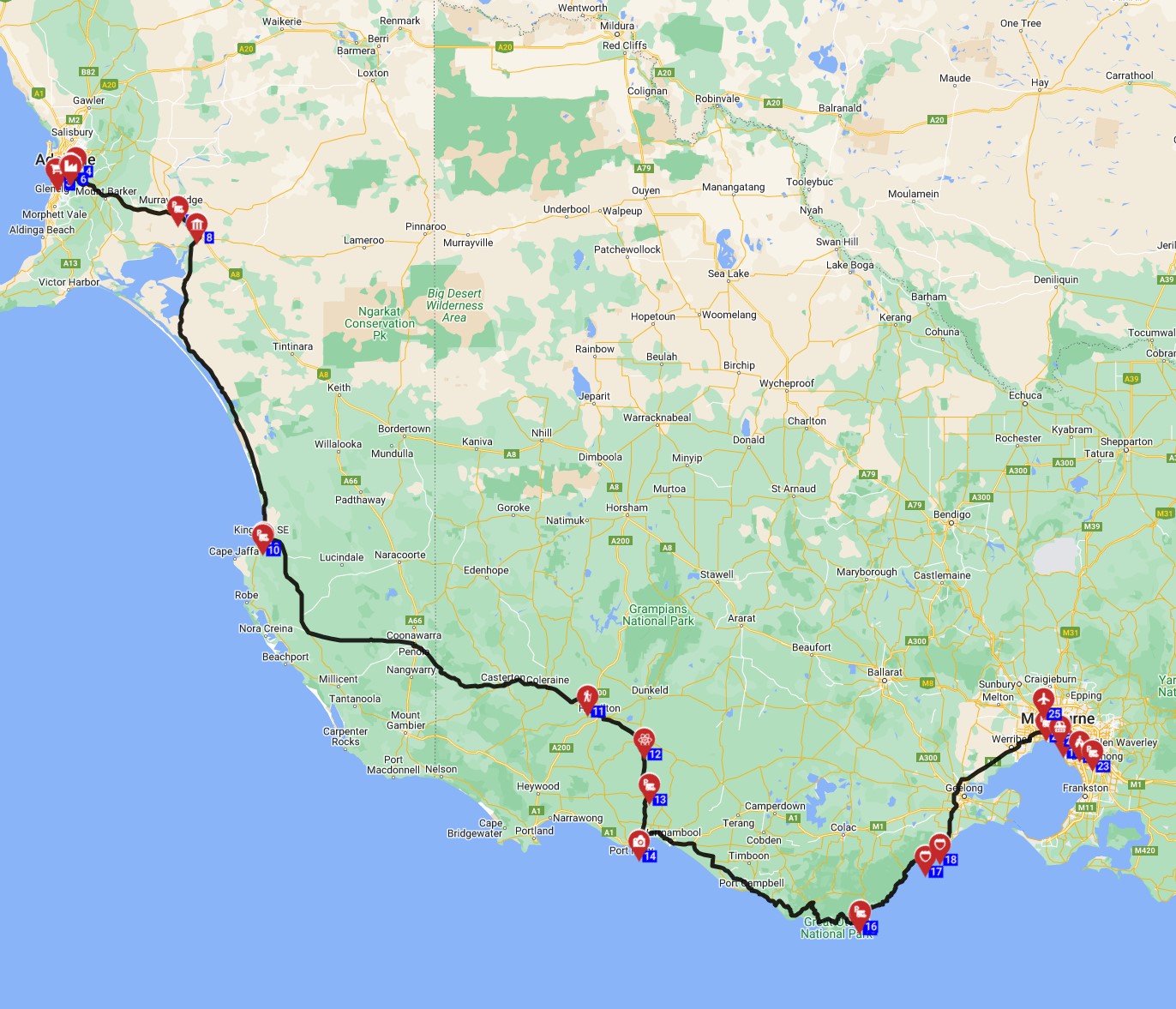
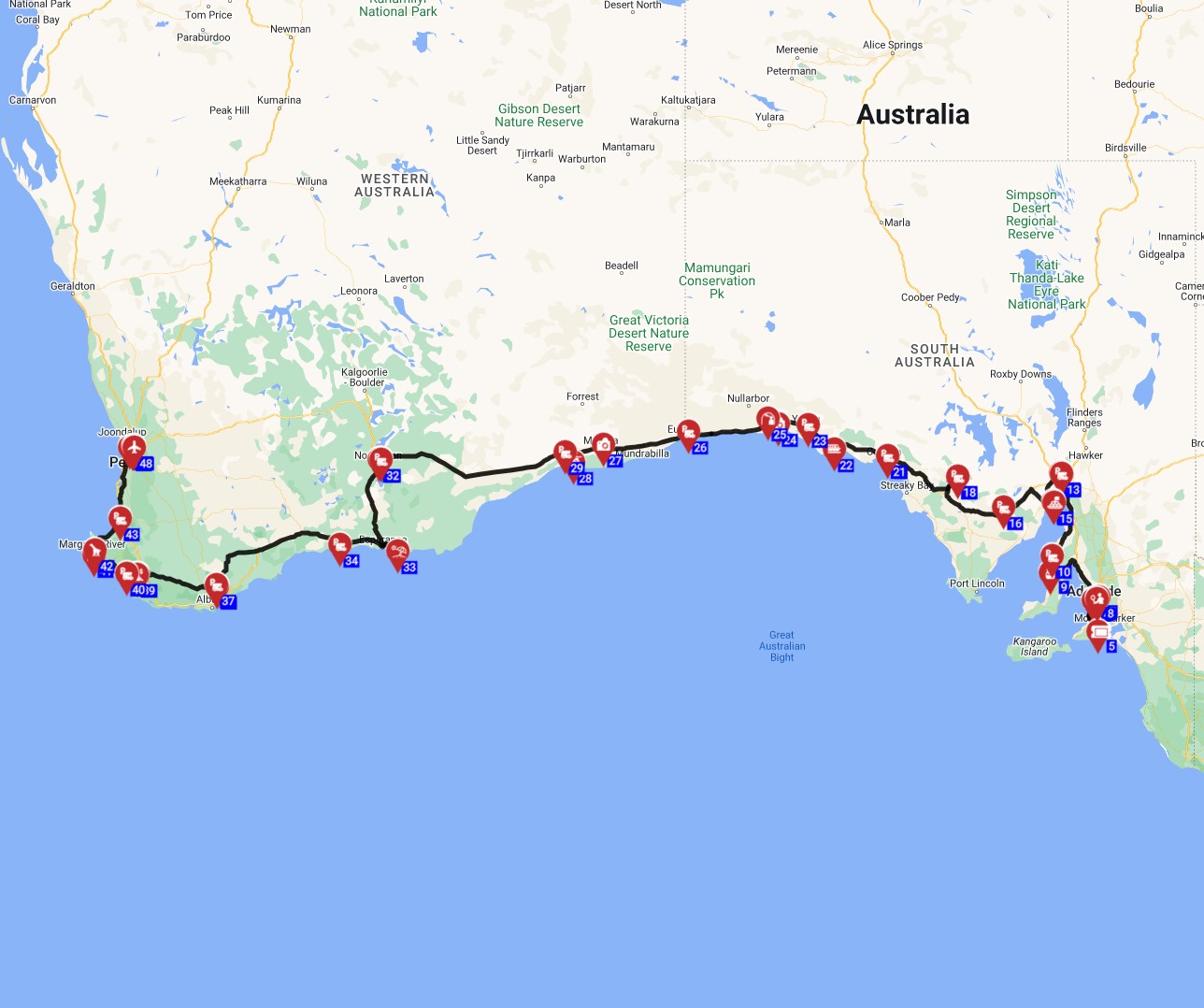
When choosing your routes, consider the pace of travel. We always recommend slow travel, aiming for a maximum of 100-150 km per day on average. This allows you to truly feel the place, connect to the local culture, savor the food, and immerse yourself in the scenery. For example, our 26-day "Melbourne to Darwin - Australia’s Heartline Road Trip" covers 5622.8 km, featuring 5 hiking areas and 3 museums, offering a leisurely pace to explore diverse attractions.
Planning your journey by region helps tailor the camping style to desired landscapes, from tropical rainforests to red deserts. For finding campsites and campgrounds during your trip, we recommend using RV PLANET (rvplan.net) - a great resource for locating available spots along your route. You can even itemize and track every expense along the way on RV PLANET routes for easy budgeting. On the routes offered through RV PLANET routes, you can itemize and track every expense along the way for easy budgeting.
Campground Types in Australia (National, Private, Wild)
Australia's camping landscape includes national and state park campgrounds, private caravan parks, and designated 'free' or 'wild' camping spots, each offering a distinct experience. National park sites often require permits and pre-booking, providing basic facilities like toilets and sometimes water, with varied fees by state and popularity. For example, some sites might cost AUD $7-$25 per night with minimal amenities. Private caravan parks, often called holiday parks, offer comprehensive amenities including powered sites (240V hookups), clean showers, laundry, swimming pools, and communal kitchens, with prices ranging from AUD $30 to $60 per night.
Freedom camping, or 'bush camping,' is permissible only in legally designated areas, such as specific state forests or council-run sites, and is strictly regulated to prevent illegal overnight parking. Always check local regulations rigorously before attempting free camping to avoid fines. Some areas might have specific rules for self-contained vehicles only. This full transparency in understanding camping regulations ensures a smooth trip without unexpected surprises.
Featured RV Park or Campground in Australia
When selecting an RV park in Australia for maximum comfort, look for establishments that cater to your specific travel needs, whether it's family-friendly facilities, pet accommodation, or proximity to attractions. A prime example is a well-regarded holiday park offering powered sites for 240V hookups, clean amenities blocks with hot showers, communal BBQ areas, and often a swimming pool or children's playground. These parks are designed for convenience and a relaxed stay, making them ideal for seniors.
Many top-rated parks are conveniently located near major tourist routes or natural wonders, providing easy access to exploration while offering a comfortable base. Consider factors like site size to accommodate your chosen Class C motorhome or campervan rental, available services like Wi-Fi (which may be paid or limited), and any on-site activities or tours provided by the park. Look for parks that are known for their accessibility and well-maintained facilities, ensuring peace of mind during your adventure. Our team of true RV specialists, with years of personal experience, can help you compare options.
Hookups & Amenities - What to Expect
In Australian RV parks and campgrounds, you can typically expect a range of hookups and amenities, though offerings vary from basic to comprehensive. Powered sites are a cornerstone of comfort, providing 240V electricity outlets, compatible with standard Australian three-pin plugs, which are crucial for running appliances like refrigerators, charging devices, and operating air conditioning units. Water hookups are common, offering fresh potable water directly to your rented RV, while dump points for grey and black water disposal are usually centrally located within the park, ensuring convenient waste management.
Other common amenities found in caravan parks include shared laundry facilities, hot showers, flush toilets, communal BBQ areas for cooking delicious meals (RV-friendly recipes playlist), camp kitchens, and increasingly, Wi-Fi access (which may be paid or limited in speed). For seniors, the availability of clean, accessible amenities is often a top priority, and most private parks in Australia excel in this regard. National park campgrounds, especially in remote areas, might offer more basic or no hookups, so always check ahead. Our partners include leading suppliers like Apollo and Britz, ensuring a wide range of well-equipped campervans and motorhomes.
Booking Windows & Reservations in Australia
For RV travelers in Australia, the necessity and timing of reservations depend heavily on the season and destination; pre-planners should book well in advance, especially for popular spots. During peak seasons, which include school holidays (typically late December-January, April, July, and September-October), long weekends, and major events like the Australian Open or Grand Prix, booking several months ahead is highly recommended. Many national park campgrounds release only a portion (often 25-30%) of their spots for advance reservations, with the remainder available on a first-come, first-served basis.
Spontaneous travelers can often find spots in less popular areas or during off-peak times, but it's always wise to call ahead to your intended campground on the day of travel to confirm availability and avoid driving to a full park. Don't stress too much about finding a spot-if not at the first campground, then the next one will likely have space. This flexibility is part of the charm of RV travel in Australia. Booking 90+ days in advance for peak season travel can also lead to significant savings on your motorhome rental.
Nearby Supermarkets & Resupply Points
When traveling by a rented RV in Australia, planning your resupply stops at supermarkets is crucial, especially when heading into more remote regions. Major supermarket chains like Woolworths and Coles are widely available in cities and larger towns, offering a full range of groceries, fresh produce, and general supplies. These larger stores are ideal for stocking up for several days or a week.
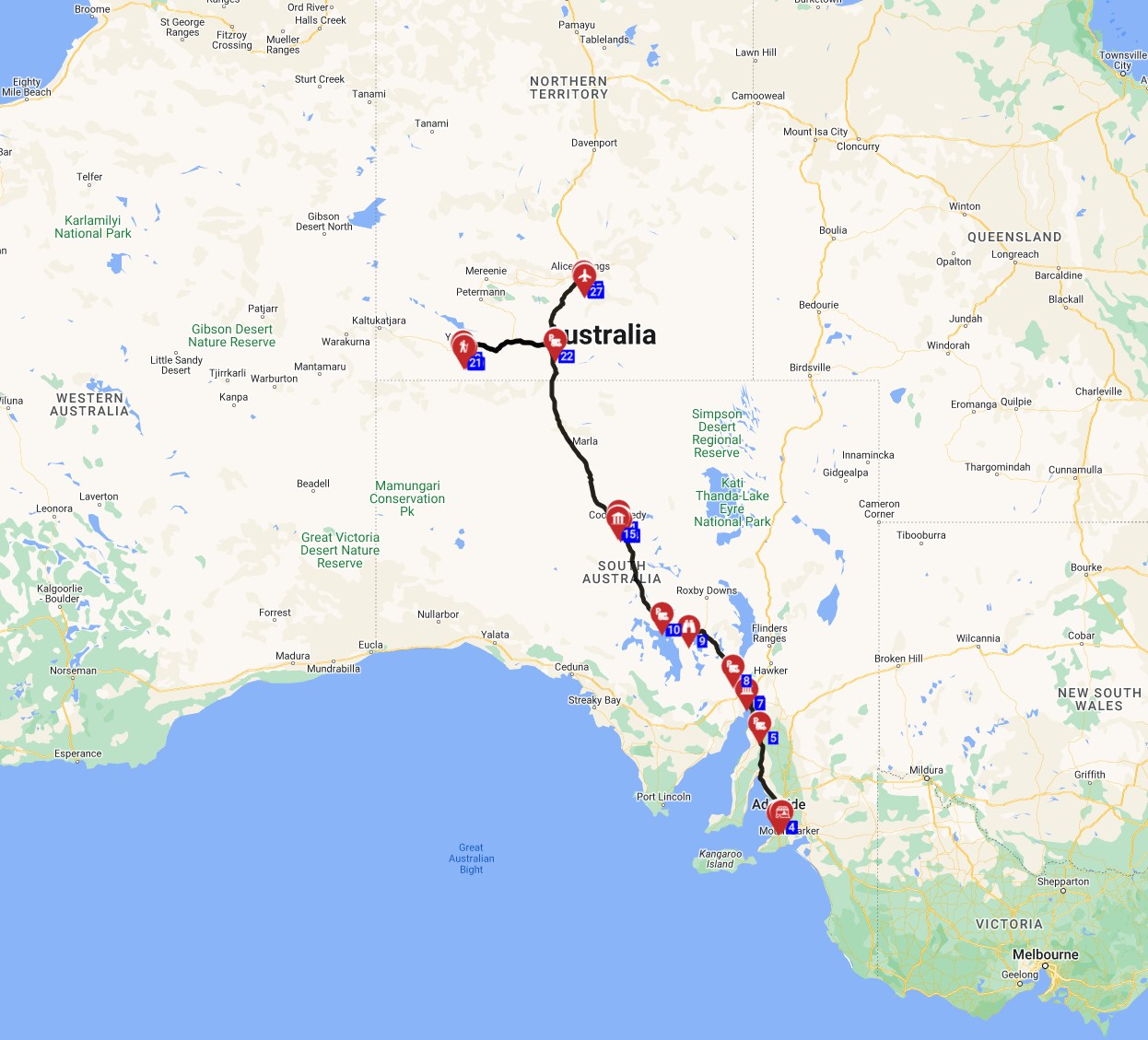
For smaller towns and regional areas, IGA supermarkets or local independent stores will be your primary resupply points, though prices may be higher and selection more limited. Always stock up on water, non-perishable food, and essential supplies before embarking on long stretches of road or journeys through the Outback where services are sparse. Having a well-stocked pantry and fridge in your motorhome, like those found in a 'cruise america rv rental example Explorer' with an 82 Liter fresh water tank and 90 liter refrigerator, ensures comfort and self-sufficiency. Remember, when exploring vast routes like the "Perth to Alice Springs - The Dreamtime Highway: A Journey Through Australia's Heart" which covers 5447.3 km with multiple natural features, planning your provisions is key.
Best RV Class for Camping in Australia
The best RV class for camping in Australia depends on your travel style, group size, and desired destinations, with Class B Camper Vans and Class C Alcove motorhomes being popular choices for comfort. Class B Camper Vans, such as the 'hire campervan example Paradise S/T' (automatic transmission, ideal for a couple, RV size-Small), averaging 5.8m in length with sleeping for around 3.2 people and fuel consumption of 8-10 Liter/100 km, are ideal for couples or small families seeking agility and easier access to smaller campsites and urban areas. They offer great maneuverability for city driving; just drive slowly and carefully, and you can navigate almost anywhere without issues. For instance, a 'rv rental denver example Category Van' could be ideal, featuring a shower and toilet.
Class C Alcove motorhomes, at an average length of 7.5m, accommodating about 5.8 sleepers, and consuming 10-12 Liter/100 km, offer more space and comfort for larger families or groups, suitable for longer trips with more amenities. For example, a 'rv rentals example Comfort Class' offers 3 double beds, and is ideal for a family of 2+2, complete with shower and toilet. For venturing onto unsealed roads or into remote areas, consider if a 4WD campervan or RV with higher ground clearance, like a 'Patagonia Camper 4x4 double cab,' is necessary, as many standard RV rentals are restricted to sealed roads. Always confirm road access limitations with your supplier if you plan off-the-beaten-path travel.
How to Save on Campgrounds in Australia
Saving money on campgrounds in Australia can significantly enhance your RV holiday budget, and utilizing discount cards is a prime strategy. Many RV rental providers, including Bandana, may offer or recommend campground discount cards (e.g., G'day Rewards, Family Parks) that provide savings on nightly rates at participating parks. These loyalty programs can quickly pay for themselves on a week-long trip.
Traveling during the shoulder or off-season (outside of school holidays, typically May-June or October-November) typically results in lower rates and fewer crowds, offering a more serene experience. Opting for municipal or regional council-run campgrounds over private holiday resorts, choosing unpowered sites when full hookups aren't essential, and staying for three or more nights to qualify for weekly rates can also reduce costs. Comparing prices across different types of campgrounds, from basic national park sites costing AUD $7-$25 to amenity-rich holiday parks at AUD $30-$60, will help you manage your budget effectively, allowing you to travel slowly and truly enjoy each destination.
Can you park an RV anywhere in Australia?
No, you cannot park an RV just anywhere in Australia; regulations vary significantly by state, territory, and local council, generally prohibiting overnight parking in unauthorized public areas. Overnight parking is restricted to designated camping grounds, caravan parks, or specific free camping areas that explicitly permit RVs. Many urban and coastal areas have strict 'no overnight parking' rules, enforced by local councils, to deter illegal camping, which can result in fines ranging from AUD $100 to $500 or more.
Always check local signage and use apps like WikiCamps Australia to identify legal parking and camping spots to avoid fines and ensure responsible travel. Respecting local laws and environmental guidelines is crucial for preserving Australia's natural beauty and ensuring a pleasant experience for everyone. Planning your overnight stops in advance, especially for popular destinations, is part of a stress-free RV rental adventure.
What are RV parks called in Australia?
In Australia, what are commonly known as "RV parks" in other parts of the world are primarily referred to as "caravan parks" or "holiday parks." These terms are used interchangeably and typically denote commercial establishments offering powered and unpowered sites for caravans, motorhomes, and campervans, along with essential amenities for a comfortable stay. Other related terms include 'tourist parks' or simply 'camping grounds,' which might suggest more basic facilities, particularly within national or state parks.
Understanding this terminology is key for international travelers when searching for accommodation and services for their rented RV. While motorhomes and campervans are often rented, the term "caravan" is broadly used for any recreational vehicle, including towables, though Bandana Caravan focuses exclusively on motorhome and campervan rentals. These parks offer a wide range of facilities, making them an excellent choice for seniors seeking comfort and convenience on their Australian road trip.
Where can you park overnight for free in Australia?
Overnight parking for free in Australia is permitted in designated "free camping" or "rest area" zones, often found along highways, in state forests, or specific council-run areas, but strict rules apply and legality varies by location. Resources like the WikiCamps Australia app are invaluable for locating legal free camping spots, providing details on amenities, user reviews, and restrictions. Many roadside rest areas allow short overnight stays (e.g., 24 hours) for travelers to combat fatigue, but generally lack facilities beyond basic toilets, so being self-contained is an advantage.
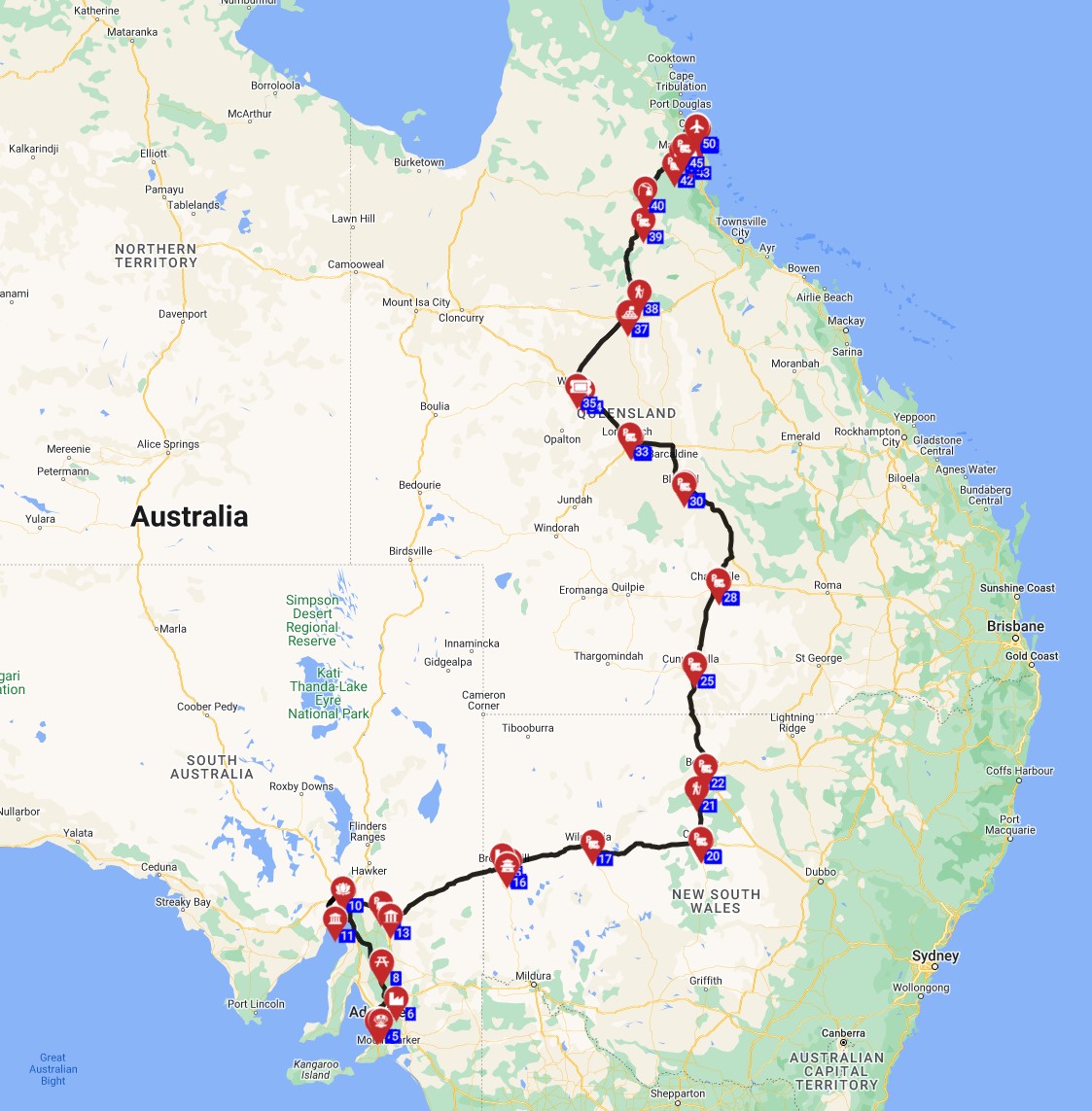
Always look for specific signage, as parking overnight in undesignated public areas, especially in towns or cities, is often illegal and can result in fines. Responsible camping means respecting local environmental rules and cultural etiquette, particularly near Indigenous lands. Remember to carry enough water, especially in remote areas like those on the "Cairns to Alice Springs - Northern Horizons: A Journey Through Australia's Heartland" route, which spans 4003.6 km and includes 3 hiking areas and 2 natural features.
What is the average caravan park fee in Australia?
The average caravan park fee in Australia typically ranges from AUD $30 to $60 per night for a powered site, though prices can fluctuate significantly based on location, season, amenities, and the type of site. Unpowered sites are generally cheaper, often falling between AUD $20 and $40 per night, providing a more budget-friendly option for those with good battery and water management. Always remember that prices are dynamic, similar to flight tickets, changing daily based on availability and other factors. The final price is set at the actual booking time.
Premium holiday parks in popular tourist destinations or during peak season can charge upwards of AUD $70-$100 or more per night, especially for waterfront or superior sites. It's advisable to budget for the higher end if traveling during school holidays or to iconic locations like the Gold Coast, Byron Bay, or specific national park entry points. Our transparent pricing means you'll always know what to expect, with no hidden fees.
How much do campsites cost in Australia?
Campsite costs in Australia vary widely, with basic national park sites potentially costing AUD $7 to $25 per night, while private caravan park sites average $30 to $60 for a powered site. National and state park campgrounds are usually the most budget-friendly option, with fees sometimes calculated per vehicle or per person, rather than per site, depending on the park authority. These basic sites may offer simple facilities like drop toilets and picnic tables.
Free camping, while incurring no direct cost, requires careful planning and adherence to legal designated areas, typically lacking any facilities. Factors influencing the cost of a campsite include the level of amenities (e.g., hot showers, camp kitchen, swimming pool), the location's popularity, and the demand during peak travel periods. Being a pre-planner and securing your spot in advance can help manage these costs. For detailed budgeting, our RV PLANET routes allow travelers to itemize and track every expense along the way.
Are RVs allowed in Australia?
Yes, Recreational Vehicles (RVs), including campervans, motorhomes, and mobile homes, are widely allowed and popular for travel throughout Australia, though specific access rules may apply in certain protected or remote areas. Australia's vast landscapes and well-developed tourist routes make RV travel a highly favored method for exploring the country, offering freedom and flexibility. Drivers must adhere to standard Australian road rules, including speed limits, and be prepared for long distances between services, particularly in the Outback, and interactions with 'road trains' (multi-trailer trucks). Drive slowly and carefully, and you can drive almost anywhere without issues. No need to stress-just use common sense and pay attention.
🎬 Video coming soon
While generally permitted on sealed roads, some remote tracks, particularly 4WD-only routes, may restrict access for larger or 2WD RVs, impacting route planning. Always check road conditions before venturing onto unsealed roads. A standard car driver's license is sufficient for all motorhome classes (Class A, Class B, and Class C) in Australia, and the minimum rental age is 21 with no young driver surcharges. An International Driving Permit (IDP) is recommended for visitors from non-English-speaking countries but is not mandatory in most cases.
How can I book campsites in Australia?
Campsites in Australia can primarily be booked through online reservation systems for national and state parks, directly via the websites or phone numbers of private caravan parks, or through aggregated booking platforms. For national and state parks, utilize the respective state or territory park authority websites (e.g., Parks Australia, NSW National Parks and Wildlife Service, Parks Victoria). These sites often provide detailed information on facilities, availability, and specific park rules.
Private caravan and holiday parks can be booked directly through their individual websites, often with online booking portals, or by calling their reception. Aggregator apps and websites like WikiCamps, CamperMate, and some general travel booking sites also list and facilitate bookings for a variety of campgrounds across Australia, often with user reviews to help you choose. Planning your route with RV PLANET (rvplan.net) can also assist in finding suitable campgrounds along your itinerary.
Do you need to pre-book campsites in Australia?
While not always strictly necessary, pre-booking campsites in Australia is highly recommended, especially during peak seasons, school holidays, and for popular destinations, to guarantee a spot and avoid disappointment. During off-peak periods or in less-visited regions, you may have more flexibility for last-minute bookings or simply arriving without a reservation. National park campsites, particularly those with limited spots or within iconic areas like the national parks mentioned in "RV Travel Guide to Australia - Tips and Top Spots 2026", often require pre-booking months in advance.
However, many national/state parks reserve only 25-30% of spots for advance booking, with the rest being first-come-first-serve. So, even if you are a spontaneous traveler, you'll likely find a spot. If not at the first campground, then the next one. Always consider your travel dates and destination's popularity; if unsure, a quick phone call to the campground on the day of travel can confirm availability and save time. We encourage travelers to embrace both planning styles, whether you like everything organized or prefer booking day-to-day.
What is ghost camping in Australia?
"Ghost camping" in Australia refers to the practice of illegal, stealthy overnight parking or camping in non-designated areas, often in urban or suburban locations, to avoid fees or restrictions. This practice is distinct from legal 'free camping,' which occurs in officially sanctioned, often more remote, locations that may have minimal facilities. Ghost camping is generally discouraged and can lead to fines, damage to local environments, and negatively impact the perception of RV travelers among local communities.
Responsible tourism and cultural etiquette dictate that campers should only utilize designated camping or parking areas, respecting local laws and the environment. Choosing registered caravan parks or designated free camping spots not only ensures legality but also provides access to amenities that enhance comfort, especially for seniors. Our emphasis on full transparency means we encourage adherence to local regulations for a hassle-free and enjoyable RV rental experience in Australia.
What You Shouldn't Miss
- **The Great Ocean Road:** Drive your rented motorhome along this iconic coastal stretch in Victoria, stopping at the Twelve Apostles for breathtaking views. Allow at least 3-4 days to savor the experience.
- **Uluru-Kata Tjuta National Park:** Witness the majestic sunrise and sunset over Uluru from your campervan. Book your campground spot in Yulara well in advance for powered sites.
- **Kakadu National Park:** Explore ancient Indigenous rock art and diverse wildlife, enjoying boat cruises on Yellow Water Billabong. Many campgrounds are available, some offering basic amenities.
- **Sydney Harbour:** Park your RV at a nearby caravan park and take public transport to explore the Sydney Opera House and Harbour Bridge.
- **Tasmania's East Coast:** Discover Freycinet National Park and Wineglass Bay. This region is perfect for slow travel, with charming towns and fresh seafood.
Looking for expert insights from Avi Bandana? Top 5 Adventures - recommendations from Avi Bandana
Final Thoughts
Australia by RV is an unparalleled experience, especially when you prioritize comfort and careful planning. For seniors, the freedom of a rented motorhome, combined with the comprehensive amenities of Australian caravan parks, offers a stress-free way to explore this incredible continent. Remember our motto: "Travel slowly, max 100-150 km per day. Take time to feel the place, connect to the culture, the food, and the scenery." This allows for a truly enriching and relaxed adventure.
Whether you dream of coastal drives or outback explorations, a campervan or motorhome rental provides the perfect mobile base. With Bandana Caravan, you’re supported every step of the way, benefiting from our transparent pricing and dedicated expertise. We handle the details, so you can truly live the journey.
Ready to embark on your Australian RV adventure with comfort and confidence? Explore Motorhome Rental in Australia for Seniors now and start planning your perfect itinerary.