In This Guide
- Where to Camp in Texas - Top Options
- Campground Types in Texas (National, Private, Wild)
- Featured RV Park or Campground in Texas
- Hookups & Amenities - What to Expect
- Booking Windows & Reservations in Texas
- Nearby Supermarkets & Resupply Points
- Best RV Class for Camping in Texas
- How to Save on Campgrounds in Texas
- How much does a one way RV rental in Texas cost?
- What are the best routes for a one way RV trip in Texas?
- What are the unique challenges of RVing in Texas?
- What are some hidden gem RV campgrounds or boondocking spots in Texas?
- When is the best time to go RV camping in Texas?
- What to pack for an RV trip in Texas?
- What safety precautions should I take for RV travel in Texas?
Texas, the Lone Star State, offers an unparalleled canvas for one-way RV rental adventures, allowing you to traverse its vast and varied landscapes without retracing your steps. Imagine beginning your journey amidst the vibrant culture of Houston and concluding it under the starry skies of Big Bend National Park, or starting in Dallas and ending your trip along the scenic Gulf Coast near Galveston. For live availability and current prices, start with our RV Rental Texas - Complete Guide 2026 guide. This flexibility, combined with the comforts of a rented motorhome or campervan, makes a one-way trip an exceptionally freeing way to experience Texas.
At Bandana Caravan, we believe in making RV travel simple, transparent, and memorable. Since 2001, we have helped tens of thousands of travelers explore the world by RV, building direct partnerships with over 50 leading RV suppliers worldwide including respected names like El Monte and Cruise America. Our commitment to full transparency means you'll encounter no hidden fees and no surprises when you book with us, ensuring what you see is what you pay. We're true RV specialists, not just a side department of a general travel agency, providing you with expert knowledge and support from your initial comparison to post-booking coordination. Our 24/7 support ensures real people are behind you every step of the way.
Where to Camp in Texas - Top Options
Texas offers diverse RV camping experiences across its vast landscape, from the desert beauty of Big Bend to the serene lakes of the Hill Country and the vibrant Gulf Coast. Travelers can explore state parks like Big Bend Ranch State Park for rugged adventures, Garner State Park in the Hill Country for scenic beauty and river activities, or Mustang Island State Park on the Gulf Coast for beach camping. These regions provide unique opportunities for crafting themed itineraries, such as a "West Texas Stargazing Tour" or a "Hill Country Wine and BBQ Trail" RV journey.
Consider starting a one-way adventure in a major city like Austin or Dallas and driving towards a natural wonder. For instance, a route from Austin could lead you through the Hill Country, stopping at Fredericksburg for wine tastings and then heading south to explore the beautiful state parks. Alternatively, an RV adventure from Houston could take you along the Gulf Coast, offering opportunities for beachside camping and marine wildlife watching. Regardless of your starting point, Texas offers hundreds of camping options to suit any travel style.
Campground Types in Texas (National, Private, Wild)
In Texas, RVers can choose between amenity-rich private campgrounds, well-maintained state and national parks, and limited opportunities for legal wild or dispersed camping. Private RV resorts often provide full hookups (electric, water, sewer), Wi-Fi, pools, and recreational facilities, ideal for comfort and convenience. Texas State Parks and National Park Service sites offer scenic beauty, hiking trails, and often more primitive camping options, with some offering partial or full hookups.
Dispersed camping, also known as boondocking, is legally permitted in certain National Forests (like Sam Houston National Forest) and Bureau of Land Management (BLM) lands, primarily in West Texas, offering a cost-saving strategy and a deeper connection with nature, though amenities are scarce. While Texas is vast, less than 3% of its land is public, making dispersed camping significantly scarcer than in Western states, so it requires careful planning. For finding campsites and campgrounds during your trip, we recommend using RV PLANET (rvplan.net) - a great resource for locating available spots along your route.
Featured RV Park or Campground in Texas
When selecting an RV park in Texas for your one-way rental, prioritize establishments that offer a balanced blend of essential amenities, regional charm, and access to local attractions or unique experiences. Look for parks with reliable full hookups (30/50 amp electric, water, sewer), clean restrooms, laundry facilities, and strong Wi-Fi connectivity, especially if working remotely. Consider locations that provide cultural immersion, such as proximity to local festivals, authentic Texas eateries, or unique natural landscapes like the Palo Duro Canyon State Park region, which offers dramatic canyon views and hiking.
Many top-rated parks also feature amenities like swimming pools, clubhouses, and dog parks, enhancing your overall camping experience. For example, Brazos Bend State Park southwest of Houston offers excellent wildlife viewing, including alligators, while Big Bend National Park in West Texas provides unparalleled stargazing opportunities in a vast desert landscape. For families, places like Galveston Island State Park combine beach access with recreational facilities. Remember, what you see is what you pay when booking through Bandana Caravan, with full price transparency on all amenities.
Hookups & Amenities - What to Expect
RV campgrounds in Texas typically provide a range of essential hookups, including 30 or 50 amp electric service, fresh water connections, and sewer dump stations, with additional amenities varying by park type and price point. Most private RV parks offer full hookups, while state and national parks may have sites with water and electric only, or no hookups at all (dry camping). Common amenities include Wi-Fi (which can be unreliable in remote areas, necessitating personal hotspots), laundry facilities, hot showers, picnic tables, and fire rings. On the routes offered through RV PLANET routes, you can itemize and track every expense along the way for easy budgeting.
For long-distance Texas trips, identifying parks with reliable internet and accessible dump stations in advance is crucial, especially when traversing less populated regions like the expansive West Texas. Many modern RVs, such as the El Monte and Cruise America models available through Bandana, often come equipped with a refrigerator, stove, and microwave, allowing you to prepare meals on board and reduce dining-out costs. Don't forget to pack your RV-friendly recipes playlist for delicious meals on the go!
Booking Windows & Reservations in Texas
Securing an RV campsite in Texas, particularly for popular destinations like state parks or during peak seasons (spring break, holidays), often requires advance booking, sometimes 3-6 months ahead. For spontaneous travelers on a one-way RV rental, flexibility is key; while many national and state park campgrounds only release 25%-30% of spots for reservations (with the rest being first-come, first-served), you will almost certainly find a place-if not at the first campground, then the next within reasonable driving distance.
It is always recommended to call ahead to a desired campground before driving there, especially when arriving later in the day, to confirm availability. For one-way trips, consider booking your first and last nights in popular areas and leave flexibility for stops in between, utilizing resources like the Texas Parks & Wildlife Department website for state park reservations or private campground directories. Planning flexible dates, perhaps traveling in the shoulder seasons, can also help find more availability and potentially better rates for your RV Rental in Texas - Prices and Best Deals 2026.
Nearby Supermarkets & Resupply Points
For RVers traversing Texas in a one-way rental, major grocery chains like H-E-B, Kroger, and Walmart are reliable and plentiful resupply points found in most towns and cities, crucial for stocking up on essentials during long journeys. H-E-B is a dominant Texas-based supermarket chain offering a wide range of groceries, including local and specialty items, and is widely available across the state. In more remote areas, smaller local grocery stores or dollar general type shops might be the only option; always plan to stock up sufficiently before venturing into less populated regions like West Texas.
Don't forget to look for farmers markets for fresh, local produce, especially when seeking authentic Texan culinary immersion experiences in cities like Austin or San Antonio. Planning your meals and knowing where you'll restock can significantly impact your overall trip budget, which you can easily track and itemize with RV PLANET routes.
Best RV Class for Camping in Texas
The ideal RV class for camping in Texas, especially for a one-way rental, depends on your group size, desired amenities, and preferred camping style, with Class B Camper Vans and Class C Alcove models offering versatile options. For solo travelers or couples, Bandana's Class B Camper Vans, averaging 5.8 meters in length, sleep around 3.2 people and offer excellent maneuverability for exploring Texas's state parks or finding remote boondocking spots. A typical global fleet Class B campervan, like an "Active Compact Select" or "VW California Ocean", has a fuel consumption of 8-10 Liters/100 Km, making it efficient for longer distances.
For families or small groups, Bandana's Class C Alcove RVs, averaging 7.5 meters and sleeping 5.8 people in the global fleet, provide more living space and amenities for comfortable camping at established campgrounds. Models such as the "Cruise America example Explorer" at 7.1 meters or a "24' Class C Motorhome" with a 166-liter fresh water tank, typically consume 10-12 Liters/100 Km. Class SI (Semi-integrated) motorhomes are also a versatile option, averaging 6.9 meters in length, accommodating around 3.8 sleepers, and offering a good balance of comfort and fuel efficiency (10-11 Liters/100 Km), suitable for various Texas camping scenarios, including those seeking a bit more space than a Class B without the full size of a Class C. Remember, a standard car driver's license is sufficient for all motorhome classes in Texas. For more details on budgeting for different vehicle types, consult our Cheap RV Rental in Texas - Budget Guide 2026.
How to Save on Campgrounds in Texas
RVers can significantly reduce camping costs in Texas by utilizing discount programs like Bandana's campground cards, opting for shoulder season travel, and choosing municipal or regional parks over pricier private resorts. Bandana offers campground discount cards that can provide savings at participating RV parks across Texas, a valuable tool for comprehensive budget planning. Booking during the shoulder seasons (late spring, early fall) often yields lower rates and fewer crowds compared to peak summer or holiday periods.
Consider staying 3+ nights at private parks to qualify for weekly rates, or explore state park passes (like the Texas State Parks Pass for $70 annually) for free entry and discounted camping fees, which can offset costs on longer trips or multiple visits. Additionally, researching free dispersed camping opportunities in national forests or BLM lands, especially in West Texas, can offer substantial savings, though these spots typically lack amenities. To compare all the latest offers, see our RV Rental Deals in Texas - Latest Offers 2026 page.
How much does a one way RV rental in Texas cost?
The cost of a one-way RV rental in Texas varies significantly based on factors such as the RV class, rental duration, season, and the specific one-way fee charged by the rental company, typically ranging from a few hundred to over a thousand dollars for the one-way portion alone. One-way fees are often higher during peak seasons or for routes with imbalanced demand, so booking in the shoulder season or selecting less common drop-off locations can sometimes mitigate these charges. For example, a 7-day one-way rental for a Class C motorhome like the "C-30" might start around $150-$250 per day plus a one-way fee of $300-$700.
Beyond the base rental rate and one-way fee, consider additional costs like fuel (Bandana's global fleet Class B vans typically consume 8-10 Liters/100 Km, while Class C RVs are 10-12 Liters/100 Km), campground fees, insurance, and provisions. For instance, a Class C "cruise america rv rental example Explorer" with a 75-liter fuel tank and 11 L/100 Km consumption on a 1,000 km trip would incur around $100-$150 in fuel costs. Comprehensive budget planning should also account for potential mileage charges, generator usage fees (if applicable), and the cost of state park passes or other activity fees to avoid unexpected expenses. For a detailed breakdown, check out our One-Way RV Rental in Texas - Price Guide 2026.
What are the best routes for a one way RV trip in Texas?
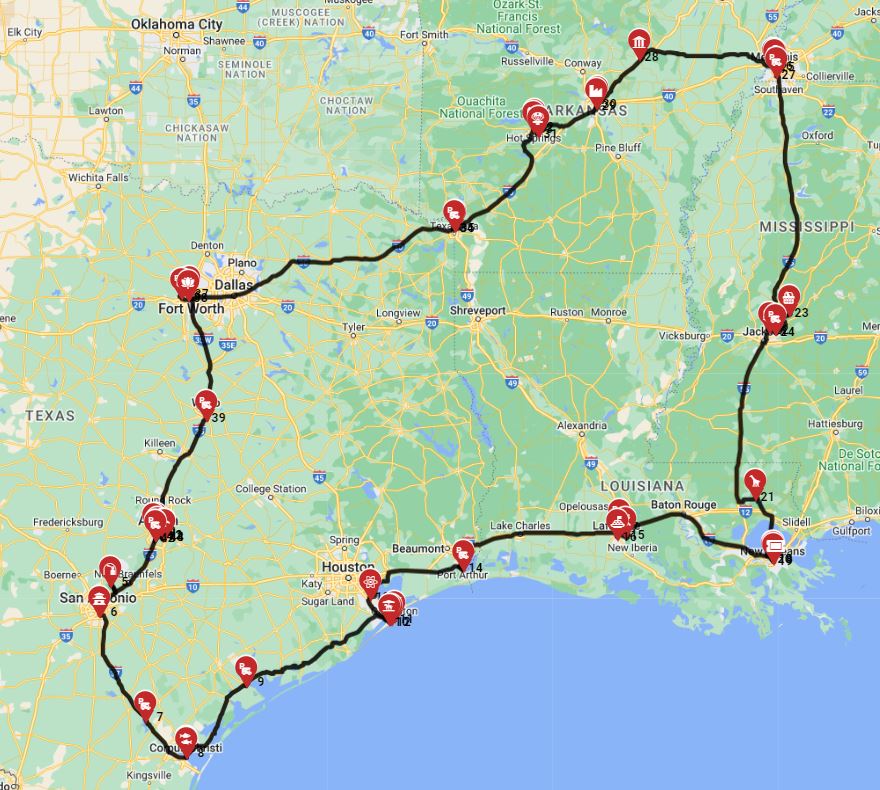
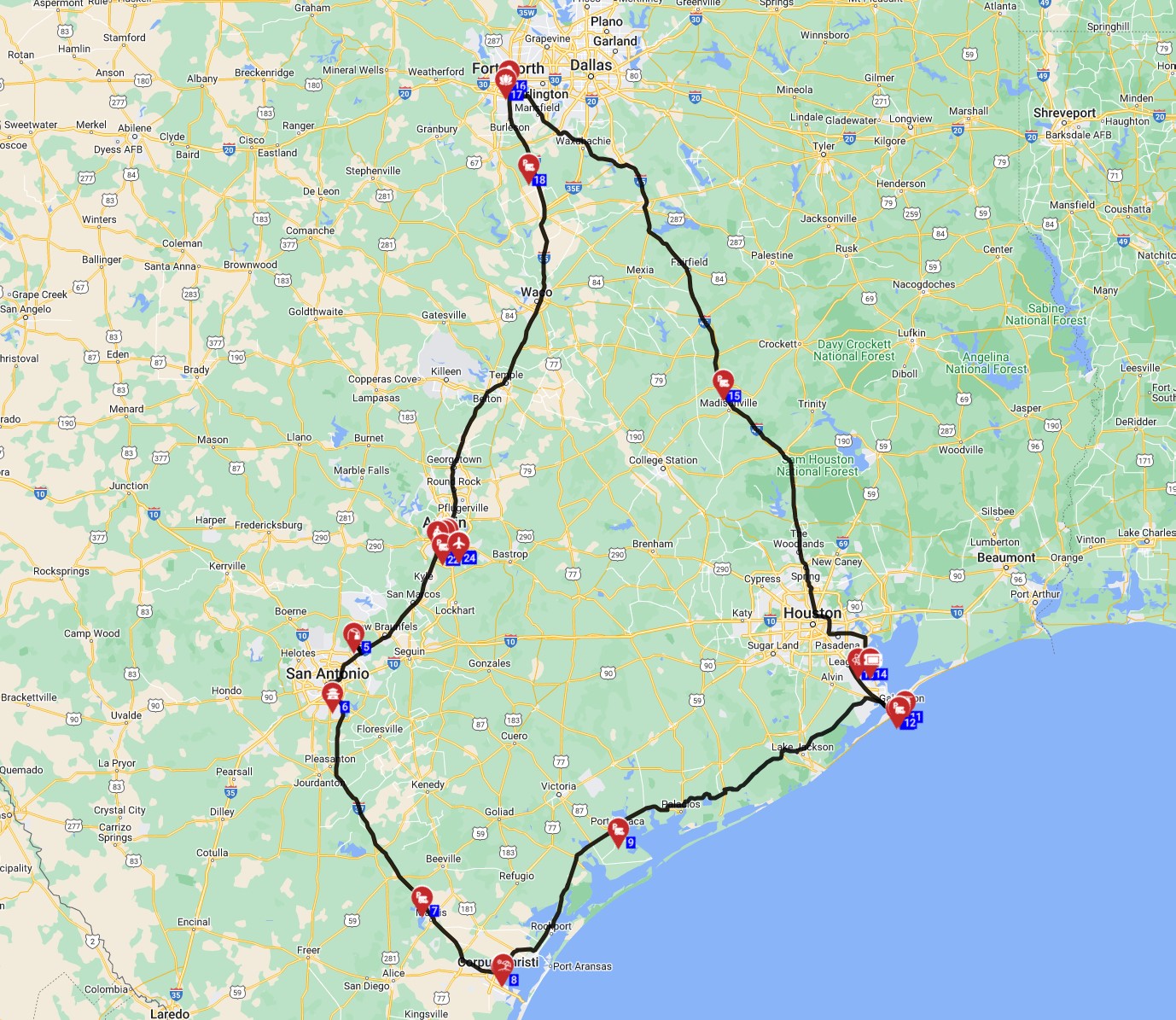
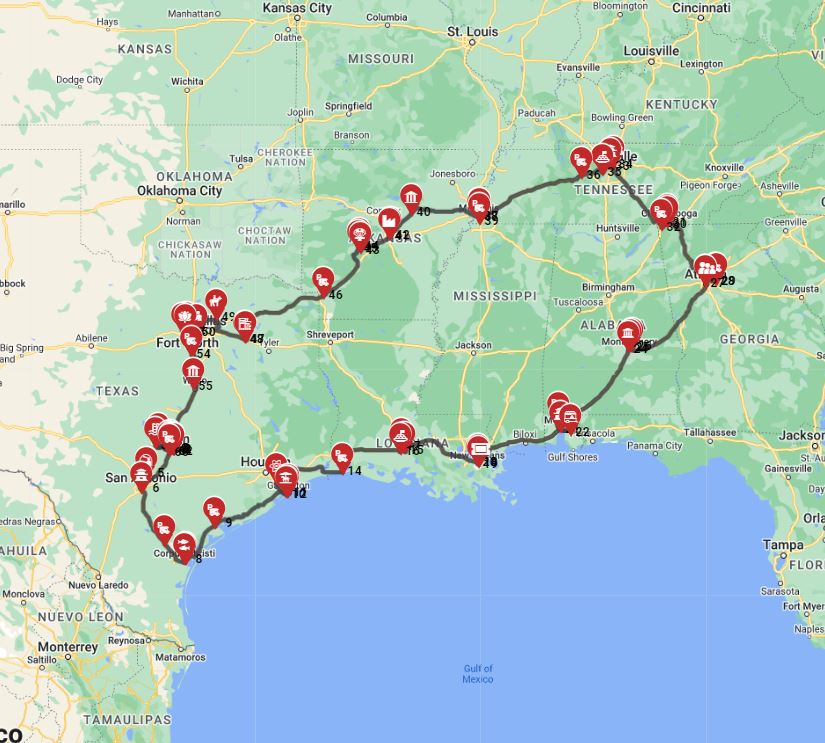
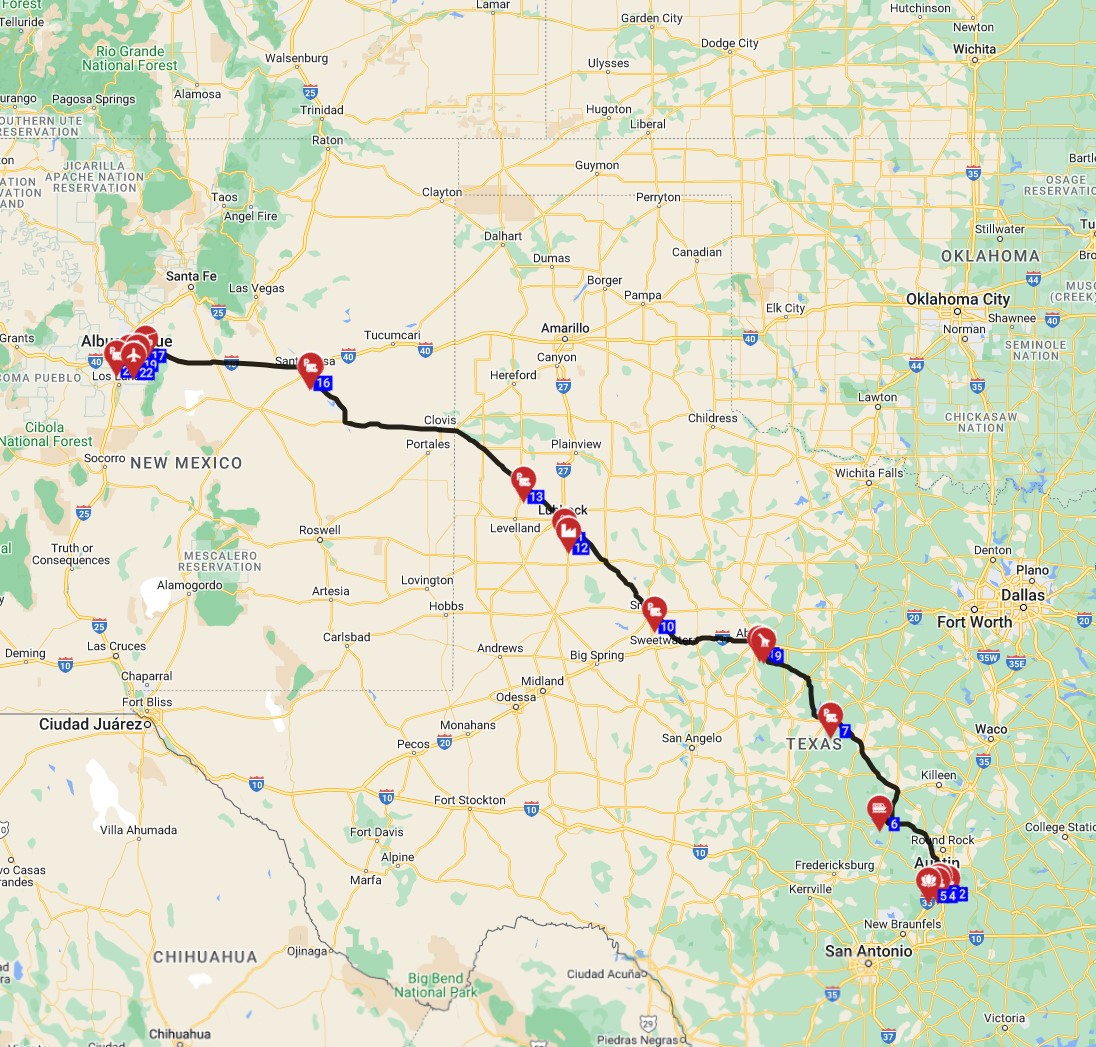
Optimizing a one-way RV trip in Texas involves selecting routes that seamlessly connect diverse regions and highlight specific interests, such as the 'Big Bend Adventure' from El Paso to San Antonio or the 'Texas BBQ and Music Trail' from Austin to Dallas. The 'Big Bend Adventure' (e.g., El Paso to San Antonio) allows for exploration of remote desert landscapes, stargazing in Big Bend National Park, and a cultural immersion in cities like Marathon and San Antonio. This route might cover over 1,000 km, offering diverse scenery and fewer crowds.
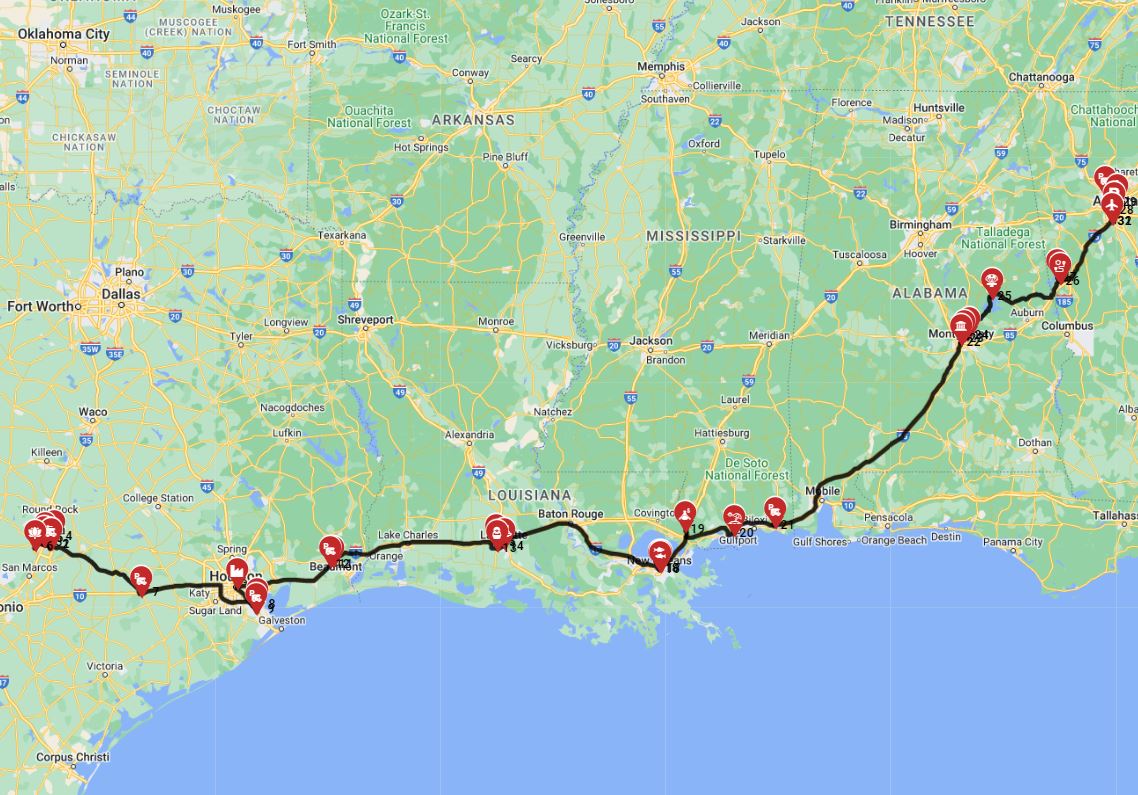
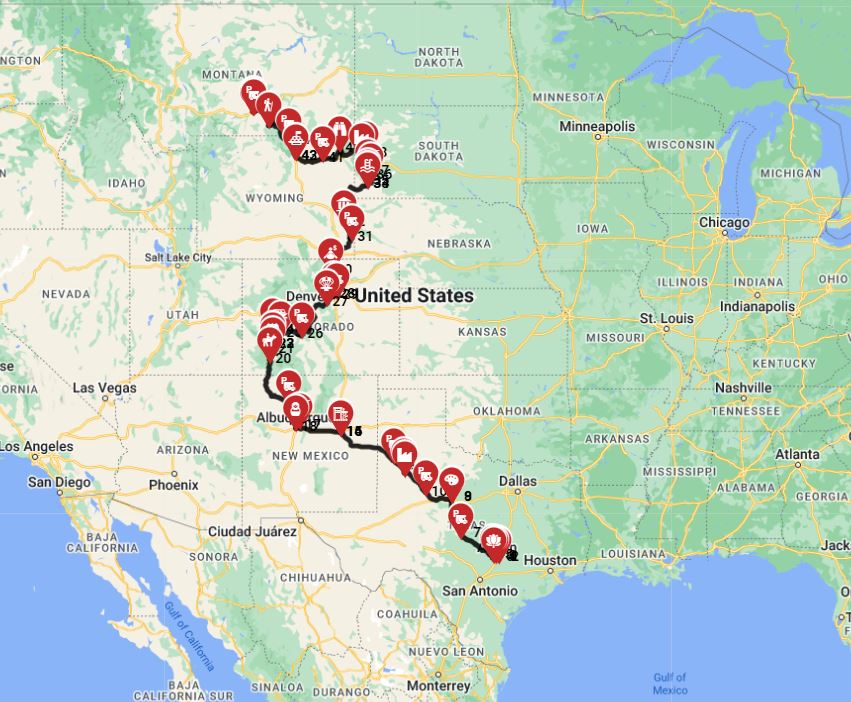
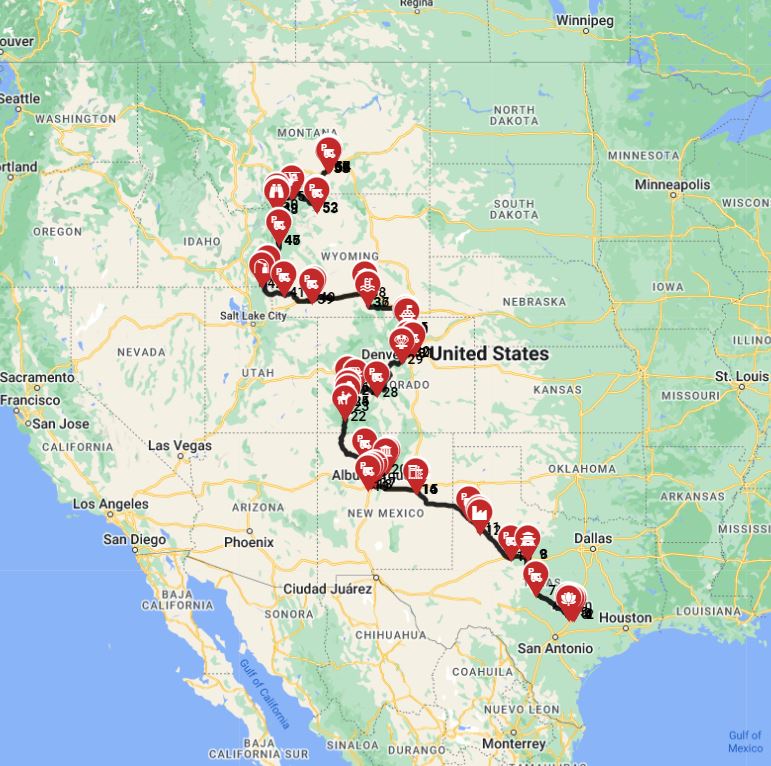
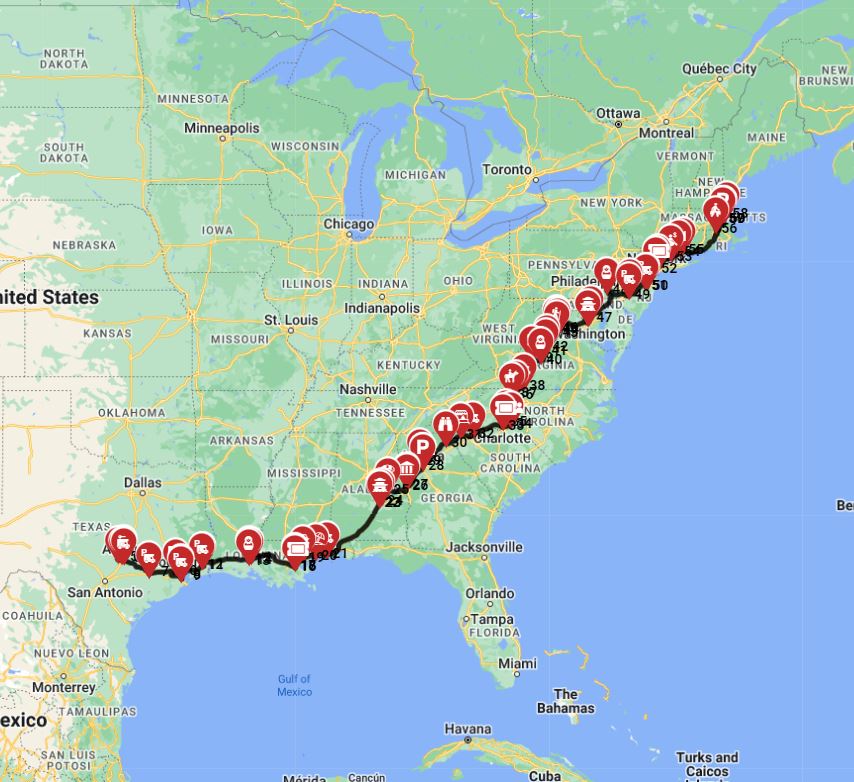
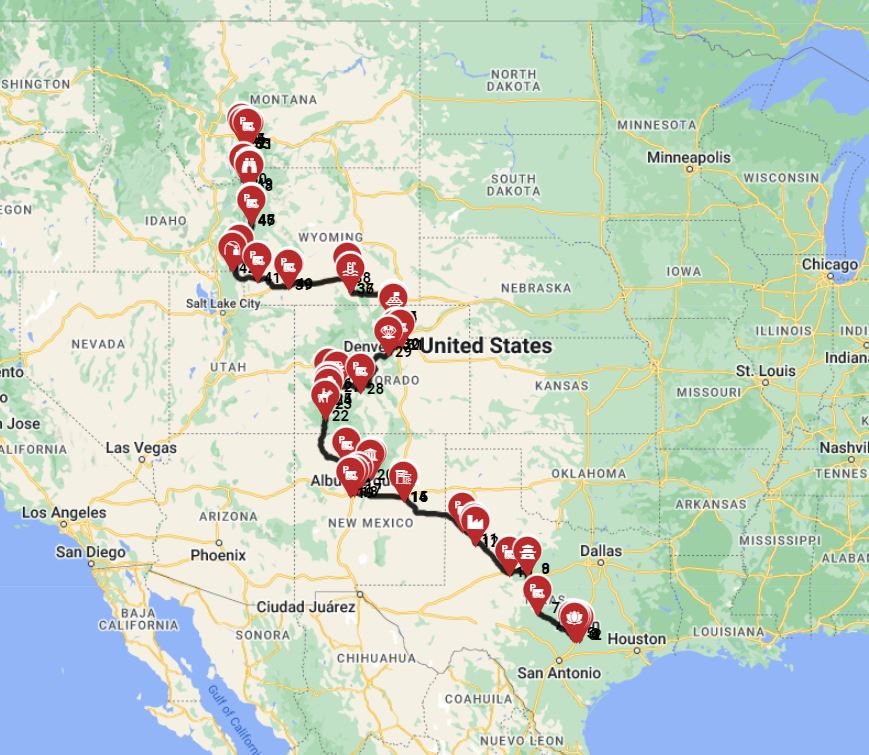
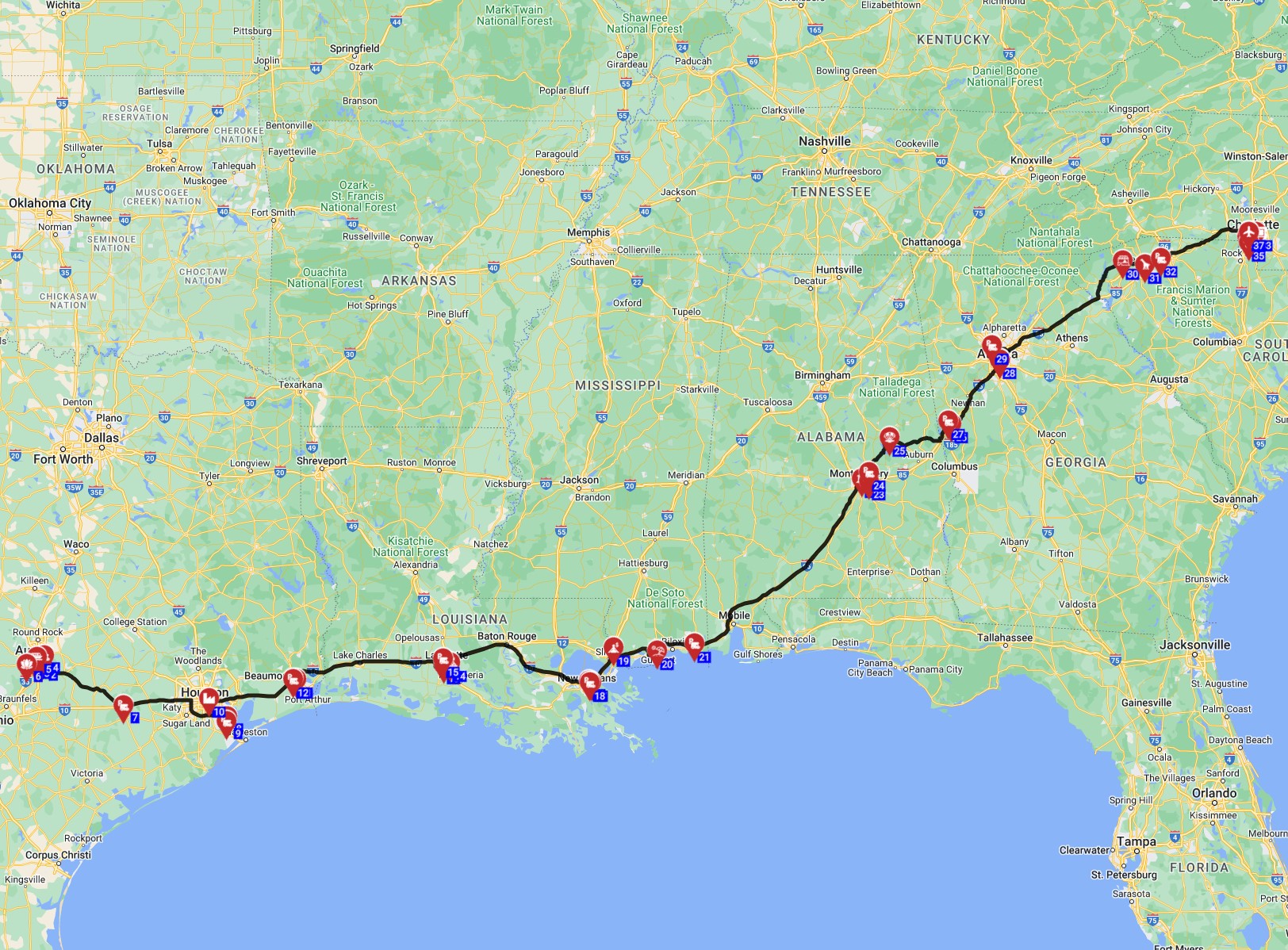
For culinary and cultural experiences, a 'Texas BBQ and Music Trail' (e.g., Austin to Dallas) offers stops at legendary BBQ joints in Lockhart, live music venues in Austin, and historical sites in Dallas, incorporating authentic Texas food beyond chain restaurants. Other popular one-way itineraries could include a 'Gulf Coast Beach Hop' (e.g., South Padre Island to Galveston) for coastal charm and wildlife, or a 'Hill Country Wine Tour' (e.g., Fredericksburg to San Marcos) through scenic vineyards and charming towns. The 17-day, 3372 km "

What are the unique challenges of RVing in Texas?
Navigating Texas in an RV presents unique challenges such as managing extreme summer heat, covering vast driving distances between destinations, finding water and dump stations in remote areas, and ensuring reliable internet connectivity. Extreme heat requires meticulous planning for air conditioning usage (consider generator hours at campgrounds), staying hydrated, and avoiding strenuous activities during midday sun; ensure your RV's AC is functioning optimally before departure. Many modern motorhomes, like the "rv rental atlanta example Eclipse Camper" which is 9.4 meters long, often have living room air conditioning and a large fresh water tank (167 liters) to help manage these conditions.
The sheer size of Texas means long driving distances; plan your fuel stops, breaks, and overnight locations strategically to avoid fatigue and ensure you have enough fuel between towns. Drive slowly and carefully, and you can drive almost anywhere without issues. No need to stress - just use common sense and pay attention. Finding water and dump stations can be difficult in remote regions, necessitating careful planning and potentially carrying extra water or utilizing RV park facilities when available; reliable internet is also a concern outside major metropolitan areas, making a cellular booster or satellite option beneficial for staying connected. For a comprehensive overview of RV travel in the wider region, consider our RV Rental USA - Complete Guide 2026 as well.
When is the best time to go RV camping in Texas?
The best time for RV camping in Texas is typically during the spring (March to May) and fall (September to November) when temperatures are mild and pleasant, minimizing the impact of extreme summer heat or occasional winter cold fronts. Springtime in Texas offers blooming wildflowers, comfortable daytime temperatures, and numerous outdoor festivals, making it ideal for exploring state parks and scenic drives like the Willow City Loop in the Hill Country.
Autumn provides cooler weather, vibrant fall foliage in certain regions like East Texas, and a reduction in humidity, perfect for hiking and enjoying campfires. Winter RVing can be enjoyable in South Texas and along the Gulf Coast, where temperatures remain mild, though northern parts of the state can experience freezing conditions; always check regional weather forecasts to address specific conditions. This flexibility in seasons also means you might find better rates for your Weekly RV Rental in Texas - Pricing 2026 outside of peak summer travel.
What to pack for an RV trip in Texas?
A comprehensive packing list for a Texas RV trip should include essentials tailored specifically for the diverse climate and activities, such as layers for varying temperatures, sun protection, insect repellent, and emergency supplies. Given Texas's size and varied climates (desert, coast, plains), pack versatile clothing layers suitable for hot days (e.g., 30-40°C in summer) and potentially cool evenings (e.g., 10-15°C in spring/fall), sturdy walking shoes, and swimwear for water activities in areas like Lake Travis or the Gulf Coast.
Essential items include a well-stocked first-aid kit, vehicle emergency tools, extra water, non-perishable food for at least 1-2 days, flashlights, and a detailed physical map (as cell service can be spotty in remote areas like Big Bend National Park). Don't forget sunblock (SPF 30+), wide-brimmed hats, sunglasses, and a good quality insect repellent, especially during warmer months or when camping near water sources, to prepare for desert heat, coastal humidity, and potential wildlife encounters. Pack according to the Class B campervan "V3" or a larger Class C "MH-B" motorhome you choose, considering their respective storage capacities.
What safety precautions should I take for RV travel in Texas?
Ensuring safety during Texas RV travel requires proactive awareness of potential wildlife encounters, preparedness for sudden weather events like flash floods, and robust navigational strategies for remote areas with limited cell service. Be aware of wildlife; in certain regions (e.g., East Texas, Gulf Coast), encounters with alligators and venomous snakes are possible, while West Texas can have scorpions and rattlesnakes, necessitating caution when hiking or near water sources. Always keep a safe distance from wildlife.
Texas weather can be unpredictable, particularly during spring tornado season and heavy rain events that can lead to flash floods; monitor weather forecasts closely, avoid driving through flooded roads, and know your RV's clearance. For remote areas, carry physical maps or download offline GPS maps, inform someone of your itinerary, and ensure your RV is well-maintained with emergency supplies, as cell service can be non-existent for stretches longer than 50-100 km. It's always a good idea to upgrade to a top-level deductible for extra peace of mind during your Texas RV adventure.
🎬 Video coming soon
What You Shouldn't Miss
- Explore Big Bend National Park: Witness the dramatic desert landscapes, deep canyons, and incredible night skies. Drive the Ross Maxwell Scenic Drive and hike Santa Elena Canyon.
- Float the Guadalupe River in the Hill Country: Enjoy tubing, kayaking, or swimming in the cool waters, especially around Garner State Park.
- Experience the Texas BBQ Trail: Drive through Central Texas, stopping at legendary BBQ joints in Lockhart, Luling, and Austin for authentic smoked meats.
- Visit the Alamo in San Antonio: Immerse yourself in Texas history at this iconic mission and fort, followed by a stroll along the picturesque Riverwalk.
- Stargaze at McDonald Observatory: Located in Fort Davis, this public observatory in West Texas offers unparalleled views of the night sky with powerful telescopes.
- Relax on South Padre Island: Enjoy the sandy beaches, warm Gulf waters, and diverse birdwatching opportunities at the South Padre Island Birding and Nature Center.
Final Thoughts
A one-way RV rental in Texas truly unlocks the spirit of adventure, offering the freedom to explore its diverse landscapes, vibrant cities, and hidden gems at your own pace. With Bandana Caravan, you're not just renting a motorhome; you're gaining a partner dedicated to making your journey as smooth and enjoyable as possible, from transparent pricing to supportive expert advice. Imagine waking up to a desert sunrise in Big Bend one day and enjoying a coastal sunset in Galveston the next-all from the comfort of your mobile home.
Whether you dream of a week-long trip through the Hill Country, a two-week adventure across West Texas, or an extended road trip connecting multiple iconic destinations, renting a quality RV gives you the flexibility to create an unforgettable itinerary. Take the time to feel the place, connect to the culture, the food, and the scenery. With a range of Class A, Class B, and Class C motorhomes available from trusted suppliers like El Monte and Cruise America, your perfect Texas one-way RV adventure is just a few clicks away. Begin comparing one way RV rental prices for Texas now and start planning your epic journey!