For live availability and current prices, start with our RV Rental Norway - Complete Guide 2026 guide.
In This Guide
- Where to Camp in Norway - Top Options
- Campground Types in Norway (National, Private, Wild)
- Featured RV Park or Campground in Norway
- Hookups & Amenities - What to Expect
- Booking Windows & Reservations in Norway
- Nearby Supermarkets & Resupply Points
- Best RV Class for Camping in Norway
- How to Save on Campgrounds in Norway
- Can you pick up an RV in one city and drop off in another in Norway?
- Is it worth renting an RV in Norway?
- Is wild camping allowed in Norway with an RV?
- Is it easy to drive an RV in Norway?
- Is it difficult to park an RV in Norway?
- How much does a 1 way RV rental cost in Norway?
- How much does it cost to rent an RV for 2 weeks in Norway?
- How much does a motorhome cost per day in Norway?
- How do I get an RV rental in Norway?
- Navigating Norway's Tolls and Ferries with an RV
- RVing in Norway: Seasonal Tips and Challenges
- Sustainable RV Travel and 'Leave No Trace' in Norway
- Experiencing Local Culture: An RVer's Guide to Norway
Imagine yourself on the route less traveled, with the freedom of a one-way RV rental in Norway, where every fjord, mountain pass, and coastal village becomes your backyard. Norway is an adventurer's dream, offering stunning natural beauty, vibrant culture, and endless opportunities for exploration. With a rented motorhome, you truly get to experience the magic of this Scandinavian gem on your own terms. For live availability and current prices, start with our RV Rental Norway - Complete Guide 2024 guide.
Where to Camp in Norway - Top Options
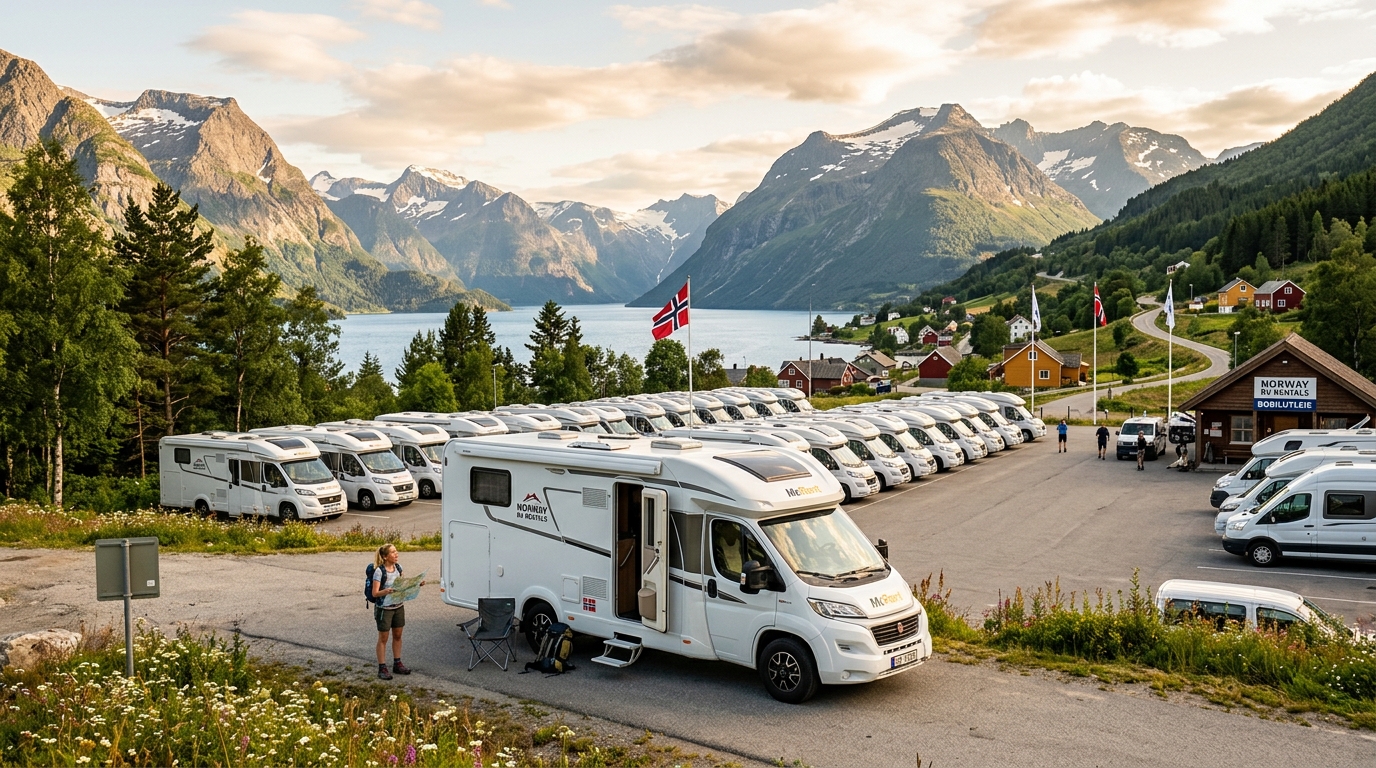
Norway offers diverse camping experiences from over 900 coastal sites to breathtaking mountain retreats, often conveniently located near popular tourist routes like the Atlantic Road or Geirangerfjord. Considering regional hubs is often the best approach, such as campgrounds in the Oslofjord area for urban access or campsites near Stavanger for exploring the iconic fjords. Many popular areas, especially in southern and western Norway, provide well-equipped facilities suitable for various RV sizes. Utilizing resources like NAF Camp (Norwegian Automobile Federation) provides a comprehensive list of approved campgrounds across the country, ensuring you find a perfect spot for your rented campervan.
Campground Types in Norway (National, Private, Wild)
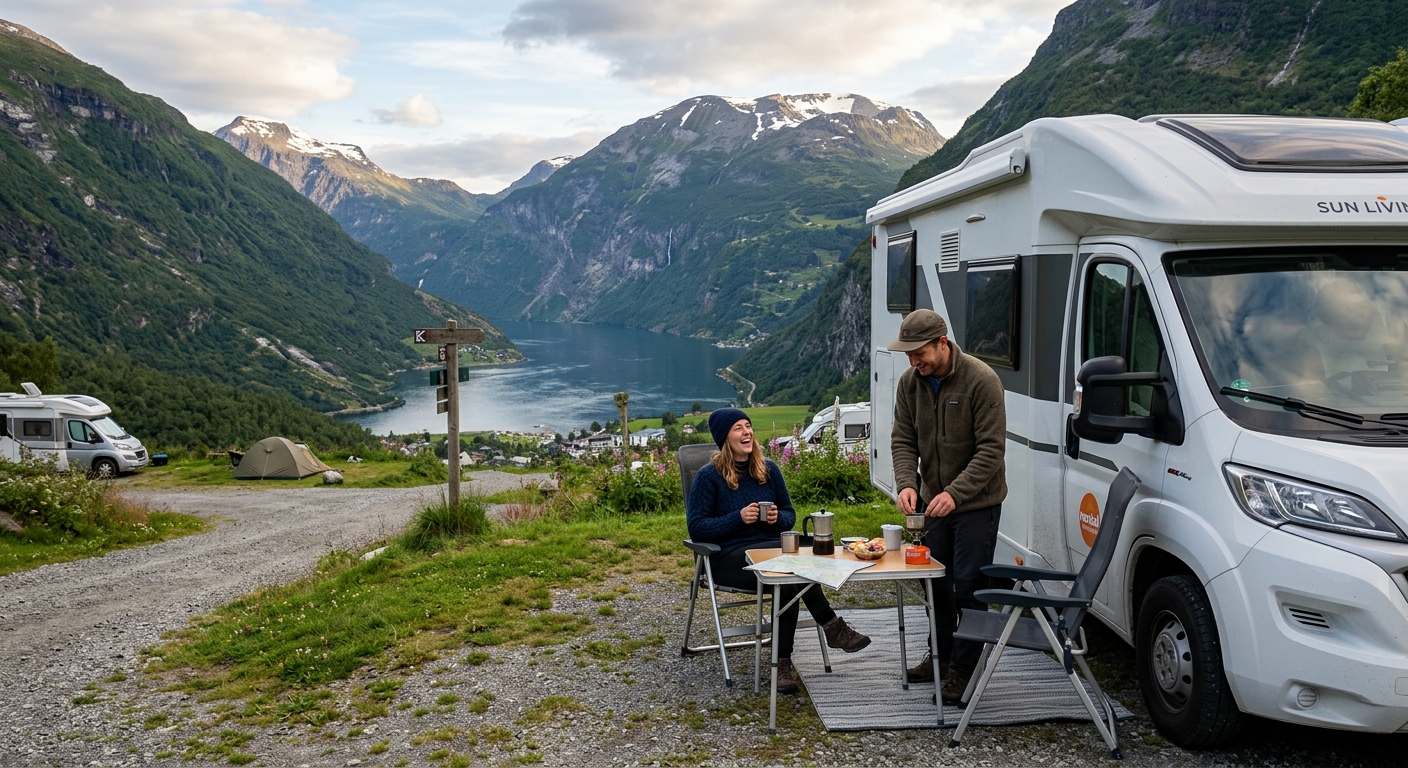
Norway's camping landscape includes a mix of private campgrounds, municipal sites, and the unique opportunity for wild camping under 'Allemannsretten' (the Right to Roam), though specific rules apply to RVs. Private campgrounds offer full amenities including electricity, fresh water, and grey and black water dump stations, often with additional services like Wi-Fi and laundry facilities, catering to a comfortable RV experience. Municipal and regional campgrounds typically provide more basic facilities at a lower cost, often situated in incredibly scenic locations near hiking trails or fishing spots. While Allemannsretten permits wild camping on uncultivated land at least 150 meters from inhabited houses or cabins for up to two nights for tents, motor vehicles typically require landowner permission for off-road access. This means finding a spot for your rented motorhome in the wild needs more careful consideration and often means sticking to designated rest stops or suitable roadside pull-offs where no 'no overnight parking' signs are present, ensuring you leave no trace. On the routes offered through RV PLANET routes, you can itemize and track every expense along the way for easy budgeting.
Featured RV Park or Campground in Norway
A typical highly-rated RV park in Norway offers stunning natural surroundings, often nestled lakeside or fjord-side, with comprehensive facilities designed for comfort. Travelers can expect paved or gravel pitches suitable for various RV sizes, including larger Class A and C motorhomes, and many boast essential amenities such as electric hookups (typically 10-16 Amps), fresh water access, and readily available grey and black water dump stations. Clean toilet and shower facilities are standard, with showers often operating on a token or coin system. Many top-tier parks enhance the experience with on-site cafes, playgrounds for families, boat rentals, and direct access to popular hiking trails or fishing spots, creating an ideal base for exploring Norway's wonders.
Hookups & Amenities - What to Expect
Most Norwegian campgrounds provide essential hookups and amenities tailored for rented RVs, ensuring a comfortable stay regardless of your vehicle class. Electrical hookups are widely available, typically offering 10 or 16 Amps, and generally use the standard European two-pin CEE 7/4 (Schuko) socket, so an adapter might be necessary for non-European vehicles. Fresh water access is common, often at central taps or individual pitches, and dump stations for both grey and black water are standard at almost all private and many municipal campgrounds. Expect to find very clean shower and toilet facilities; showers often operate on a token or coin system. While Wi-Fi connectivity is increasingly common, it may often be a paid service and can be spotty, especially in Norway's more remote areas; laundry facilities are also usually available, often coin-operated, making longer trips more convenient. When cooking in your RV, you'll appreciate the full kitchen setups. For some RV-friendly recipes playlist, check out our YouTube channel! For ideas you can prep on the road, watch our RV-friendly recipes playlist on YouTube.
Booking Windows & Reservations in Norway
Planning ahead for campground reservations, particularly during peak summer months (July-August) and popular destinations, is highly recommended for one-way RV rentals in Norway, though spontaneity is also a valid and rewarding approach. For pre-planners, securing your spot several months in advance guarantees availability at prime locations and for specific pitch types or longer stays. Spontaneous travelers can often find same-day or next-day availability at many campgrounds, especially outside of peak season or in less touristy areas. It's important to remember that many national and state park campgrounds, along with some popular private sites, reserve only 25-30% of their spots for advance booking, leaving the majority available on a first-come, first-served basis. This means you will almost certainly find a place, and if not at the first campground, then the next one; just remember to call ahead before driving. Flexibility in your itinerary is a significant advantage for one-way rentals, allowing you to adapt to availability and uncover less-known gems along your path.
Nearby Supermarkets & Resupply Points
Norway's supermarket chains are widely prevalent, making resupply for your one-way RV rental relatively easy, even in smaller towns. Travelers should look for major grocery store chains like Rema 1000, Kiwi, Coop, and Meny, which offer a wide range of groceries, fresh produce, and often convenient ready-to-eat meals. These supermarkets are typically found in or near urban centers and along main roads, ensuring convenient access during your motorhome journey. It is wise to plan your shopping stops, especially when venturing into more remote regions where stores might be less frequent or have shorter opening hours, particularly on Sundays. For managing all your trip expenses, remember that RV PLANET routes allow you to itemize and track every cost along the way for easy budgeting.
Best RV Class for Camping in Norway
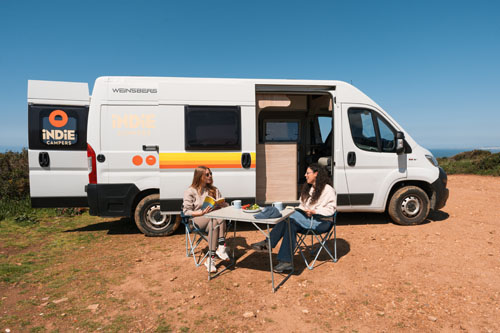
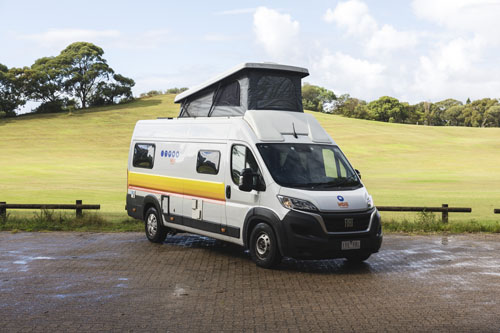
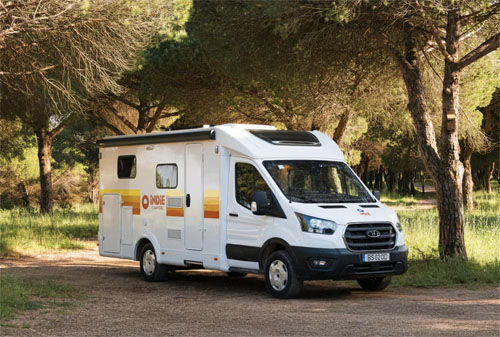
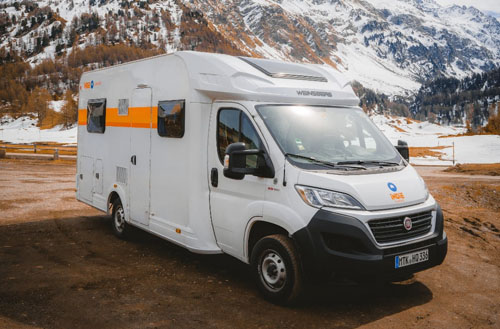
The best RV class for camping in Norway, especially for a one-way rental, truly depends on your group size, comfort preferences, and desired level of maneuverability on Norwegian roads. Class B Camper Vans, with Bandana's fleet averaging 5.8 meters in length, 3.2 sleeping places, and accommodating 2.7 adults, are an excellent choice for couples or small families seeking maximum flexibility for navigating Norway's narrower roads and tighter parking spots, offering significant boondocking potential. For families or those desiring more space and amenities, Class SI - Semi-integrated motorhomes, typically averaging 6.9 meters in length, 3.8 sleeping places, and suitable for 3.4 adults in Bandana's global fleet, offer a good balance of comfort and reasonable maneuverability, fitting well into both campgrounds and some wild camping scenarios. Larger Class C - Alcove (avg. 7.5m, 5.8 sleeping, 4.4 adults) and Class A - Integrated (avg. 7.5m, 4.4 sleeping, 4 adults) models provide ample living space and comprehensive amenities for longer trips or bigger groups, but drivers should be aware these may present more challenges on very narrow roads, numerous hairpin bends, or in urban parking areas. Drive slowly and carefully, and you can drive almost anywhere without issues. No need to stress - just use common sense and pay attention.
How to Save on Campgrounds in Norway
Saving on campground costs during your one-way RV rental in Norway is achievable through strategic planning and utilizing available discounts. Travelers can leverage any campground discount cards offered by their rental provider or associations like the Norwegian Automobile Federation (NAF), which can provide significant savings on many registered campgrounds across the country. Consider planning your trip during the shoulder seasons (late spring or early autumn) when campground rates are typically lower than the peak summer months of July and August. Opting for municipal or regional campgrounds over private resorts often provides essential amenities at a more budget-friendly price point, with rates around €30-€60 per night. For longer stays, always inquire about weekly rates; many campgrounds offer a discount when you book for three or more nights, potentially saving you 10-15% on accommodation. If traveling with family or friends in separate vehicles, sharing hookups (where permitted and safe) can sometimes reduce individual costs, though this is less common for individual pitches.
Can you pick up an RV in one city and drop off in another in Norway?
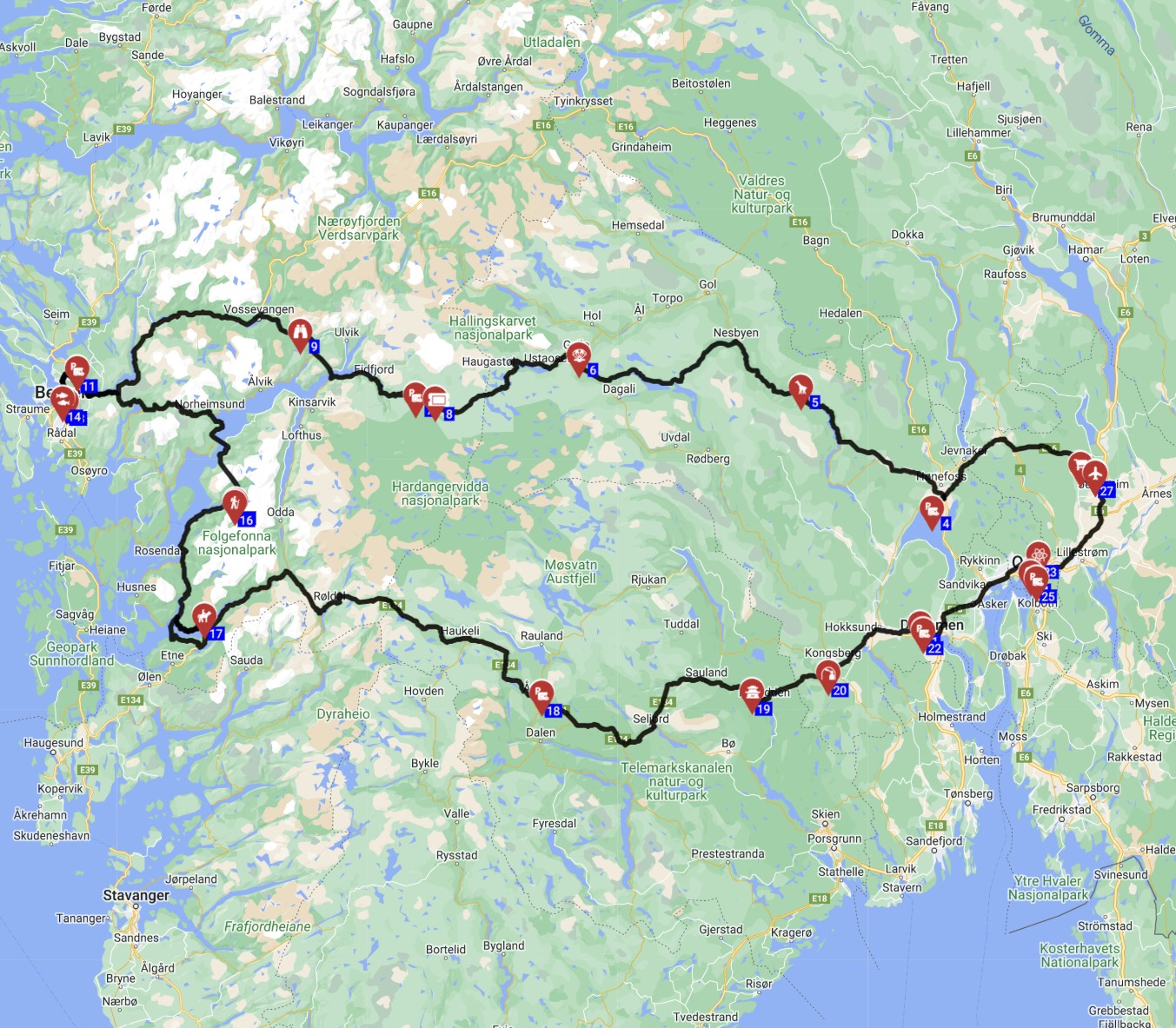
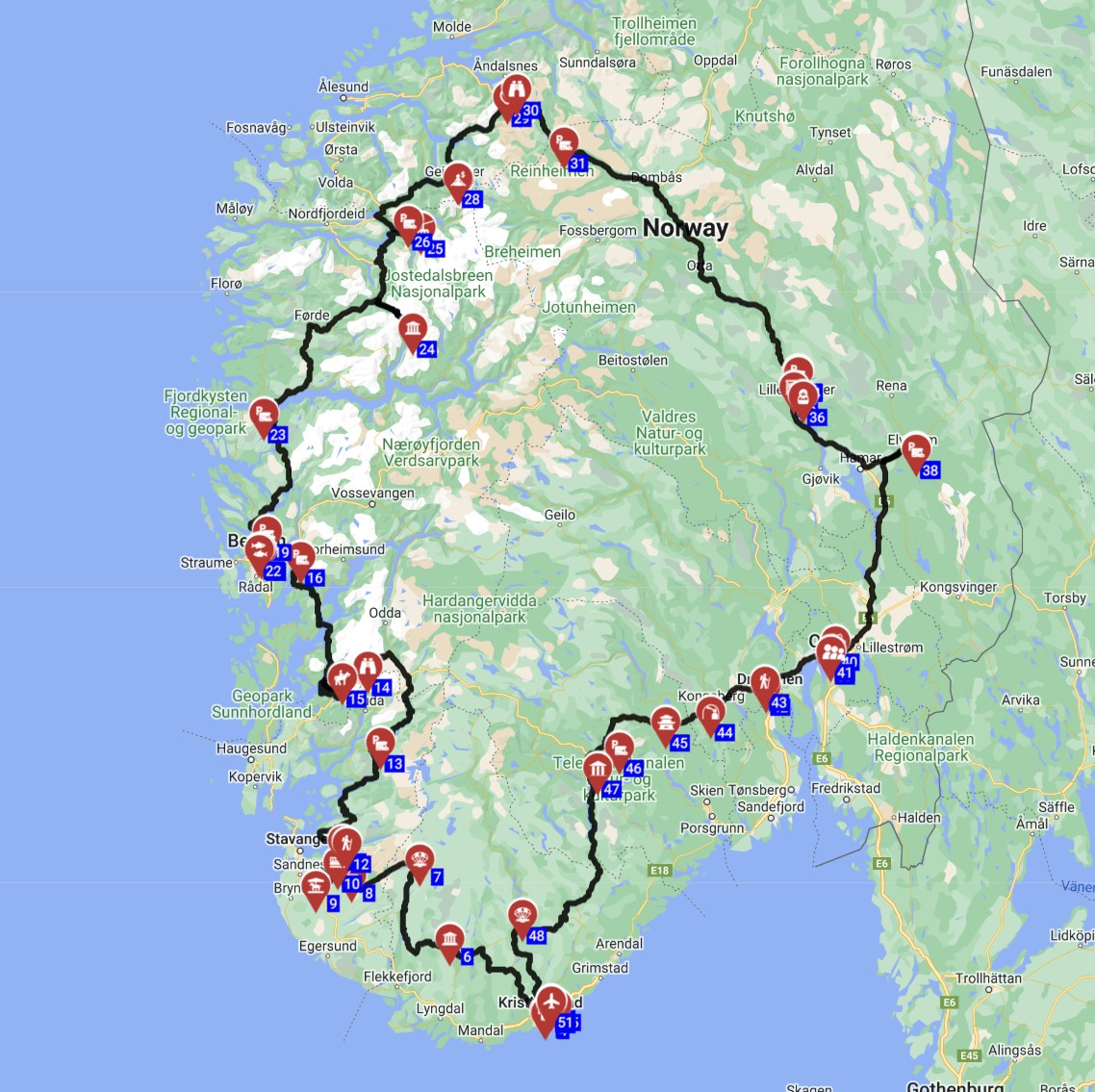
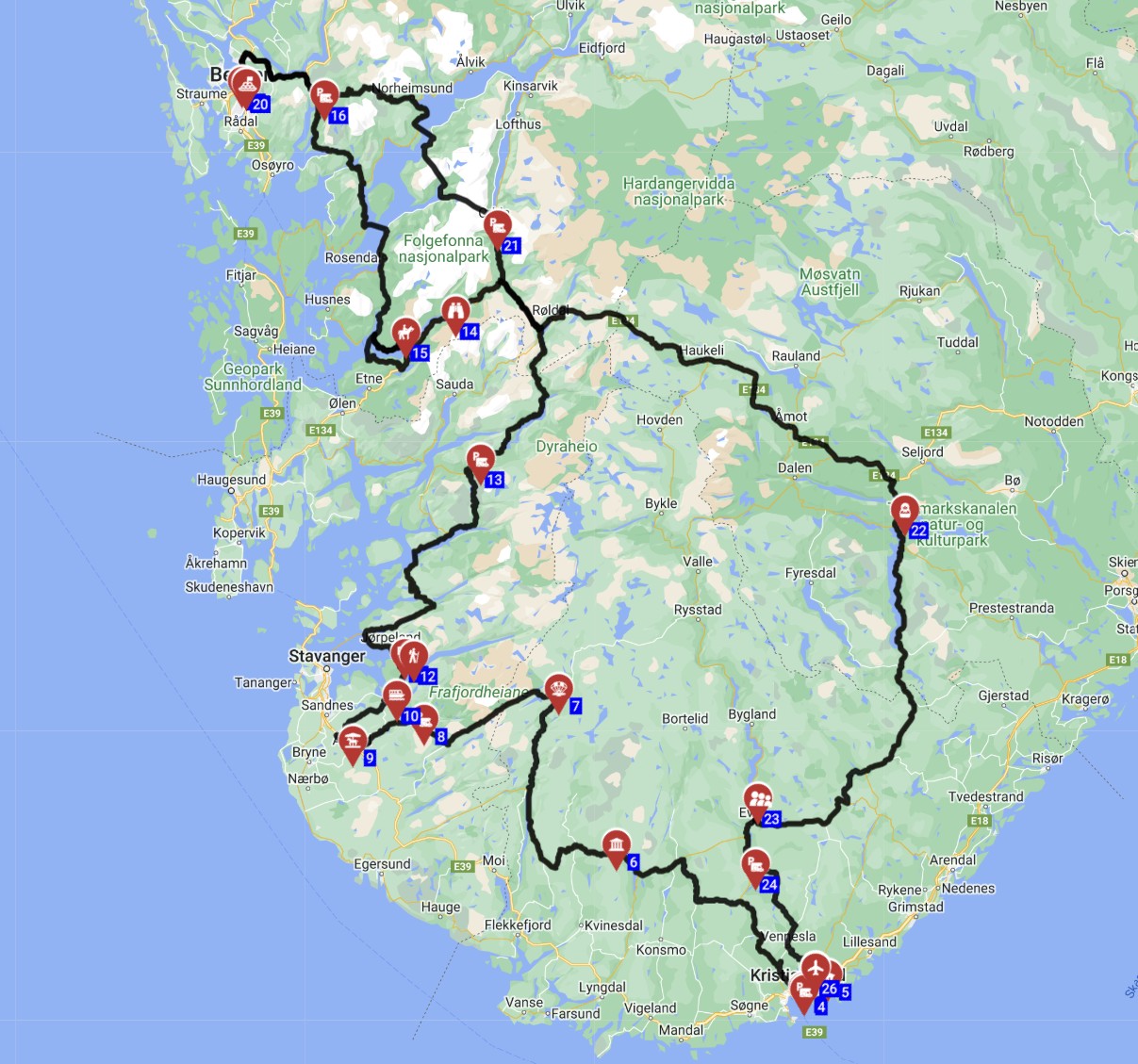
Yes, it is definitely possible to pick up an RV in one Norwegian city and drop it off in another, which is precisely what a one-way RV rental in Norway entails and is a very popular option for exploring the country's diverse landscapes. This flexibility allows travelers to design linear routes, such as starting a "Bergen Round trip - Norway’s Coastal Wonders" in Bergen and ending in Trondheim, optimizing their itinerary to see more of Norway without the need for backtracking. One-way rentals typically incur a surcharge, often referred to as a 'one-way fee,' which covers the logistical cost of returning the vehicle to its original depot. It's crucial to book these one-way rentals well in advance, especially during peak season, as availability can be limited and the fees vary depending on the distance between depots and demand. When planning, consider major cities with RV rental depots, such as Oslo, Bergen, Stavanger, and sometimes Trondheim or Tromsø, as these offer the most options for pick-up and drop-off points. Our Rent&Plan service can also help you with a perfect route plan for your one-way RV trip in Norway.
Is it worth renting an RV in Norway?
Renting an RV in Norway is highly worth it for travelers seeking unparalleled flexibility, direct access to stunning natural landscapes, and a cost-effective way to explore the country's extensive fjords, mountains, and coastal roads. A rented RV provides the freedom to stop at breathtaking viewpoints whenever you wish, stay in highly scenic campgrounds, and adapt your itinerary on the fly, offering a unique opportunity for deep cultural and natural immersion. Given Norway's reputation for high accommodation and dining costs, an RV can be a more economical choice as it combines transport and lodging, and allows for convenient self-catering with a full kitchen on board. It also offers a comfortable base for experiencing Norway's 'Allemannsretten' (Right to Roam) in designated areas, connecting you more closely with nature. While there are costs associated with tolls and ferries, the overall experience of having a mobile home in Norway's pristine environment often outweighs these considerations for many adventurers.
Is wild camping allowed in Norway with an RV?
Wild camping with an RV in Norway is legally complex due to the nuances of 'Allemannsretten' (the Right to Roam), which primarily applies to tents and non-motorized activities on uncultivated land. While Allemannsretten grants general access to nature, it specifically states that motor vehicles, including RVs, require the landowner's permission to drive or park on uncultivated land. Overnight parking for RVs is generally tolerated for a single night at designated rest stops, public parking lots, or suitable roadside pull-offs, provided there are no explicit 'no overnight parking' signs and you are not causing a nuisance to local residents or the environment. It is strictly prohibited to wild camp in national parks, nature reserves, or on cultivated land with an RV without explicit permission. To uphold Norway's pristine environment and respect local regulations, always prioritize official campgrounds or designated overnight parking areas, adhere rigorously to 'leave no trace' principles, and when in doubt, seek local information or choose a commercial campsite for your peace of mind.
Is it easy to drive an RV in Norway?
Driving a rented RV in Norway can be a mixed experience; it's generally manageable on main routes but presents unique challenges on smaller, scenic roads, requiring careful planning and confident driving skills. Major roads like the E6 are well-maintained and straightforward, but many of Norway's famous scenic routes, especially in the fjord country, are narrow, winding, and feature numerous hairpin bends and steep inclines. Drivers of larger motorhomes (e.g., Class C or A, with average lengths around 7.5 meters for Bandana's global fleet) should be particularly aware of tunnel clearances, which are generally good but can be lower in older, less-traveled tunnels. Norway's extensive ferry system is an integral part of navigating coastal and fjord areas, with RVs commonly driving onto these ferries; be prepared for costs based on vehicle length and weight. Adherence to speed limits (often lower for RVs at 80 km/h on open roads, 50 km/h in urban areas), awareness of passing opportunities, and being prepared for adverse weather conditions are crucial for a smooth and safe journey. Remember, drive slowly and carefully, and you can drive almost anywhere without issues. No need to stress - just use common sense and pay attention.
Is it difficult to park an RV in Norway?
Parking a rented RV in Norway can indeed be challenging, particularly in popular tourist areas, city centers, and at scenic viewpoints, due to limited space and specific restrictions on larger vehicles. Many towns and attractions have designated RV parking areas, but these can fill up quickly, especially during the peak summer season. For larger RVs such as a Class C - Alcove or Class A - Integrated, which average around 7.5 meters in Bandana's global fleet, finding suitable parking in urban areas may require using out-of-town parking lots or specific municipal spots designed for larger vehicles. Smaller Camper Vans (Class B), averaging 5.8 meters in length, offer significantly more flexibility for parking in most regular car parking spaces, making them ideal for exploring city centers and smaller villages. Always pay close attention to signage, which clearly indicates parking rules, time limits, and whether RVs are permitted, to avoid unexpected fines.
How much does a 1 way RV rental cost in Norway?
The cost of a one-way RV rental in Norway varies significantly based on factors such as the RV class, rental duration, season, and the specific pick-up and drop-off locations, plus a mandatory one-way fee. You can expect daily rental rates to be higher during peak summer months (June-August) and considerably lower in the shoulder seasons (May, September, October). The one-way fee can range from a few hundred to over a thousand Euros, depending on the distance between the rental depots and the supplier's policies. For a general estimate, a one-way rental for a Class SI - Semi-integrated RV for a week during shoulder season might start from €1000-€1500, with peak season and larger RVs costing considerably more. In addition to the base rental and one-way fee, travelers should budget for ancillary costs such as insurance upgrades, fuel (Bandana's Class SI - Semi-integrated average 10-11 Liter/100 km, Class B - Camper Van 8-10 Liter/100 Km), campground fees, tolls, and ferries, which can add substantial amounts to the overall trip budget.
How much does it cost to rent an RV for 2 weeks in Norway?
Renting an RV for two weeks in Norway generally ranges from €2,000 to €5,000 or more, influenced by the RV class, time of year, rental company, and specific add-ons like a one-way fee. During peak summer season (July-August), prices will be at their highest, while spring (May-June) and autumn (September-October) offer more budget-friendly options, potentially saving up to 20-30%. A Class B Camper Van, ideal for two travelers, might be at the lower end of the range, whereas a larger Class C - Alcove or Class A - Integrated, suitable for families (Bandana's Class C averages 4.4 adults, Class A 4 adults), will be significantly more expensive. Factor in an average daily fuel consumption (e.g., 10-12 Liter/100 km for a Class C), campground fees (€30-€60/night), tolls, and ferry costs, which can add substantial amounts to the overall trip budget. Booking well in advance, especially for a two-week period, can sometimes secure better rates and ensures availability of your preferred RV class, providing peace of mind for your extended Norwegian adventure.
How much does a motorhome cost per day in Norway?
The daily cost for a motorhome rental in Norway typically ranges from €100 to €300+, depending on the season, RV size, age of the vehicle, and the rental company. In the off-season or shoulder months (e.g., April or October), a smaller Class B Camper Van could be around €100-€150 per day, while a medium-sized Class SI - Semi-integrated might cost €150-€200 per day. During the peak summer season (July and August), daily rates for all RV classes significantly increase, with a Class C - Alcove or Class A - Integrated potentially costing €250-€350+ per day. These rates generally include basic insurance but do not cover additional costs such as a one-way fee, fuel, tolls, ferries, or optional extras like bedding kits or kitchen utensils. Remember that pricing is dynamic, much like flight tickets, changing daily based on availability and demand. Longer rental periods often result in a lower effective daily rate, so a two-week rental typically offers better value per day than a shorter, week-long trip.
How do I get an RV rental in Norway?
To secure a one-way RV rental in Norway, the primary steps involve researching reputable rental companies, selecting your desired RV class and route, comparing prices, and completing the booking process online or directly with a provider. Start by searching for trusted RV rental companies operating in Norway that specifically offer one-way options between your preferred pick-up and drop-off cities, such as those found through Bandana Caravan, a true RV specialist. Choose an RV class that ideally suits your group size and travel style; for instance, a Class SI - Semi-integrated offers comfort for small families (Bandana's fleet averages 3.4 adults), while a nimble Class B - Camper Van provides agility for couples (Bandana's fleet averages 2.7 adults) to navigate smaller roads and parking areas. Compare included amenities, insurance options (you can upgrade to a top-level deductible for extra peace of mind), mileage limits, and the one-way fee across different providers to find the best value. Once you've made your selection, book through a comparison platform, providing necessary documentation and making the required deposit, ensuring you fully understand all terms and conditions for pick-up, drop-off, and any potential surcharges, knowing that Bandana offers full transparency with no hidden fees.
Navigating Norway's Tolls and Ferries with an RV
Norway's extensive toll and ferry system is a significant cost and logistical consideration for RVers, requiring understanding of the AutoPASS system for efficient travel. Most toll roads and all car ferries in Norway operate with an automatic payment system via AutoPASS; registering your foreign RV online with a valid tag or through a private issuer (like EPC plc) before your trip is highly recommended to avoid higher invoice rates and potential administrative fees. For ferries, which are an integral part of many coastal and fjord routes, costs are based on vehicle length and weight; displaying an AutoPASS tag allows for automatic detection and often provides a discount, while cash or card payments are also possible on board but may be more expensive. Budgeting for tolls and ferries is crucial, as these costs can accumulate quickly, particularly on one-way routes that traverse multiple fjords and mountain passes. Ferry schedules can be found online, and it's advisable to check these in advance, especially for less frequent routes or during peak season, to plan your journey effectively and minimize waiting times.
RVing in Norway: Seasonal Tips and Challenges
RVing in Norway offers distinct experiences across seasons, with each period presenting unique rewards and specific challenges beyond just summer travel. **Summer (June-August):** This is peak season, offering incredibly long daylight hours, open mountain roads like Trollstigen, and generally warm weather, but it also brings peak crowds, higher prices, and the necessity for advance campground bookings. **Spring (April-May):** Characterized by melting snow, vibrant waterfalls, and blossoming landscapes; expect some higher mountain roads to still be closed, fewer services, and variable weather, but also significantly fewer tourists and lower prices. **Autumn (September-October):** Showcases stunning fall foliage, fewer crowds, and lower prices; be prepared for cooler temperatures, potential early snow in higher elevations, and some campground closures towards the end of the season. **Winter (November-March):** This period presents a unique opportunity for northern lights viewing and snow activities, but requires a well-equipped winterized RV, knowledge of winter driving conditions (studded tires might be necessary), and acceptance of many road closures and limited services; only a limited number of campgrounds remain open, especially in the north. Our Winter RV Rental in Norway - Pricing Guide 2024 offers more details on off-season travel.
Sustainable RV Travel and 'Leave No Trace' in Norway
Adopting sustainable practices and adhering to 'Leave No Trace' principles is paramount for RV travel in Norway to protect its pristine environment and support local communities. Always dispose of all waste properly: utilize designated dump stations for grey and black water (never discharge into nature), and carry out all trash to appropriate disposal sites, including food waste. Respect wildlife by observing from a distance and never feeding animals; ensure your camping activities do not disturb natural habitats or nesting areas. Minimize your environmental footprint by conserving water and electricity, and sticking to established roads and parking areas to prevent damage to fragile ecosystems. Be considerate of local communities by respecting privacy, keeping noise levels down, and supporting local businesses and attractions during your one-way journey, contributing positively to the places you visit. This thoughtful approach ensures Norway remains beautiful for generations of RV travelers.
Experiencing Local Culture: An RVer's Guide to Norway
A rented RV provides an ideal platform for deep local cultural immersion in Norway, allowing travelers to move beyond scenic drives and connect with authentic regional experiences. Seek out small-town farmers' markets, local festivals, and community events, which are often easily accessible with a motorhome and offer invaluable insights into traditional Norwegian life. Sample traditional Norwegian foods directly from local producers or small eateries in various regions; look for regional specialties like 'brunost' (brown cheese), freshly caught seafood, or local baked goods, enhancing your culinary journey. Utilize your RV to visit historical sites, ancient stave churches, and open-air museums that are often located off the main tourist routes, offering a glimpse into Norway's rich heritage and Viking past. Engaging respectfully with locals, learning a few basic Norwegian phrases, and taking advantage of local tourist information centers will help you discover unique regional attractions and hidden cultural gems along your one-way route.
What You Shouldn't Miss
- **The Lofoten Islands:** Drive the E10, a National Tourist Route, to experience dramatic peaks, picturesque fishing villages, and stunning white-sand beaches, offering incredible photo opportunities and chances for hiking and kayaking.
- **Geirangerfjord Cruise:** Take a ferry through the majestic Geirangerfjord, a UNESCO World Heritage site, marveling at the Seven Sisters and Suitor waterfalls from the deck of your RV.
- **Atlantic Road:** Navigate this engineering marvel, a series of causeways and bridges that zig-zag across small islands and islets, connecting Averøy with the mainland, offering breathtaking ocean views.
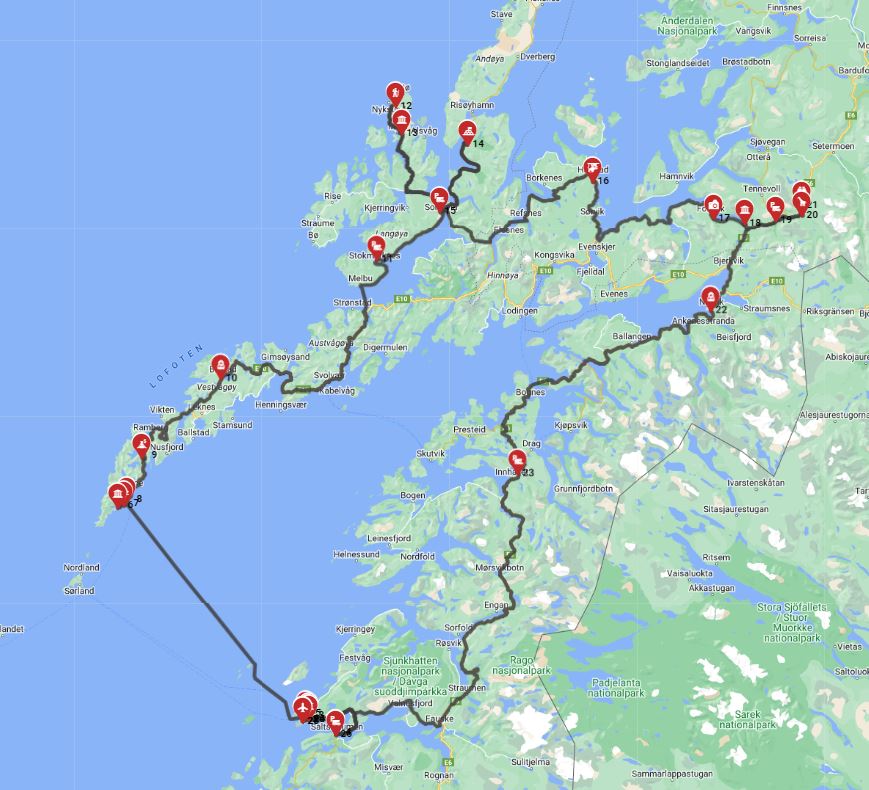
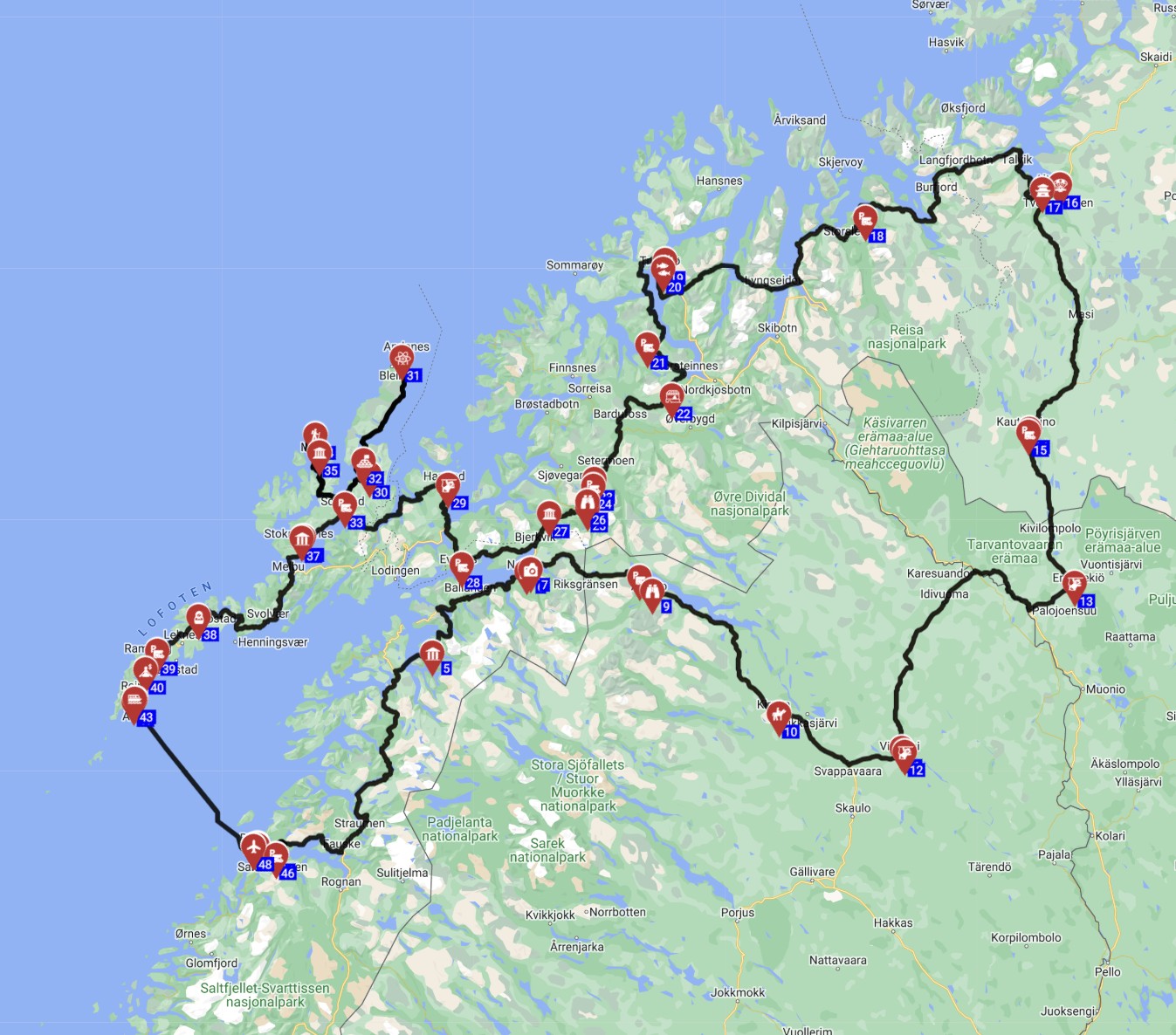
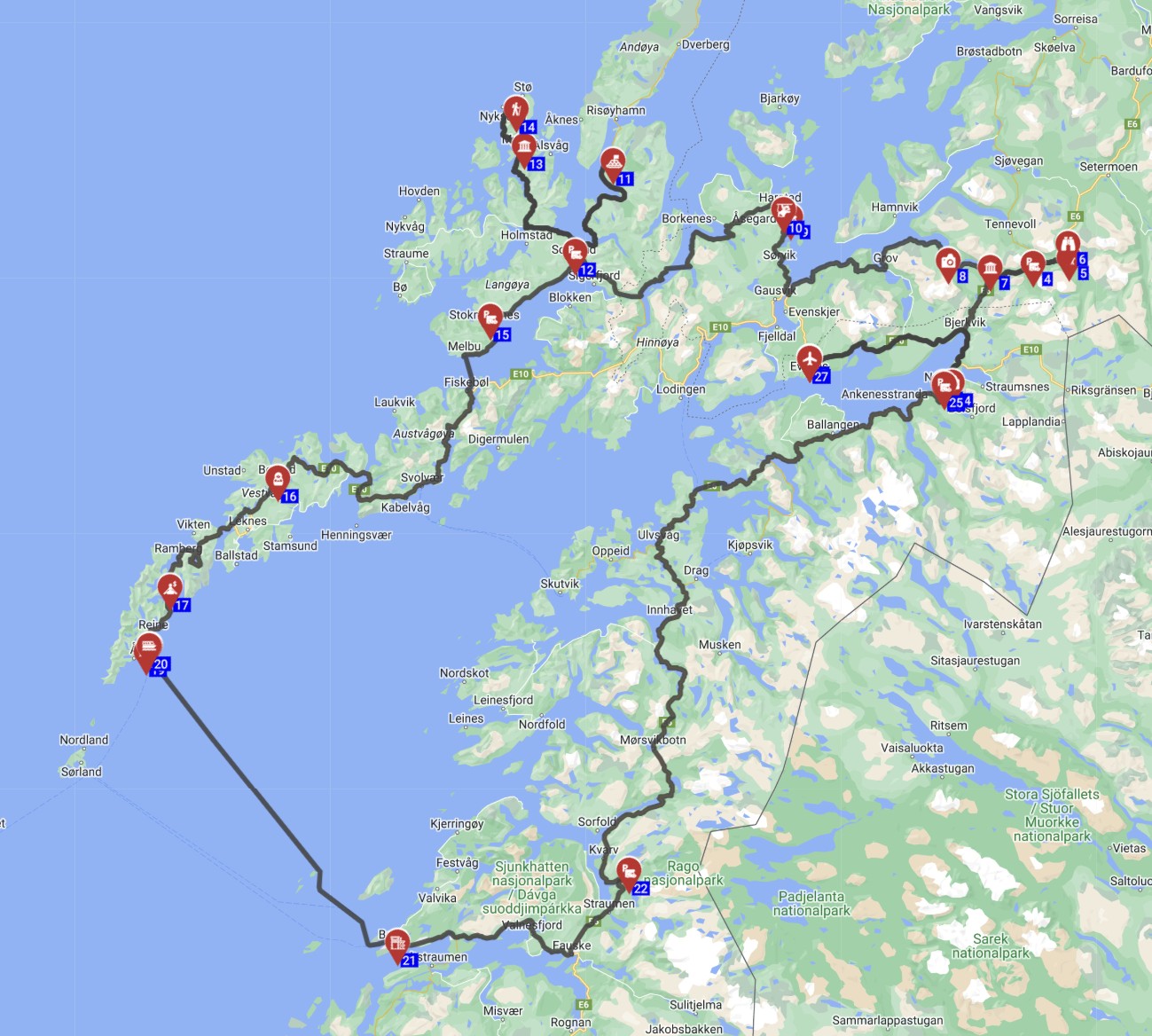
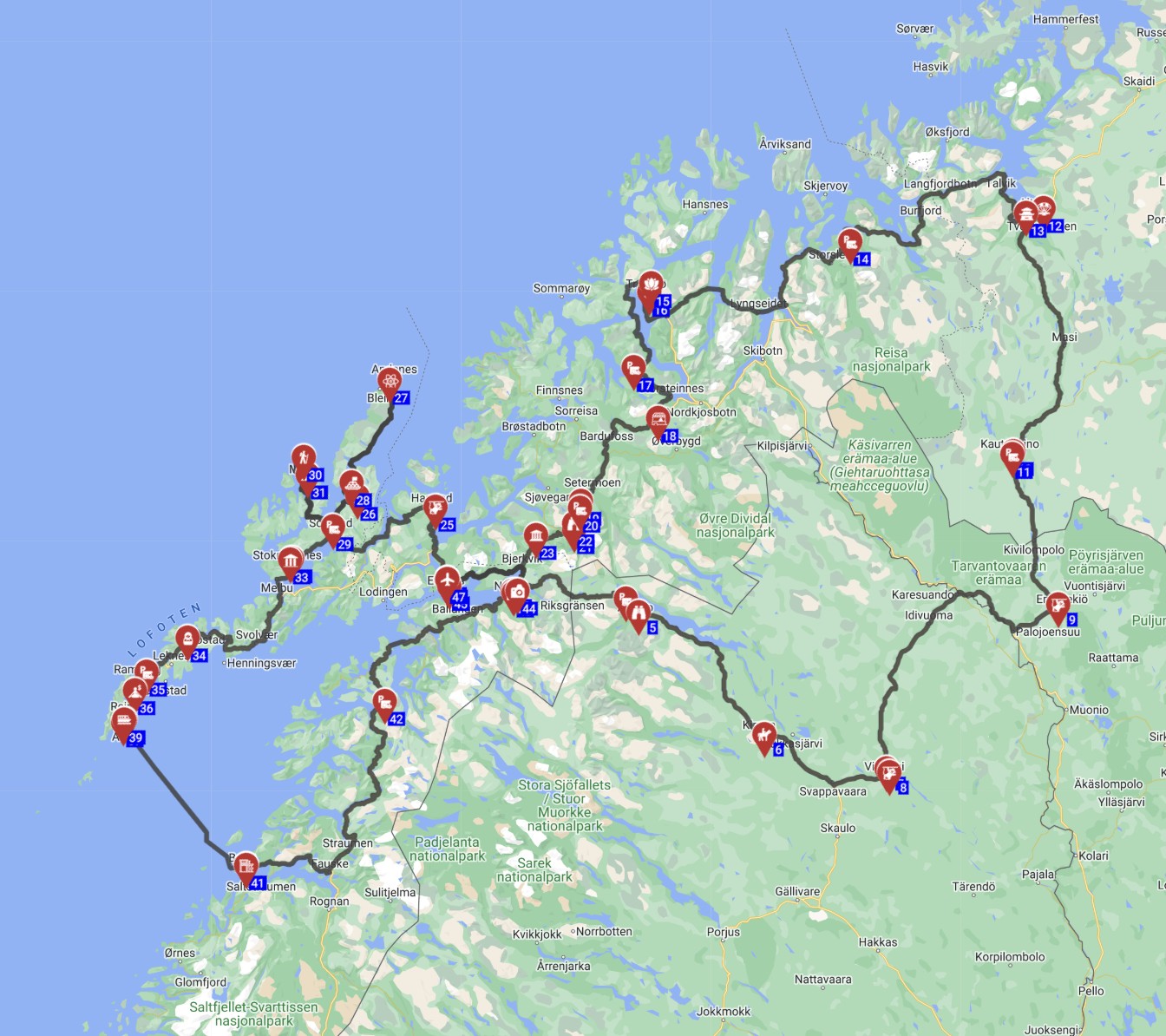
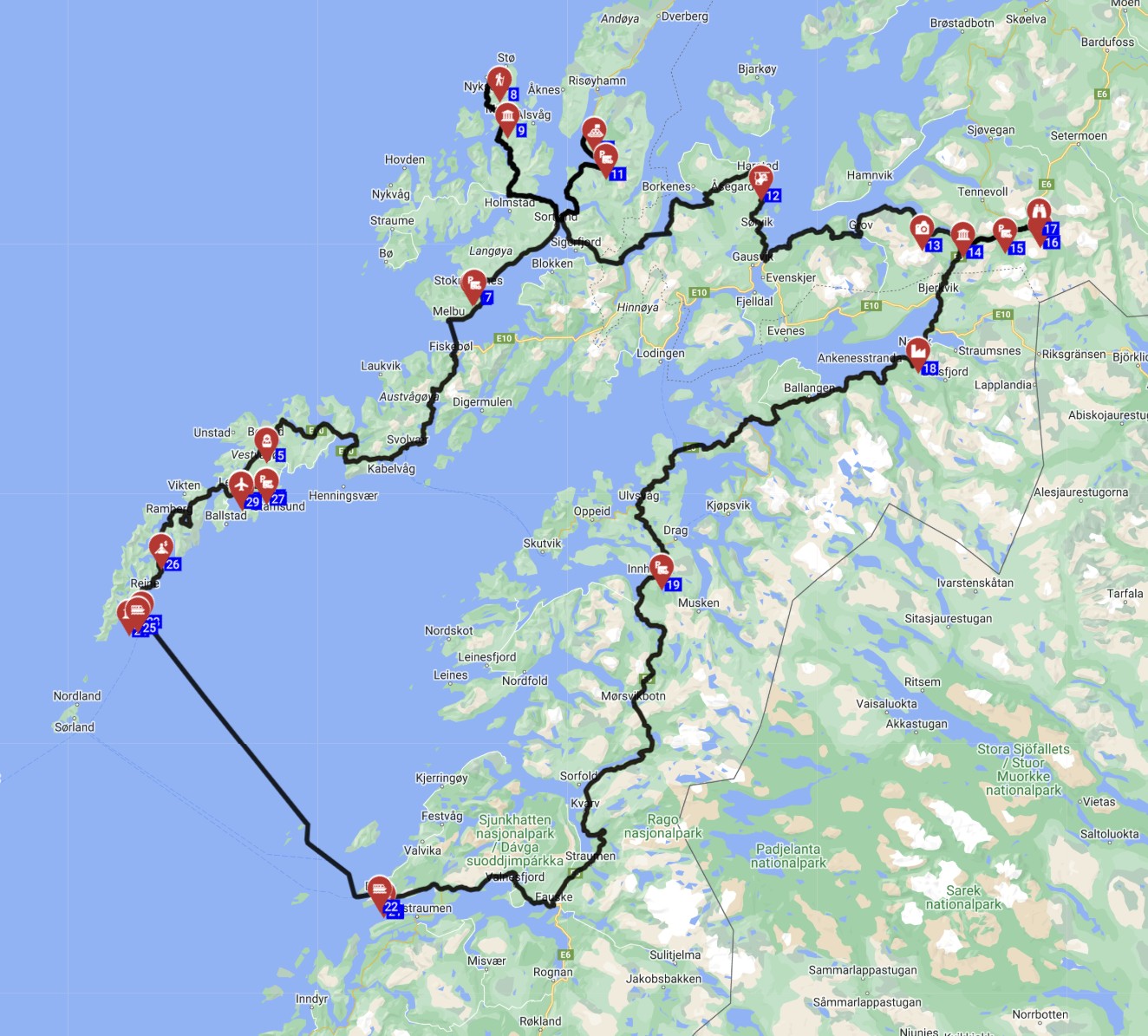
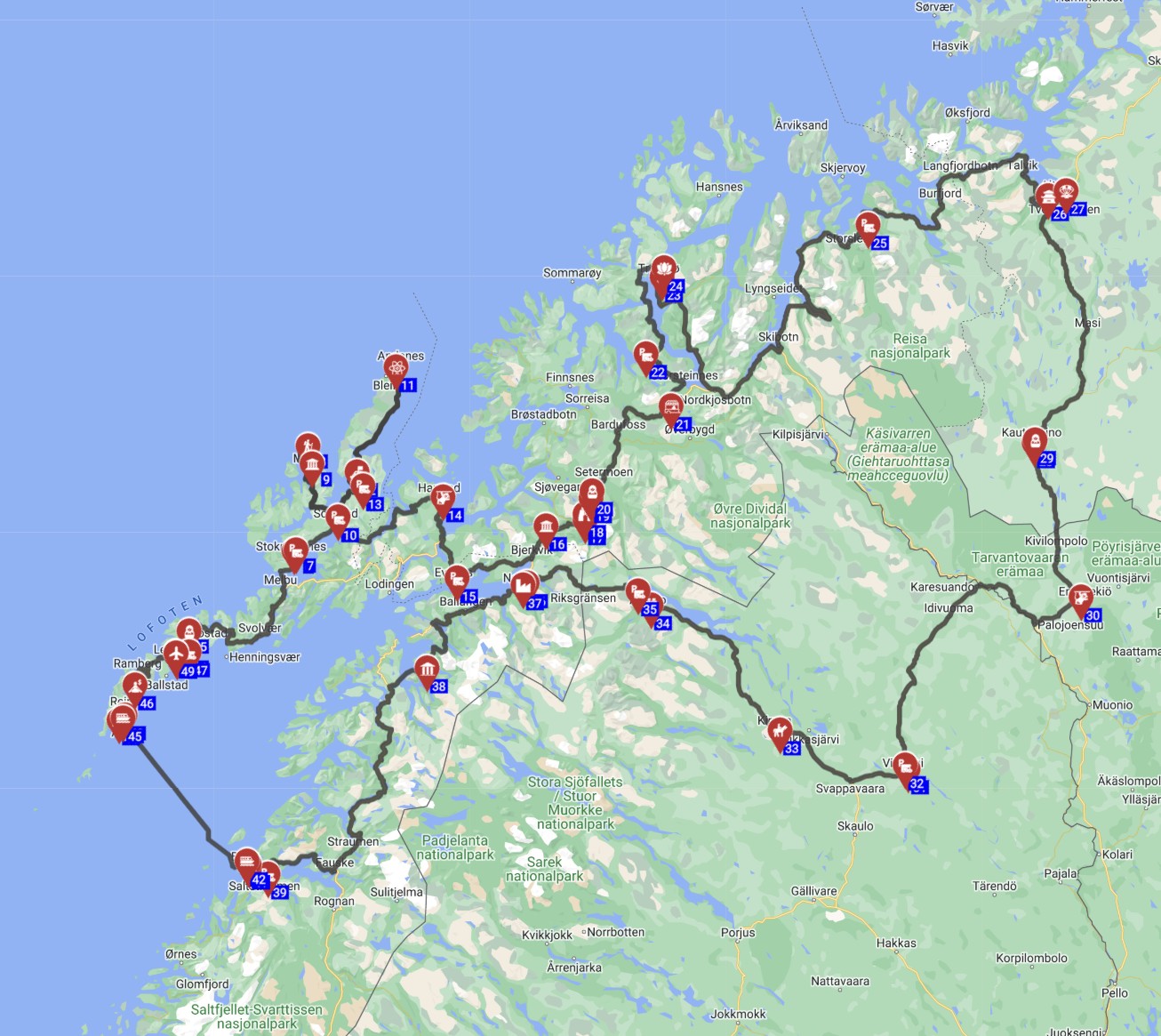
- **Tromsø Arctic Adventures:** From Tromsø, explore the Arctic Cathedral and take a cable car for panoramic views. Consider embarking on the Tromsø Round Trip - Arctic Wonders: Northern Norway Family Road Trip, a 15-day, 2402.5 km itinerary that includes 3 animal/wildlife watches and 4 museums.
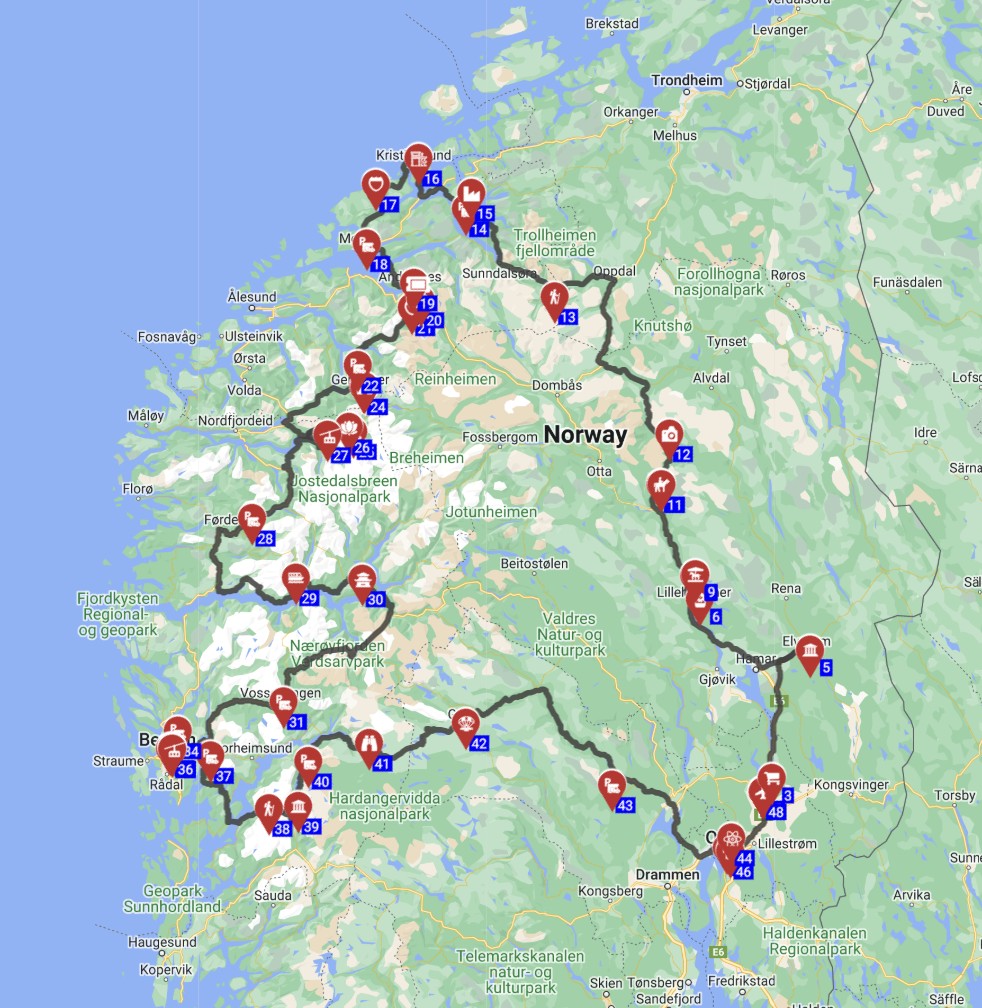
- **Bergen's Bryggen Wharf:** Wander through the colorful wooden houses of Bryggen, a UNESCO site in Bergen, and explore the fish market. Our Bergen Round trip - Norway’s Coastal Wonders is an 8-day, 782.9 km journey that includes 2 hiking areas and 1 scenic route.
- **Avi Bandana's Top 5 Adventures - recommendations from Avi Bandana**: For expert insights and curated experiences in Norway, check out Avi's personal picks on our site!
Final Thoughts
A one-way RV rental in Norway opens up a world of majestic fjords, vibrant cities, and serene wilderness, giving you the ultimate flexibility to craft an unforgettable adventure. We hope this guide has equipped you with the knowledge and confidence to embark on your dream trip, from understanding campground nuances to navigating tolls and ferries. Remember to embrace slow travel, averaging a maximum of 100-150 km per day, allowing you to truly immerse yourself in the culture, savor the local food, and connect with the breathtaking scenery.
Whether you're a meticulous planner or a spontaneous explorer, Norway by motorhome promises a unique journey. With Bandana Caravan, you benefit from full transparency and dedicated support from true RV specialists who are passionate about helping you experience the world on your terms. So, pack your bags, choose your route, and get ready to discover the unparalleled beauty of Norway with the comfort and freedom of your own rented home on wheels!
Discover top destinations, planning tips, all in one place! Explore our guide to RV Rental Europe - Complete Guide 2024 to find more inspiring destinations.