In This Guide
- Where to Camp in Japan - Top Options
- Campground Types in Japan (National, Private, Wild)
- Featured RV Park or Campground in Japan
- Hookups & Amenities - What to Expect
- Booking Windows & Reservations in Japan
- Nearby Supermarkets & Resupply Points
- Best RV Class for Camping in Japan
- How to Save on Campgrounds in Japan
- How does RV travel compare to other transport in Japan?
- When is the best time to visit Japan by RV?
- What are some recommended RV itineraries for Japan?
- What are the specific RV regulations and road rules in Japan?
- What are key Japanese cultural etiquette tips for RV travelers?
- What safety and emergency preparedness tips are essential for RVing in Japan?
- What are the hidden costs of an RV trip in Japan?
- What are Michi-no-Eki and how do RVers use them in Japan?
- What are the best food options for RVers in Japan?
- How can I navigate the language barrier and GPS in Japan with an RV?
Embarking on a one-way RV rental adventure in Japan offers a truly unique way to explore this fascinating country, blending stunning natural beauty with rich cultural experiences. Imagine winding through picturesque landscapes, parking your home-on-wheels near ancient temples or serene coastlines, and waking up to a new view every day. Japan's RV infrastructure is evolving, providing excellent opportunities for a memorable road trip. To make your planning effortless and ensure you get the best deal, start with our RV Rental Japan - Complete Guide 2026.
Where to Camp in Japan - Top Options
Japan offers diverse camping experiences from scenic coastal sites to mountain retreats and lakeside parks. Popular regions for RV camping include Hokkaido for its vast natural landscapes, the Fuji Five Lakes area for iconic views of Mount Fuji, and the Shikoku region for its tranquil beauty and pilgrimage routes. Many campgrounds are strategically located near popular tourist attractions, making RV travel an incredibly convenient way to explore the country's highlights without the hassle of constant hotel bookings. Consider starting your one-way journey in a vibrant city like Tokyo, then heading north to the snowy peaks of Nagano, or south to the cultural heart of Kyoto, knowing you have a comfortable spot waiting for your rented motorhome each night.
For instance, destinations like Nagano offer stunning alpine scenery and access to outdoor activities, while areas around Kyoto provide a serene base for exploring historic temples and gardens. Coastal sites along the Pacific Ocean, especially in regions like Tohoku or Kyushu, provide breathtaking sea views and opportunities for fresh seafood. When planning your route, remember that traveling slowly, perhaps an average of 100-150 km per day, allows you to truly immerse yourself in the local culture, food, and scenery, which is a core philosophy at Bandana RV. Exploring cities like Osaka or Nagoya by rented RV is perfectly manageable: just drive slowly and carefully, and you can navigate almost anywhere without issues. No need to stress - just use common sense and pay attention.
Campground Types in Japan (National, Private, Wild)
Japan features a variety of campground types, primarily consisting of national/prefectural parks and privately-run facilities, with wild camping generally discouraged. National and prefectural park campgrounds often provide basic facilities, beautiful natural settings, and are typically more affordable, though they may have stricter rules regarding amenities and noise. These public sites are perfect for those seeking a more rustic and immersive nature experience with their rented campervan.
Private campgrounds, on the other hand, tend to offer more amenities, including powered sites, showers, laundry facilities, and sometimes even hot springs (onsen), catering to a comfortable RV experience. These can be a fantastic choice for families or those looking for a bit more luxury on their one-way trip through Japan. Wild camping, or 'boondocking,' is largely illegal or highly frowned upon in Japan due to cultural norms and strict land ownership. Instead, Michi-no-Eki (roadside stations) offer safe and tolerated overnight parking for your rented motorhome without setting up full camping facilities like awnings or outdoor cooking areas. Always respect local regulations and choose designated spots for overnight stays.
Featured RV Park or Campground in Japan
When selecting an RV park in Japan, look for facilities that offer a blend of essential amenities and local charm. An ideal RV park would provide electrical hookups (100V, Type A/B outlets), fresh water access, and a grey/black water dump station to ensure a comfortable stay. Many top-tier RV parks in Japan also feature communal bathhouses (often with an onsen for a truly Japanese relaxation experience), coin-operated laundry facilities, and sometimes even small shops or restaurants. This blend of practicality and cultural immersion enhances your one-way RV adventure. On the routes offered through RV PLANET routes, you can itemize and track every expense along the way for easy budgeting.
For finding campsites and campgrounds during your trip, we recommend using RV PLANET (rvplan.net) - a great resource for locating available spots along your route. You can find detailed information on amenities, reviews, and availability for a wide range of locations. Prioritize parks that offer proximity to natural attractions or cultural sites, such as those near the Fuji Five Lakes region (like Fuji Sakura Campsite with its stunning views), ensuring convenience for sightseeing. For a more spontaneous approach, remember that many national and state parks reserve only 25-30% of their spots for advance booking, with the rest being first-come-first-serve. So, if your first choice is full, you'll find a spot; if not at the first campground, then the next one. Just call ahead before driving.
Hookups & Amenities - What to Expect
RV campgrounds in Japan typically offer essential hookups and amenities, though availability varies between municipal and private sites. Expect electrical hookups at 100V with Type A (two-prong) or Type B (three-prong) outlets, so an adapter for your devices is highly recommended if you're traveling from countries with different voltage standards. Fresh water access is generally available, along with designated dump stations for grey and black water, ensuring your rented mobile home stays self-sufficient.
Many campgrounds provide coin-operated laundry facilities and hot showers, which are a welcome convenience, while Wi-Fi may be less common or limited to specific areas. Some premium parks feature unique amenities like onsen (hot springs), communal kitchens, or BBQ areas, enhancing your camping experience. When comparing RVs for rental, check what features are included with your chosen vehicle, such as a refrigerator (e.g., MH-A, which offers a 302-liter fridge with freezer) or a stove. Cooking in your RV is a fantastic way to enjoy local ingredients; for inspiration, check out our RV-friendly recipes playlist.
Booking Windows & Reservations in Japan
For a one-way RV rental in Japan, securing campground reservations ahead of time is highly recommended, especially during peak seasons. Planners should aim to book several months in advance for popular destinations, particularly during spring (cherry blossom season), autumn (fall foliage), and national holidays like Golden Week. This proactive approach helps guarantee your preferred spots and can also lead to savings. Many national park campgrounds, however, only release 25-30% of their spots for advance reservations, leaving the remainder for first-come, first-served arrivals. This flexible system caters to both meticulous planners and spontaneous adventurers.
Spontaneous travelers can often find same-day or next-day availability at less popular or larger private campgrounds, though calling ahead to confirm is always advisable before driving there. While you will almost certainly find a place to stay-if not at the first campground, then the next one-advance planning for one-way routes reduces stress and ensures your preferred stops. For those looking for last-minute opportunities, our guide Last-Minute RV Rental in Japan - What to Expect 2026 offers valuable insights. Remember, Bandana RV is dedicated to full transparency, so what you see is what you pay, with no surprise fees at pickup, ensuring a smooth booking process whether you plan far ahead or closer to your travel date.
Nearby Supermarkets & Resupply Points
Resupplying your rented RV in Japan is convenient, with numerous supermarket chains and convenience stores readily available across the country. Look for major supermarket chains like Aeon, Ito-Yokado, Seiyu (Walmart-affiliated), and Life, which offer a wide range of groceries, fresh produce, and local specialties. These stores are generally well-stocked and can be found in most towns and cities, making it easy to plan meals for your week-long trip or extended adventure.
Convenience stores such as 7-Eleven, FamilyMart, and Lawson are ubiquitous and perfect for quick snacks, drinks, and essential items, many offering ATMs and even hot meals for when you need a fast bite. Many Michi-no-Eki (roadside stations) also feature local product markets, ideal for discovering regional delicacies and fresh ingredients, enriching your culinary experience. Planning your resupply stops around these easily accessible points ensures you stay stocked throughout your one-way RV journey. When planning your budget for these ancillary costs, remember that RV PLANET routes allow you to itemize and track every expense for easy budgeting.
Best RV Class for Camping in Japan
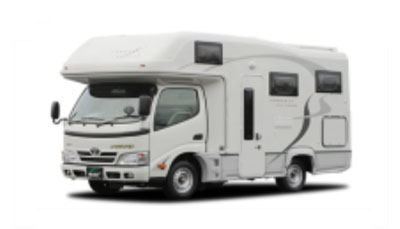
For camping in Japan, the Class B Camper Van and Class SI Semi-integrated RVs are often the most practical choices, balancing comfort with maneuverability on narrower Japanese roads. Class B Camper Vans, averaging 5.8 meters in length and offering around 3-4 sleeping places, provide excellent agility for navigating cities and smaller roads. They are ideal for discreet overnight parking at Michi-no-Eki or fitting into compact campground spots. For example, a "rv rental denver example Category Van" features a shower and toilet, ideal for a couple, and has a recent model year, blending compact size with essential amenities.
Class SI Semi-integrated RVs, with an average length of 6.9 meters and 3-4 sleeping places, offer more living space and amenities for a comfortable camping experience while remaining relatively easy to drive. Bandana's fleet typically sees Class B Camper Vans with a common fuel consumption of around 10 Liters/100 km, while Class SI Semi-integrated models consume approximately 10-11 Liters/100 km. Larger Class C Alcove (7.5m average length) or Class A Integrated (7.5m average length) RVs offer more sleeping capacity and amenities, such as the C-30 or the MH-A (with a 302-liter refrigerator and 3 double beds), but can be more challenging to maneuver and park in Japan's often tighter spaces. Drive slowly and carefully, and you can drive almost anywhere without issues, regardless of size.
How to Save on Campgrounds in Japan
Saving on campground fees in Japan is achievable by leveraging discounts and making strategic booking choices for your one-way RV adventure. Consider using campground discount cards or memberships, which can offer significant savings on nightly rates at participating parks. These memberships, though less common than in other regions, can still provide value for extended trips.
Booking during the shoulder seasons (e.g., late spring or early autumn, outside of major holidays) often results in lower rates and fewer crowds, making your trip more enjoyable and budget-friendly. Opt for municipal or regional campgrounds over private resorts, as they typically offer more budget-friendly options with sufficient, if sometimes basic, amenities. Many campgrounds provide weekly rates, so staying 3+ nights at one location can often be more cost-effective than frequent moves. If traveling in a group with a larger vehicle like a 6-berth Euro Deluxe, sharing hookup sites when permissible can further reduce per-person costs, as explored in our Cheap RV Rental in Japan - Budget Guide 2026.
How does RV travel compare to other transport in Japan?
RV travel in Japan offers unparalleled flexibility and freedom compared to fixed-route public transport like trains and buses, allowing for spontaneous exploration. While Japan's train system (Shinkansen) is incredibly efficient for long distances, an RV provides the convenience of a mobile home, eliminating the need for constant hotel bookings and packing/unpacking. With a rented motorhome, you have a private space to relax and recharge after a day of sightseeing, making it ideal for families or groups seeking a personalized journey.
Compared to renting a car, an RV combines accommodation and transport, often proving more cost-effective for families or longer trips when factoring in hotel savings. However, rented RVs can be slower on the road and incur higher fuel costs and tolls than smaller rental cars, and navigating narrow city streets can be challenging. Drive slowly and carefully, and you can drive almost anywhere without issues. No need to stress - just use common sense and pay attention. The ability to prepare your own meals, allowing you to sample local ingredients and cook what you like, and access scenic, remote areas inaccessible by train makes RVing a unique and immersive way to experience Japan's diverse landscapes and culture. This flexible approach aligns perfectly with our recommendation for slow travel: max 100-150 km per day on average, taking time to feel the place, connect to the culture, the food, and the scenery.
When is the best time to visit Japan by RV?
The best time to visit Japan by rented RV largely depends on your desired experience, with spring and autumn generally offering the most pleasant weather and scenic beauty. Spring (March-May) is famous for cherry blossoms (sakura), providing picturesque routes but also higher crowds and increased competition for RV spots. Booking your RV Rental Deals in Japan - Latest Offers 2026 in advance for this period is highly advisable.
Autumn (September-November) offers stunning fall foliage (koyo) and comfortable temperatures, ideal for driving and outdoor activities like hiking. Summer (June-August) can be hot and humid, especially in southern regions, but is perfect for exploring Hokkaido or mountainous areas, which offer cooler climates. Winter (December-February) is suitable for snow sports enthusiasts in regions like Hokkaido or Nagano, though road conditions and campground access require careful planning. Considering your one-way itinerary, research regional weather patterns and popular events to align your trip with optimal conditions and avoid peak crowds, making your journey as smooth and enjoyable as possible.
What are some recommended RV itineraries for Japan?
Curated RV itineraries in Japan can range from scenic coastal drives to cultural explorations, catering to diverse interests. Bandana RV, through its sister company RV PLANET (rvplan.net), offers over 1,300 pre-planned routes across 5 continents, including excellent options for Japan, and a 25% planning discount when you use rvplan.net for your route. An 'Onsen Hopping RV Route' could take you through regions like Tohoku or Kyushu, visiting famous hot spring towns and enjoying local cuisine. Imagine parking your comfortable Active Classic campervan near a traditional onsen for a truly authentic experience.
For history enthusiasts, a 'Historic Japan Road Trip' might include stops in Kyoto, Nara, and Hiroshima, exploring ancient temples and heritage sites with the flexibility of your rented RV. The 'Autumn Leaves Tour' is popular in regions like Hokkaido, Tohoku, or the Japan Alps, offering breathtaking scenery accessible by road. Consider a 'Pacific Coast Scenic Drive' from Tokyo southwards to the beautiful beaches of Hiratuska Kanagawa, or a 'Northern Hokkaido Wilderness Adventure' for vast, untamed landscapes. One-way rentals allow for seamless travel between distinct regions, such as starting in Hokkaido and ending near Tokyo, maximizing diverse experiences without backtracking. These professionally designed route plans simplify your journey, allowing you to focus on the adventure.
What are the specific RV regulations and road rules in Japan?
Navigating Japan with a rented RV requires familiarity with specific road rules and regulations to ensure a smooth journey. Driving is on the left side of the road, and road signs often include English translations or internationally recognized symbols, though some local signs may require translation. Parking restrictions are strict, especially in urban areas like Tokyo or Osaka; illegal parking can result in heavy fines and towing, so always use designated parking lots or campgrounds for your motorhome.
Wild camping is generally not permitted or tolerated across Japan; instead, utilize Michi-no-Eki (roadside stations) for overnight stays without setting up camp. Tolls are prevalent on expressways, often collected via an Electronic Toll Collection (ETC) card, which simplifies payment and is highly recommended for convenience. Be mindful of vehicle height and width limits, especially on smaller roads, tunnels, and parking garages, as many Japanese infrastructure elements are designed for smaller vehicles. A standard car driver's license is sufficient for all motorhome classes (Class A, Class B, and Class C), and an International Driving Permit (IDP) is recommended for visitors from non-English speaking countries, though not always mandatory. The minimum rental age is 21 years, and there are no young driver surcharges or vehicle class restrictions based on age.
What are key Japanese cultural etiquette tips for RV travelers?
Adhering to Japanese cultural etiquette is crucial for RV travelers to ensure a respectful and harmonious trip through Japan. Observe quiet hours at campgrounds and Michi-no-Eki, especially during late evenings and early mornings, to avoid disturbing others. Japanese culture highly values peace and consideration for others, so keeping noise to a minimum is deeply appreciated.
Proper trash disposal is paramount; separate your garbage meticulously according to local rules (burnable, non-burnable, plastics, recyclables) and dispose of it only in designated bins or take it with you until you find appropriate facilities. Be aware of public versus private spaces; do not set up camp outside designated areas, and always respect private property. When visiting onsen (hot springs), follow strict etiquette: wash thoroughly before entering the communal bath, do not wear swimsuits (unless specified), and keep your small towel out of the water. Maintain cleanliness, minimize noise, and show gratitude (arigato gozaimasu) to locals and facility staff to foster positive interactions, making your one-way RV experience truly enriching.
What safety and emergency preparedness tips are essential for RVing in Japan?
Essential safety and emergency preparedness are vital for a secure RV trip in Japan, a country known for its advanced infrastructure and natural events. In case of a breakdown, contact your rental provider's emergency roadside assistance immediately; ensure you have their contact information readily accessible in your rented motorhome. For medical emergencies, know how to locate the nearest hospital or clinic (by asking locals or using a translation app) and have your travel insurance details handy.
Japan is prone to natural disasters like earthquakes and typhoons; familiarize yourself with local emergency alerts (e.g., Japan Meteorological Agency warnings) and follow official guidance, especially if traveling during typhoon season (June-October). Keep a basic first-aid kit, emergency contact numbers, and a fully charged phone with a local SIM or portable Wi-Fi device for connectivity. Understand local evacuation procedures if traveling through coastal or mountainous areas. At Bandana, we handle the details of your booking so you can live the journey, but in-trip emergencies require direct communication with your supplier's local support.
What are Michi-no-Eki and how do RVers use them in Japan?
Michi-no-Eki, or roadside stations, are government-designated rest areas across Japan that are invaluable resources for RVers on a one-way trip. These stations typically offer clean restrooms open 24 hours, local product shops selling fresh produce and regional specialties, and often restaurants or food stalls. They are perfect places to experience local culture and cuisine, serving as community hubs rather than just rest stops.
RVers primarily use Michi-no-Eki for safe, tolerated overnight parking, though they are not full campgrounds; setting up camp (e.g., deploying awnings, setting out chairs, cooking outside) is generally not allowed. Facilities can vary significantly; some larger Michi-no-Eki might offer showers, laundry, or even onsen, while others provide only basic amenities. They are excellent places to stretch your legs, resupply with local snacks, use free Wi-Fi where available, and interact with local culture. Always check specific rules at each Michi-no-Eki for overnight parking, as some may have time limits or specific areas designated for RVs. This is a vital practice for any RV travel in Japan.
What are the best food options for RVers in Japan?
RVers in Japan have a wealth of food options, from cooking in their vehicle to exploring local culinary delights. Supermarket shopping at chains like Aeon or Seiyu is an excellent way to prepare meals in your rented RV, offering fresh ingredients, pre-made bentos, and local delicacies. Many rented motorhomes, like the MH23 Medium - Economy, come equipped with a refrigerator and stove, making on-board meal prep convenient.
Convenience stores (7-Eleven, FamilyMart, Lawson) are ubiquitous and provide surprisingly high-quality meals, snacks, and drinks, perfect for quick stops when you're on the go. Roadside restaurants, often found near Michi-no-Eki, offer regional specialties (e.g., ramen, udon, tempura) at reasonable prices, giving you a taste of authentic Japan. Look for local markets or specialty stores in towns you visit, such as those in Takamatsu-Kagawa, to discover unique regional foods and fresh seafood. RV-friendly dining options include places with spacious parking, allowing you to easily stop and enjoy an authentic Japanese meal. Don't forget to explore our RV-friendly recipes playlist for ideas to make the most of your on-board kitchen.
🎬 Video coming soon
What You Shouldn't Miss
- Drive the Hokkaido Loop: Explore the vast, untamed wilderness of Hokkaido, from lavender fields in Furano to the volcanic landscapes of Akan-Mashu National Park. It’s perfect for a week-long trip with a Class B Camper Van, offering numerous scenic overlooks and charming towns.
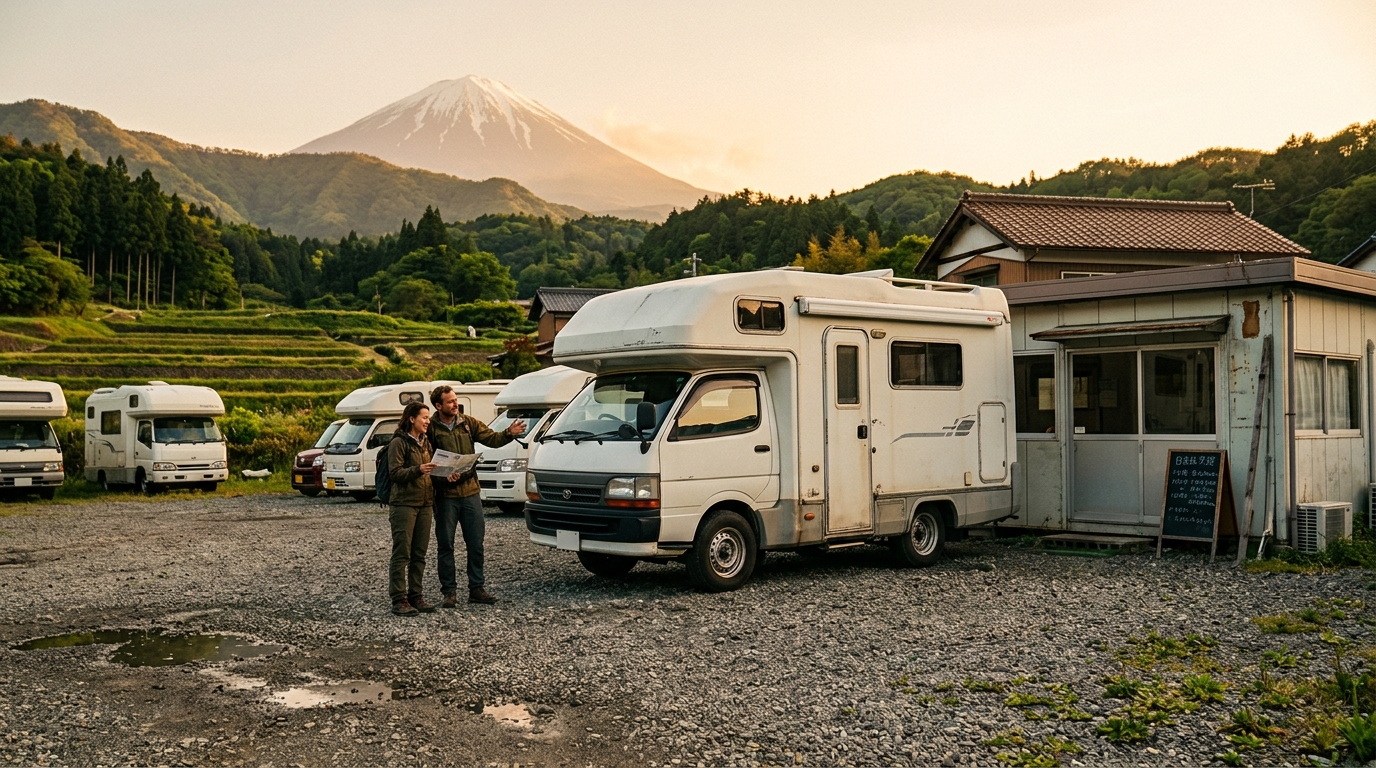
- Fuji Five Lakes RV Escape: Park your rented motorhome near Lake Kawaguchiko in Kai Yamanashi for breathtaking views of Mount Fuji, especially at sunrise. This area is dotted with excellent campgrounds and onsen, making it a truly iconic stop.
- Explore Ancient Kyoto: While central Kyoto has tighter streets, park your campervan on the outskirts and use local transport to explore the historic temples, gardens, and geisha districts. Enjoy the blend of ancient culture and modern convenience.
- Onsen and Scenic Coastline in Kyushu: Take a one-way trip through Kyushu, famous for its volcanic activity and abundant hot springs. Drive along the scenic coastlines and unwind in natural onsen, experiencing Japan's unique relaxation culture.
- Avi Bandana's Top 5 Adventures: For expert insights and personal recommendations that go beyond the usual tourist spots, discover our RV-friendly recipes playlist. Avi Bandana, our founder, is a true RV specialist and has curated exceptional routes and hidden gems you won't want to miss.
Final Thoughts
Exploring Japan with a one-way RV rental is an adventure waiting to unfold. Imagine the freedom of waking up to a new, incredible view each day, whether it's the iconic Mount Fuji, a serene coastal stretch, or a bustling city like Tokyo or Kyoto. With a little planning and an open mind, your journey across Japan in a rented motorhome will be filled with unforgettable moments, cultural discoveries, and breathtaking scenery.
Remember, Bandana RV is here to make your booking seamless and transparent, ensuring you have all the information and support you need before you even pick up your keys. So, pack your bags, choose your route, and prepare to embark on an incredible one-way RV trip through the captivating land of Japan. Get inspired for your next trip and discover top destinations, planning tips, all in one place!
Are you ready to experience the wonders of Japan at your own pace? Compare One Way RV Rental Prices for Japan and start planning your epic journey today!