In This Guide
- Top 5 Tips for RV Rental in Australia
- Before You Book — Class, Dates, Insurance
- Pre-Trip Prep — Packing Checklist for Australia
- On the Road — Driving, Fueling, Navigation
- At the Campground — Setup, Hookups & Etiquette
- RV Rental-Specific Tips for Australia
- Common Mistakes to Avoid in Australia
- What is the 3 3 3 rule for campervan?
- What are the drawbacks of renting an RV?
- How much does it cost to rent a RV in Australia?
- Can you park an RV anywhere in Australia?
- How much is a 1 week RV rental?
- Is it worth having a toilet in a campervan?
- Can US citizens rent a car in Australia?
- What is the 3 3 3 rule for RV travel?
- What not to do in Australia as an American?
- Is 3000 AUD enough for 2 weeks in Australia?
Top 5 Tips for RV Rental in Australia
When planning an unforgettable RV adventure across Australia, these essential tips will set you up for success. Embracing the freedom of the open road in a rented motorhome or campervan offers unparalleled flexibility and the chance to discover the vast beauty of this unique continent. For live availability and current prices, start with our RV Rental Australia - Complete Guide 2026 guide. Remember, we're true RV specialists, not just a travel agency side-department, dedicated to making your RV rental experience seamless and enjoyable.
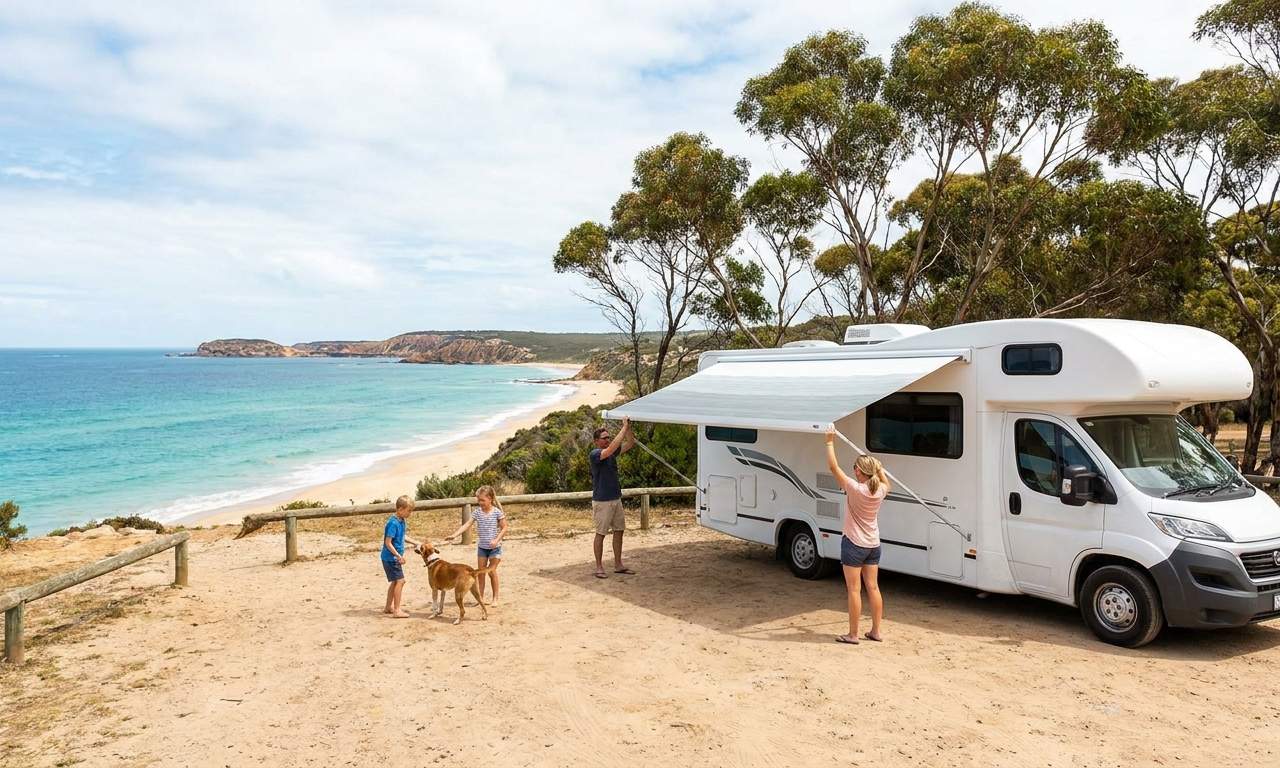
- Book Well in Advance: To secure your preferred vehicle, especially larger motorhomes or those with specific features, and to get the best rates, book your RV rental in Australia as early as possible. This is particularly crucial for peak travel seasons, which include the summer months (December to February), Australian school holidays, and major public holidays.
- Understand Australian Driving Rules: Familiarize yourself with Australia's driving regulations. The most significant point is that Australians drive on the left side of the road. Pay close attention to road signs, speed limits (posted in kilometers per hour), and any specific requirements for RVs. A standard car driver's license is generally sufficient for all motorhome classes, but ensure your license is valid and legible.
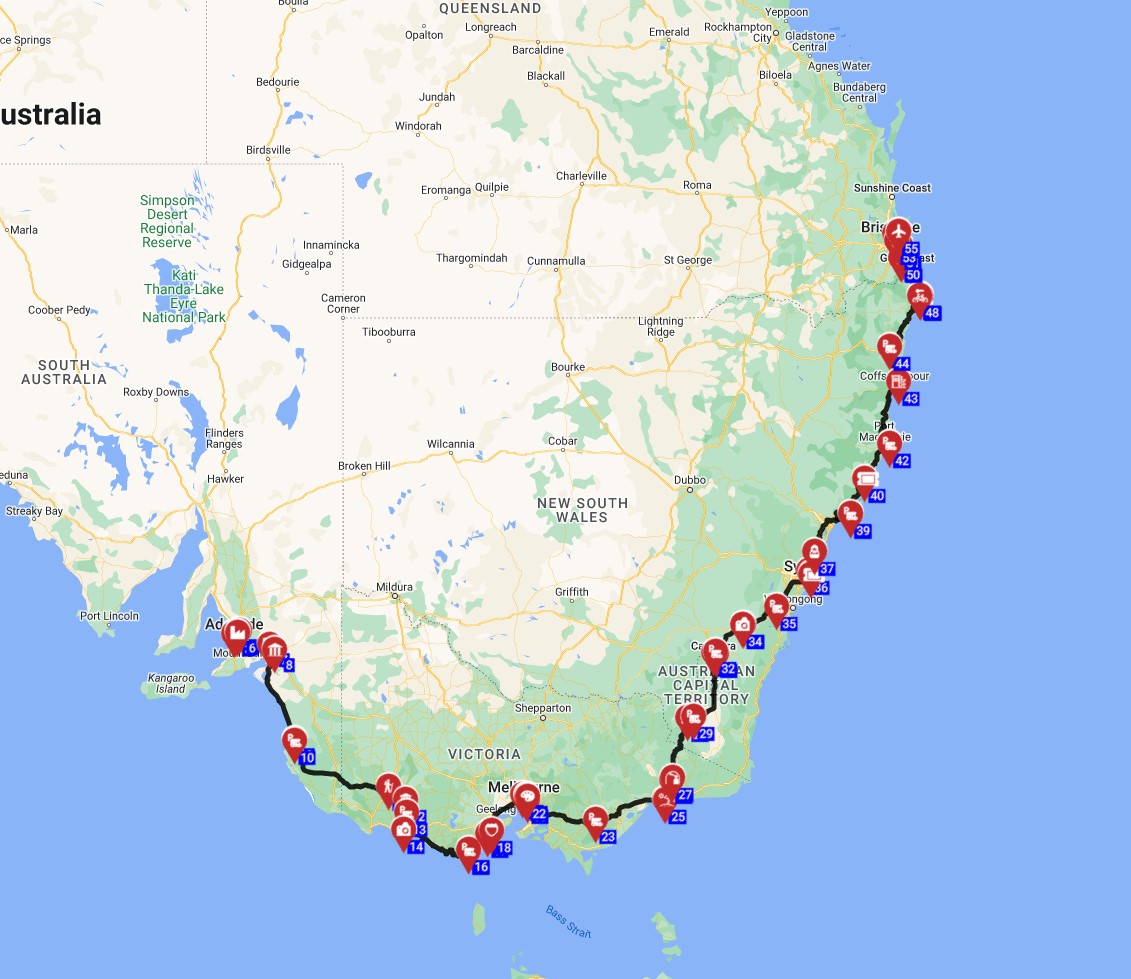
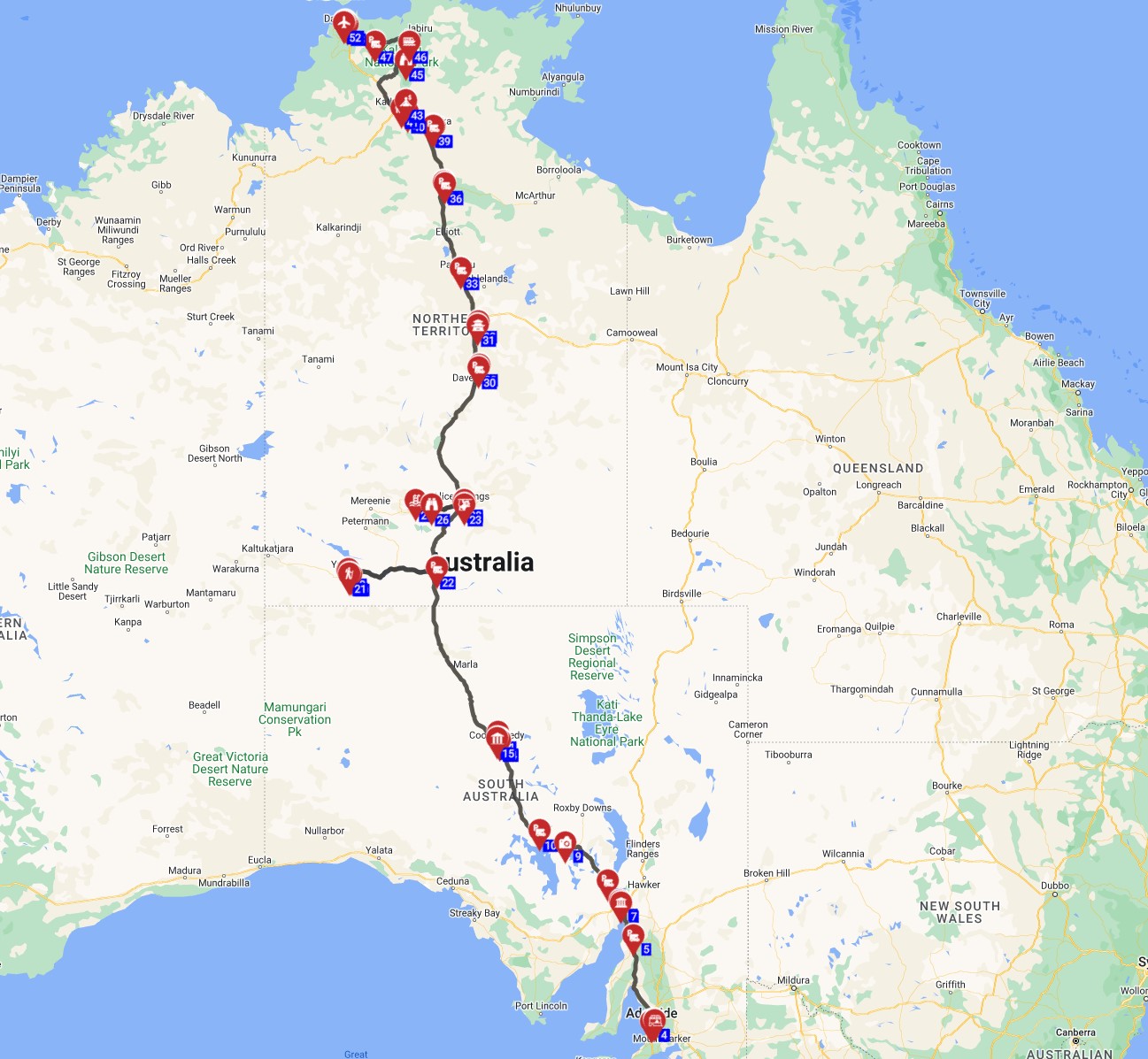
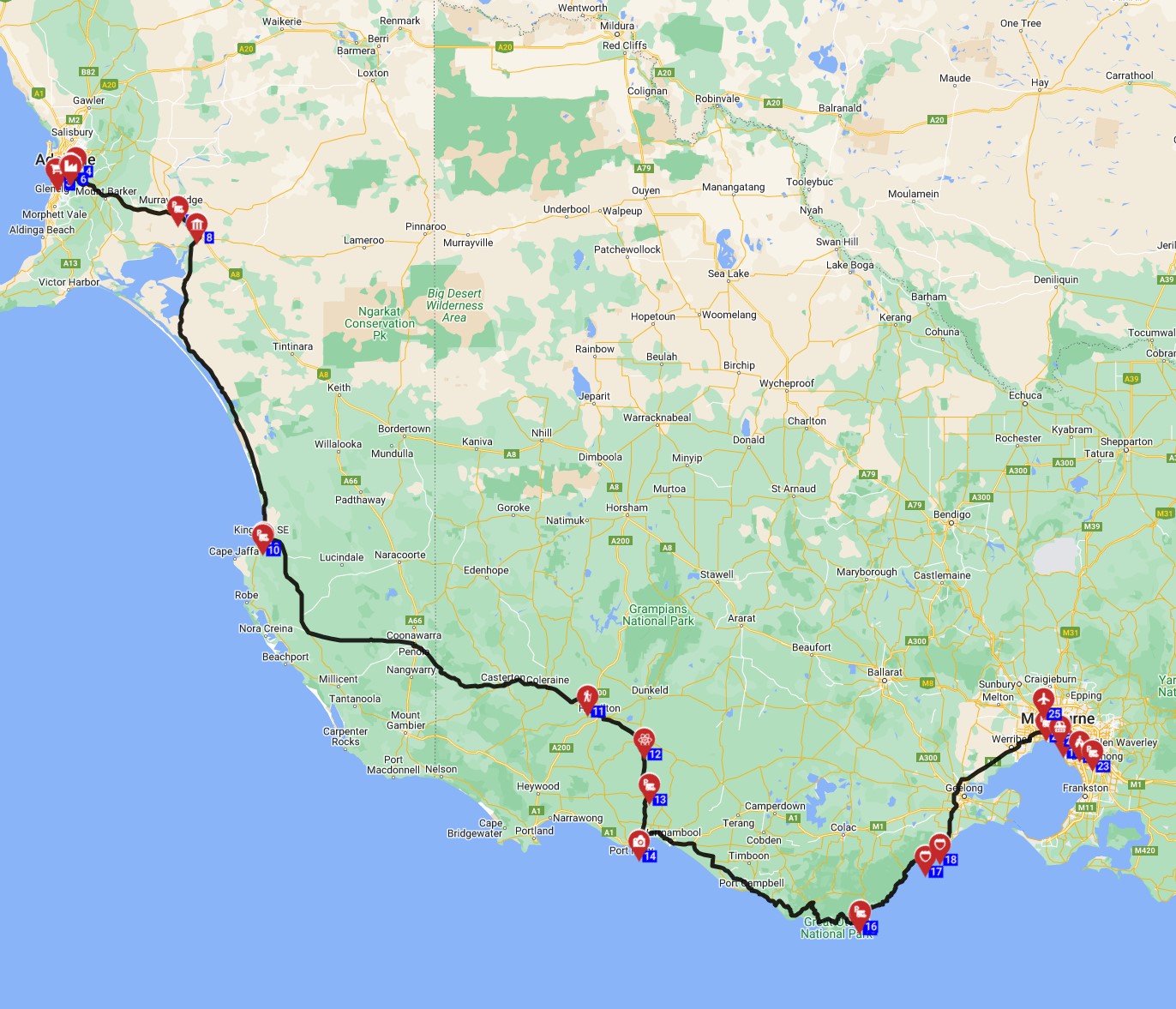
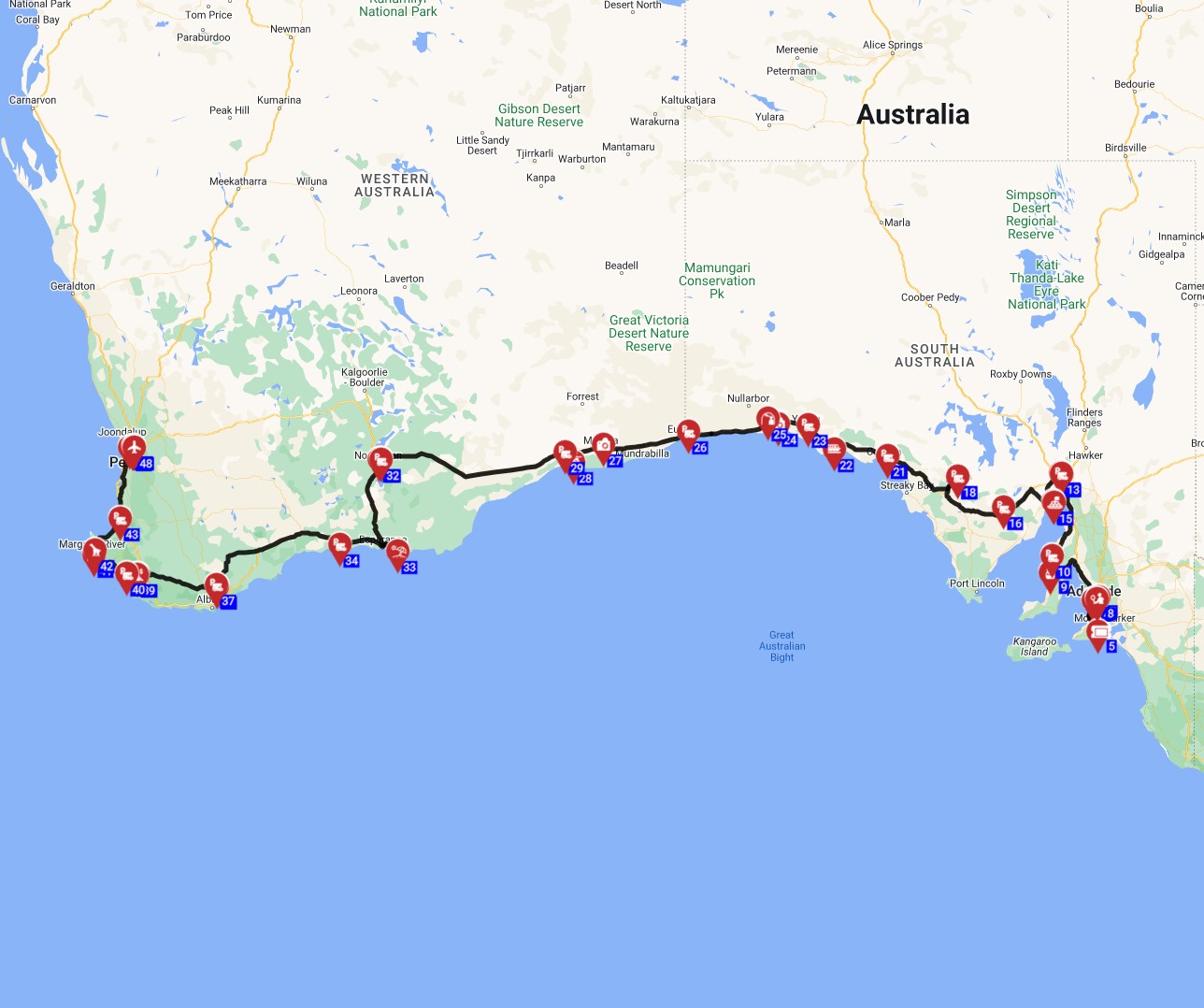
- Plan Realistic Routes: Australia is a vast continent, and distances between major cities and attractions can be significant. When planning your itinerary, avoid over-scheduling. Consider a slow travel approach, perhaps driving no more than 100-150 km per day on average, to truly immerse yourselves in the landscapes and cultures. For example, the "Melbourne to Darwin - Australia’s Heartline Road Trip" is a 26-day, 5622 km journey that showcases the diverse heart of Australia, with numerous planned stops.
- Budget Comprehensively: Beyond the rental cost, factor in fuel, campsite fees, potential national park permits, food, and activities. Fuel prices can vary significantly, especially in remote areas. Utilize resources like RV PLANET routes, which can help itemize and track these expenses for easier budgeting.
- Ensure Adequate Insurance: While basic insurance is typically included with your RV rental, consider upgrading to comprehensive coverage for maximum peace of mind. This often includes top-level deductible reimbursement, giving you extra security. You can compare all relevant insurance options upfront during the search process to make an informed decision.
For tailored advice specific to your trip, consider talking to our rental experts.
Before You Book — Class, Dates, Insurance
Choosing the right RV is key to a comfortable and enjoyable trip. Australia offers a wide range of vehicle classes, from compact 2-berth campervans perfect for couples, to spacious 6-berth motorhomes ideal for families or groups. Consider your itinerary, the number of people traveling, and your comfort preferences. For instance, a "4 Berth Adventurer" motorhome might be ideal for a family of four seeking adventure, while a smaller, more nimble campervan might suit a couple exploring coastal routes. For those looking for the easiest, safest, and most affordable way to rent an RV, we compare final prices across 50+ suppliers so you don't have to.
Securing your rental dates as early as possible is paramount, especially if your travel plans coincide with high-demand periods like Australian school holidays, public holidays, or major events. This helps avoid limited availability and potentially higher prices. Our sister company, RV PLANET, provides over 1,300 pre-planned routes, offering a great starting point for organizing your adventure.
When it comes to insurance, understand that basic coverage is always included. However, to explore comprehensive options and their associated costs, simply select the relevant upgrade during your search. This allows for a clear comparison of peace-of-mind packages upfront, ensuring you're fully covered for your Australian exploration.
For tips tailored to your specific trip, talk to our rental experts.
Pre-Trip Prep — Packing Checklist for Australia
Proper packing is essential for an Australian RV adventure. Considering the diverse climates and the extended periods you might spend on the road, a well-prepared packing list ensures comfort and convenience. Remember, while rentals typically include basics like bedding and kitchenware, personal items and specialized gear are up to you. For a fantastic starting point, check out our RV Travel Guide to Australia - Tips and Top Spots 2026.
- Lightweight, breathable clothing for warm weather (e.g., cotton, linen)
- Layers for cooler mornings/evenings, especially in southern states or higher altitudes
- Swimwear and quick-dry towels
- Wide-brimmed hat, sunglasses, and high-SPF sunscreen
- Sturdy, comfortable walking shoes or hiking boots
- Rain jacket or compact umbrella
- Reusable water bottles and food storage containers
- Basic cooking essentials (e.g., oil, salt, pepper, a few key spices) – for utilizing your RV’s kitchen and trying some RV-friendly recipes.
- Biodegradable dish soap, sponge, and reusable shopping bags
- Comprehensive first-aid kit, including antiseptic, bandages, and pain relief
- Personal medications, clearly labeled and with copies of prescriptions
- Insect repellent, particularly for tropical or bush areas
- Valid driver's license (and an International Driving Permit if necessary for your license/stay duration)
- Passport, visa documents, and photocopies/digital backups
- RV rental agreement and all booking confirmations
- Travel insurance policy details
- Offline maps (downloaded to phone/tablet) and a physical map as backup for remote areas
- Power bank for charging devices; consider a portable satellite messenger or PLB for off-grid communication in very remote regions.
For tips tailored to your specific trip, talk to our rental experts.
On the Road — Driving, Fueling, Navigation
Navigating Australia in an RV is a grand adventure, but it requires careful planning and awareness. Always drive on the left-hand side of the road and familiarize yourself with Australian road rules, which may differ from what you're accustomed to. Adhere strictly to posted speed limits, which are in kilometers per hour. For a significant portion of your journey, you might be traveling through regional or Outback areas, where distances between fuel and water stops can be extensive.
Meticulous planning of fuel stops is crucial; always refuel and top up water tanks when you have the opportunity, especially before venturing into remote or unserviced regions, as fuel prices in these areas can be considerably higher. Utilizing reliable navigation tools is essential. GPS devices or offline map applications like Google Maps or Wikicamps on your mobile device are invaluable. However, always carry a physical map as a critical backup, particularly for areas with no mobile reception.
Vigilance for Australian wildlife is paramount. Animals like kangaroos, emus, and wallabies are most active at dawn and dusk. To minimize collision risks, avoid driving at night in rural or remote areas whenever possible. Fatigue can be a serious issue on Australia's long roads. Combat this by taking regular breaks every two hours, pulling over at designated rest stops, and rotating drivers if you're traveling with companions.
For tips tailored to your specific trip, talk to our rental experts.
At the Campground — Setup, Hookups & Etiquette
Setting up your RV at a campground is a straightforward process that enhances your comfort and ensures everything functions correctly. Upon arrival, the first crucial step is to ensure your RV is level. Use leveling ramps or blocks under the tires as needed. This is vital for the proper functioning of your refrigerator's cooling system, your drainage systems, and your overall comfort within the mobile home.
Connecting your hookups should be done in a specific order for safety and functionality. First, securely attach to the 240V power supply if available, which powers your internal appliances and charges your batteries. Next, connect your freshwater hose to the campsite's water supply. Finally, position your grey water hose for drainage from your sinks and shower.
Respecting campground etiquette ensures a pleasant experience for everyone. This includes adhering to quiet hours, typically enforced between 9 PM and 7 AM, by keeping noise to a minimum. Ensure generators are turned off during these hours and avoid loud conversations or music that could disturb neighbors. Maintaining a tidy campsite is also important; dispose of all rubbish in provided bins or take it with you, and be considerate of your neighbors' privacy and personal space.
When it’s time to depart, the final, crucial step is to properly empty your black water (toilet waste) and grey water (sink/shower water) tanks at the designated dump points provided at most campgrounds. This is a vital part of responsible RVing.
For tips tailored to your specific trip, talk to our rental experts.
RV Rental-Specific Tips for Australia
Australia's diverse landscapes and traveler demographics mean there's an RV to suit every need. For families, opt for an RV with multiple separate sleeping areas or a dinette that converts into a bed, ensuring dedicated spaces for children and quiet zones for naps. Extra storage is also a boon for toys and gear. Seniors might prioritize RVs featuring automatic transmissions for easier driving, lower step-in heights for accessibility, and comfortable, easily accessible beds to maximize comfort and minimize physical strain.
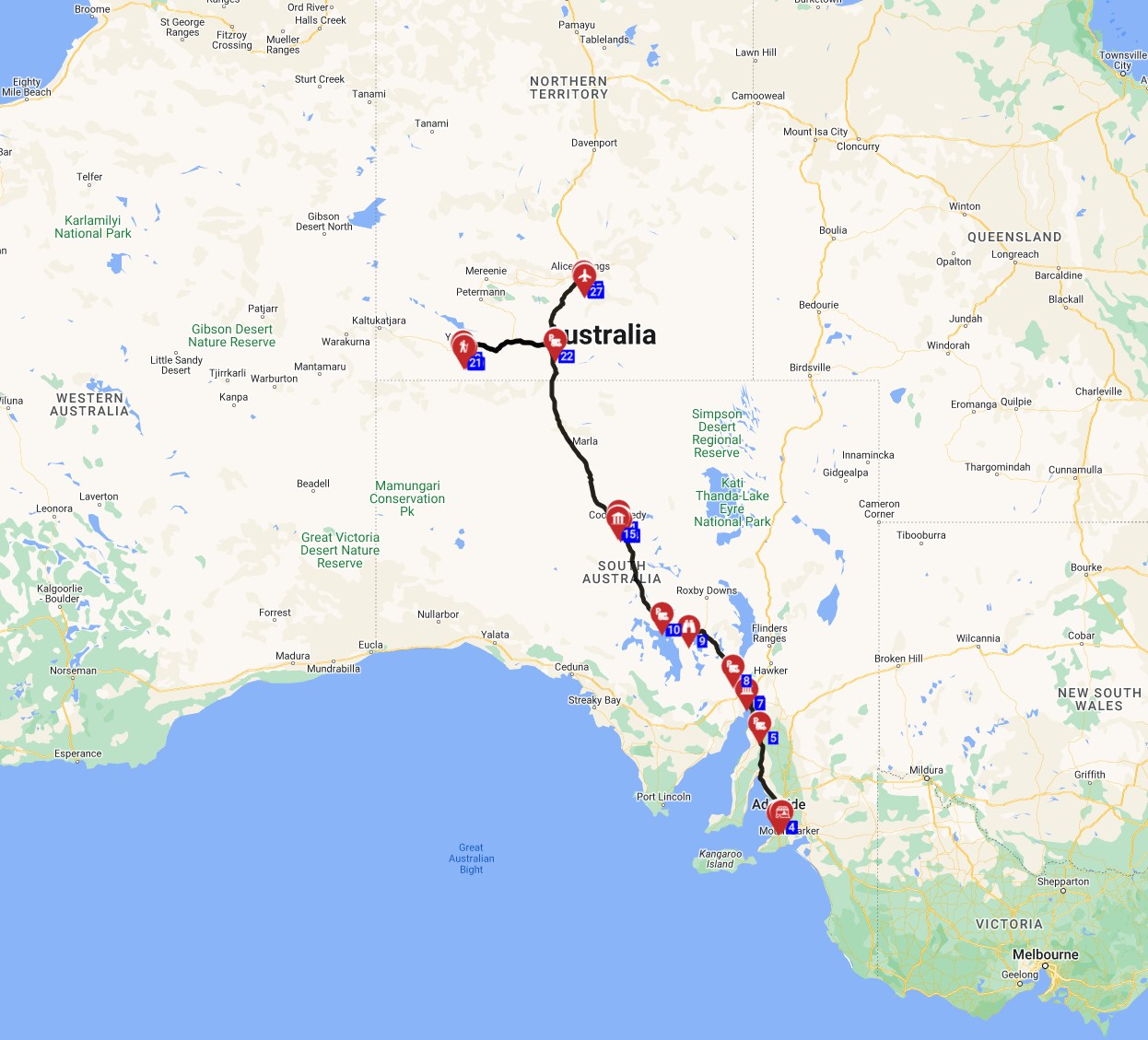
Budget travelers can maximize savings by planning meals to cook in their RV's kitchen, utilizing Australia's extensive network of free or low-cost designated campsites, and meticulously tracking fuel consumption given the varying prices across regions. For those seeking a more luxurious experience, explore premium RV models that offer amenities like solar panels for extended off-grid capabilities, larger refrigeration units, integrated entertainment systems, and high-end interior finishes. For example, the "Perth to Alice Springs - The Dreamtime Highway" (21 days, 5447 km) offers incredible natural features and attractions, making it a journey where comfort is key.
For a comprehensive comparison of vehicle classes and what might suit your journey, remember to check out our detailed guides. For example, we have a wide range of vehicles including compact campervans perfect for couples like the "Campervan 2 - LOKI E" up to larger motorhomes capable of sleeping 6, such as the "Motorhome MC6 Gold".
For tips tailored to your specific trip, talk to our rental experts.
Common Mistakes to Avoid in Australia
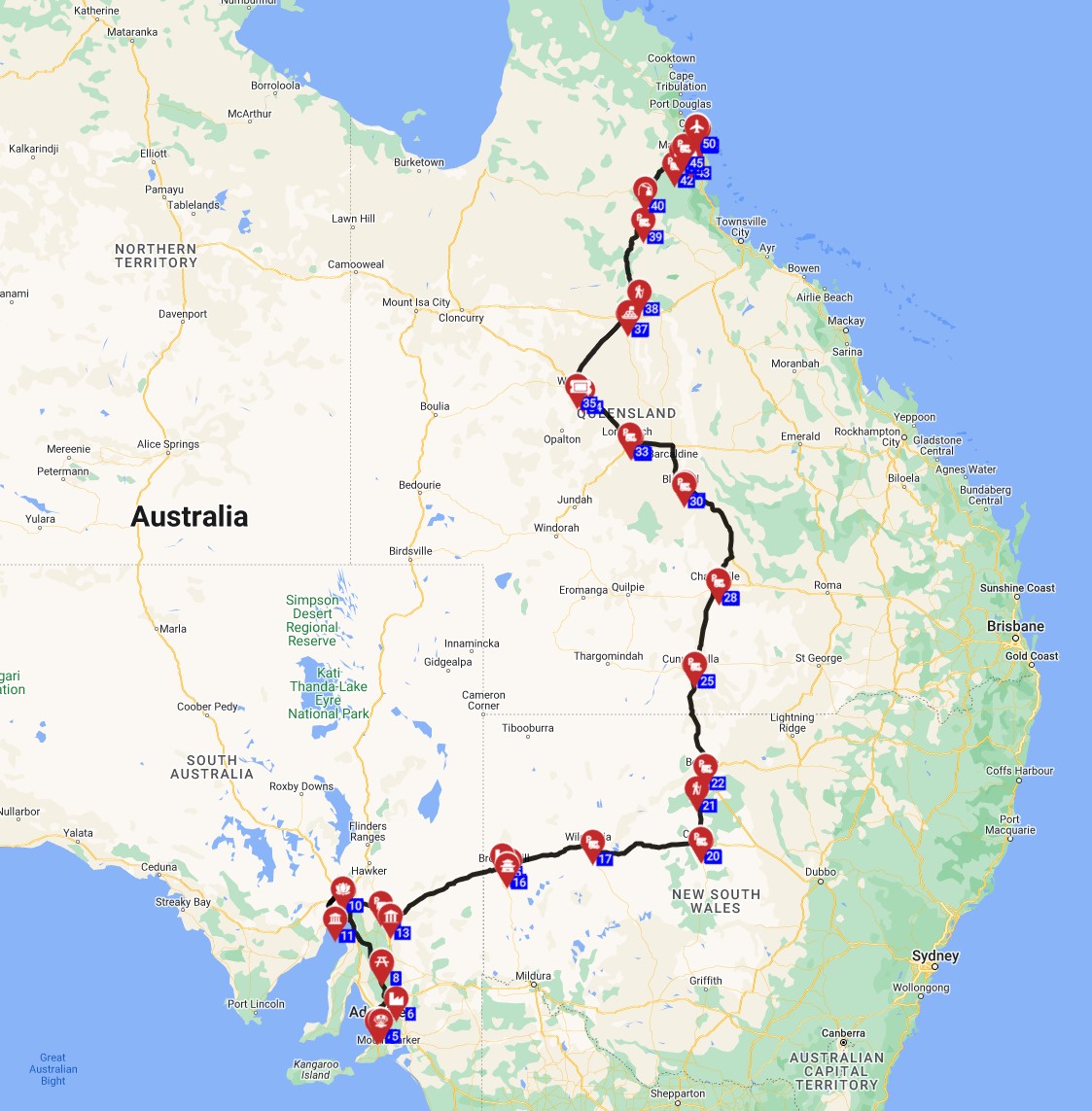
To ensure your Australian RV adventure is as smooth as possible, it’s helpful to be aware of common pitfalls first-time renters encounter. Underestimating the vast distances is perhaps the most significant. Australia is a continent, not just a country, so plan a realistic itinerary with fewer, longer stops and build in ample travel time between destinations. For instance, a trip like "Cairns to Alice Springs - Northern Horizons" (17 days, 4003.6 km) is a substantial journey that requires careful pacing.
Poor planning for fuel and water in remote areas is another common oversight. Always refuel and top up water tanks whenever possible, especially before entering regions known for their remoteness or lack of services. Ignoring local wildlife and road signs can also lead to problems. Heed wildlife warnings, exercise extra vigilance at dawn and dusk, and remember that many Australian animals are nocturnal, making night driving particularly risky.
Failing to book popular campsites in advance, especially during peak seasons or for iconic locations like national parks, can lead to disappointment. Booking your caravan park or campsite well ahead of time is highly recommended. Finally, not fully understanding your insurance coverage can lead to unexpected costs. Thoroughly review your rental agreement and consider purchasing comprehensive insurance that includes roadside assistance and covers potential damages and personal liability. For the most comprehensive information, refer to our RV Rental Deals in Australia - Latest Offers 2026.
For tips tailored to your specific trip, talk to our rental experts.
What is the 3 3 3 rule for campervan?
The 3-3-3 rule for campervan travel is a popular guideline to promote safety and enjoyment by preventing over-fatigue and encouraging a more relaxed pace. It suggests aiming to drive no more than 300 kilometers (or approximately 3 hours) per day, arriving at your destination by 3 PM, and planning to stay for at least 3 nights at each location. This approach allows ample time for sightseeing, setting up camp without rush, and truly unwinding. It's particularly beneficial for navigating Australia's vast and often remote landscapes where long stretches of driving can easily lead to fatigue.
What are the drawbacks of renting an RV?
While RV rentals offer incredible freedom, there are potential drawbacks to consider. The upfront cost of renting an RV in Australia can be higher than opting for car rental and motels, especially when factoring in daily rates, fuel, and campsite fees. During peak seasons, spontaneous campsite choices might be limited, necessitating advance bookings. RVs generally have higher fuel consumption compared to standard cars, and managing vehicle systems like waste and water tanks requires attention. On the routes offered through RV PLANET routes, you can itemize and track every expense along the way for easy budgeting.
The larger size of RVs can also present challenges, making driving and parking more difficult, particularly in urban areas or on narrower country roads. Additionally, dealing with any potential mechanical issues or the responsibility of vehicle maintenance can add stress to a trip. One-way rental fees, if you plan to pick up and drop off in different cities, can also be a significant additional cost.
How much does it cost to rent a RV in Australia?
The cost to rent an RV in Australia varies significantly, influenced by factors such as vehicle size, rental duration, the time of year (off-peak versus peak season), pick-up and drop-off locations, and chosen insurance coverage. Generally, daily rates can range from approximately AUD $80 for a small campervan during the off-peak season to upwards of AUD $300 for a larger, more luxurious motorhome during peak periods. These rates usually cover the base vehicle hire, but it's essential to budget for additional costs. For a week-long rental, expect the base price to be between AUD $560 and AUD $2,100, depending heavily on the model and season.
Beyond the rental price, you must also budget for fuel, which can be substantial given Australia's vast distances, with estimates for a week's moderate driving potentially ranging from AUD $300 to $700+. Campsite fees can add another AUD $140-$420 for seven nights, plus costs for food and activities. Booking further in advance often secures better deals, especially during popular travel times like school holidays or major events. For insights into finding the cheapest rentals, consider our RV Rental Deals in Australia - Latest Offers 2026 guide.
Can you park an RV anywhere in Australia?
No, you cannot park an RV just anywhere in Australia. Free camping is permitted but restricted to designated free campgrounds, private land with explicit permission, or specific areas where signage clearly allows overnight stays. Parking in public areas or national parks typically requires permits or staying within designated caravan parks. Many local councils enforce strict regulations against overnight parking in public car parks or residential streets, often with significant fines.
To find legal and appropriate places for overnight stays, it's highly recommended to use resources like the Wikicamps app or consult local council websites. These tools help differentiate between free, low-cost, and commercial camping sites, ensuring you stay compliant and safe. Always check signs and local regulations before planning to park your RV overnight.
How much is a 1 week RV rental?
A 1-week RV rental in Australia can range significantly, typically from approximately AUD $560 for a smaller, older campervan booked during the off-peak season, to over AUD $2,100 for a modern, fully equipped large motorhome rented during peak season. This weekly cost represents the base rental price; travelers should also budget for additional expenses. These typically include fuel, which can cost AUD $300-$700+ for a week of moderate driving, and campsite fees, potentially adding AUD $140-$420 for seven nights, alongside food and activity costs.
Is it worth having a toilet in a campervan?
Having a toilet in a campervan in Australia is generally considered worthwhile, primarily for the enhanced convenience and privacy it offers, especially when free camping in remote areas, traveling with children, or during times when public facilities are scarce or unhygienic. The main benefit is the freedom and independence it provides, eliminating the need to constantly search for public restrooms, particularly during nighttime or in isolated locations. However, consider that campervans with onboard toilets may be slightly larger, heavier, and require more diligent waste management, including more frequent emptying at designated dump points.
For shorter trips or travel exclusively within well-equipped caravan parks that offer ample facilities, an integrated toilet might be less critical. Ultimately, the decision depends on your planned travel style, route, and personal comfort preferences.
Can US citizens rent a car in Australia?
Yes, US citizens can rent a car or an RV in Australia. The primary requirement is holding a valid driver's license from your home state. For stays exceeding three months or if your license is not in English, an International Driving Permit (IDP) is strongly recommended and may be legally required. The minimum driver age is typically 21, although some rental companies might impose a surcharge for drivers under 25.
When picking up your rental vehicle, it is crucial to present both your physical US driver's license and, if applicable, your IDP, as digital copies are usually not accepted. Ensure your US license is current and covers the class of vehicle you intend to rent, whether it's a compact campervan or a larger motorhome.
What is the 3 3 3 rule for RV travel?
The 3-3-3 rule for RV travel is a practical guideline aimed at promoting a more relaxed and safer journey, suggesting drivers limit their daily travel to approximately 300 kilometers or 3 hours. It also advises arriving at your campsite by 3 PM and planning to stay for at least 3 nights at each location. This principle helps reduce driving fatigue, which is particularly pertinent given the larger size of RVs and the increased effort required for setup and pack-down compared to smaller vehicles. Adhering to this rule significantly contributes to driver and passenger safety on Australia's long roads, reducing the risk of accidents caused by exhaustion.
What not to do in Australia as an American?
When visiting Australia, it's important to be mindful of local customs and potential pitfalls. As an American, avoid underestimating the vast driving distances across the continent; plan your routes realistically. Failing to prepare for remote areas by not carrying sufficient fuel, water, and ensuring communication devices are functional is a common mistake. Ignoring local wildlife warnings or attempting to feed wild animals from a safe distance is also discouraged – observe them respectfully and never approach potentially dangerous fauna like snakes or crocodiles.
Be aware of Indigenous cultural sites and show appropriate respect when visiting. Tipping practices differ from the US; tipping is not generally expected in Australia in the same way. Also, be mindful of slang: calling flip-flops 'thongs' is common, but in Australia, 'thongs' refers to G-strings, so use the term 'thongs' carefully to avoid misunderstandings. Finally, never swim at unpatrolled beaches or ignore warning signs regarding rip currents or marine stingers, especially in tropical waters.
Is 3000 AUD enough for 2 weeks in Australia?
An AUD $3000 budget for a 2-week RV trip in Australia is considered tight and would necessitate very economical planning. It could be feasible for a trip focused heavily on free camping, self-catering most meals, and minimizing paid attractions and long-distance driving. This budget would likely exclude many tours, expensive dining experiences, and extensive fuel costs, especially if opting for a larger RV.
To make this budget work, prioritize free designated campsites or low-cost national park sites, cook the majority of your meals in the RV, and consider choosing a smaller, more fuel-efficient campervan. For a more comfortable trip that allows for some paid attractions, occasional restaurant meals, and more flexibility with driving distances, a more realistic budget would be in the range of AUD $4000-$6000+, depending on the RV class and travel style chosen.
Final Thoughts
Embarking on an RV adventure in Australia is an incredible way to experience its vast landscapes and unique culture. By planning ahead, packing wisely, and staying informed about local driving and camping customs, you're setting yourself up for a truly memorable journey. Remember to embrace the spirit of slow travel, allowing yourselves ample time to truly connect with the places you visit.
Whether you're drawn to the rugged Outback, the stunning coastline, or the vibrant cities, a rented RV provides the perfect mobile base for exploration. Don't hesitate to reach out to our specialists for personalized advice to craft your dream Australian road trip. We're here to help you make the most of every kilometer!
Get inspired for your next trip! Discover top destinations, planning tips, all in one place! Plan a trip itinerary in advance with minimal effort and maximum enjoyment.