In This Guide
- The 5 RV Families Compared for Norway
- Class A (Integrated) - Best For
- Price Comparison by RV Class in Norway
- Class SI (Semi-Integrated) - Best For
- Class C (Alcove) - Best For
- Class B (Campervan) - Best For
- Class TC (Truck Camper) - Best For
- Side-by-Side Comparison Table
- Our Recommendation for rv rental for couples Travelers in Norway
- What is the Cost of an RV Trip for Couples in Norway
- Can You Wild Camp in an RV in Norway - Understanding Allemannsretten
- What are the Challenges of Driving an RV in Norway's Unique Terrain
- When is the Best Time to Rent an RV in Norway for Couples
- What are the Age Restrictions and Insurance Rules for RV Rentals in Norway
- Can You Bring Pets on an RV Rental in Norway
- How to Practice Sustainable RV Travel in Norway
The 5 RV Families Compared for Norway
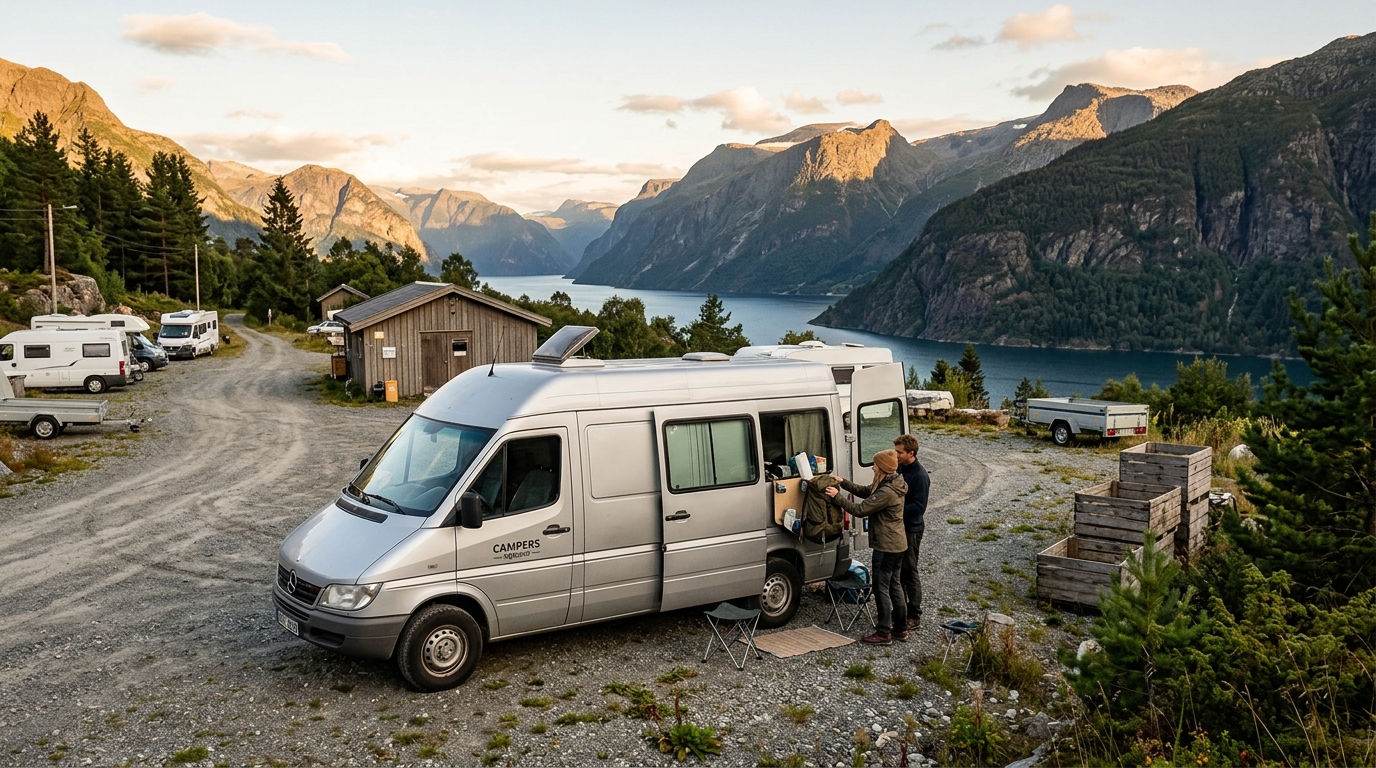
Choosing the right RV family is critical for a couple's trip to Norway due to its diverse terrain, varying climate, and unique road infrastructure. Imagine yourselves navigating stunning fjords and quaint villages, where the vehicle size, fuel efficiency, and onboard comfort directly impact your journey. For live availability and current prices, start with our RV Rental Norway - Complete Guide 2026 guide. Each motorhome class offers distinct advantages, influencing your budget, flexibility, and overall travel experience across Norway. It's not just about getting from point A to B; it's about making the journey itself an integral part of your romantic adventure.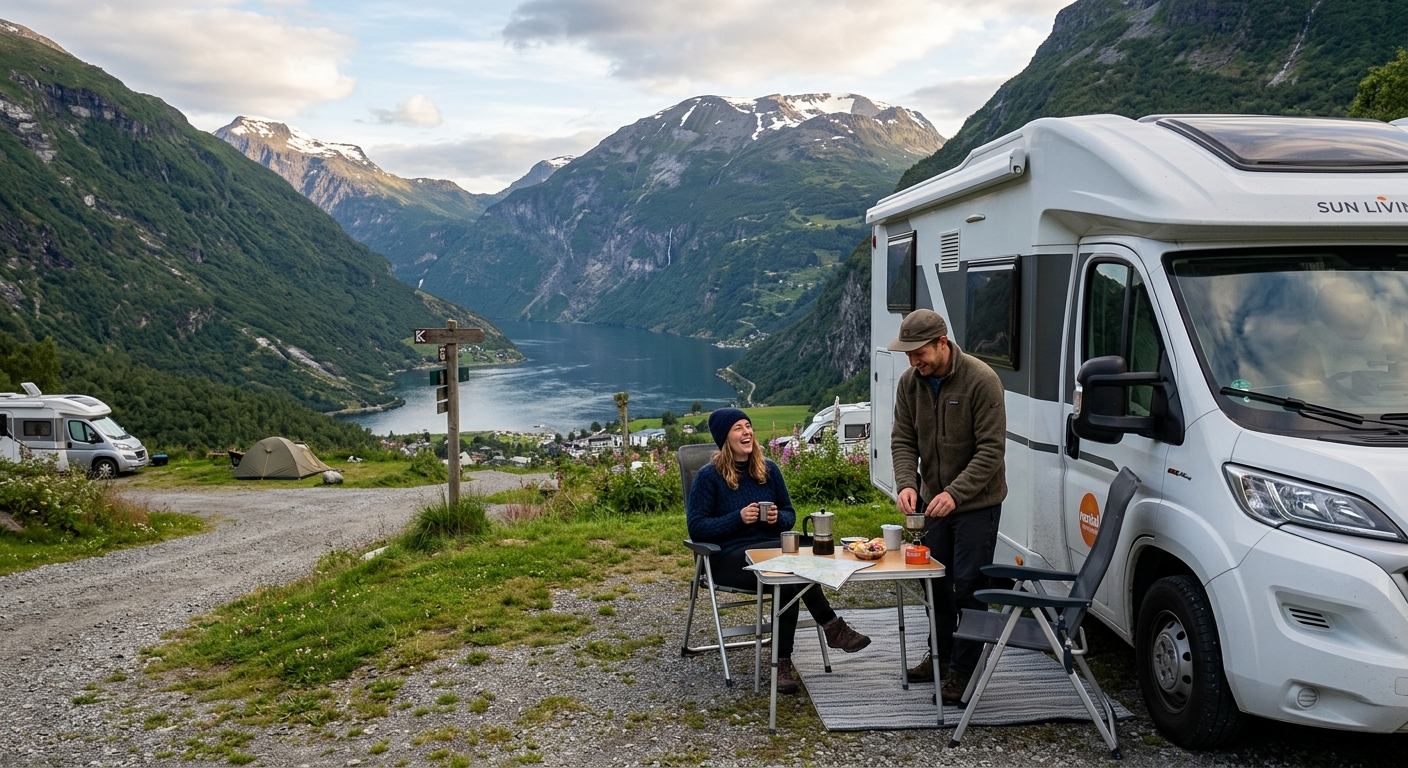
Class A (Integrated) - Best For
Class A integrated motorhomes are best suited for couples prioritizing luxury, spacious living, and extended comfort on their Norwegian adventure. With an average length of 7.5 meters and sleeping capacity for 4.4 people (Bandana's global fleet average), these vehicles offer ample interior space, often featuring separate sleeping areas, full kitchens, and large lounge areas for relaxing after a day of exploring. They typically consume 11-12 liters/100 km, making them less fuel-efficient but providing a higher level of amenities and a larger load capacity (avg 209.5 kg) for all your travel gear. The trade-off for their comfort is increased difficulty navigating Norway's narrower roads, tighter turns, and some ferry queues, which might require extra care.Price Comparison by RV Class in Norway
RV rental prices for couples in Norway vary significantly by vehicle class, rental duration, and booking season, reflecting a flex-rate system similar to airline tickets. Because pricing is dynamic, the best way to secure current prices is to use our live search tool, as rates update daily based on demand and availability. For example, a week-long rental of a compact campervan during the shoulder season might start from €140/day, while a larger, more luxurious motorhome in peak summer could exceed €350/day. Keep in mind that a one-way RV rental in Norway will usually incur a drop-off fee, which can range from €200 to €700 depending on the distance between the pickup and return locations.Live April Price Comparison — RV Class × Trip Length
| Trip length | Class A | Class B | Class C | Class SI | Class TC |
|---|---|---|---|---|---|
| 1 week 15/04 → 22/04 | 940.66 € EUR | 643.71 € EUR | 833.41 € EUR | 715.51 € EUR | Check prices |
| 2 weeks 15/04 → 29/04 | 1,483.46 € EUR | 985.26 € EUR | 1,287.66 € EUR | 1,089.26 € EUR | Check prices |
| 1 month 01/04 → 30/04 | 2,501.30 € EUR | 1,575.04 € EUR | 2,116.37 € EUR | 1,746.72 € EUR | Check prices |
Estimates only — flex-rate prices change daily based on availability and season.
Class SI (Semi-Integrated) - Best For
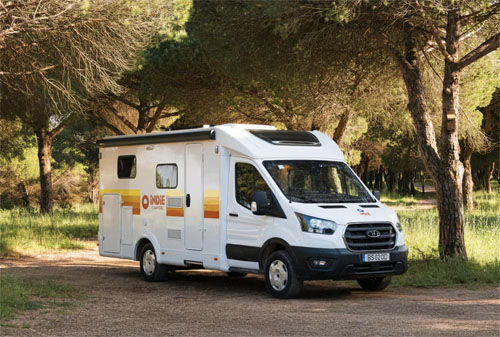
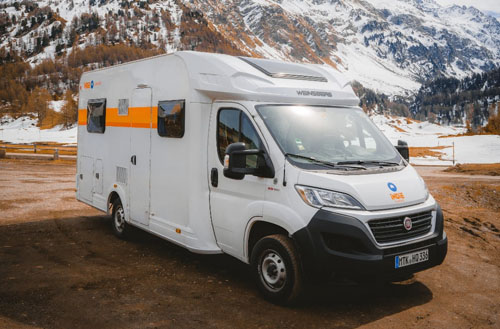
Class SI semi-integrated motorhomes are ideal for couples seeking a balance of comfort, maneuverability, and efficiency for exploring Norway. These vehicles, like a "2 Berth Sandpiper" model with a 140/190cm double bed, typically average 6.9 meters in length, sleep 3.8 people, and offer an average load capacity of 72.2 kg, providing a comfortable middle ground. With common fuel consumption around 10-11 liters/100 km, they are more economical than larger Class A motorhomes and more spacious than compact campervans. The Semi-Integrated models outperform larger Class A vehicles on Norway's winding roads and offer more living space and amenities (like a separate shower and toilet, a 2-burner gas stove, and a 80-liter refrigerator) than Class B campervans, making them a versatile choice for couples embarking on a two-week adventure.Class C (Alcove) - Best For
Class C alcove motorhomes, while often associated with families, can suit couples in Norway who prioritize extra sleeping space for occasional guests or additional storage at a competitive price point. Bandana's global fleet averages 7.5 meters in length, sleeps 5.8 people, and has an average load capacity of 42.4 kg. Their fuel consumption is typically 10-12 liters/100 km, comparable to other larger classes. The distinguishing alcove over the cab provides a generous sleeping area, and their robust build can handle varying Norwegian road conditions. Drive slowly and carefully, and you can drive almost anywhere without issues. No need to stress - just use common sense and pay attention. Some models, such as the "24 Class C Motorhome," offer upgraded Queen Mattresses, a flat-screen TV, and USB ports, enhancing the couple's travel experience.Class B (Campervan) - Best For
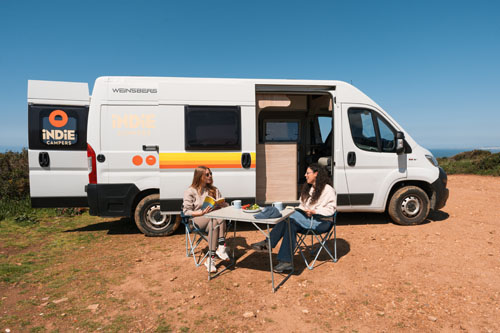
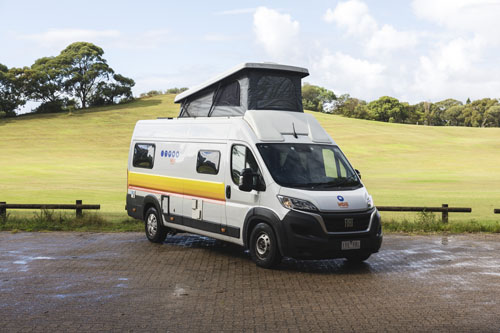
Class B campervans are an excellent choice for couples in Norway who value agility, fuel efficiency, and ease of parking and driving on diverse terrain. With an average length of 5.8 meters and sleeping capacity for 3.2 people (Bandana's global fleet average), they are the most compact motorized RV. Campervans boast superior fuel economy, typically consuming 8-10 liters/100 km, and have an average load capacity of 37 kg. Their smaller size is perfect for navigating Norway's narrow mountain passes, bustling city streets, and integrated ferry system, making them ideal for active couples preferring flexibility over expansive living space. Consider a model like the "2 Berth Hi Top" which features an automatic transmission, front air conditioning, and is winter-ready, offering comfort in various conditions. If you plan on preparing meals in your campervan, check out our RV-friendly recipes playlist for delicious ideas on the go.Class TC (Truck Camper) - Best For
Class TC truck campers are best for adventurous couples in Norway seeking off-grid capabilities, flexibility, and access to more remote natural areas. These units, averaging 5.5 meters in length and sleeping 2.4 people (Bandana's global fleet average), are often detachable from the truck base, allowing the truck to be used independently for day trips. Their fuel consumption is higher, around 12-17 liters/100 km, but their robust nature, including 4-wheel drive options like the "4x4 Camper B - TYR," makes them suitable for varied Norwegian terrain and less-traveled paths. Truck campers appeal to couples who prioritize accessing less-traveled paths and embracing a more rugged, self-sufficient travel style in Norway. A valid national driving license is sufficient for driving these vehicles.Side-by-Side Comparison Table
A direct comparison of RV classes helps couples quickly assess which vehicle type best aligns with their Norway travel style and priorities. Understanding the key differences in size, capacity, fuel consumption, and intended use is crucial for an informed decision, ensuring your rented motorhome perfectly matches your romantic getaway.| Family | Avg Length (m) | Sleeps | Fuel Use (L/100km) | Best Use Case in Norway |
|---|---|---|---|---|
| Class A (Integrated) | 7.5 | 4.4 | 11-12 | Luxury, spacious comfort, longer trips, less agile |
| Class SI (Semi-Integrated) | 6.9 | 3.8 | 10-11 | Balanced comfort and maneuverability, versatile |
| Class C (Alcove) | 7.5 | 5.8 | 10-12 | Extra sleeping/storage, family-oriented, good value |
| Class B (Campervan) | 5.8 | 3.2 | 8-10 | Agility, fuel economy, city/mountain driving, active couples |
| Class TC (Truck Camper) | 5.5 | 2.4 | 12-17 | Off-grid adventure, remote access, rugged terrain |
Our Recommendation for rv rental for couples Travelers in Norway
For most couples renting an RV in Norway, the **Class B (Campervan)** is our primary recommendation due to its unparalleled maneuverability, excellent fuel economy (8-10 L/100km), and ease of parking in diverse Norwegian landscapes. Campervans, like the "Active Pop Top" with a rear double bed and a load capacity of 90 liters for fresh and waste water tanks, excel on narrow roads and integrated ferries, making them perfect for accessing scenic viewpoints and smaller towns without stress, aligning perfectly with an active couple's desire for exploration. Our runner-up recommendation is the **Class SI (Semi-Integrated)** motorhome, offering a superb blend of comfortable living space (avg 6.9m length, 10-11 L/100km fuel use) and respectable handling for couples seeking more amenities without the bulk of a Class A. The Semi-Integrated option provides a more spacious interior for longer trips, bad weather days, or simply greater comfort while still being manageable on most Norwegian routes.What is the Cost of an RV Trip for Couples in Norway
The total cost of an RV trip for couples in Norway extends beyond rental fees to include significant expenses for fuel, tolls, ferries, and campsites. Fuel is a major expense, with prices often higher than in other European countries; Class B campervans offer the best efficiency (8-10 L/100km) to help manage this. Norway's extensive network of toll roads, bridges, and tunnels, along with frequent car ferries (especially on coastal routes), can add substantial costs, often paid via automated systems like AutoPASS. Campsite fees typically range from 200-500 NOK (approximately €17-€43) per night, while budget-conscious travelers can utilize `Allemannsretten` for free overnight stays in suitable locations. Budget for food, activities, and a buffer for unexpected costs; cooking in your RV can significantly reduce food expenses compared to dining out. For itemizing and tracking every expense along your journey for easy budgeting, explore the RV PLANET routes, which offer comprehensive planning tools.Can You Wild Camp in an RV in Norway - Understanding Allemannsretten
Yes, you can wild camp in a rented RV in Norway under 'Allemannsretten' (the Right to Roam), a fundamental principle allowing access to uncultivated land. Key rules for RVers include parking at least 150 meters (about 490 feet) from inhabited houses or cabins, not staying in the same spot for more than two nights without explicit permission from the landowner, and always leaving no trace behind. Wild camping is generally permitted in designated rest areas, uncultivated public land, or private land with the owner's consent, but is strictly prohibited in cultivated fields, designated nature reserves, or restricted areas such as specific city parks or popular tourist spots. Proper etiquette requires respecting nature, disposing of all waste responsibly at designated dump stations, using appropriate water facilities, and being mindful of local communities and other outdoor enthusiasts. Finding suitable spots often involves looking for quiet pull-offs, unmarked forest roads, or using community-driven apps like Park4Night, always double-checking for 'No Camping' signs.What are the Challenges of Driving an RV in Norway's Unique Terrain
Driving a rented RV in Norway presents unique challenges due to its dramatic landscape, including narrow, winding roads, steep mountain passes, and numerous tunnels. Many roads, especially in the breathtaking fjord regions, are narrow and single-lane with frequent passing points, requiring careful driving and constant awareness of oncoming traffic. Norway boasts thousands of tunnels, including the Lærdal Tunnel (the world's longest at 24.5 km or 15.2 miles), which are well-lit but can be disorienting for some drivers due to their sheer length. Navigating the integrated ferry system is a crucial part of travel along the coast and fjords; understanding schedules and payment methods (often automated via AutoPASS) is essential, as these ferries are extensions of the road network. Weather conditions, ranging from frequent summer rain to potential snow in mountain passes even outside winter, can significantly impact driving safety and route planning, demanding flexibility and good preparation. Drive slowly and carefully, and you can drive almost anywhere without issues. No need to stress - just use common sense and pay attention.🎬 Video coming soon
When is the Best Time to Rent an RV in Norway for Couples
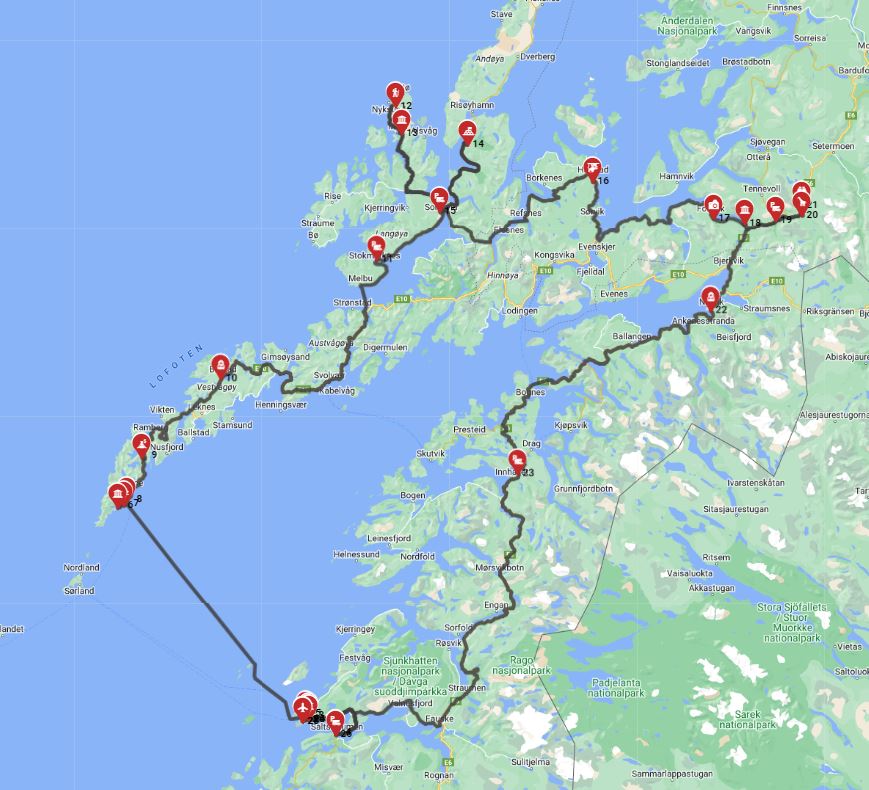
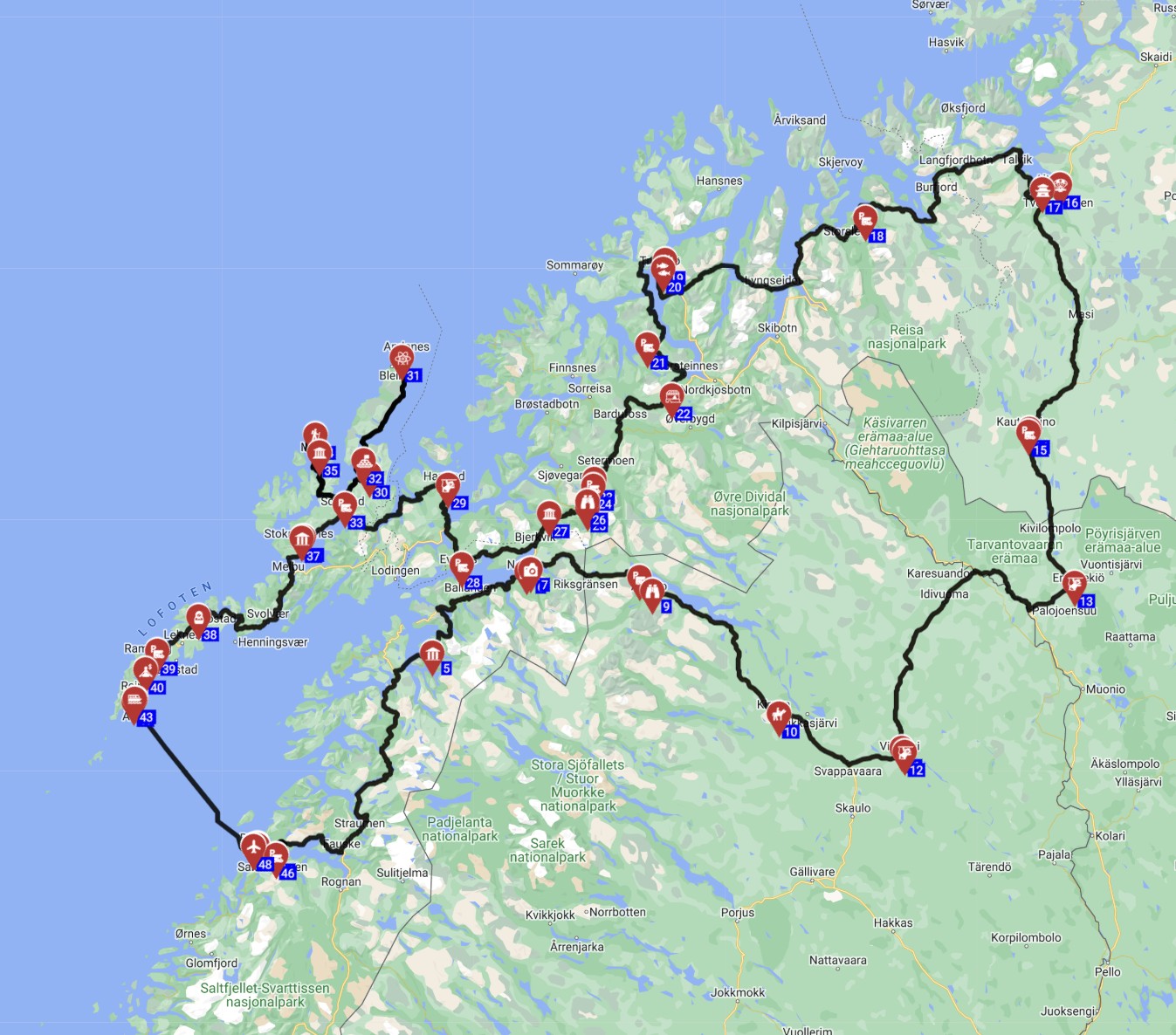
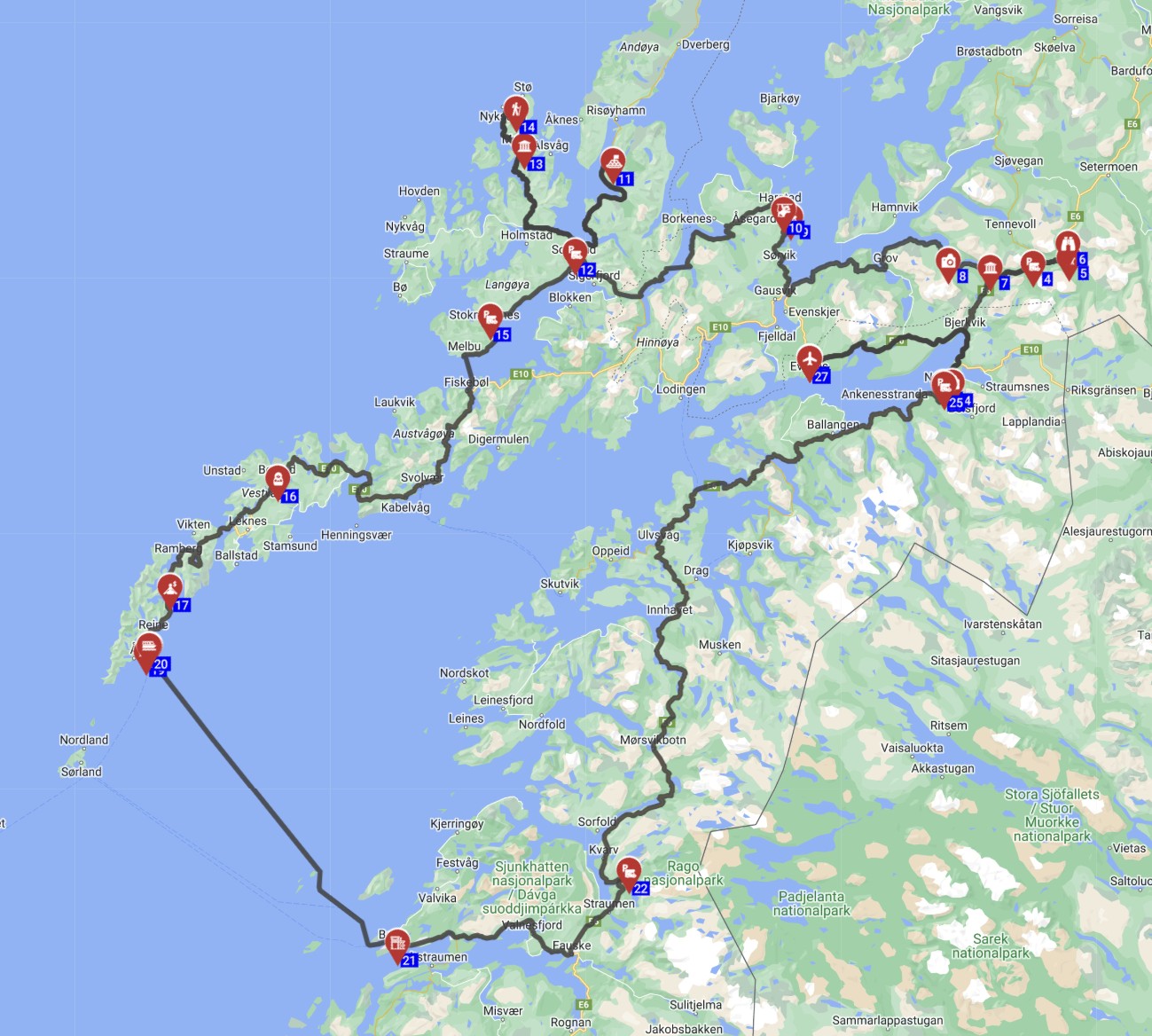
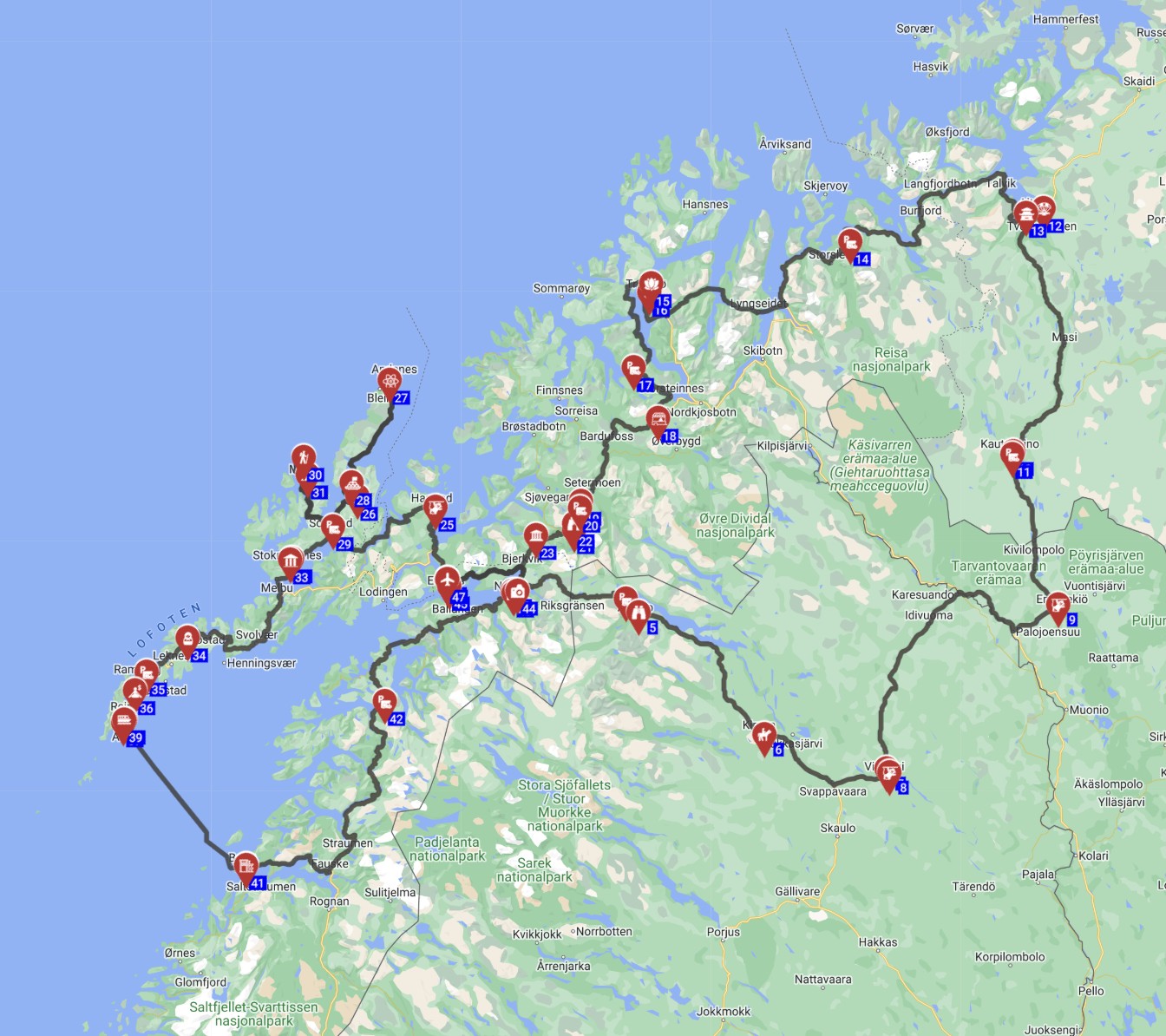
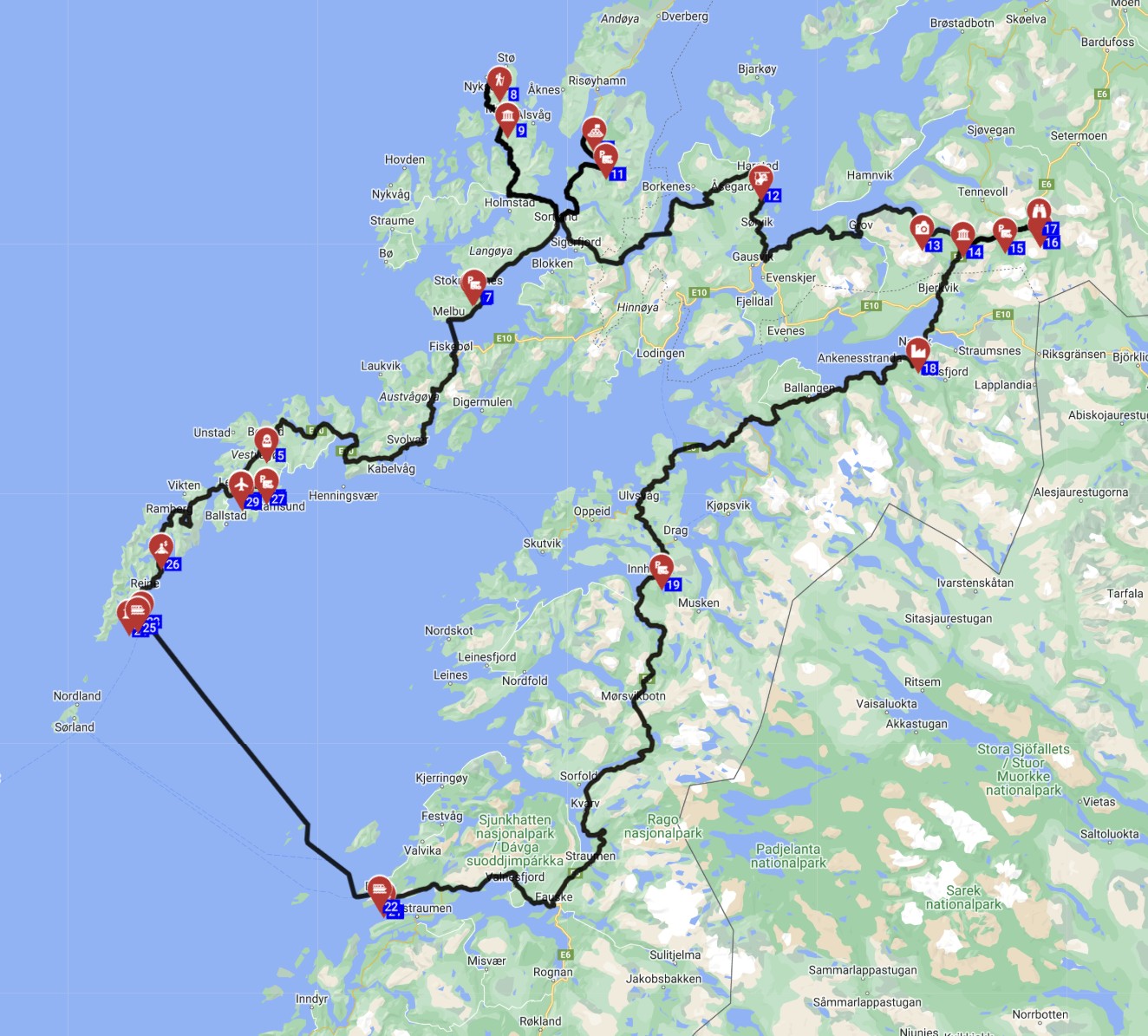
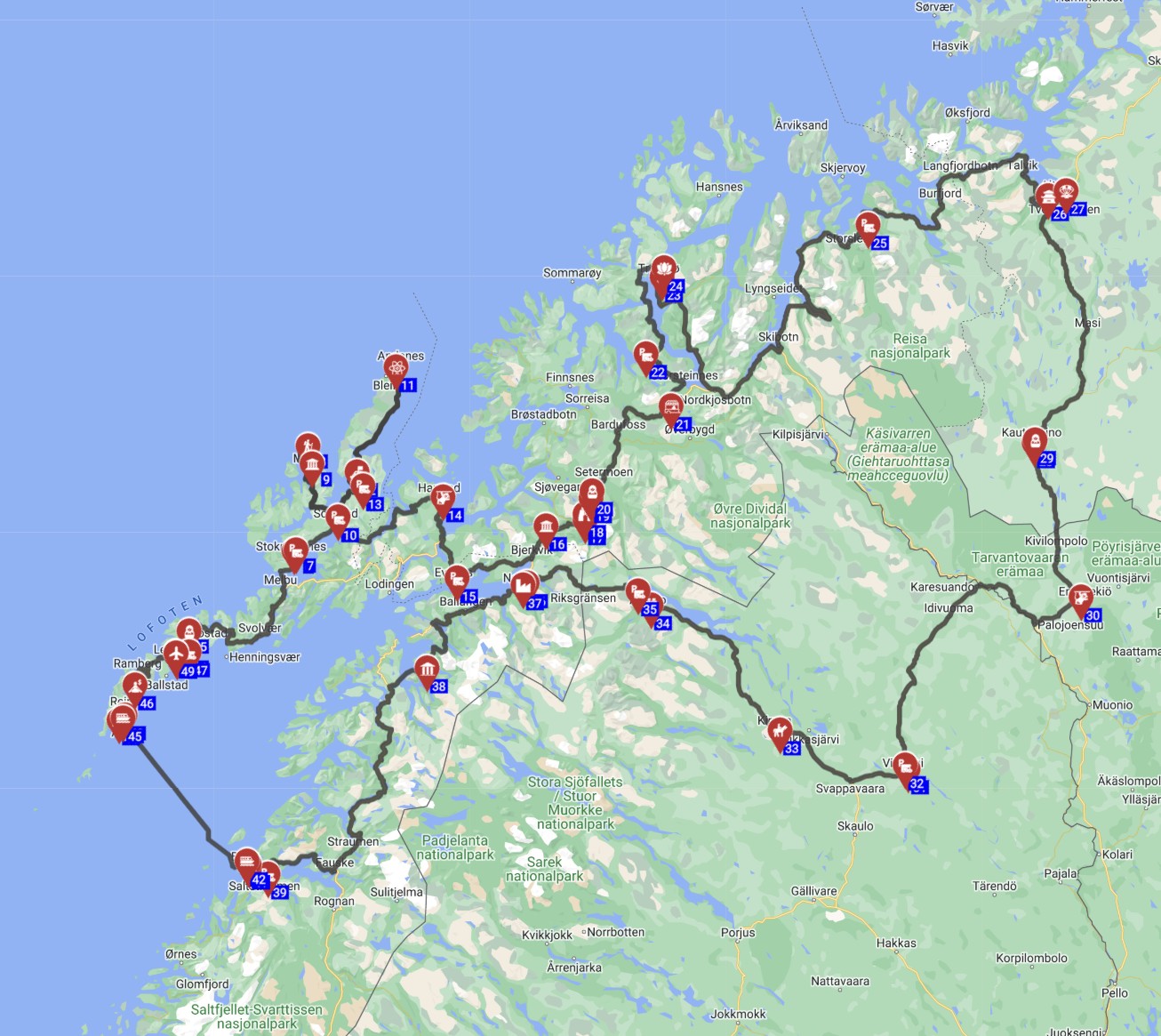
The best time for couples to rent an RV in Norway largely depends on desired experiences, with each season offering distinct pros, cons, and unique charms. Summer (June-August) is most popular, offering long daylight hours, warmer temperatures (average 15-20°C in southern regions), and full accessibility to all roads and attractions, ideal for outdoor activities but also peak prices and crowds. Spring (April-May) features melting snow, blooming landscapes, and fewer tourists, perfect for couples seeking peaceful scenery and lower prices (up to 20% less than peak season), though some mountain roads may still be closed. Autumn (September-October) provides stunning fall foliage, cooler temperatures (average 5-10°C), and continued accessibility to most areas, making it great for hiking and photography with fewer crowds. Winter (November-March) RVing is challenging due to snow, ice, and limited daylight (short daylight hours north of the Arctic Circle), suitable only for experienced drivers seeking winter sports or aurora borealis, requiring specific winterized RVs and careful preparation. For inspiration on longer trips, consider a "Stockholm Round trip - Sweden, Denmark and Norway Family Adventure" itinerary, covering 3673.5 km over 22 days, offering a comprehensive look at the region. For those seeking Arctic adventures, the "Tromsø Round Trip - Arctic Wonders: Northern Norway Family Road Trip" offers 15 days across 2402.5 km, including opportunities for wildlife watches and museum visits.What are the Age Restrictions and Insurance Rules for RV Rentals in Norway
RV rental companies in Norway typically impose age restrictions, commonly requiring drivers to be at least 21 years old, with a valid national driving license held for a minimum period (e.g., 1-2 years). Some suppliers might have a maximum age limit (e.g., 75 years old), but this is less common. An International Driving Permit (IDP) is highly recommended for non-EU/EEA license holders to complement their national license, though it is not strictly mandatory in most cases for short-term rentals. Standard rental insurance usually includes basic third-party liability and comprehensive coverage, but often comes with a high excess (deductible) amount, typically ranging from €1000 to €3000. Couples should carefully review optional insurance packages, such as collision damage waiver (CDW) or excess reduction (which can be upgraded for extra peace of mind), to lower their financial liability in case of damage to the rented motorhome. Specific insurance for foreigners is generally covered by the rental agreement, but it is always advisable to check if your personal travel insurance offers any supplementary coverage for RV rentals.Can You Bring Pets on an RV Rental in Norway
Bringing pets on an RV rental in Norway is often possible, but it requires careful planning and adherence to specific rental company policies and national regulations. Many RV rental companies offer pet-friendly vehicles, typically for an additional cleaning fee ranging from €50 to €150; always confirm policies before booking your campervan. Pets entering Norway from EU/EEA countries must comply with strict import regulations, including microchipping, rabies vaccination (at least 21 days prior to entry), and a valid EU pet passport or health certificate. While traveling, ensure your pet is safely restrained in the RV and accustomed to car travel to minimize stress and ensure their comfort. Be mindful of pet access restrictions in certain national parks, attractions, or public transport, and always clean up after your pet, especially when wild camping, to uphold 'Leave No Trace' principles and respect Norway's pristine natural environment.How to Practice Sustainable RV Travel in Norway
Practicing sustainable RV travel in Norway is crucial to preserve its pristine environment and adhere to the deeply ingrained 'Leave No Trace' principles. This involves minimizing waste by bringing reusable items like water bottles and coffee cups, diligently sorting trash at designated recycling and disposal facilities, and never littering. Conserve precious resources by being mindful of water and electricity consumption, especially when wild camping or staying at campgrounds, and choosing eco-friendly cleaning products for your motorhome. Stick to established roads and paths, avoid driving off-road or into sensitive natural areas, and park only in designated camping spots or suitable uncultivated land to protect fragile ecosystems. Respect local wildlife by observing from a distance, never feeding animals, and maintaining quiet, especially during dawn and dusk. Finally, support local economies by purchasing goods and services from small businesses in the towns and villages you visit, connecting with the culture and food of Norway.What You Shouldn't Miss
- **Fjord Exploration**: Drive the iconic E134 or Fv55 routes to experience the majesty of the fjords like Geirangerfjord and Nærøyfjord, offering breathtaking viewpoints and ferry connections.
- **Arctic Circle Crossing**: Venture north to cross the Arctic Circle, marking a significant milestone on your rented RV journey, with potential for midnight sun in summer or Northern Lights in winter.
- **Scenic Coastal Roads**: Explore the Atlantic Ocean Road (Atlanterhavsveien), an 8.3 km (5.2 mile) stretch of highway built on several small islands and islets, connected by causeways and eight bridges.
- **Hiking in National Parks**: Lace up your hiking boots for trails in Jotunheimen National Park, home to Norway's highest peaks, or Preikestolen (Pulpit Rock) for unparalleled fjord views, ensuring you follow marked paths.
- **Charming Fishing Villages**: Spend time in picturesque fishing villages like Nusfjord in Lofoten, a UNESCO World Heritage site, and enjoy fresh seafood while experiencing local Norwegian culture.
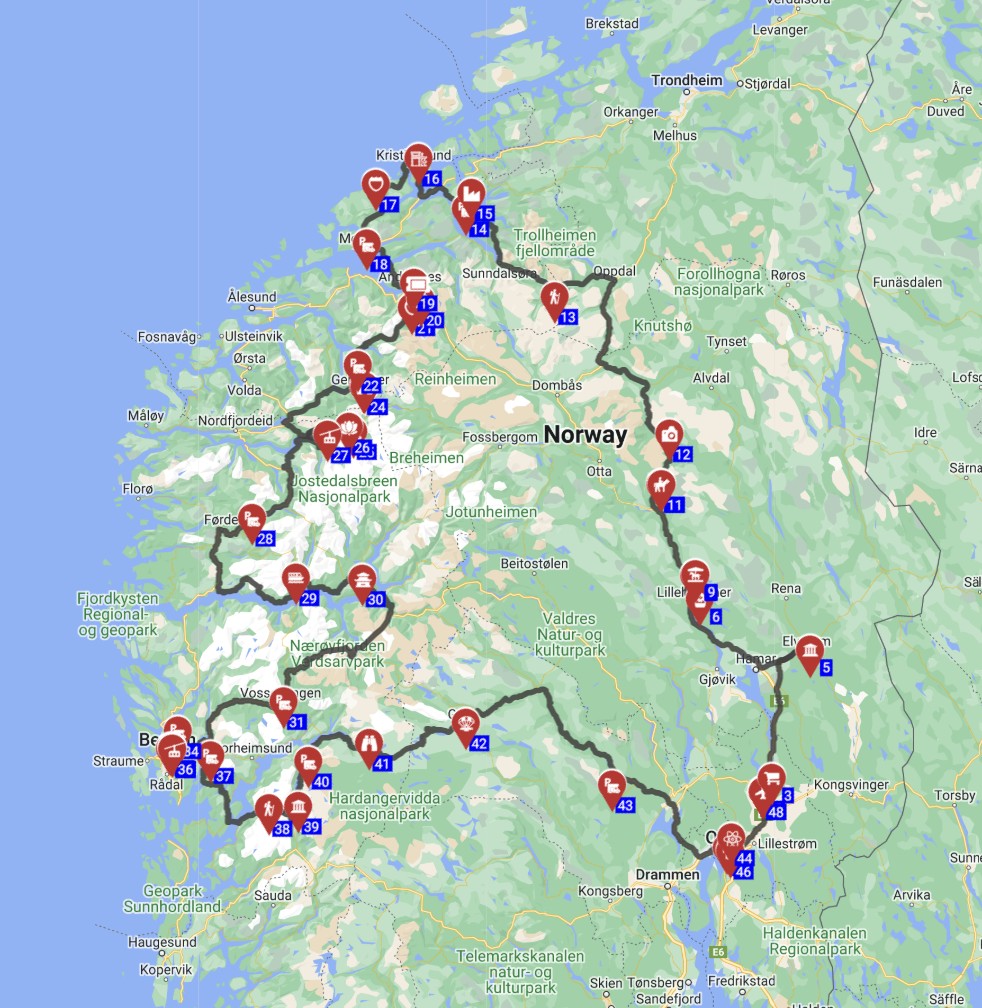
- **Bergen's Coastal Wonders**: A "Bergen Round trip - Norway’s Coastal Wonders" is an excellent 8-day itinerary covering 782.9 km, including 2 hiking areas, 1 scenic route, and a visit to a traditional market.
Final Thoughts
An RV rental for couples in Norway promises an unforgettable journey filled with majestic fjords, vibrant cities, and serene wilderness. Whether you choose the agile Class B campervan or a more spacious semi-integrated motorhome, the freedom to explore at your own pace is unmatched. Remember to travel slowly, averaging a maximum of 100-150 km per day, allowing yourselves to truly feel the place, connect to the unique Norwegian culture, savor the local food, and immerse yourselves in the spectacular scenery. With Bandana Caravan, you're not just renting a vehicle; you're gaining a partner committed to full transparency and supportive service from the moment you start planning. We're true RV specialists, dedicated to making your dream road trip a reality. So, pack your bags, plan a trip itinerary in advance with minimal effort and maximum enjoyment, and get ready to create lasting memories together on the open roads of Norway. Discover top destinations, planning tips, all in one place with Bandana Caravan!On the routes offered through RV PLANET routes, you can itemize and track every expense along the way for easy budgeting.