In This Guide
- The RV Families Compared for Couples in France
- Class A (Integrated) - Best For Luxury Couples
- Price Comparison by RV Class in France
- Class SI (Semi-Integrated) - Best For Balanced Comfort
- Class C (Alcove) - Best For Couples Needing Extra Space
- Class B (Campervan) - Best For Agile Adventures
- Side-by-Side Comparison Table
- Our Recommendation for RV Rental for Couples Travelers in France
- How much does it cost to RV in France?
- What are the rules for motorhomes in France?
- How long can you stay in France in an RV?
- Can I drive my motorhome anywhere in France?
- Is it easy to wild camp in France?
- How much fuel does an RV use per 100km?
- What documents do I need to drive an RV in France?
- Do I need a special license to drive an RV in France?
- Where can you dump grey water in France?
- What are Aires in France?
- Is it worth RVing in France?
- What are the best routes for RVs in France?
- Top Cities for RV Rental in France
- What You Shouldn't Miss
- Why Book with Bandana Caravan
- Final Thoughts
- Frequently Asked Questions
France, a country synonymous with romance, world-class cuisine, and breathtaking landscapes, offers an unparalleled adventure for couples looking to explore at their own pace with a rented motorhome. Imagine waking up to the aroma of fresh croissants from your mobile home, enjoying a coffee with your loved one overlooking a vineyard in Bordeaux, or parking by the Mediterranean Sea for a sunset dinner. An RV rental in France is not just a mode of transport; it's a passport to intimate moments and shared discoveries.
At Bandana RV, we understand that planning a romantic getaway requires careful consideration of comfort, convenience, and those little details that make a trip truly special. With over 24 years of experience helping tens of thousands of travelers explore the world by RV, we pride ourselves on being true RV specialists, not just another travel agency. We sell the way we'd like to buy - with full transparency and no hidden fees. For live availability and current prices, start with our RV Rental France - Complete Guide 2026 guide.
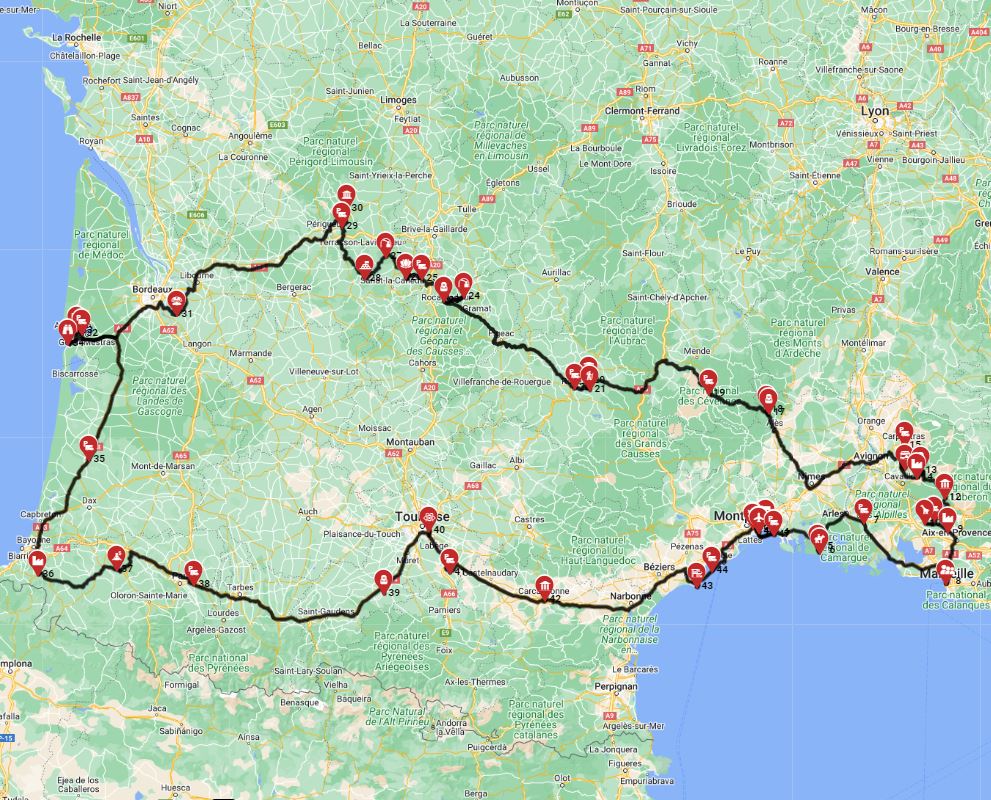
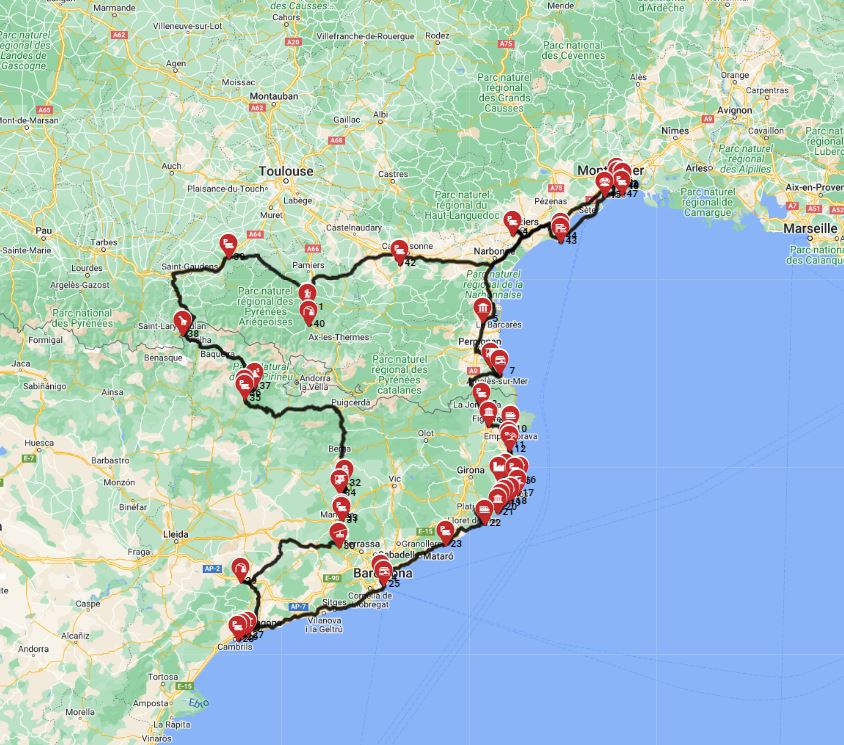
This comprehensive comparison guide will walk you through the various RV classes available for couples in France, helping you choose the perfect mobile sanctuary for your romantic road trip. We'll cover everything from the practicalities of driving and budgeting to unique French travel tips, ensuring your adventure is smooth, memorable, and filled with joy. On the routes offered through RV PLANET routes, you can itemize and track every expense along the way for easy budgeting.
The RV Families Compared for Couples in France
Choosing the right RV for your couple's trip to France is a crucial decision that significantly impacts your travel experience, influencing everything from maneuverability on picturesque, narrow roads to the level of comfort you'll enjoy each day. France's diverse terrain, stretching from the rugged coastlines of Brittany to the majestic peaks of the Alps and the charming, often compact streets of historic villages, demands an RV that aligns with your specific travel style and priorities. Couples can prioritize an agile campervan for spontaneous city exploration and easy parking, or opt for a more spacious semi-integrated or integrated motorhome if extended comfort and amenities are at the top of their list for longer trips.
Bandana offers a range of motorhomes and campervans perfectly suited for two travelers, from compact models designed for easy navigation to more luxurious options for those seeking extra space. Whether you dream of intimate evenings cooking together in your onboard kitchen or prefer the freedom to park almost anywhere, understanding the different classes is your first step. For a detailed look at various options and their features, you might find our Pet-Friendly RV Rental in France - Pricing 2026 guide helpful, even if you don't travel with a pet, as it often details suitable vehicle sizes for couples.
Class A (Integrated) - Best For Luxury Couples
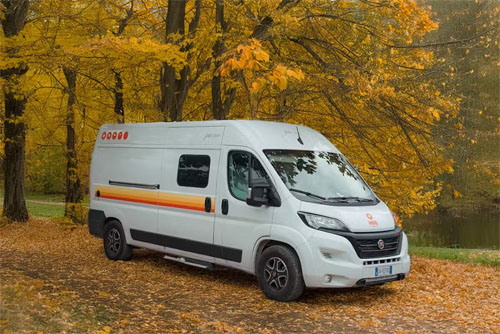
Class A integrated motorhomes, averaging 7.5 meters in length, are best suited for couples prioritizing luxury, spacious living, and panoramic views during long-haul travel across France's wider roads. These vehicles, often referred to as "mobile apartments," offer expansive interiors with dedicated living, dining, sleeping, and bathroom areas, making them ideal for couples who desire superior amenities and comfort. Bandana's fleet typically includes Class A models designed to sleep around 4-6 people, but for two, they offer generous space for relaxation and luggage, often with large fresh water tanks around 120-150 liters, ensuring longer periods between service stops.
While Class A motorhomes provide unmatched comfort, their larger size and fuel consumption, averaging 11-12 Liters/100 km, can make navigating the narrow streets of ancient French villages and finding suitable parking challenging. This means they are less ideal for frequent urban exploration and better suited for scenic drives, winery tours, and extended stays at well-equipped campsites or larger aires de service. Despite the driving considerations, the sheer comfort and amenities (such as full kitchens and larger bathrooms) can elevate a romantic trip for couples who plan their routes carefully.
Price Comparison by RV Class in France
Pricing for RV rentals in France is dynamic, much like flight tickets, changing daily based on availability, seasonality, and supplier marketing decisions. For the most accurate and live numbers, using the search box at the top of the Bandana website is always recommended. However, to give couples a realistic expectation, here are example prices based on various RV classes for a week-long rental during different seasons in France:
| RV Class | Avg. Length | Low Season (e.g., Nov-Mar) per day | Mid Season (e.g., Apr-May, Oct) per day | High Season (e.g., Jun-Sep) per day |
|---|---|---|---|---|
| Class B (Campervan) | 5.5 - 6.5 meters | €70 - €100 | €90 - €130 | €120 - €180 |
| Class SI (Semi-Integrated) | 6.5 - 7.5 meters | €90 - €130 | €110 - €160 | €150 - €220 |
| Class C (Alcove) | 7.0 - 7.8 meters | €100 - €140 | €120 - €180 | €170 - €250 |
| Class A (Integrated) | 7.5 - 9.0 meters | €130 - €180 | €160 - €220 | €200 - €300+ |
These figures are estimates and can fluctuate significantly. Booking a rental motorhome well in advance, typically 90+ days before your trip, can often secure better rates, potentially saving you up to 25%, especially if you’re planning a trip during peak summer months. Our RV Rental in France - Prices and Best Deals 2026 guide offers more insights into finding cost-effective options.
Class SI (Semi-Integrated) - Best For Balanced Comfort
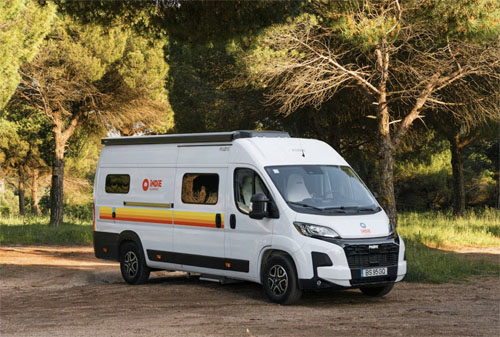
Class SI semi-integrated motorhomes, averaging 6.9 meters in length, are an excellent balanced choice for couples exploring France, offering a superb compromise between comfortable living space and agile maneuverability. These versatile vehicles typically feature a fixed bed (often a comfortable double bed or twin beds), a compact kitchen, and a bathroom with a shower and toilet, all within a manageable footprint. They are often equipped to sleep around 2-4 people, giving a couple plenty of room.
Bandana's fleet often includes models like the "2 Berth Rover" or "2 Berth Tamar" which are ideal for couples, providing ample storage for personal items and essentials needed for a week-long trip or more, without the bulk of larger Class A models. With common fuel consumption of 10-11 Liters/100 km, they are relatively fuel-efficient, making them suitable for diverse French landscapes, from scenic coastal roads like those in Brittany to charming regional towns in Provence. Many come with a 100-liter fresh water tank and a 90-liter waste water tank, offering good autonomy.
For couples seeking a harmonious blend of home-like comforts and the flexibility to navigate most French roads with ease, a rented semi-integrated motorhome provides an ideal solution. Our RV Rental in France for Couples - Pricing 2026 provides more options in this category.
Class C (Alcove) - Best For Couples Needing Extra Space
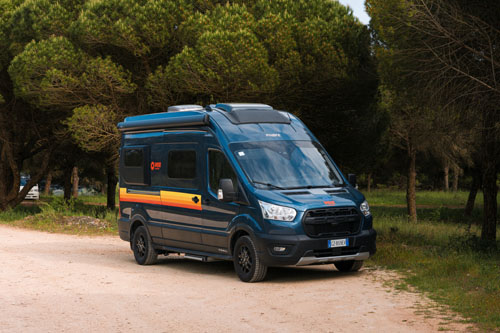
Class C alcove motorhomes, with an average length of 7.5 meters, are best suited for couples who desire extra sleeping space (often an over-cab bed) or simply want ample storage and a larger living area for extended trips in France. While they can comfortably sleep 4-6 people, for a couple, they offer luxurious amounts of space, allowing for separate dining and sleeping zones, or simply more room to spread out and relax. Bandana's Class C fleet, which includes models like "29′ Class C Motorhome" and "4 Berth Deluxe", often feature a substantial rear bed and an additional spacious bed over the cab (e.g., 140/240cm in a "rent rv example Comfort Class" model).
Despite having an average load capacity of around 42-60 kg, their interior volume is substantial, allowing for more luggage, sporting equipment, or even souvenirs from French markets. Their common fuel consumption is 10-12 Liters/100 km, which is comparable to larger cars. While their height can be a factor in some very low underpasses or tree-lined routes, they provide a comfortable and cost-effective option for couples prioritizing space over ultimate agility on French roads. They are perfect for those who want a dedicated dining area and a more traditional motorhome feel.
Class B (Campervan) - Best For Agile Adventures
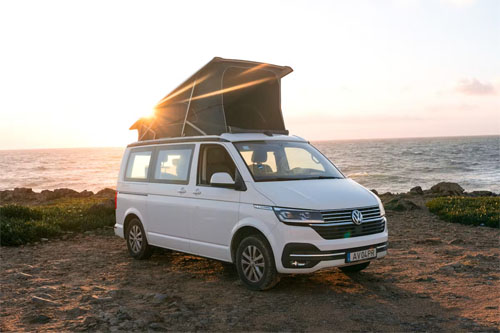
Class B campervans, averaging a nimble 5.8 meters in length, are ideally suited for adventurous couples in France who prioritize maneuverability, fuel economy, and the ability to navigate narrow city streets and scenic backroads with utmost ease. These compact yet fully equipped mobile homes offer a minimalist approach to RV travel without sacrificing essential comforts. Bandana's range includes agile models like "2 Berth Hi Top" or "Active Standard" which typically sleep 2-3 people, making them perfect for a couple's intimate getaway. The "luxury rv rentals example Carthago Malibu 600" is another excellent example, offering a double bed (158/195cm) and a 120-liter fuel tank for longer journeys, consuming around 8-10 Liters/100 km.
Campervans are highly efficient, often consuming around 8-10 Liters/100 km, making them a budget-friendly choice for exploring the country extensively. They offer the flexibility to park almost anywhere a standard car can, allowing couples to blend seamlessly into local environments, discover hidden gems, and enjoy a more spontaneous, immersive experience in France. Many models come with a small kitchen area (often with a 2-burner gas stove and a 60-80 liter refrigerator) and a compact bathroom, providing everything you need for comfortable travel.
Side-by-Side Comparison Table
To help couples quickly compare the key characteristics of each RV class available for rental in France, here is a consolidated table. This overview highlights average dimensions, sleeping capacity, typical fuel consumption, and ideal use cases, giving you a clear picture of what each motorhome or campervan category offers for your romantic French adventure.
| Class | Avg Length | Sleeps (Fleet Avg) | Fuel Use (L/100km) | Best Use Case in France |
|---|---|---|---|---|
| Class A (Integrated) | 7.5m - 9.0m | 4-6 | 11-12 | Luxury, spacious tours, comfortable long trips on wider roads, fewer city visits. |
| Class SI (Semi-integrated) | 6.5m - 7.5m | 2-4 | 10-11 | Balanced comfort & maneuverability, versatile for varied routes, ideal for couples seeking amenities. |
| Class C (Alcove) | 7.0m - 7.8m | 4-6 | 10-12 | Extra sleeping/storage, budget-friendly for space-conscious couples, longer vehicles. |
| Class B (Campervan) | 5.5m - 6.5m | 2-3 | 8-10 | Highly maneuverable, fuel-efficient, city-friendly, adventurous minimalist couples, spontaneous travel. |
This table can help couples narrow down their options based on their travel preferences, whether it's maximizing space and luxury or prioritizing agility and efficiency for their RV Rental Europe - Complete Guide 2026 adventure.
Our Recommendation for RV Rental for Couples Travelers in France
For most couples embarking on a romantic RV adventure through France, we primarily recommend a **Class B (Campervan)** due to its exceptional maneuverability, fuel efficiency (around 8-10 Liters/100 km), and remarkable ease of parking. These attributes are invaluable when navigating France's charming yet often narrow village streets, bustling city centers, and winding scenic routes, allowing for spontaneous stops and intimate explorations without stress. A campervan like the "hire campervan example Paradise S/T" offers a comfortable double bed and compact facilities perfect for two, providing a cozy and private retreat after a day of discovery. With a compact length of typically 5.5-6.5 meters, you gain access to places larger RVs might struggle with.
As a strong runner-up, a **Class SI (Semi-integrated) motorhome** offers an excellent balance for couples who desire a bit more interior comfort and amenities than a campervan, but still want a manageable vehicle. These models, with an average length of 6.5-7.5 meters and good fuel economy (10-11 Liters/100 km), provide more spacious living areas, larger kitchens (often with a 3-burner gas stove), and separate shower/toilet facilities. A semi-integrated RV allows for a bit more luxury on longer trips or during cooler weather, making it a versatile choice for couples who plan to spend more time relaxing inside their rental motorhome or carrying more gear.
Both options provide the flexibility to explore France authentically, ensuring you can travel slowly, enjoy local culture, and savor every moment of your journey together, as outlined in our Cheap RV Rental in France - Budget Guide 2026.
How much does it cost to RV in France?
The total cost of an RV trip in France varies widely based on RV class, rental duration, season, fuel, tolls, and accommodation choices. Beyond the daily rental fees, which for a couple's motorhome can range from €70-€250 per day depending on the vehicle and season, a comprehensive budget breakdown should always include several ancillary expenses. Fuel costs are a significant factor; a Class B campervan might consume around 8-10 Liters/100 km, while a larger Class A integrated motorhome could use 11-12 Liters/100 km. Calculating this for your planned daily travel distance (we recommend slow travel of max 100-150 km per day) is essential.
Tolls on French motorways can add up, so considering a Liber-t tag for convenient electronic payment is a smart move for longer journeys. Accommodation ranges from free or low-cost aires de service (often €0-€15/night for basic services) to paid campsites, which can cost anywhere from €15-€50+ per night for a pitch with electricity and full amenities. Groceries from local supermarkets will significantly cut down food costs compared to eating out for every meal, allowing you to enjoy cooking delightful French meals in your RV kitchen. Additionally, factor in mandatory safety item purchases, like reflective vests (around €10-€20 each) if not included with your rental, and potential one-way rental fees if you plan to pick up in one city and return in another, which can range from €150-€500. For easy budgeting and tracking all these expenses, consider using RV PLANET routes.
What are the rules for motorhomes in France?
Motorhomes in France must adhere to general road rules, specific vehicle dimensions and weight restrictions, and local parking regulations, especially within towns and designated Low Emission Zones (ZFE zones). All drivers must carry their original valid driver's license (an International Driving Permit is highly recommended for non-EU licenses, translating your national license into French), vehicle registration, and proof of insurance documents at all times. A critical French law requires all vehicles, including rented RVs, to carry at least one reflective safety vest per occupant and a warning triangle, which must be immediately accessible.
Speed limits vary based on road type and vehicle weight; for RVs over 3,500 kg, limits are often lower (e.g., 90 km/h on motorways instead of 130 km/h). Many urban areas in France now operate Crit'Air zones (ZFE zones), requiring vehicles to display a specific sticker based on their emissions class. Ensure your rental RV has the correct Crit'Air sticker if you plan to drive into cities like Paris, Lyon, or Marseille, as fines can apply. Drive slowly and carefully, and you can drive almost anywhere without issues. No need to stress - just use common sense and pay attention. Pay particular attention to height restrictions when entering underground car parks or historic village centers, as some may be too low for many motorhomes.
How long can you stay in France in an RV?
Non-EU citizens can typically stay in France and the broader Schengen Area for up to 90 days within any 180-day period with an RV, subject to standard visa regulations. This "90/180-day rule" is a cumulative limit that applies to all Schengen member states collectively, meaning any time spent RVing in other Schengen countries like Italy or Germany counts towards this total. For example, if you spend 30 days in a rented motorhome exploring France, you then have 60 days remaining for other Schengen countries within that 180-day window.
For couples from non-EU countries planning an extended romantic RV trip exceeding 90 days, a long-stay visa or a specific French visa (like a "visa de long séjour temporaire") will be required. This must be obtained prior to your arrival in France. It's crucial to plan your itinerary and visa requirements well in advance to avoid any complications, as overstaying the Schengen limit can lead to fines and future travel restrictions.
Can I drive my motorhome anywhere in France?
While motorhomes generally have good access across France, specific restrictions do exist in historic city centers, on narrow village roads, and within certain protected natural areas, requiring careful route planning. Drive slowly and carefully, and you can drive almost anywhere without issues. No need to stress - just use common sense and pay attention to local signage.
Drivers should pay close attention to signs indicating weight or height restrictions, which are common when entering older towns, bridges, or tunnels. Many medieval towns and charming villages have streets too narrow or winding for larger RVs, especially Class A or longer Class C models, so it's often best to park on the outskirts and explore on foot or by public transport. Utilizing GPS systems with RV-specific routing features (available via many apps or dedicated devices) can be incredibly helpful in avoiding unsuitable roads. It's also crucial to always respect private property and environmental protection zones, especially regarding parking and overnight stays in your rented motorhome.
Is it easy to wild camp in France?
Wild camping (camping sauvage) in France is largely prohibited or highly restricted, with local municipalities often imposing fines, making designated aires de service or official campsites the recommended and legal options for overnight stays. While informal overnight parking might be tolerated in very remote rural areas, it is generally illegal to sleep in a rented RV on public land unless specifically permitted. This is particularly true in popular coastal regions, national parks, and within city limits, where local regulations are strictly enforced.
For responsible, worry-free, and romantic travel, couples should plan to utilize France's extensive and excellent network of 'aires de service' (RV service areas) or pre-book pitches at official campsites. These options ensure you have access to necessary facilities and peace of mind, allowing you to fully enjoy the beauty of France without legal concerns. Our "RV Rental France - Complete Guide 2026" offers more details on finding these designated spots.
How much fuel does an RV use per 100km?
An RV's fuel consumption in France typically ranges from 8 to 12 liters per 100 km for most couples' rental choices, depending significantly on the RV class, engine size, your driving style, and the terrain. Smaller campervans (Class B) are generally the most fuel-efficient, often achieving around 8-10 Liters/100 km, exemplified by models like the "luxury rv rentals example Carthago Malibu 600" with a 120-liter fuel tank. Larger and heavier vehicles like Class A integrated motorhomes or even bigger Class C models can consume 11-12 Liters/100 km.
Factors such as driving speed, payload (how much gear you carry), road inclines (especially in mountainous regions like the Alps), and the use of climate control will also influence actual fuel economy. For instance, a Class SI semi-integrated motorhome might average 10-11 Liters/100 km. Given that fuel is often a significant portion of an RV trip budget, understanding these consumption rates is crucial for planning your overall expenses for a romantic RV rental in France.
What documents do I need to drive an RV in France?
To drive an RV in France, travelers typically need a valid national driver's license, which for most standard motorhomes will be a B-category car license. For visitors from non-English-speaking countries, an International Driving Permit (IDP) is highly recommended or legally required to accompany your national driver's license. This acts as an official translation into French and is recognized by authorities. However, an IDP is not mandatory in all cases, especially for those with licenses in English from countries like the UK, USA, Canada, or Australia, but it always provides an extra layer of reassurance.
Beyond your personal driving documents, you must always carry the RV rental agreement and proof of insurance for your rented motorhome. These documents may be requested during routine traffic stops. It's also wise to keep your passport or national ID readily accessible. Ensuring all your paperwork is in order before starting your romantic RV adventure in France will prevent unnecessary delays and stress, allowing you to focus on the beautiful scenery and shared moments.
Do I need a special license to drive an RV in France?
Most RVs available for rent in France can be driven with a standard B-category car license, provided their maximum authorized mass (MAM), also known as Gross Vehicle Weight (GVW), does not exceed 3,500 kg. This applies to the vast majority of campervans (Class B), semi-integrated (Class SI) motorhomes, and many alcove (Class C) RVs, making them accessible to most drivers without the need for additional permits.
The average Class B campervan, like the "Active Standard", and Class SI motorhomes typically fall well within this 3,500 kg limit. For larger, heavier RVs (typically some Class A integrated models or very large Class C motorhomes) with a MAM exceeding 3,500 kg, a C1 or C category license may be required. Always confirm the specific vehicle's weight specifications with your rental provider when booking your rented RV, ensuring your license is appropriate for your chosen model. The minimum rental age for all motorhome classes in France is 21, and Bandana has no young driver surcharges or vehicle class restrictions based on age.
Where can you dump grey water in France?
Grey and black water from a rented RV in France must be disposed of at designated service points to maintain environmental hygiene and adhere to local regulations. These essential facilities are commonly found at 'aires de service' (motorhome service areas), official campsites, and sometimes at larger petrol stations. France boasts over 4,000 aires de service, making it incredibly convenient for responsible waste disposal.
Aires de service are specifically designed for motorhomes, offering free or low-cost facilities for emptying both grey water (from sinks and showers) and black water (from the toilet cassette), as well as refilling fresh water tanks. These points are clearly signposted with an international RV symbol, often an image of an RV with water and waste icons. Proper disposal is essential not only to prevent pollution but also to ensure continued access to these valuable facilities for all RVers, supporting sustainable and enjoyable travel practices across France. When planning your route or looking for a campsite, using resources like rvplan.net can help you locate these service points efficiently.
What are Aires in France?
Aires de service, or simply 'aires', are a widespread and unique French system of dedicated service and parking areas for motorhomes, crucial for RV travelers. These range from simple overnight parking spots in a scenic village to full-service facilities offering water, waste disposal (for both grey and black water tanks), and often electricity hook-ups. The costs for using aires vary, with many being free, while others charge a small fee, typically ranging from €5 to €15 for a 24-hour stay.
Additionally, the 'France Passion' network offers free overnight stays on private properties, such as vineyards, farms, or artisan producers. This provides a unique opportunity for couples to experience authentic cultural immersion, sample local produce, and connect with French hospitality. To access France Passion sites, you typically need to purchase their annual guide, which acts as your membership card. Utilizing both municipal aires and France Passion stops allows for flexible, budget-conscious travel, letting you fully embrace the slow travel philosophy and truly feel the place, connect to the culture, the food, and the scenery of France.
Is it worth RVing in France?
RVing in France undeniably offers an unparalleled sense of freedom and flexibility, allowing couples to craft a truly unique and romantic travel experience. It is absolutely worth it, providing the opportunity to explore diverse landscapes, from the lavender fields of Provence to the historic châteaux of the Loire Valley, and charming villages, all at your own pace. With a rented motorhome, you have a mobile headquarters to venture out to national parks, coastal towns, and bustling markets, savoring local cuisine and connecting with French culture far beyond typical tourist routes.
The ability to change your plans on a whim, linger longer in a place you love, or discover a hidden gem off the beaten path is a significant advantage. Modern RVs come equipped with kitchens, allowing you to prepare meals using fresh local ingredients purchased from markets. Imagine creating romantic dinners together, paired with a bottle of local wine. For inspiration and to discover how to make the most of your onboard cooking, check out our RV-friendly recipes playlist. With reliable mobile internet options (local SIM cards or eSIMs) and excellent RV-specific navigation apps, staying connected and finding your way around France is easier than ever, enhancing the overall enjoyment and practicality of an RV trip.
What are the best routes for RVs in France?
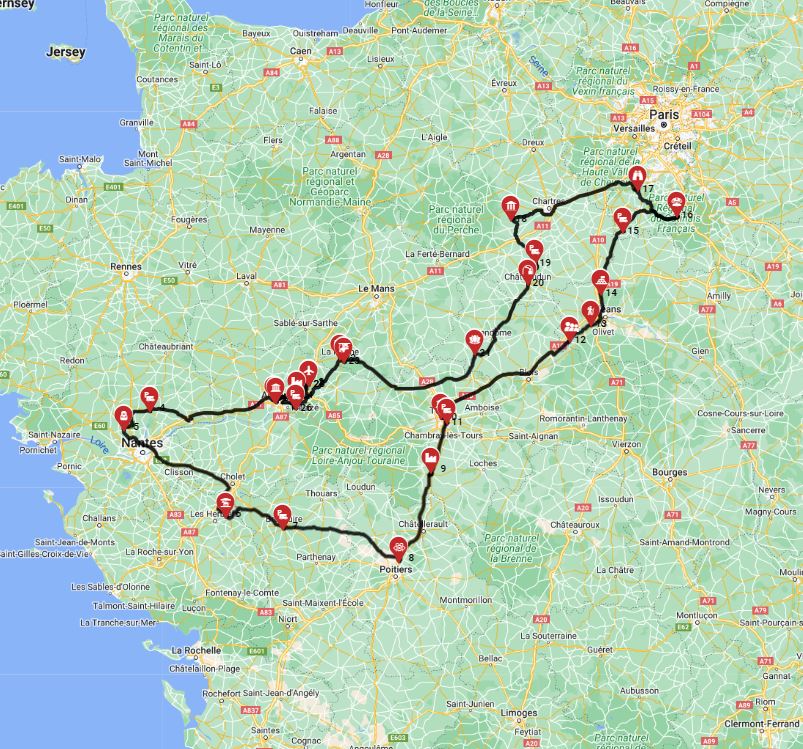
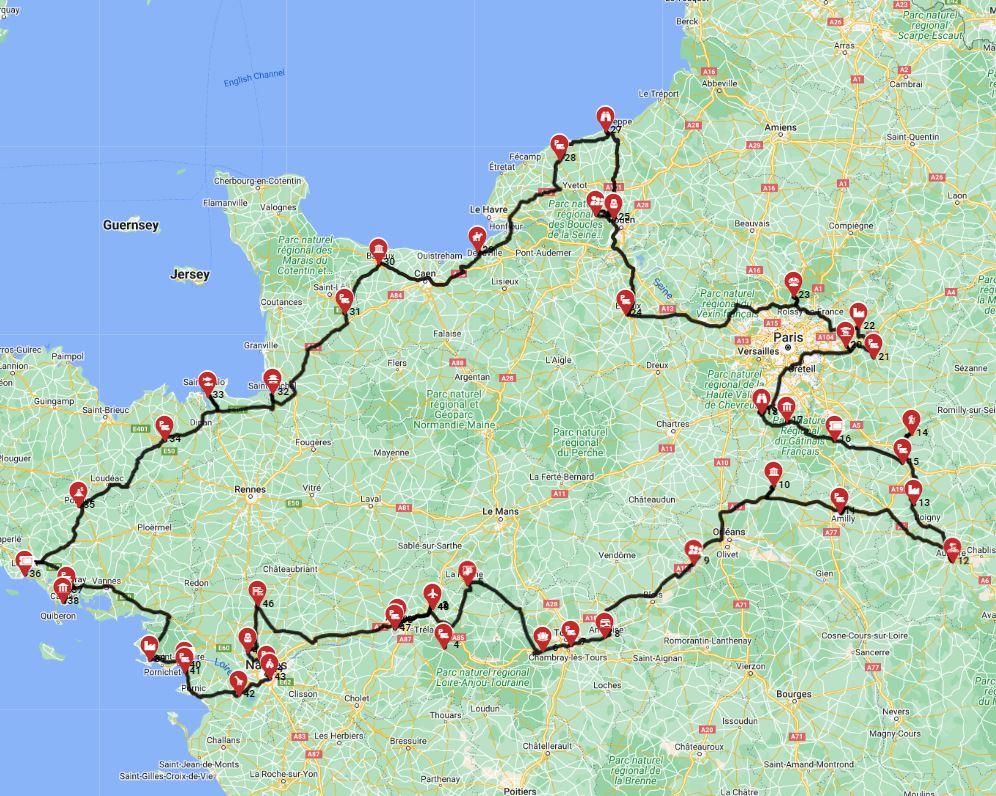
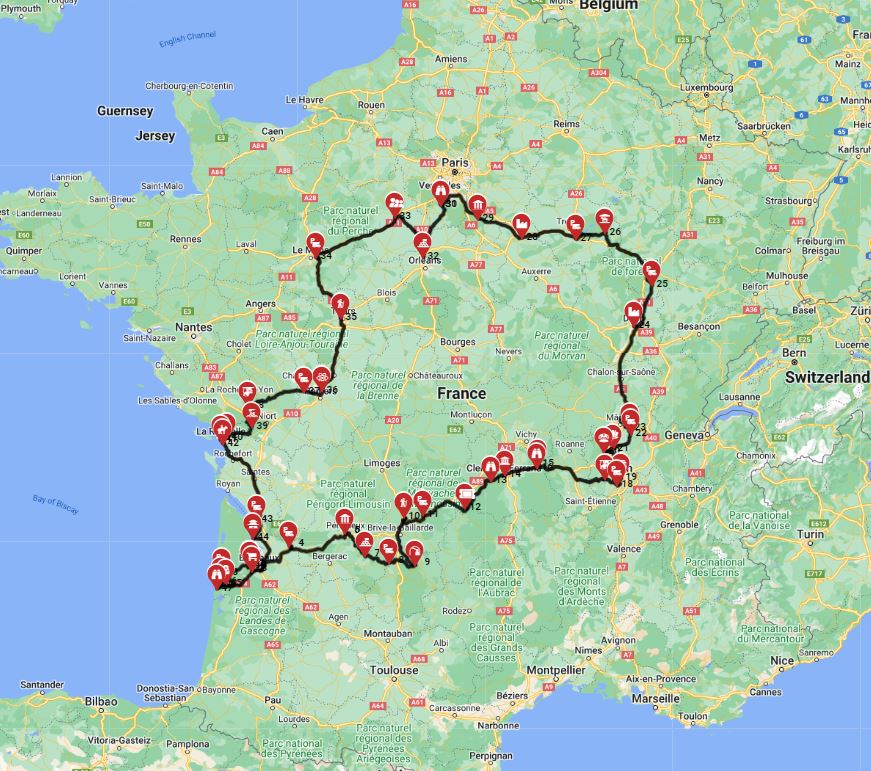
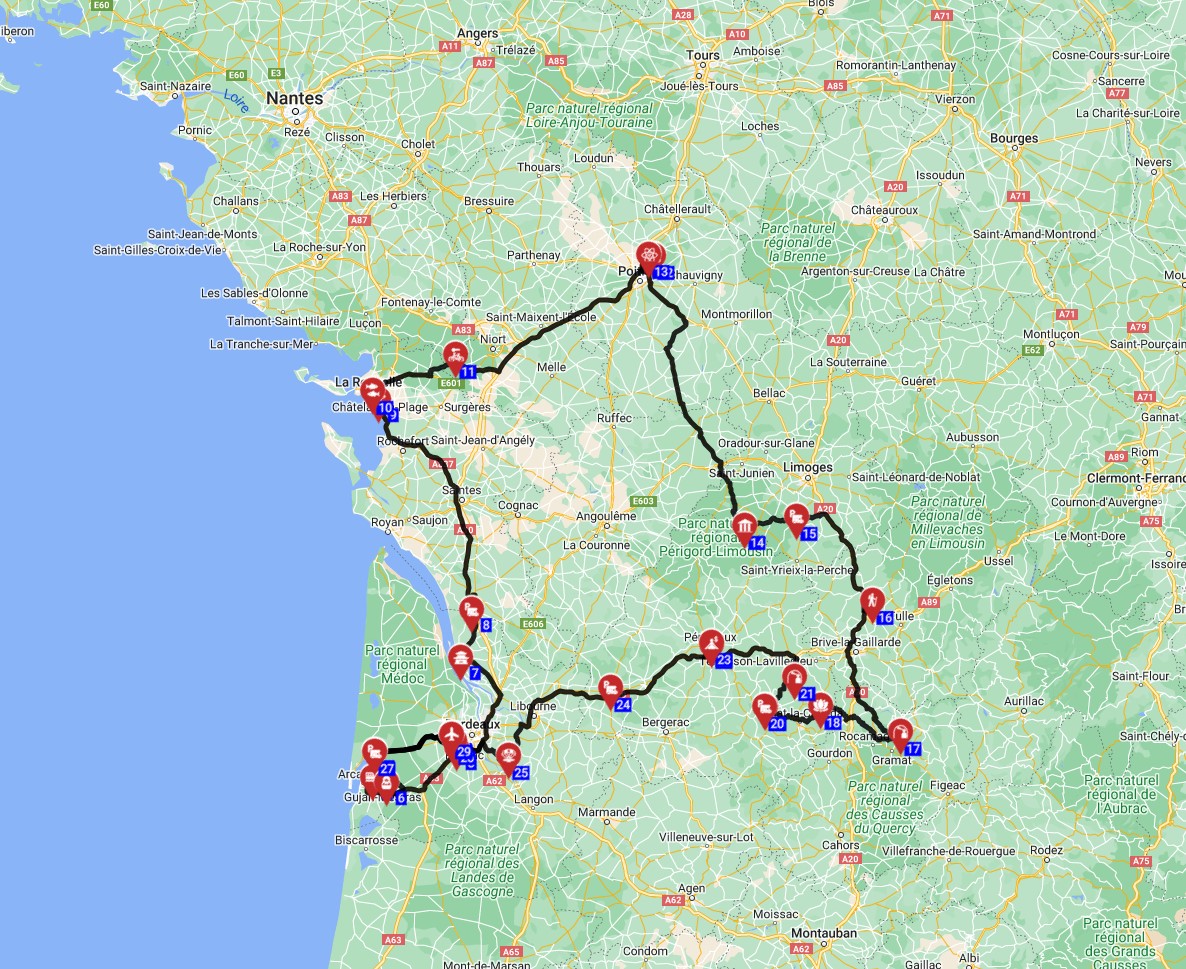
Ideal RV routes in France for couples often involve a blend of scenic drives, cultural immersion, and culinary delights, allowing you to travel slowly and deeply. Popular choices include meandering through the sun-drenched vineyards of the Loire Valley, dotted with magnificent châteaux like Chambord and Chenonceau, which are easily accessible from designated RV parking areas. The stunning coastlines of Brittany or Normandy offer dramatic cliffs, charming fishing villages, and historical sites, perfect for a week-long trip, while the Alsace Wine Route provides picturesque towns and vineyards that are particularly RV-friendly.
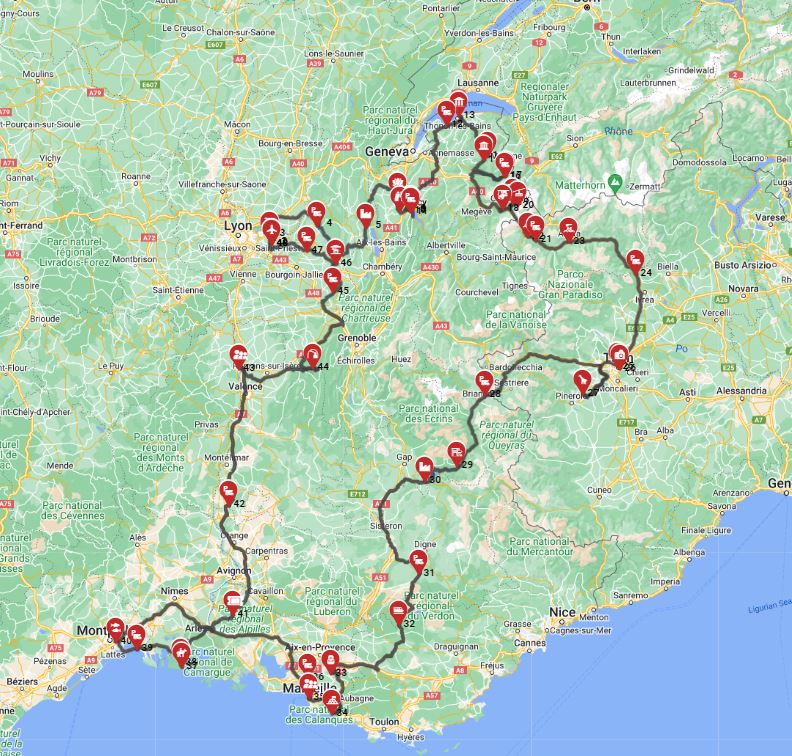
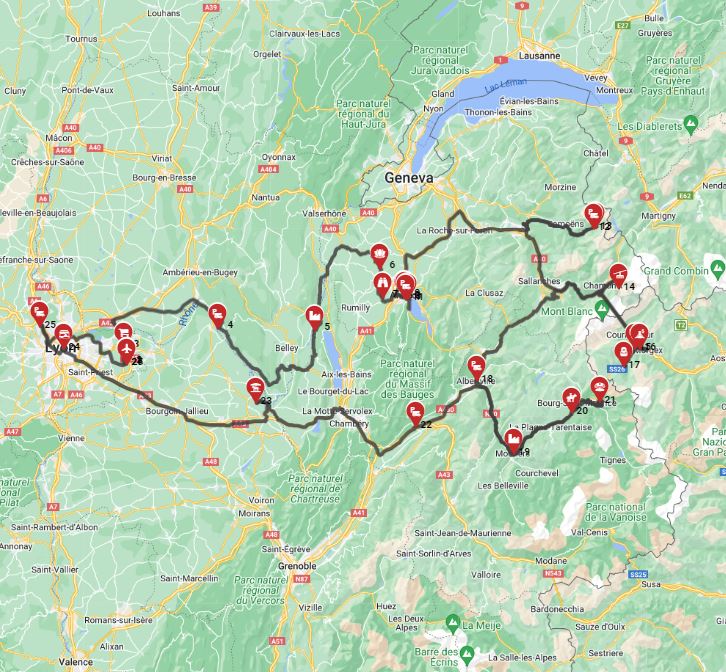
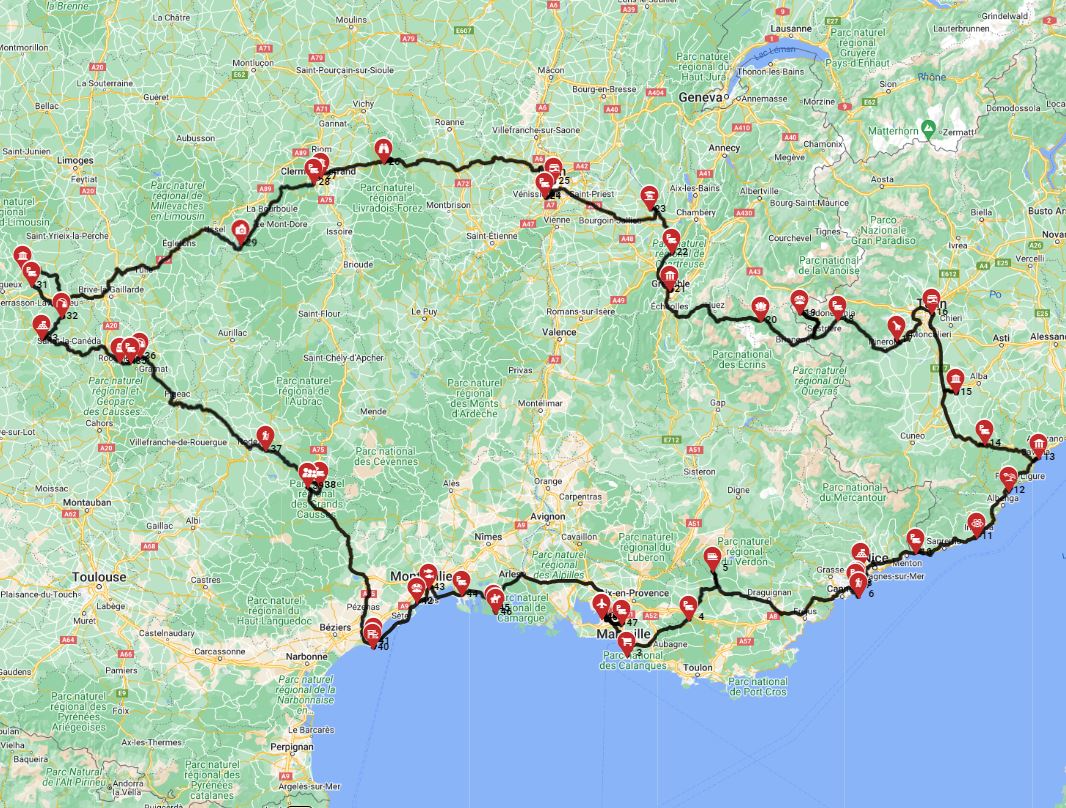
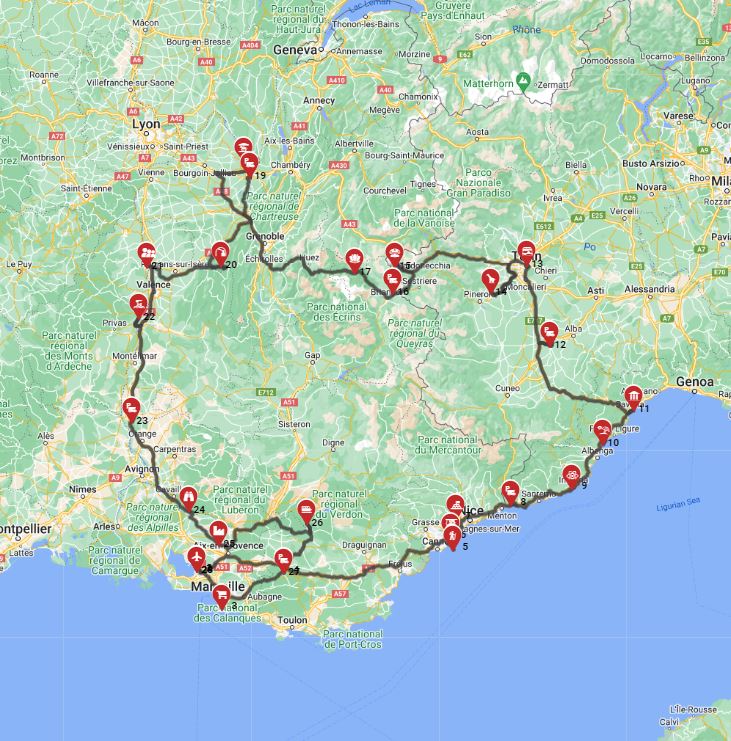
For more adventurous couples, the French Alps offer breathtaking mountain passes during the summer months, with routes like the Route des Grandes Alpes providing spectacular scenery. Alternatively, exploring the serene canals of Burgundy or the picturesque villages of Provence and the Dordogne offers a slower pace, rich in local culture and gastronomy. Remember our recommendation to travel slowly, max 100-150 km per day on average, to truly feel the place, connect to the culture, the food, and the scenery. For finding campsites and campgrounds during your trip, we recommend using RV PLANET (rvplan.net) - a great resource for locating available spots along your route.
Top Cities for RV Rental in France
France offers numerous excellent starting points for your RV adventure, with rental depots often located near major airports or urban centers, providing convenient access for couples arriving from abroad. These cities serve as fantastic gateways to different regions of France, each with its unique charm and surrounding attractions. Consider these popular options for picking up your rented motorhome:
- Paris: As the capital, Paris offers extensive rental options and excellent connections to the north, Normandy, or the Loire Valley. While driving a motorhome in the city requires careful planning, depots are typically outside the immediate urban core.
- Lyon: Situated in central-eastern France, Lyon is perfect for exploring the Beaujolais vineyards, the French Alps, or heading south towards Provence. It's a culinary hub worth experiencing before heading out in your mobile home.
- Marseille: For couples dreaming of the Mediterranean coast, Provence, and the French Riviera, Marseille provides an ideal starting point. Explore coastal routes and picturesque towns like Cassis.
- Bordeaux: World-renowned for its wine, Bordeaux is your gateway to the vineyards of Nouvelle-Aquitaine, the Atlantic coast, and the stunning Dune du Pilat.
- Nantes: Located in western France, Nantes is a great base for exploring the Loire Valley's western châteaux and the beautiful Atlantic coast of Brittany and Vendée.
- Toulouse: In the southwest, Toulouse offers access to the Pyrenees, the Dordogne region's caves and medieval villages, and the canal du Midi for leisurely travels.
- Nice: Another fantastic option for the French Riviera, Nice allows couples to easily explore the glamorous coastline, charming hill villages, and even cross into Italy with a one-way rental if pre-arranged.
- Strasbourg: For an adventure through the Alsace Wine Route, Strasbourg provides a delightful starting point with its unique Franco-Germanic culture and charming half-timbered towns.
No matter which city you choose, remember that many Bandana partner suppliers have convenient pick-up locations in and around these hubs, ensuring a smooth start to your romantic journey across France.
What You Shouldn't Miss
- Loire Valley Châteaux: Drive your rented RV along the Loire River and visit iconic castles like Chenonceau, Chambord, and Villandry. Many offer dedicated RV parking.
- Provence's Lavender Fields: In summer (June-July), witness the breathtaking purple landscapes around Valensole or Sault. Find local RV spots near the fields for magical sunrise views.
- Dordogne River Valley: Explore medieval villages like Beynac-et-Cazenac and La Roque-Gageac, ancient caves (Lascaux IV), and enjoy canoeing on the river. The region is rich in history and beautiful scenery.
- Alsace Wine Route: Wander through charming towns such as Colmar and Eguisheim with your motorhome, stopping at local wineries for tastings and enjoying the unique Franco-Germanic architecture.
- French Riviera Coastline: Drive the coastal roads from Nice to Saint-Tropez, stopping at beautiful beaches and glamorous towns. Consider parking your campervan a bit further out and using local transport for city exploration.
- Gorges du Verdon: Europe's grand canyon, this stunning natural gorge offers incredible hiking, kayaking, and scenic drives, with plenty of opportunities to park your RV with a view.
Looking for expert insights from Avi Bandana? Top 5 Adventures - recommendations from Avi Bandana
Final Thoughts
Embarking on a romantic RV adventure in France is an experience that promises unparalleled freedom, breathtaking scenery, and intimate moments for you and your loved one. From the charming villages of Provence to the majestic Alps and the historic sites of Normandy, a rented motorhome offers the perfect mobile base to explore this incredible country at your own pace. With Bandana RV as your trusted partner, you benefit from our transparent pricing, expert advice, and comprehensive support, ensuring a smooth and joyful journey.
Whether you choose an agile campervan for spontaneous city exploration or a spacious semi-integrated motorhome for ultimate comfort, the magic of France awaits. Remember to embrace slow travel, savor the local culture and cuisine, and let the open road guide your romantic escapade. Get inspired for your next trip and discover top destinations, planning tips, all in one place!
Ready to plan your unforgettable trip? Compare Motorhome Prices for France now and start building memories that will last a lifetime.