In This Guide
- Best West Canada RV Itinerary for rv rental for couples - Overview
- 7-Day Classic Route in West Canada
- 14-Day Extended Journey in West Canada
- Recommended RVPlan Trip for West Canada
- Must-See Stops Along the Way (Avi Bandana Picks)
- Daily Driving Distances & Drive Times in West Canada
- Best RV Class for This Itinerary - Couple & Family Picks
- What is the best time of year to RV in Western Canada?
- What is the best RV route in Western Canada?
- How much does it cost to RV in Western Canada?
- What RV do I need for Canada?
- Are RVs allowed on the Icefields Parkway?
- How do you plan an RV trip to the Canadian Rockies?
- Is it worth RVing in Banff?
- Where can I RV camp for free in British Columbia?
Imagine yourself and your loved one waking up to the crisp mountain air, a hot cup of coffee in hand, with a panoramic view of snow-capped peaks or a serene lake right outside your window. An rv rental for couples in West Canada offers an unparalleled sense of freedom and intimacy, allowing you to discover some of the world's most breathtaking landscapes at your own pace. At Bandana Caravan, we've helped tens of thousands of travelers explore the world by RV since 2001, and we're here to share our expertise so you can craft the perfect romantic adventure. For live availability and current prices, start with our RV Rental West Canada - Complete Guide 2026 guide.
Best West Canada RV Itinerary for rv rental for couples - Overview
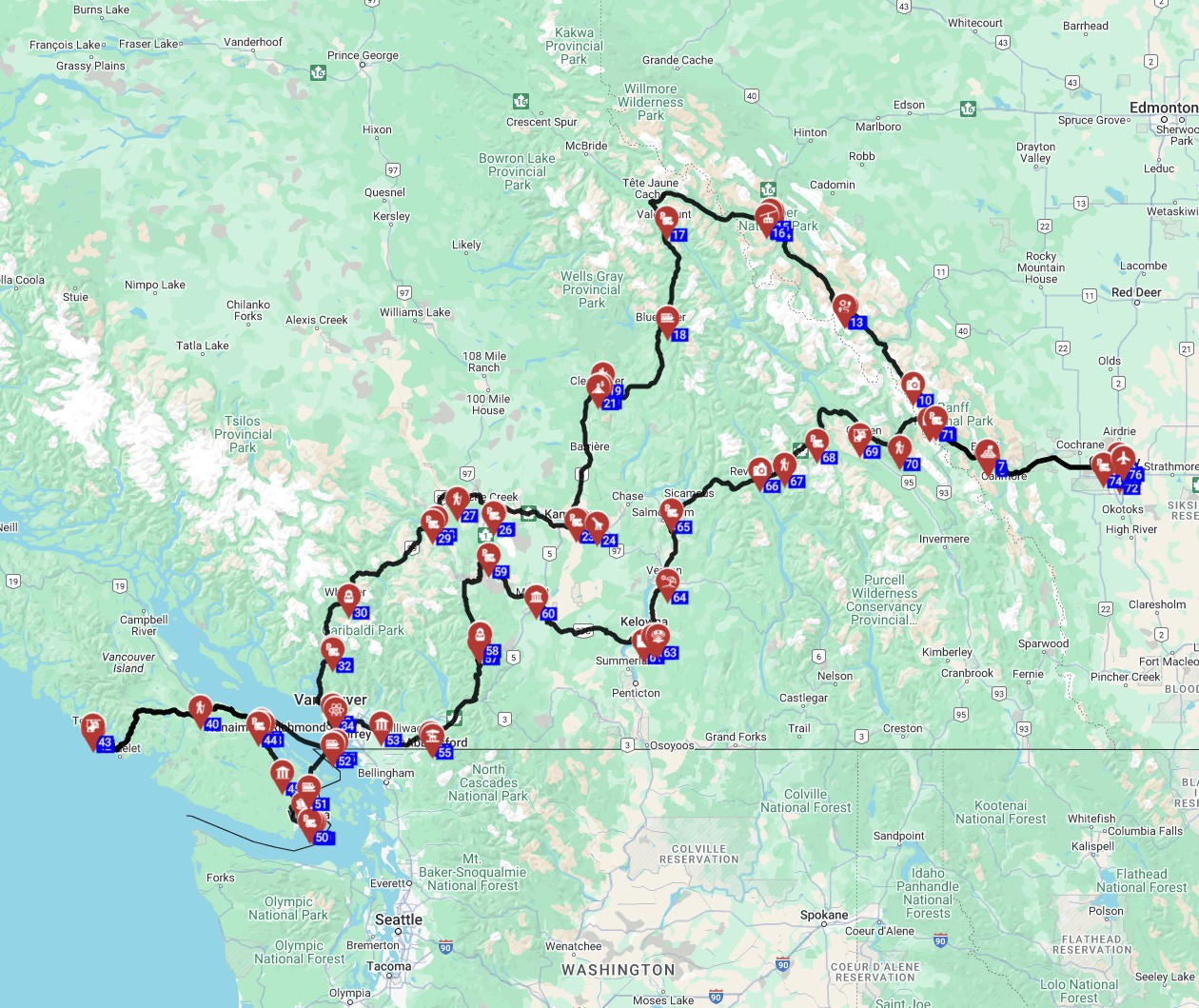
A comprehensive RV itinerary for couples in West Canada ideally spans a minimum of 7 days, though 14 or more days are recommended to fully immerse yourselves in the diverse beauty covering approximately 1,500-2,700 km. Late Spring (May-June) and early Fall (September-October) are generally the best seasons for an RV rental for couples in West Canada, as they offer the unique beauty of seasonal changes, fewer crowds, and more moderate weather conditions compared to the peak summer months. This approach emphasizes slow travel, aligning with our recommendation of driving a maximum of 100-150 km per day on average. This allows ample time for scenic drives, spontaneous outdoor activities like hiking or wildlife spotting, and discovering charming small towns that often get overlooked in a rushed itinerary.7-Day Classic Route in West Canada
This express 7-day itinerary focuses on the most iconic sights, covering the essential highlights of the Canadian Rockies and surrounding areas, averaging a manageable 100-150 km (60-90 miles) of driving per day to maximize exploration. Starting from Vancouver, you'll embark on a journey that balances picturesque drives with plenty of time for romantic stops and outdoor adventures. While driving your rented RV in cities like Vancouver, remember to drive slowly and carefully, and you can drive almost anywhere without issues. No need to stress - just use common sense and pay attention to your surroundings. To compare Motorhome Prices for West Canada and find the best deals for this route, check out our "RV Rental in West Canada - Prices and Best Deals 2026" resource.- Day 1: Vancouver → Hope (150 km). Begin in Vancouver, exploring Stanley Park and enjoying the Sea to Sky views. Spend the night at Hope Campground.
- Day 2: Hope → Revelstoke (250 km). Drive through Fraser Canyon, making a stop in Sicamous, known as the Houseboat Capital. Your resting spot is Revelstoke KOA.
- Day 3: Revelstoke → Banff (280 km). Witness the grandeur of Glacier National Park before arriving at the iconic Lake Louise. Settle in at Tunnel Mountain Village Campground in Banff.
- Day 4: Banff & Area (0 km). Dedicate this day to exploring Banff town, taking the Sulphur Mountain Gondola, and hiking Johnson Canyon. Stay at Tunnel Mountain Village Campground again.
- Day 5: Banff → Jasper (280 km). Experience the world-renowned Icefields Parkway, stopping to marvel at the Columbia Icefield. Overnight at Whistlers Campground in Jasper.
- Day 6: Jasper & Area (0 km). Discover Maligne Lake, Spirit Island, and Athabasca Falls. Enjoy a second night at Whistlers Campground in Jasper.
- Day 7: Jasper → Kamloops (300 km). Conclude your journey with a scenic drive through Mount Robson Provincial Park and the Yellowhead Highway, finishing at Kamloops RV Park.
14-Day Extended Journey in West Canada
This extended 14-day journey allows for a deeper and more leisurely exploration of West Canada's diverse landscapes, adhering to the recommended maximum of 100 miles or 150 km per day on average, fostering truly slow travel and immersive experiences. This pace is perfect for couples who want to savor each moment, take detours, and connect deeply with the culture, food, and scenery.- Days 1-2: Vancouver & Whistler. Spend two days exploring Vancouver's vibrant city life, including Stanley Park and Granville Island, then head to Whistler for the Sea to Sky Gondola. Overnight in the North Vancouver Area.
- Days 3-4: Whistler → Kamloops. Enjoy a scenic drive towards Kamloops, known for its arid landscapes and the Kamloops Bike Ranch. Park your rented motorhome at Kamloops RV Park for two nights.
- Days 5-6: Kamloops → Revelstoke. Continue east, taking in the beauty of Shuswap Lake before reaching Revelstoke, a gateway to Glacier National Park. Stay at Revelstoke KOA.
- Days 7-8: Revelstoke → Golden. Explore Yoho National Park, including the stunning Emerald Lake, and experience the thrill of Kicking Horse Mountain Resort. Settle into Golden Eco-Adventure Ranch.
- Days 9-10: Golden → Banff. Journey to Banff, visiting iconic spots like Lake Louise and Moraine Lake. Enjoy the town and its hot springs, staying at Tunnel Mountain Village Campground.
- Days 11-12: Banff → Jasper. Drive the magnificent Icefields Parkway, stopping at the Athabasca Glacier and Maligne Lake. Your home for two nights will be Whistlers Campground in Jasper.
- Day 13: Jasper → Clearwater. Head south to Clearwater, exploring the majestic Helmcken Falls in Wells Gray Provincial Park. Camp at Clearwater Campground.
- Day 14: Clearwater → Vancouver. Conclude your epic journey with a final scenic drive through the Fraser Valley back to Vancouver.
Recommended RVPlan Trip for West Canada
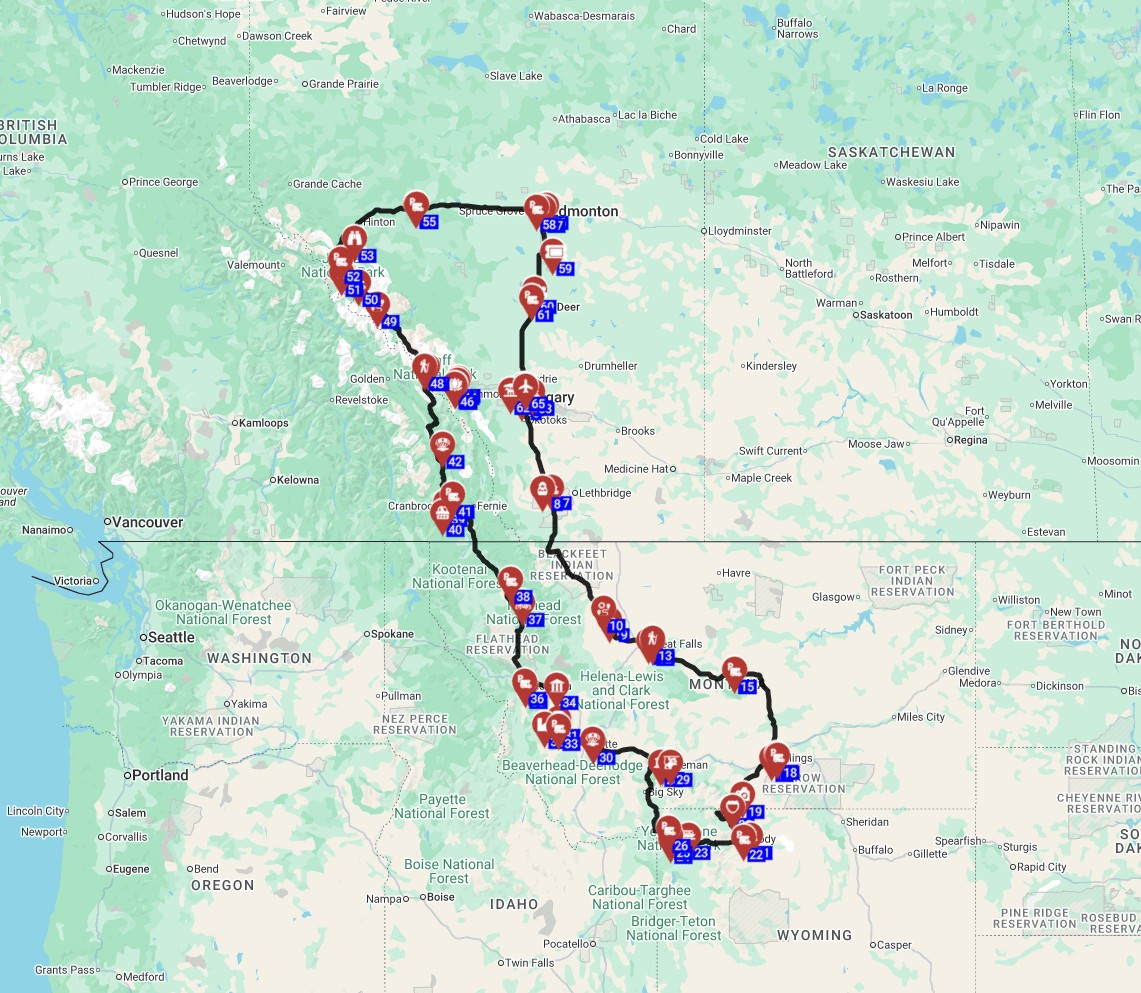
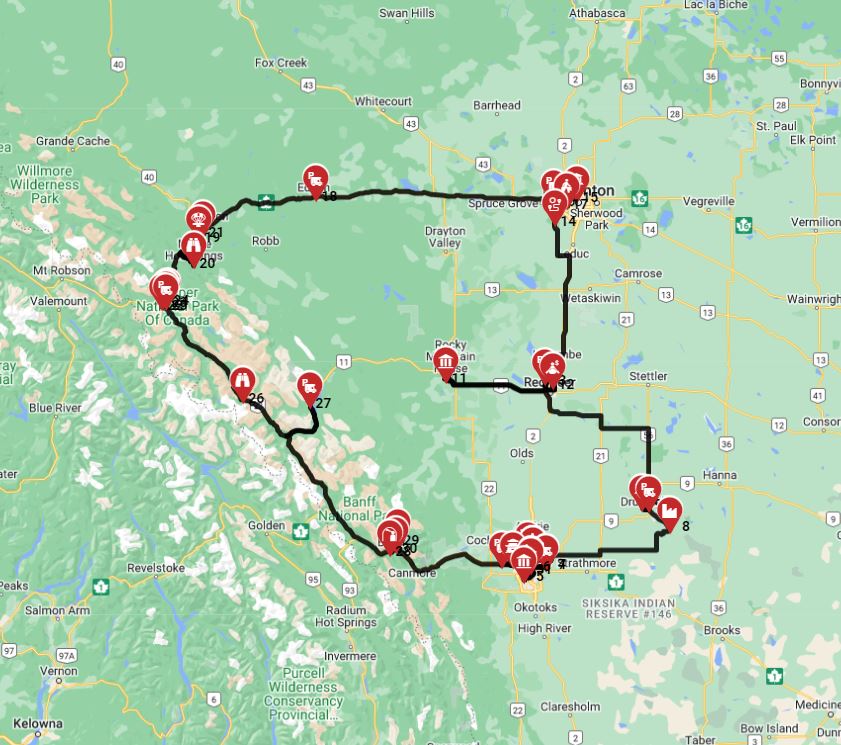
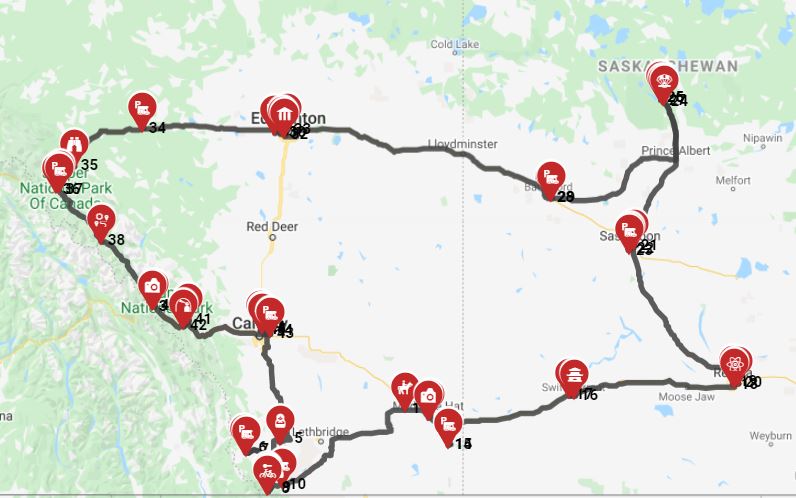
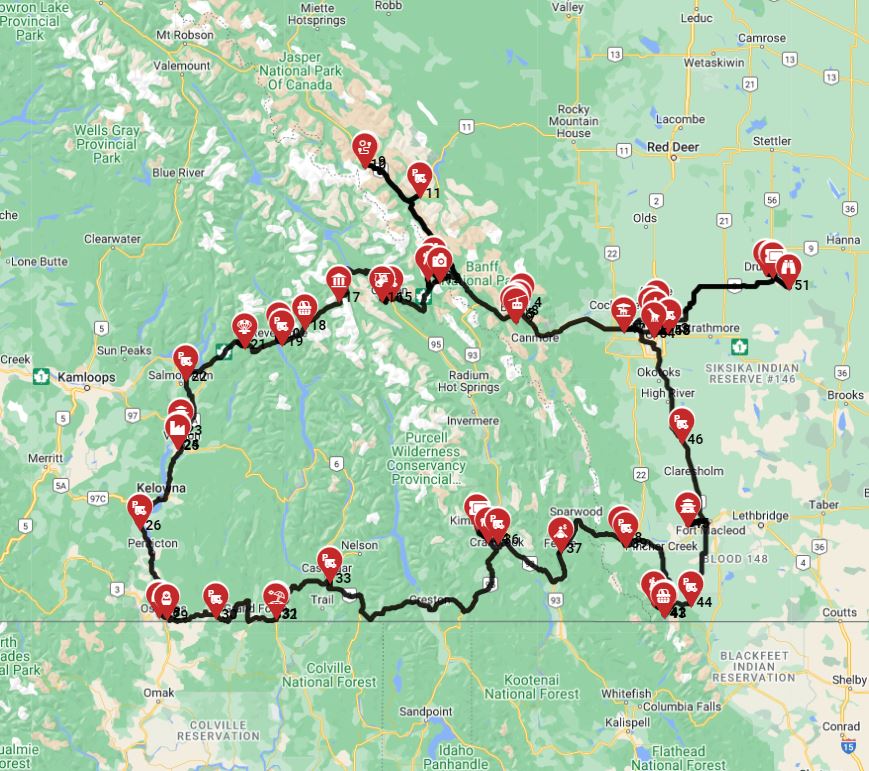
For a comprehensively planned adventure in West Canada, the "
Must-See Stops Along the Way (Avi Bandana Picks)
Looking for expert insights from Avi Bandana? Top 5 Adventures - recommendations from Avi Bandana are designed to help you truly immerse yourselves in West Canada's culture and natural beauty, ensuring a journey filled with authentic experiences. These hand-picked stops go beyond the typical tourist traps, offering unique local flavor.- Traditional Market: Seek out a vibrant Traditional Market in towns like Kelowna or Victoria for fresh local produce, artisan crafts, and regional delicacies. Cooking delicious meals together in your RV is a fantastic way to enjoy these local ingredients, and you can find inspiration in our RV-friendly recipes playlist.
- Local Industry: Explore a Local Industry, such as a winery in the Okanagan Valley, renowned for its exceptional wines, or a craft brewery in Vancouver to taste and learn about the region's entrepreneurial spirit and local flavors.
- Traditional Restaurant / Fine Dining: Indulge in a Traditional Restaurant or Fine Dining experience, perhaps in the bustling city of Vancouver or the charming mountain town of Banff, to savor Pacific Northwest cuisine or authentic mountain fare.
- Traditional Visit: Make a Traditional Visit to a place like Fort Langley National Historic Site to connect with Canada's rich history and indigenous heritage, offering a deeper understanding of the land you're exploring.
Daily Driving Distances & Drive Times in West Canada
Avi Bandana, our founder, recommends a maximum of 100 miles or 150 km per day on average when RVing in West Canada, allowing for ample sightseeing, relaxation, and spontaneous stops. Traveling slowly enables couples to fully appreciate the stunning vistas, undertake impromptu hikes, and enjoy local communities rather than rushing between destinations. For example, the drive from Vancouver to Hope, covering 150 km, typically takes around 1.5-2 hours of pure driving time. In contrast, the incredibly scenic drive from Banff to Jasper via the Icefields Parkway, at 280 km, can take 3.5-5 hours of pure driving, not including the many essential stops for photos and attractions. Planning for shorter daily drives reduces fatigue, enhances safety on mountainous terrain and winding roads, and significantly boosts the overall enjoyment of your romantic journey. Drive slowly and carefully, and you can drive almost anywhere without issues. No need to stress - just use common sense and pay attention, especially in mountain passes or city areas.Best RV Class for This Itinerary - Couple & Family Picks
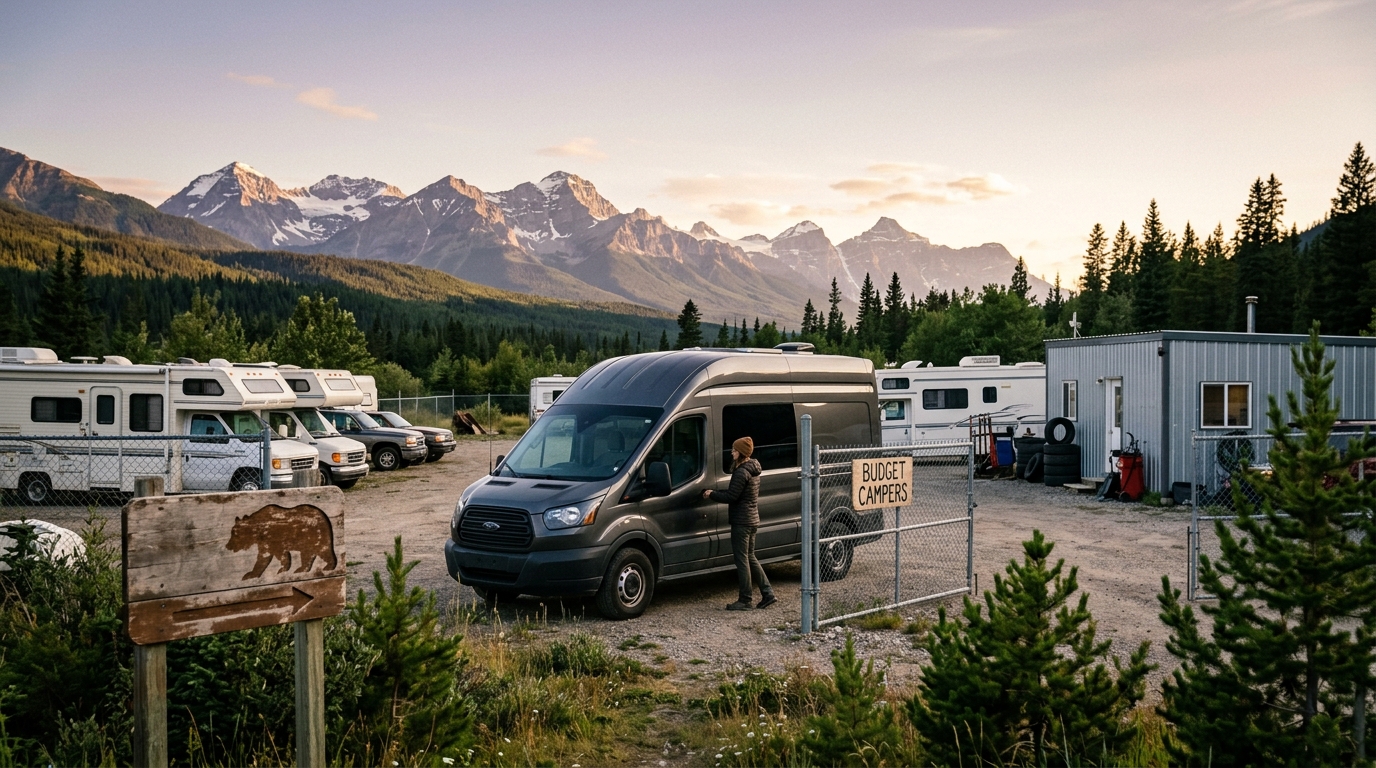
For couples exploring West Canada, a Class B - Camper Van is often an ideal choice, offering a perfect blend of agility, fuel efficiency, and comfort for navigating mountain roads and fitting into smaller, more intimate campsites. Bandana's fleet typically features Class B vans averaging 5.8 meters in length, comfortably sleeping around 3.2 people (perfect for two), with an average fuel consumption of 8-10 Liters/100 km, making it both economical and easy to maneuver. Vehicles like the "2 Berth Hi Top" or "Active Classic" models, which are ideal for a couple, provide modern amenities while remaining compact. For families traveling with children, a Class C - Alcove motorhome provides more space and comfort, accommodating several travelers with ease. These units from Bandana's global fleet average 7.5 meters in length and can sleep around 5.8 people (perfect for a family of 4), consuming approximately 10-12 Liters/100 km, offering ample storage and separate sleeping areas. To remove the planning headache entirely, consider Bandana's 'Rent&Plan' service, which combines your RV rental with a ready-made itinerary by travel experts and full access to trip-planning software, including a 25% planning discount when you use rvplan.net for your route.What is the best time of year to RV in Western Canada?
The best time of year to RV in Western Canada for couples is typically late Spring (May-June) and early Fall (September-October), offering a splendid balance of pleasant weather, fewer crowds, and unique seasonal attractions. This shoulder season travel provides numerous benefits, including potentially lower rental rates compared to peak summer, easier campsite availability, and quieter trails for wildlife viewing. In spring, you'll witness lush green landscapes and burgeoning wildlife, while fall presents spectacular golden larch trees and vibrant autumn colors, especially prominent in the Canadian Rockies. While summer (July-August) boasts the warmest weather and all services are fully operational, it also brings peak tourist numbers and requires advanced booking for nearly everything, including campsites. Winter RVing is certainly possible but necessitates a specialized, winterized RV and experience with cold-weather conditions and potential road closures, so it's not typically recommended for first-time RVers.What is the best RV route in Western Canada?
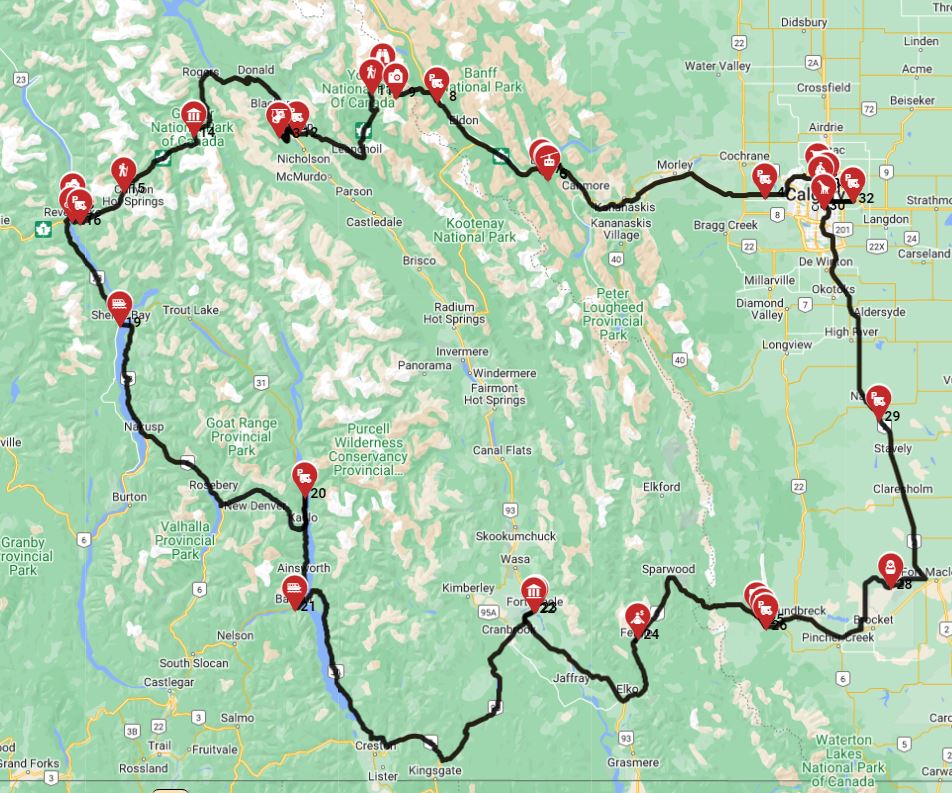
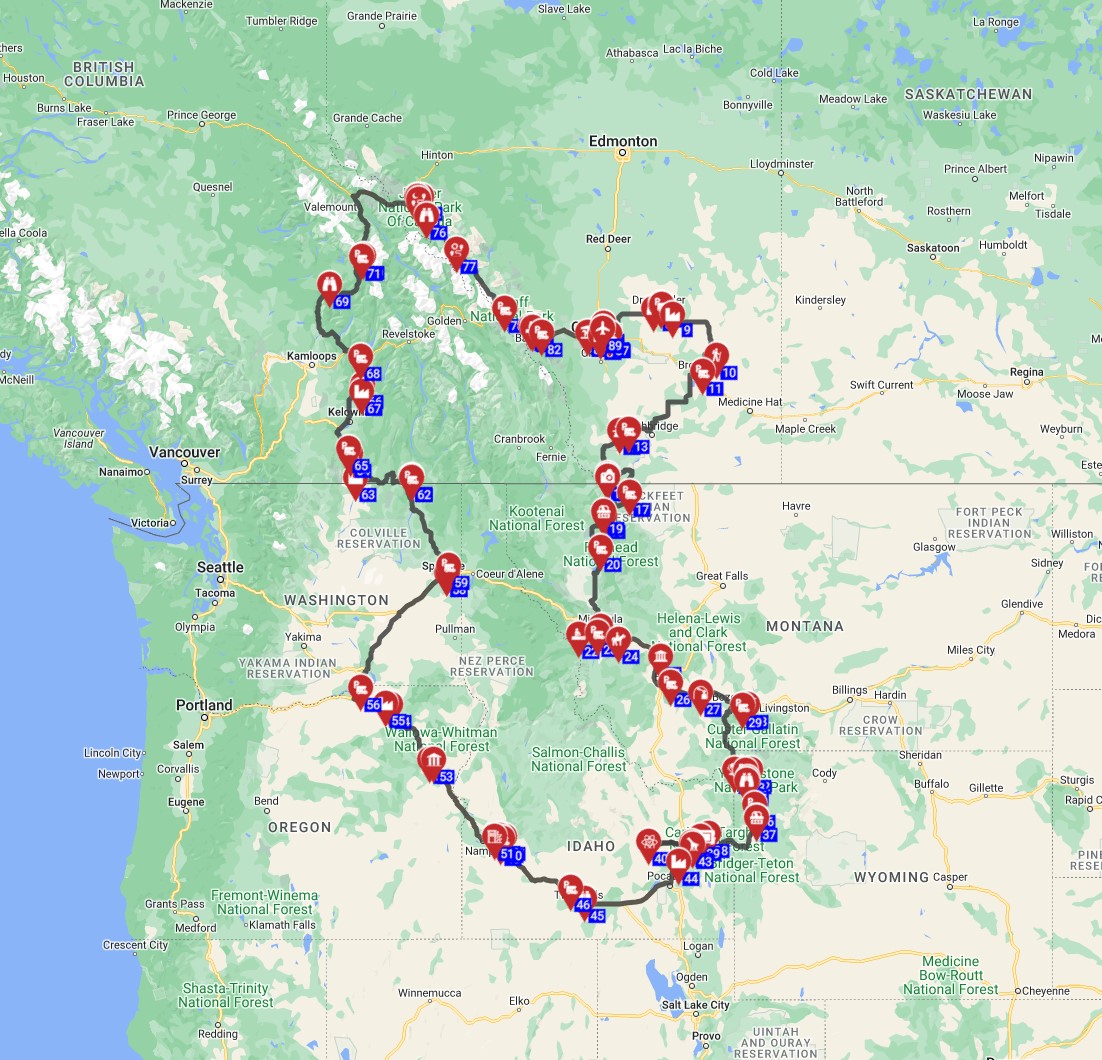
For couples, the best RV route in Western Canada often involves a loop through the majestic Canadian Rockies, connecting iconic national parks like Banff and Jasper via the scenic Icefields Parkway, with strategic extensions to explore British Columbia's diverse landscapes. Popular routes frequently include a "Classic Route" that takes you from Vancouver through the Rockies and back to Vancouver, or a focused "Canadian Rockies Scenic Loop" commencing from cities like Calgary or Edmonton. Beyond the internationally recognized Banff, Jasper, and the Icefields Parkway, consider venturing into off-the-beaten-path destinations such as Kootenay National Park, Yoho National Park-renowned for Takakkaw Falls and Emerald Lake-or the less-visited provincial parks like Wells Gray Provincial Park, famous for its numerous waterfalls. Charming small towns including Revelstoke, Golden, and Canmore offer unique local character, delightful eateries, and access to fantastic outdoor activities without the intense crowds often found in the major national parks. The Okanagan Valley also provides a delightful detour for couples interested in wine tasting and lakeside activities, adding a touch of luxury to your adventure. Our "RV Rental USA - Complete Guide 2026" can offer broader context for North American RV travel.How much does it cost to RV in Western Canada?
The cost to RV in Western Canada for couples can range significantly, typically from CAD $150 to $400+ per day, depending on the RV class, rental duration, season, and individual spending habits. Prices are dynamic, similar to flight tickets, changing daily based on availability, seasonality, and supplier marketing decisions, with the final price set at the actual booking time. Beyond the RV rental itself, detailed budgeting and cost-saving strategies are crucial; allocate funds for fuel (which can be a major expense in West Canada, especially with varied terrain), campsite fees (ranging from CAD $30-$70/night for powered sites), national and provincial park passes (e.g., Parks Canada Discovery Pass), food, and any activities. Fuel efficiency tips, such as maintaining a consistent moderate speed and planning routes to minimize excessive mountain driving, can help reduce expenses. For example, Bandana's Class B Camper Vans typically average 8-10 Liters/100 km, offering better fuel economy. Considering free or low-cost activities like hiking and picnicking at scenic viewpoints, along with grocery planning and cooking meals in your RV, can significantly cut down dining out costs, allowing for more budget flexibility for unique experiences. Remember, on RV PLANET routes, travelers can itemize and track every expense along the way for easy budgeting. For a deeper dive into pricing, consult our "Luxury RV Rental in West Canada - Premium Prices 2026" guide.What RV do I need for Canada?
For couples traveling in West Canada, a smaller, more maneuverable RV such as a Class B Camper Van or a Class SI Semi-integrated model is highly recommended, balancing interior comfort with ease of driving on mountain roads. As highlighted in the "Best RV Class for This Itinerary" section, a Class B Camper Van, like the "rent rv example A1" model, which is ideal for a couple, offers excellent fuel economy and allows for easier parking and access to tighter spots often found within national parks and charming small towns. These typically range around 5.99 meters in length, with features such as front air conditioning, shower, and toilet. Class SI - Semi-integrated models, like the "2 Berth Rover," provide more interior space and amenities than a Class B, while still being more agile than larger Class C units, averaging around 6.9 meters in length and often sleeping around 3.8 people from Bandana's global fleet. When making your choice, consider factors like the duration of your trip, the amount of gear you plan to bring (e.g., bikes, hiking equipment), and your comfort level with driving a larger vehicle on winding, potentially steep roads. All RVs rented through reputable companies in Canada are equipped for the climate, but for shoulder season or off-peak travel, always ensure your chosen RV is adequately insulated and has a robust heating system.Are RVs allowed on the Icefields Parkway?
Yes, RVs are generally allowed and strongly encouraged on the Icefields Parkway, which stands as one of the most iconic and scenic drives in the Canadian Rockies, connecting Banff and Jasper National Parks. While this route is a highlight for any RV journey, specific RV driving challenges and tips for mountain passes, steep grades, and navigating winding roads are essential for a safe and enjoyable trip. Always check current road conditions and weather forecasts before setting out, especially outside of the peak summer months, as conditions can change rapidly. Be prepared for the possibility of snow or ice at higher elevations in spring and fall; winter tires or chains may be required if you travel during these seasons. Large vehicle parking can be challenging at exceptionally popular viewpoints like Lake Louise or Peyto Lake, so planning to arrive early in the morning or visiting during off-peak hours can significantly improve your experience. Comprehensive wildlife safety protocols are paramount along the Parkway: drive slowly, be vigilant for animals (bears, elk, deer) on or near the road, and maintain a safe distance when viewing wildlife from your vehicle, never feeding them.How do you plan an RV trip to the Canadian Rockies?
Planning an RV trip to the Canadian Rockies involves meticulous route mapping, securing campsites, thoughtful budgeting, and preparing for specific mountain conditions to ensure a safe and memorable experience. Advanced campsite booking strategies are critical for popular Parks Canada campgrounds, especially during peak season (July-August), where reservations often open months in advance and fill within minutes. If you're a spontaneous traveler or booking last-minute, know that many national and state parks reserve only 25-30% of spots for reservations, with the rest being first-come-first-serve. You'll find a spot; if not at the first campground, then the next one. Just remember to call ahead before driving. Alternatives include provincial parks, private campgrounds, or exploring boondocking/dispersed camping options in designated areas (always check local regulations). Factor in daily driving distances (Avi Bandana recommends a maximum of 150 km/day) and allocate extra time for scenic stops, hikes, and unexpected delays. Integrate local culture and indigenous perspectives by visiting cultural centers, supporting local businesses, and learning about the history of the lands you travel through, such as at Fort Langley National Historic Site or through local guided tours. Detailed environmental responsibility guidelines for RVers, including 'Leave No Trace' principles, are vital: use designated dump stations, conserve water, minimize waste, and stay on marked trails to protect the delicate mountain ecosystem. For those traveling with pets, research pet-friendly campgrounds and trails, as regulations vary by park (e.g., pets often need to be leashed, and some trails prohibit pets). Remember to pack for all weather conditions, as mountain weather can change rapidly, and carry bear spray, knowing how to use it, along with other bear country safety protocols. For typical costs, check our "Weekly RV Rental in West Canada - Pricing 2026" guide.Is it worth RVing in Banff?
RVing in Banff National Park is highly worth it for couples seeking immersive natural beauty and the freedom to explore at their own pace, despite the park's immense popularity and the associated booking challenges. The significant advantage of having your own mobile accommodation allows for early morning access to highly sought-after spots like Lake Louise or Moraine Lake, often enabling you to enjoy their splendor before the main crowds arrive. Banff provides excellent infrastructure for RVers, featuring multiple Parks Canada campgrounds, with Tunnel Mountain Village being a particularly popular choice due to its amenities and proximity to Banff town. However, securing a spot, especially during peak season, requires diligent advanced booking. While Banff town itself can be bustling, your rented RV offers the flexibility to retreat to nature and easily access numerous hiking trails, scenic drives, and abundant wildlife viewing opportunities directly from your campsite. Embrace the 'slow travel' philosophy to fully experience Banff's iconic landscapes, rather than rushing through; consider exploring quieter areas like Lake Minnewanka or Two Jack Lake for more serene moments. For cost considerations for a pair, check our "Family RV Rental in West Canada - Pricing Guide 2026" for insights on different vehicle sizes.Where can I RV camp for free in British Columbia?
Free RV camping in British Columbia, often referred to as boondocking or dispersed camping, is indeed possible in certain areas, primarily on Crown Land (public land) and through specific provincial programs, though regulations require careful research and adherence. Recreation Sites and Trails BC manages hundreds of basic, low-cost campgrounds throughout the province, many of which are free or have a minimal fee, typically found off main highways in more remote areas. These sites usually offer fewer amenities than national or provincial parks. To find legal and safe boondocking spots, it's crucial to utilize reliable resources such as the iOverlander app, Backroad Mapbooks, and official local government websites, as regulations can change and vary significantly by region and municipality. Always adhere strictly to 'Leave No Trace' principles when boondocking, including packing out all trash, minimizing your environmental impact, and being entirely self-sufficient with water and waste disposal. Be aware that free camping options generally lack services like potable water, sewage dump stations, or electricity, so your RV must be fully self-contained. Additionally, some areas may have seasonal fire bans or temporary closures, so always check ahead.🎬 Video coming soon
What You Shouldn't Miss
- A soak in the Banff Upper Hot Springs: After a day of hiking, there's nothing more relaxing than a warm dip with stunning mountain views.
- Paddling on Lake Louise or Moraine Lake: Rent a canoe and glide across the turquoise waters of these iconic lakes for an unforgettable romantic experience.
- Wildlife spotting along the Icefields Parkway: Keep your eyes peeled for bears, elk, bighorn sheep, and mountain goats. Remember to keep a safe distance and never feed wildlife.
- Exploring Johnston Canyon's catwalks and falls: A relatively easy hike leading to beautiful waterfalls and ink pots, perfect for a couple's stroll.
- Stargazing in Jasper National Park: As a Dark Sky Preserve, Jasper offers unparalleled opportunities to admire the night sky together.
- Wine tasting in the Okanagan Valley: Detour to British Columbia's wine country for a sophisticated and scenic experience.
Final Thoughts
An RV rental for couples in West Canada promises an unforgettable journey filled with stunning landscapes, intimate moments, and the freedom to explore at your own pace. Whether you choose a week-long express trip or an extended two-week adventure, the Canadian Rockies and British Columbia's diverse beauty await. Remember, the key to a truly magical trip is to travel slowly, max 100-150 km per day on average. Take time to feel the place, connect to the culture, the food, and the scenery. At Bandana Caravan, we are dedicated to making your RV dreams a reality, supporting you every step of the way with transparent pricing and expert advice. So, start envisioning your romantic getaway, choose your perfect rented motorhome or campervan, and get ready to create cherished memories together on the open road.On the routes offered through RV PLANET routes, you can itemize and track every expense along the way for easy budgeting.