In This Guide
- Best New Zealand RV Itinerary for rv rental - Overview
- 7-Day Classic Route in New Zealand
- 14-Day Extended Journey in New Zealand
- Recommended RVPlan Trip for New Zealand
- Must-See Stops Along the Way (Avi Bandana Picks)
- Daily Driving Distances & Drive Times in New Zealand
- Best RV Class for This Itinerary - Couple & Family Picks
- Is New Zealand RV friendly?
- Is it easy to drive a motorhome in New Zealand?
- Can I park my motorhome anywhere in New Zealand?
- Is it worth getting a campervan in New Zealand?
- What is the 333 rule for campervan?
- What month is the best month to go to New Zealand?
- Can you sleep anywhere in a campervan in New Zealand?
- Is a campervan a good way to see New Zealand?
- What should I not miss in New Zealand?
Best New Zealand RV Itinerary for rv rental - Overview
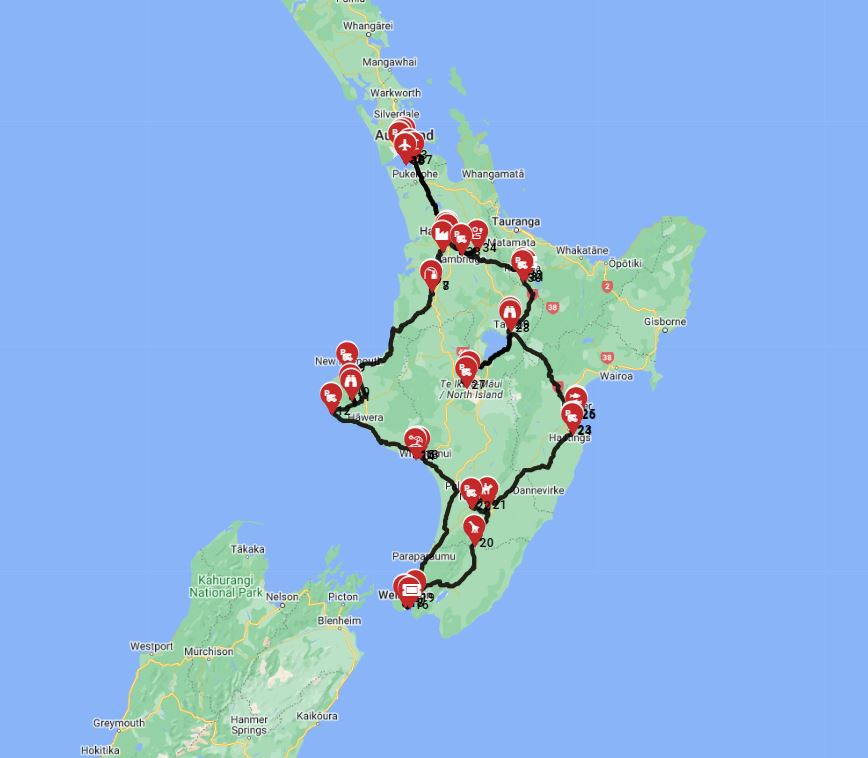
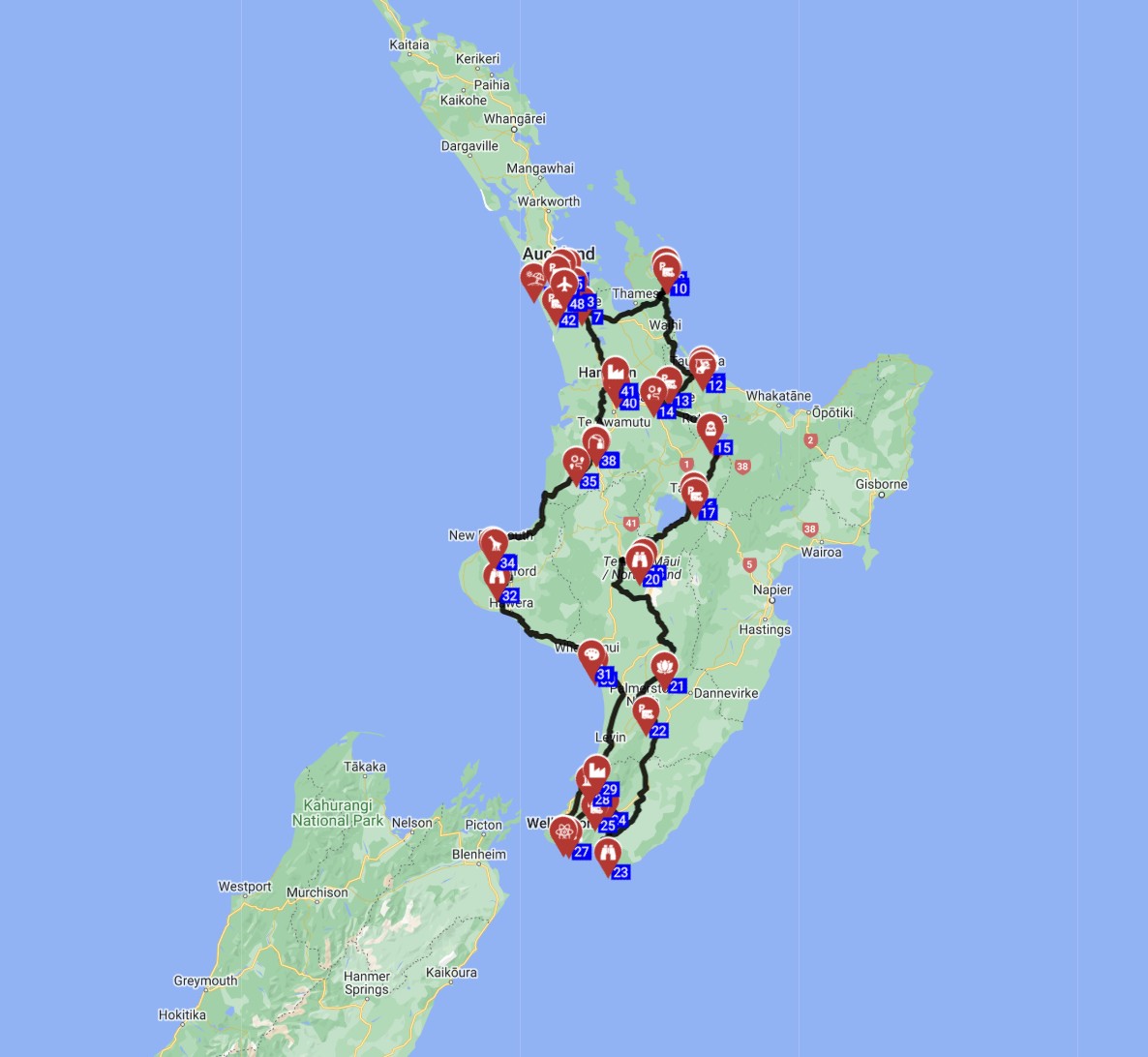
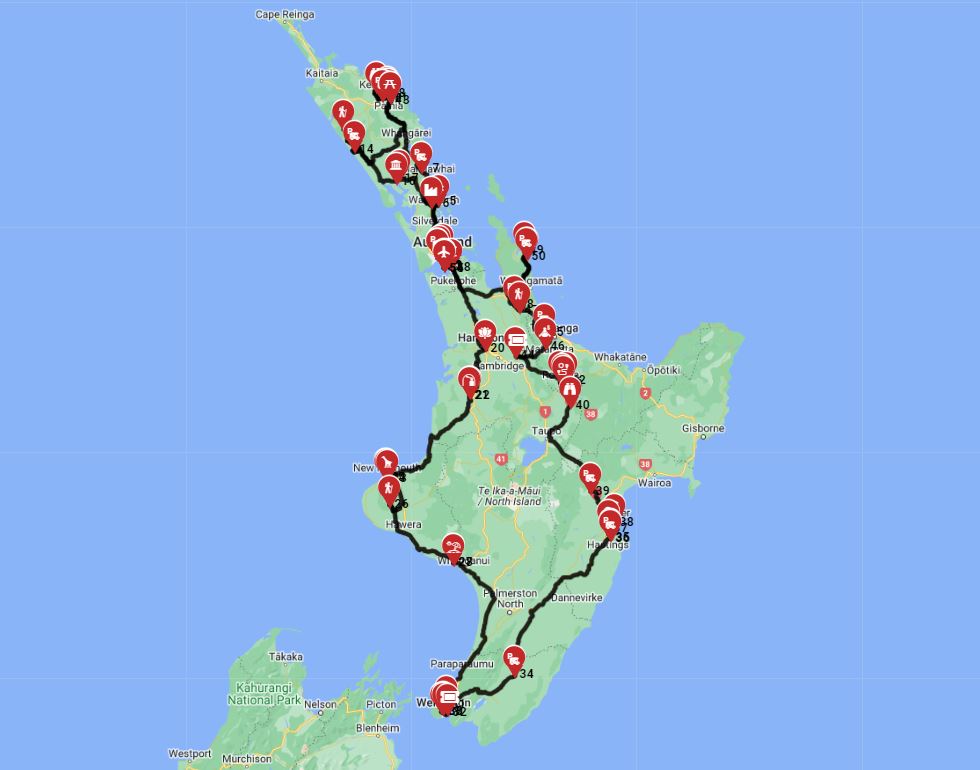
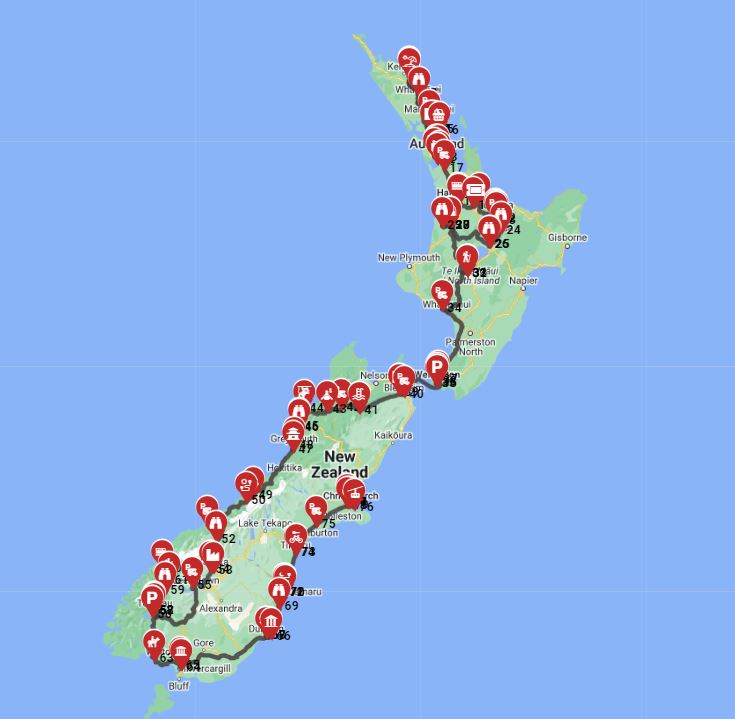
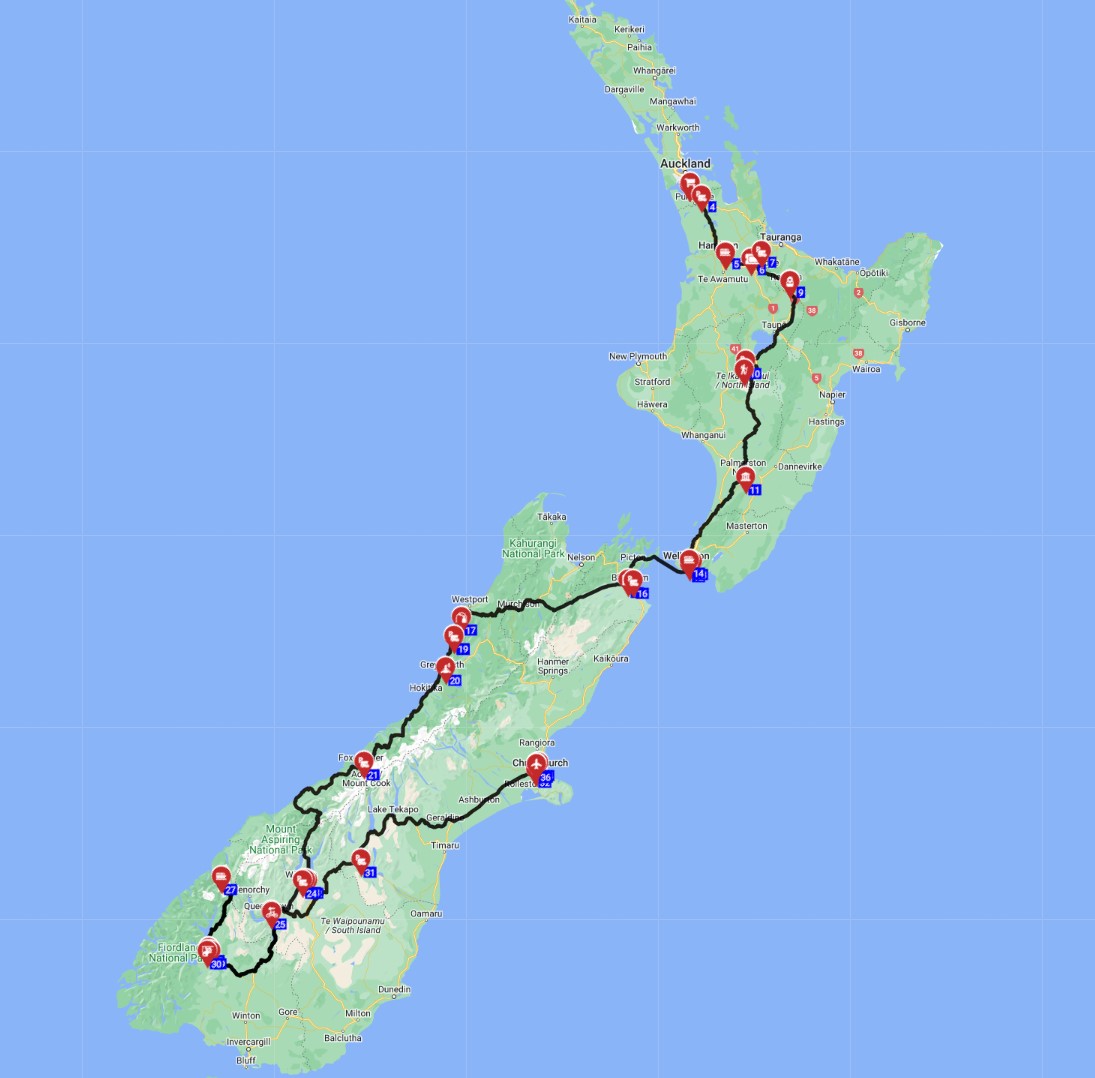
An RV trip through New Zealand typically involves a mix of scenic drives, outdoor activities, and cultural experiences, often spanning both the North and South Islands. For an extended, comprehensive journey, a trip like the '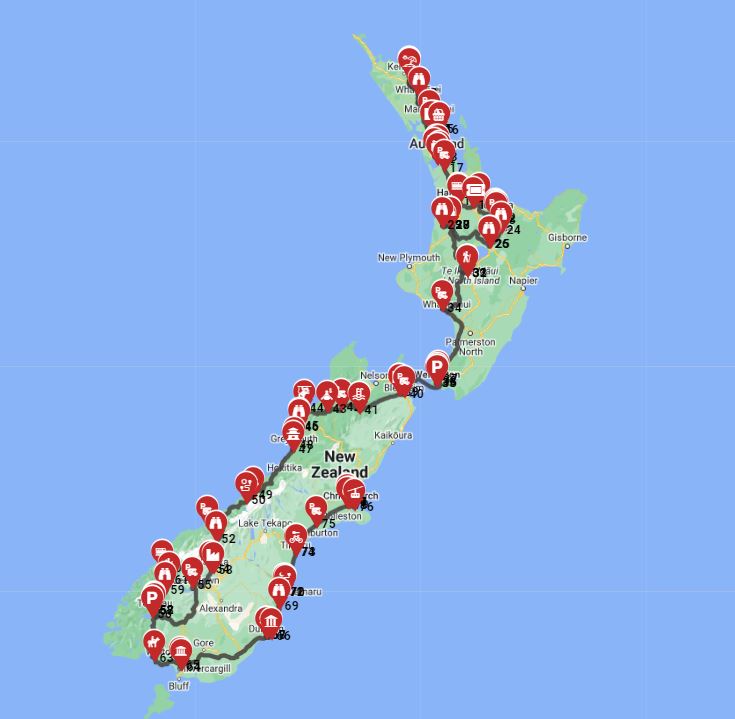
Auckland to Christchurch - Comprehensive New Zealand
7-Day Classic Route in New Zealand
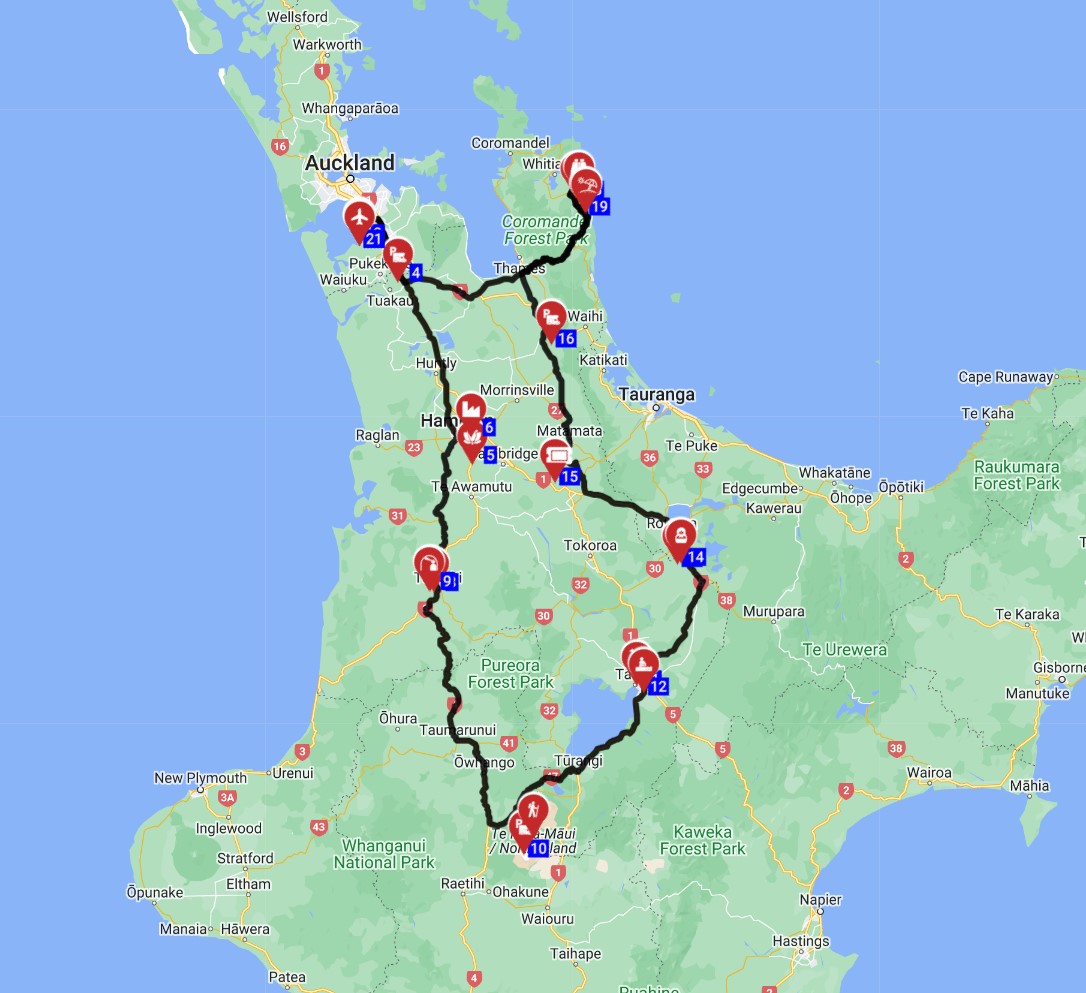
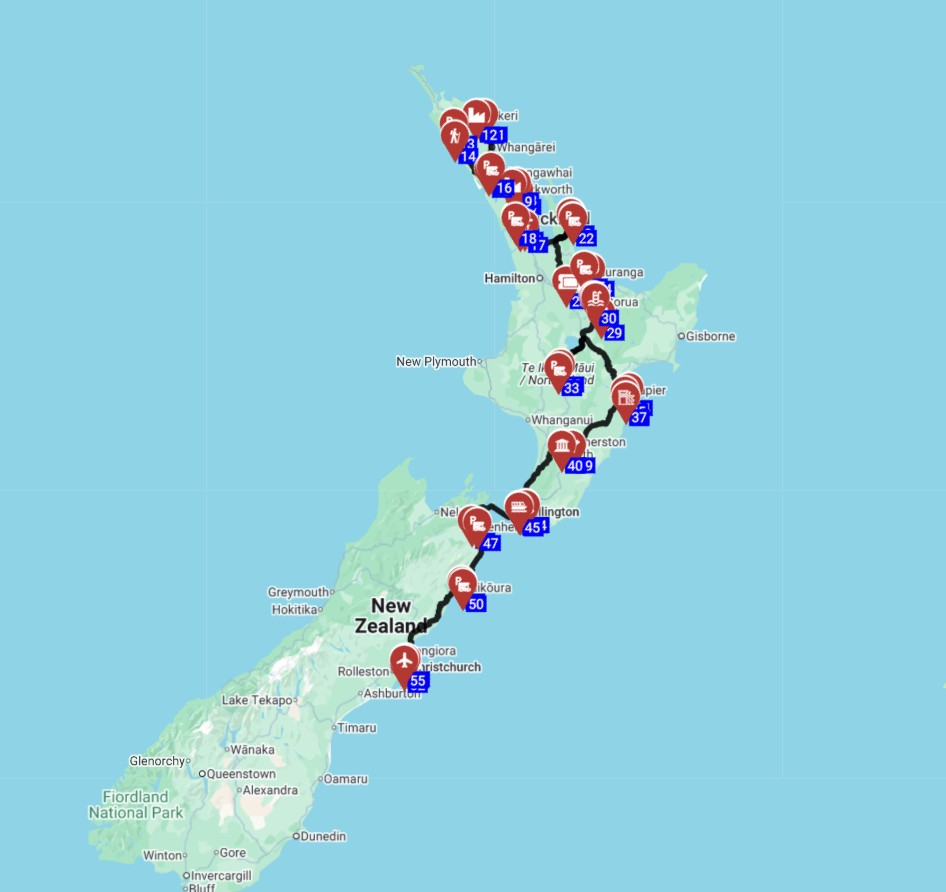
A 7-day classic route in New Zealand can provide a taste of both the North and South Islands' highlights, ideal for couples seeking a romantic and adventurous week-long trip. This itinerary balances driving with ample time for exploration, keeping our slow travel recommendations in mind. You can effortlessly manage all your trip costs, including fuel and campground fees, using RV PLANET routes.- Day 1: Auckland → Rotorua (approx. 230 km). Explore the Waitomo Caves' mesmerizing glowworms and visit the iconic Hobbiton Movie Set. Sleep at Rotorua TOP 10 Holiday Park, enjoying its amenities.
- Day 2: Rotorua → Taupo (approx. 80 km). Discover the geysers and mud pools at Te Puia Geothermal Park, then witness the powerful Huka Falls. Stay overnight at Taupo DeBretts Spa Resort for a relaxing end to the day.
- Day 3: Taupo → Tongariro National Park (approx. 100 km). Experience the volcanic landscapes with a partial or full hike of the Tongariro Alpine Crossing, a truly awe-inspiring natural feature. Whakapapa Holiday Park offers a comfortable night's rest.
- Day 4: Tongariro → Wellington (approx. 330 km). Enjoy a scenic drive to New Zealand's vibrant capital, Wellington, and immerse yourselves in culture at the Te Papa Museum. Park your rented RV at Wellington TOP 10 Holiday Park.
- Day 5: Wellington → Picton (Interislander Ferry). Take the scenic Cook Strait crossing, marveling at the Marlborough Sounds. Picton TOP 10 Holiday Park provides an ideal spot to stay.
- Day 6: Picton → Kaikoura (approx. 150 km). Embark on a thrilling whale watching tour or observe the playful seal colonies. Enjoy your evening at Kaikoura TOP 10 Holiday Park.
- Day 7: Kaikoura → Christchurch (approx. 180 km). Conclude your journey exploring the beautiful Christchurch Botanic Gardens and the Re:START Mall. Christchurch TOP 10 Holiday Park awaits for your final night.
14-Day Extended Journey in New Zealand
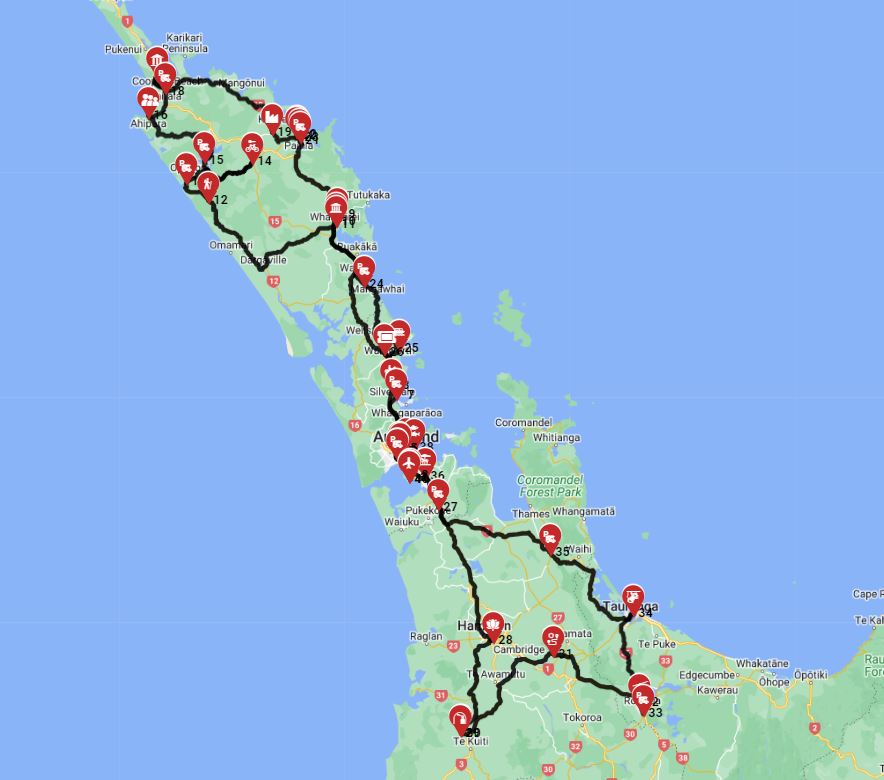
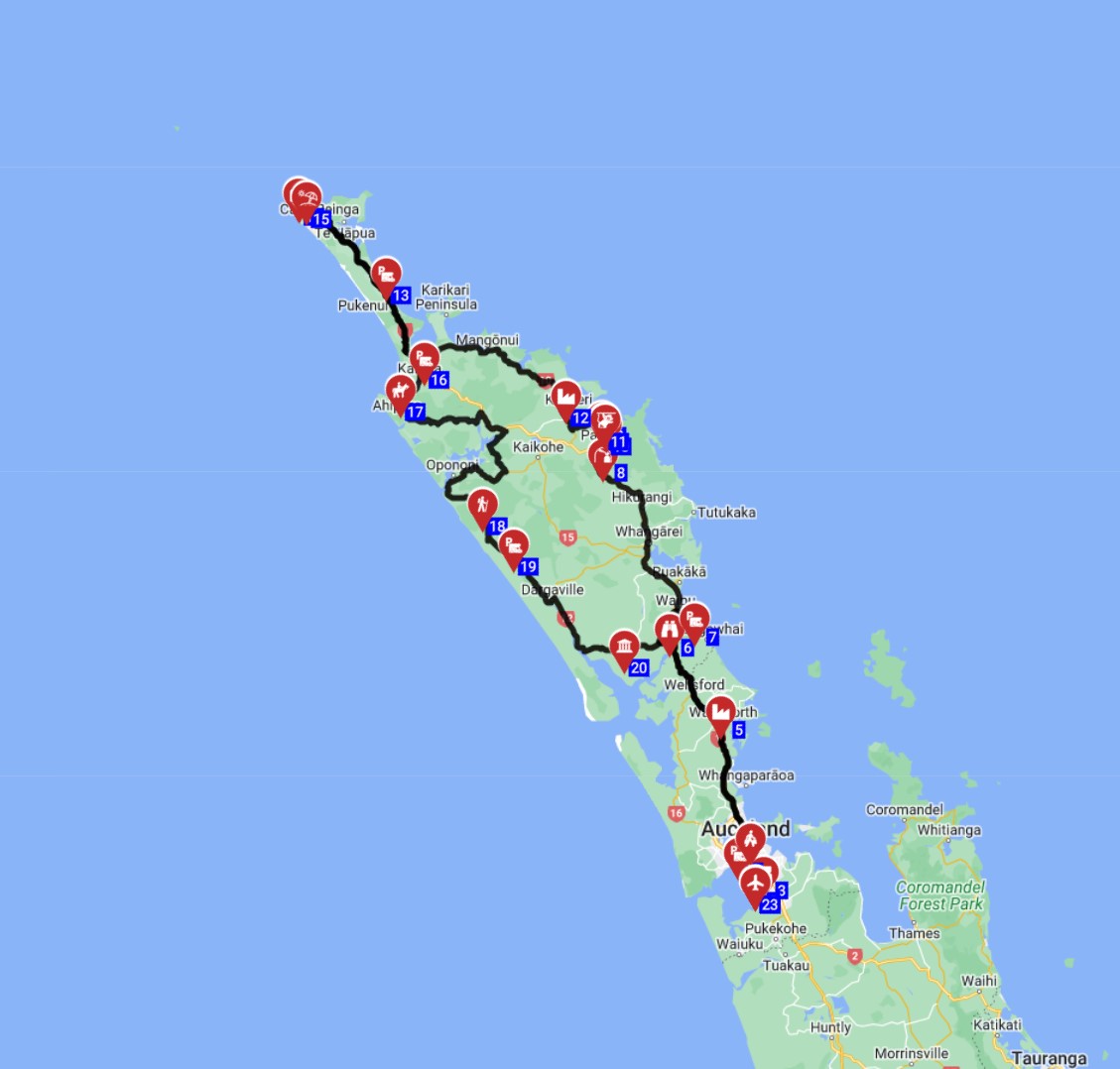
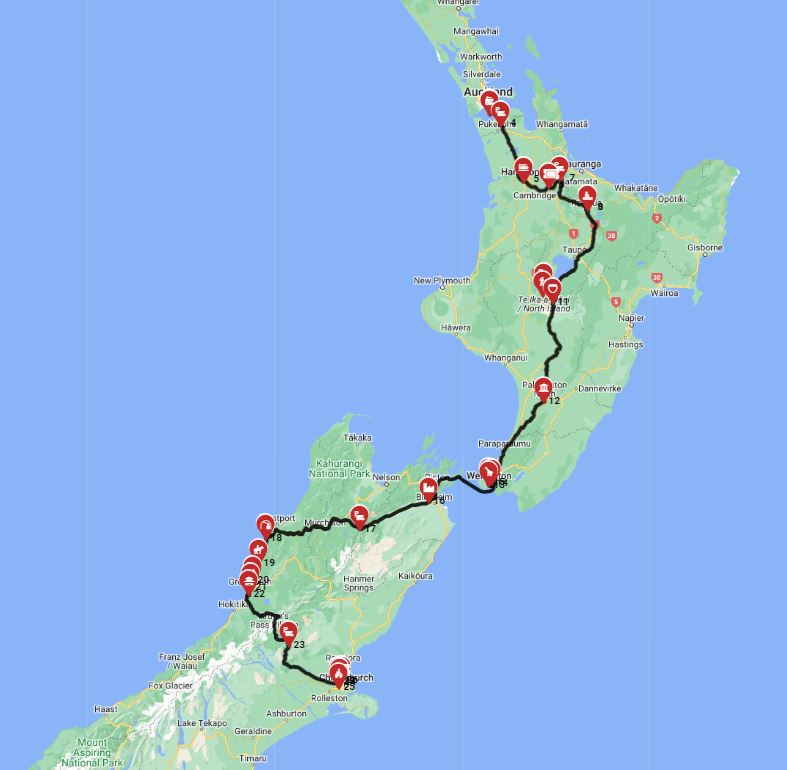
An extended 14-day journey in New Zealand allows for deeper exploration of both islands, perfect for those who enjoy a comprehensive RV trip. Whether you're a meticulous pre-planner who likes everything organized months in advance or a spontaneous traveler who prefers to book day-to-day, New Zealand offers options. Remember that many national and state parks reserve only 25-30% of their spots for advance bookings, with the rest available on a first-come-first-serve basis, so you'll always find a spot. If not at the first campground, then the next one, just call ahead before driving.- Days 1-3 (Northland & Auckland): Begin by exploring Auckland's city sights before heading north to the stunning Bay of Islands, visiting the historically significant Waitangi Treaty Grounds and the charming town of Paihia. Return to Auckland with your rented motorhome.
- Days 4-6 (Central North Island): Journey south to Rotorua to witness its geothermal wonders and immerse yourselves in rich Maori culture. Continue to Taupo for lake activities and the iconic Huka Falls.
- Days 7-8 (Wellington & Ferry): Drive to Wellington, New Zealand's vibrant capital, to discover its museums and energetic atmosphere. Then, embark on the Interislander Ferry for a picturesque crossing to Picton on the South Island.
- Days 9-11 (Marlborough & West Coast): Explore the renowned Marlborough wine region, perhaps enjoying a tasting. Afterward, head west to experience the dramatic Punakaiki Pancake Rocks and the rugged beauty of the West Coast scenery. Consider staying overnight near Fox or Franz Josef Glacier.
- Days 12-14 (Queenstown & Fiordland): Drive through the breathtaking Haast Pass to Queenstown, the adventure capital. Take a day trip to the majestic Milford Sound or Doubtful Sound (a long driving day, so consider an overnight cruise or staying in Te Anau). Conclude your journey in Queenstown or make your way towards Christchurch for departure.
Recommended RVPlan Trip for New Zealand
For an extensive and expertly curated journey, the '
Auckland to Christchurch - Comprehensive New Zealand
Must-See Stops Along the Way (Avi Bandana Picks)
Avi Bandana's personal picks for your New Zealand RV adventure include a traditional visit to the Waitangi Treaty Grounds, offering profound insights into the nation's founding history and culture. When exploring New Zealand by motorhome, don't miss a stop at a Traditional Market, such as the Matakana Village Farmers Market mentioned in the comprehensive RVPlan trip, for local produce and artisanal goods. You can then prepare a delicious meal right in your rented RV's kitchen, making the most of fresh local ingredients. For some fantastic ideas, check out our RV-friendly recipes playlist. Experience New Zealand's unique culinary scene at a Traditional Restaurant or Fine Dining establishment, which the RVPlan trip suggests as a memorable experience. Also, explore Local Industry attractions, like the numerous vineyards in Marlborough or artisan craft studios, to connect with the country's economic and creative heart, with the RVPlan trip highlighting four such opportunities.Daily Driving Distances & Drive Times in New Zealand
Avi Bandana recommends a maximum of 100 miles or 150 km per day on average when driving a rented RV in New Zealand, encouraging travelers to embrace slow travel and truly savor the scenery. While navigating New Zealand's roads, particularly in rural and mountainous regions, you'll find they can be narrow, winding, and include unique single-lane bridges, necessitating slower speeds and frequent stops. Drive slowly and carefully, and you can drive almost anywhere without issues. No need to stress - just use common sense and pay attention. Adhering to lower daily mileage allows for spontaneous detours, longer activity times, and significantly reduces driving fatigue, ensuring your journey remains enjoyable. For instance, the drive from Auckland to Rotorua (approx. 230 km) takes around 3-3.5 hours of pure driving, but with stops for photo opportunities or a local cafe, it can easily fill half a day. Similarly, Queenstown to Milford Sound (approx. 290 km) is a significant drive of 3.5-4 hours one-way, best managed with an overnight stay in Te Anau to avoid rushing and to fully appreciate Fiordland National Park's majesty.Best RV Class for This Itinerary - Couple & Family Picks
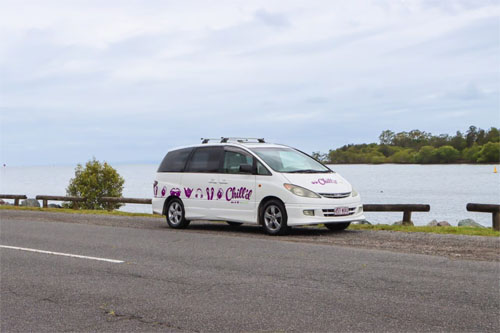
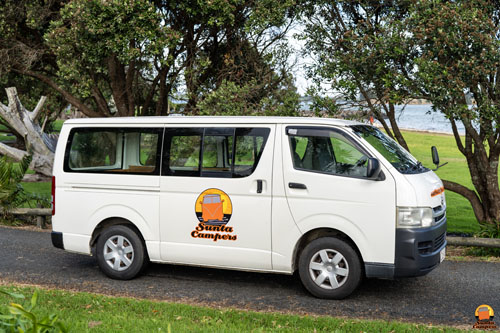
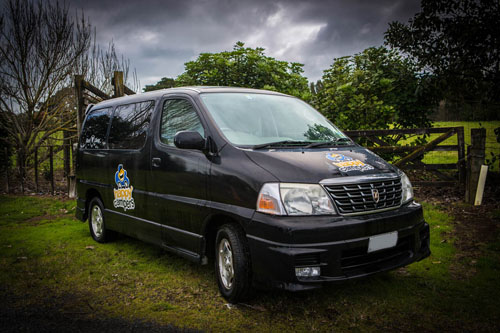
For couples planning a romantic RV itinerary in New Zealand, a Class B Camper Van is an ideal choice, offering agility and comfort on New Zealand's diverse roads. These vehicles, with an average length of 5.8 meters and sleeping capacity for 3.2, comfortably accommodate 2.7 adults from Bandana's global fleet, such as the "2 Berth Hi Top" which features automatic transmission and front air conditioning. The compact size of a Camper Van makes it easier to navigate New Zealand's narrow roads and park in smaller spaces, while typically consuming around 8-10 Liters/100 km, contributing to an efficient journey. For families, a Class C Alcove motorhome is highly recommended, providing ample space and amenities for a comfortable adventure. These larger vehicles, averaging 7.5 meters in length and offering a sleeping capacity for 5.8, suitable for 4.4 adults on average, ensure everyone has room to relax. A "4 Berth Deluxe" is an excellent example, with automatic transmission, front air conditioning, and a roof air conditioner. Class C motorhomes typically consume 10-12 Liters/100 km and feature a shower and toilet, making them a fantastic option for extended family trips. Bandana's Rent&Plan service streamlines your trip by combining your RV rental with ready-made route plans crafted by travel experts, providing full access to trip-planning software to remove the hassle of organizing your adventure.Is New Zealand RV friendly?
New Zealand is highly RV-friendly, boasting extensive infrastructure that supports motorhome and campervan travel, including numerous holiday parks, Department of Conservation (DOC) campsites, and designated freedom camping sites. The country's diverse landscapes, from stunning coastal roads to challenging alpine passes, are exceptionally well-suited for RV exploration, revealing breathtaking views around every bend. RV-specific amenities such as dump stations, fresh water fill-ups, and propane/gas stations are widely available, though careful planning is crucial in more remote areas. Many towns and tourist attractions provide dedicated RV parking, and the 'Tiaki Promise' encourages responsible tourism, which aligns perfectly with environmentally conscious RV travel. However, road conditions can vary, and it's essential to be aware of larger vehicle limitations on narrow, winding roads and single-lane bridges, requiring careful driving and adherence to local regulations. Our RV Rental Australia - Complete Guide 2026 also provides similar insights for our neighboring continent.Is it easy to drive a motorhome in New Zealand?
Driving a motorhome in New Zealand is generally manageable for experienced drivers, but it requires careful attention due to often narrow, winding roads, mountainous terrain, and unique road rules. New Zealand drives on the left-hand side of the road, which can be an adjustment for international visitors. Roads frequently feature single-lane bridges, particularly in rural areas, where drivers must give way according to clear signage, and mountain passes require vigilance for steep grades and sharp turns. Drive slowly and carefully, and you can drive almost anywhere without issues. No need to stress - just use common sense and pay attention. It is advisable to take out comprehensive vehicle insurance and understand breakdown assistance options, as cell service can be intermittent in remote areas, and be prepared for changeable weather conditions that can affect driving. Our 24/7 support means real people are behind you before, during, and after your booking, offering peace of mind.Can I park my motorhome anywhere in New Zealand?
No, you cannot park your motorhome anywhere in New Zealand; strict freedom camping regulations apply, requiring vehicles to be certified self-contained in many areas. Designated freedom camping sites, holiday parks, and Department of Conservation (DOC) campsites are the primary legal options for overnight parking. Local councils enforce specific bylaws regarding where non-self-contained vehicles can park overnight, often restricting them to paid campsites. Signs clearly indicating 'No Overnight Parking' or 'Self-contained Vehicles Only' are common, and failure to comply can result in hefty fines, often up to NZ$200. Booking campsites, especially DOC sites and popular holiday parks during peak season (December-February), is highly recommended to secure a spot and avoid any issues. For finding campsites and campgrounds during your trip, we recommend using RV PLANET (rvplan.net) - a great resource for locating available spots along your route. You can explore more tips in our RV Travel Guide to New Zealand - Tips and Top Spots 2026 video guide.Is it worth getting a campervan in New Zealand?
Getting a campervan in New Zealand is largely worth it for the unmatched flexibility, deep immersion in nature, and potential cost savings on accommodation, especially for travelers who appreciate spontaneous adventures. The primary advantage is the freedom to explore at your own pace, changing plans as desired and accessing remote areas that might be less convenient with traditional accommodation. While initial rental and fuel costs can be significant, with Bandana's global fleet Class B Camper Vans averaging 8-10 Liters/100 km and Class C Alcoves 10-12 Liters/100 km, savings on hotels and the ability to cook your own meals can often offset these expenses. For easy budgeting and tracking every expense, explore RV PLANET routes. Additional costs include campsite fees (ranging from free freedom camping to NZ$50+ for powered sites), activity costs, and inter-island ferry fares, all of which should be factored into your budget. The ability to wake up to stunning landscapes and have your 'home on wheels' wherever you go provides an unparalleled travel experience, making it a fantastic choice for a romantic RV itinerary in New Zealand.What is the 333 rule for campervan?
The '333 rule' for campervans in New Zealand is an unofficial but widely referenced guideline for responsible freedom camping, encouraging campers to limit their stay to '3 nights, 3 meters from a waterway, 3 friendly people' (or 'leave no trace'). While not a legal regulation, this rule encapsulates the spirit of the Tiaki Promise and sustainable tourism, promoting minimal impact on New Zealand's pristine natural environments. The legal requirement for freedom camping in most restricted areas is that your vehicle must be certified self-contained, meaning it has a toilet, wastewater tank, fresh water tank, and rubbish bin sufficient for at least three days of use. Adhering to responsible camping practices, including proper waste disposal and respecting local communities, is crucial for preserving New Zealand's unique landscape. Specific regulations vary by local council and Department of Conservation (DOC) sites, so always check local signage or official resources like the 'Camping NZ' app for current rules.What month is the best month to go to New Zealand?
The best months to visit New Zealand for an RV trip are generally December to February (summer) for warm weather and long daylight hours, or the shoulder seasons of spring (September to November) and autumn (March to May) for fewer crowds and pleasant conditions. Summer offers the best weather for outdoor activities, hiking, and water sports, but popular areas and campsites can be very busy and require advance booking due to high demand. Spring brings blooming landscapes and newborn wildlife, while autumn boasts stunning fall foliage, particularly in regions like Central Otago, offering beautiful romantic settings. The shoulder seasons typically provide a good balance of mild weather and fewer tourists, making campsite bookings and driving more relaxed. Winter (June to August) is suitable for skiing and snowboarding on the South Island, but some roads and campsites may be closed due to snow, and fewer daylight hours impact travel time, though a rented RV provides a warm and cozy retreat.Can you sleep anywhere in a campervan in New Zealand?
No, you cannot legally sleep anywhere in a campervan in New Zealand; overnight parking is strictly restricted to designated areas, especially for non-self-contained vehicles. To freedom camp (park outside of a paid campground), your rented campervan must be certified self-contained, identifiable by a blue sticker, and you must adhere to local council bylaws. Many areas strictly prohibit freedom camping, particularly in urban centers and popular tourist spots, where signs will clearly indicate these restrictions. Fines for illegal freedom camping can be substantial (up to NZ$200-NZ$400), so it's essential to use official resources like the 'Camping NZ' app or local Visitor Information Centres to find legal overnight parking spots. Even in designated freedom camping areas, it is vital to respect the environment, leave no trace, and adhere to community guidelines to maintain responsible tourism practices and preserve New Zealand's natural beauty.Is a campervan a good way to see New Zealand?
A campervan is an excellent way to see New Zealand, offering unparalleled flexibility, direct access to remote natural beauty, and a unique sense of adventure for couples and families alike. It allows travelers to immerse themselves in New Zealand's diverse landscapes, from pristine beaches to majestic mountains, waking up to new breathtaking views daily. The 'home on wheels' concept provides comfort and convenience, enabling you to carry your gear, prepare your own meals, and stay longer in places you absolutely love. A campervan trip offers a deep connection to the 'Aotearoa' experience, promoting responsible travel and the ability to discover hidden gems off the main tourist routes. However, it does require careful planning for routes, fuel, and campsite bookings, especially during peak seasons, and a clear understanding of New Zealand's specific driving and freedom camping regulations to ensure a smooth and enjoyable journey.What should I not miss in New Zealand?
When planning an RV trip to New Zealand, iconic experiences not to miss include the vibrant geothermal wonders of Rotorua, the stunning fjords of Milford Sound (a UNESCO World Heritage site), and the adventure capital of Queenstown. On the North Island, make time for the mesmerizing Waitomo Glowworm Caves, the enchanting Hobbiton Movie Set, and the profound cultural insights at the Waitangi Treaty Grounds. The South Island boasts the dramatic landscapes of Fiordland National Park, the majestic glaciers of the West Coast (Fox and Franz Josef), and the towering mountains of Aoraki/Mount Cook National Park. Consider visiting the Marlborough wine region for world-class Sauvignon Blanc, exploring the unique Pancake Rocks at Punakaiki, and enjoying the incredible wildlife encounters in Kaikoura, known for whales and seals. For a truly comprehensive experience, the '
Auckland to Christchurch - Comprehensive New Zealand
Final Thoughts
Embarking on a romantic RV itinerary in New Zealand is more than just a trip; it's an opportunity to create cherished memories, explore breathtaking landscapes, and connect with the unique spirit of Aotearoa. With the freedom of a rented motorhome, you and your loved one can dictate your own pace, linger longer in places that capture your heart, and discover hidden gems far from the beaten path. We at Bandana RV are passionate about helping you realize this dream. From providing detailed itineraries to offering transparent pricing and unwavering support, we are dedicated to making your New Zealand RV adventure an unforgettable success. So, take the leap, embrace the open road, and let the magic of New Zealand unfold before your eyes. Discover top destinations, planning tips, all in one place!On the routes offered through RV PLANET routes, you can itemize and track every expense along the way for easy budgeting.